-
 0086-15068518279 (Chinese)/001-5416026691 (English)
 -
 [email protected]
 -
0086-15068518279 (Chinese)/001-5416026691 (English) [email protected] 


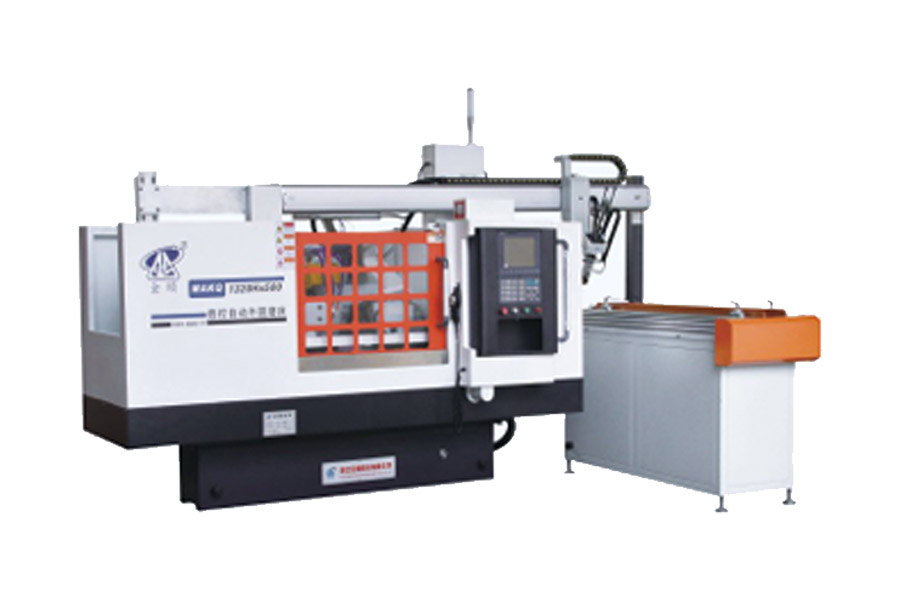
Key Features & BenefitsHigh-Efficiency Automation: Engineered for mass production, this automati...
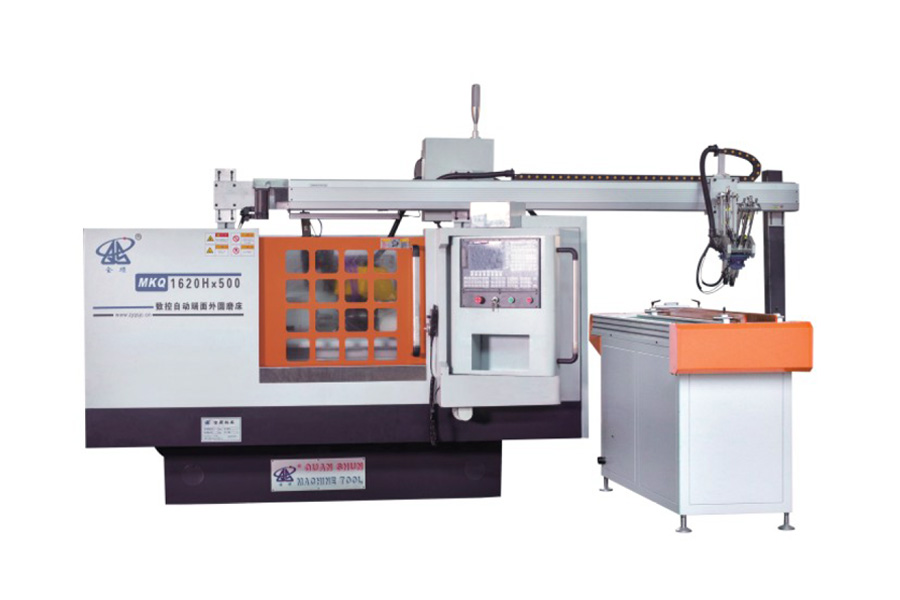
Key Features & BenefitsHigh-Volume Automation: Optimized for mass production, this fully automat...



What Is a CNC Cylindrical Grinding Machine A CNC cylindrical grinding machine is a metal cutting tool that removes a thin layer of material from the ...
View MoreSurface grinding and cylindrical grinding are two different finishing processes chosen for two different part shapes. Surface grinding removes materi...
View MoreOD grinding and CNC cylindrical grinding are not two separate processes but two related terms describing the same family of operations at different ...
View MoreThe cylindrical grinding machine is the most widely used grinding machine across manufacturing overall, because almost every shop that produces round...
View MoreAutomatic Loading And Unloading is the integration of robotic arms, gantry units, or mechanical manipulators directly into a CNC grinding machine so that workpieces are placed onto and removed from the grinding station without an operator handling each part by hand. For manufacturers running cylindrical or end face grinding operations across multiple shifts, this single change is usually the fastest way to raise output, hold tighter tolerances, and reduce the safety risks tied to repetitive manual handling near a spinning grinding wheel.
Below, we walk through why shops are automating their CNC grinding lines, how the loading and unloading hardware actually works, where these systems are applied across industries, how cylindrical and face and cylindrical configurations compare, and what is coming next for grinding automation.
Grinding a cylindrical part well depends on consistency in how the workpiece is positioned, clamped, and presented to the wheel every single cycle. When that step is done by hand, fatigue, distraction, and small variations in technique creep in over an eight or twelve hour shift. Automating the load and unload step removes that variable from the equation, and the gains tend to show up in several measurable areas.
| Benefit area | What changes with automation |
| Productivity | The grinder can run continuously through a cycle since an operator no longer pauses the process to handle each part, which reduces idle time between cycles |
| Process consistency | Repeatable placement and removal cuts down on human error and keeps cycle times stable from part to part |
| Operator safety | Keeping hands away from a high speed rotating wheel during loading and unloading lowers the most common injury risk in grinding cells |
| Unattended operation | Machines equipped with automatic handling can run through nights and weekends, extending usable machine hours without adding staff |
| Labor allocation | Operators shift from repetitive part handling to monitoring, quality checks, and other tasks that still require a person |
Manufacturers that move to automatic loading and unloading typically see increased productivity, improved efficiency, enhanced safety, more consistent quality, time and cost savings, higher machine utilization, and greater flexibility compared with manual handling. Because the machine can run unattended for extended stretches, including overnight and weekend shifts, manufacturers can meet higher production demands without buying additional equipment.
It is worth noting that automation is not just about speed. Stable quality and shorter cycle times now matter just as much as the grinding process itself in many precision manufacturing environments, which is why automatic handling has become a standard consideration rather than a luxury add-on for shops that compete on consistency.
There is no single way to build an automated loading and unloading system, and the right configuration depends heavily on the part family being produced. Common configurations combine the grinder with robotic arms, gantry units, conveyors, or dedicated exchange devices instead of relying on a person to place and remove each workpiece.
| System type | Typical use case |
| Robotic arm handling | Offers flexibility for varying part sizes, shapes, and handling paths, which suits production lines that must adapt to different products or where orientation control matters |
| Gantry or overhead loader | Often chosen for heavier workpieces or layouts where floor space and travel path favor an overhead approach |
| Conveyor or fixed exchange device | Commonly used for standardized parts produced in repeating batches, balancing simplicity with throughput when part variation is limited |
In a typical cycle, the handling device picks a raw or pre-machined workpiece from a feed station, presents it to the grinding wheel in the correct orientation, and the CNC controller manages the actual grinding sequence. Once grinding finishes, the same device removes the finished part and places it on an output conveyor or pallet while the next blank is already being staged. Many systems pair this handling sequence with inspection devices so that continuous grinding and in-process measurement happen together, with feedback from the inspection forming a closed loop that keeps dimensional variation to a minimum.
Before choosing a configuration, manufacturers generally look at what type of workpieces will be handled, how much variation exists in size and geometry, what tolerance and surface finish targets must be held, whether the production mix is stable or changes often, how much floor space is available for guarding, whether in-process gauging is required, and how the system will affect staffing and training. The most suitable machine is not always the one with the most advanced automation package; in many cases the better choice is the configuration that fits the actual production pattern and makes repeatable quality easier to maintain.
Automatic cylindrical grinding shows up wherever round, rotating parts need to be produced in volume with tight roundness and dimensional control. The automotive industry's high volume production requirements align well with the automation capabilities of modern CNC cylindrical grinders, covering transmission shafts, drive shafts, and CV joint components.
At Zhejiang Quanshun Machine Tool Co., Ltd, our Automatic Loading And Unloading CNC cylindrical grinding machines are built for exactly this kind of repeatable, multi-shift production. The model is purpose built so shafts and similar rotational parts can be ground, measured, and exchanged with minimal operator involvement, which fits naturally into the automotive, hydraulic, and general machining applications described above.
A common question among buyers is whether a standard cylindrical grinder or a face and cylindrical grinder is the better fit. The short answer is that it depends on whether the part needs only outer diameter accuracy or whether the end face also needs to be ground to a tight tolerance in the same setup.
| Factor | Cylindrical Grinding Machine | Face and Cylindrical Grinding Machine |
| Primary geometry produced | Outer diameter, taper, and shoulder surfaces of a rotating part | Outer diameter plus the end face surface in one setup |
| Typical parts | Shafts, pins, sleeves, rollers with no critical end face requirement | Parts needing both round accuracy and a precisely squared or flat end face, such as valve components and certain shaft assemblies |
| Setup handling | Single grinding reference per cycle | Combines two grinding references, reducing repositioning and the error that comes from re-fixturing a part |
| Best fit for | High volume parts where only OD accuracy and concentricity matter | Parts where face perpendicularity to the axis is a functional requirement |
Cylindrical grinding machines are mainly used for precision grinding of end faces, outer surfaces, and conical surfaces of batches of shaft parts, making them a core piece of equipment in the automotive engine industry, and the same machine family is also suitable for shaft parts with small batch sizes and high precision requirements in military, aerospace, and general precision machining workshops. When a part also requires a controlled end face, a dedicated face and cylindrical configuration reduces the number of times the part must be unclamped and re-positioned, which directly protects the concentricity and squareness that the part needs to function correctly in assembly.
Quanshun produces both configurations with automatic loading and unloading already built in. Our Automatic Loading And Unloading automatic CNC cylindrical grinding machine is suited to parts where outer diameter accuracy is the main requirement, while our automatic CNC face and cylindrical grinding machine is built for parts that need the outer diameter and the end face ground together in a single automated cycle. Reviewing the part drawing and tolerance callouts on the end face is usually the fastest way to decide which of the two fits a given job.
Several directions are shaping where automatic loading and unloading is heading over the next few years.
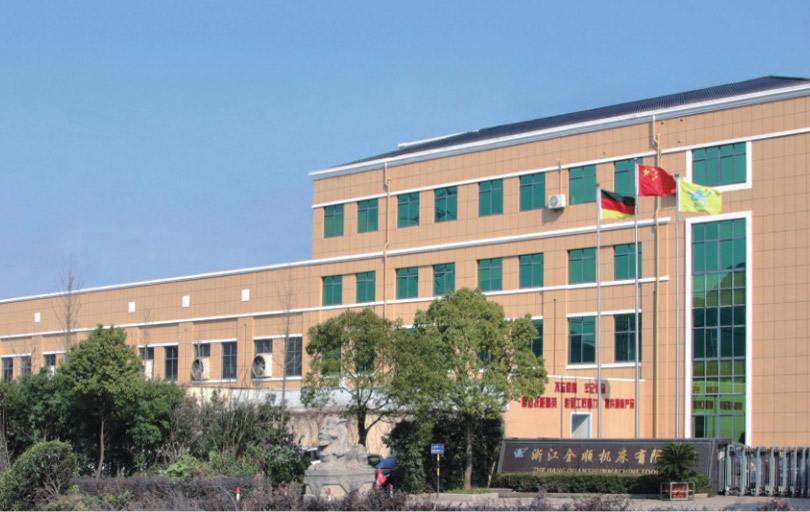
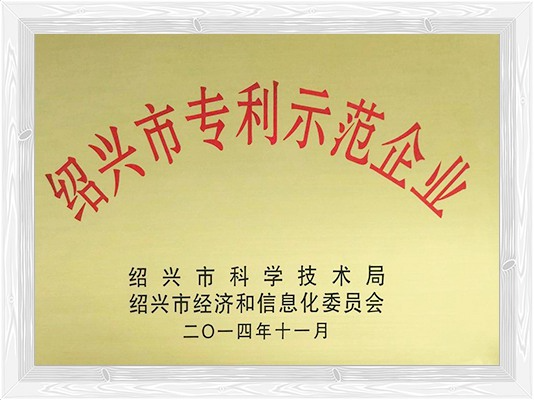
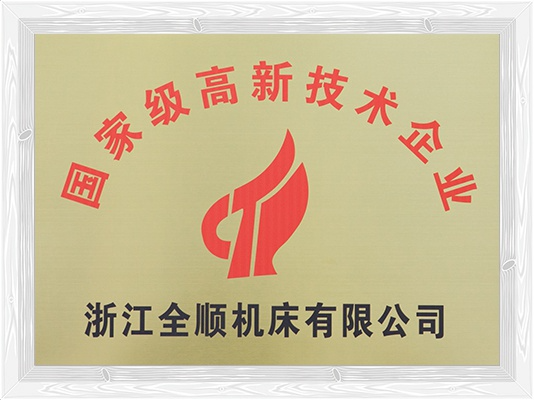
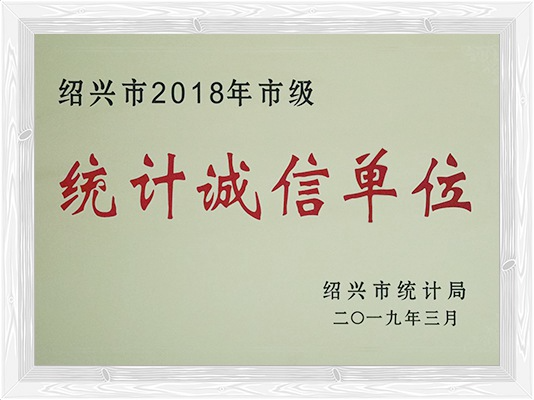
As a manufacturer that designs and builds our own grinding platforms, Quanshun is positioned to support these trends directly. The company covers an area of 35000 square meters with a building area of 32000 square meters, including a dedicated machine tool production base and a hydraulic parts production base. Our product range spans ordinary and CNC cylindrical grinding machines, CNC end face cylindrical grinding machines, automatic loading and unloading CNC cylindrical and end face cylindrical grinding machines, composite grinding machines, and high-precision cylindrical grinders, and we also design non-standard special grinding machines to match specific customer requirements, including related software, training, and automation solutions. Our company holds full product research and development capability, has passed ISO9001-2015 quality system and CE safety certifications, and has been recognized as a National High-tech Enterprise. In 2021, we were rated as a specialized and new small and medium-sized enterprise in Zhejiang Province, and we hold our own export qualifications, with products currently exported to more than 20 countries including the United States, Germany, Japan, and across Southeast Asia.
| What does Automatic Loading And Unloading mean on a grinding machine | It refers to a system, typically a robotic arm, gantry, or mechanical manipulator, that places workpieces into the grinding station and removes them once grinding is complete, without an operator handling each part by hand. |
| Does automatic loading and unloading reduce part quality variation | Yes. Repeatable placement removes much of the inconsistency that comes from manual handling, which helps keep cycle times and dimensional results stable across a production run. |
| Is automatic loading and unloading only useful for high volume production | No. While it suits high volume runs well, flexible systems such as robotic arms can also handle varying part sizes and shapes, which makes them useful for mixed or changing production as well. |
| Can automatic loading and unloading be added to both cylindrical and face and cylindrical grinding machines | Yes. Both machine types can be built or equipped with automatic handling, with the choice between them depending on whether the part needs end face grinding in addition to outer diameter work. |
| What should a buyer check before choosing an automated grinding system | Workpiece type and size variation, required tolerances and surface finish, production mix stability, available floor space, whether in-process gauging is needed, and how the system fits with staffing and training. |
| Does automation eliminate the need for skilled operators | No. It shifts operator time toward monitoring, quality verification, and maintenance, rather than repetitive part handling. |
 0086-15068518279 (Chinese)
 [email protected]
 No.100 Xueyuan Road, Jiangzao Town, Zhuji City, Zhejiang Province, China
Scan code to view mobile website

 EN
EN
 中文简体
中文简体