0086-15068518279 (Chinese)/001-5416026691 (English)



 EN
EN
 中文简体
中文简体Content
OD grinding and CNC cylindrical grinding are not two separate processes but two related terms describing the same family of operations at different levels of automation. OD grinding, short for outside diameter grinding, refers to the general technique of removing material from the outer surface of a rotating cylindrical part to achieve a precise diameter and smooth finish. CNC cylindrical grinding is a modern, computer controlled version of OD grinding that adds programmable accuracy, repeatability, and automation to the traditional process. In short, every CNC cylindrical grinder performs OD grinding, but not every OD grinding machine is CNC controlled.
Quick Comparison Table
| Aspect | Traditional OD Grinding | CNC Cylindrical Grinding |
| Control Method | Manual or semi automatic | Fully computer controlled |
| Precision | Depends on operator skill | Consistent, programmable tolerances |
| Repeatability | Varies between batches | High, part to part consistency |
| Setup Time | Longer for complex shapes | Faster with stored programs |
| Best Suited For | Simple shapes, low volume | Complex profiles, medium to high volume |
| Operator Involvement | Continuous manual adjustment | Program setup then automated cycles |
What Is OD Grinding
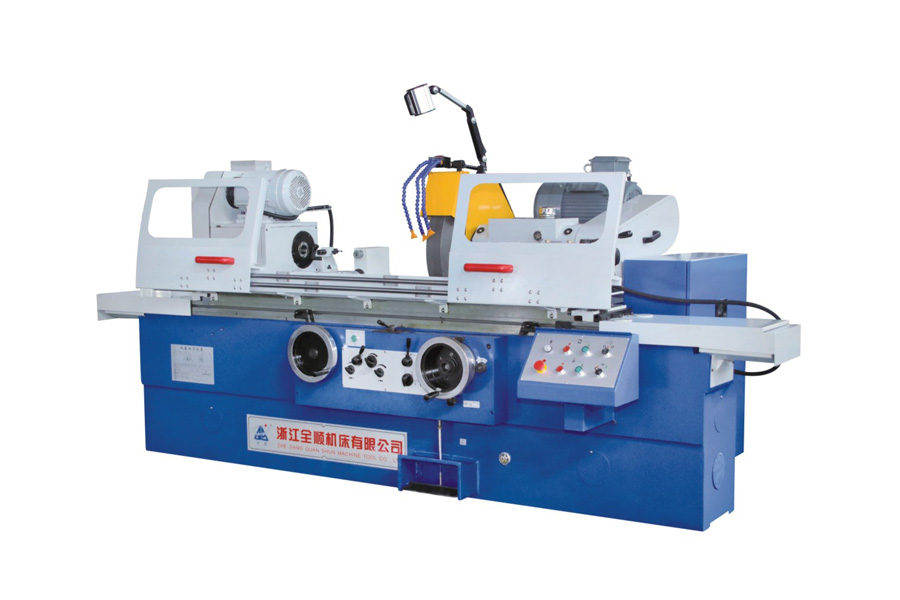
OD grinding is the broad category of machining that shapes the outer surface of a cylindrical workpiece using an abrasive wheel. The workpiece rotates between centers or in a chuck while the grinding wheel rotates in the opposite direction, gradually removing material to reach the target diameter. This process is used to correct roundness, reduce surface roughness, and bring shafts, pins, rollers, and bearing components to their final dimensional tolerance after turning or heat treatment.
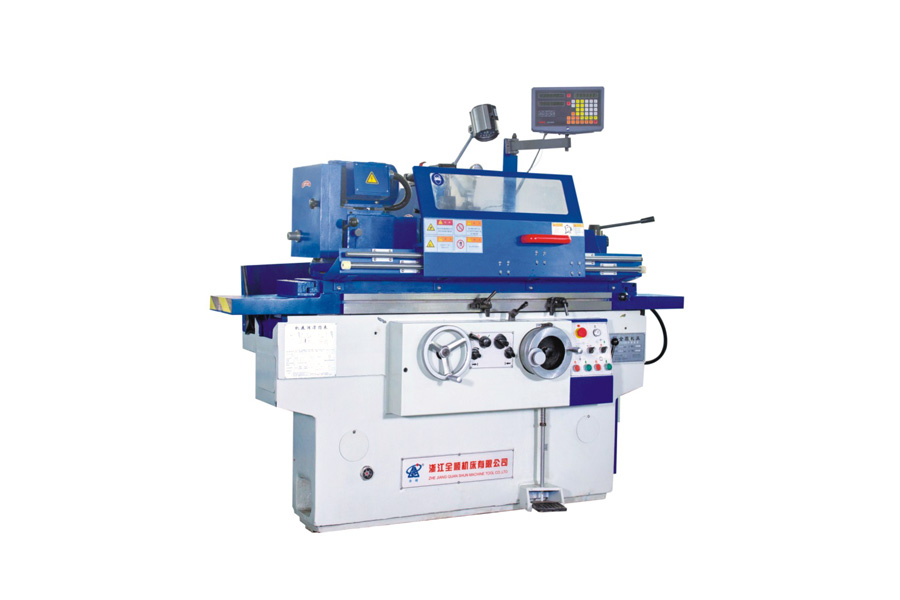
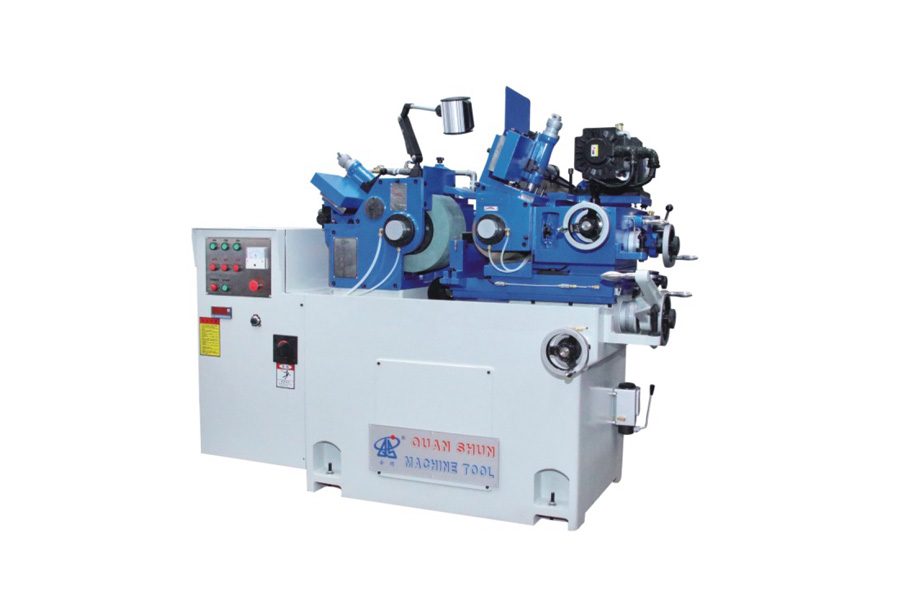
Traditional OD grinders can be manually operated or semi automatic, meaning the operator sets feed rates, monitors the wheel wear, and manually indexes the workpiece for each cut. This approach works well for simple, low volume parts but becomes time consuming and less consistent when tolerances tighten or batch sizes grow.
What Is CNC Cylindrical Grinding
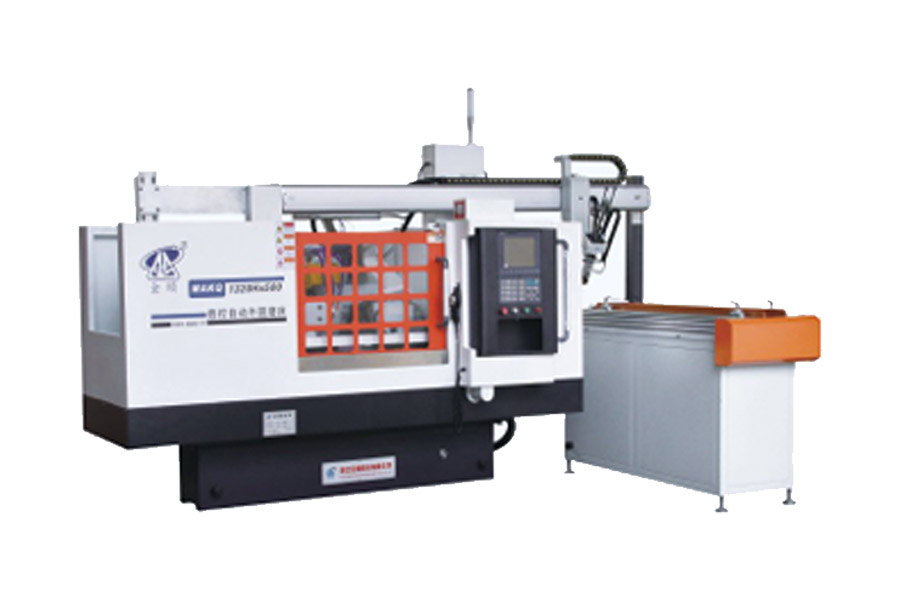
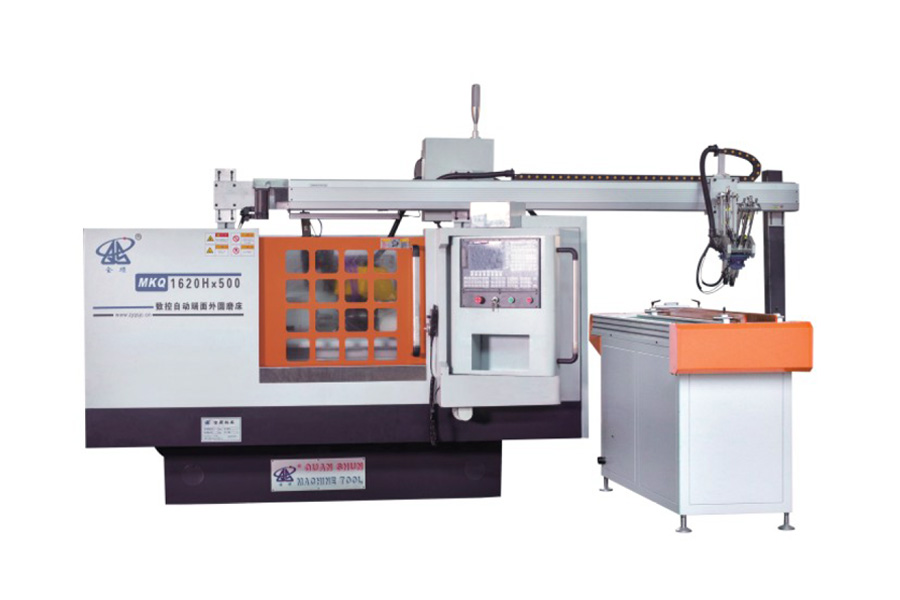
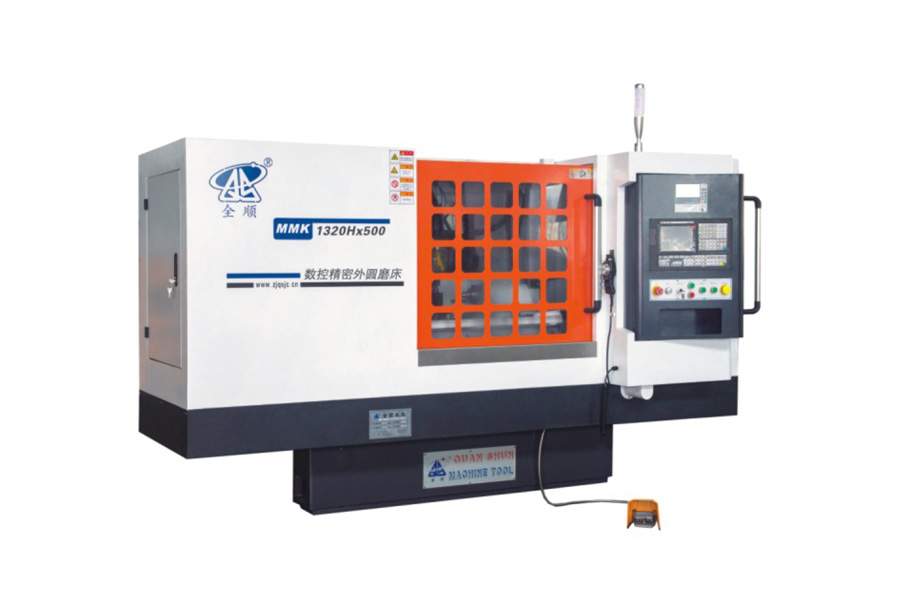
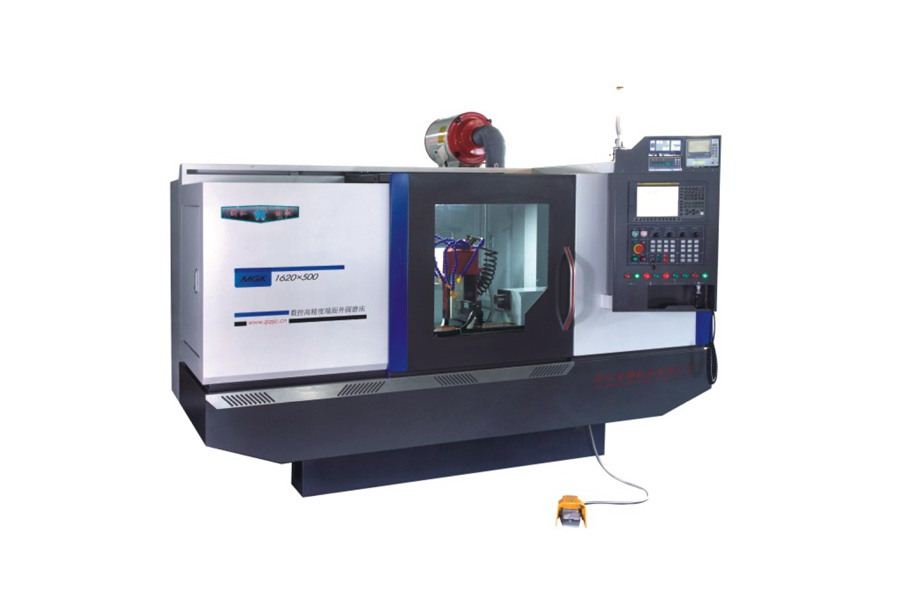
CNC cylindrical grinding applies numerical control to the same outer diameter grinding principle. A CNC cylindrical grinding machine uses servo driven axes, digital feedback, and stored programs to control wheel position, feed rate, dressing cycles, and part rotation automatically. Instead of an operator adjusting the machine cut by cut, the CNC system executes a pre written program that repeats the exact same sequence for every part.
This shift from manual control to programmed control is what separates CNC cylindrical grinding from conventional OD grinding. According to the American Society of Mechanical Engineers, CNC machining processes generally achieve tighter dimensional tolerances and lower part to part variation compared with manually operated equipment, largely because digital positioning removes much of the human error inherent in manual feed control.
Key Differences Explained
1. Precision and Tolerance Control
Manual OD grinding relies on the operator reading gauges and adjusting the infeed by hand, which introduces small variations from part to part. CNC cylindrical grinding uses closed loop feedback systems that measure position in real time and correct the wheel path automatically, allowing tolerances in the single micron range to be held consistently across long production runs.
2. Automation and Labor Requirement
A traditional OD grinder typically needs an experienced operator present throughout the cycle. A CNC cylindrical grinder only requires setup, loading, and periodic monitoring once the program is running, which reduces direct labor and lowers the risk of fatigue related mistakes during long shifts.
3. Complexity of Geometry
Simple straight shafts can be ground efficiently on either type of machine. However, parts with tapers, contours, multiple diameters, or shoulders are far easier to produce on a CNC cylindrical grinder because the program can move the wheel through complex paths that would be difficult to reproduce by hand with consistent accuracy.
4. Production Volume and Cost Efficiency
For one off or very small batch work, a manual OD grinder can be more cost effective since there is no programming time involved. For medium to high volume production, CNC cylindrical grinding lowers the per part cost because setup is done once and the cycle then repeats automatically with minimal supervision.
5. Surface Finish Consistency
Because feed rates and dwell times are digitally controlled, CNC cylindrical grinding tends to produce a more uniform surface finish across an entire batch. Manual grinding can achieve excellent finishes as well, but results depend more heavily on the consistency of the operator technique from part to part.
Typical Applications
- Automotive shafts, camshafts, and crankshaft journals
- Bearing races and rollers requiring tight roundness
- Hydraulic and pneumatic cylinder rods
- Precision spindles used in machine tools
- Medical device components with strict tolerance requirements
Recommended Equipment
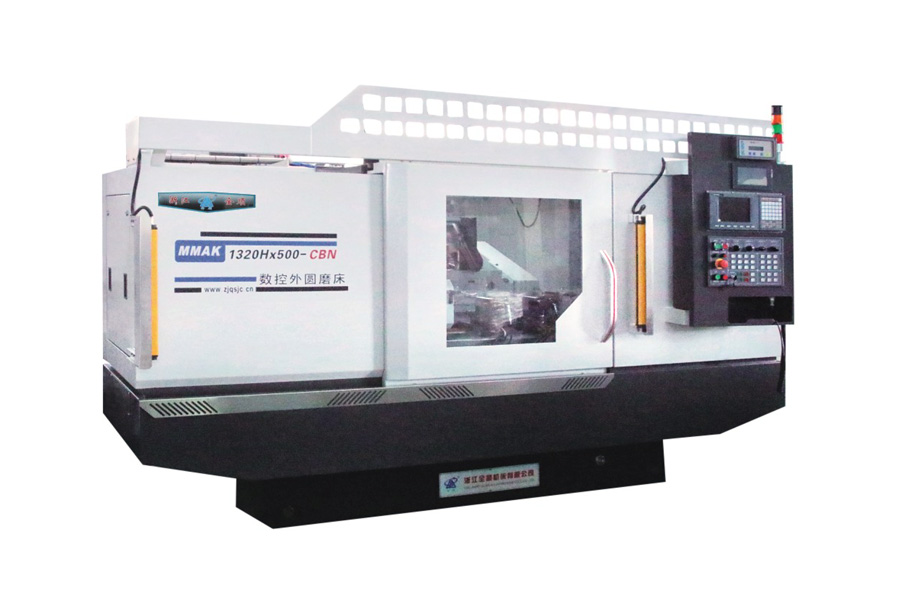
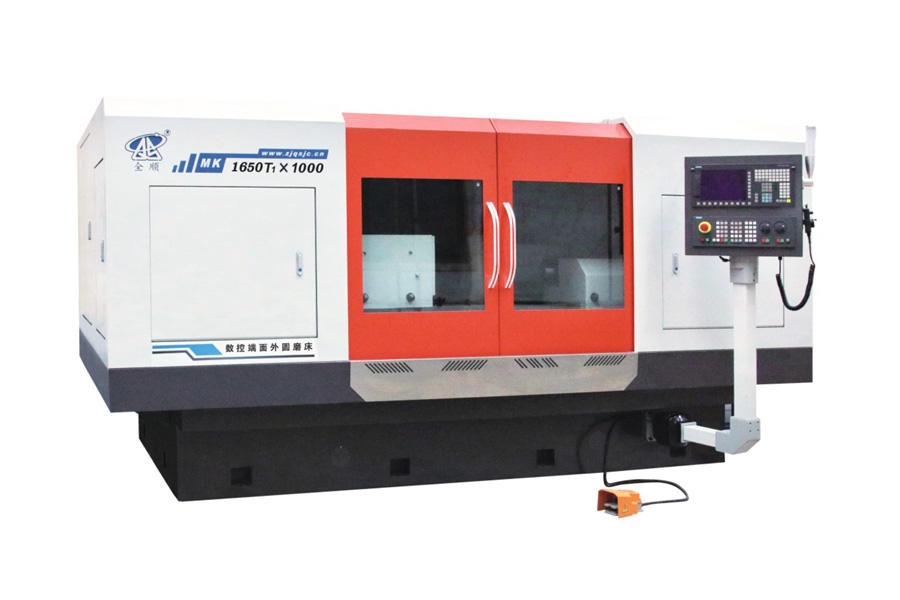
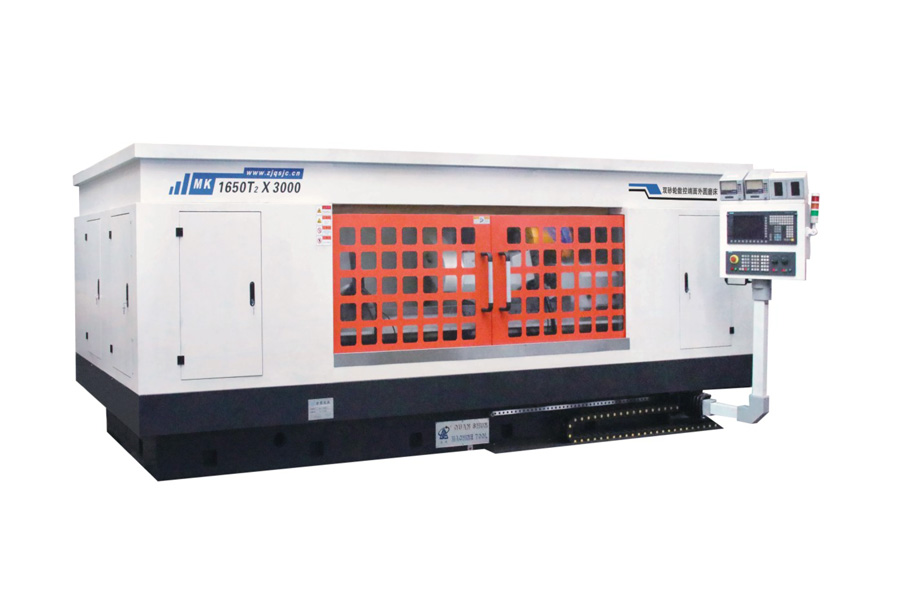
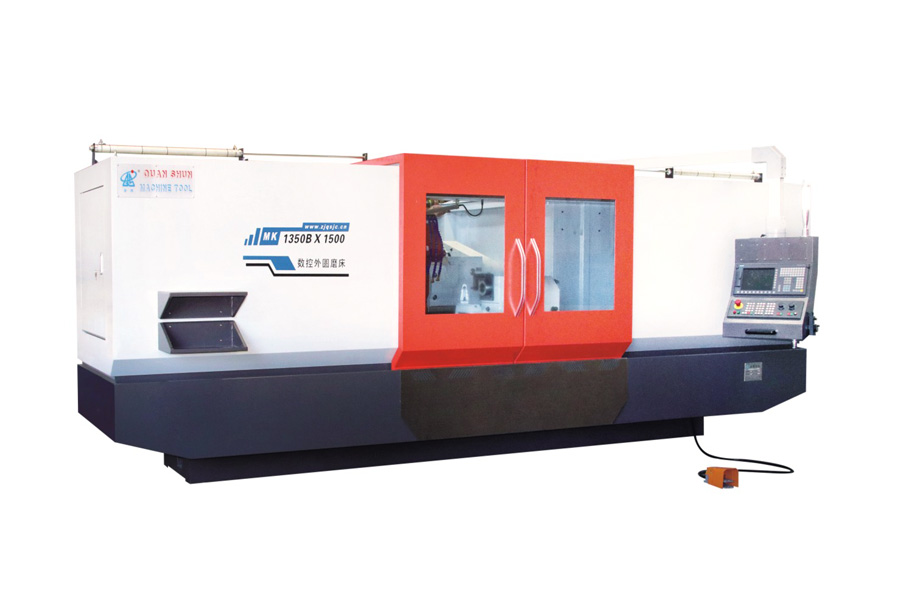
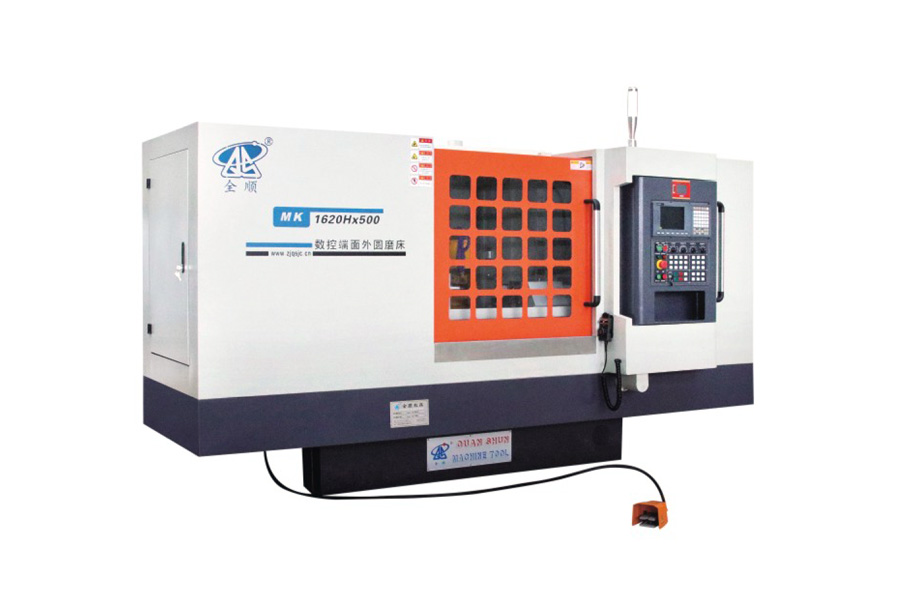
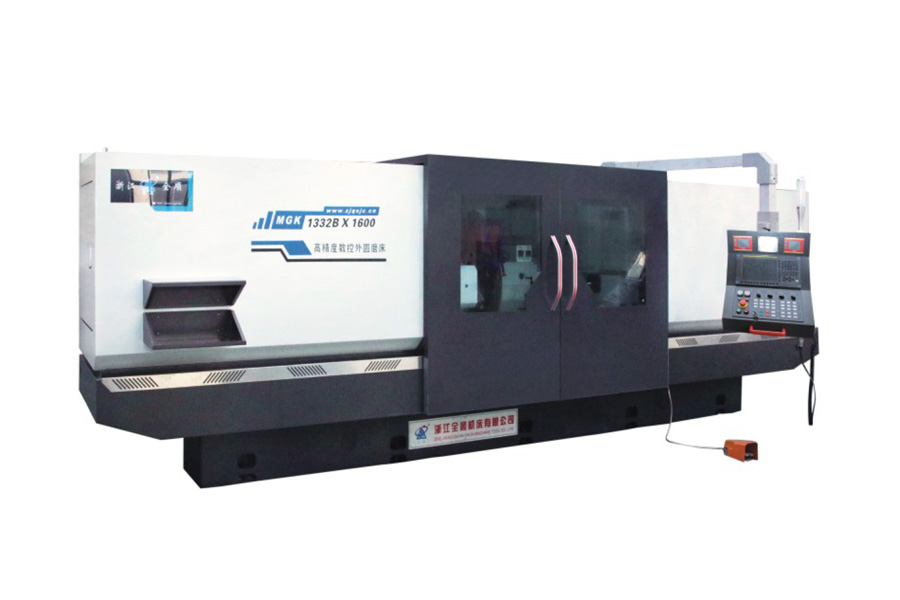
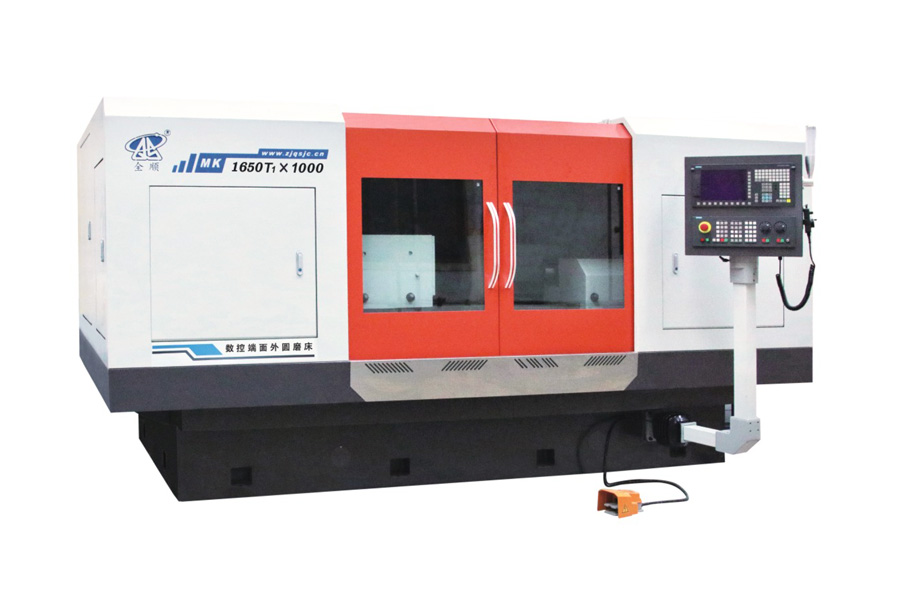
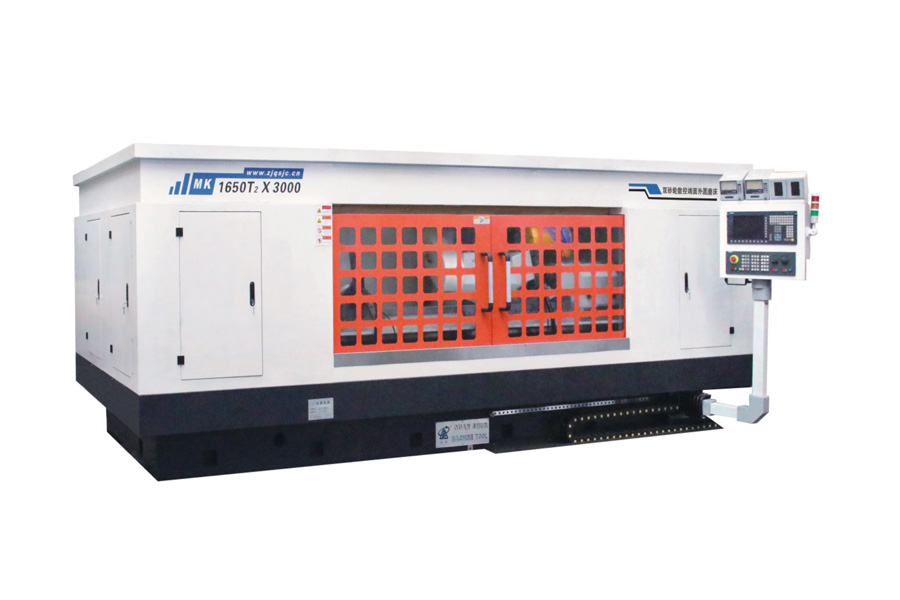
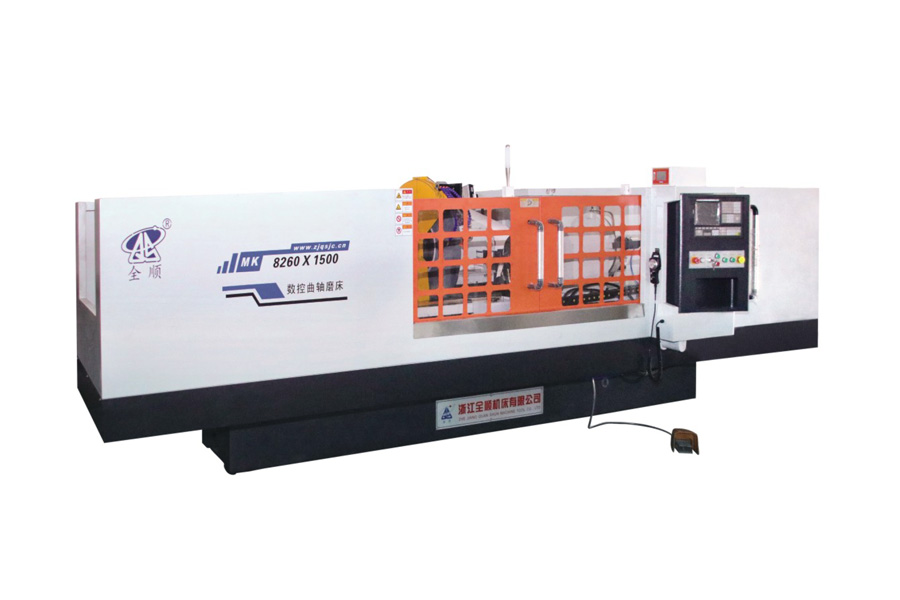
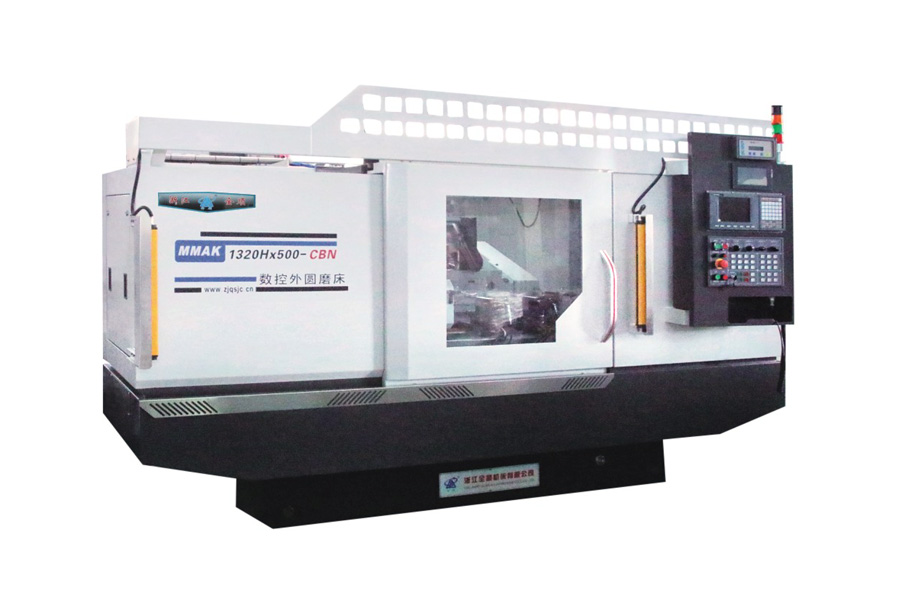
For manufacturers moving from manual OD grinding toward automated, repeatable production, a high speed CNC cylindrical grinding machine offers programmable accuracy and reduced cycle times for medium to high volume parts.
How to Choose Between the Two
| Situation | Better Choice |
| Single prototype or repair job | Manual OD grinding |
| Medium to large production batches | CNC cylindrical grinding |
| Tight tolerance, high precision parts | CNC cylindrical grinding |
| Simple shapes with loose tolerance | Either process is workable |
| Complex profiles or multiple diameters | CNC cylindrical grinding |
Summary
OD grinding describes the fundamental process of shaping a cylindrical outer surface, while CNC cylindrical grinding is the automated, computer controlled evolution of that same process. The main differences come down to precision, repeatability, and how much of the work is handled by a program instead of an operator. For shops producing consistent, high precision parts in meaningful volume, CNC cylindrical grinding generally delivers better accuracy, faster cycle times, and lower long term labor cost, while manual OD grinding remains a practical option for small batch or one off work.