-
 0086-15068518279 (Chinese)/001-5416026691 (English)
 -
 [email protected]
 -
0086-15068518279 (Chinese)/001-5416026691 (English) [email protected] 


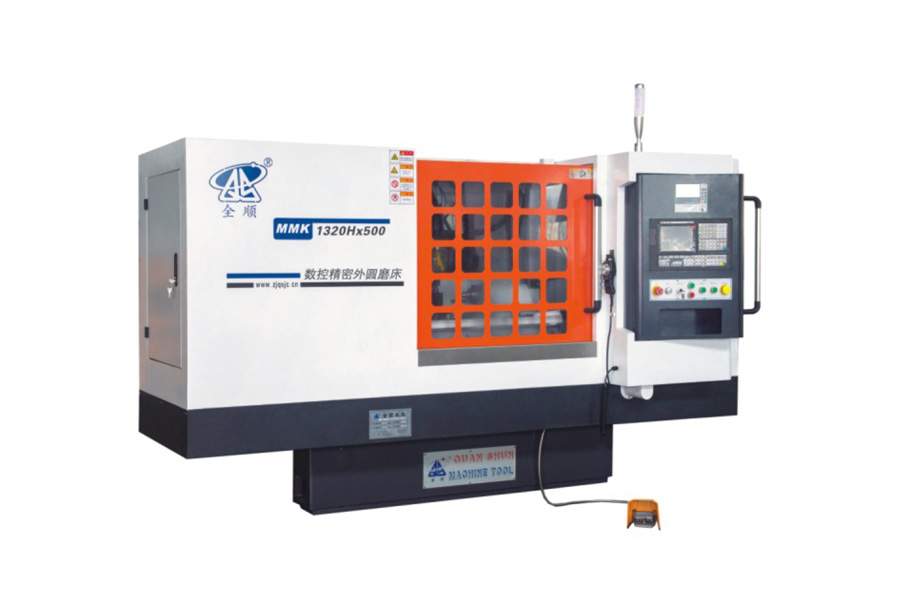
Our High-Precision CNC Cylindrical Grinding Machine is engineered for manufacturing environments req...
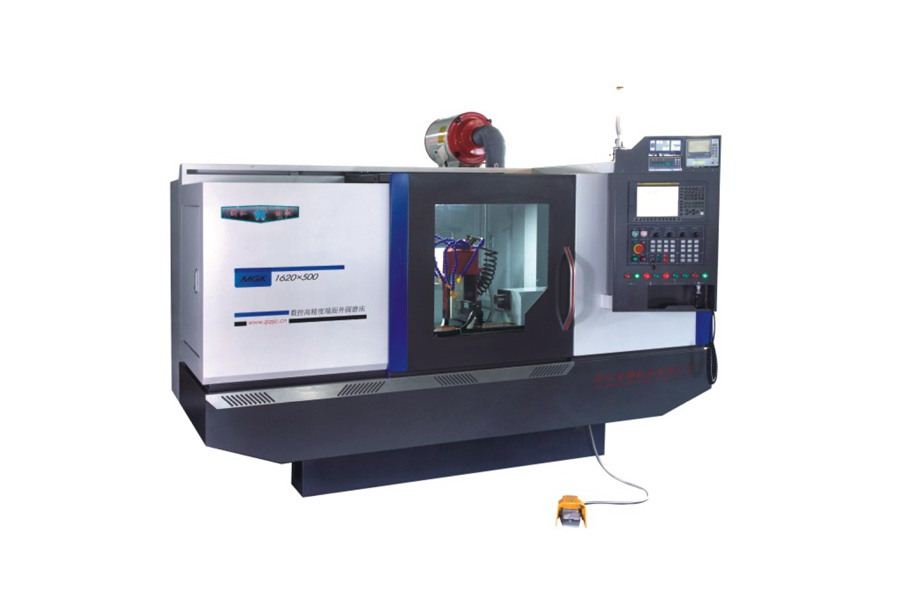
Our High-Precision CNC Cylindrical Grinding Machine is engineered for industrial environments requir...
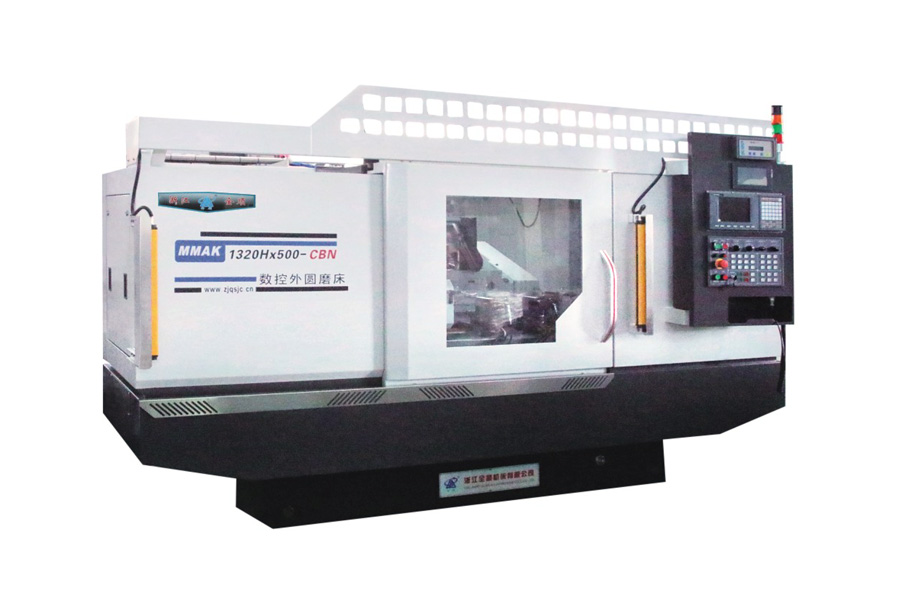
The High-Speed CNC Cylindrical Grinding Machine is engineered for precision manufacturers who demand...
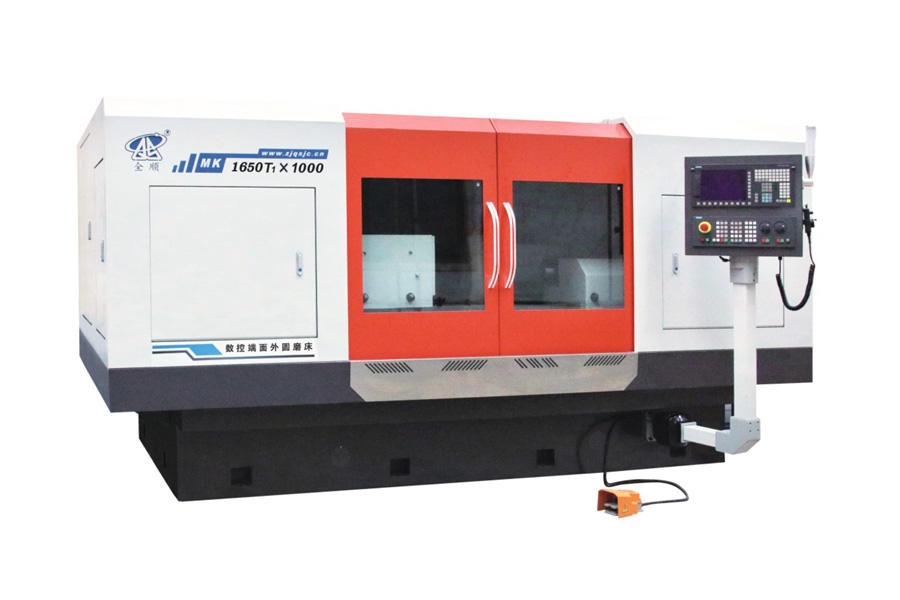
The CNC Cylindrical Grinding Machine with a Mobile Grinding Wheel Holder is engineered for high-prec...
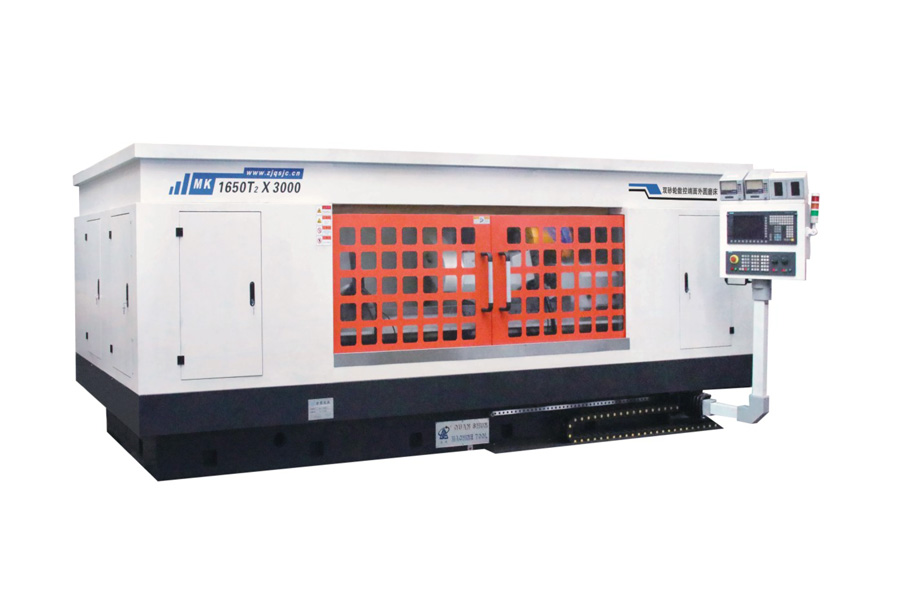
The Double Wheelhead CNC Cylindrical Grinding Machine features two independent wheelheads (OD/OD or ...





What Is a CNC Cylindrical Grinding Machine A CNC cylindrical grinding machine is a metal cutting tool that removes a thin layer of material from the ...
View MoreSurface grinding and cylindrical grinding are two different finishing processes chosen for two different part shapes. Surface grinding removes materi...
View MoreOD grinding and CNC cylindrical grinding are not two separate processes but two related terms describing the same family of operations at different ...
View MoreThe cylindrical grinding machine is the most widely used grinding machine across manufacturing overall, because almost every shop that produces round...
View MoreA CNC cylindrical grinding machine removes material from the outer or inner surface of a rotating workpiece using a precision-controlled grinding wheel, producing dimensional accuracy within microns and surface finishes that manual grinding cannot consistently match. It is the standard tool for finishing shafts, rollers, spindles, and bearing races where tolerance and repeatability matter more than cycle time. Below, this article breaks down how the machine works, where it is used, and how to choose one that fits your production needs.
Compared with manual or semi-automatic grinding, CNC cylindrical grinding offers measurable gains in accuracy, consistency, and labor efficiency. According to industry data from Mordor Intelligence, CNC-controlled models already account for a majority share of the global grinding machines market, reflecting a broad industry shift toward automated, data-driven production over manual setups. The reasons for this shift come down to a few practical advantages.
These benefits compound over the life of the machine. A shop that switches from manual to CNC grinding typically sees the largest gains in parts requiring multiple diameters, tapers, or shoulders on a single workpiece, since the CNC controller can sequence these features without manual repositioning.
Every CNC Cylindrical Grinding Machine is built around a small set of core subsystems that work together to hold the workpiece, drive the grinding wheel, and control the relative motion between them. Understanding these components makes it easier to evaluate machine specifications and diagnose performance issues later.
| Component | Function |
| Bed and base | Provides the structural foundation; typically cast iron or polymer concrete to dampen vibration and resist thermal distortion. |
| Headstock | Holds and rotates the workpiece, often with a programmable spindle speed matched to material and wheel diameter. |
| Tailstock | Supports the opposite end of long or slender workpieces to prevent deflection during grinding. |
| Grinding wheel head | Houses the spindle motor and grinding wheel; moves along the X-axis to control depth of cut. |
| CNC controller | Executes the programmed cycle, manages axis coordination, and applies wheel-wear or thermal compensation. |
| Wheel dressing unit | Reshapes and resharpens the grinding wheel automatically between cycles to maintain cutting performance. |
| In-process gauging | Measures the workpiece diameter during grinding and feeds data back to the controller for real-time correction. |
| Coolant system | Controls grinding temperature and flushes away swarf to protect surface finish and dimensional stability. |
Higher-end machines add features such as linear motor drives for faster axis response, multiple grinding wheel heads for combined external and face grinding, and automation interfaces for robotic loading. The specific combination of these components determines what a machine can produce and how fast it can produce it.
Demand for cylindrical grinding spans any industry that relies on rotating or shaft-type components with tight tolerance requirements. Market research from Mordor Intelligence notes that demand for these machines is anchored in sectors requiring sub-micron accuracy, including electric vehicle powertrains, aircraft maintenance, and semiconductor wafer finishing.
| Industry | Typical Application |
| Automotive | Crankshafts, camshafts, axles, transmission shafts, and EV motor rotor shafts. |
| Aerospace and defense | Landing gear components, turbine shafts, and hydraulic actuator rods requiring high fatigue resistance. |
| Medical devices | Orthopedic implants, surgical instrument shafts, and precision pins. |
| Bearing manufacturing | Inner and outer bearing races requiring roundness and surface finish within strict limits. |
| Hydraulics and pneumatics | Cylinder rods and valve spools that must seal reliably under pressure. |
| General machinery | Pump shafts, gear blanks, and rollers used across industrial equipment manufacturing. |
Within this demand base, the same Mordor Intelligence report indicates that cylindrical grinders held roughly 27 percent of the broader grinding machines market by product type in 2024, making them one of the largest single categories alongside surface grinders. This reflects how widely shaft and roller-type parts are used across manufacturing, rather than a niche application limited to a single sector.
Precision in cylindrical grinding is not the result of a single setting but a combination of machine rigidity, process control, and environmental management. The following factors have the greatest impact on the final tolerance and surface finish achieved.
In practice, most precision issues trace back to one of two causes: insufficient machine rigidity for the material being ground, or inadequate thermal and vibration control in the shop environment. Addressing the process variables above is usually more cost-effective than over-specifying the machine itself.
Choosing a grinding machine should start from the part, not the catalog. The following criteria help narrow down the right configuration for a given production need.
Our company has been manufacturing grinding equipment from a 35,000 square meter facility with a 32,000 square meter building area, combining a dedicated machine tool production base with a hydraulic parts production base. The product range covers ordinary and CNC cylindrical grinding machines, CNC end face cylindrical grinding machines, automatic loading and unloading CNC and end face cylindrical grinding machines, composite grinding machines, and high-precision ordinary and CNC cylindrical grinding machines. For applications that fall outside standard catalog specifications, our engineering team also designs non-standard special grinding machines and provides supporting technology, software, training, and automation integration.
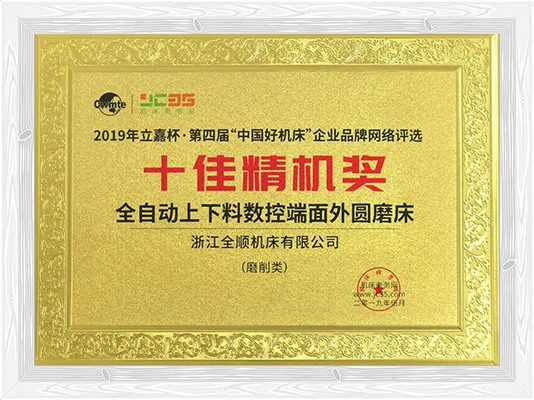
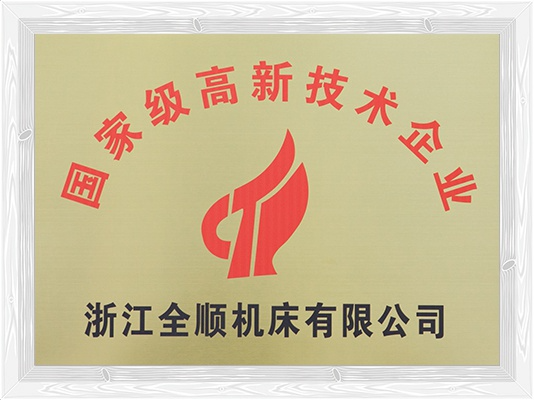
Our company holds ISO9001-2015 quality system certification and CE safety certification, and has been recognized as a National High-tech Enterprise. In 2021, we were rated as a specialized and new small and medium-sized enterprise in Zhejiang Province. With self-export qualifications in place, our products currently reach more than 20 countries including the United States, Germany, Japan, and markets across Southeast Asia, built on a long-standing commitment to quality first, reputation first, and service first.
| What is the difference between cylindrical grinding and centerless grinding | Cylindrical grinding holds the workpiece between centers or in a chuck, while centerless grinding supports the part on a work rest blade and rotates it with a regulating wheel, which suits high-volume production of simple round parts. |
| What tolerances can a CNC cylindrical grinder achieve | Well-maintained CNC cylindrical grinders commonly hold tolerances in the range of plus or minus 0.002 mm to 0.005 mm, with high-precision models capable of tighter results under controlled conditions. |
| How often does the grinding wheel need dressing | Dressing frequency depends on wheel material, workpiece hardness, and required surface finish, but automatic dressing cycles are typically programmed between batches or after a set number of parts. |
| Can one machine handle both external and internal grinding | Some configurations support both with interchangeable wheel heads or additional spindle options, though dedicated machines often deliver better rigidity for each specific task. |
| What maintenance does a CNC cylindrical grinder require | Routine maintenance includes coolant filtration, spindle lubrication checks, wheel balance verification, and periodic calibration of the in-process gauging system. |
| How long does a CNC cylindrical grinding machine typically last | With proper maintenance, the structural components of a well-built machine can remain in service for fifteen to twenty years or more, though controllers and electronics may be upgraded sooner. |
 0086-15068518279 (Chinese)
 [email protected]
 No.100 Xueyuan Road, Jiangzao Town, Zhuji City, Zhejiang Province, China
Scan code to view mobile website

 EN
EN
 中文简体
中文简体