0086-15068518279 (Chinese)/001-5416026691 (English)



 EN
EN
 中文简体
中文简体Content
The cylindrical grinding machine is the most widely used grinding machine across manufacturing overall, because almost every shop that produces round shafts, pins, or rollers needs one. Within that family, the moment the workpiece has offset pins rather than a single straight axis, the standard tool becomes a Crankshaft Grinding Machine, which is why engine and compressor plants treat it as essential equipment rather than an optional extra. The rest of this guide explains why cylindrical grinding dominates by volume, why crankshaft grinding is the default choice for a specific and very common job, and how to tell which type a given shop actually needs.
Why Cylindrical Grinding Leads by Volume
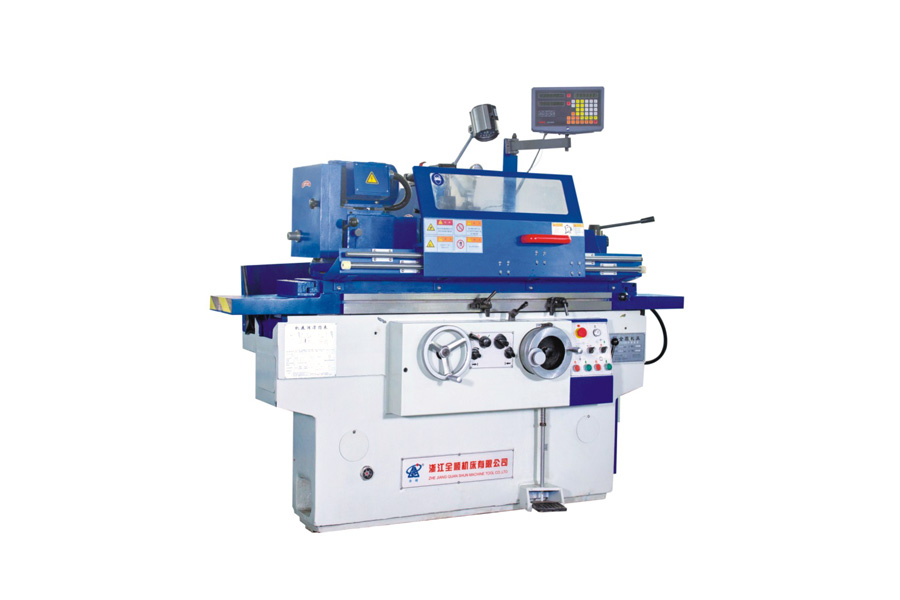
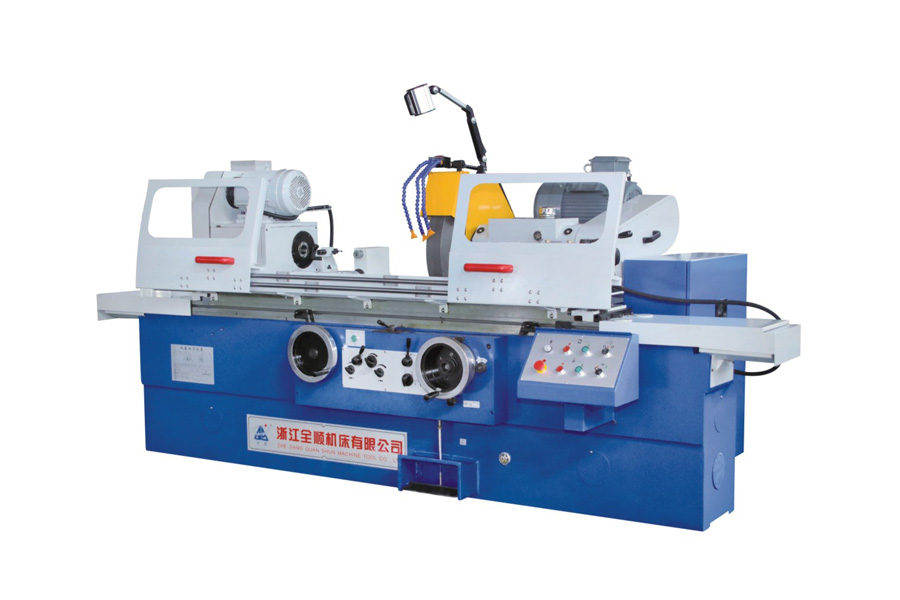
Most rotating metal parts in machinery are round: shafts, spindles, rollers, pins, and bushings. A plain cylindrical grinder handles the outside diameter of these parts to a tight tolerance and a smooth finish, and because this shape covers such a large share of parts across industries, cylindrical grinders end up installed in more shops than any other grinding machine type. That said, once the part being finished has an offset feature built into it, a plain cylindrical grinder cannot do the job without a special fixture, which is where more specialized machines take over.
Where Crankshaft Grinding Fits In
A crankshaft is not a simple round bar. It has main journals sitting on the true center axis and crankpins (rod journals) that sit offset from that center, so the workpiece is spinning around one axis while the pin being ground orbits around a different point in space. A conventional cylindrical grinder cannot track that orbital path, which is why crankshaft grinding machines exist as a distinct category built specifically around eccentric-path grinding, according to the technical descriptions published for this equipment class.
| Grinding Machine Type | Typical Workpiece | Common Setting |
|---|---|---|
| Cylindrical grinding machine | Straight shafts, pins, rollers | General machine shops, bearing and shaft production |
| Centerless grinding machine | High-volume small round parts | Mass production lines |
| Crankshaft grinding machine | Crankshafts with offset pin journals | Engine remanufacturing, engine and compressor plants |
| Compound grinding machine | Complex parts needing multiple operations | Multi-tasking production cells |
How Crankshaft Grinding Machines Track the Offset Pin
The core method used by this machine category is often called pin-chasing or non-circular interpolation. As the crankshaft rotates on its C-axis, the grinding wheelhead moves back and forth on the X-axis in a precisely calculated pattern that follows the orbit of the offset pin in real time. This lets the machine grind both the straight main journals and the offset crankpins in a single clamping, which keeps every journal in correct alignment with the others because the part never has to be removed and repositioned partway through the job.
Key Capabilities to Look For
- Real-time path tracking so the wheelhead follows the pin orbit without needing a separate eccentric fixture for each pin.
- Single-clamping processing so main journals and pin journals are ground in one setup, keeping phase angles and alignment locked together.
- In-process gauging that measures roundness and diameter while the cycle is running, so corrections happen before the part is finished rather than after.
- A heavy, vibration-resistant base, since the back-and-forth chasing motion generates repeated inertia forces that a light frame cannot absorb cleanly.
Follow Type vs Standard CNC Crankshaft Grinding
Within the crankshaft grinding category there is a further split worth understanding before choosing equipment. A standard CNC crankshaft grinding machine uses interpolated wheelhead motion to chase the pin path. A follow type CNC crankshaft grinding machine goes a step further, using direct-drive motors so the wheelhead tracks the pin with less mechanical lag, which becomes more noticeable at higher rotation speeds. The table below summarizes the practical difference.
| Feature | Standard CNC Crankshaft Grinding | Follow Type CNC Crankshaft Grinding |
|---|---|---|
| Tracking method | Interpolated wheelhead motion | Direct-drive high-frequency tracking |
| Best suited to | General automotive and marine crankshafts | High-RPM production runs where tracking lag must be minimized |
| Setup approach | Single clamping for all journals | Single clamping for all journals |
Choosing the Right Machine for the Job
The decision usually comes down to what the workpiece looks like rather than personal preference. If every diameter on the part shares the same center axis, a cylindrical grinder is the simpler and more cost-effective choice. If the part has offset pins that need to be finished without removing it from the machine partway through, a crankshaft grinding machine is the appropriate category, and the choice between standard and follow type versions then depends on production speed and volume requirements.
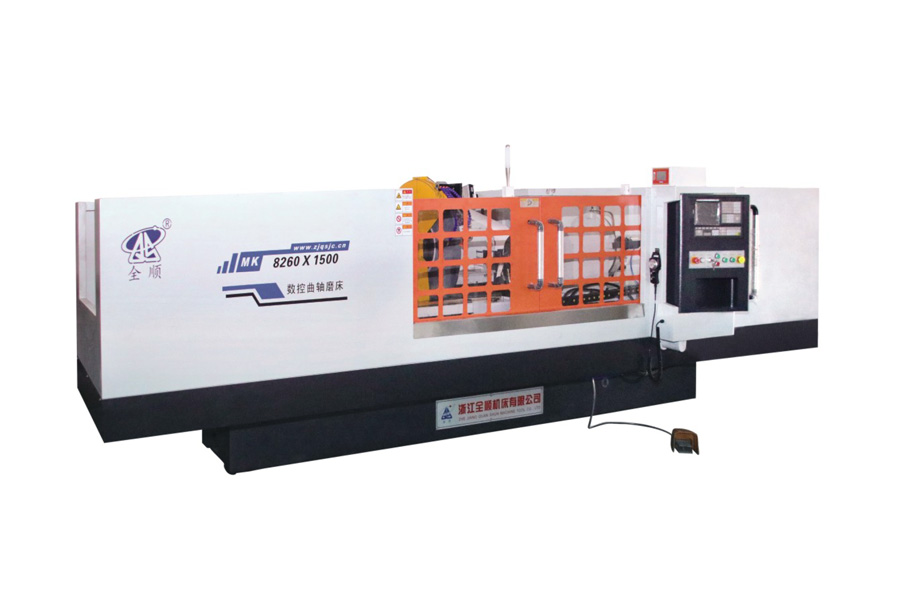
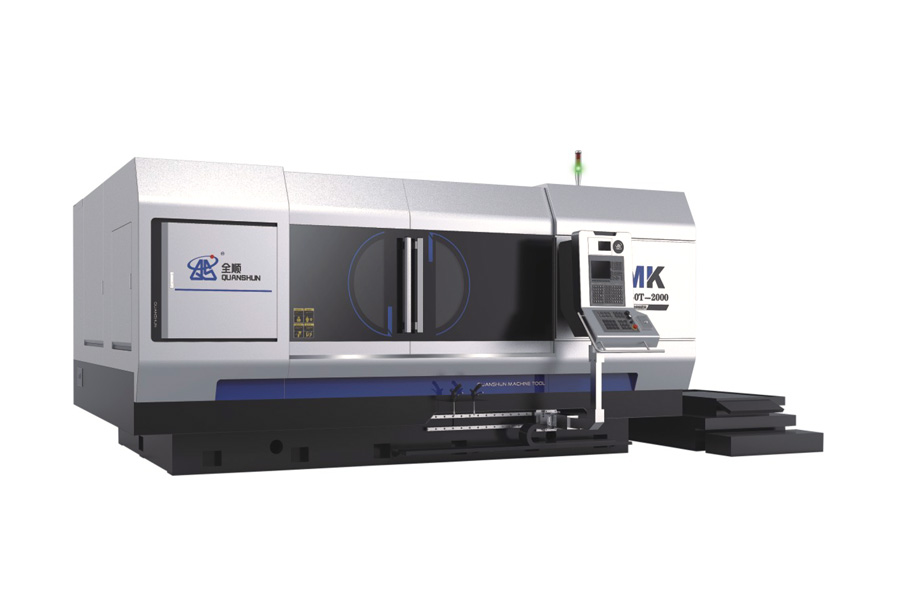
Explore the Crankshaft Grinding Machine Range
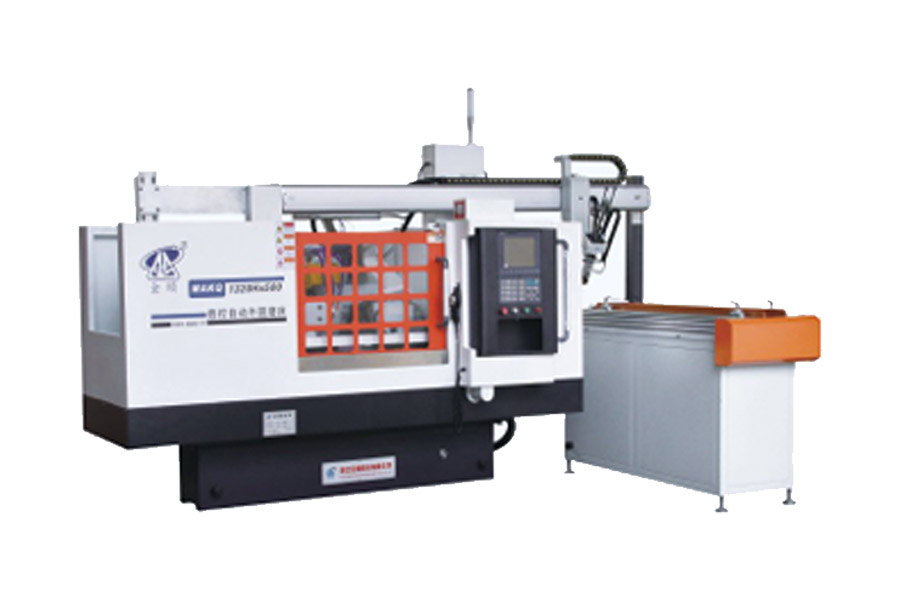
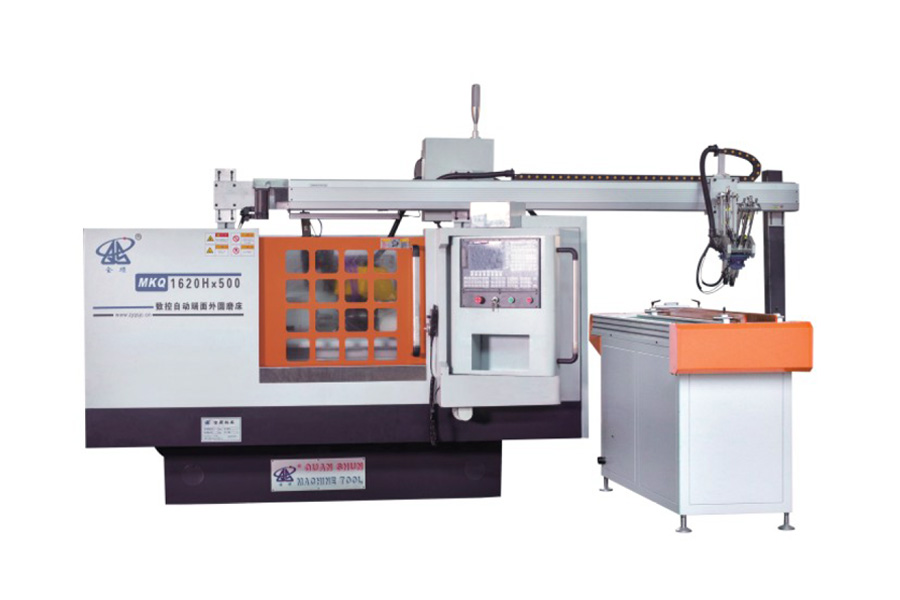
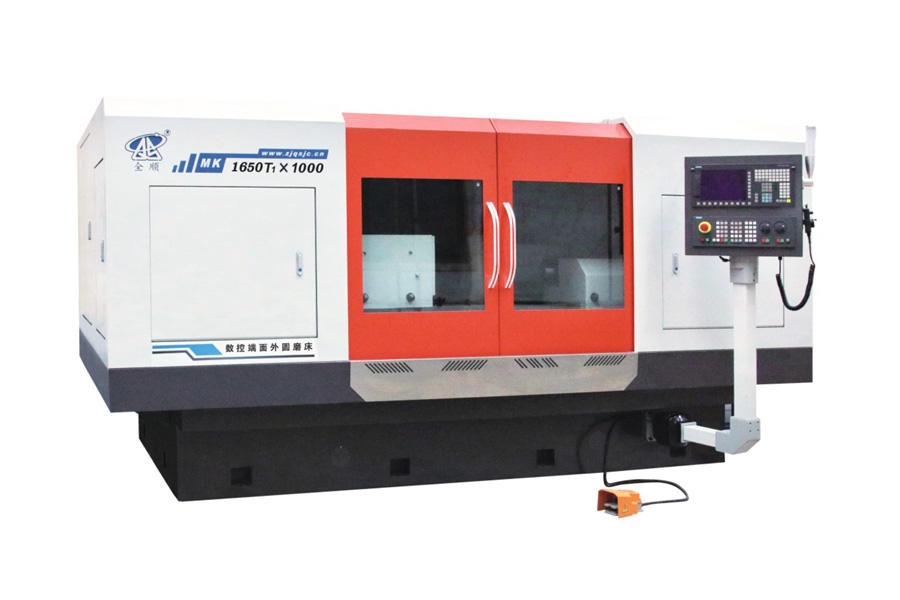
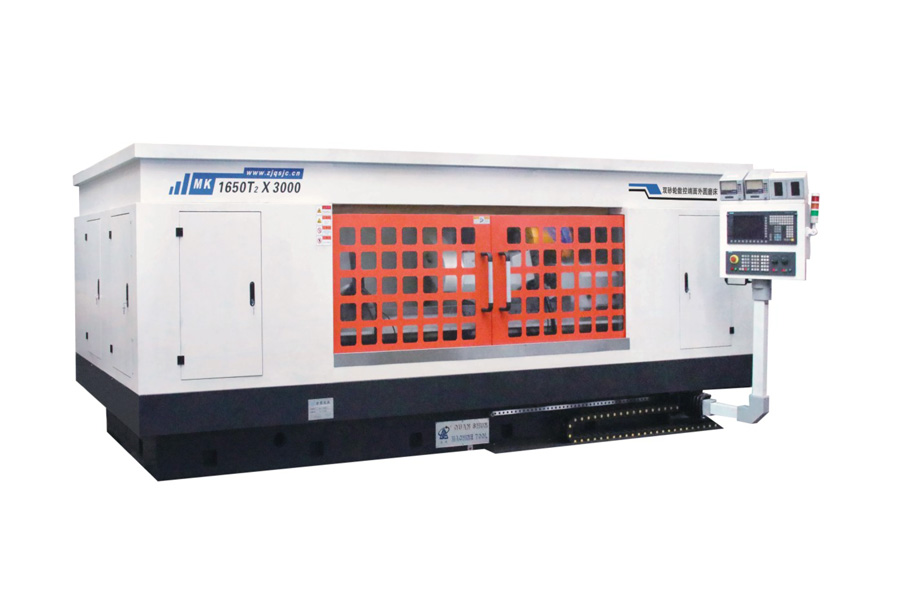
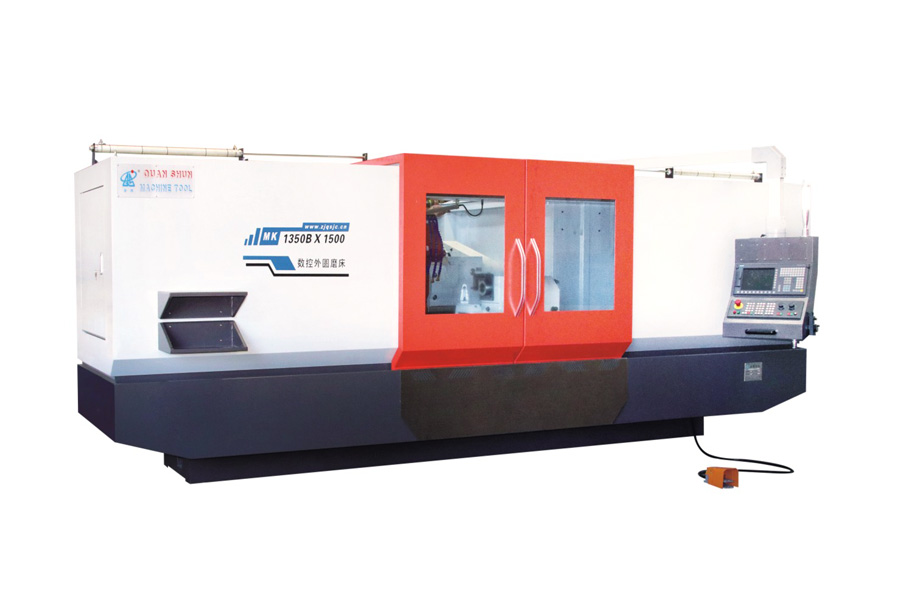
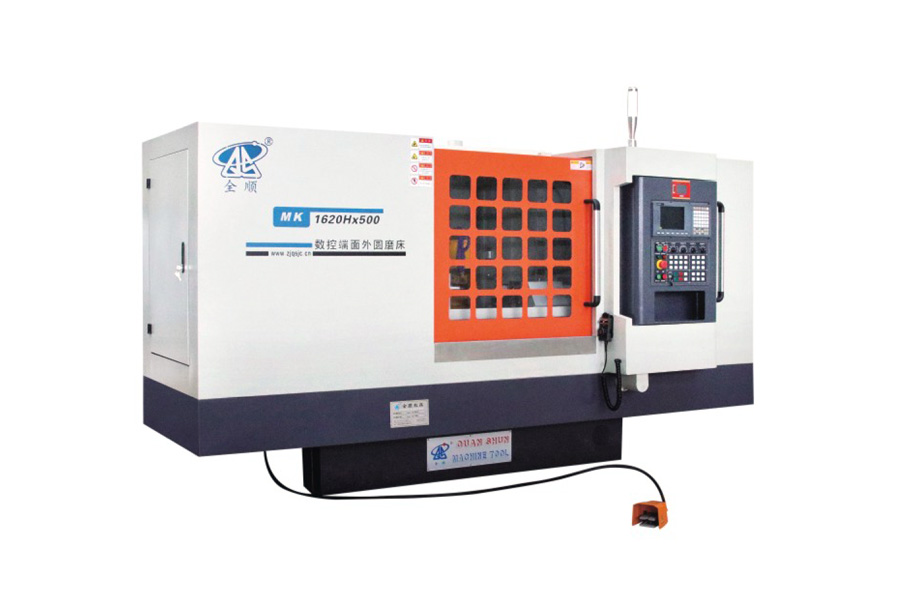
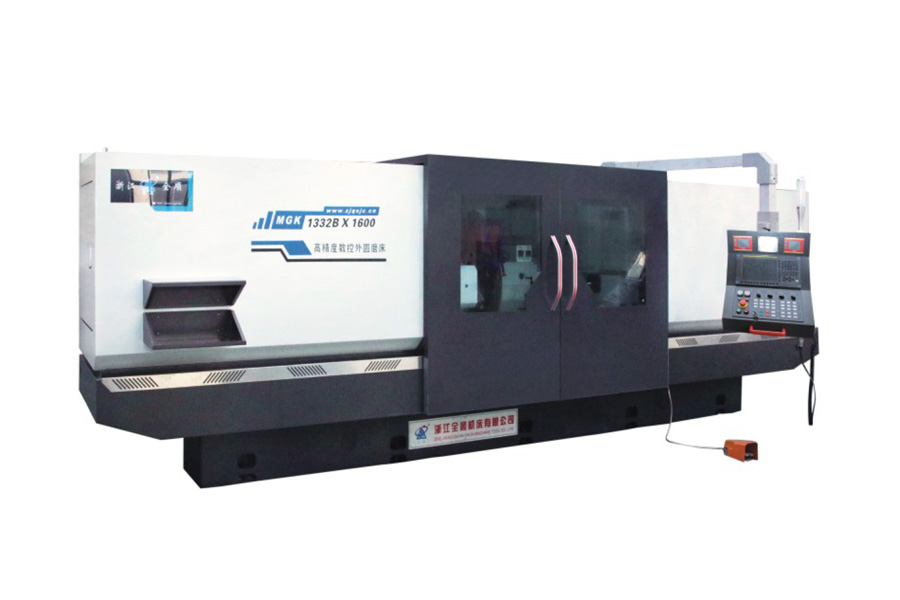
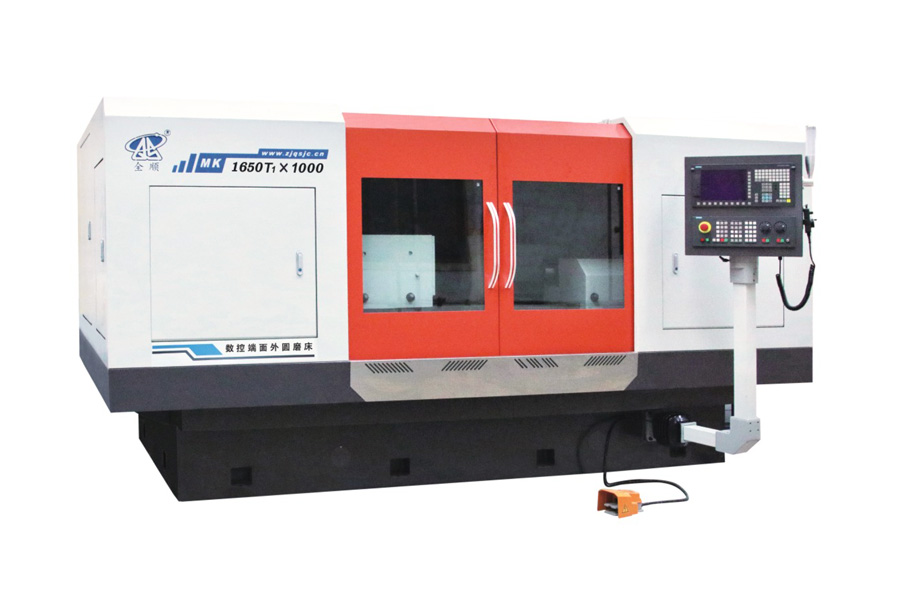
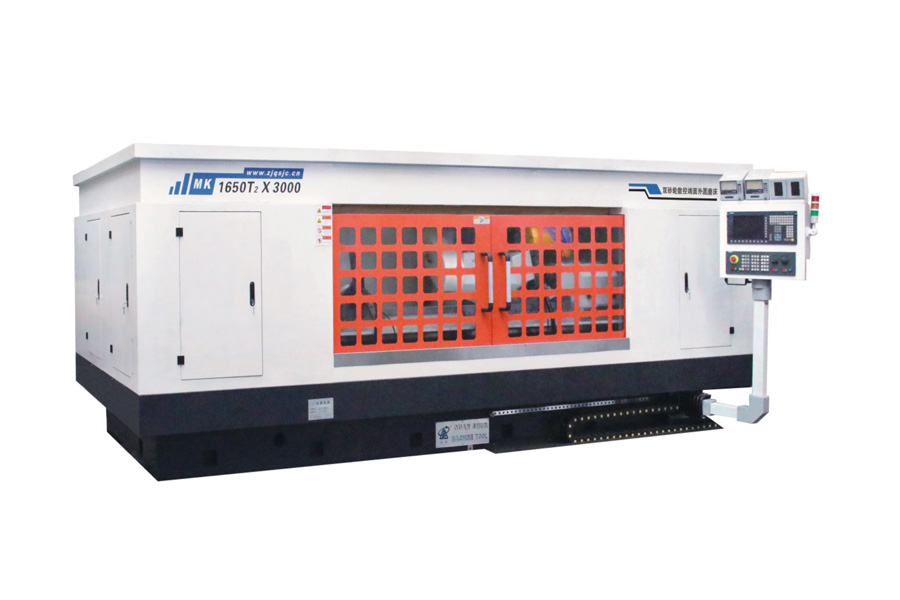
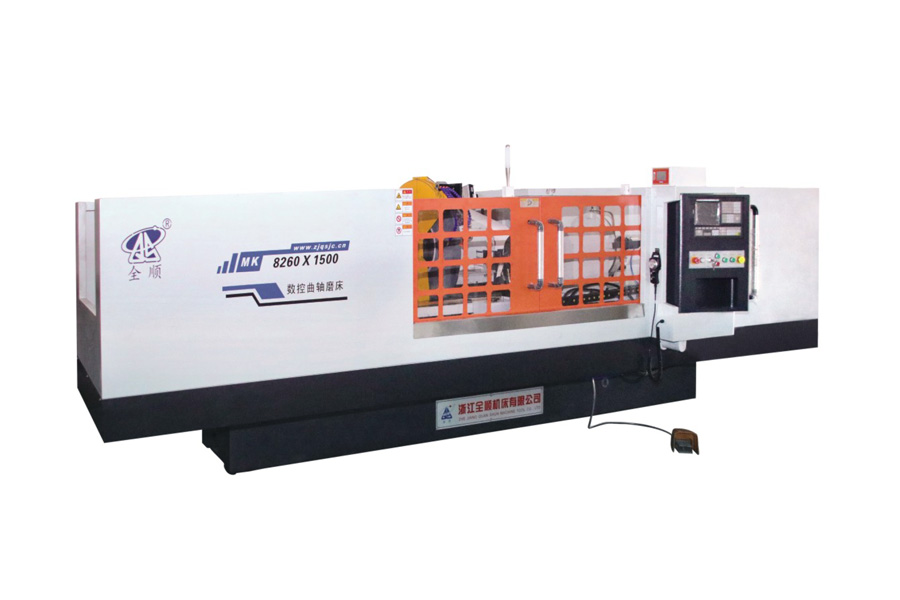
Two configurations cover most crankshaft grinding needs, spanning general production and higher-speed follow type tracking. Each option below links to its full specification page.
Frequently Asked Questions
- Is a crankshaft grinding machine the same as a cylindrical grinder. No. A cylindrical grinder finishes parts that share one center axis, while a crankshaft grinding machine is built to track offset pin journals that orbit around a different point.
- Can one machine grind both main journals and pins. Yes, that is the main advantage of this machine category, since single-clamping processing keeps every journal aligned without repositioning the part.
- Which industries rely on crankshaft grinding machines most. Automotive and hybrid EV engine production, heavy truck and locomotive manufacturing, marine diesel engines, and industrial compressor production all depend on this equipment category.
- Does the follow type version replace the standard version. Not entirely. The follow type is aimed at higher-speed production where tracking lag matters more, while the standard type remains a solid choice for general crankshaft work.