0086-15068518279 (Chinese)/001-5416026691 (English)



 EN
EN
 中文简体
中文简体Content
- 1 Quick Comparison at a Glance
- 2 What Surface Grinding Actually Does
- 3 What Cylindrical Grinding Actually Does
- 4 Why the Distinction Matters for Precision Manufacturing
- 5 Automation Changes the Economics
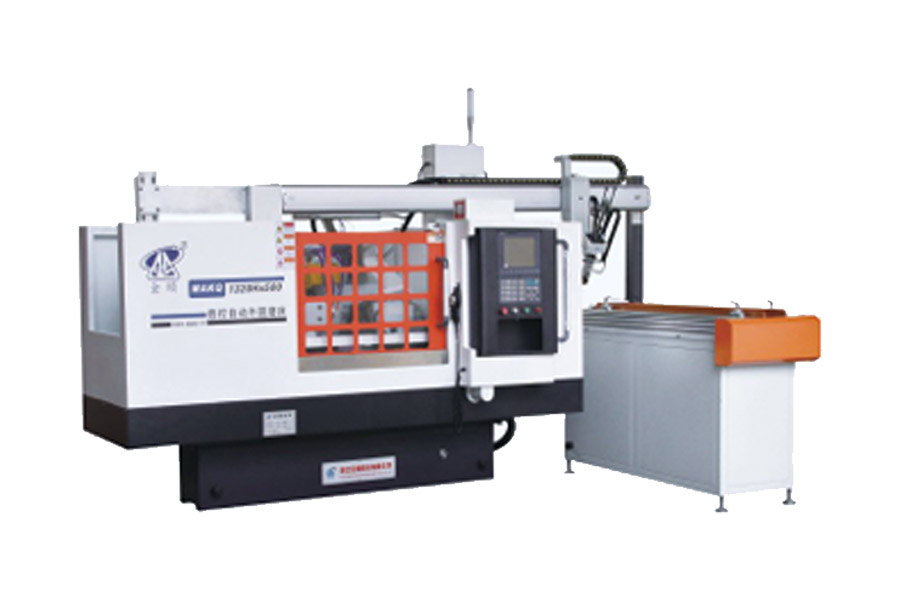
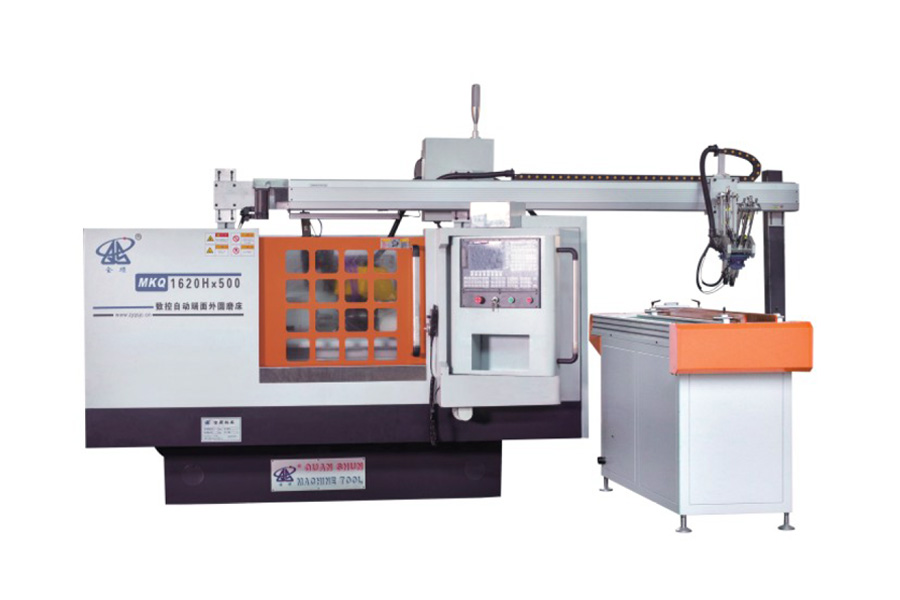
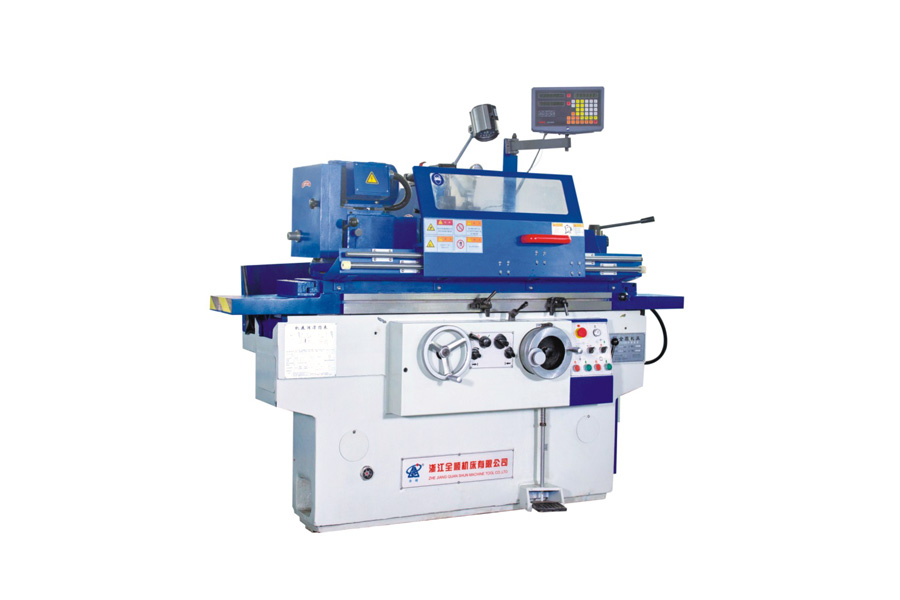
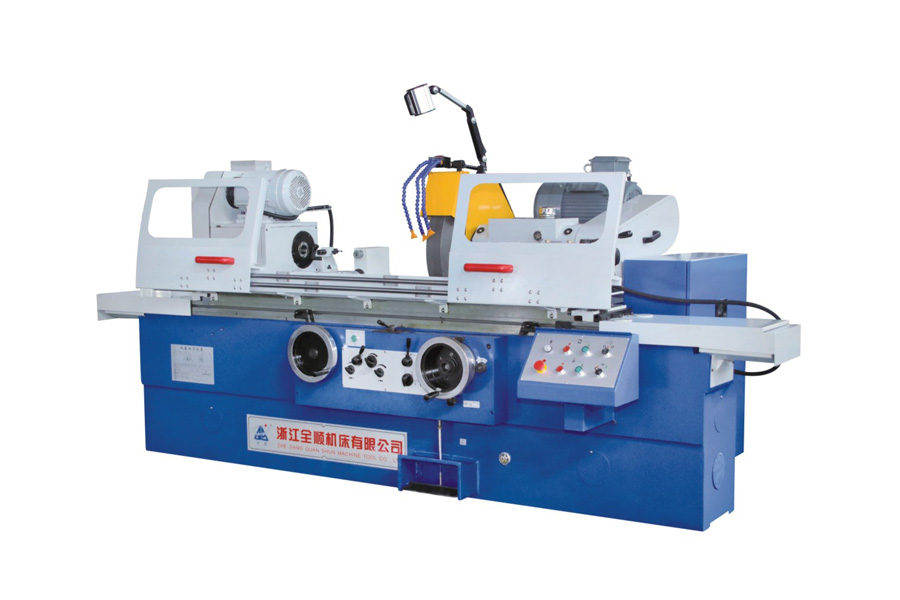
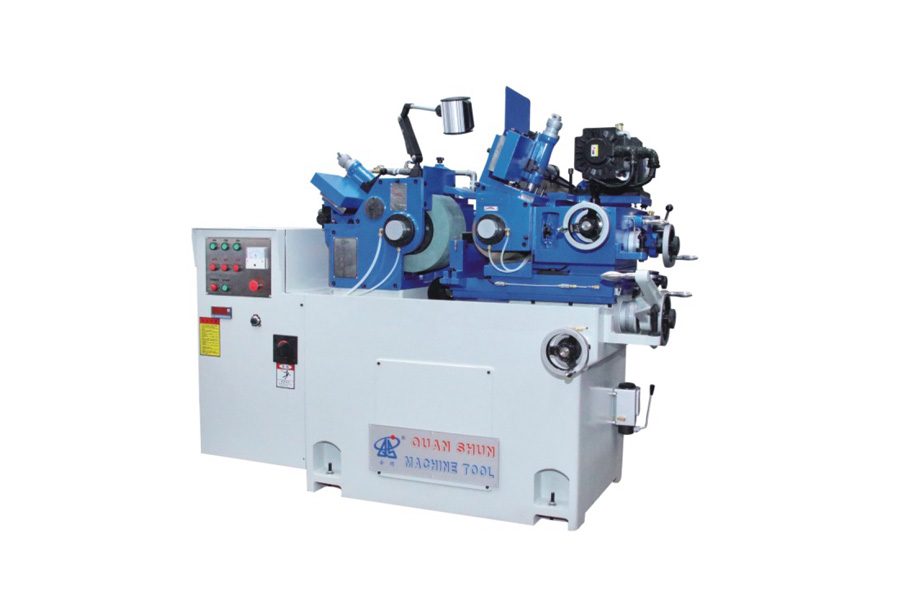
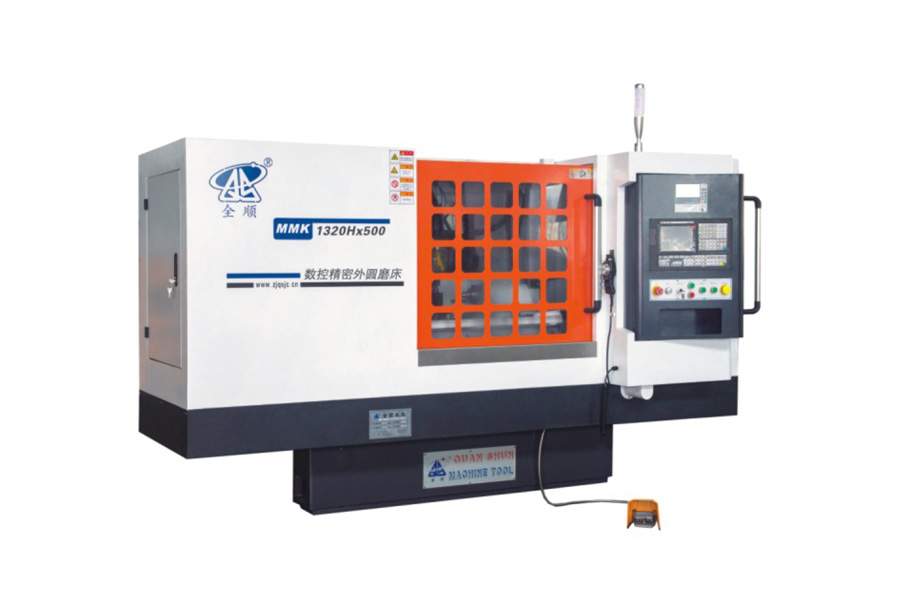
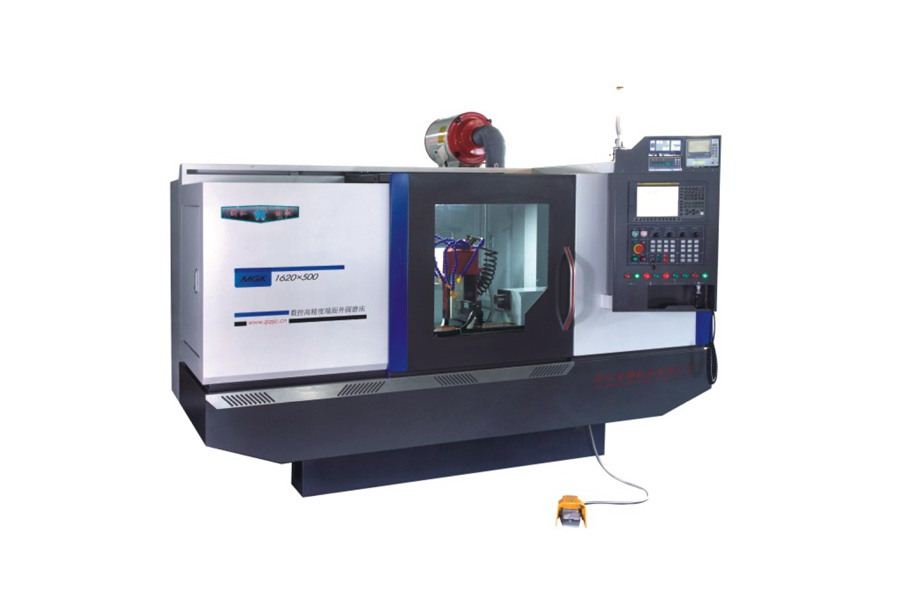
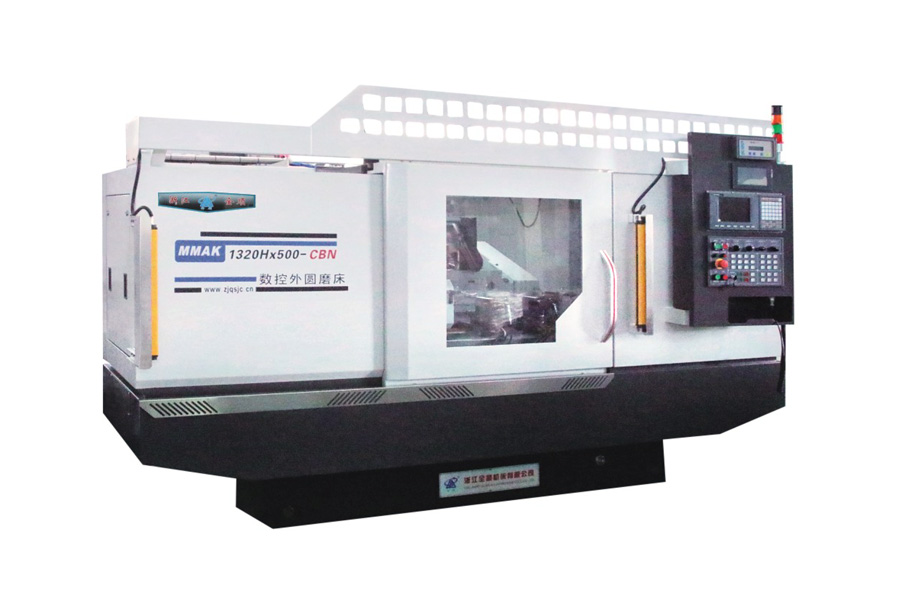
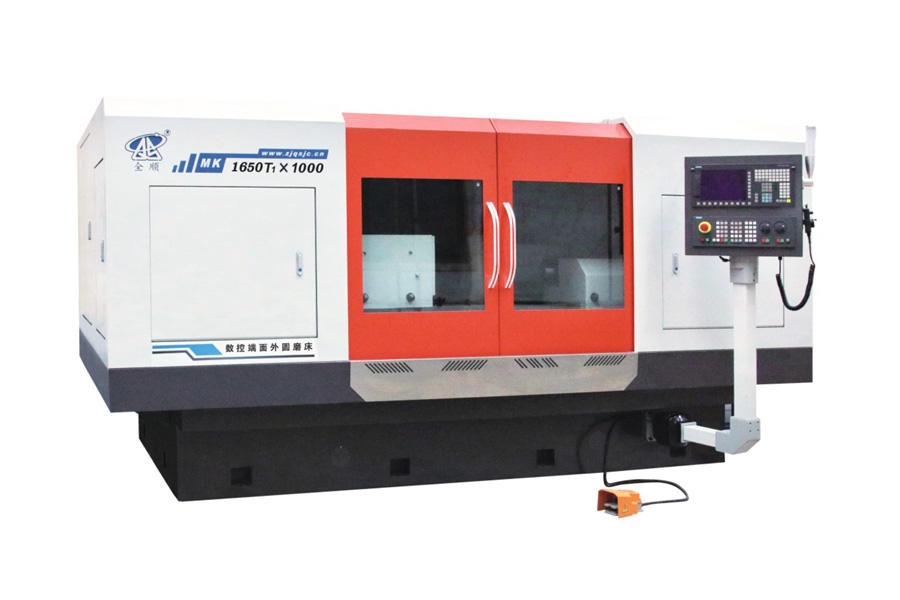
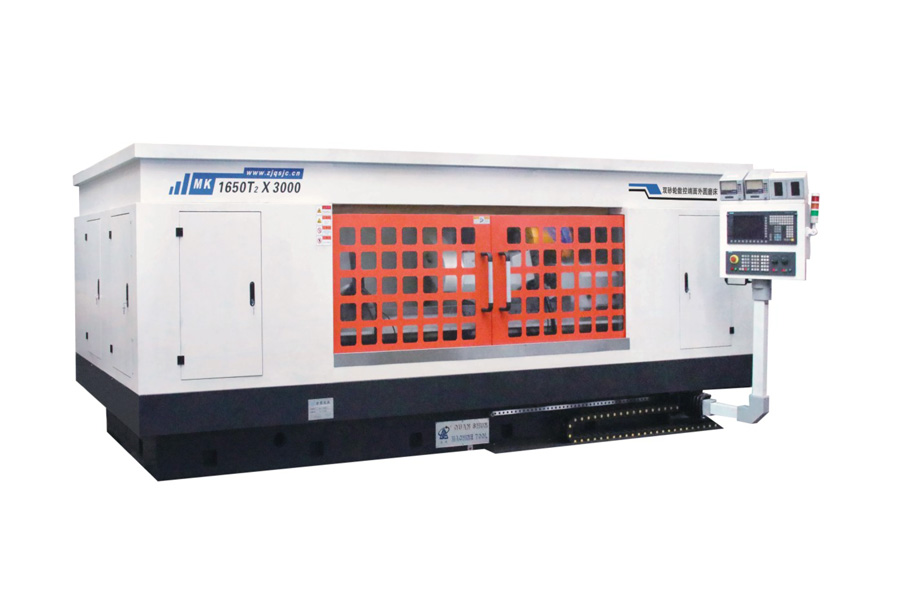
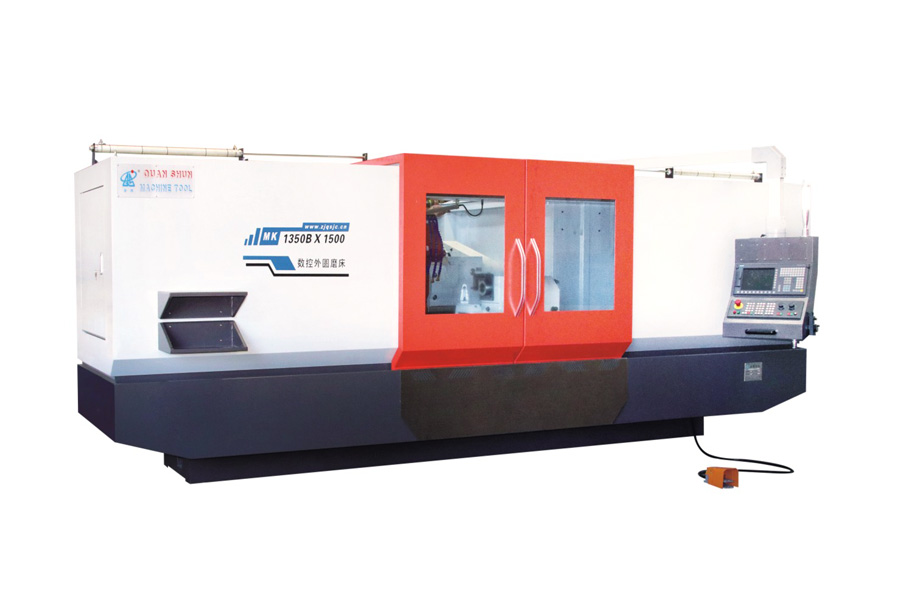
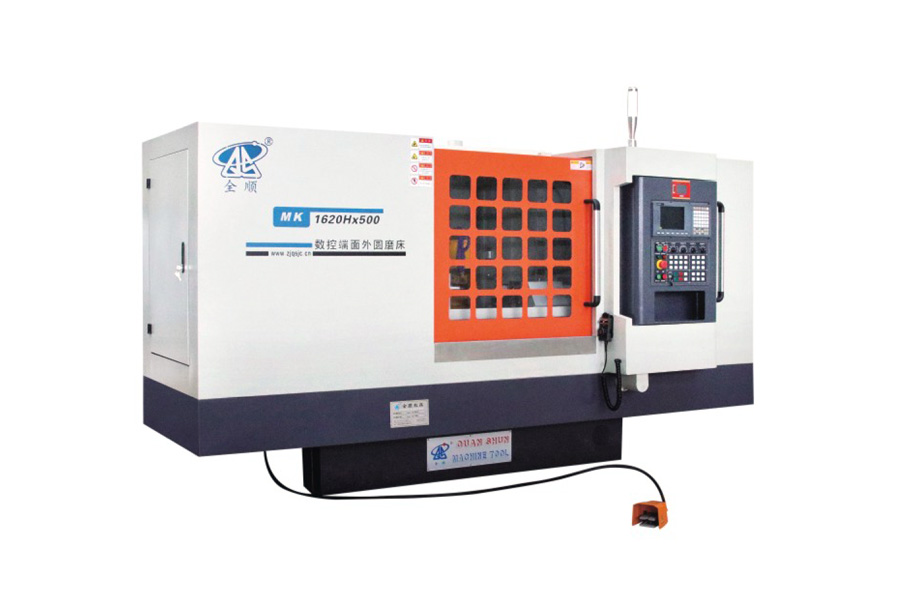
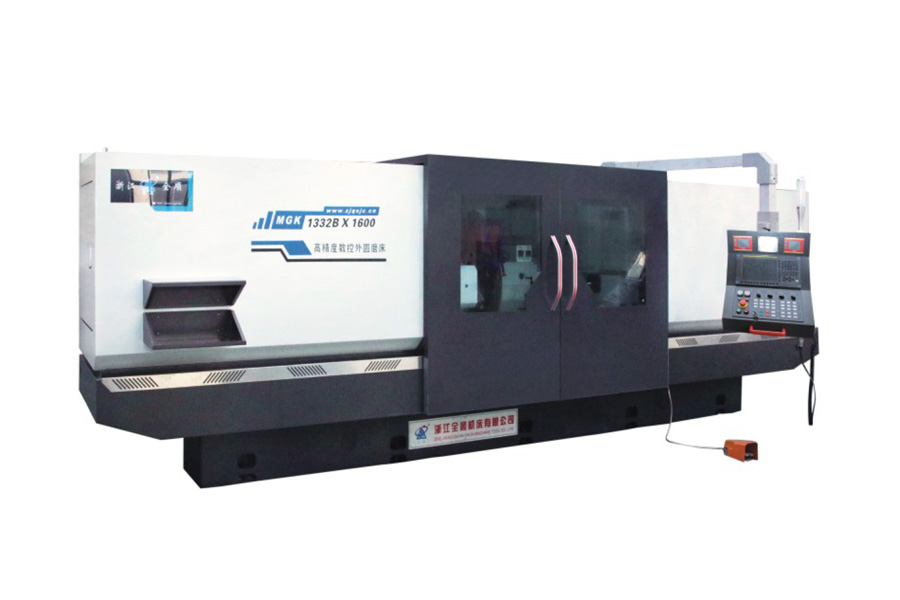
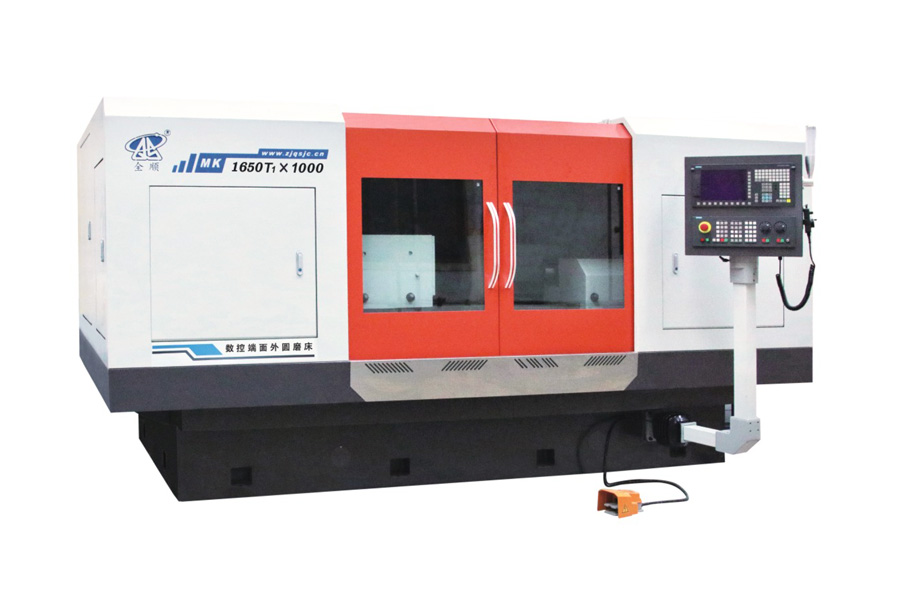
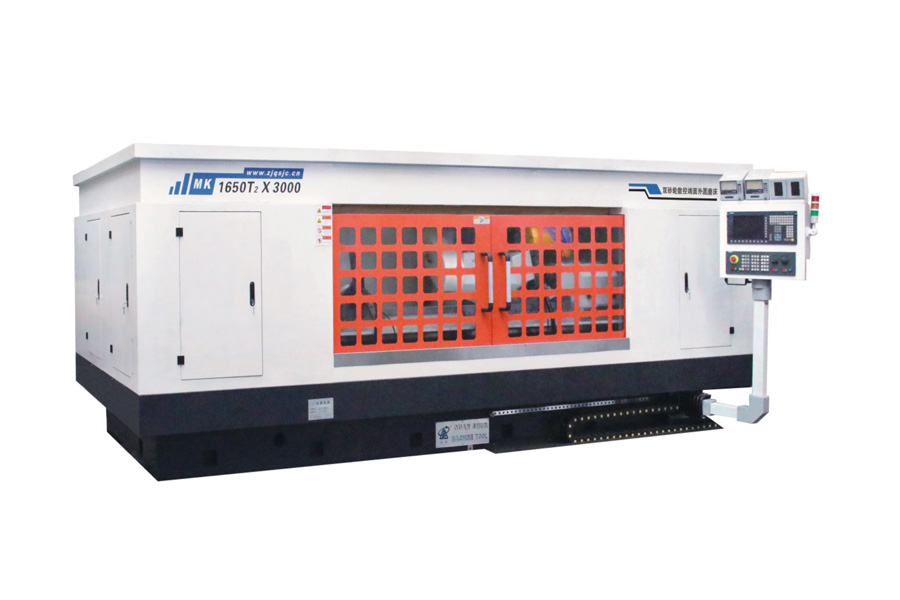
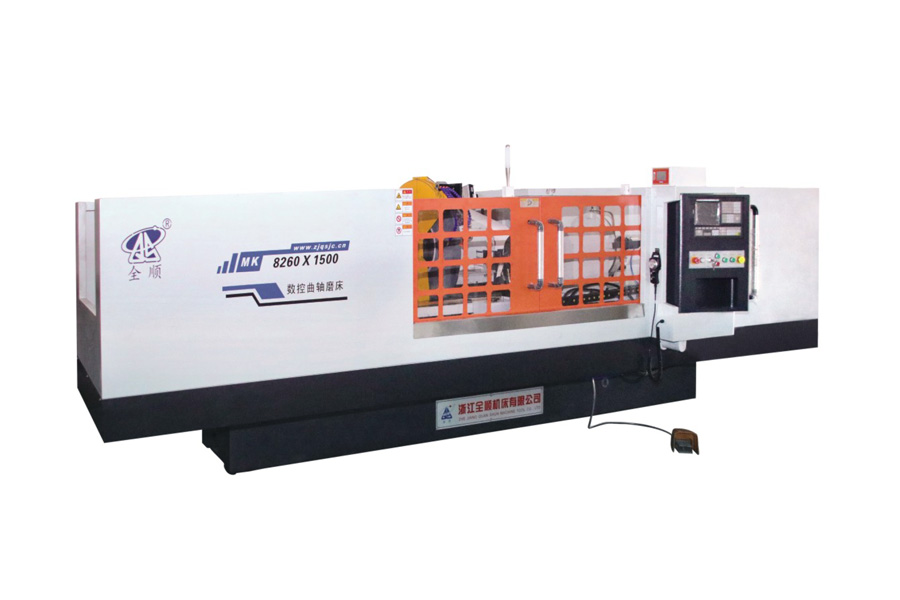
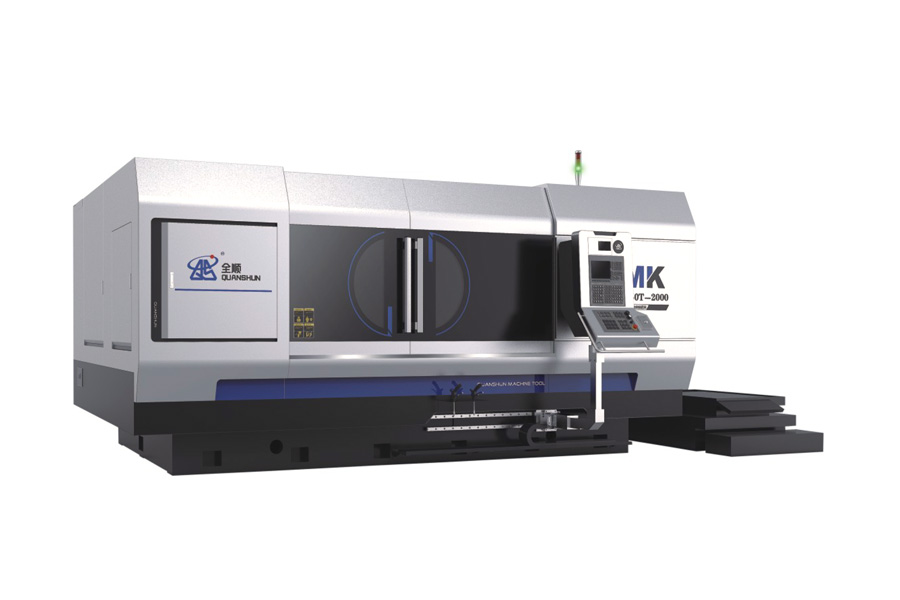
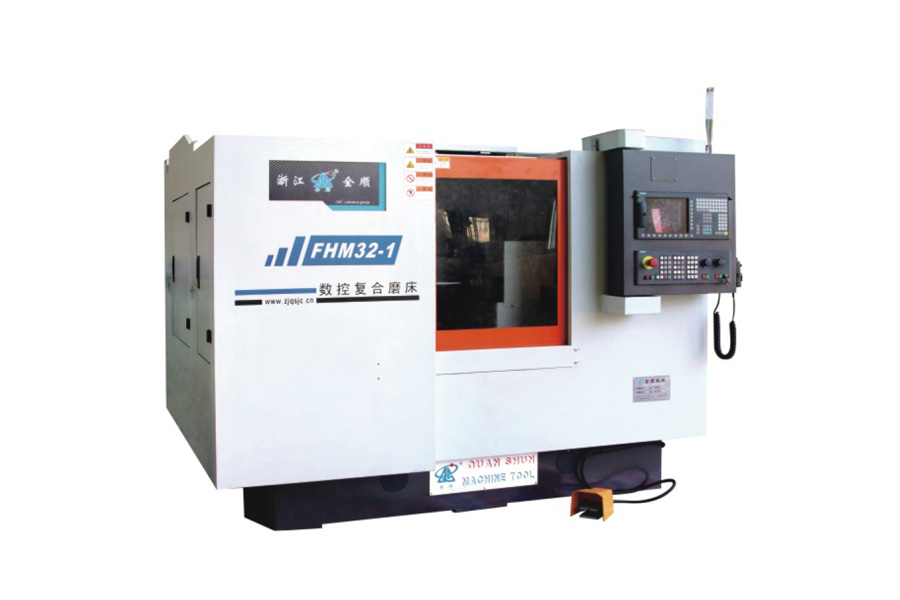
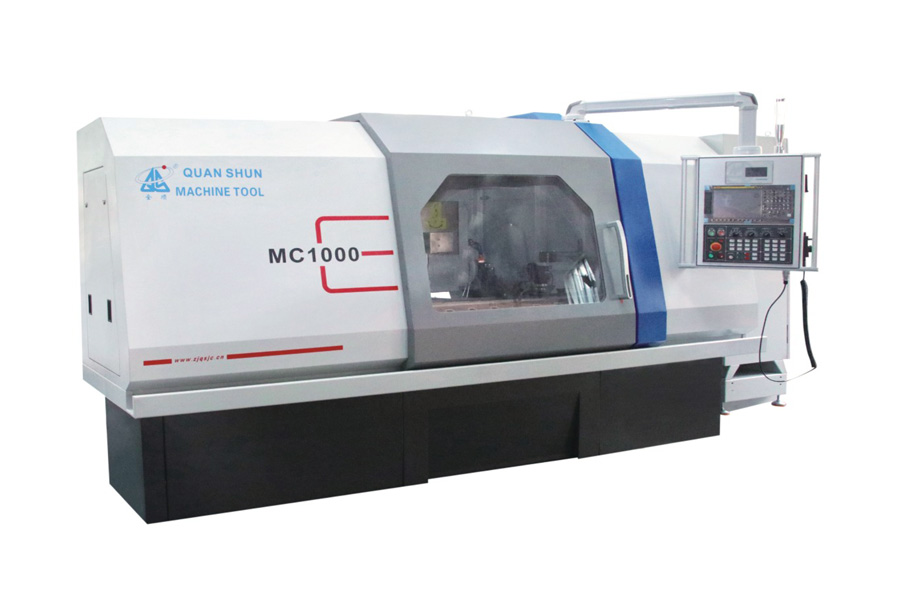
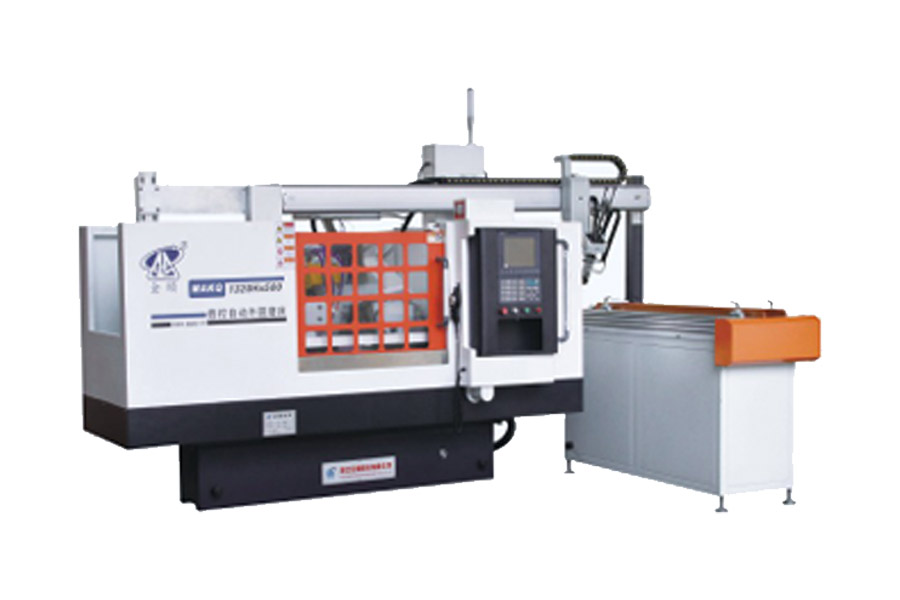
- 6 Featured Cylindrical Grinding Machines
- 7 How to Decide Which Process Your Part Needs
- 8 Closing Summary
Surface grinding and cylindrical grinding are two different finishing processes chosen for two different part shapes. Surface grinding removes material from a flat or contoured face using a reciprocating or rotary table, while Cylindrical Grinding Machines rotate a round workpiece between centers or in a chuck to bring outside diameters, tapers, and shoulders to precise roundness and size. If your part is flat, pick surface grinding. If your part is round and needs a true, concentric diameter, cylindrical grinding is the correct process.
Quick Comparison at a Glance
The table below lines up the two processes side by side so you can match the method to the part in front of you before reading the details.
| Factor | Surface Grinding | Cylindrical Grinding |
| Workpiece shape | Flat, stepped, or contoured surfaces | Round shafts, pins, rollers, sleeves, cones |
| Workholding | Magnetic chuck or fixture on a table | Between centers, chuck, or collet, work rotates |
| Wheel motion | Reciprocating table or rotary table under wheel | Wheel and work both rotate at different speeds |
| Typical tolerance | Flatness within 0.005 to 0.01 mm | Roundness and diameter within 0.001 to 0.005 mm |
| Common output | Flat reference faces, parallel plates, dies | Bearing journals, spindles, valve stems, rollers |
| Automation potential | Moderate, batch loading common | High, robotic loading is standard on production lines |
What Surface Grinding Actually Does
Surface grinding holds a workpiece flat on a magnetic chuck and passes it under a rotating grinding wheel, either by moving the table back and forth or by spinning a rotary table beneath the wheel. The process is built around one goal: a flat, parallel, and smooth top face. Toolmakers rely on it to true up die plates, fixture bases, and gauge blocks where flatness and parallelism between two faces matter more than roundness.
Surface grinders remove very little material per pass, which is why they are almost always the last operation before a part ships. The trade-off is that they cannot economically produce a round feature, a bore, or a tapered shaft, because the table motion is linear rather than rotary.
What Cylindrical Grinding Actually Does
Cylindrical grinding rotates the workpiece on its own axis while a grinding wheel, also rotating, traverses along or across the part. Because both the wheel and the part spin, the process naturally produces a true circular cross section, which a linear-motion surface grinder cannot replicate. This is why every shaft, roller, pin, or sleeve that needs a precise outside diameter and roundness spec goes through cylindrical grinding rather than surface grinding.
There are several sub-types of cylindrical grinding worth knowing, since the right configuration depends on the shape and batch size of the part:
- Plain cylindrical grinding handles straight outside diameters between centers.
- Universal cylindrical grinding adds a swiveling head and internal grinding attachment for tapers and bores in one setup.
- Centerless grinding supports the part on a work rest blade instead of centers, suited to long runs of small round parts.
- Face and cylindrical grinding finishes an outside diameter and an adjoining shoulder face together in a single cycle.
Why the Distinction Matters for Precision Manufacturing
Choosing the wrong process does not just cost cycle time, it can make the tolerance impossible to hold. A flat plate ground on a cylindrical grinder has nothing round to reference, and a shaft ground on a surface grinder will never achieve the roundness a rotating fixture provides. Manufacturers of bearings, hydraulic cylinders, motor shafts, and crankshafts standardize on cylindrical grinding because the rotational motion is what controls roundness, cylindricity, and diameter consistency across a production batch, according to industry sources such as the American Society of Mechanical Engineers surface finish guidelines commonly referenced in machine shop practice.
Automation Changes the Economics
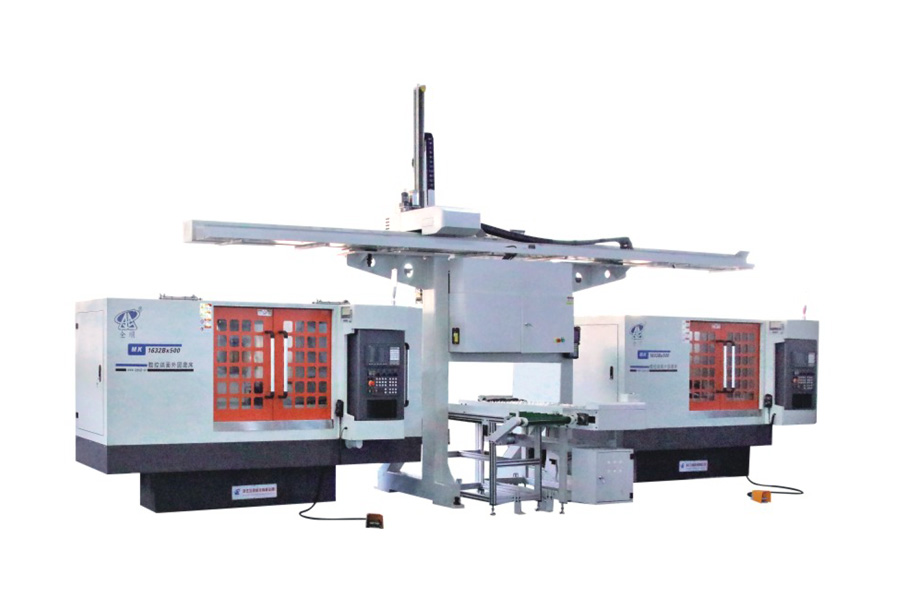
On high volume shaft production, the biggest cost driver is not the grinding cycle itself but how the part gets loaded and unloaded. Modern automatic cylindrical grinders integrate a robotic manipulator directly into the machine, letting one operator run several machines at once instead of babysitting a single spindle. This shift toward automated loading is one of the main reasons manufacturers are replacing older manual cylindrical grinders with CNC and automatic-loading models on lines that run the same part family repeatedly.
| Production Style | Recommended Machine Type | Reason |
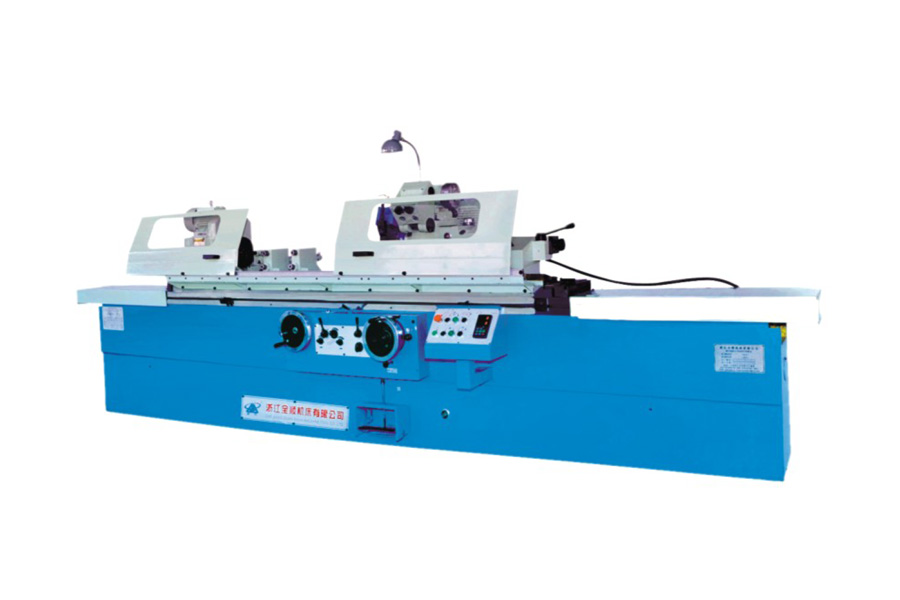
| Single part, tool room, prototypes | Conventional universal cylindrical grinder | Manual control gives flexibility for one-off geometries |
| Mixed small batches | Conventional cylindrical grinder | Good repeatability without programming overhead |
| High volume single family | Automatic CNC cylindrical grinder | Robotic loading cuts labor and shortens cycle time |
| Shafts needing a finished shoulder face | Automatic CNC face and cylindrical grinder | Grinds the diameter and the end face in one cycle |
Featured Cylindrical Grinding Machines
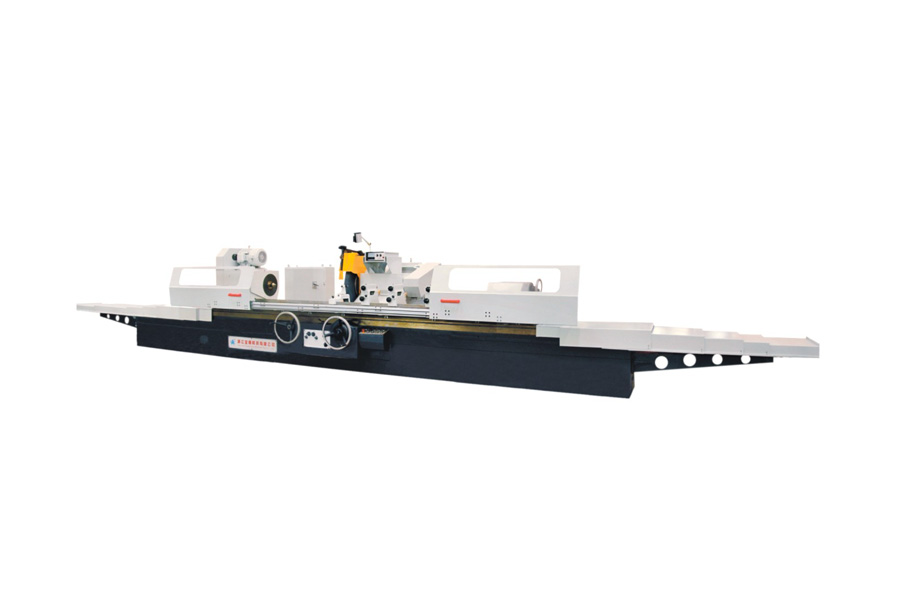
The models below cover both automated and conventional cylindrical grinding, so you can match machine configuration to your production volume and part complexity.
How to Decide Which Process Your Part Needs
Ask three questions before specifying a grinding operation. First, is the finished surface flat or round. Second, does the tolerance call out roundness, cylindricity, or concentricity, which only a rotating process can hold. Third, what is the annual volume, since high volume round parts justify the added cost of automatic loading while low volume flat work rarely does. Walking through these three questions in order will point you to the correct machine category almost every time.
| Question | If the answer favors surface grinding | If the answer favors cylindrical grinding |
| Part geometry | Flat plate, block, or contoured face | Shaft, pin, sleeve, roller, or cone |
| Critical tolerance | Flatness, parallelism, thickness | Roundness, cylindricity, diameter |
| Production volume | Low to medium, manual loading acceptable | High volume favors automatic loading and unloading |
Closing Summary
Surface grinding and cylindrical grinding solve different geometric problems and are not interchangeable. Once a part is confirmed round with a diameter or roundness callout, the next decision is matching machine type to batch size, from a conventional universal grinder for short runs to an automatic CNC cylindrical grinder for continuous production. Reviewing the target tolerance, part shape, and volume together before ordering equipment avoids costly rework later in the process.