0086-15068518279 (Chinese)/001-5416026691 (English)



 EN
EN
 中文简体
中文简体Content
When an automotive supplier has to grind a valve stem with a sealing shoulder, a groove, and a tip radius in one clamping, plunge grinding is usually the fastest and most reliable method. The wheel feeds radially into the rotating workpiece, the wheel profile transfers the form, and the cycle finishes in seconds rather than minutes. Plunge grinding — also called infeed grinding — is the cylindrical grinding technique used whenever the grinding wheel can cover the full length being machined without traversing. This article explains how the process works, the parameters that control its outcome, when it is the right choice, and what to look for in a machine built for plunge cycles.
What Is the Plunge Grinding Process?
Plunge grinding is a cylindrical grinding method in which the grinding wheel advances radially toward the workpiece — perpendicular to the workpiece axis — while the part rotates. The wheel width is equal to or greater than the length of the surface being ground, so the entire grinding zone is machined by a single radial infeed instead of longitudinal passes. The word "plunge" describes that feed action: the wheel moves straight into the part to a preset depth, dwells briefly, then retracts.
Two machine configurations use the same radial-feed logic. In center-type plunge grinding, the workpiece is held between centers or in a chuck, and the wheelhead performs the infeed. In centerless plunge grinding, often called infeed centerless grinding, the workpiece rests on a work blade between the grinding wheel and a regulating wheel. The part is loaded into the grinding zone, the grinding wheel feeds radially inward, and three-point positioning — grinding wheel, regulating wheel, and work blade — keeps even very small diameters stable during stock removal. This is why plunge grinding is widely used to produce automotive parts and other complex-shaped components that require precise roundness.
On a CNC cylindrical grinding machine, the plunge cycle is programmed as a feed rate, a depth, a spark-out dwell, and a retract position. Once set, the sequence repeats without manual adjustment, which is what makes the process so attractive for batch production.
Plunge Grinding vs. Traverse Grinding
Plunge grinding and traverse grinding solve different problems, and the choice between them affects cycle time, accuracy, wheel width, and machine specification. Plunge grinding moves the wheel radially into the part; traverse grinding moves the wheel axially along the part. The following table summarizes the practical differences.
| Comparison | Plunge (Infeed) Grinding | Traverse (Through-Feed) Grinding |
|---|---|---|
| Wheel feed direction | Radial, single infeed | Axial, multiple passes |
| Wheel width requirement | Equal to or wider than the ground length | Can be narrower than the ground length |
| Preferred workpiece | Short surfaces, forms, shoulders, multi-diameter shafts | Long plain cylindrical surfaces |
| Cycle time | Short, because one infeed covers the zone | Increases with part length |
| Form accuracy | Transferred directly from the wheel profile | Built from table motion and dressing accuracy |
A practical rule of thumb: if the wheel can cover the full feature in one pass, plunge grinding is faster; if the surface is longer than the wheel, traverse grinding is the realistic option. Many CNC cylindrical grinders support both modes, and switching between them is a matter of programming. For a broader view of the machine categories behind these methods, see our explanation of the three types of cylindrical grinding machines.
Key Process Parameters in a Plunge Grinding Cycle
A successful plunge grinding operation depends on balancing a small set of parameters. Get them right, and the cycle is stable for thousands of parts; get them wrong, and the result is burning, vibration marks, or out-of-round forms.
Wheel Speed and Work Speed
Peripheral wheel speed is typically 25–45 m/s, depending on the wheel bond and the workpiece material. Higher speeds remove stock faster, but only if the spindle power and coolant supply can handle the heat. The workpiece rotation speed is much lower — usually 0.2–0.6 m/s surface speed — and should be set so that abrasive grains cut rather than rub. Rubbing generates heat that can burn the workpiece surface and shorten wheel life.
Plunge Feed Rate and Spark-Out Dwell
Most plunge cycles use a two-stage feed: a rough infeed of 1–5 mm/min to remove the bulk of the stock, followed by a finish feed at 0.2–0.5 mm/min, and finally a spark-out dwell of 2–10 seconds. Spark-out is not optional in precision work — it lets the elastic deflection of the wheel, spindle, and workpiece return to zero, which directly improves roundness and size control. In centerless plunge grinding, several full revolutions of spark-out also reduce lobing, the polygonal shape error associated with unsupported grinding zones.
Wheel Dressing and Coolant Delivery
Because the wheel profile is transferred onto the part, dressing accuracy limits the form accuracy you can achieve. A coarse dressing feed produces an aggressive wheel and a rougher finish; a fine feed generates a smoother surface but removes material more slowly. Coolant must be aimed directly into the contact zone — high-pressure nozzles break the air barrier that surrounds a fast wheel, and filtration prevents swarf from scratching the finished surface. For the complete dressing procedure, including diamond travel speed and frequency selection, refer to our guide on how to dress the grinding wheel on a CNC cylindrical grinder.
When to Choose Plunge Grinding
Plunge grinding is not a universal answer — it is a targeted method for specific geometries and production situations.
Best Workpiece Geometries
The method excels on parts with multiple diameters, shoulders, grooves, radii, tapers, or complex profiles that must remain concentric and correctly positioned in relation to one another. Typical examples include valve components, pump shafts, transmission parts, bearing journals, motor spindles, and toolholder blanks. Centerless plunge grinding is especially common for automotive parts with complex forms that still demand the throughput of an infeed cycle.
Production Scenarios That Favor Plunge Grinding
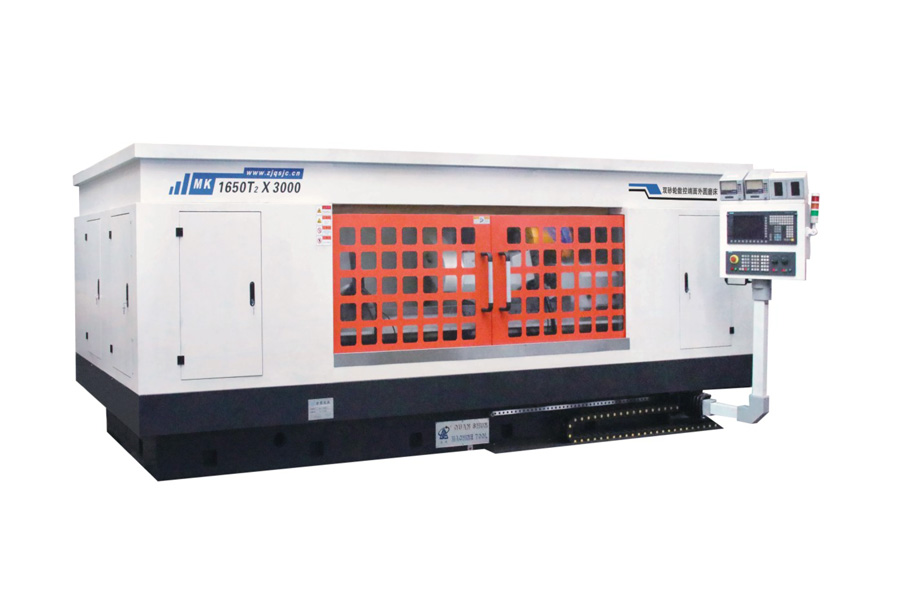
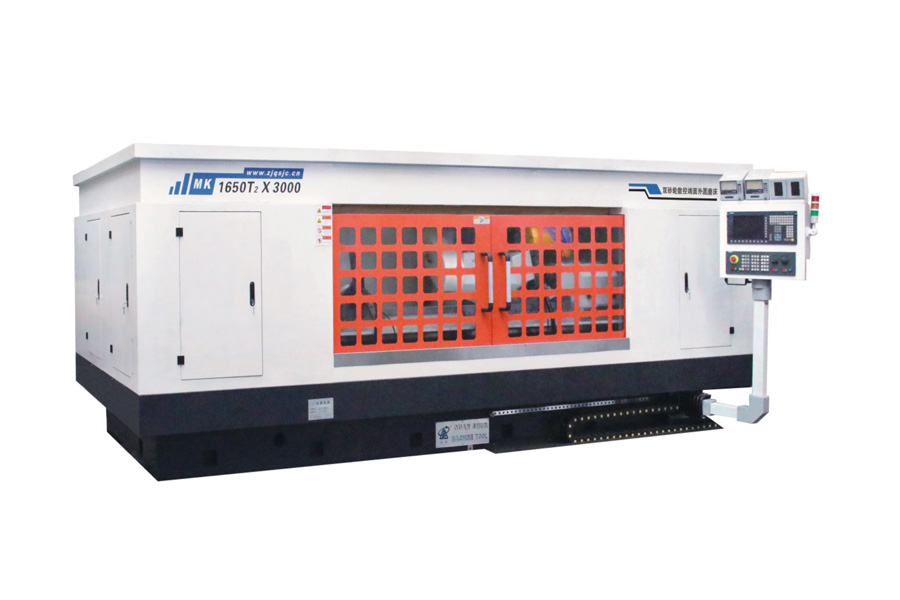
In small and medium batches, plunge grinding sets up faster than traverse grinding because the wheel width does the positioning work. In large batches, the fixed wheel profile removes most of the operator-to-operator variation, provided the machine is rigid and dressing is controlled. The process also suits interrupted surfaces: a shaft with several ground sections can be plunge ground section by section, with the wheel indexing along the part instead of making long table strokes. In high-volume lines, a double-wheelhead CNC cylindrical grinding machine can perform rough plunge grinding and finish plunge grinding in one clamping, which shortens cycle time without giving up accuracy.
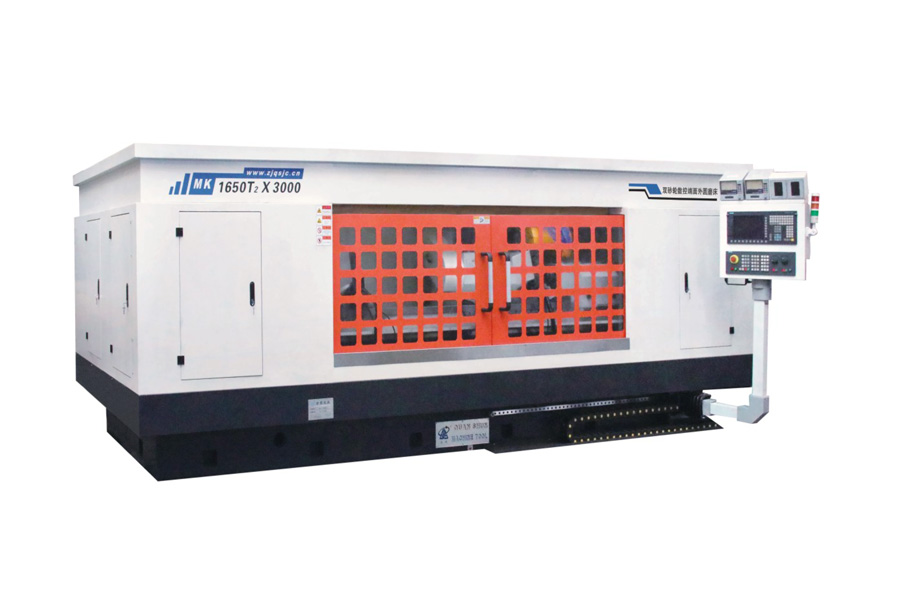 Wholesale Double Wheelhead CNC Cylindrical Grinding Machine Manufactures, FactorAs a China Double Wheelhead CNC Cylindrical Grinding Machine manufacturer and Double Wheelhead CNC Cylindrical Grinding Machine factory, ...View Product →
Accuracy and Surface Finish Capability
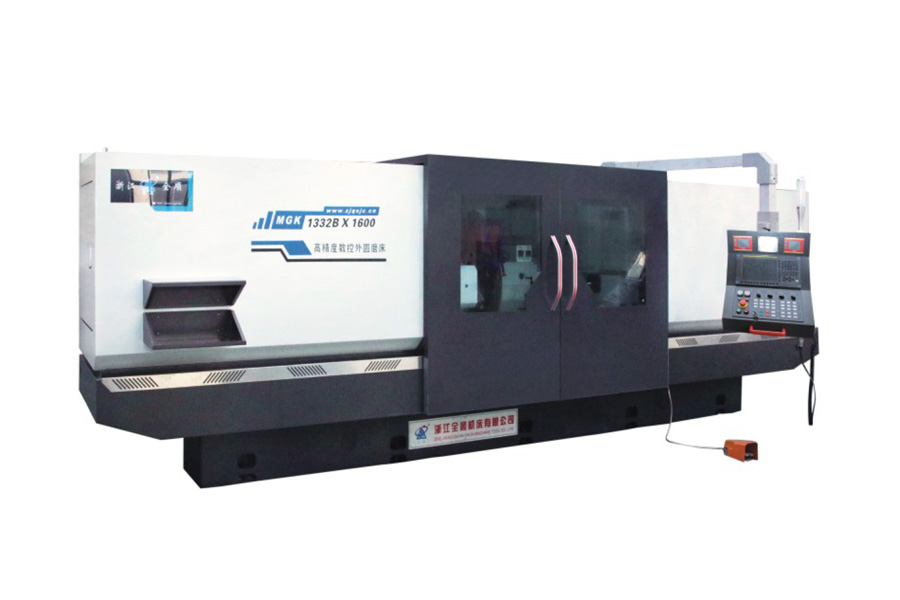
On a rigid CNC cylindrical grinding machine, plunge grinding can maintain diameter tolerances in the IT5–IT6 range, depending on wheel grit, dressing feed, and in-process gauging. Roundness of 1–2 µm and surface roughness of Ra 0.2–0.8 µm are practical on production parts; finer values are possible with extended spark-out, a finer dressing feed, and higher machine stiffness. These figures also assume stable coolant temperature, a balanced wheel, and correct workpiece support. For parts that push against those limits, a high-precision CNC cylindrical grinding machine provides the structural and thermal stability needed to hold diameter and roundness reliably across a long run.
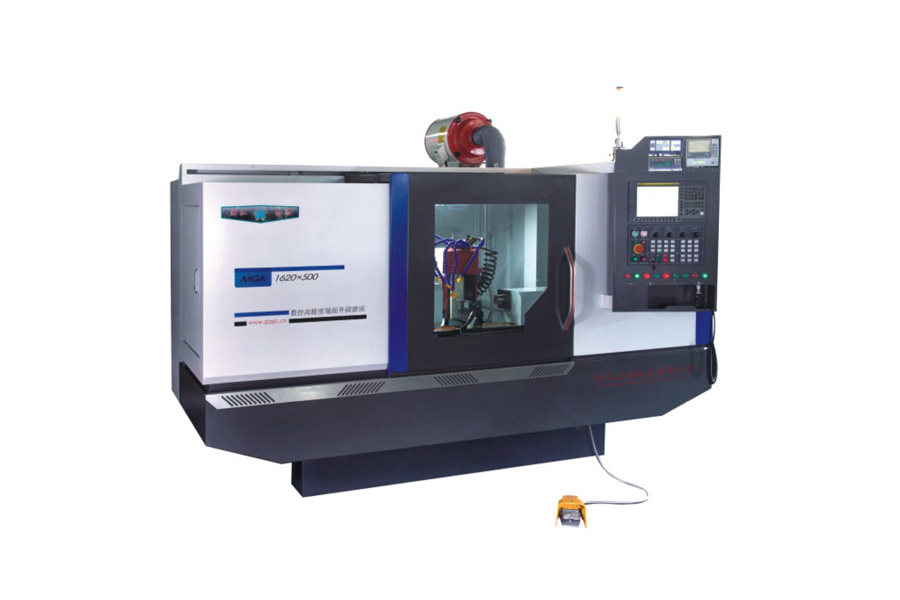 Wholesale High Precision CNC Cylindrical Grinding Machine Manufactures, FactoryAs a China High Precision CNC Cylindrical Grinding Machine manufacturer and High Precision CNC Cylindrical Grinding Machine factory, Zhej...View Product →
Machine Requirements and How to Choose the Right Grinder
Plunge grinding concentrates all stock removal into a short contact zone, so the machine must absorb a high instantaneous load. The characteristics that matter most are:
- Static and dynamic rigidity in the base, wheelhead, and workhead.
- High-precision spindle bearings, preferably hydrostatic or high-rigidity roller designs.
- A backlash-free CNC feed axis that can hold the radial depth during the dwell phase.
- An automatic dressing system that restores the wheel profile at a fixed interval.
- Effective coolant filtration and high-pressure delivery to the contact zone.
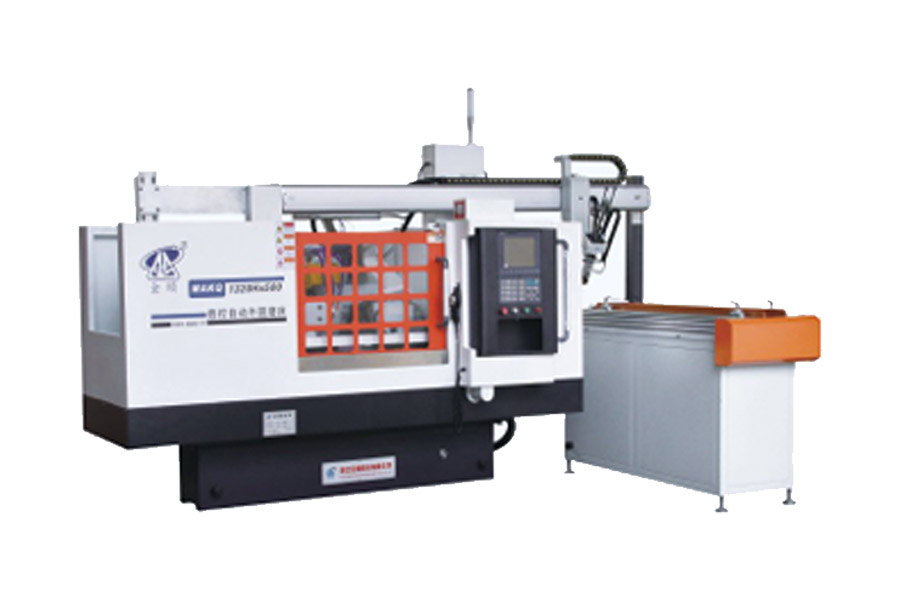
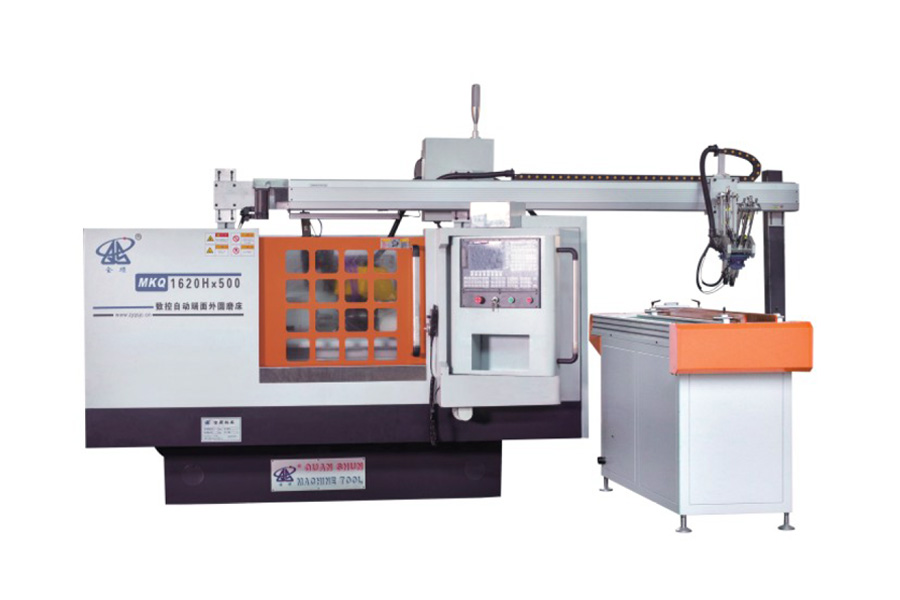
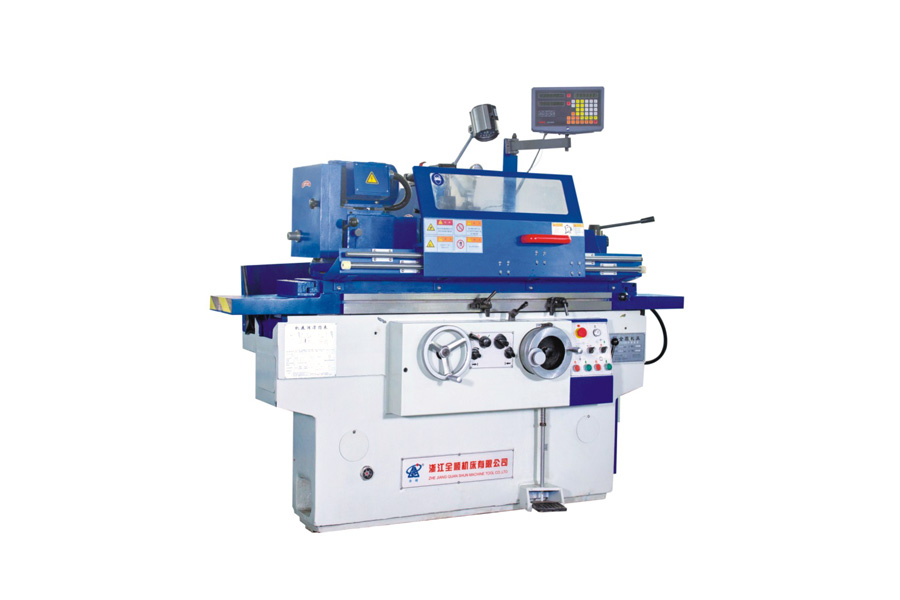
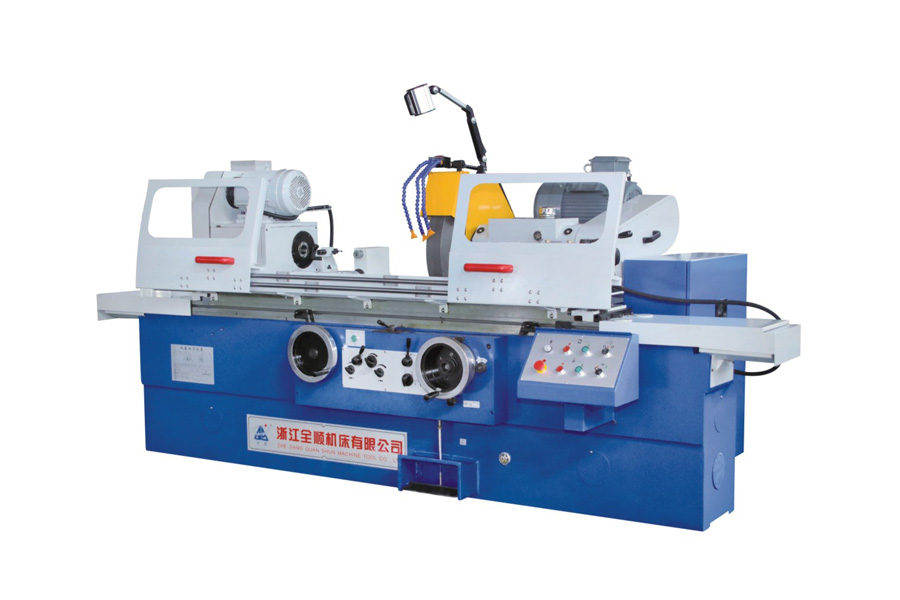
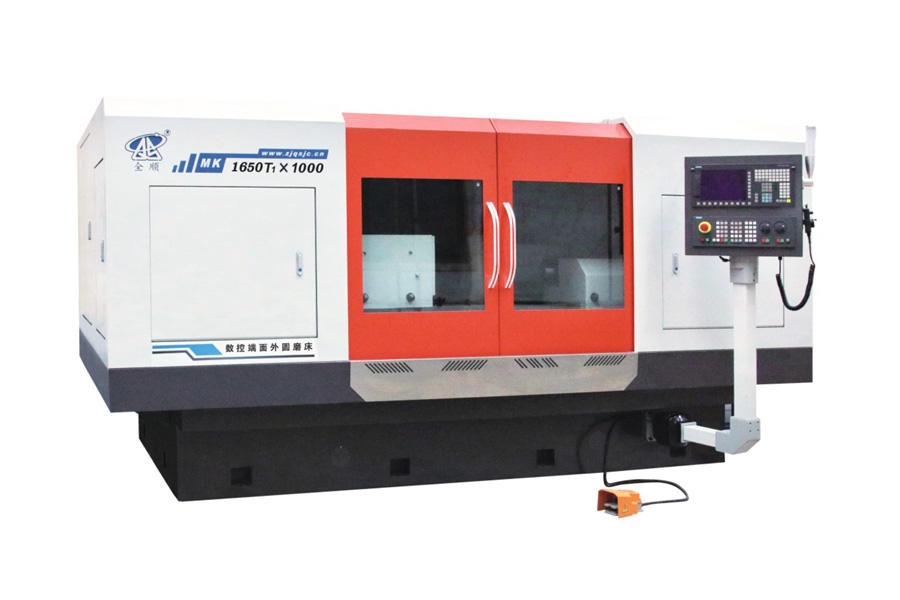
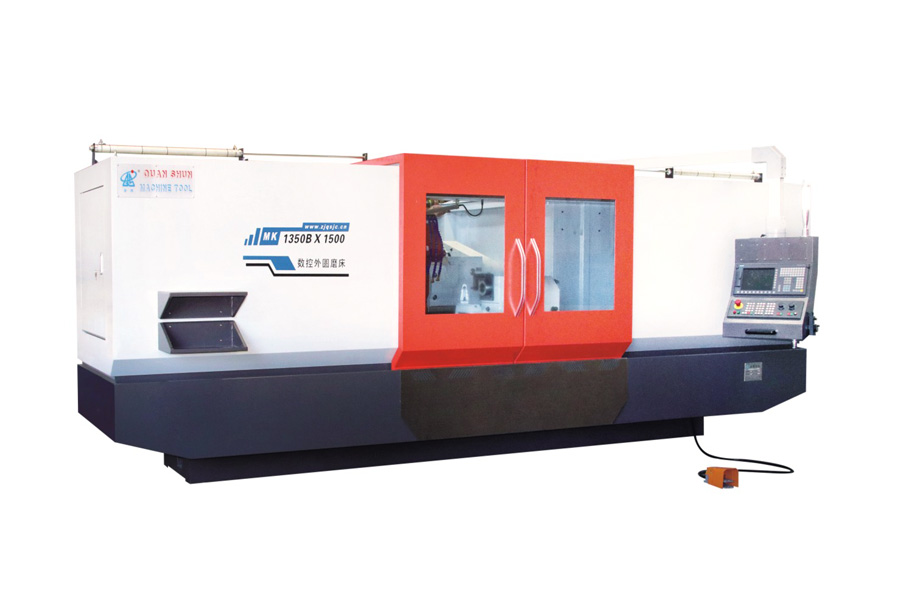
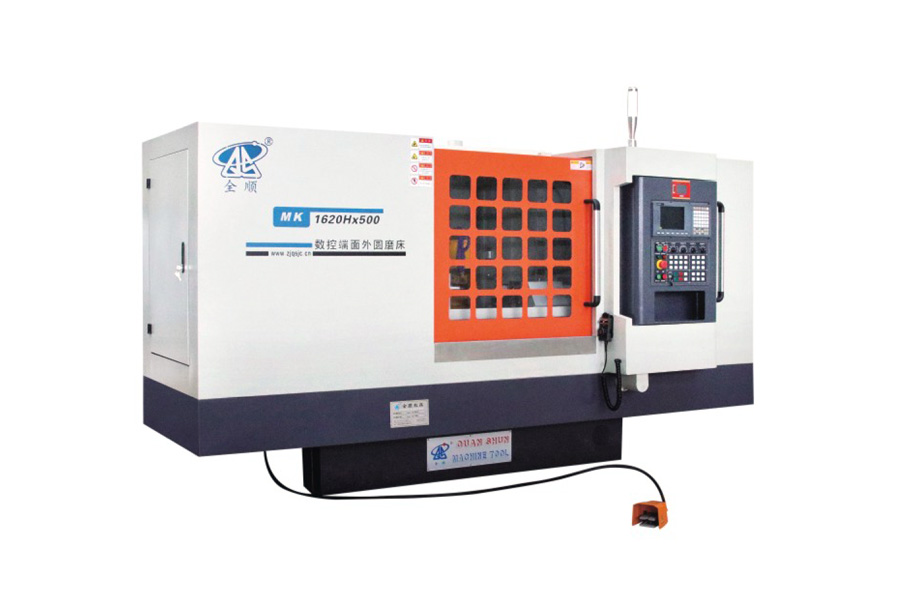
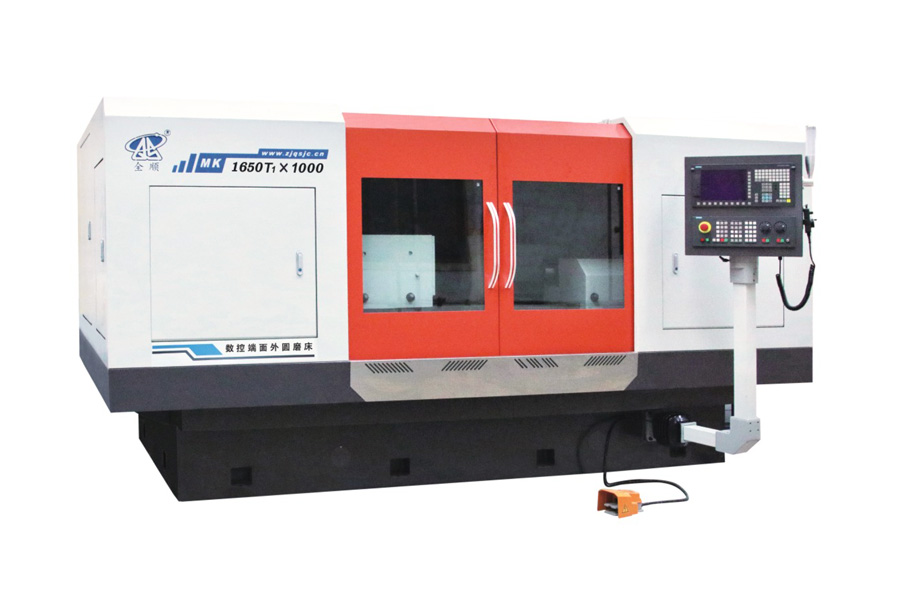
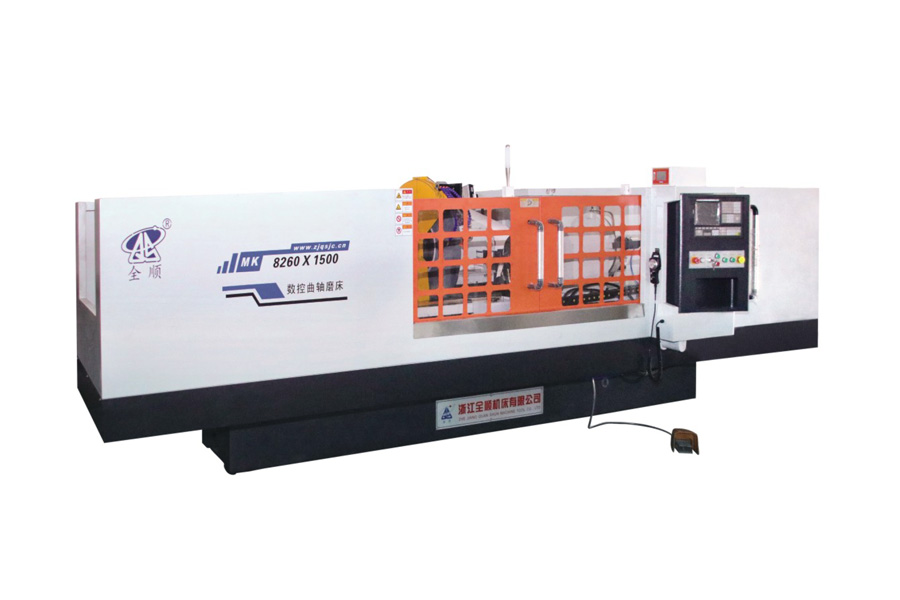
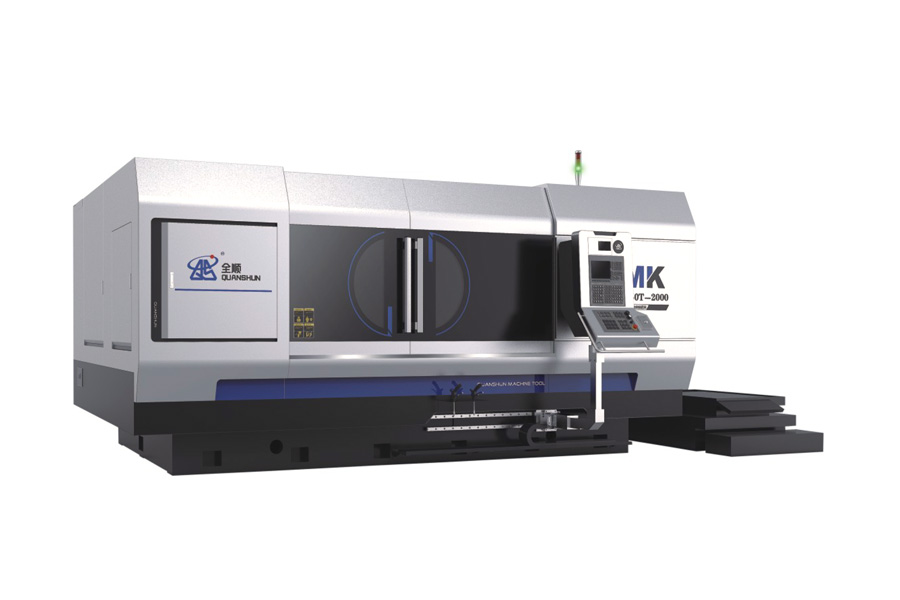
For shops that want to standardize on plunge grinding, the machine choice follows the workpiece. The CNC cylindrical grinding machine MK/MAK series from Zhejiang Quanshun is built for exactly this kind of radial-infeed work, with a rigid wheelhead and programmable plunge cycles. Final selection still depends on part length, form complexity, batch size, and the tolerance you must hold. Our practical guide on how to choose a grinding machine walks through these criteria in a step-by-step order, from workpiece analysis to control features and automation options.
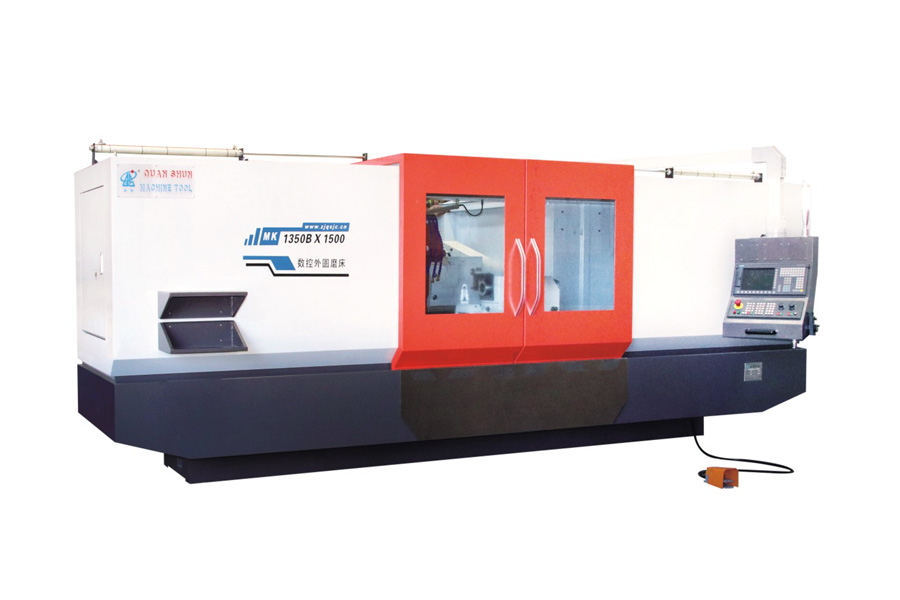 Wholesale CNC Cylindrical Grinding Machine MK/MAK Series Manufactures, FactoryAs a China CNC Cylindrical Grinding Machine MK/MAK Series manufacturer and CNC Cylindrical Grinding Machine MK/MAK Series factory, Zhejia...View Product →