0086-15068518279 (Chinese)/001-5416026691 (English)



 EN
EN
 中文简体
中文简体Content
In modern precision manufacturing, grinding machines are key equipment for the finishing of parts, directly determining the surface roughness, dimensional accuracy, and geometric tolerances of the product. With increasing industrial automation and high-precision requirements, the market offers a wide variety of grinding machines with varying parameters.
1. Define Machining Needs: Start with the Workpiece
The first step in choosing a grinding machine is not to look at the brand, but to analyze your machining target.
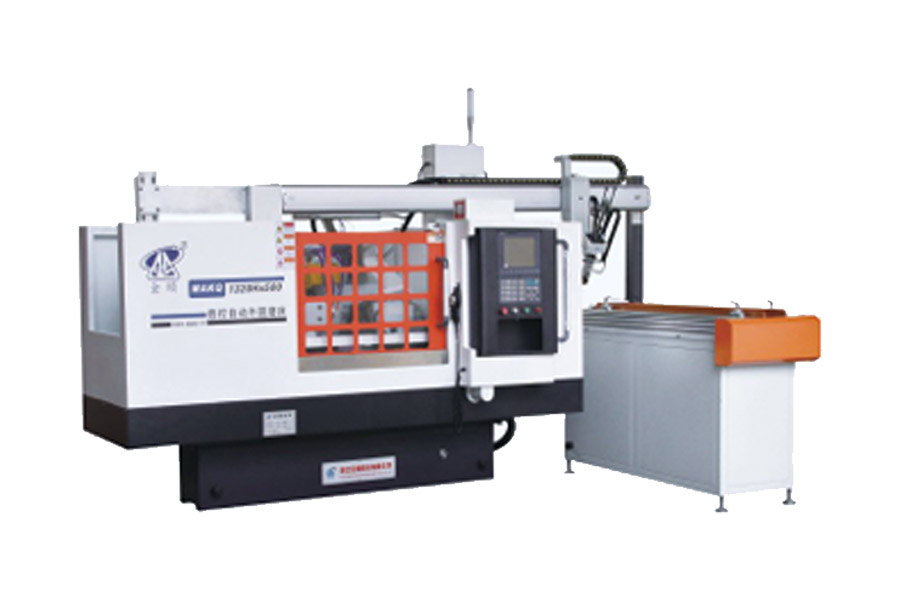
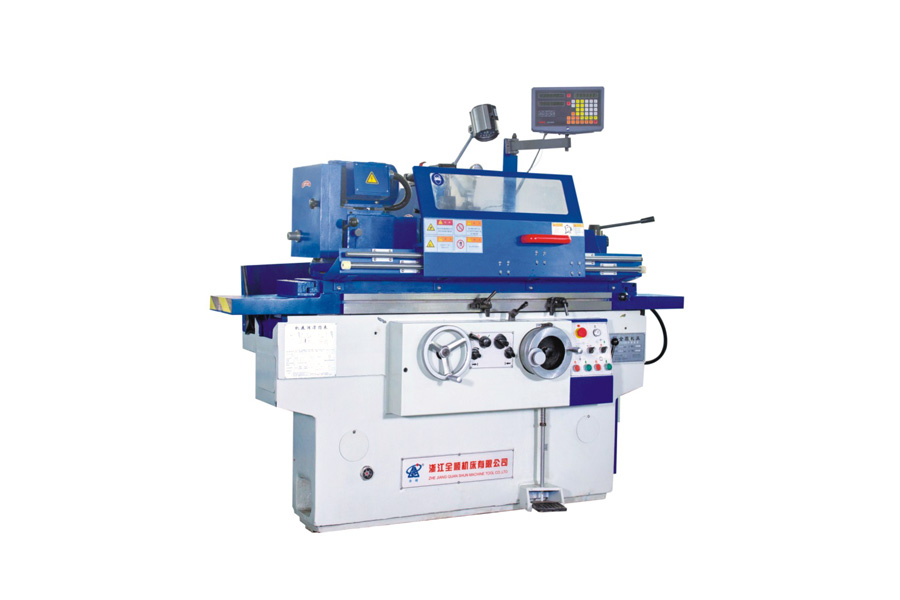
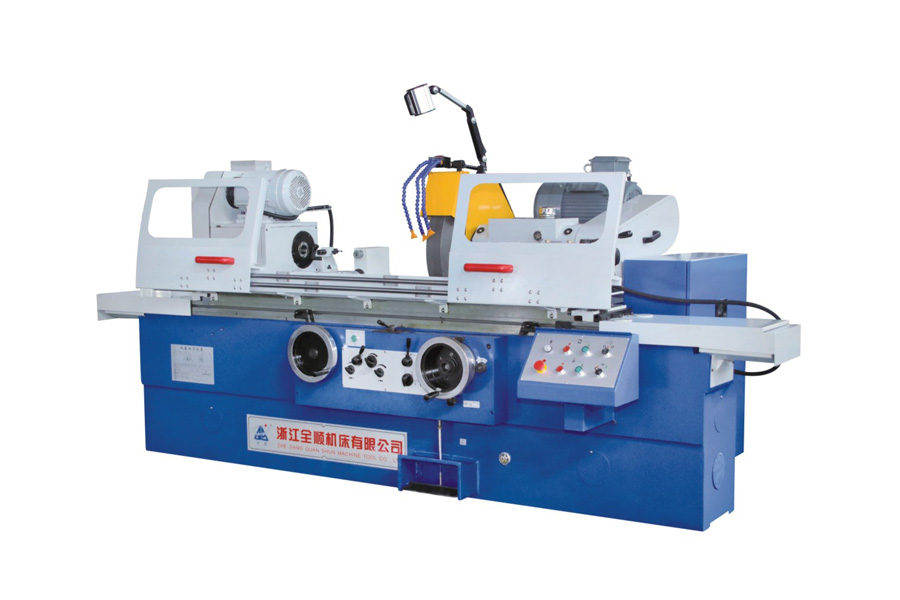
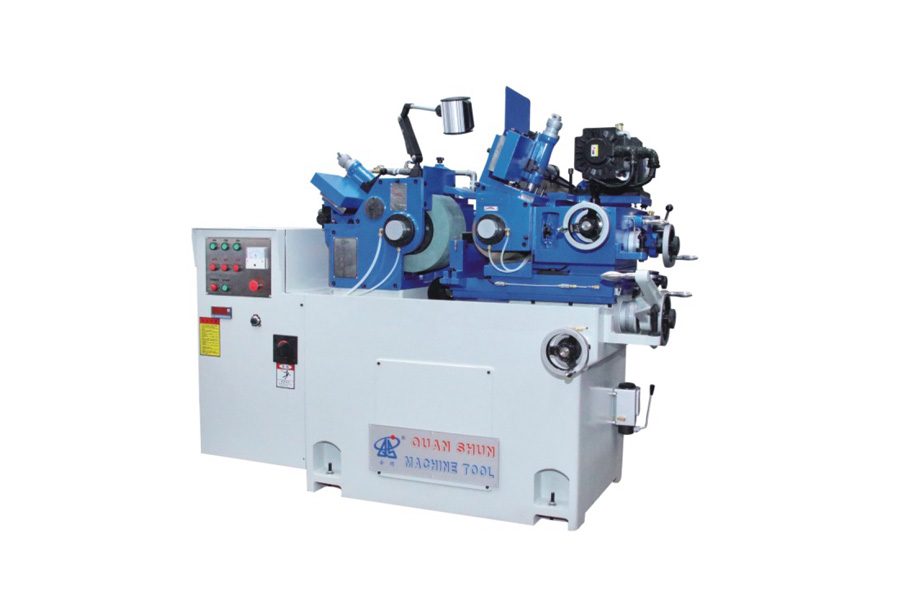
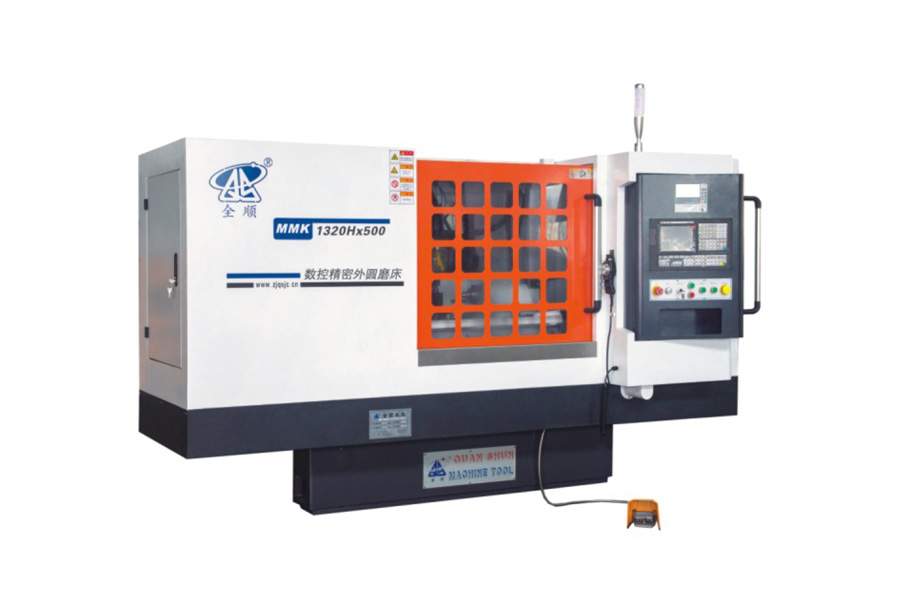
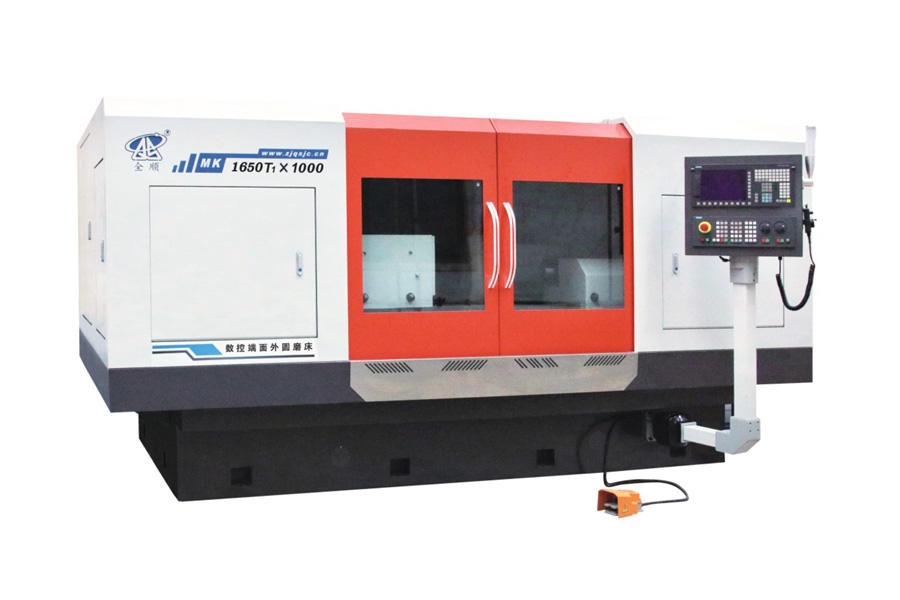
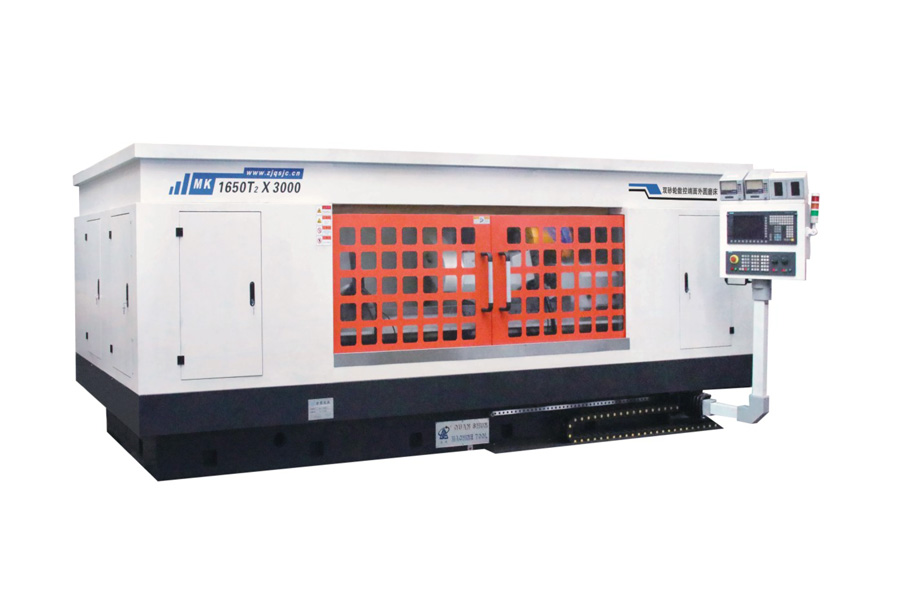
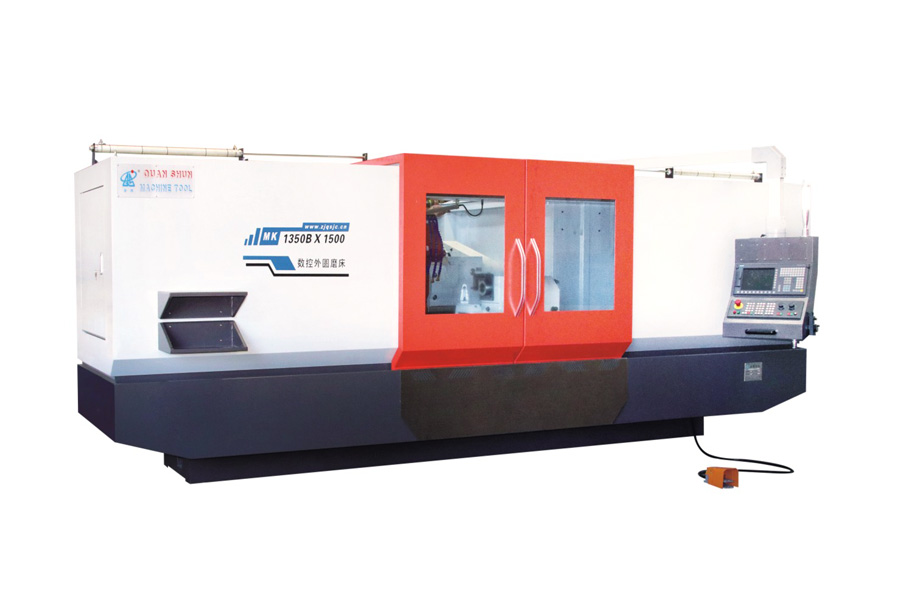
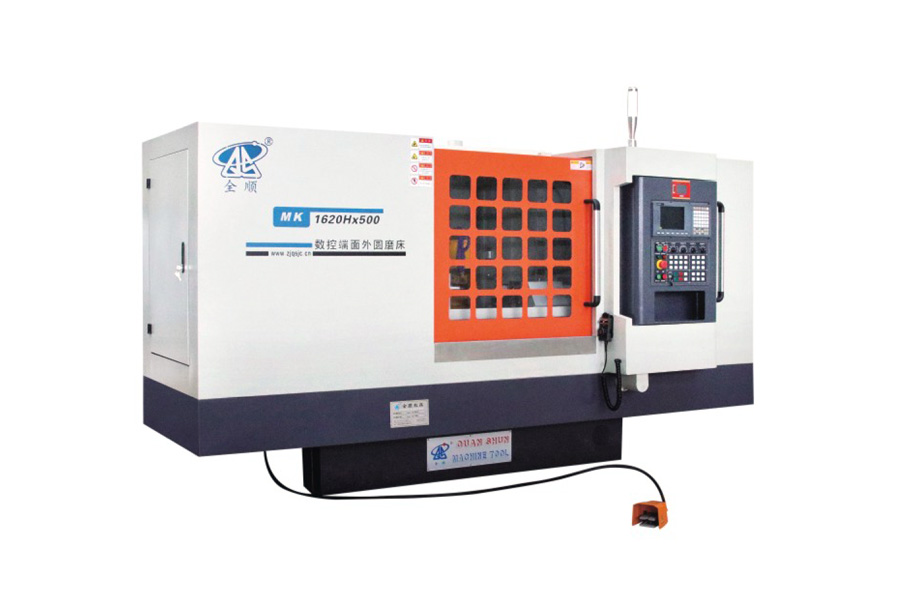
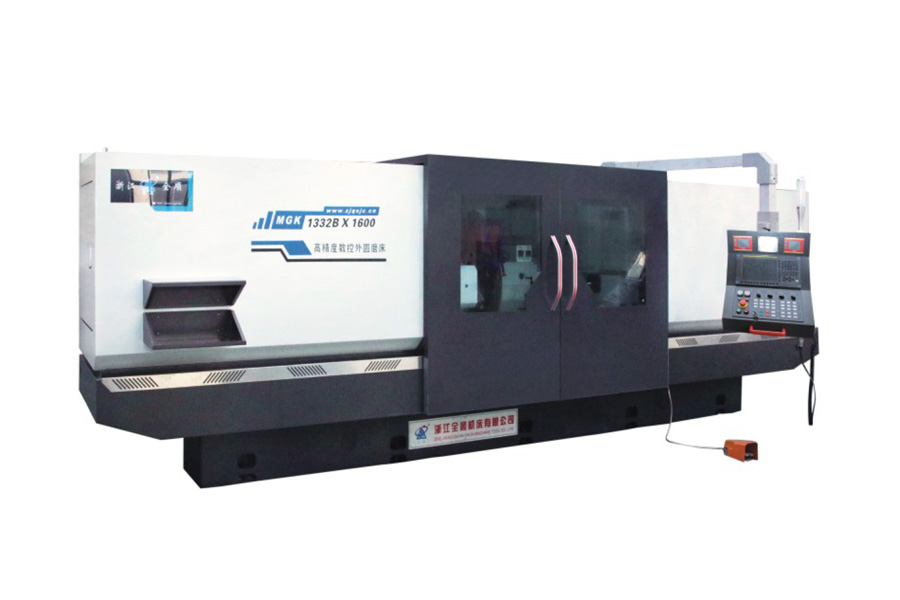
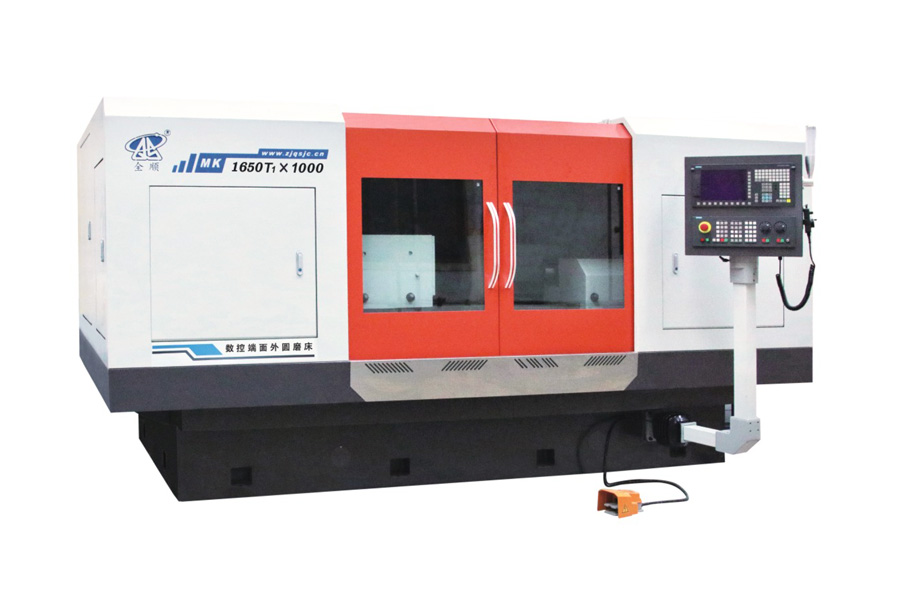
Workpiece Shape and Characteristics: For machining cylindrical or conical external surfaces, an external cylindrical grinding machine is the first choice.
For machining internal holes or internal cones, an internal cylindrical grinding machine is required.
For processing planes, grooves, or irregularly shaped surfaces, a surface grinding machine is the best choice.
Size and Weight: Ensure that the grinding machine's table travel, center height, and maximum load capacity can cover your workpiece specifications, with appropriate margins.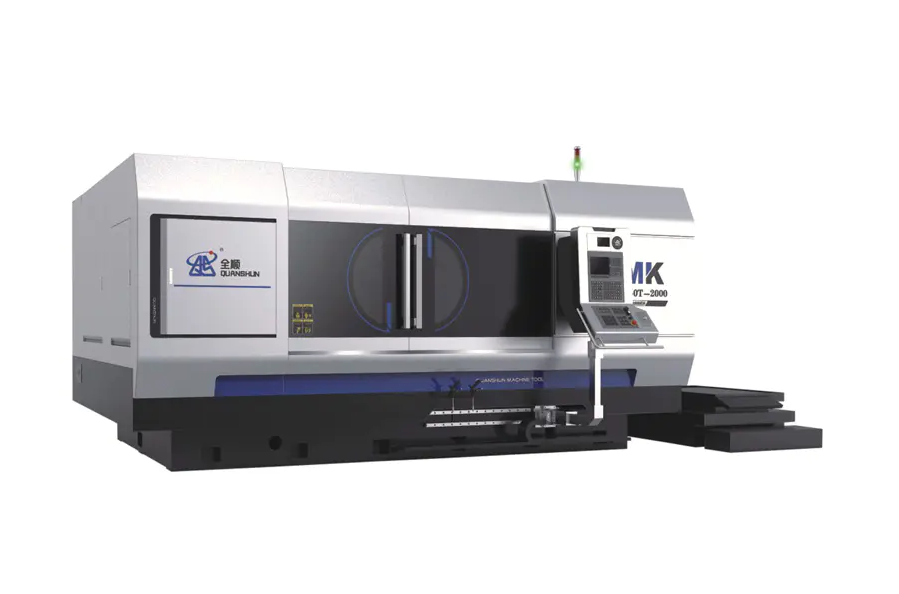
2. Precision Grade Requirements
Grinding machines are known as the "doctors of industrial machine tools," and their own precision is crucial.
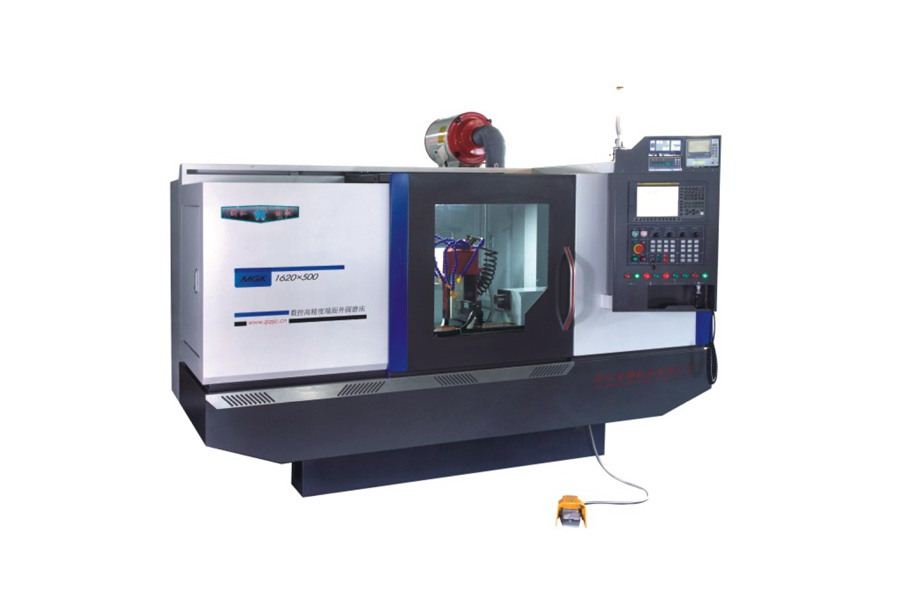
Standard Precision vs. High Precision: If your product only requires micron-level tolerances, a standard grinding machine will suffice. However, for industries like aerospace or semiconductors, high-precision CNC grinding machines with nanometer-level feed accuracy and extremely high repeatability are required.
Stability: Examine the machine bed material (e.g., high-strength cast iron) and structural design. Excellent shock absorption and thermal stability are the cornerstones of maintaining stable machining accuracy over the long term.
3. CNC System and Automation Level
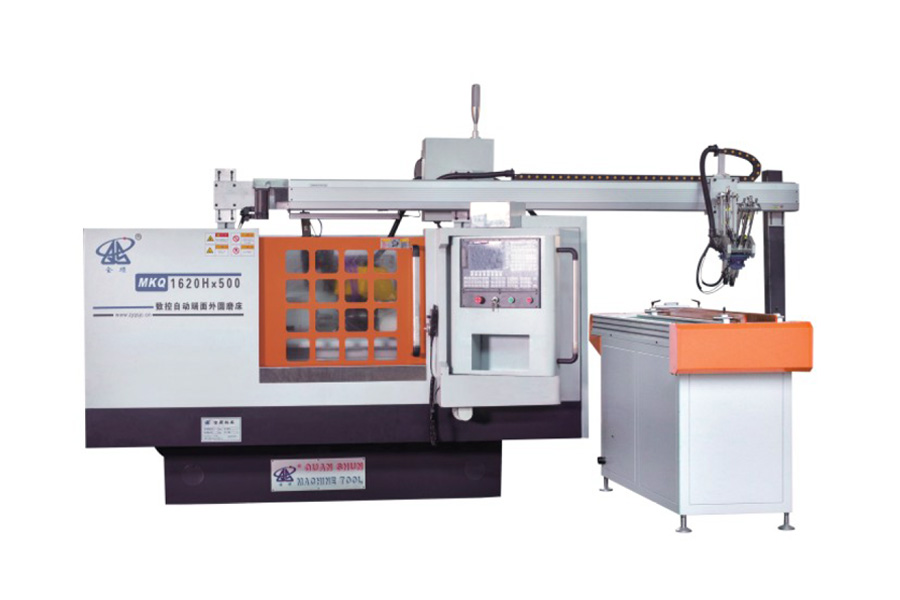
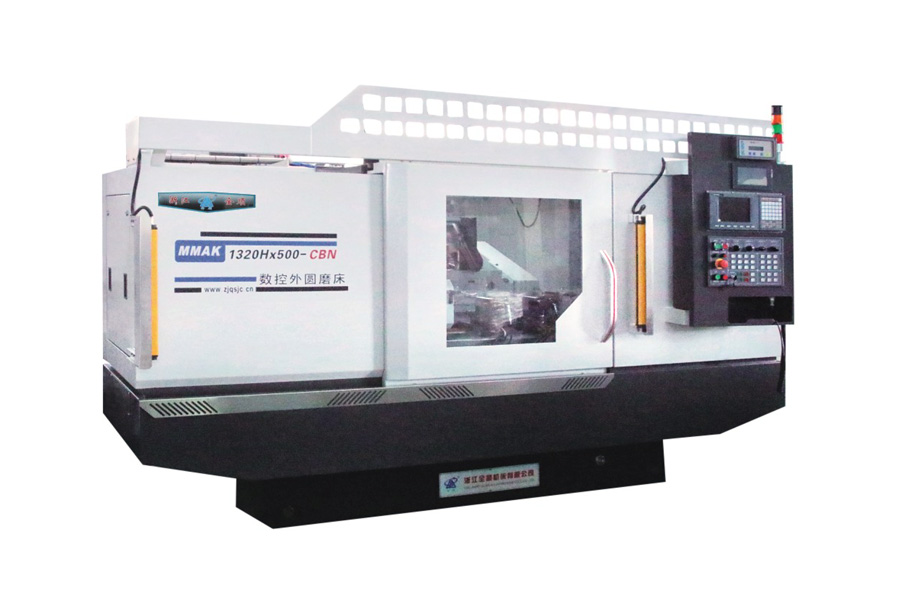
With the popularization of intelligent manufacturing, CNC grinding machines have become mainstream.
Ease of Operation: An excellent CNC system should have a user-friendly interface and graphical programming capabilities, effectively reducing reliance on highly skilled operators.
Automation Expansion: Does it support robotic loading and unloading, automatic tool setting, and automatic wheel dressing? These are crucial for improving the efficiency of mass production.
4. Matching of Grinding Wheel and Cooling System
The essence of grinding is the micro-cutting between the grinding wheel and the workpiece.
Linear Speed and Rigidity: Select a grinding machine with a suitable speed range and spindle power based on the material being machined (e.g., cemented carbide, ceramics, or high-speed steel).
Cooling and Filtration: An efficient cooling system prevents workpiece surface burns. Choosing a grinding machine with a magnetic separator or paper tape filter keeps the coolant clean, extending the grinding machine's lifespan and improving surface finish.
Choosing a suitable grinding machine essentially involves finding the optimal balance between performance, efficiency, and cost. It is recommended to conduct a trial grinding with a sample before purchasing to verify the equipment's reliability using actual machining data.
As a core component of precision machining, a high-quality grinding machine not only improves product quality but also creates a long-term competitive advantage for the company.