0086-15068518279 (Chinese)/001-5416026691 (English)



 EN
EN
 中文简体
中文简体Content
A batch of hardened steel shafts arrives at the grinding room. Each shaft is 400 mm long, and the drawing calls for roundness within 0.002 mm. Clamping them all in a three-jaw chuck would produce distortion from the jaw pressure alone. The dependable workholding solution for this job is grinding between centers.
Grinding between centers is a cylindrical grinding method in which the workpiece is supported at both ends by centers—one in the headstock and one in the tailstock—and rotates around an axis defined by its own center holes. A driving dog or carrier engages the workpiece and supplies the rotation. The grinding wheel then machines the outside diameter while every pass references the same fixed axis.
This approach is not new; it is the classic way to grind shafts, spindles, and rolls when concentricity matters. Because the center holes are the locating datum, the part axis does not change between operations. That makes between-centers grinding one of the most accurate workholding techniques available.
Why Choose Between-Centers Grinding?
Between-centers grinding separates the function of locating the part from the function of clamping it. The center holes establish the axis. As long as the headstock and tailstock centers are aligned, every ground diameter shares that same axis. This is why a multi-step shaft can be ground in one setup with all journals concentric to within a few microns. A part can also be removed for measurement and then remounted on the same centers, because the datums remain unchanged.
No Clamping Distortion
Chuck jaws grip the workpiece with radial force. For a long slender shaft, that force can bend the part; for a thin-walled sleeve, it can create a lobed shape. Between centers, the workpiece is loaded axially. The only forces on the body are the tailstock pressure and the resultant of grinding force. Both can be controlled within a practical range, so the part keeps its natural geometry during grinding.
These two advantages—concentricity and freedom from clamping distortion—are why between-centers grinding remains the default method for precision round parts. The practical benefits can be summarized as:
- Parts with multiple diameters get consistent concentricity.
- Long, slender shafts are not bent by radial chuck forces.
- Removing and re-fixturing a part does not change its axis.
- Wheel dressing and sizing become more predictable.
Between Centers vs. Chuck Grinding vs. Centerless Grinding
To understand the value of between-centers grinding, compare it with two alternatives: chuck grinding and centerless grinding. Each has a different locating principle.
| Method | Workpiece Locating Datum | Typical Roundness | Best Applications |
|---|---|---|---|
| Between centers | Center holes at both ends | 0.002–0.005 mm | Multi-diameter shafts, spindles, work requiring high concentricity |
| Chuck grinding | Outer or inner surface gripped by jaws | 0.005–0.020 mm | Short rigid parts, second operations, parts without center holes |
| Centerless grinding | Outer diameter supported on work rest and regulating wheel | 0.002–0.010 mm | High-volume small parts, no center holes, feed-through grinding |
The table shows that between-centers grinding is not always the only option, but it is the best choice when concentricity between multiple machined surfaces is the primary requirement. Centerless grinding can be very fast but does not use the part's center axis. Chuck grinding is convenient for short parts but introduces clamping errors.
Center Holes Are the Foundation
Between-centers grinding depends entirely on the two center holes machined into the workpiece ends. The centers themselves are usually 60-degree cones, and the center holes must match that angle to provide stable support. If a center hole is off-center, bell-mouthed, or damaged, the workpiece axis will be inaccurate, and no amount of adjustment on the grinding machine will compensate.
Why Center Hole Quality Matters
After heat treatment, center holes often distort. A distorted hole causes runout and makes the part rotate eccentrically between centers. The result is taper, out-of-roundness, or poor surface finish. For precision work, center holes should be ground after hardening rather than used directly from the center drill. A dedicated centre hole grinder is designed to true the 60-degree seat and restore the surface finish after heat treatment.
Restoring Worn Center Holes
During grinding, the tailstock center pushes against the center hole. This pressure, combined with rotation, gradually wears the hole. If the same part is ground again after months of storage, the worn hole must be re-ground or the part will not run true. Center hole grinding is a quick operation that re-establishes the exact geometry. Shops that ignore this step often chase accuracy problems in later grinding operations.
Machine Types for Between-Centers Grinding
Most cylindrical grinding machines are designed to work between centers, but they differ in control, rigidity, and automation. Choosing the right one depends on batch size, tolerance, and workpiece variety.
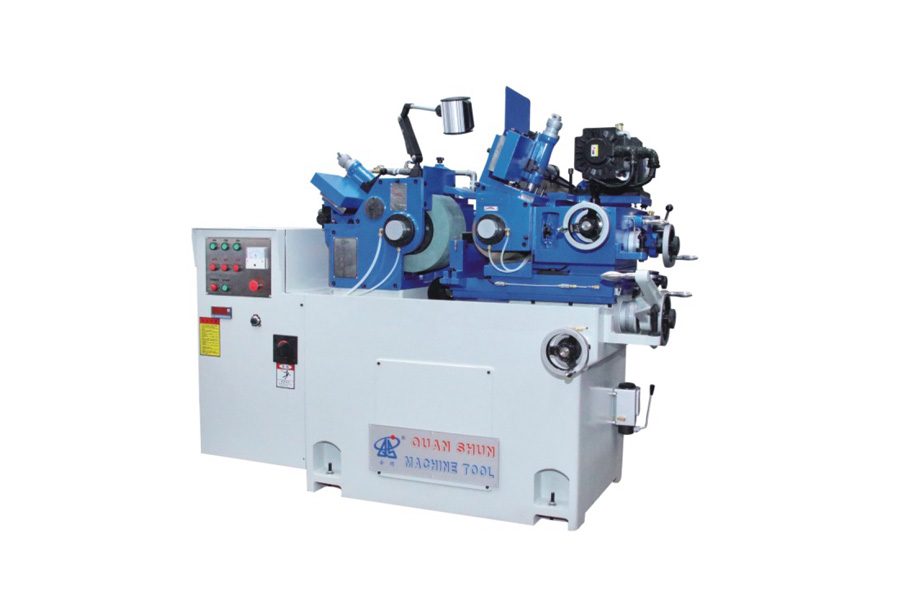
Conventional Cylindrical Grinders
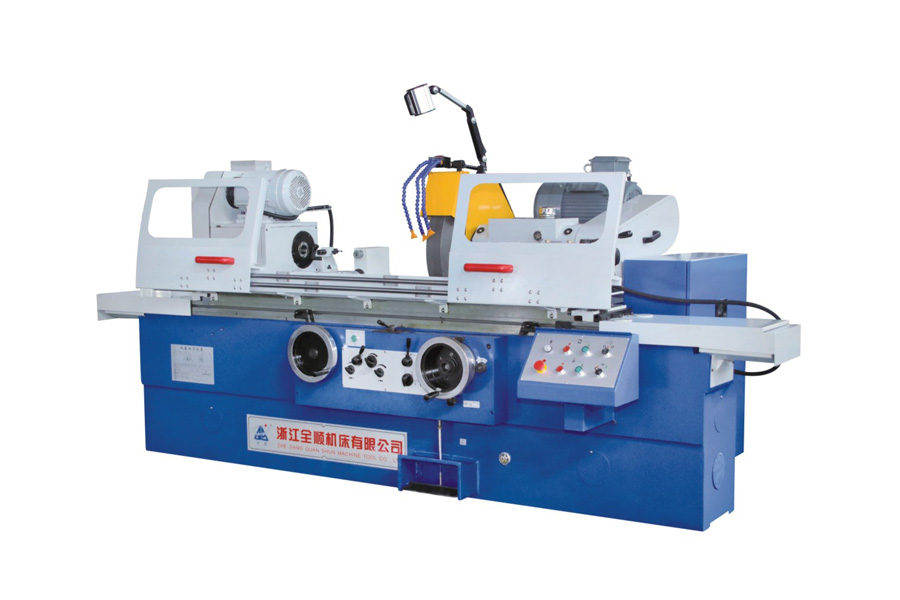
Conventional cylindrical grinders are manually operated. The operator moves the table and controls the wheel infeed. For small batches, job shops, or repair work, this type of machine is practical and cost-effective. An experienced operator can read the spark pattern and adjust on the fly. For dependable between-centers accuracy at a reasonable cost, a conventional cylindrical grinding machine is an excellent starting point.
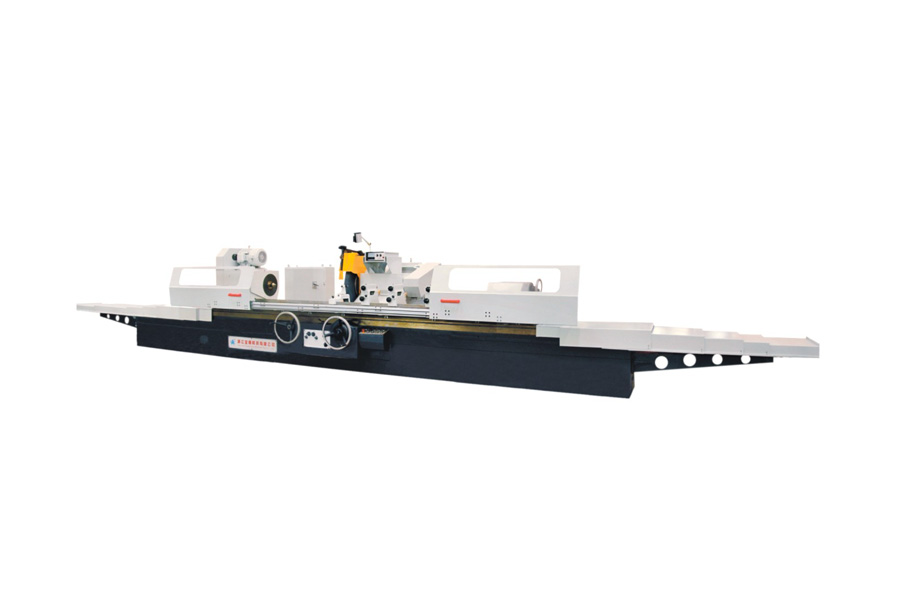 Wholesale Conventional Cylindrical Grinding Machine Manufactures, FactoryAs a China Conventional Cylindrical Grinding Machine manufacturer and Conventional Cylindrical Grinding Machine factory, Zhejiang Quanshu...View Product →
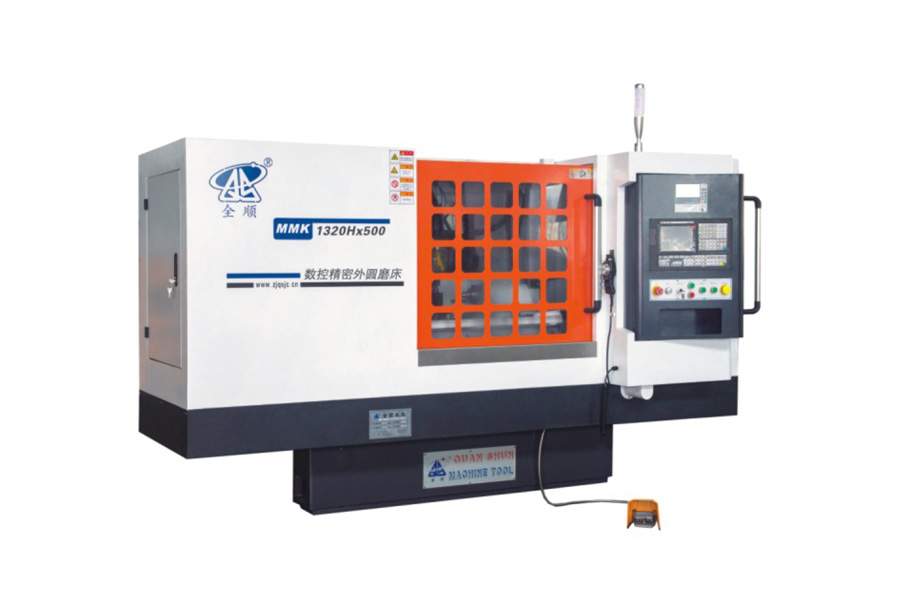
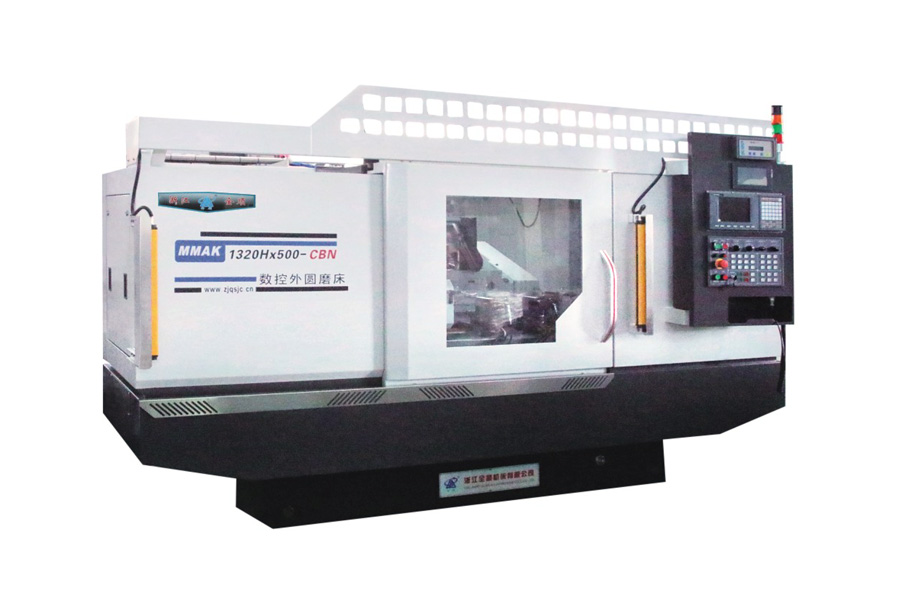
CNC Cylindrical Grinders
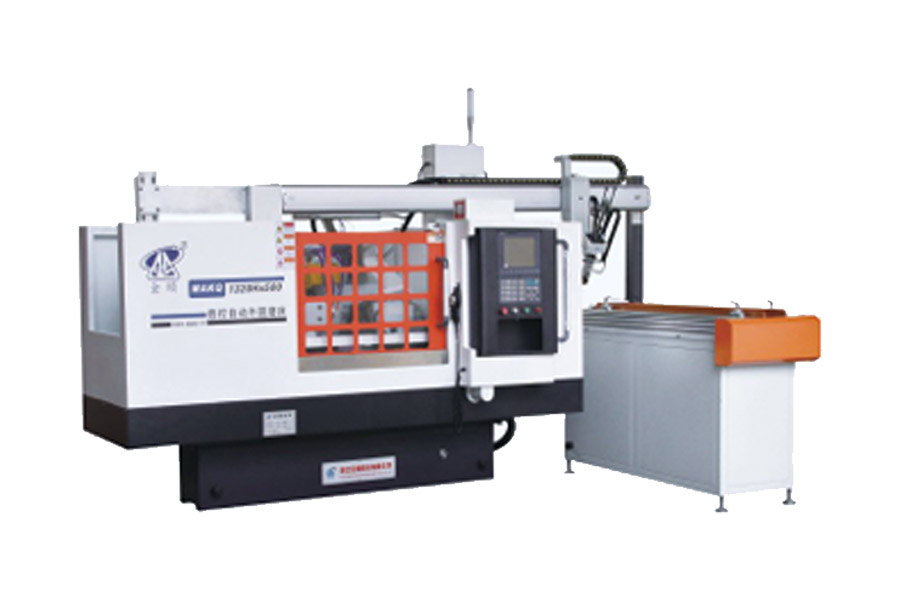
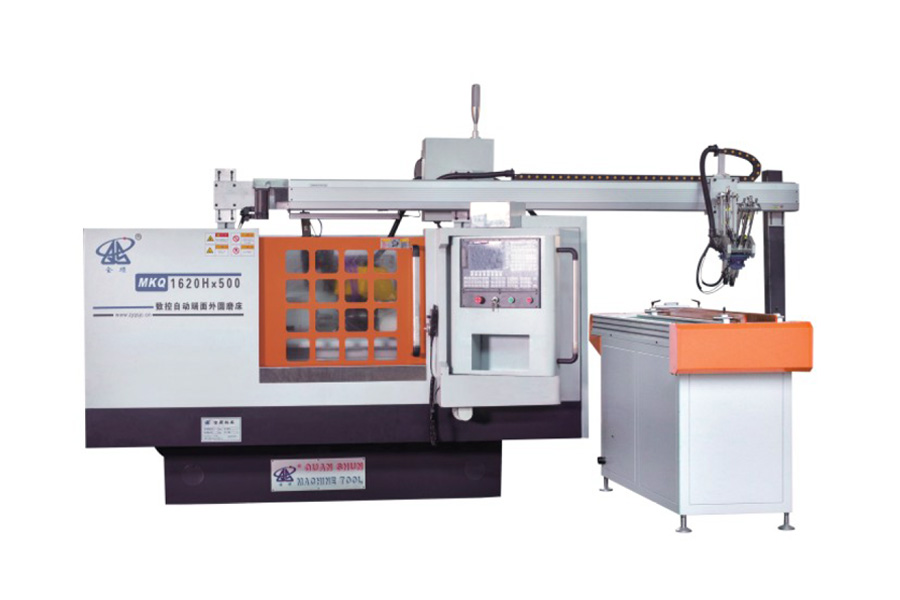
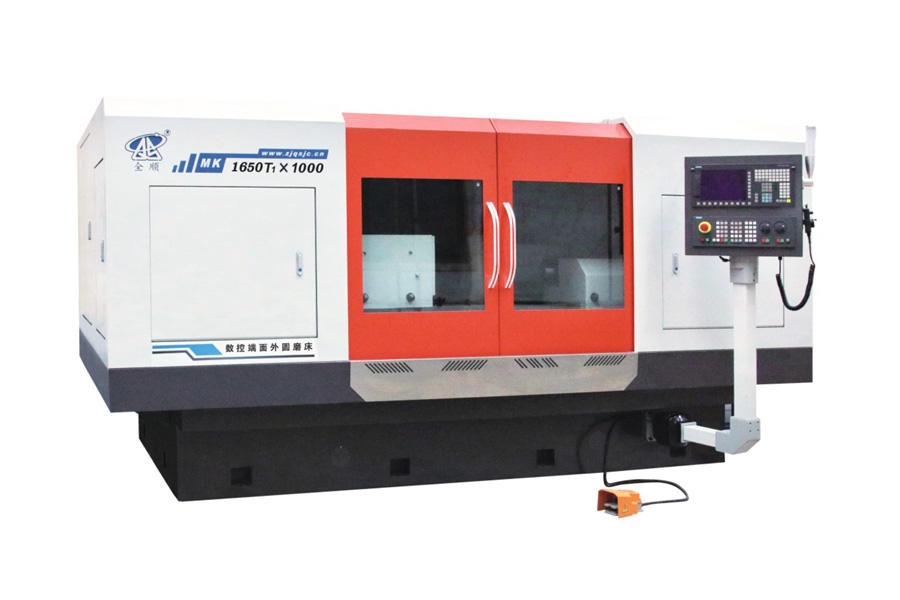
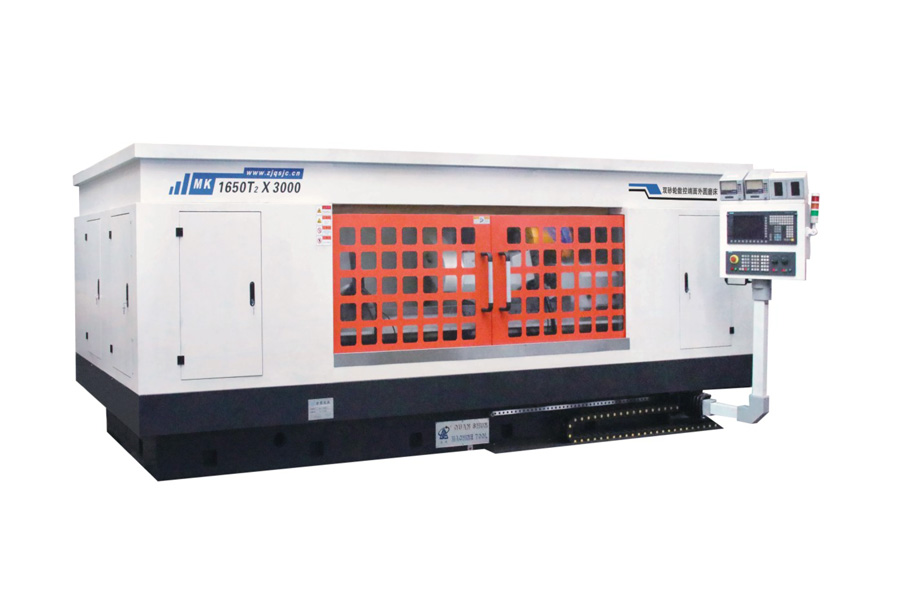
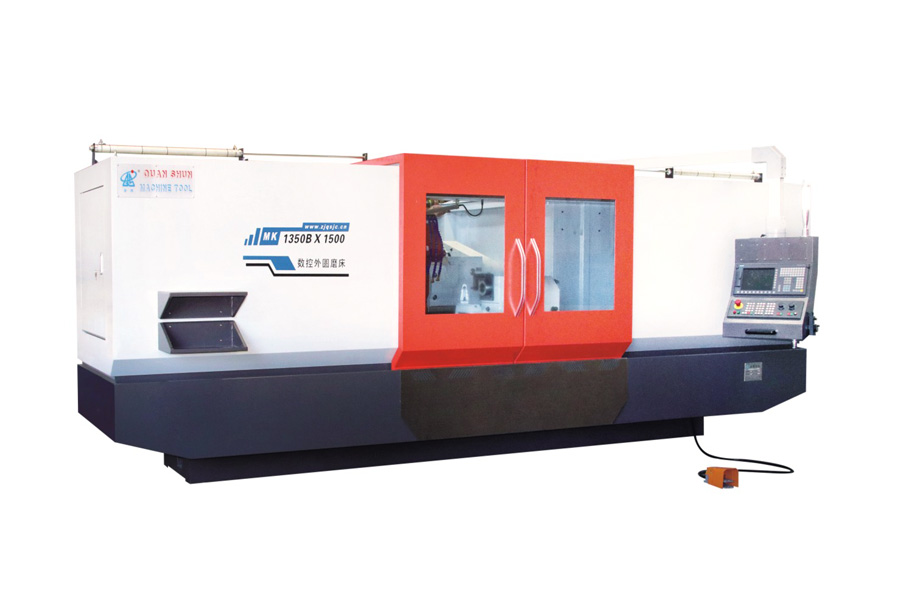
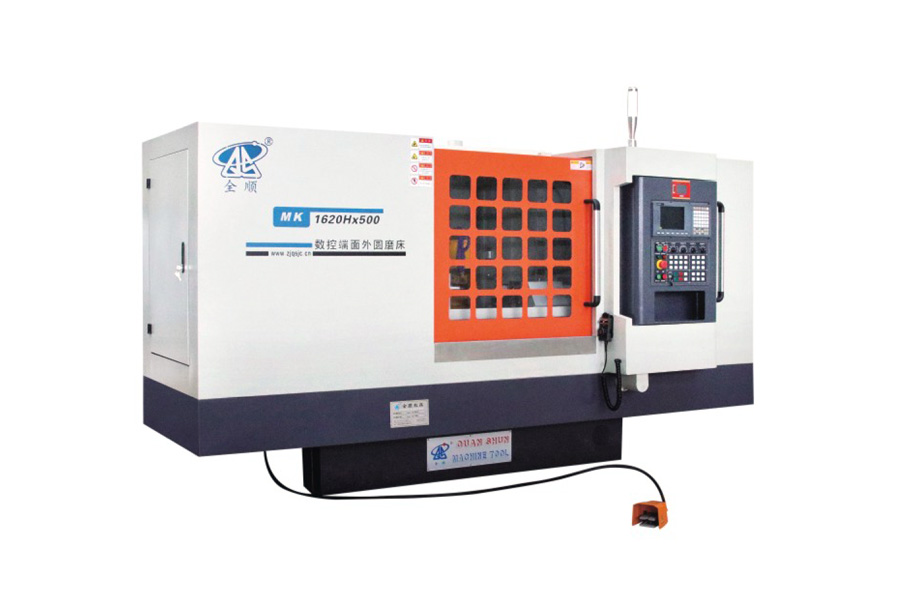
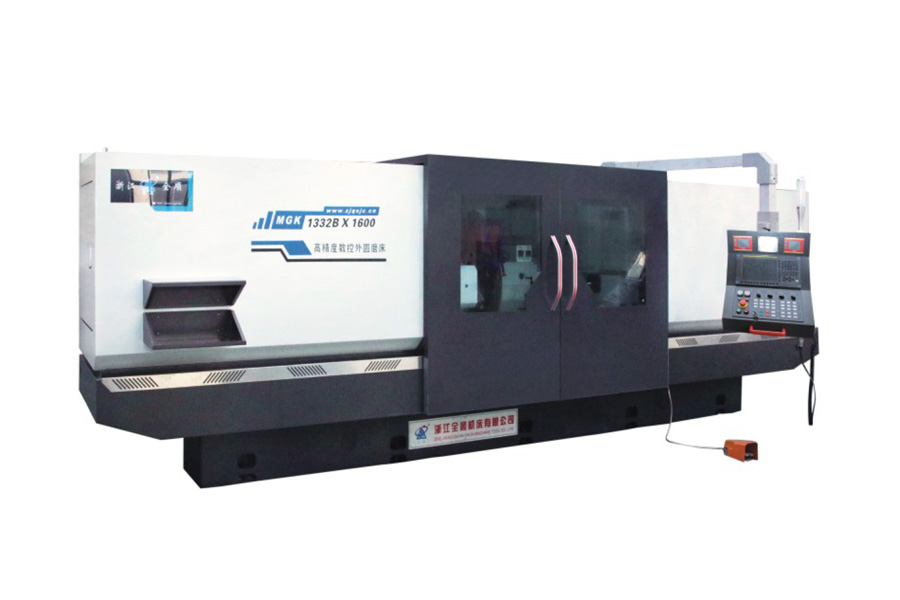
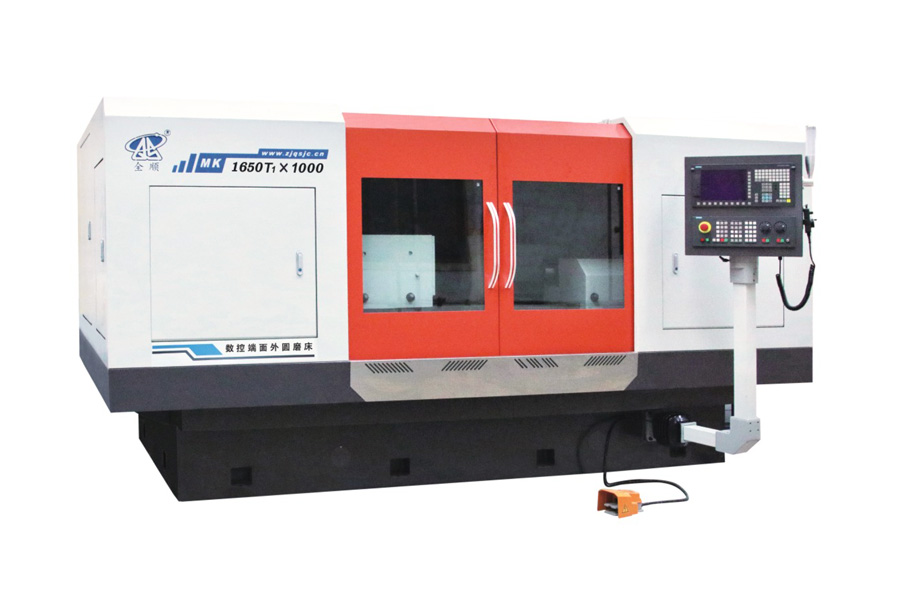
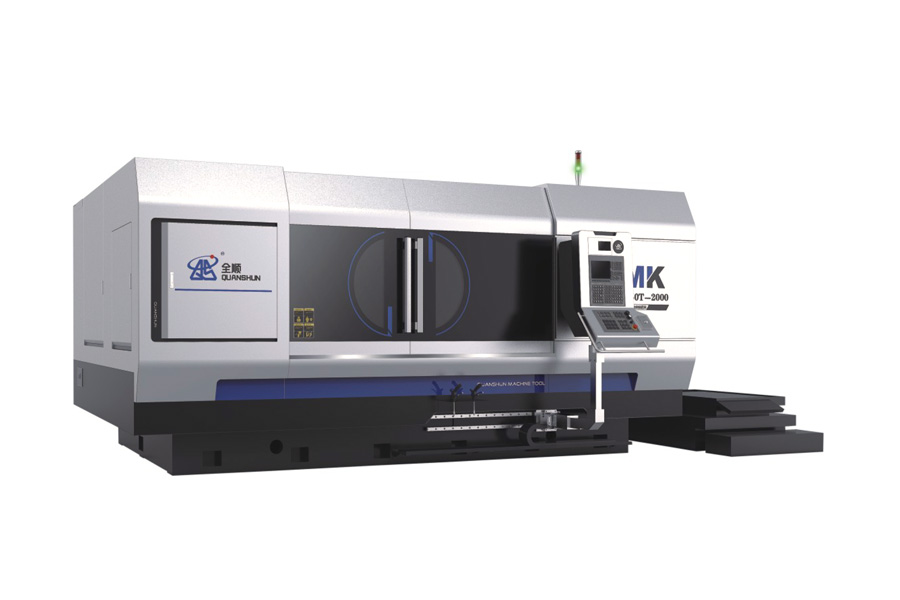
CNC cylindrical grinders automate the grinding cycle. They are especially useful when a part has several diameters with different stock allowances, because the machine can perform a continuous sequence of roughing, finishing, and spark-out passes under constant command. This removes the human variable and improves cycle-to-cycle consistency. For shops that want automatic cycles and consistent output, a CNC cylindrical grinding machine from the MK/MAK series provides exactly that capability.
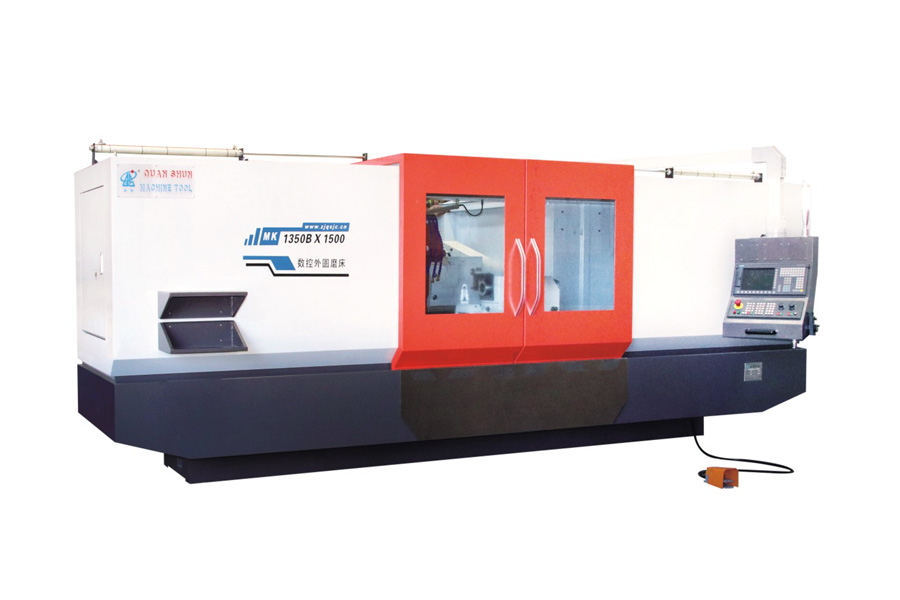 Wholesale CNC Cylindrical Grinding Machine MK/MAK Series Manufactures, FactoryAs a China CNC Cylindrical Grinding Machine MK/MAK Series manufacturer and CNC Cylindrical Grinding Machine MK/MAK Series factory, Zhejia...View Product →
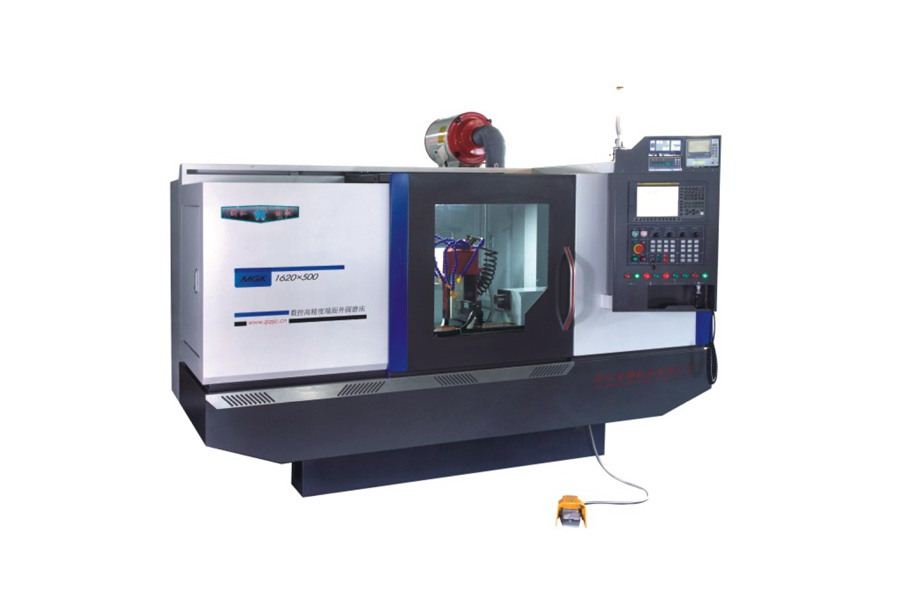
Universal Cylindrical Grinders
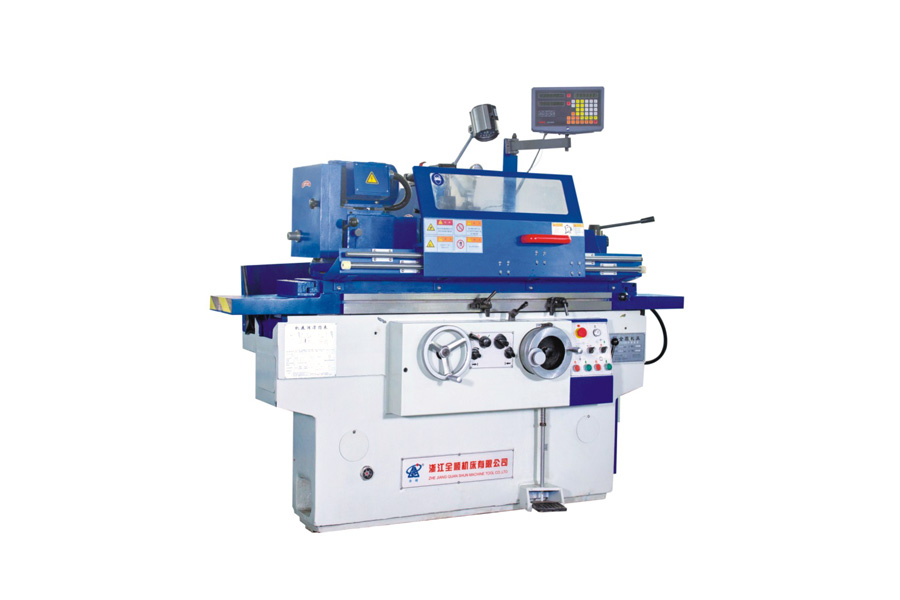
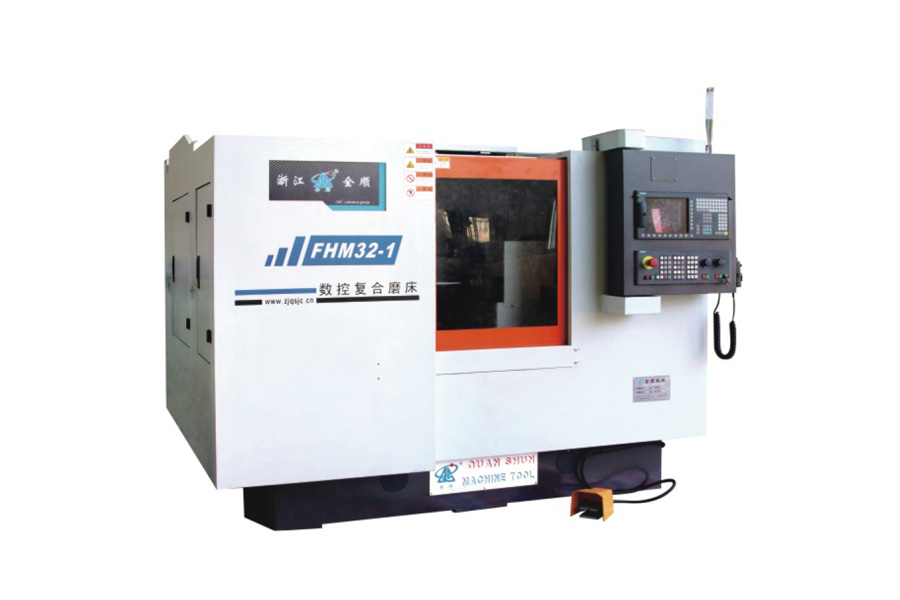
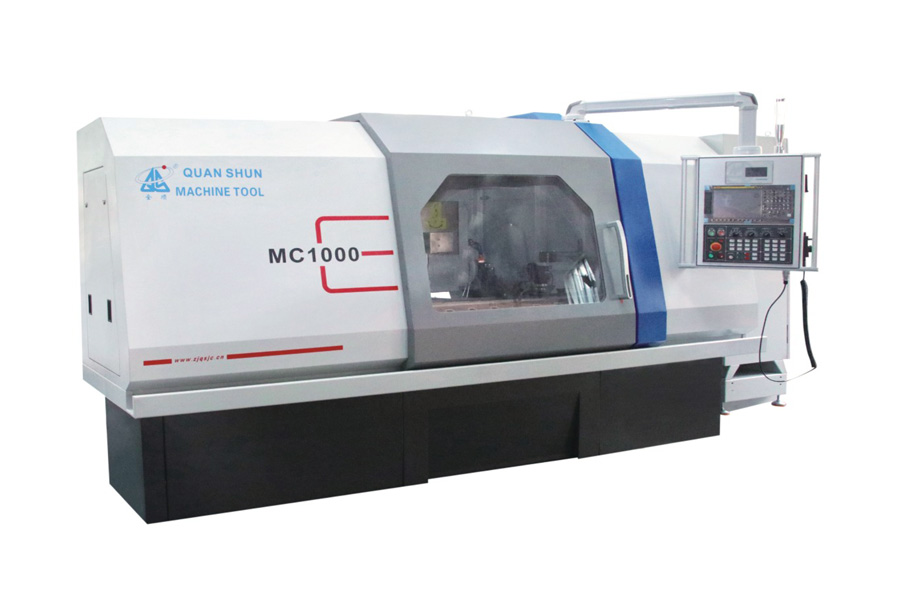
Universal cylindrical grinders add features such as an internal grinding spindle and a swiveling workhead. This makes them suitable for parts that require both external and internal grinding, or tapers and faces. With between-centers workholding, the external diameters can be ground to the same axis, and the internal spindle then finishes bores using the same setup. If the work includes tapers, internal bores, or face grinding, a CNC universal cylindrical grinding machine adds versatility without giving up the between-centers principle.
Wholesale CNC Universal Cylindrical Grinding Machine Manufactures, FactoryAs a China CNC Universal Cylindrical Grinding Machine manufacturer and CNC Universal Cylindrical Grinding Machine factory, Zhejiang Quans...View Product →
When comparing machines, remember that workholding, wheelhead design, and the control system all affect the outcome. A practical checklist can help—see this guide on what to look for when choosing a cylindrical grinder for a structured comparison.
Precision Factors You Cannot Ignore
Between-centers grinding can deliver impressive accuracy, but only when the whole system is correct. The machine centers, the workpiece center holes, the tailstock pressure, and the grinding wheel all play a role.
One critical factor is alignment. The headstock center and tailstock center must lie on the same axis. A misalignment of even a few microns will produce taper over the workpiece length. Checking alignment with a test bar is routine on precision grinders.
Realistic Accuracy and Common Setup Errors
With a well-conditioned machine and correctly ground center holes, a cylindrical grinder can hold roundness in the low-micron range. This article about how accurately a cylindrical grinding machine can hold size explains what to expect in real production.
Common mistakes include excessive tailstock pressure, which deflects slender shafts; a worn tailstock center, which increases friction and heat; and a dirty center hole, which changes the resting position. Using a fixed center on the headstock and a live center on the tailstock is a common setup, but some operators prefer two fixed centers for maximum rigidity.
Also, the grinding wheel must be dressed frequently and in balance. A dull wheel or an unbalanced wheel creates chatter, which shows up as vibration marks on the finished surface. Coolant must reach the grinding zone continuously to control thermal growth.
- Check center alignment with a test bar.
- Use a center hole grinder after heat treatment.
- Keep tailstock pressure moderate.
- Dull or damaged centers should be reground or replaced.
- Machine centers should be properly lubricated.
Conclusion
Grinding between centers is more than a workholding option—it is the basis of precision cylindrical grinding. By using the part's own center holes as the axis of rotation, it gives machinists a reliable method for holding roundness, concentricity, and repeatability. The two most important investments are accurate center holes and a capable grinding machine. When both are in place, between-centers grinding delivers some of the tightest tolerances in metalworking.