0086-15068518279 (Chinese)/001-5416026691 (English)



 EN
EN
 中文简体
中文简体Content
- 1 Understand the Two Main Types Before Anything Else
- 2 Workpiece Capacity: Match the Machine to Your Parts
- 3 Dimensional Tolerance and Surface Finish Requirements
- 4 Machine Rigidity and Structural Construction
- 5 CNC vs. Conventional: Matching Automation to Volume
- 6 Grinding Wheel Spindle Speed and Power
- 7 Dressing System: Continuous Dressing vs. Intermittent Dressing
- 8 Coolant System and Thermal Management
- 9 Key Specifications Comparison Checklist
- 10 Common Selection Mistakes and How to Avoid Them
- 11 Final Decision Framework
Choosing the right cylindrical grinder comes down to five core factors: workpiece size and material, required dimensional tolerance, production volume, wheel specification compatibility, and machine rigidity. If you match these to your application before evaluating any other feature, you will eliminate the majority of unsuitable options immediately. The sections below explain each factor in depth and show you exactly what to look for during the selection process.
Understand the Two Main Types Before Anything Else
Cylindrical grinders divide into two principal configurations, and selecting the wrong type wastes both time and investment.
External Cylindrical Grinders
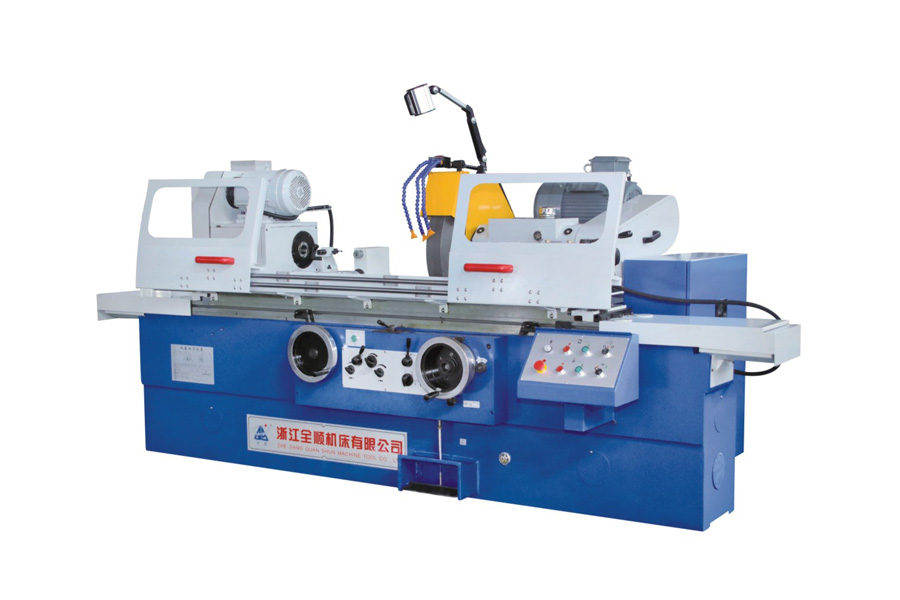
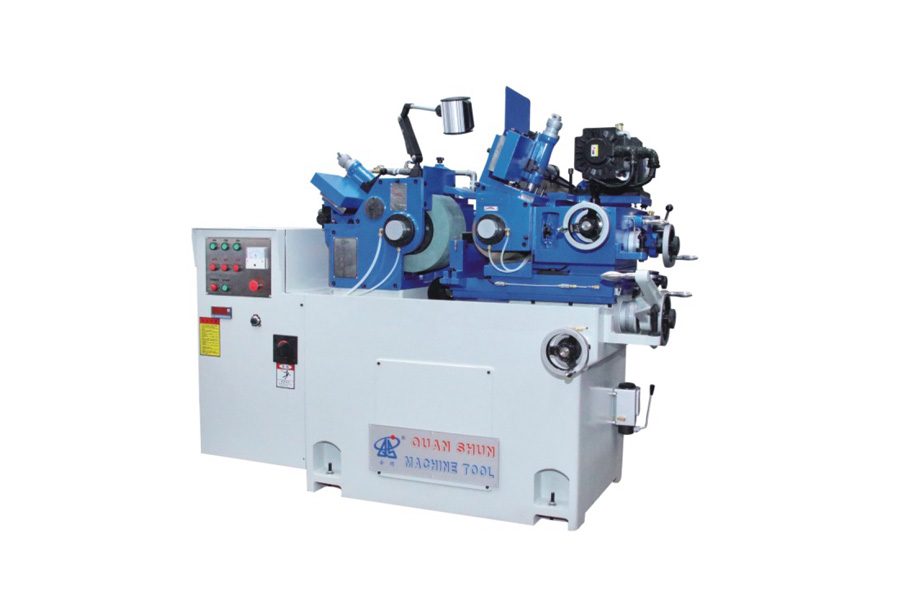
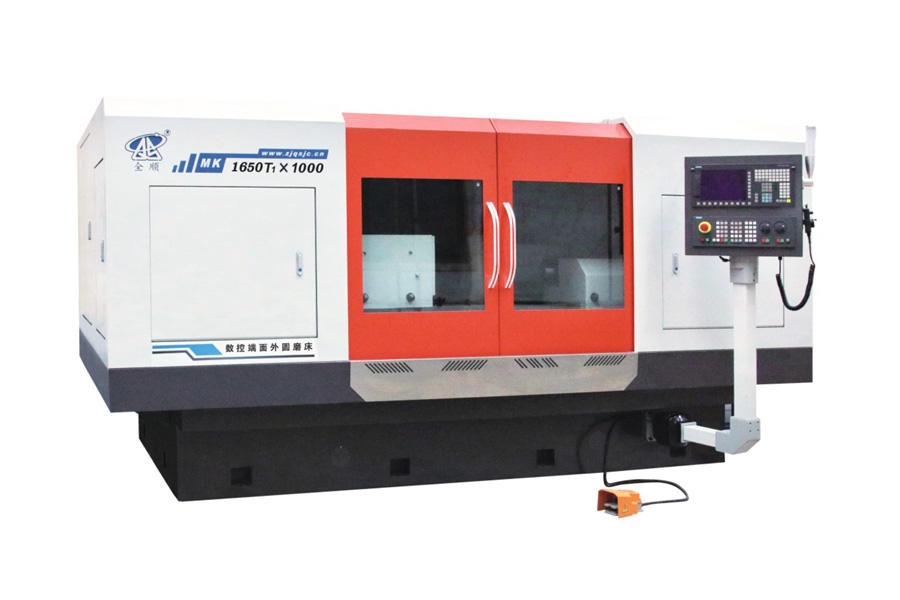
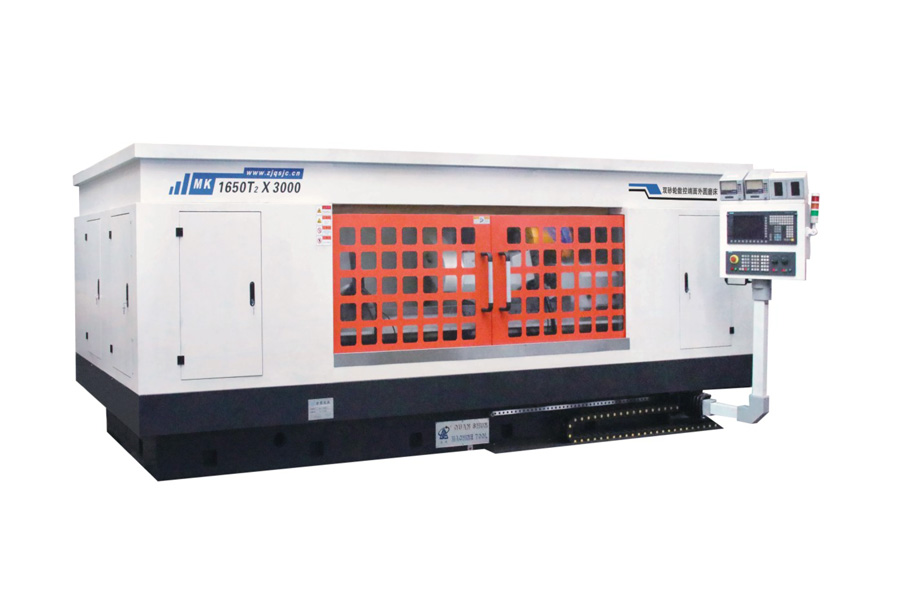
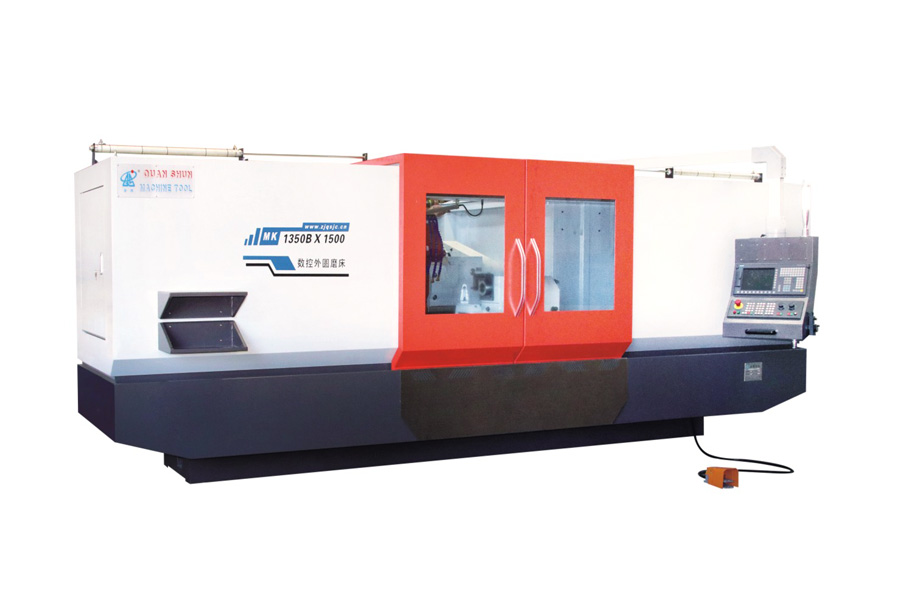
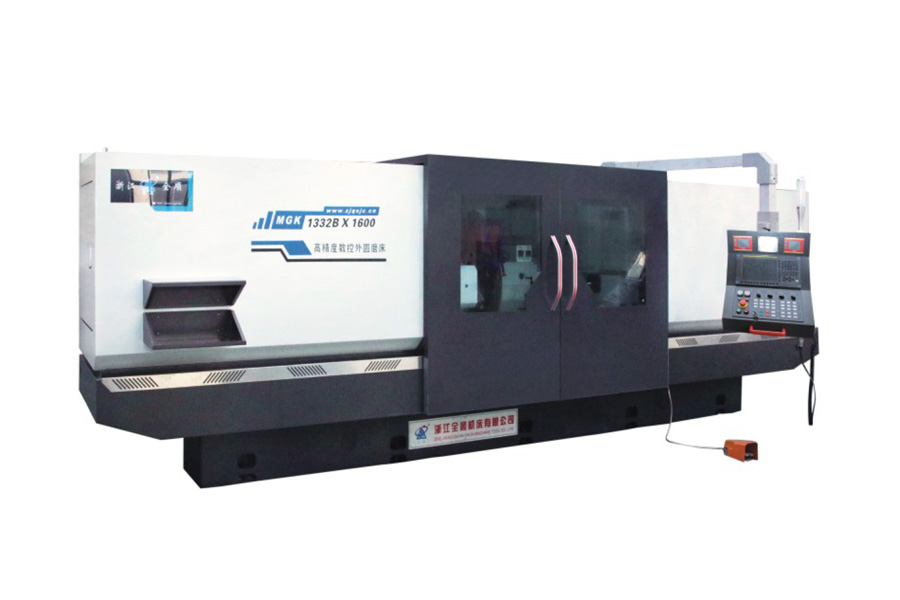
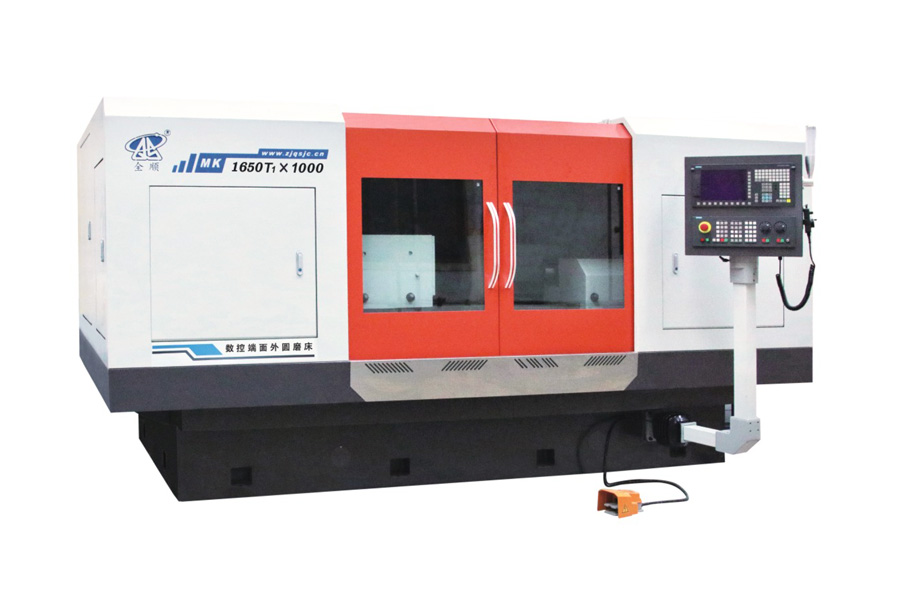
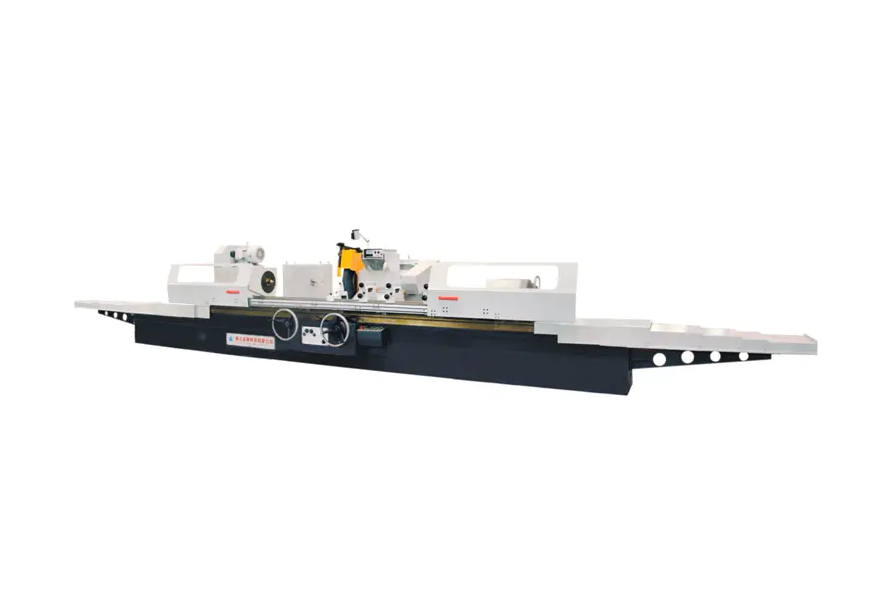
These machines grind the outside diameter of a rotating workpiece. They are the dominant choice for shafts, pins, rolls, and similar components. The workpiece is held between centers or in a chuck while a grinding wheel traverses along its length.
Internal Cylindrical Grinders
Internal grinders finish bores, holes, and inner diameters. The grinding wheel spindle operates inside the workpiece. Because the wheel diameter must be smaller than the bore, spindle speed requirements increase significantly—often reaching 60,000 RPM or above for small-bore applications.
Universal Grinders
Universal cylindrical grinders can perform both external and internal grinding by swiveling the wheelhead. They suit job shops and toolrooms where workpiece variety is high, but they typically sacrifice some rigidity compared to dedicated machines.
Workpiece Capacity: Match the Machine to Your Parts
Every cylindrical grinder has published capacity limits. Exceeding them degrades accuracy and accelerates wear. The three capacity dimensions to verify are:
- Maximum swing (diameter over table): the largest workpiece diameter the machine can accommodate.
- Distance between centers: the maximum workpiece length for external cylindrical grinding.
- Maximum workpiece weight: heavier parts require heavier-duty tailstock and workhead bearings.
A practical rule: select a machine whose capacity exceeds your largest anticipated workpiece by at least 20%. This buffer prevents you from operating at the machine's structural limit, which shortens spindle bearing life and compromises roundness.
For example, if your longest shaft is 800 mm, look for a machine with at least 1,000 mm between centers. If your largest diameter is 120 mm, a swing of 150 mm or more is appropriate.
Dimensional Tolerance and Surface Finish Requirements
The achievable tolerance of a cylindrical grinder depends on spindle bearing precision, table straightness, and thermal stability. Before comparing machines, define your tolerance band clearly.
| Application Category | Typical Diameter Tolerance | Surface Finish (Ra) | Machine Grade Required |
|---|---|---|---|
| General engineering | ±0.01 – ±0.025 mm | 0.8 – 1.6 µm | Standard production |
| Hydraulic components | ±0.003 – ±0.008 mm | 0.2 – 0.4 µm | High precision |
| Bearing races / gauges | ±0.001 mm or finer | 0.05 – 0.1 µm | Ultra-precision |
For ultra-precision work, verify that the machine uses hydrostatic or air-bearing spindles rather than rolling-element bearings. Hydrostatic spindles typically achieve roundness below 0.1 µm, while standard rolling-element spindles often hold roundness in the 0.3–0.5 µm range.
Machine Rigidity and Structural Construction
Rigidity determines how well the machine resists cutting forces and vibration. It directly influences achievable surface finish and dimensional repeatability. Evaluate rigidity by examining three structural elements:
Bed Material
Cast iron remains the standard for cylindrical grinder beds because of its high damping capacity—approximately 10 times the damping coefficient of steel. Polymer concrete (sometimes called mineral casting or epoxy granite) offers even higher damping, making it well suited to high-precision and hard-turning replacement applications. Steel-welded frames are lighter but less effective at absorbing vibration.
Guideway Type
Sliding (box) guideways offer excellent damping and load capacity for heavy grinding. Linear roller guideways provide faster traverse speeds and are common on CNC machines optimized for short cycle times. For high-precision applications, hydrostatic guideways eliminate metal-to-metal contact and remove stick-slip error entirely.
Wheelhead Spindle Bearing Preload
Request the spindle radial stiffness specification from the manufacturer. A well-designed external cylindrical grinding spindle should exhibit radial stiffness of at least 150 N/µm for precision work. Lower stiffness allows wheel deflection under cutting force, which degrades roundness and cylindricity.
CNC vs. Conventional: Matching Automation to Volume
The decision between CNC and conventional cylindrical grinding has a direct impact on throughput, setup time, and operator skill requirements.
- Conventional grinders suit low-volume, high-mix production and repair work where setup flexibility and operator expertise compensate for lower automation. Setup time for a new part typically ranges from 30 minutes to several hours.
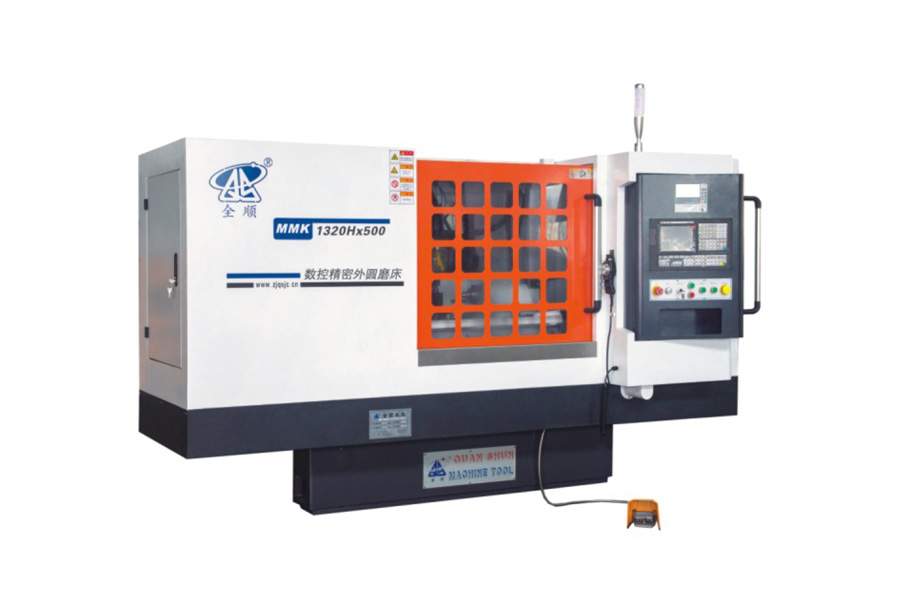
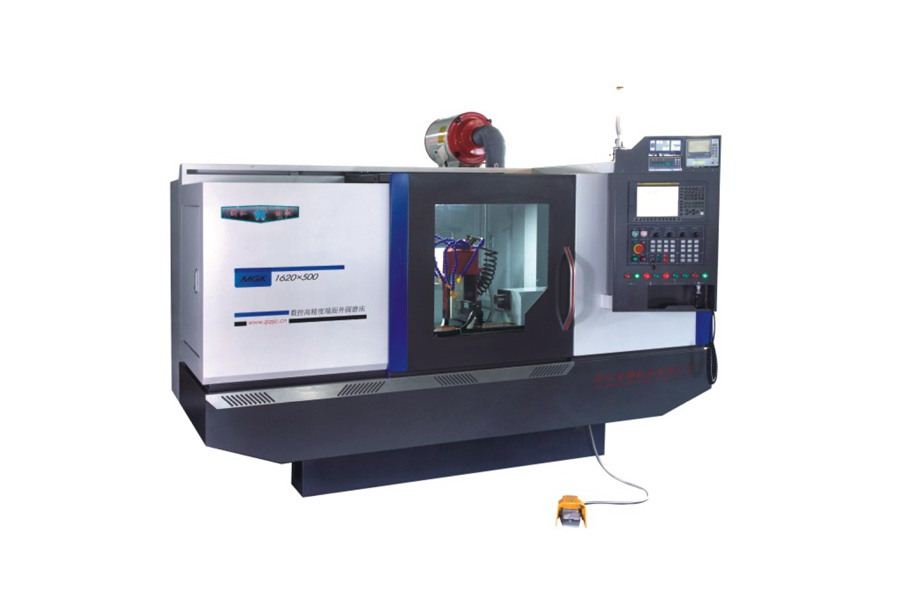
- CNC cylindrical grinders store programs for multiple part families, reducing changeover to single-digit minutes once programs are established. They are the better choice when lot sizes exceed roughly 20–50 pieces per run.
- Multi-axis CNC grinders (with B-axis wheelhead swivel and live dressing) can complete complex profiles—tapers, radii, stepped diameters—in a single clamping, eliminating re-fixturing errors.
For high-volume automotive or bearing production, assess whether the machine integrates with in-process gauging and automatic sizing (post-process feedback). In-process gauging can reduce diameter scatter to under 1 µm by compensating for wheel wear in real time.
Grinding Wheel Spindle Speed and Power
Spindle speed and motor power set the upper boundary of material removal rate and determine which wheel types are compatible with the machine.
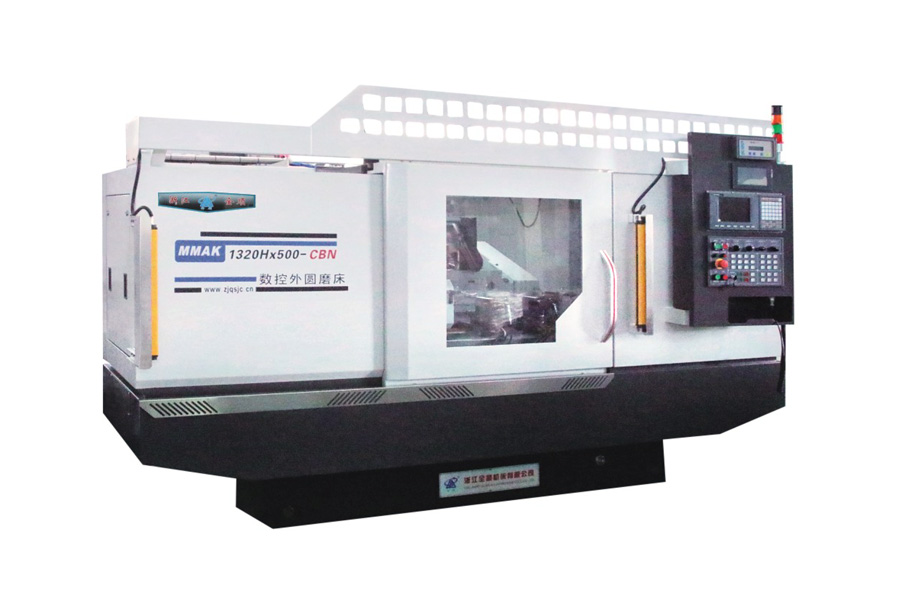
Conventional aluminum oxide or silicon carbide wheels typically operate at surface speeds of 25–35 m/s. High-speed CBN (cubic boron nitride) or diamond wheels run at 60–120 m/s or above, dramatically increasing material removal rates while extending wheel life. However, using high-speed wheels requires a machine specifically rated for those speeds—both the spindle and the guarding must meet the higher safety standard.
As a reference, grinding hard steel shafts with CBN at 80 m/s can achieve specific material removal rates (Q'w) of 8–15 mm³/mm·s compared to 1–3 mm³/mm·s with conventional wheels at 30 m/s. The productivity difference is three to five times, which justifies the capital cost of a high-speed-capable machine in volume production.
Check that the machine's spindle motor power matches your planned depth of cut and feedrate. Under-powered spindles stall during aggressive passes, causing chatter marks and dimensional inaccuracy.
Dressing System: Continuous Dressing vs. Intermittent Dressing
The wheel dressing system affects both the wheel's cutting ability and the consistency of the finished workpiece diameter.
- Single-point diamond dressers are the most common for conventional and mid-level CNC grinders. They are simple and effective for aluminum oxide wheels.
- Rotary diamond roll dressers dress the full wheel profile simultaneously and are preferred for form grinding (curved or profiled surfaces) as well as for high-production environments where dressing cycle time must be minimized.
- Continuous dressing (CD grinding) keeps the wheel in a permanently sharp, open state by dressing during the cut. This enables aggressive depth of cut on difficult-to-grind materials such as nickel superalloys and hardened tool steels.
If your application involves form grinding complex profiles, confirm that the machine's CNC dresser has enough axes (typically two: U and W) to generate the required geometry accurately.
Coolant System and Thermal Management
Thermal effects are the primary cause of dimensional drift in cylindrical grinding. A machine that lacks proper thermal management will produce parts that measure correctly during grinding but deviate after cooling.
Evaluate the following thermal features when selecting a machine:
- Coolant flow rate and pressure: high-pressure coolant (40–80 bar) directed at the grinding zone both removes chips and suppresses thermal damage to the workpiece surface. Verify that the machine's pump and nozzle design can deliver coolant to the exact wheel-workpiece contact zone.
- Coolant temperature control: a chiller unit maintaining coolant within ±0.5°C of a set temperature is essential for holding tolerances below ±0.005 mm over extended production runs.
- Thermal compensation in the CNC: higher-end machines include temperature sensors in the spindle and bed that feed a compensation algorithm, automatically adjusting axis position to counteract thermal expansion.
Key Specifications Comparison Checklist
Use the table below as a structured checklist when evaluating cylindrical grinder options side by side. Fill in the values for each machine under consideration and compare against your application requirements.
| Specification | What to Check | Why It Matters |
|---|---|---|
| Max swing / center distance | ≥120% of largest workpiece | Prevents operating at structural limit |
| Spindle radial stiffness | ≥150 N/µm for precision | Controls roundness and cylindricity |
| Wheel speed rating | Match to intended wheel type | Enables CBN / high-speed grinding |
| Roundness specification | Manufacturer's published value | Direct indicator of achievable part quality |
| Dressing system | Single-point, rotary roll, or CD | Affects form accuracy and cycle time |
| Thermal management | Chiller, sensors, compensation | Prevents dimensional drift in production |
| In-process gauging | Available / optional / none | Reduces diameter scatter in volume runs |
| CNC axes and control | Number of axes, dresser axes | Determines form complexity capability |
Common Selection Mistakes and How to Avoid Them
Even experienced buyers make avoidable mistakes when specifying cylindrical grinders. The most frequent errors include:
- Selecting on capacity alone without checking spindle stiffness. A large machine with a flexible spindle will not hold tight tolerances regardless of its size.
- Ignoring thermal behavior. A machine that performs well in a temperature-controlled showroom may drift significantly on a production floor with varying ambient temperature.
- Underspecifying coolant delivery. Inadequate coolant pressure leads to thermal damage (grinding burn), short wheel life, and inconsistent surface finish.
- Buying a conventional machine for CNC-suitable volumes. If annual volume justifies programming investment, a CNC machine pays back its cost premium through reduced cycle time and scrap rate.
- Overlooking service and spare parts availability. A technically superior machine from a supplier with limited regional service support creates significant downtime risk.
Final Decision Framework
Before committing to a specific cylindrical grinder, work through these four questions in order:
- Does the machine's capacity comfortably accommodate my largest current and anticipated workpieces?
- Does the published roundness specification and spindle stiffness support my tightest tolerance requirement?
- Is the automation level (conventional vs. CNC) matched to my production volume and changeover frequency?
- Is the wheel speed rating compatible with the abrasive type that best suits my workpiece material?
A machine that answers all four questions affirmatively for your specific application will deliver reliable performance. Prioritizing published technical specifications over visual appearance or brand familiarity is the single most effective discipline in cylindrical grinder selection.