0086-15068518279 (Chinese)/001-5416026691 (English)



 EN
EN
 中文简体
中文简体Content
A printing roll with a 0.005 mm taper will not transfer ink evenly. A steel mill roll with a 0.01 mm out-of-round condition creates vibration marks in every coil it processes. Tight tolerance roll grinding is the difference between a roll that runs true and one that produces defective material. For machine shops that grind rolls, journals, sleeves and other cylindrical workpieces, the right CNC cylindrical grinding machine is the foundation of the entire process.
This article explains what tight tolerance actually means for roll grinding, why machine design matters more than wheel grit, and how to specify a grinder that holds micron-level accuracy.
What Does Tight Tolerance Mean for Roll Grinding?
In precision grinding, a tight tolerance is not a single diameter number. It is a combination of roundness, cylindricity, taper and surface finish that the finished roll must hold along its working length. For many industrial roll applications, practical grinding targets are shown below.
| Roll application | Roundness | Cylindricity / taper | Surface finish (Ra) |
|---|---|---|---|
| Bearing journals | 0.0015 mm | 0.003 mm | 0.1 µm |
| Printing rolls | 0.003 mm | 0.005 mm | 0.15 µm |
| Paper and film rolls | 0.003 mm | 0.005 mm | 0.2 µm |
| Large forged steel rolls | 0.005 mm | 0.008 mm | 0.3 µm |
These values are common starting points, not universal standards. The correct specification always comes from the downstream process. A gravure printing roll needs low Ra and very low circumferential striation, while a steel roughing roll is often held to a more forgiving finish but still requires accurate geometry.
Rolls are not stiff shafts. Their length-to-diameter ratio often creates sagging between centers, so a tolerance measured at one end may be different at the other end. That is why roll grinding demands both machine geometry and a sensible steady-rest strategy.
Why Machine Stiffness and Thermal Stability Decide Roll Grinding Results
Roll grinding is a long-cycle operation with continuous workpiece contact. The spindle, wheelhead, bed and tailstock form the structural loop that resists the grinding force. If any part of that loop flexes, the wheel removes varying amounts of material along the roll face and leaves a wavy surface.
Machine stiffness starts with the bed. A roll grinder should have a heavy, ribbed casting or a high-rigidity base that does not twist when a long roll sits between centers. The wheelhead and workhead must also move on controlled slideways rather than on components that allow lifting under load. For rolls longer than 1,000 mm, distance-between-centers capacity alone is not enough; the grinder must maintain geometry across full traverse travel.
Long rolls bend under their own weight. When a roll is supported only by centers, its sag changes with the position of the grinding wheel. A heavy roll resting on fixed steady rests close to the wheel creates continuous support but demands careful setup. The grinder needs enough steady-rest positions and a wheelhead that can approach those rest locations without a collision.
Thermal stability is just as decisive. Grinding heat enters the workpiece, the coolant and the machine structure. As the hydraulic oil warms, the bed and wheelhead can shift enough to ruin a 0.005 mm tolerance. Confirm that the machine has a properly sized cylindrical grinder cooling system and thermal compensation for the axes. Otherwise, a grinder that passed acceptance in the morning will not hold tolerance after three hours of production.
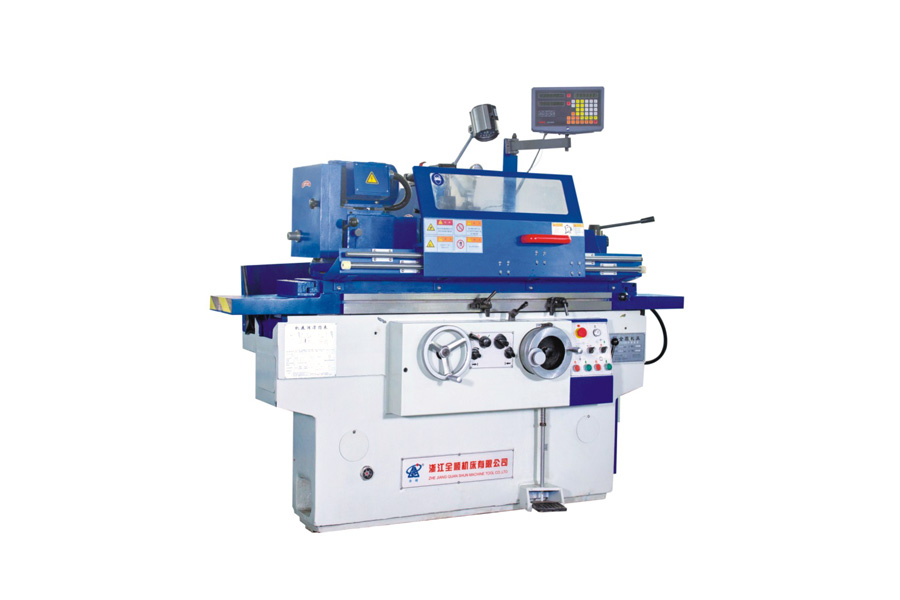
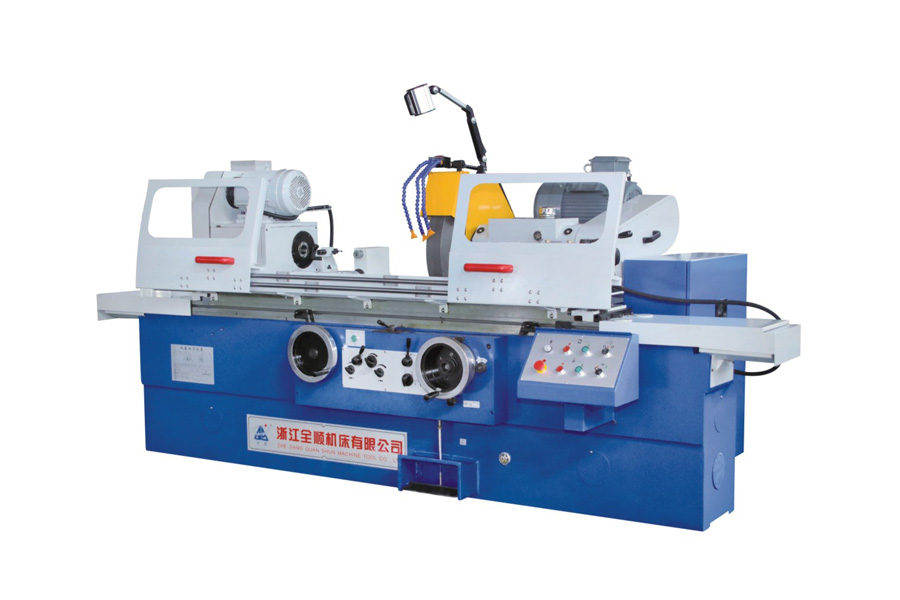
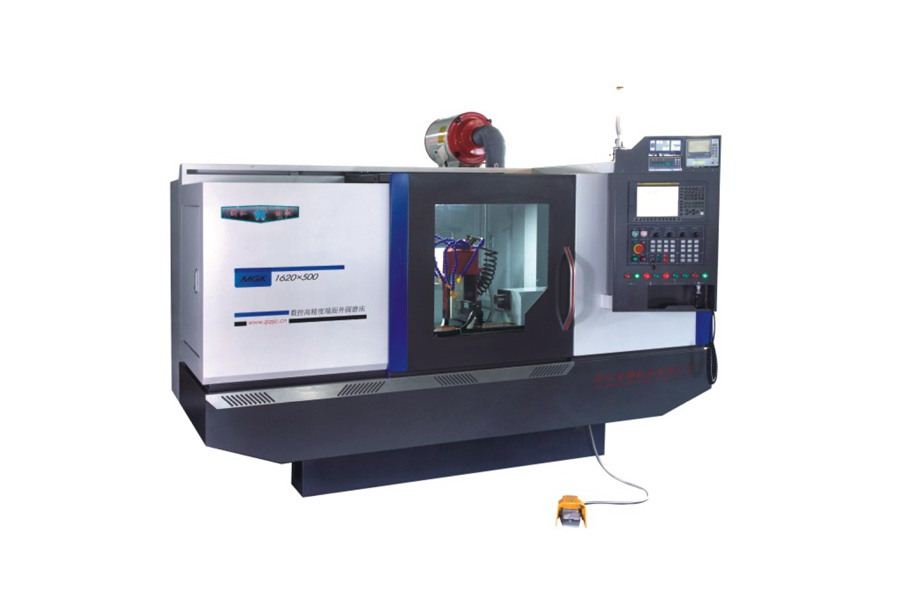
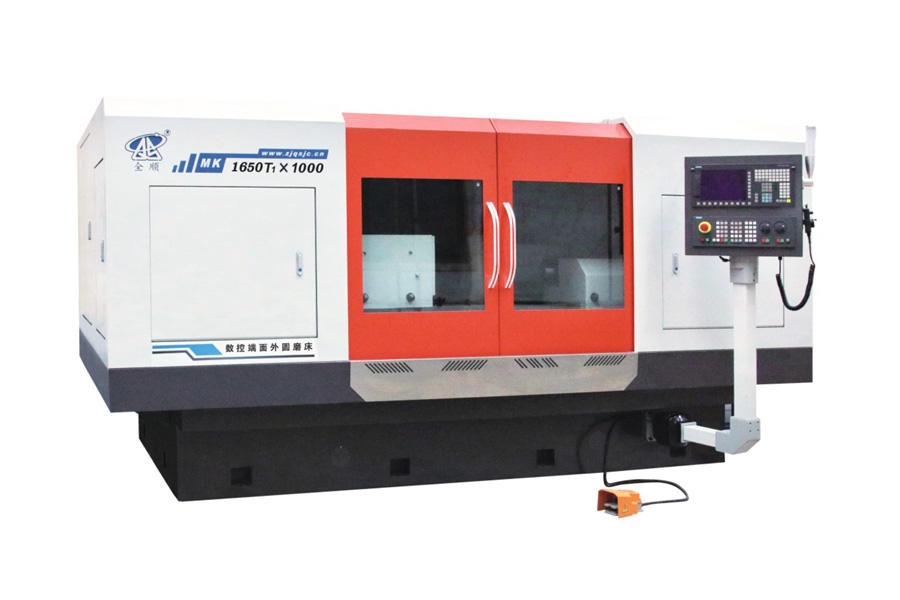
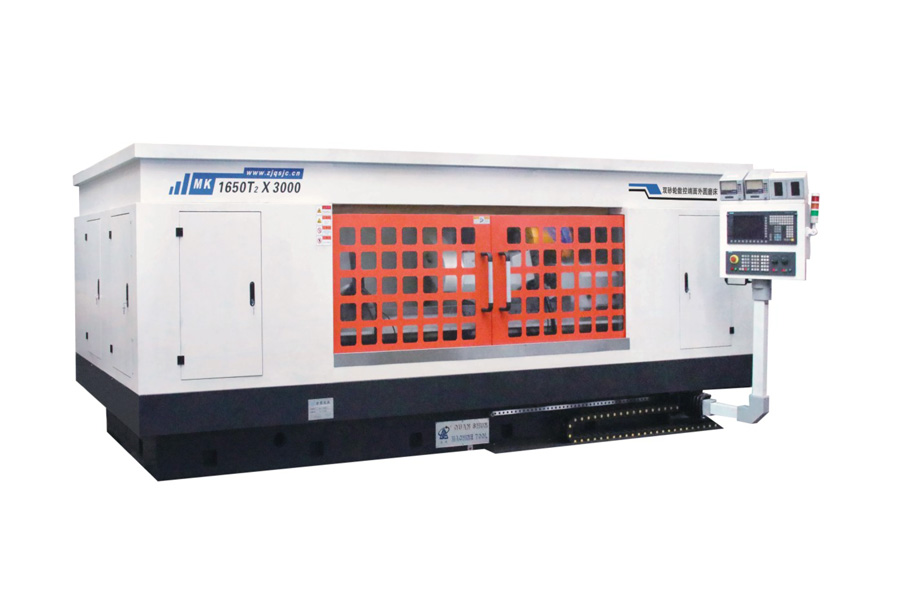
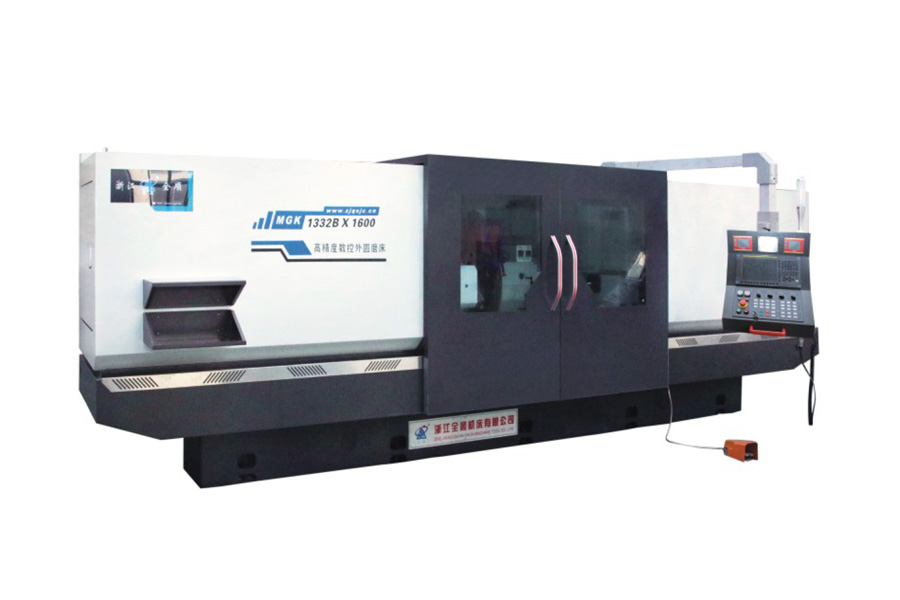
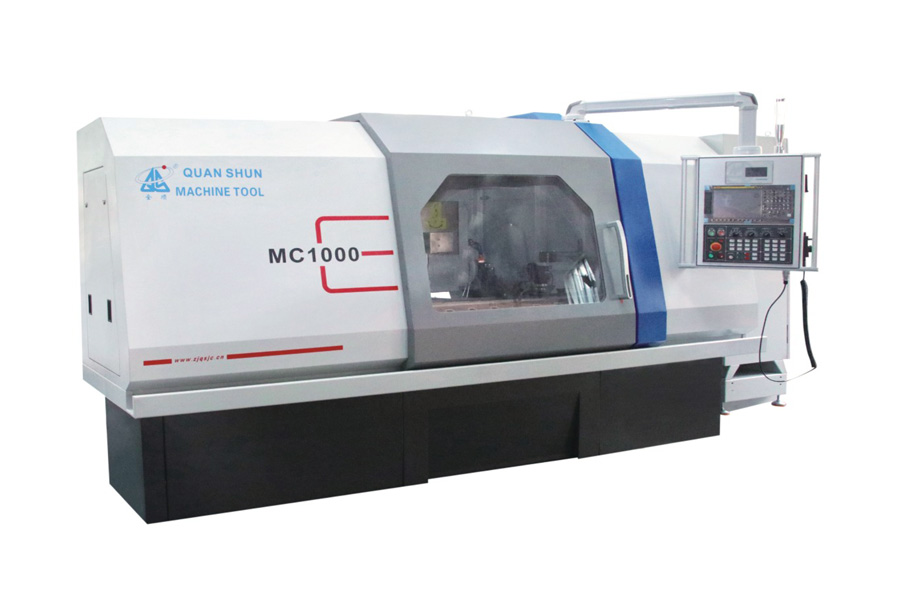
 High-Precision CNC Cylindrical Grinding Machine for Industrial ApplicationsThis machine addresses thermal stability concerns with a rigid Meehanite casting and advanced cooling, making it suitable for holding tight tolerances during sustained production runs on hardened rolls.View Product →
If the application involves hardened rolls or requires sustained finishing passes, the high-precision CNC cylindrical grinder is the right starting point because its structural characteristics are designed for this type of work.
Grinding Wheel Selection, Balancing and Dressing
Even with a rigid machine, the abrasive system determines the surface texture. For standard steel and cast iron rolls, a medium-grit aluminum oxide wheel in the 60–80 grit range can handle both roughing and finishing. For hardened rolls, CBN wheels reduce wheel wear and hold profile longer, but they require a more rigid spindle and disciplined coolant delivery.
Balancing
A vibration from an unbalanced wheel cannot be fully absorbed by the spindle bearings. It transfers into the roll surface as chatter. Wheels used in tight tolerance roll grinding should be balanced at maximum operating speed and rechecked after profiling. Machines with automatic in-situ balancing make the process more repeatable when you switch between wheel widths.
Dressing
The dressing cycle directly controls both wheel sharpness and roll finish. A coarse dress with a fast feed produces an aggressive cutting surface for stock removal. A fine dress with a feed of 0.001–0.002 mm produces a smoother wheel face and a finer roll surface. For repeatable results, the grinder should have automatic dressing compensation so that the wheel diameter change is accounted for in the next part program.
Coolant and Filtration
Tight tolerance roll grinding creates fine chips that quickly contaminate coolant. If chips recirculate through the wheel-work contact zone, they scratch the finished surface. A magnetic separator or paper filter keeps coolant clean. Maintaining coolant temperature within ±1°C avoids thermal distortion of both the roll and the machine.
What to Check Before Buying a Roll Grinding Machine
Start with the workpiece envelope, then look at the control and measurement system. The checklist below applies to tight tolerance roll grinding regardless of brand.
- Distance between centers: must be at least 20% longer than your longest roll so the wheel can over-run the ends.
- Swing over bed: includes the roll diameter plus grinding wheel and dressing device clearance.
- Workpiece weight capacity: steady-rest capacity is the real limit for long heavy rolls.
- Axis feedback resolution: look for 0.0001 mm or finer linear scales on X and Z axes.
- Automatic dressing: with wheel-wear compensation for repeated setups.
- In-process gauging: for part-to-part consistency without operator dependence.
- Cooling systems: for both spindle oil and workpiece coolant.
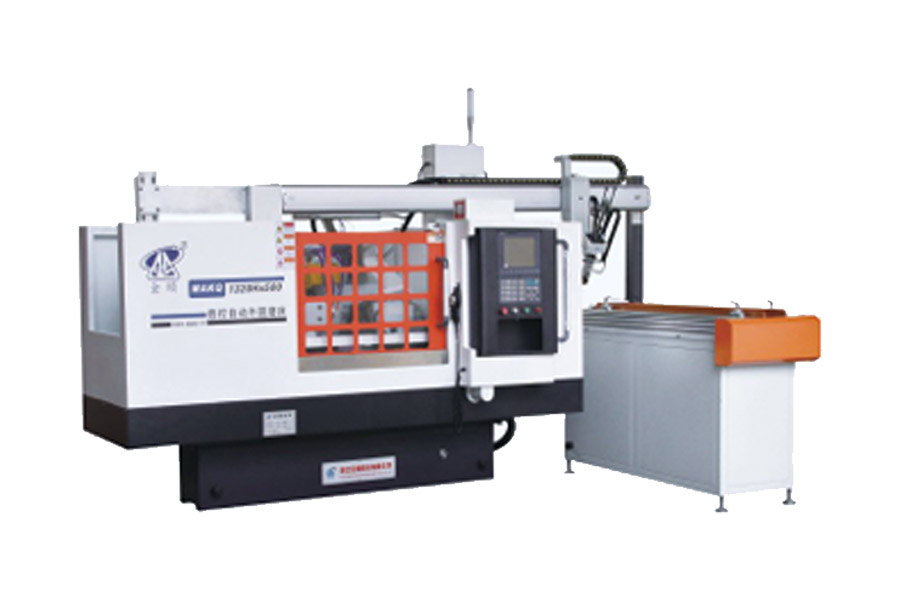
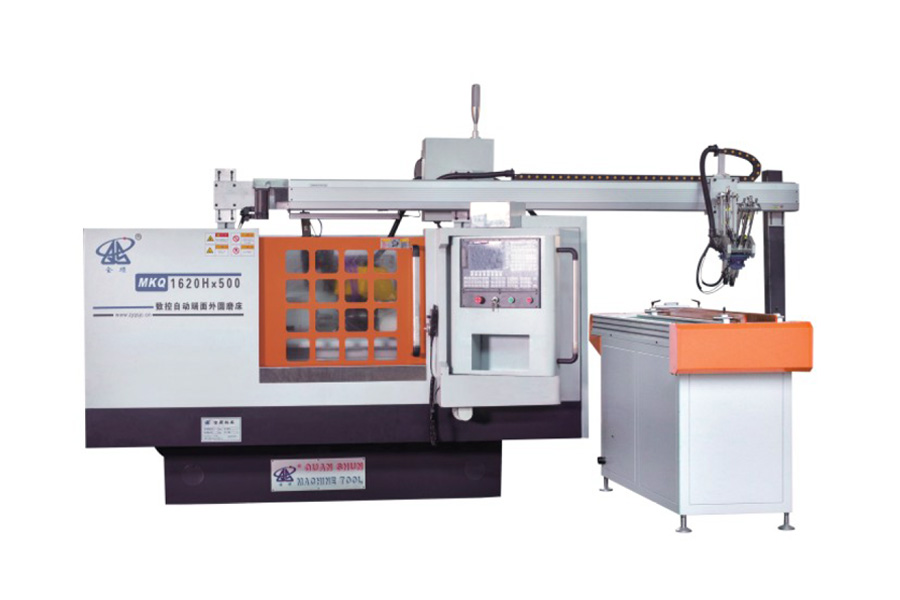
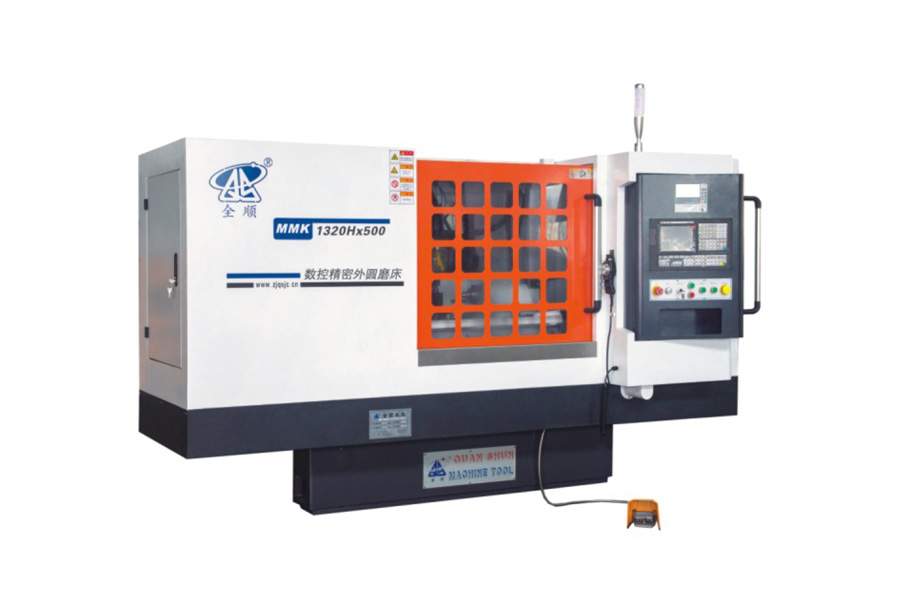
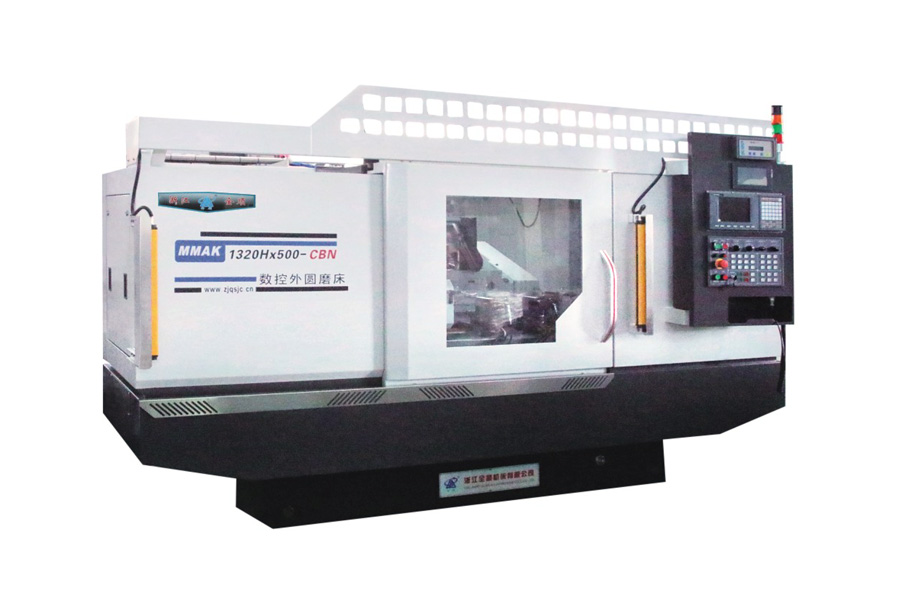
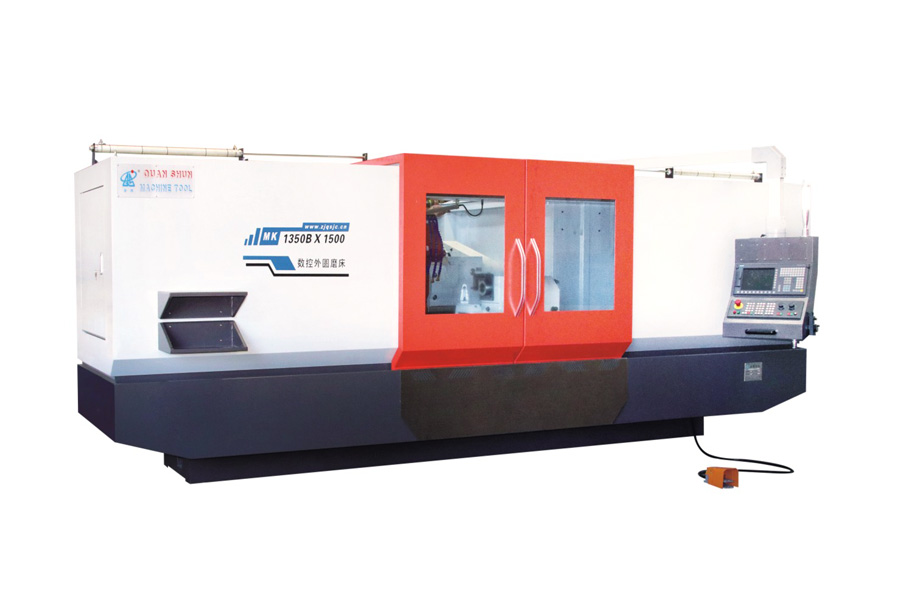
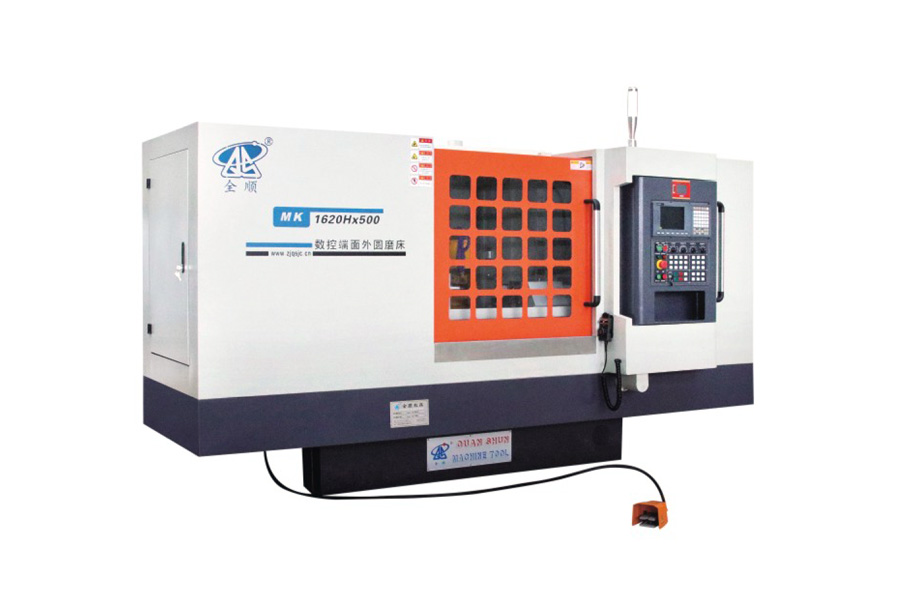
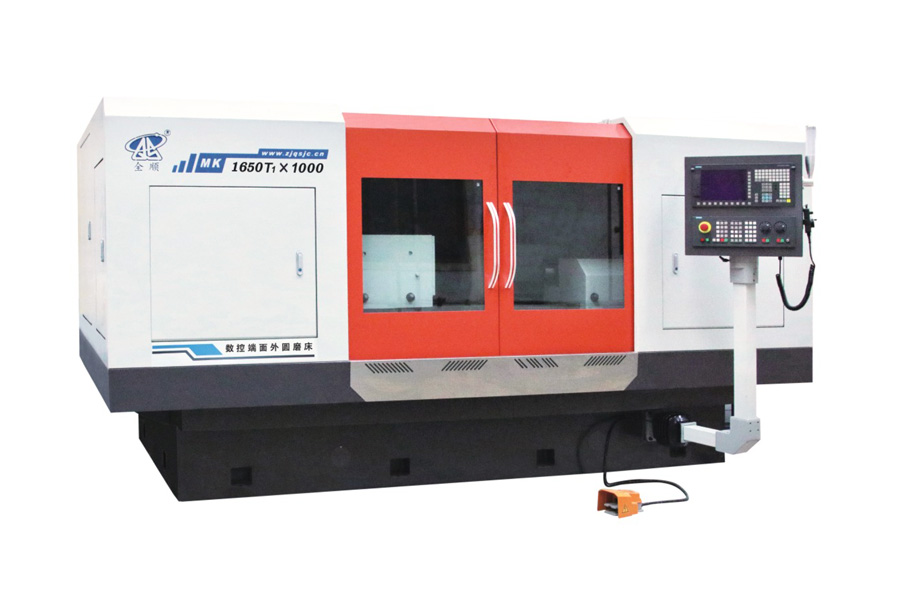
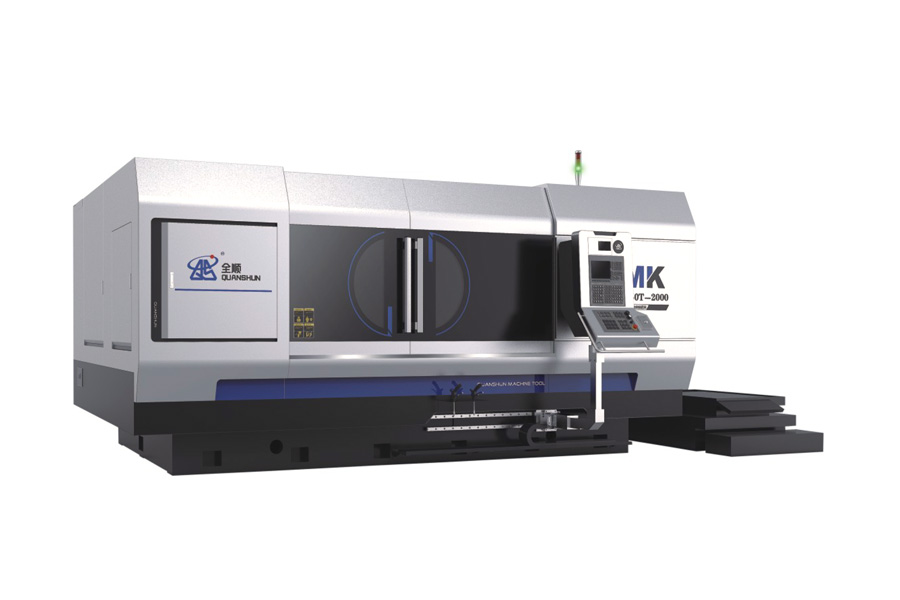
For standard cylindrical rolls, a CNC cylindrical grinder from the MK/MAK series can be configured with the wheelhead, tailstock and measuring package needed for one-loading finishing.
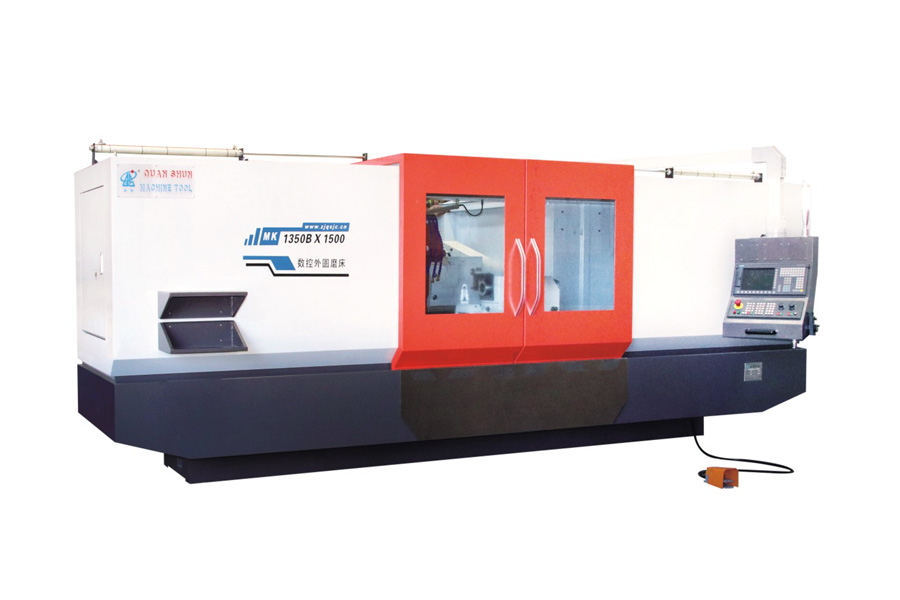 CNC Cylindrical Grinding Machine MK/MAK Series for Custom Roll FinishingOffering modular configurations and optional in-process gauging, this series adapts to non-standard roll geometries like shoulders and tapers, providing a practical alternative to fully custom designs.View Product →
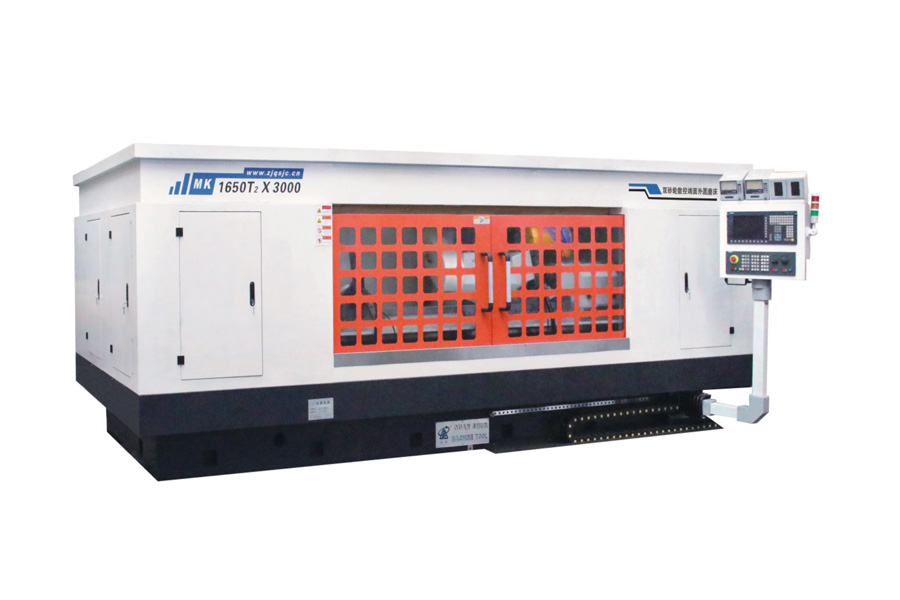
If your rolls have shoulders, tapers, bearing seats or non-standard lengths, compare a standard machine against a custom design. Custom roll grinding machines are built around the workpiece rather than forcing the roll to fit an existing table geometry.
How the Grinding Cycle Affects Roll Accuracy
Reaching a tight tolerance is rarely done in one pass. The wheel will bend the roll, heat it, and leave a stressed surface if too much stock is removed at once.
- Roughing: Remove most of the stock with a coarse wheel and aggressive infeed, leaving 0.05–0.10 mm on the diameter.
- Semi-finishing: Reduce infeed to 0.01–0.02 mm and refine geometry under lower cutting force.
- Finishing: Use fine dressing and a light infeed of 0.002–0.005 mm to generate the final surface.
- Spark-out: Keep the wheel in contact without additional infeed for 2–5 revolutions to let elastic deflection recover.
A CNC grinder with multi-step cycles and dwell timers makes this sequence automatic. Manual execution leaves too much variation for tight tolerance work, especially when the roll is long and flexible.
Choosing a roll grinding machine is an engineering decision. The tolerance target defines the required stiffness, cooling, dressing and measuring capability. Before you compare prices, verify how the machine maintains roundness at full traverse length, how coolant flows around the contact zone, and whether the control repeatability supports the finishing passes you need.
Zhejiang Quanshun Machine Tool Co., Ltd. has built a product lineup around CNC cylindrical grinders designed for high rigidity and custom configurations. From high-precision cylindrical grinders to custom roll grinding machines, the goal is the same: hold the tolerance for every roll, every shift.