0086-15068518279 (Chinese)/001-5416026691 (English)



 EN
EN
 中文简体
中文简体Content
It usually starts with a faint chatter mark on the workpiece. By the time the operator spots it, the surface finish is drifting, the spindle is carrying an unbalanced wheel, and the afternoon is spent on rework instead of production. That scene repeats in machine shops every week — and a CNC machine maintenance checklist is the most effective way to stop it before it starts.
This guide covers the checks that keep CNC machines, especially precision cylindrical grinders, running accurately: daily, weekly, monthly, quarterly, and annual tasks, plus the mistakes that quietly cost shops their tolerances.
Why a Structured Maintenance Checklist Matters
A CNC grinder holds its geometry through a chain of subsystems: spindle, slideways, hydraulic unit, coolant system, ball screws, and feedback scales. Breakage rarely strikes without warning; it first shows up as a slow pressure drop, a faint vibration, or a coolant smell. None of these signals is loud enough to notice — unless someone is deliberately looking for it.
Unplanned downtime costs far more than the repair. You also lose production, rework the parts in process, and risk secondary damage: a blocked coolant nozzle can destroy a wheel, and a starved slideway can score a precision surface. A checklist turns these risks into a repeatable routine, applied on every shift, so small problems stay small.
For grinding machines, two variables decide most accuracy battles: coolant condition and way lubrication. Both are visible in a five-minute daily walk-around.
Daily CNC Maintenance Checklist
Daily tasks take 10 to 15 minutes and belong at the start of the shift, before the first part is ground. The goal is not deep inspection; it is noticing what changed since yesterday.
| Check Point | What to Inspect | When to Take Action |
|---|---|---|
| Spindle warm-up | Run at moderate speed for 10–15 minutes; listen for abnormal noise | Stop if spindle temperature rises sharply |
| Coolant level and condition | Level, concentration, smell | Top up; replace if it smells rancid |
| Hydraulic pressure | Pressure reading against the manual's spec | Adjust pressure; check pump for faults |
| Way lubrication | Oil level and flow to the slideways | Refill; inspect metering valves |
| Grinding wheel | Cracks, chipped edges, loading | Dress, re-balance, or replace the wheel |
| Work area and guards | Swarf on ways, wheel guard, workhead cleanliness | Clean before the first production part |
An experienced operator also tracks how long the machine takes to settle after start-up. If that time changes, the machine is communicating. Build your shift routine around a published pre-use inspection list for CNC cylindrical grinders, and make sure every new operator follows the same sequence.
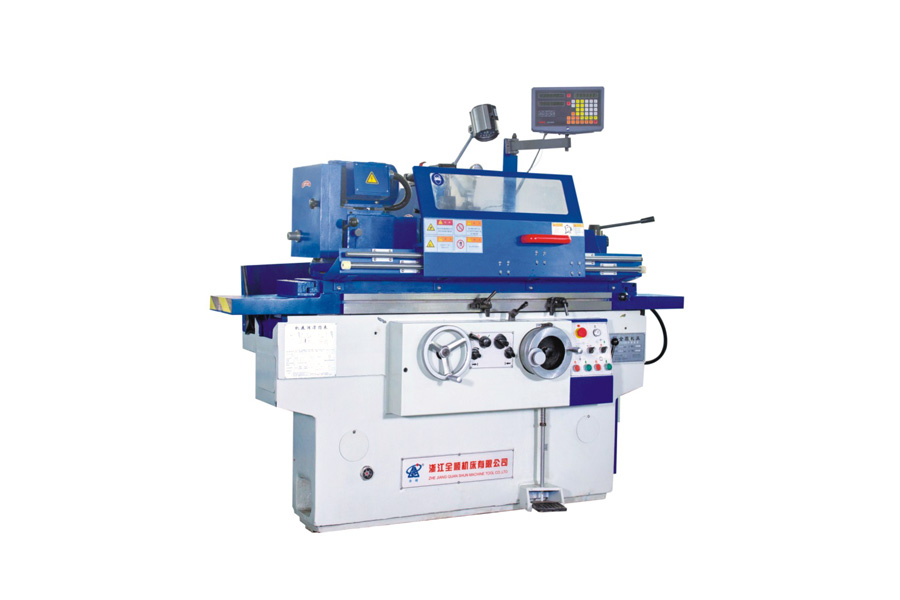
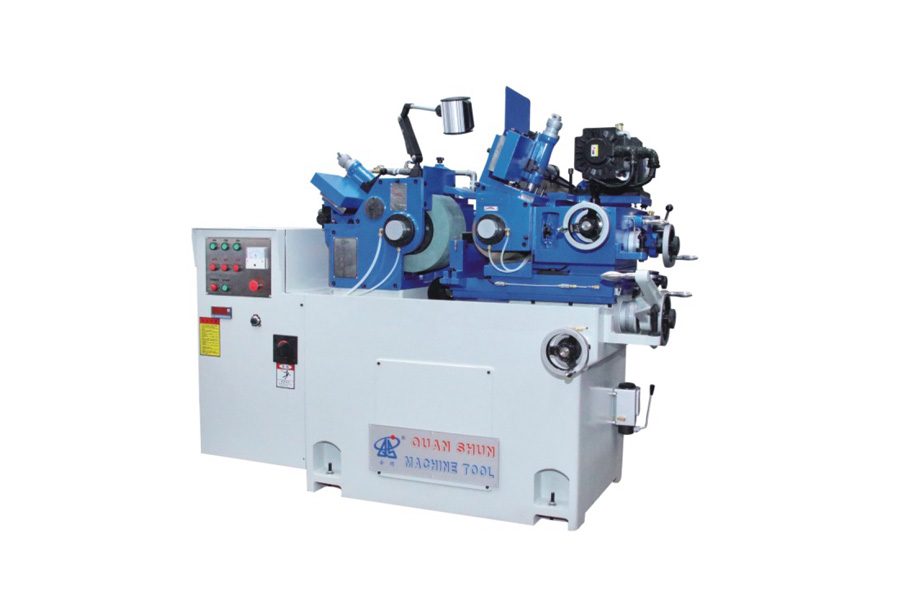
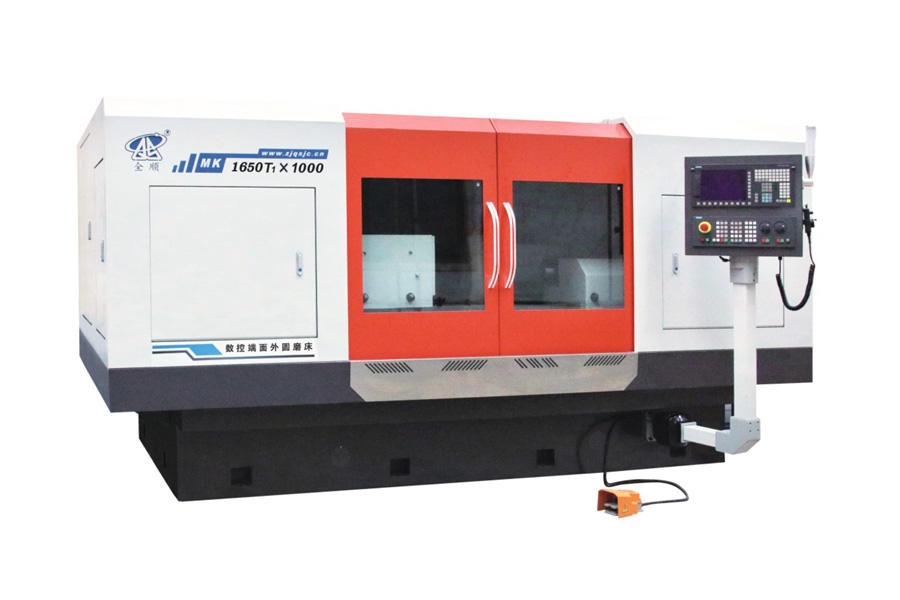
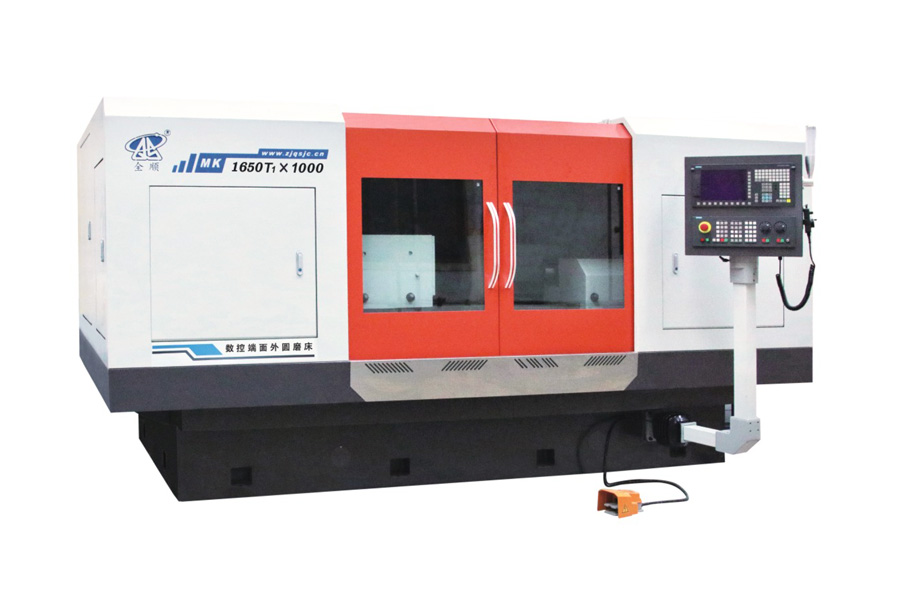
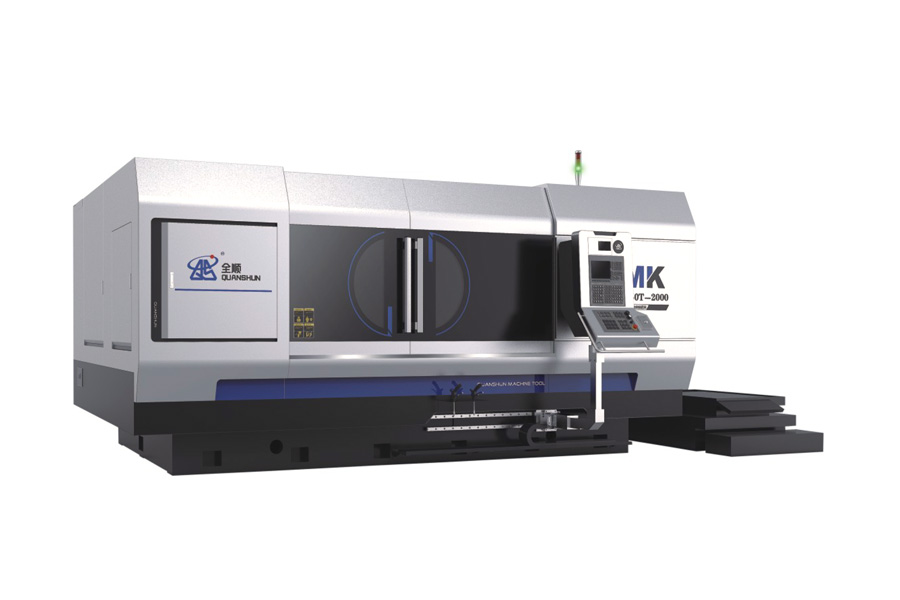
 MK/MAK Series CNC Cylindrical Grinding Machine for Precision ShaftsThis series suits small-batch and high-volume grinding of cylindrical and multi-step shafts, with sub-micron feeding and rigid bearings. Its predictable stability helps operators interpret weekly coolant, filter, and hose checks effectively.View Product →
Weekly CNC Maintenance Checklist
Weekly checks target the items that degrade gradually: coolant concentration, filter loading, wiper wear, hose integrity. Budget about 30 minutes per machine.
| Check Point | What to Inspect | When to Take Action |
|---|---|---|
| Coolant concentration | Refractometer reading and pH | Adjust concentration; add biocide if odor appears |
| Way wipers | Wear, tears, missing segments | Replace before grit enters the slideway |
| Air and cabinet filters | Dust build-up | Clean or replace filter cartridges |
| Hoses and fittings | Hydraulic, coolant, and pneumatic lines; drips | Tighten or replace damaged lines |
| Dressing tool | Diamond condition; holder security | Index a dull diamond promptly |
| Axis movement | Unusual sound, hesitation, backlash | Log the observation and schedule a deeper check |
Coolant is the item most shops neglect. When concentration falls, corrosion attacks the ways and the workpiece; when it climbs, bacteria multiply, wheel life drops, and surface finish suffers. A weekly refractometer reading, recorded rather than just performed, protects all three.
Monthly and Quarterly Checks
Monthly work moves from cleaning to verification. The machine has to prove it still holds what it promises.
- Check spindle runout with a dial indicator on the grinding wheel flange.
- Measure axis backlash; adjust ball screw preload if readings exceed the manual's values.
- Inspect the electrical cabinet for loose terminals and dust on heat sinks.
- Verify grinding wheel balance; true the wheel if vibration is noticeable.
- Lubricate components outside the automatic lubrication zone.
Quarterly, run a full accuracy check: grind a test bar and measure roundness, taper, and surface finish. Record the numbers. For a grinding machine, roundness and surface finish are the ultimate accuracy tests, and the trend between quarters tells you more than a single measurement. Machines designed for tight tolerances make these results easier to interpret, because their thermal and mechanical stability is more predictable.
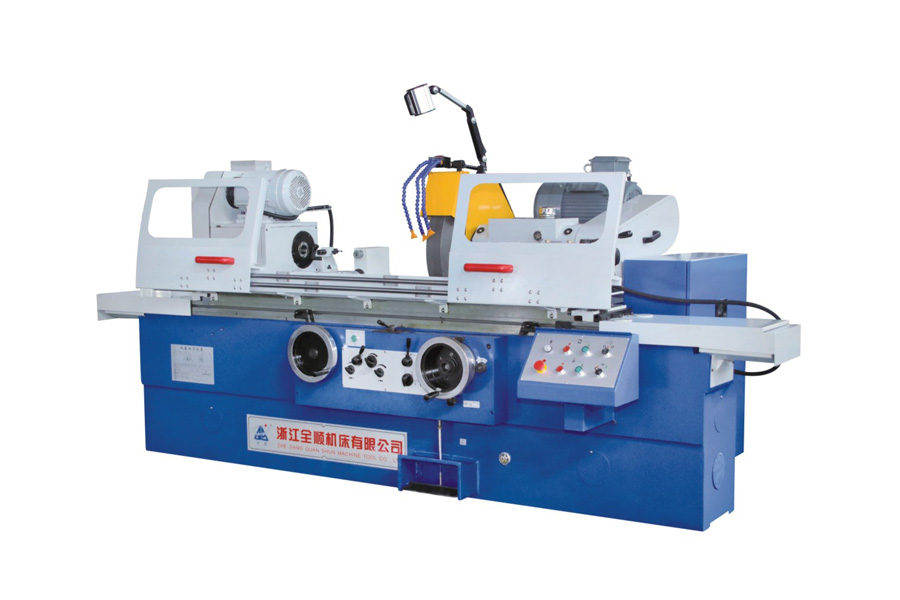
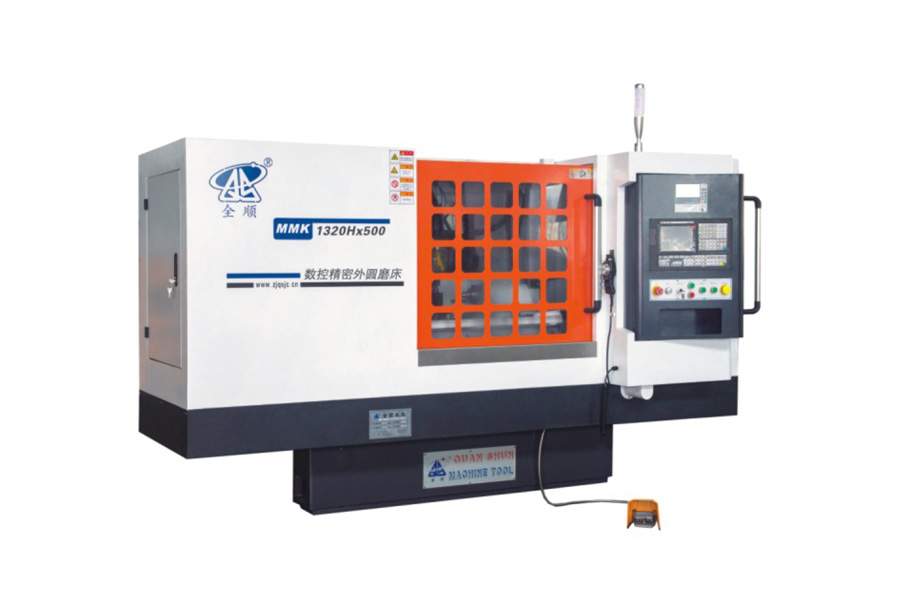
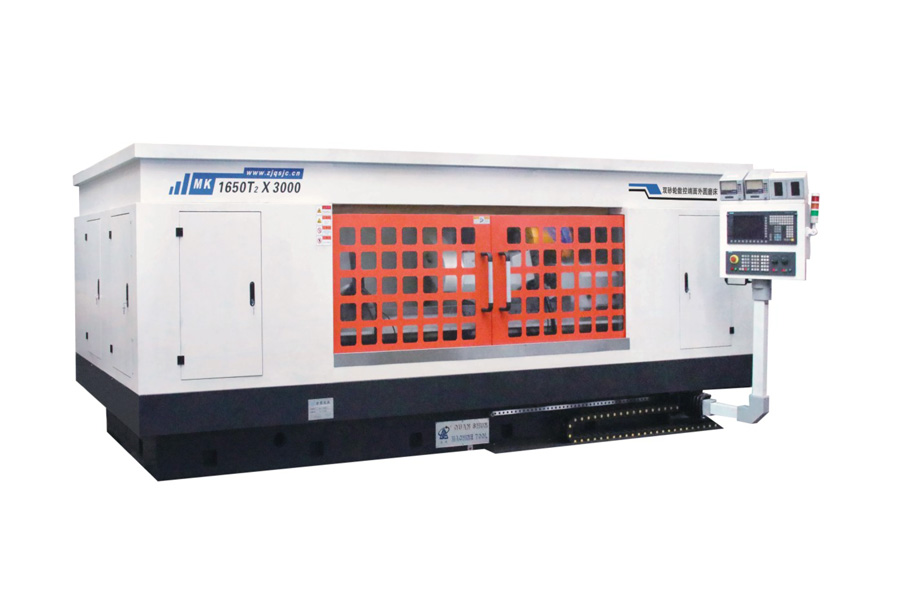
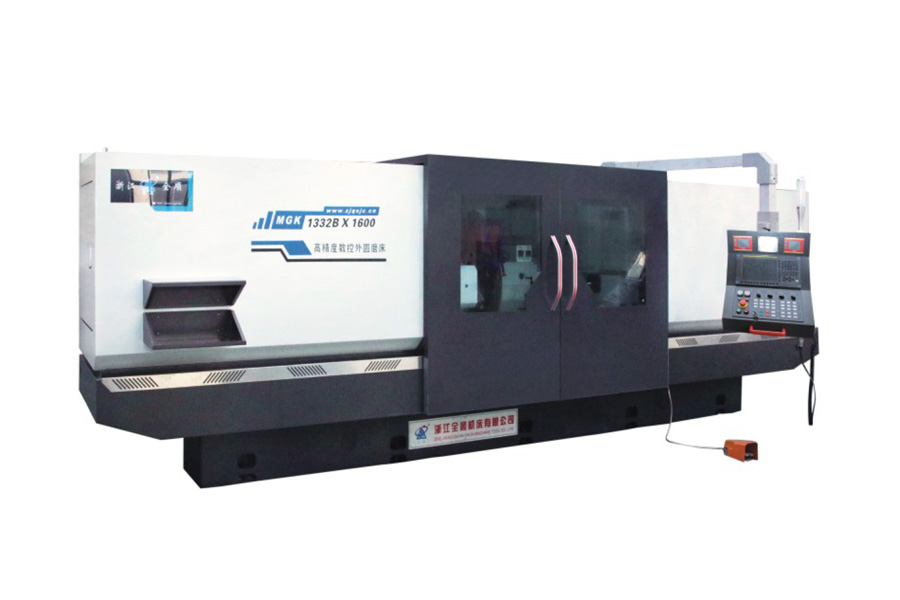
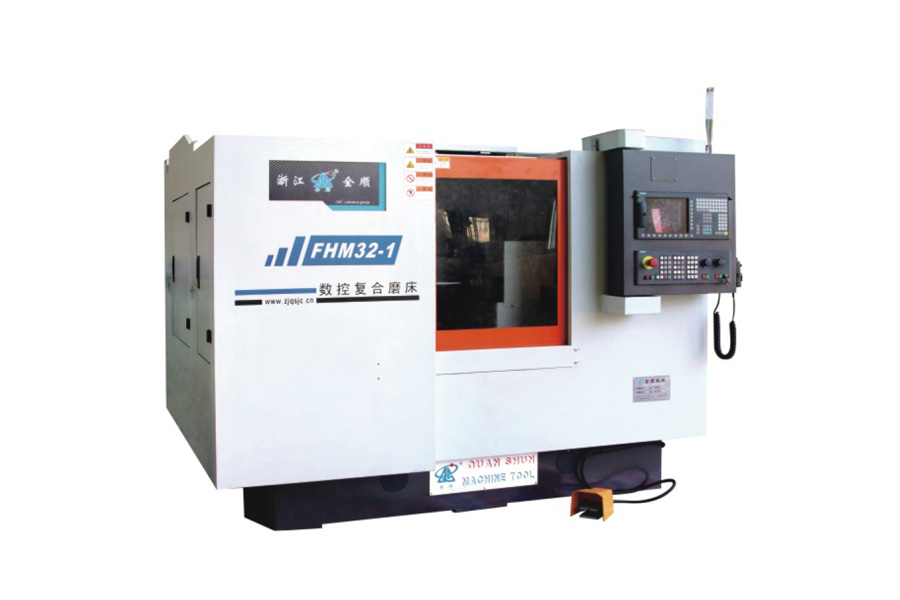
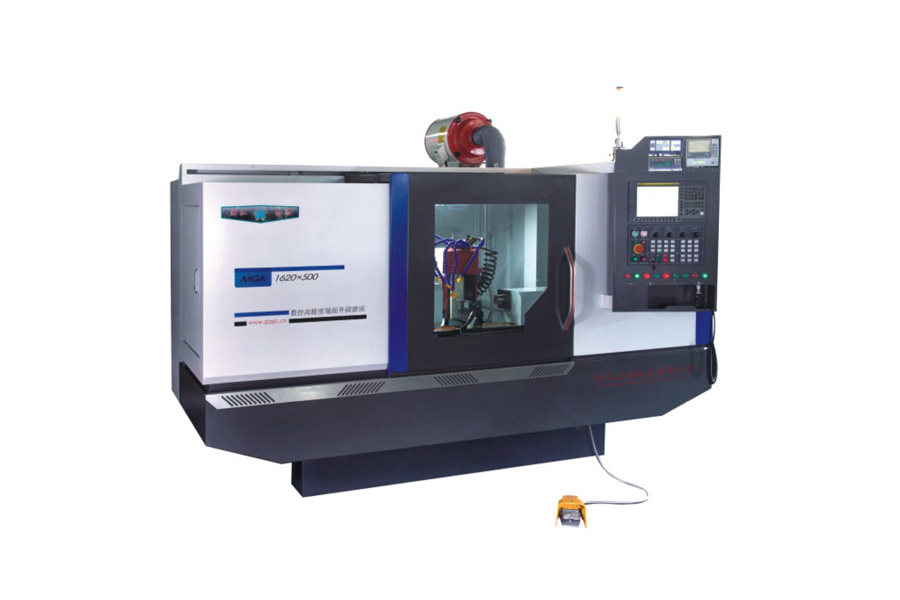 High Precision CNC Cylindrical Grinding Machine with Sub-Micron RepeatabilityFeaturing Meehanite cast iron and advanced spindle bearings, this machine ensures thermal stability and consistent roundness. It is ideal for quarterly accuracy tests, as its predictable behavior makes trend analysis of test bar results more reliable.View Product →
Semi-Annual and Annual Maintenance
Once or twice a year, the machine needs deeper work than cleaning and adjustment.
- Replace hydraulic oil and filters; take an oil sample to establish a wear baseline.
- Drain and deep-clean the coolant tank and lines; refill with fresh coolant.
- Run spindle diagnostics: temperature trend, vibration, and noise under load.
- Check axis straightness and squareness, then calibrate.
- Verify limit switches, emergency stops, and interlocks.
- Replace worn wipers, scrapers, filters, seals, and belts before they fail.
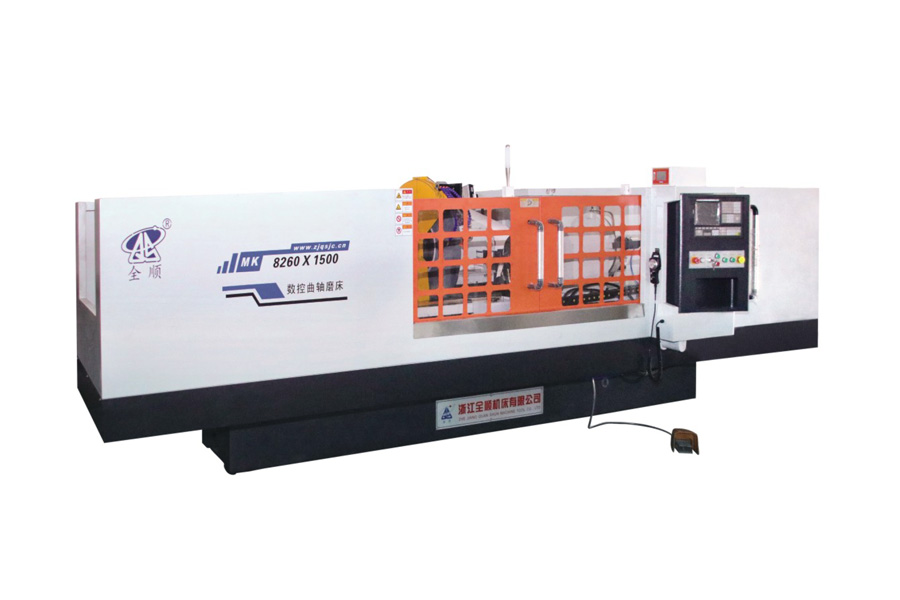
Automated cells need extra attention: grippers, conveyors, and sensors wear too. If your machine was built around a special workpiece, annual service should follow the builder's own plan, because custom grinding machines often carry non-standard subsystems with their own inspection points.
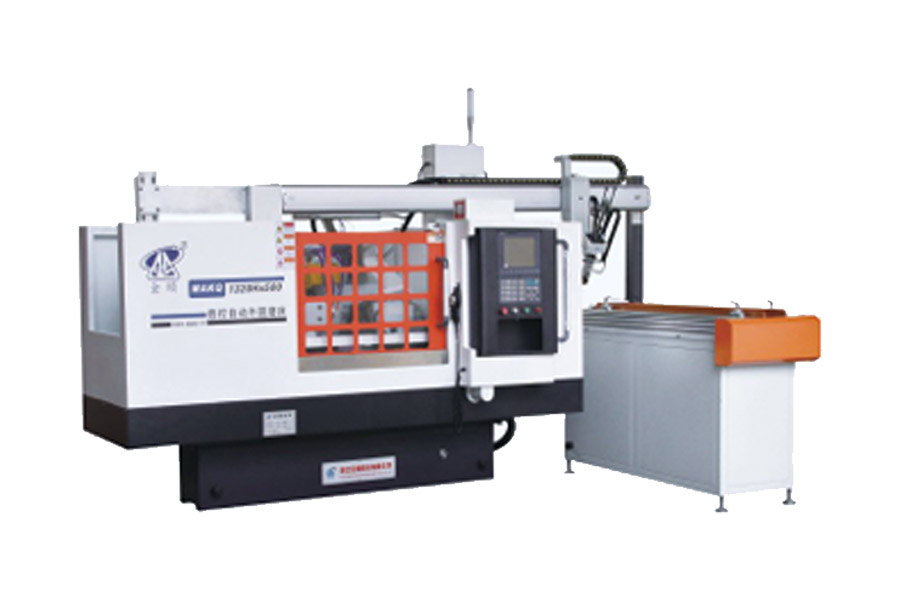
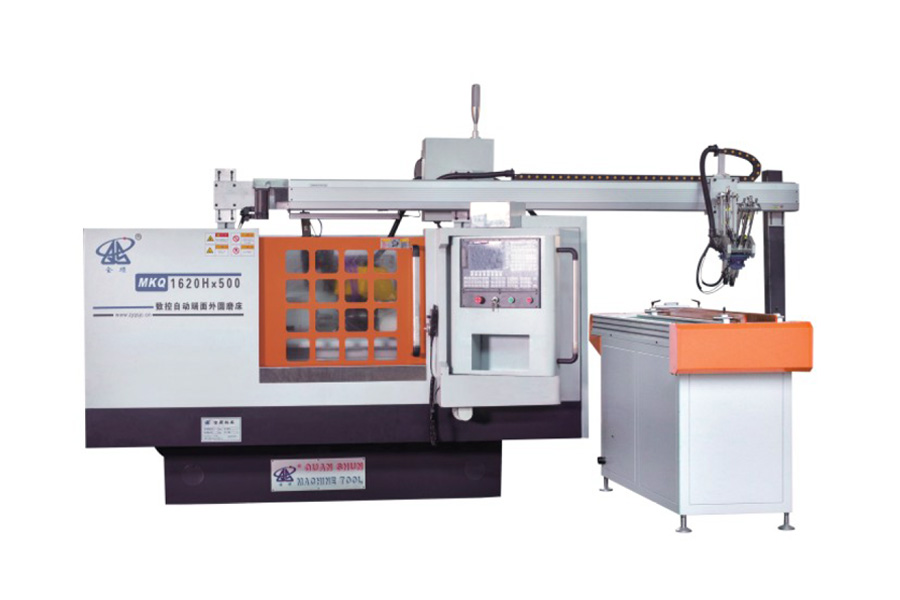
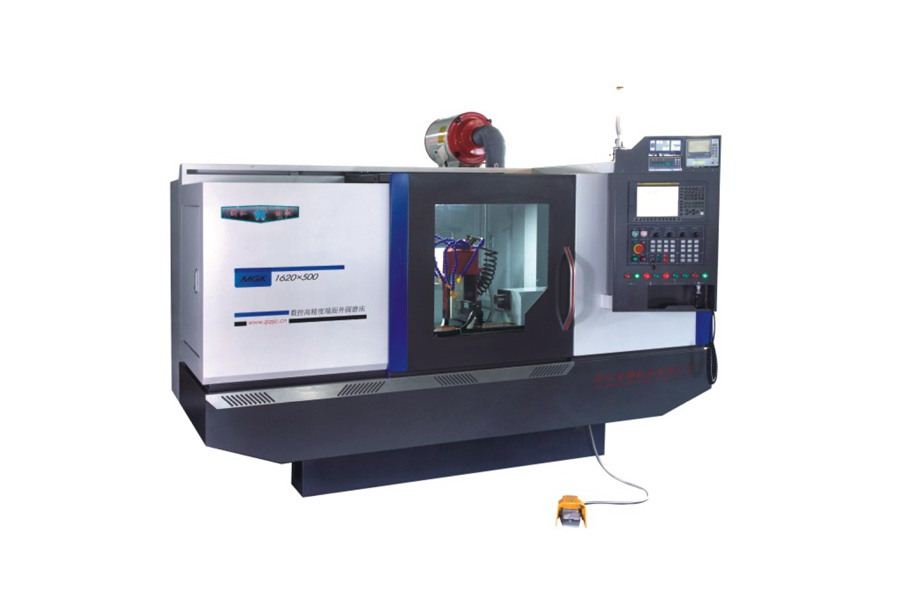
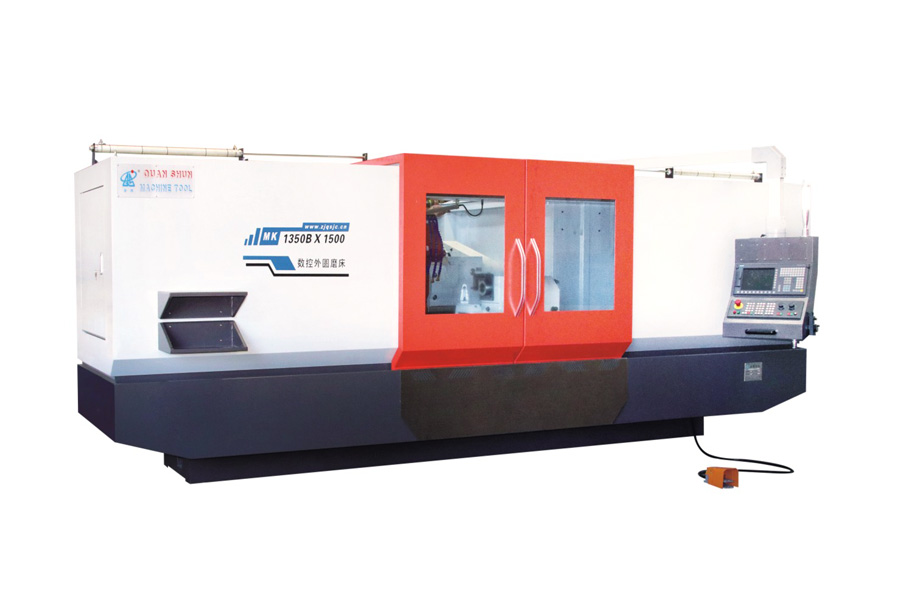
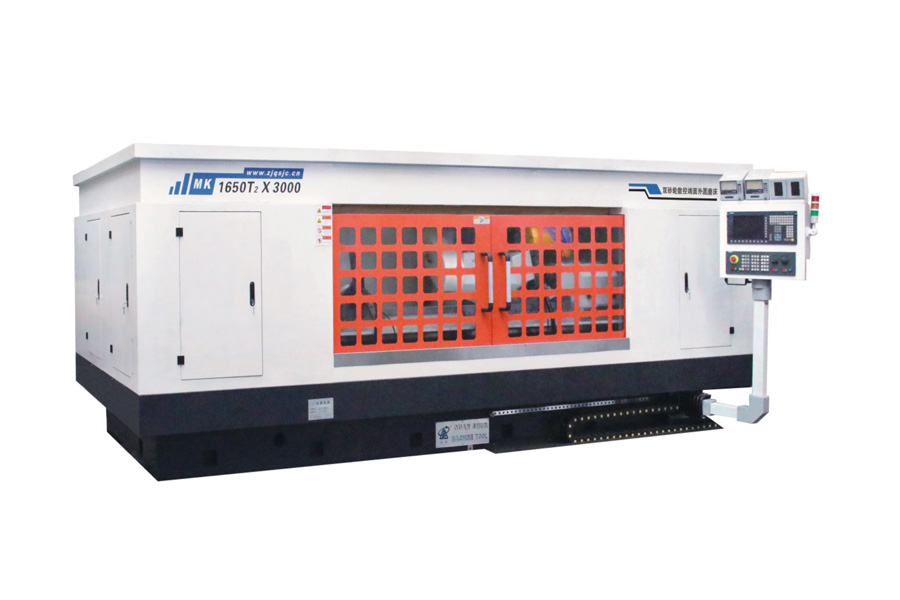
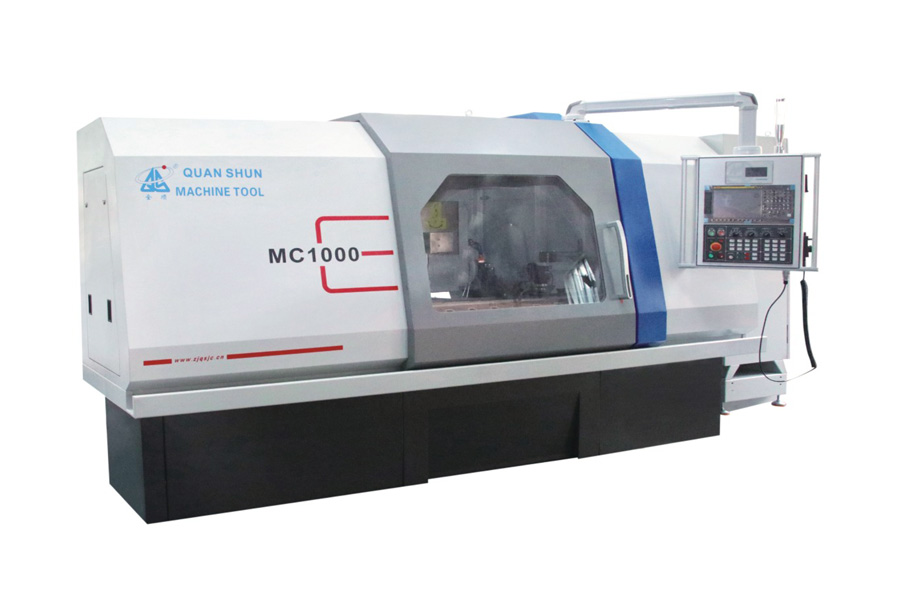
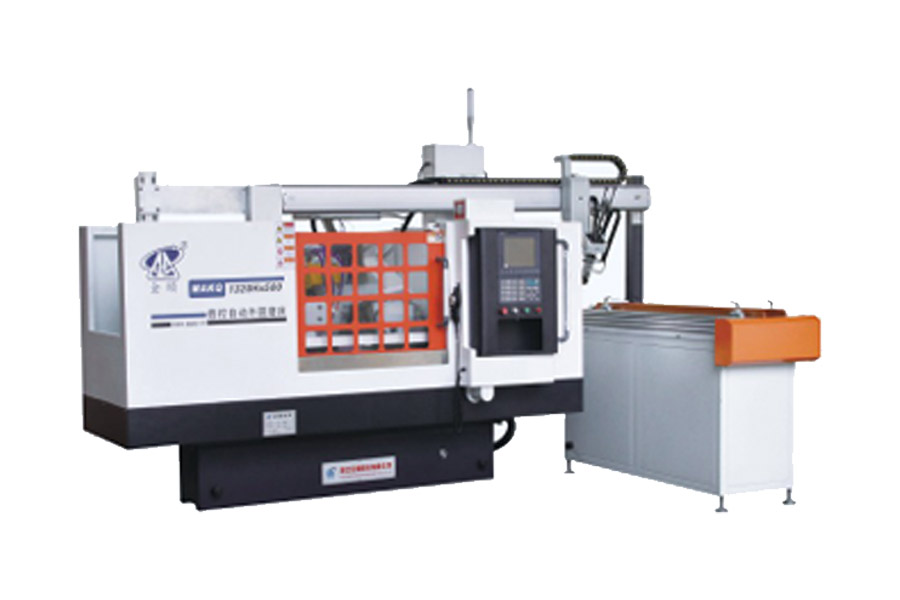 Automatic CNC Cylindrical Grinding Machine with Robotic LoadingDesigned for mass production, this model enables one operator to manage multiple machines via dual-channel control and flexible manipulator entry. Its patented clamping and SYNTEC system reduce manual intervention, making it a focus for automated maintenance checks.View Product →
How to Build a Checklist People Actually Follow
Most maintenance failures are failures of discipline, not knowledge. Keep the checklist short enough for a tired operator to finish in ten minutes. Require initials and actual readings — "hydraulic pressure 4.5 MPa" is more useful than a column full of "OK" marks.
- Assign a named owner to every task so nothing falls between shifts.
- Log trends: spindle temperature, axis load, coolant concentration.
- Investigate deviations immediately, or place them on a visible follow-up list.
- Stock a small spare-parts drawer with filters, wipers, and seals.
Documentation is the most underrated tool in maintenance. A simple daily record lets you see the week leading up to a breakdown instead of discovering it only after the machine stops.
Common CNC Maintenance Mistakes to Avoid
- Skipping the warm-up cycle. Cold-start grinding strains the spindle and can crack the wheel.
- Using "good enough" lubricant; the wrong viscosity changes the oil film on the ways.
- Over-lubricating or under-lubricating; follow the manual's quantity and interval.
- Ignoring coolant concentration until it smells.
- Blowing out electrical cabinets with dry compressed air; dust is forced deeper into terminals. Use a vacuum and a soft brush.
- Fitting non-certified replacement parts. A generic belt may last, but a generic bearing rarely does.
A maintenance checklist does not eliminate breakdowns by magic. It gives you an early warning days or weeks before the machine stops, which is all the time needed to protect production. For grinding machines, the payoff is direct: clean coolant, correctly lubricated ways, and a balanced wheel are what hold tolerances and surface finish shift after shift.
Zhejiang Quanshun Machine Tool, the builder behind this guide, has seen both sides of maintenance across the grinding machines it designs and builds — standard CNC cylindrical grinders, high-precision models, automated loading and unloading systems, and custom machines for special workpieces. The pattern never changes: shops that protect their machines with a simple, consistent checklist get the most years of accuracy out of them.