0086-15068518279 (Chinese)/001-5416026691 (English)



 EN
 中文简体
Content
- 1 What a Machine Tool Monitoring System Actually Does
- 2 Signals Worth Monitoring on a Grinding Machine
- 3 From Data to Decisions: OEE, Tolerance, and Scrap
- 4 Selection Checklist for a Monitoring System
- 5 Deployment Without Disrupting Production
- 6 Procurement Risks and Contract Details
- 7 Where Monitoring Fits in a Grinding Investment
On a cylindrical grinder, a 0.004 mm size drift can hide behind a good first-piece inspection. The first 40 shafts pass; the next 40 move toward the upper tolerance band, and the operator learns about it at the gauge station. A machine tool monitoring system earns its place at that moment, when spindle load, wheel contact, and axis position combine into an early warning that points to a dressing change, a coolant issue, or a fixture problem before scrap is produced.
The practical rule is simple: monitor the few signals tied directly to part quality and machine uptime, connect them to the CNC and quality records, and agree on who acts when a threshold is crossed. A wall of charts is not a system.
What a Machine Tool Monitoring System Actually Does
A monitoring system is not one box. It usually has three layers. The CNC supplies cycle state, program number, spindle speed, feed override, axis load, alarm history, and part count. Added sensors cover what the controller cannot see: vibration, acoustic emission, coolant pressure and temperature, air pressure, and in-process gauging. Software normalizes timestamps, applies thresholds, stores the trend, and pushes the result to an operator screen, MES, or maintenance queue.
These layers answer different questions. Process monitoring asks whether the cut is stable and the size is drifting. Condition monitoring asks whether the spindle, guideways, coolant system, or wheel dressing device is degrading. OEE monitoring asks whether the machine is available, running at the expected rate, and producing good parts. A plant may start with one layer, but the data model should leave room for all three.
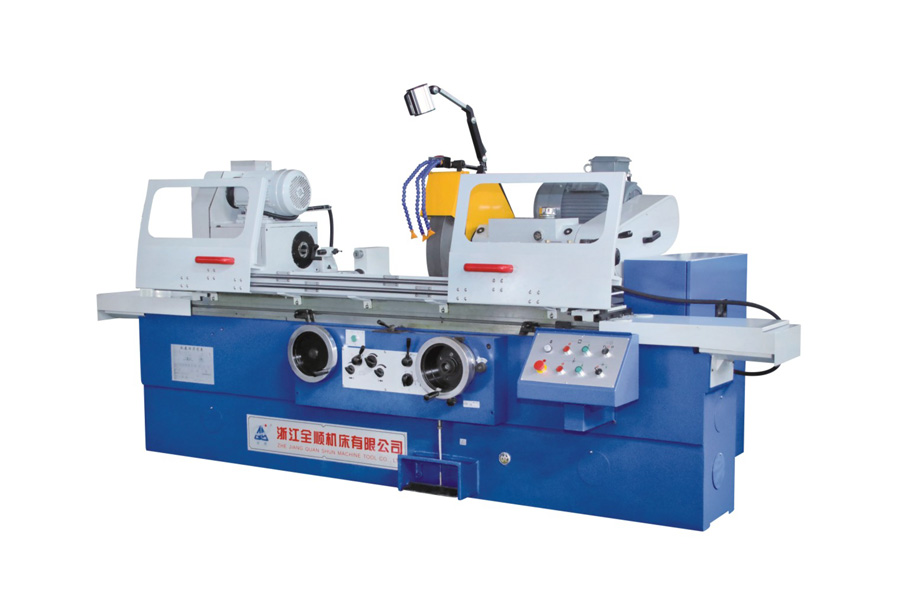
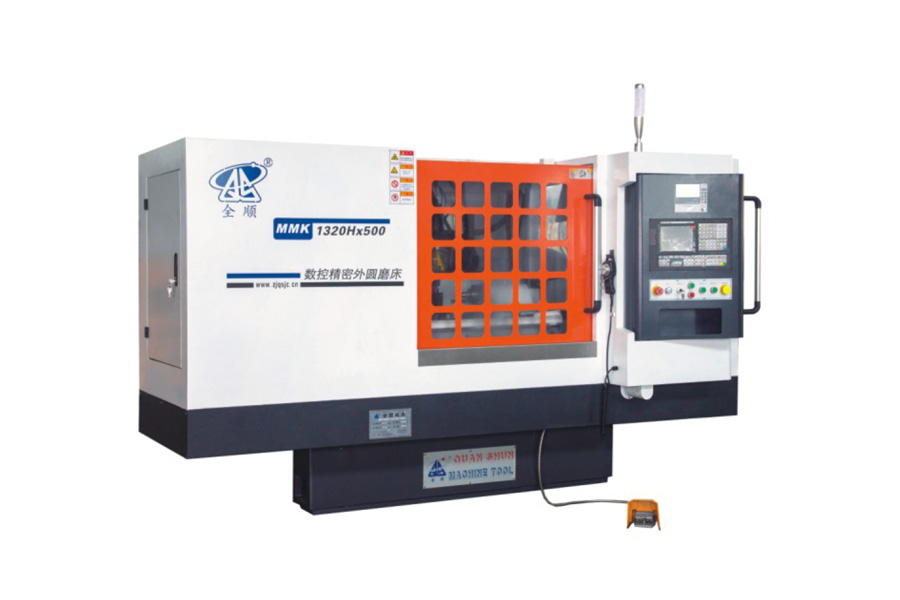
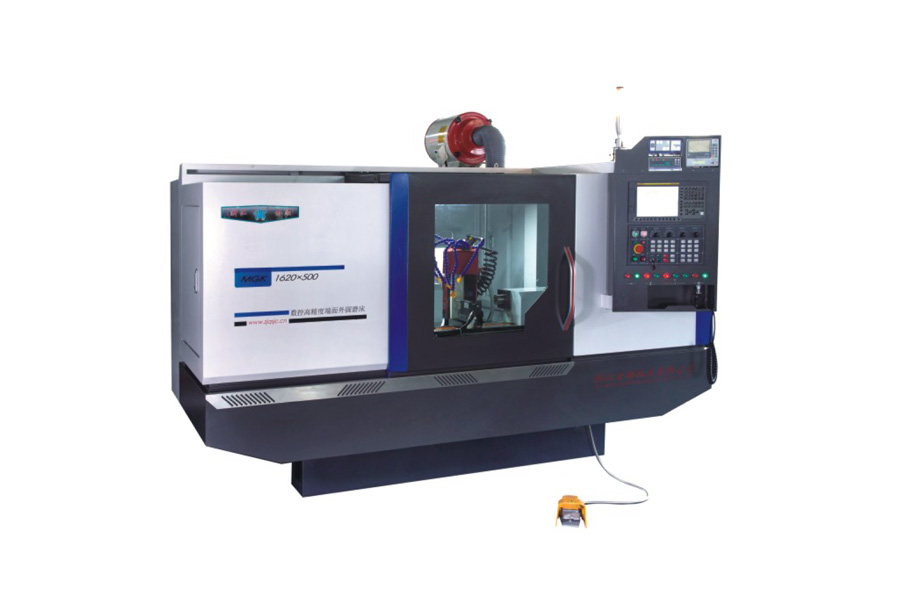
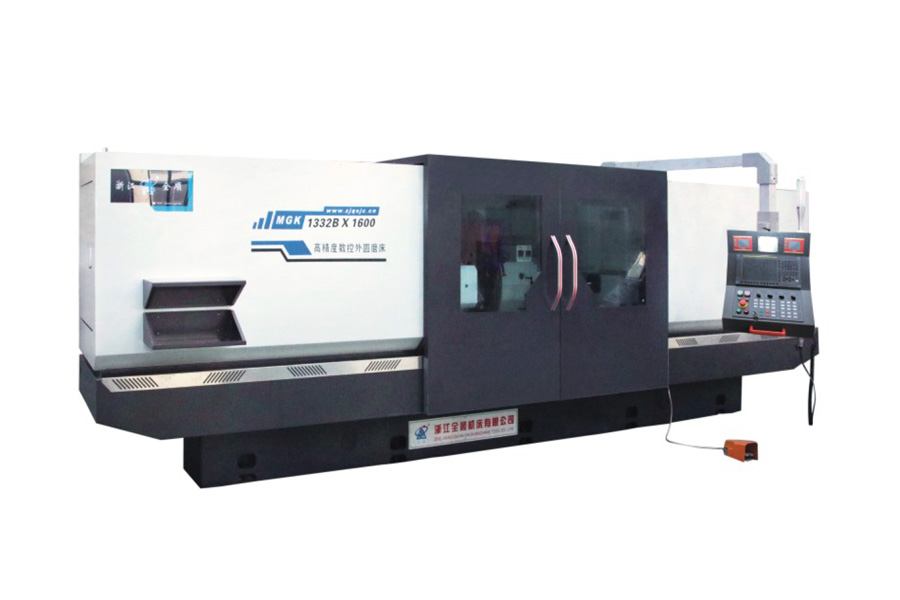
On a high-precision CNC cylindrical grinding machine, controller data plus scale feedback can expose following error, wheel wear compensation, and spark-out behavior without adding many sensors. That is often the cheapest place to start because the machine already generates the signal.
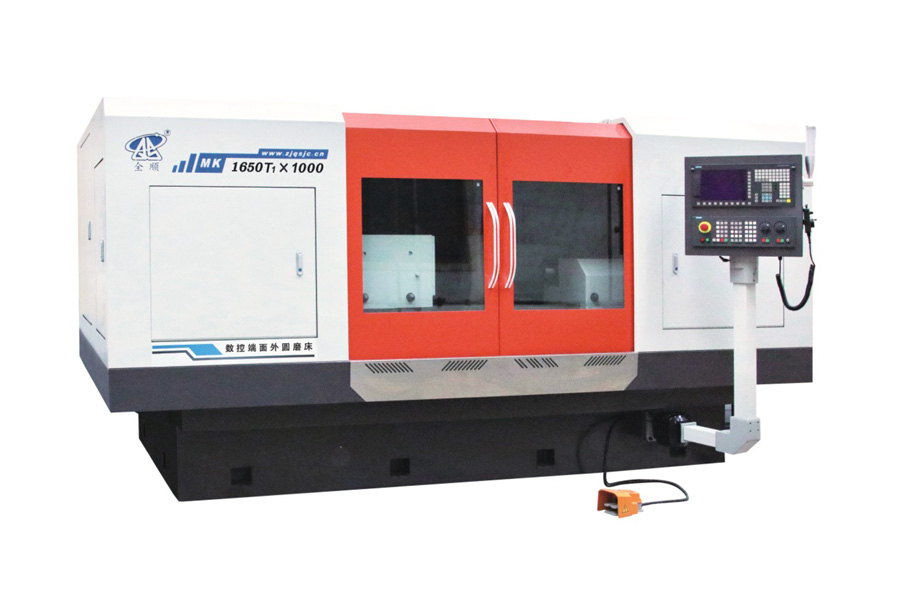
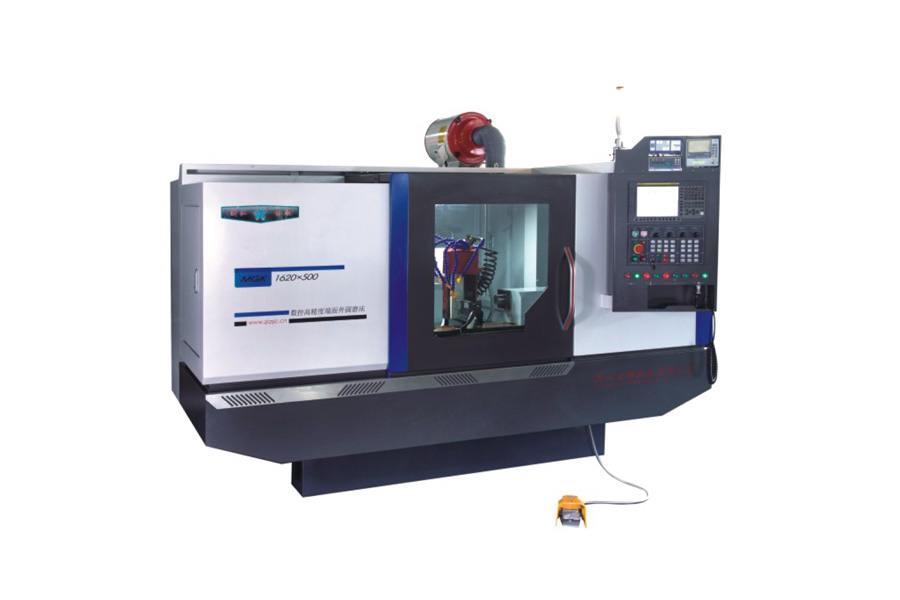 High Precision CNC Cylindrical Grinding MachineOffers MGK1320H and MGK1332B size classes for shaft and cylindrical workpieces, with controller and scale signals suited to early monitoring checks.View Product →
Signals Worth Monitoring on a Grinding Machine
Grinding is a low-material-removal process with high consequences. A small change in wheel sharpness, coolant flow, or fixture stiffness can shift size, roundness, or surface finish. The table below shows the signals that most often justify the cost of monitoring, and the first action to define.
| Signal | What it reveals | Practical response |
|---|---|---|
| Spindle load or power | Wheel sharpness, infeed force, material variation | Adjust dress interval, check wheel grade, stop on a step change |
| Vibration | Wheel imbalance, bearing wear, chatter, fixture looseness | Balance or dress the wheel, inspect bearings, reduce infeed |
| Acoustic emission | Wheel-work contact, crack initiation, dressing quality | Trigger an alarm or retract, review dressing parameters |
| Coolant pressure, flow, and temperature | Burn risk, nozzle blockage, thermal drift | Clean the nozzle, check filtration, stabilize temperature |
| In-process gauge or measuring head | Size trend, taper, and wear compensation response | Apply offset compensation, review wheel wear model |
| Axis position and servo current | Following error, guideway friction, collision risk | Check lubrication, back off, inspect the guideway |
No single signal is authoritative. Spindle load alone may miss chatter; vibration alone may trigger on a nearby press or forklift. Pair at least one process signal with one quality signal, such as acoustic emission with in-process gauging, or spindle load with post-process size trend. That pairing reduces false alarms and makes the alarm useful to the operator.
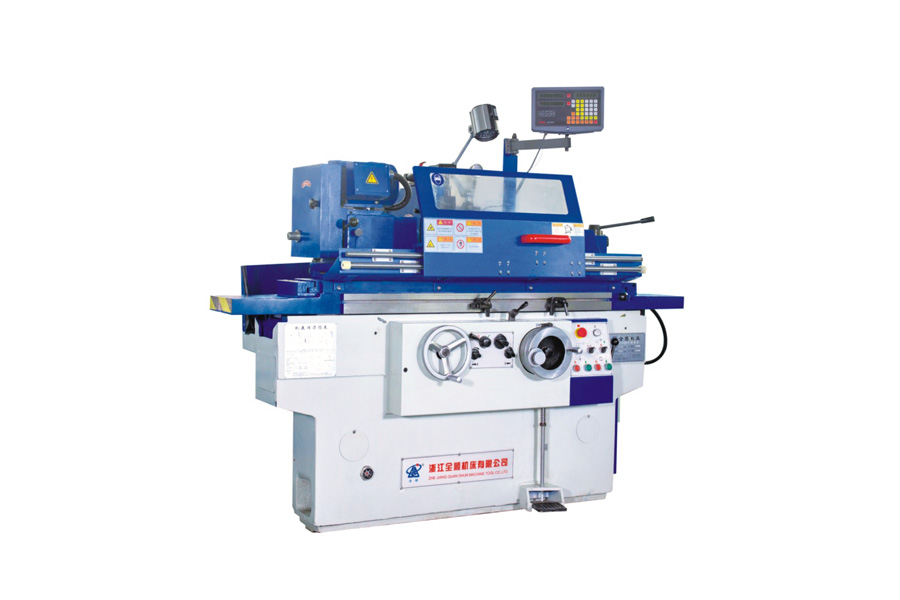
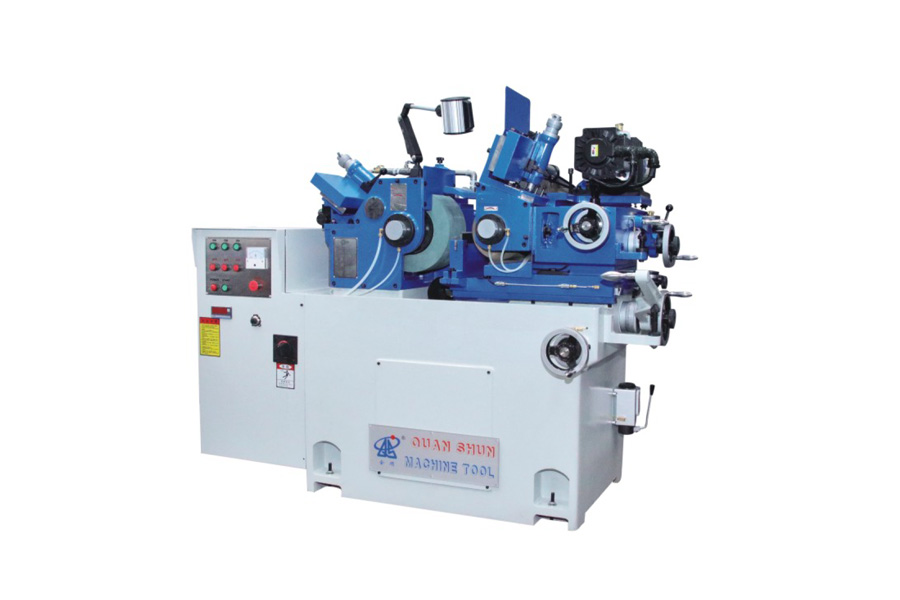
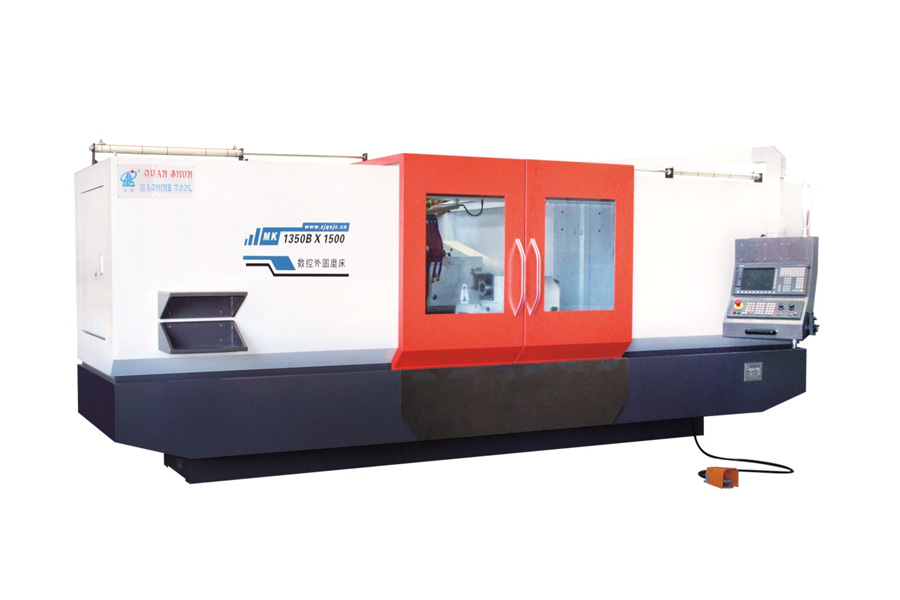
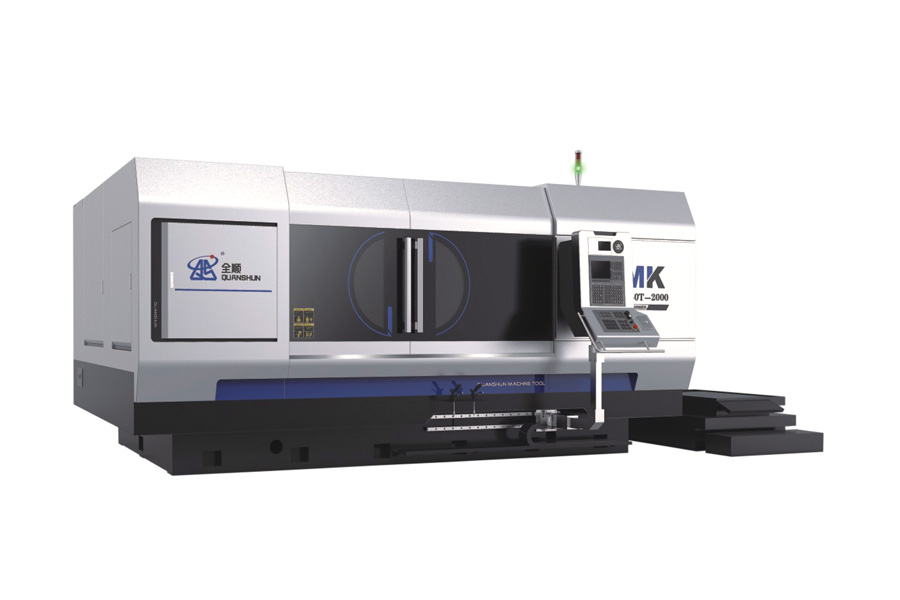
A machine with clean controller data and stable thermal behavior makes this pairing easier. The MK/MAK series is a reasonable starting point when the process needs a CNC cylindrical grinder with accessible data and predictable wheelhead behavior.
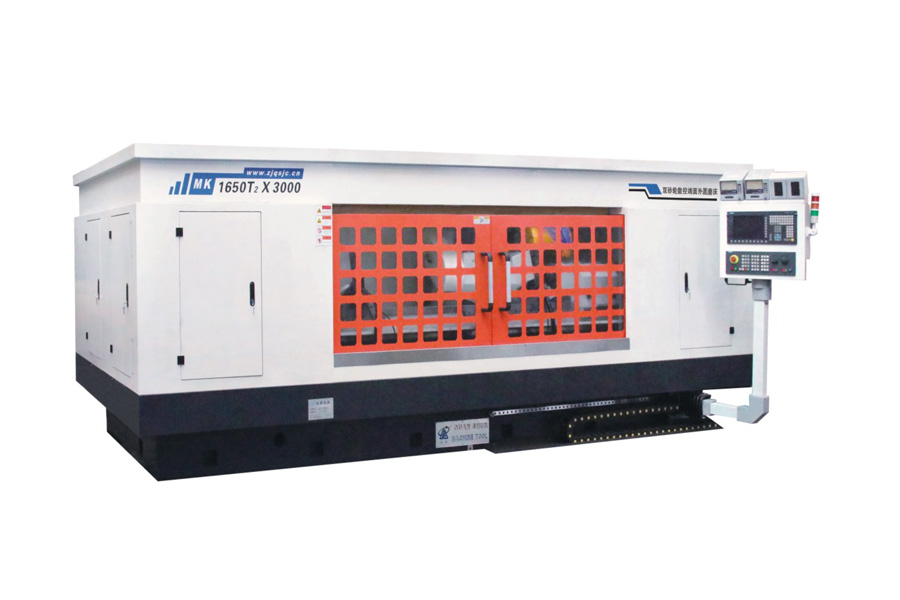
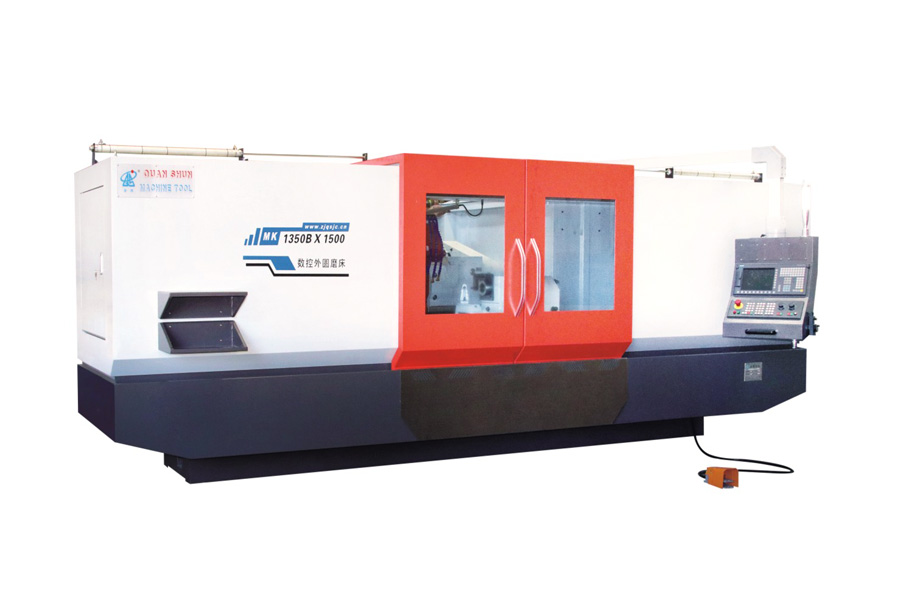 MK/MAK CNC Cylindrical Grinding Machine SeriesCovers seven model groups from Φ8–Φ500 mm and 50–1000 kg, giving a data-accessible, predictable wheelhead starting point for OEE-focused grinding.View Product →
From Data to Decisions: OEE, Tolerance, and Scrap
OEE is useful because it forces three questions into one number: availability, performance, and quality. A grinder with 70% availability, 85% performance, and 99% quality has an OEE of about 58.9%. Lifting availability to 78% moves OEE to roughly 65.6%. That is a meaningful gain, but only if the availability loss was real and the data was not inflated by short stops or missing part counts.
For quality, do not set alarms at the specification limit. Set them at a control limit inside the tolerance band. If a shaft has a 0.020 mm total tolerance and the size trend reaches 70% to 80% of that band, the system should prompt a dressing check or an offset review. This is where monitoring differs from a pass/fail gauge: it shows the direction and rate of drift.
Sampling matters. OEE can run on seconds; chatter and wheel breakage need much faster data. Ask for raw event data with timestamps, not only five-minute averages. Acceptance tests should include a known disturbance, such as a missing coolant flow or a deliberately unbalanced wheel, and a check that the alarm appears within the agreed time.
If the monitoring system is tied to machine acceptance, use the same discipline described in this guide to evaluating precision and repeatability. The data should support the test, not replace it.
Selection Checklist for a Monitoring System
Buy for fit with the machine and the process, not for the dashboard. The following points separate a usable system from a demo.
- Protocol and data depth: OPC UA, MTConnect, Ethernet/IP, or Modbus support is useful, but confirm that the system can read program number, alarm code, override, axis load, and cycle state, not just power on/off.
- Sensor mounting and environment: coolant mist, vibration, electromagnetic noise, and cable routing decide whether a sensor survives. Check IP rating, mounting method, and calibration interval.
- Sampling and retention: high-frequency vibration needs kHz sampling; OEE needs seconds. Confirm how long raw data is kept and how it is exported.
- Alarm logic: thresholds by part number, hysteresis, step-change detection, and suppression during warm-up. Nuisance alarms destroy operator trust faster than no alarms.
- Integration: quality gauges, MES/ERP, maintenance records, and time synchronization. A monitoring event without a part number is hard to act on.
- Cybersecurity and ownership: network segmentation, role-based access, and clear ownership of data. Avoid systems that lock exports behind a vendor portal.
- Acceptance and service: a controlled fault test, spare sensors, remote support terms, and a named response time.
The machine itself still matters. A monitoring package cannot correct an unstable base, a poor coolant path, or a worn guideway. Specify the CNC cylindrical grinding machine with data access, thermal stability, and serviceability in mind, then add monitoring to make those qualities visible.
Deployment Without Disrupting Production
Start with one grinder or one cell that has a known scrap or downtime problem. Do not pilot on the most complex custom machine in the plant; use a stable, high-volume process where the baseline is clear.
- Record two weeks of baseline data: cycle time, downtime reasons, size trend, dressing interval, and scrap count.
- Install two or three signals first, such as spindle load, coolant pressure, and in-process gauge trend.
- Set provisional thresholds with the operator and quality engineer, then run in parallel for four to six weeks.
- Compare alarms with actual events. Remove rules that only produce noise and keep the ones that lead to a change.
- Write a one-page response plan: who checks the wheel, who checks coolant, who stops the machine, and who records the outcome.
- Scale by copying the configuration to similar machines, not by adding every available sensor.
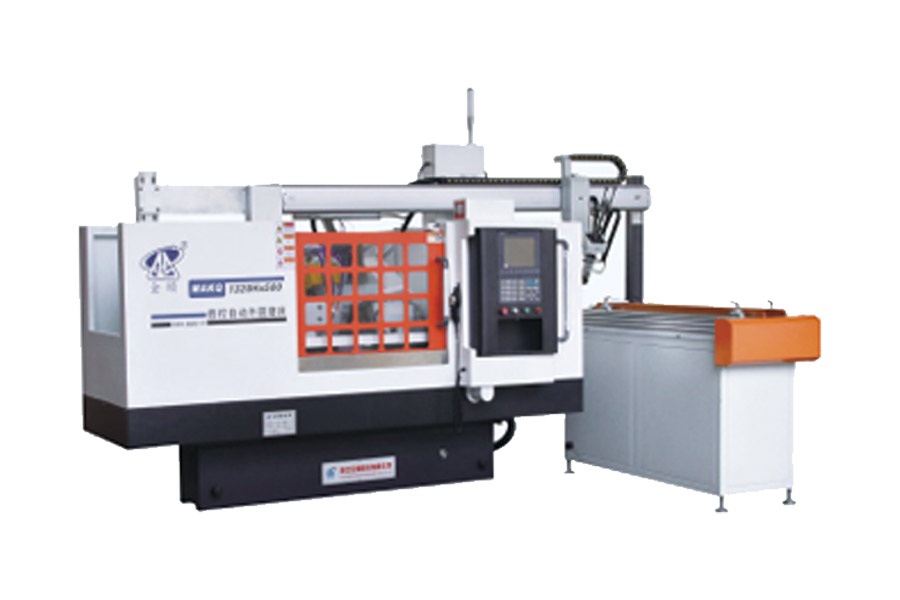
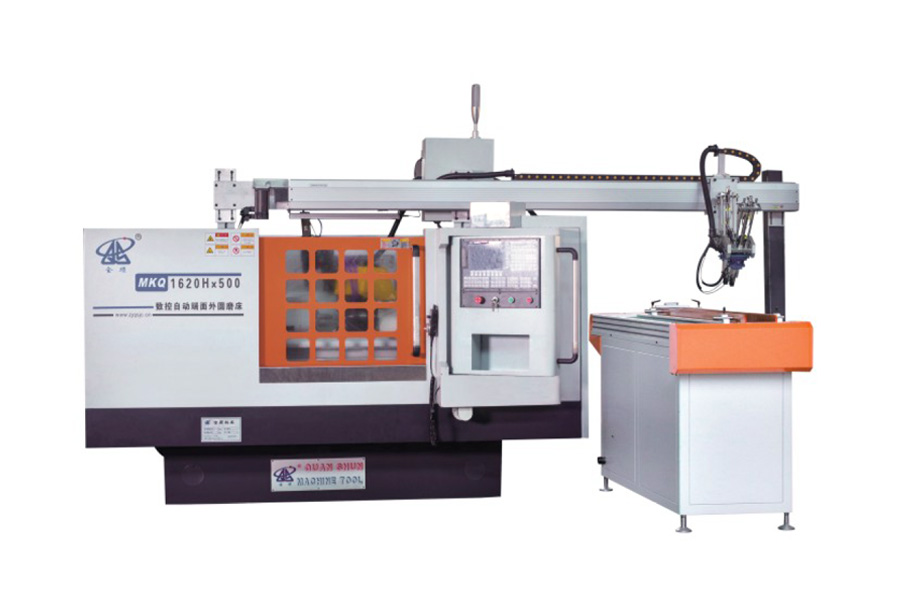
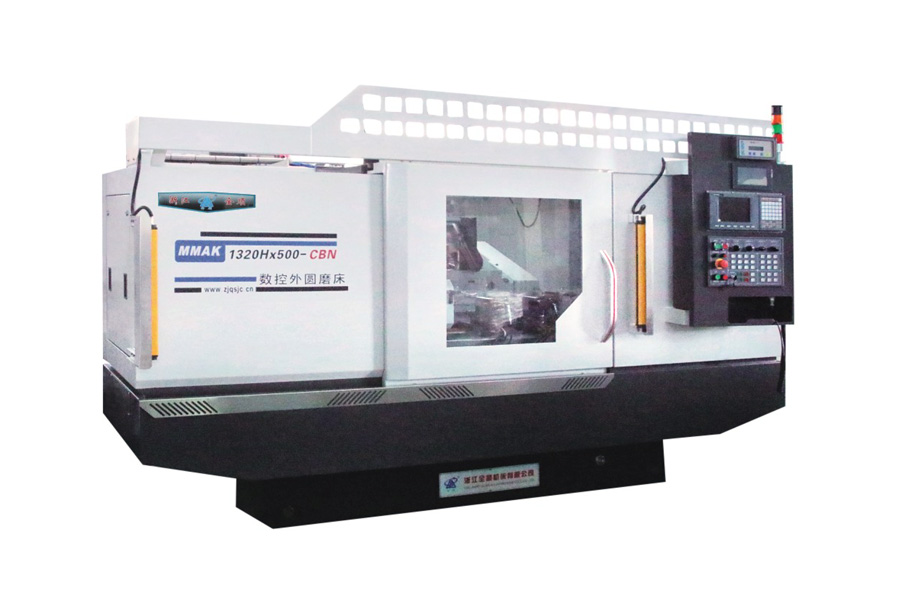
If lights-out grinding is the goal, monitoring must be tied to loading, part transfer, and wheel breakage detection. An automatic CNC cylindrical grinding machine with integrated loading can use monitoring interlocks to stop the cell before a broken wheel or missing part becomes a crash.
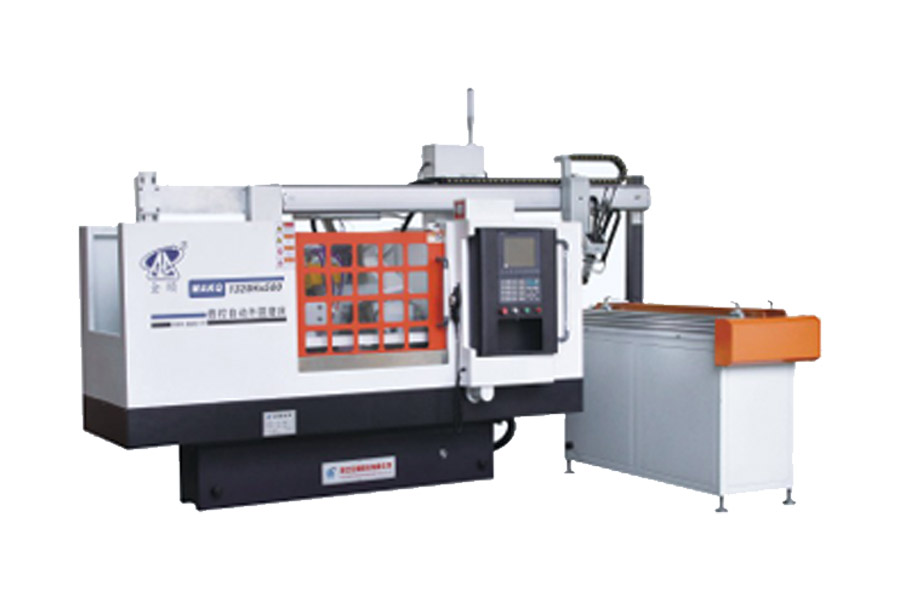 Automatic CNC Cylindrical Grinding MachineThree batch-production models handle Φ8–Φ320 mm workpieces; automatic grinding suits monitoring interlocks for loading, transfer, and wheel-breakage checks.View Product →
Procurement Risks and Contract Details
Most disputes come from a vague scope. “Monitoring system” can mean software only, sensors only, or a turnkey installation. Put the following in the purchase order: sensor list and mounting locations, gateway and network hardware, software licenses, commissioning, training, acceptance tests, data export format, warranty, and response time.
Also define what the system must not do. It should not create a new data silo, require an open inbound internet connection, or depend on one engineer’s laptop. Ask for a nuisance-alarm target during the pilot and a process for tuning after handover. If the vendor cannot explain how a threshold is set from a part drawing and a wheel specification, the project is likely to become a charting exercise.
Where Monitoring Fits in a Grinding Investment
For a grinding-focused plant, the best time to specify monitoring is during machine purchase, not after the first scrap event. The machine builder knows where the wheelhead, coolant nozzle, dressing unit, and loading device sit, and can define sensor locations and alarm logic during build. That is more reliable than clamping a vibration sensor to a convenient cover after installation.
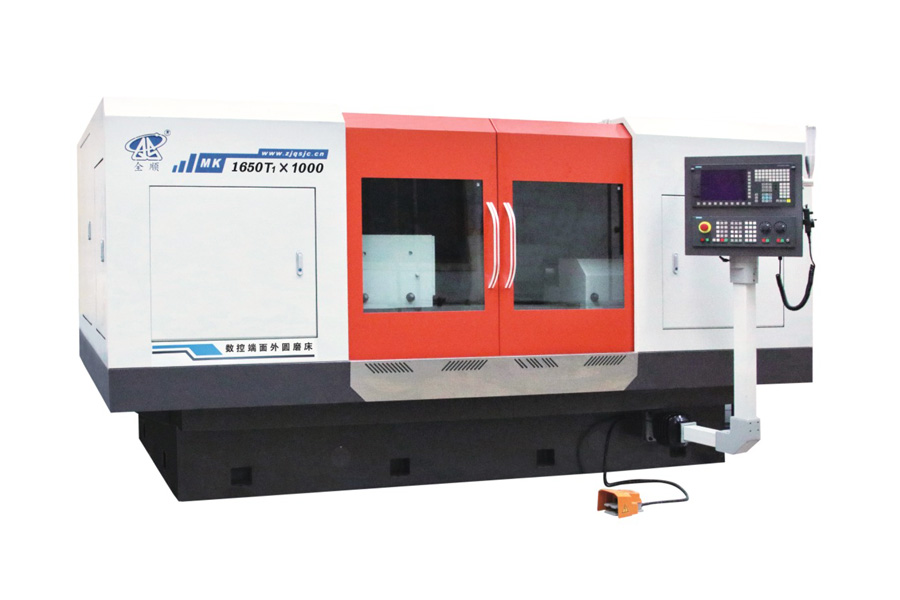
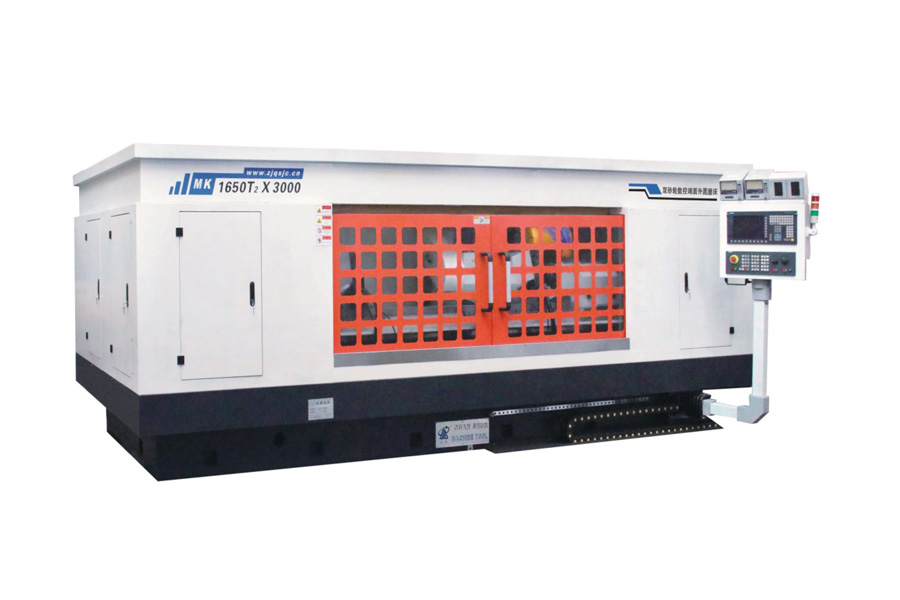
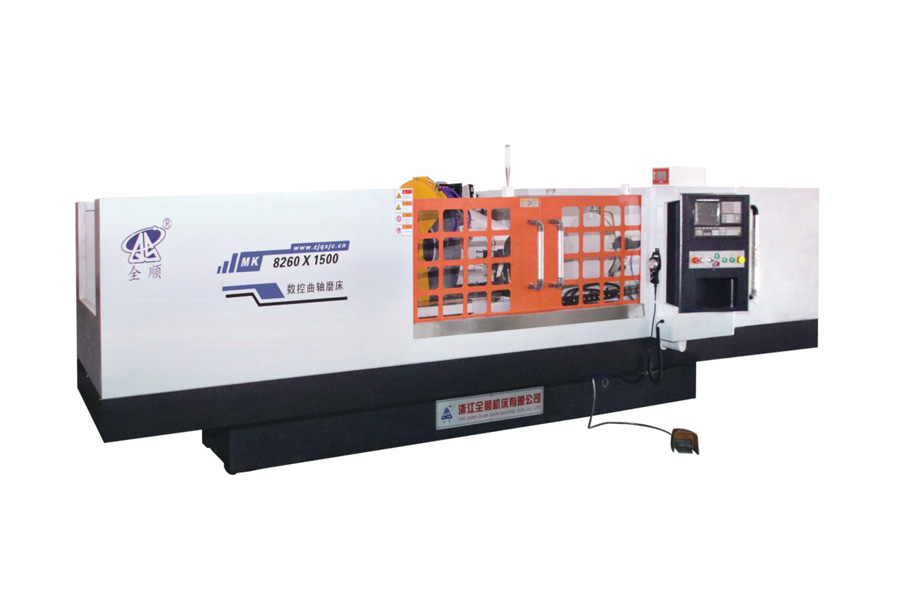
Zhejiang Quanshun Machine Tool Co., Ltd. builds CNC cylindrical, face-and-cylindrical, centerless, crankshaft, compound, and custom grinding machines, including automated loading configurations. That range does not replace a monitoring strategy, but it gives a buyer a practical starting point: match the grinder to the part, confirm the data the controller can expose, and add monitoring where the process has the most to lose. The result should be fewer surprises at the gauge, not more screens in the office.