0086-15068518279 (Chinese)/001-5416026691 (English)



 EN
 中文简体
Content
- 1 The Short Answer: Diameter Moves the Job Into a Different Machine Class
- 2 Why a Large Roll Grinds Differently
- 3 The Measurements That Decide Acceptance
- 4 Setup Checks That Get Skipped on Heavy Work
- 5 Machine Features Worth Paying For on Long, Heavy Work
- 6 Specifying Large Diameter Roll Grinding Capacity
A 1,200 mm forged roll comes off the grinder with 0.04 mm of taper across 4 m, and the first reaction is to blame the wheel or the operator. On work that size, the machine decides the outcome long before the handwheel does: bed stiffness, wheelhead power, steady rest pressure and thermal stability set the floor on what any operator can achieve. Large diameter roll grinding is a machine-class decision first and a cutting-parameter decision second.
What follows is the practical order of checks used in roll shops: how roll size maps to machine class, which features actually carry the tolerance, which measurements prove the result on a part nobody wants to re-chuck, and where a standard cylindrical grinder runs out of headroom.
The Short Answer: Diameter Moves the Job Into a Different Machine Class
A 400 mm diameter roll under a tonne is routine work for a standard CNC cylindrical grinder with a 600 mm wheel. Once the roll passes roughly 600 mm in diameter or 3 m between centres, the machine has to be proportioned for the load rather than adapted to it. Swing, centre distance, tailstock thrust and guideway load rating all need margin, and the wheelhead needs enough width and drive power to work a long contact arc without burning.
| Roll outside diameter | Roll length | Roll weight | What the machine needs |
|---|---|---|---|
| Up to 400 mm | Up to 1,500 mm | Under 1 t | Standard CNC cylindrical grinder, 600 mm wheel, two-point support |
| 400–800 mm | 1,500–4,000 mm | 1–5 t | Larger swing and centre distance, heavier tailstock, one or two steady rests |
| 800–1,600 mm | 3,000–8,000 mm | 5–25 t | Wide bed, high-power wheelhead, crown generation, coolant temperature control |
| Above 1,600 mm | Above 8,000 mm | Above 25 t | Purpose-built roll grinder, foundation design, crane and rigging plan |
Published capacities for roll grinders in this class commonly run from about 150 mm to 1,600 mm in diameter, 1 m to 12 m in length and 5 t to 50 t in workpiece weight, which shows how wide the word "large" really is. The useful question is not whether a machine is big, but whether it is big for your heaviest roll with 15–20% capacity left in reserve.
Why a Large Roll Grinds Differently
A long contact arc turns into heat
The arc of contact between wheel and work grows with the square root of the work diameter, so a 1,000 mm roll presents a far longer arc than a 100 mm shaft at the same infeed. That arc spreads grinding force across more grits, which sounds helpful, but it also traps coolant and heat in a shallow zone near the exit side. Burn marks, chatter and an unpredictable finish are the usual results. Wider wheels, softer grade, higher coolant flow and extra spark-out passes are the practical answers; simply slowing the wheelhead is not.
Deflection moves the error into the profile
A 6 m roll weighing 12 t deflects under its own weight even when it sits between centres. Add a steady rest and the deflection curve changes again as the wheel passes the support point. Where steady rest pressure is set by feel, the roll is ground to a shape that depends on where the wheel happened to be. Machines built for this work use steady rests with independent, repeatable pressure control, and the setup is checked with an indicator before the first pass rather than after the last.
Thermal drift decides the last 0.01 mm
A grinder that has run for two hours is not the same machine that started the shift. Spindle, hydraulic tank and coolant warm at different rates, and on a large roll the effect is measurable: steel grows about 11 µm per metre for each 1 °C, so a 5 °C drift in coolant is a 55 µm error on a 1 m diameter. Coolant reservoirs sized for the heat load, temperature control and a fixed warm-up routine matter more here than spindle speed.
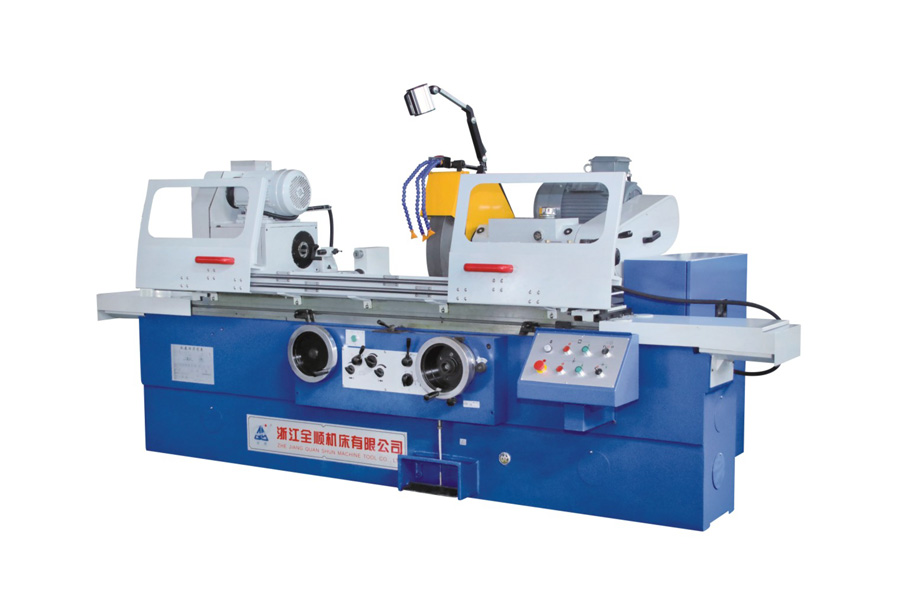
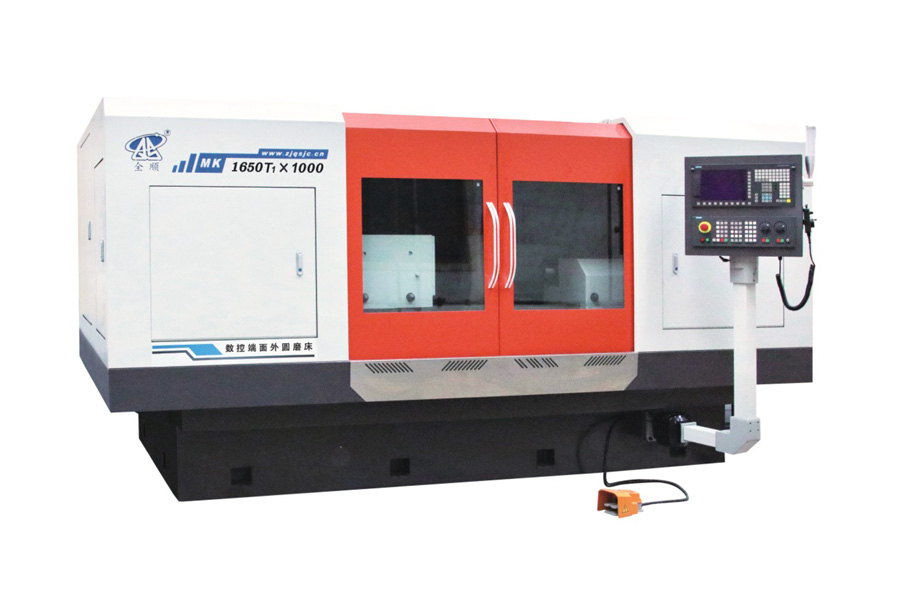
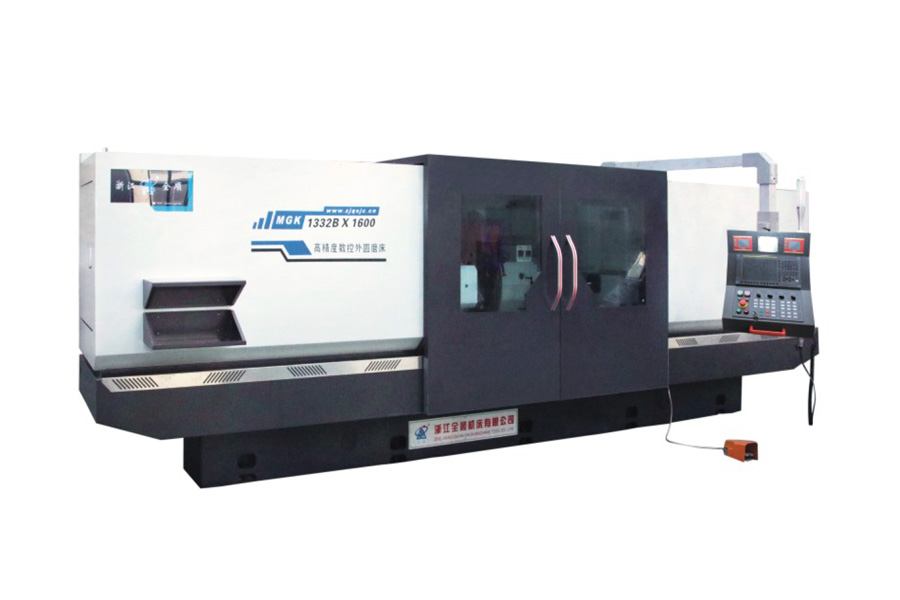
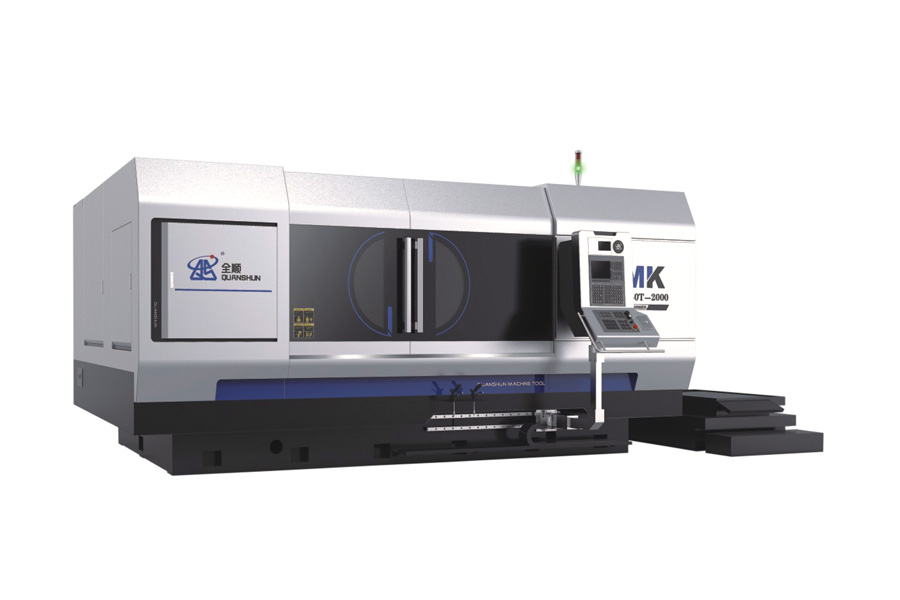
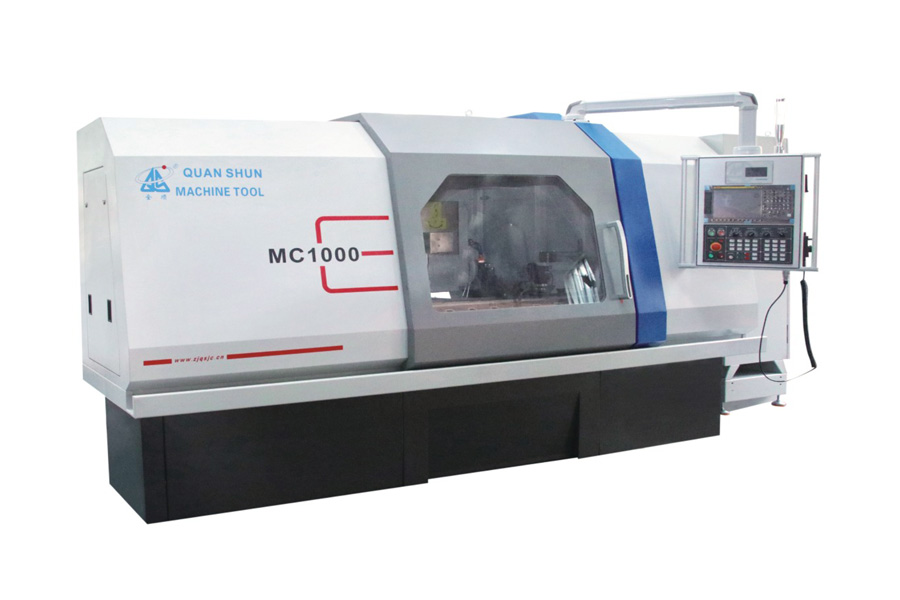
It pays to read the machine structure rather than only the control: bed mass, guideway type and how the wheelhead is supported through a long traverse. A high-precision CNC cylindrical grinder built for heavy work shows those choices in the casting and the slideways, not in the headline specification.
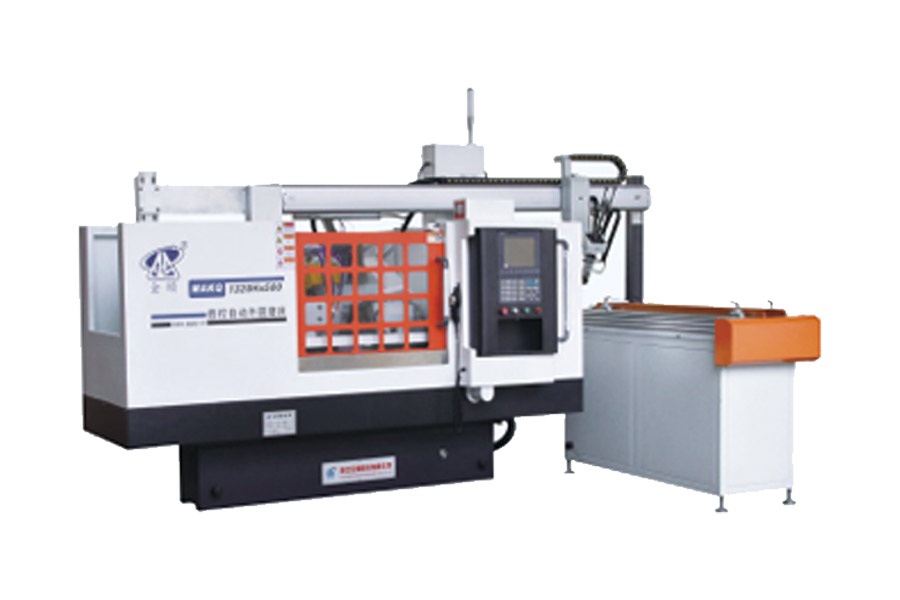
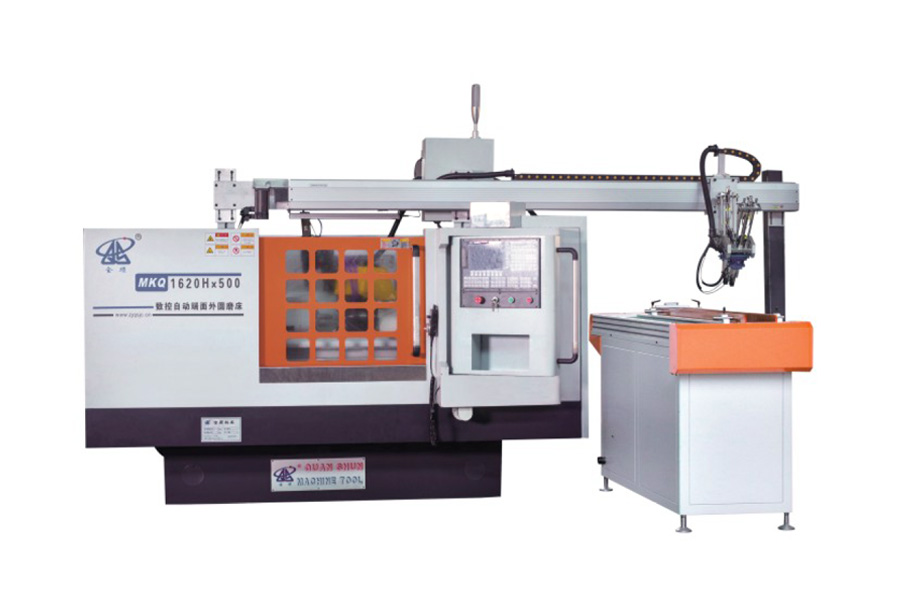
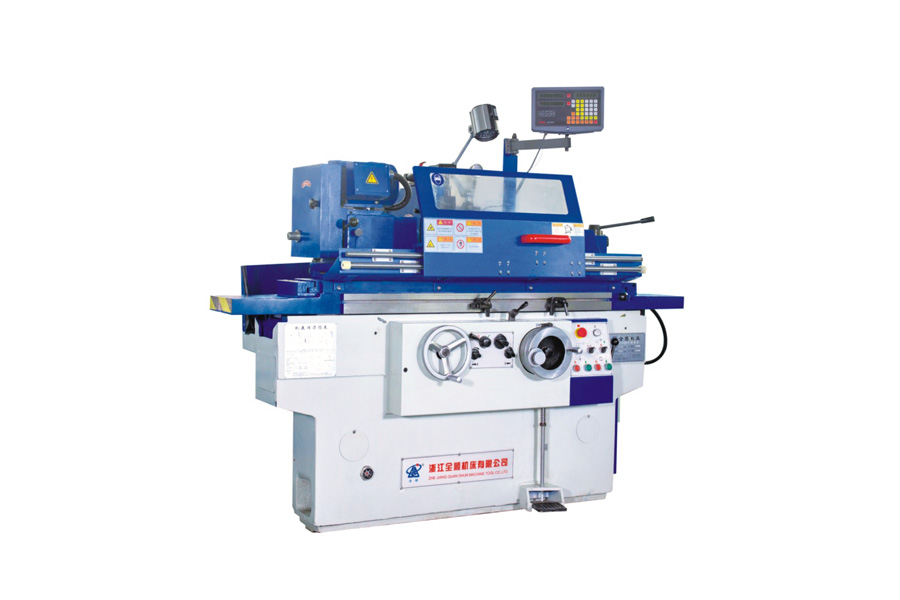
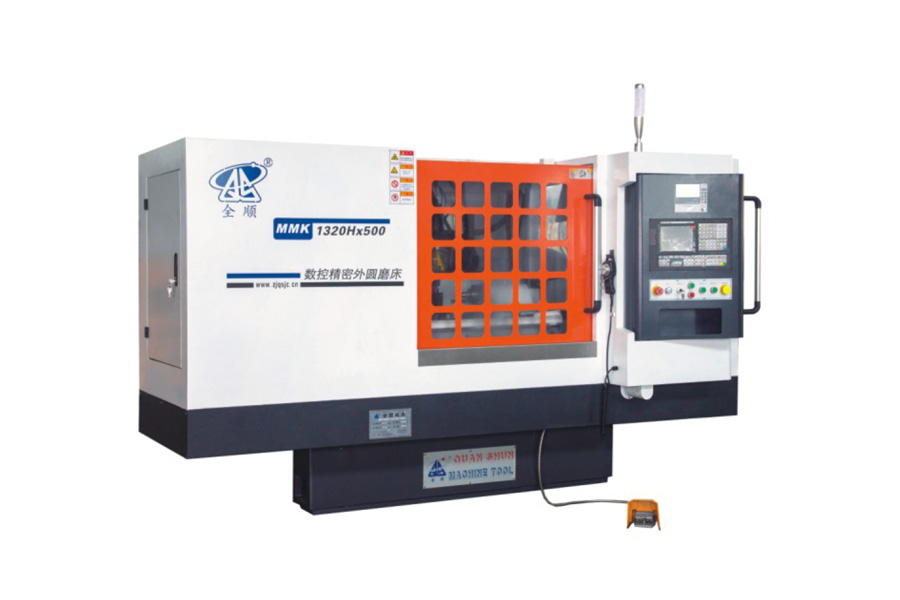
 High Precision CNC Cylindrical Grinding MachineA heavy-duty grinding platform with ribbed Meehanite bed, precision feed system, and conversational CNC for accurate shafts and multi-step components.View Product →
The Measurements That Decide Acceptance
Four numbers settle whether a roll is accepted: taper along the length, roundness, crown (or the dressed profile) and surface finish. Typical acceptance bands for a large steel roll sit around 0.005–0.01 mm of taper over full length, 0.003–0.005 mm of roundness, crown between 0.01 mm and 0.08 mm depending on service, and Ra 0.2–0.4 µm.
Measurement deserves as much attention as grinding. On a 1,000 mm diameter roll, 0.01 mm is ten parts per million, so a micrometer held by hand on a warm surface can read more error than the machine produced. Measure at several stations with the part and the gauge at the same temperature, and log shop temperature for each roll. Where volume justifies it, in-process gauging takes the last few hundredths out of human hands.
Crown is the quieter requirement. If the machine dresses a straight wheel and the roll needs convexity, someone ends up polishing the shape in by hand, and repeatability disappears. The choice between straight and formed grinding depends on whether the machine can dress a profile and repeat it roll after roll; our note on tight-tolerance roll grinding and CNC machine selection covers that trade-off in more detail.
Setup Checks That Get Skipped on Heavy Work
- Centre holes: a 60° centre hole that is scored, oval or dry transfers its error straight into the profile. Lap it, check contact with blue and use the correct lubricant.
- Lifting and support: soft slings at the journals, and set the roll on V-blocks rather than flat ground. A heavy roll left on a flat surface picks up flats that appear later as roundness error.
- Steady rest pads: check contact with a feeler gauge or blue. A pad touching on one edge acts as a single-point support and pushes the roll off centre.
- Wheel balance: rebalance after every dressing on a large wheel. Imbalance at 35 m/s leaves a pattern on the roll that no parameter change will remove.
- Coolant aim: direct the nozzle at the exit side of the contact arc, where heat leaves with the chip, and verify flow before the first pass.
- First-article check: grind one roll, measure it fully, then release the batch.
Machine Features Worth Paying For on Long, Heavy Work
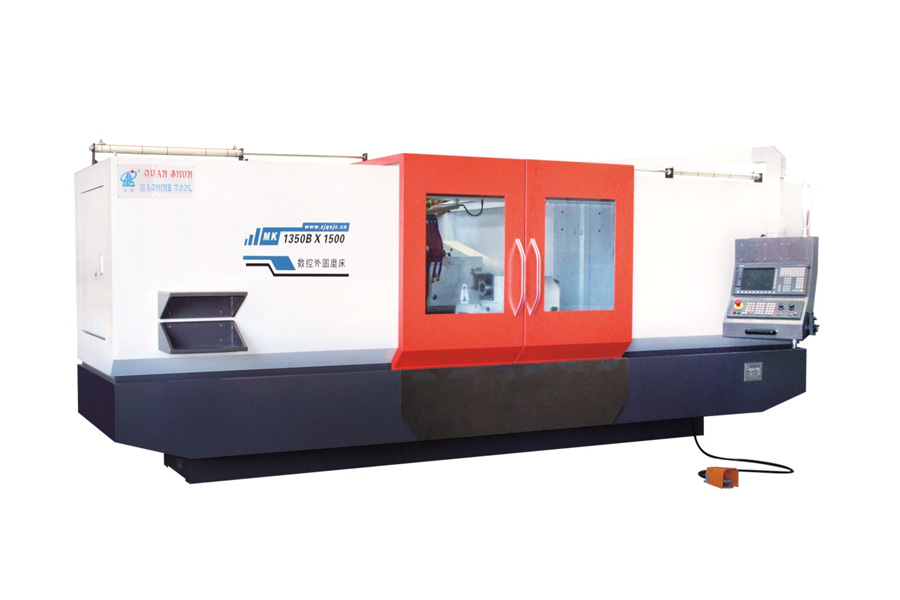
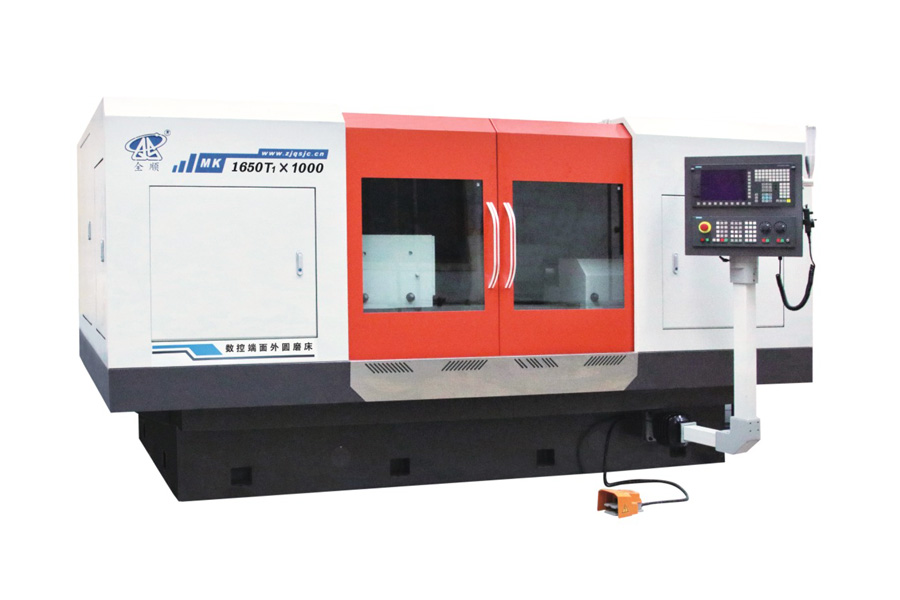
Wheelhead travel matters as much as wheelhead power. On a long roll, a machine with a mobile wheelhead can traverse the full length with a shorter, stiffer slide path, which keeps the wheel in contact where a fixed structure would lose stiffness at the ends of the bed.
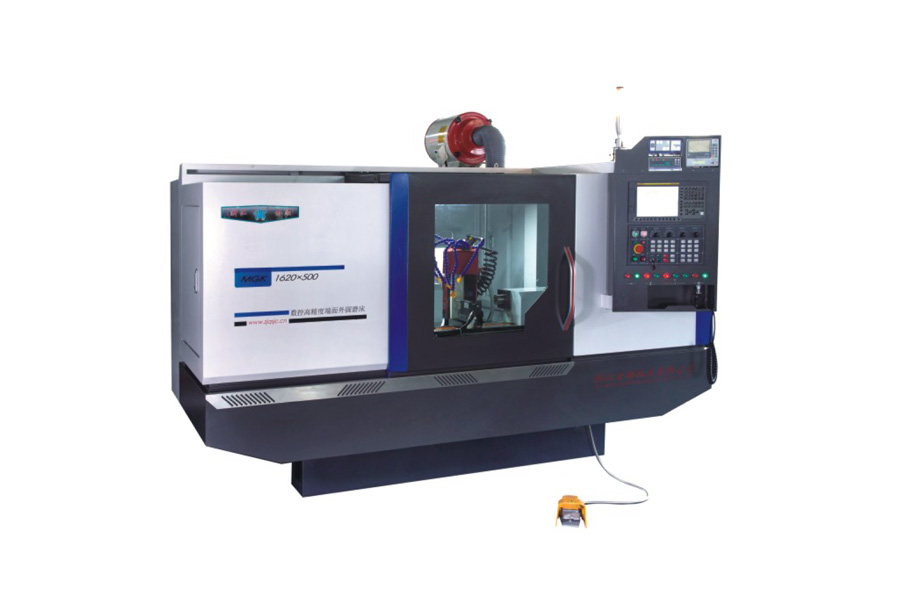
 CNC Cylindrical Grinding Machine with Mobile Wheel HeadA mobile-wheelhead grinder for long or stepped shafts, offering multi-axis CNC movement, automatic dressing, and stable precision across multiple grinding zones.View Product →
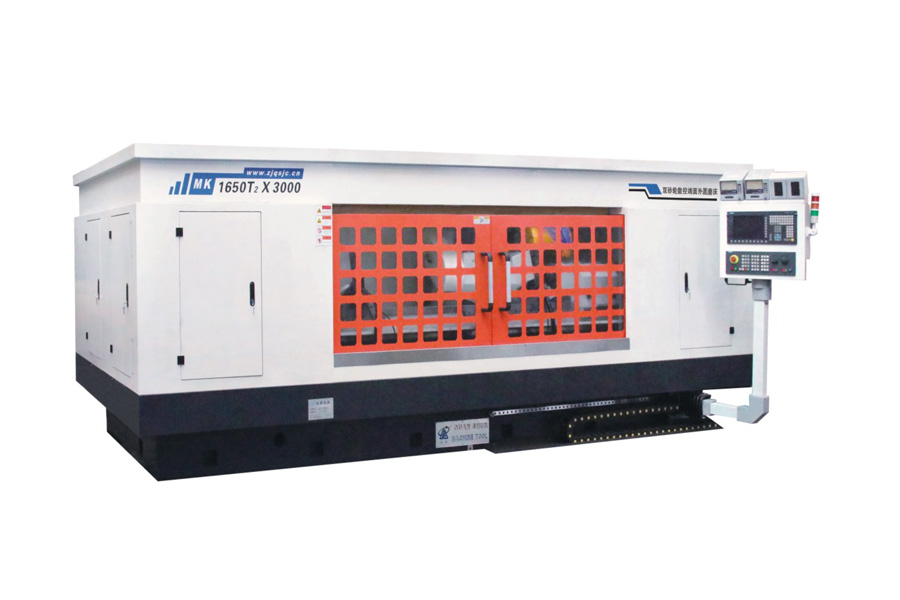
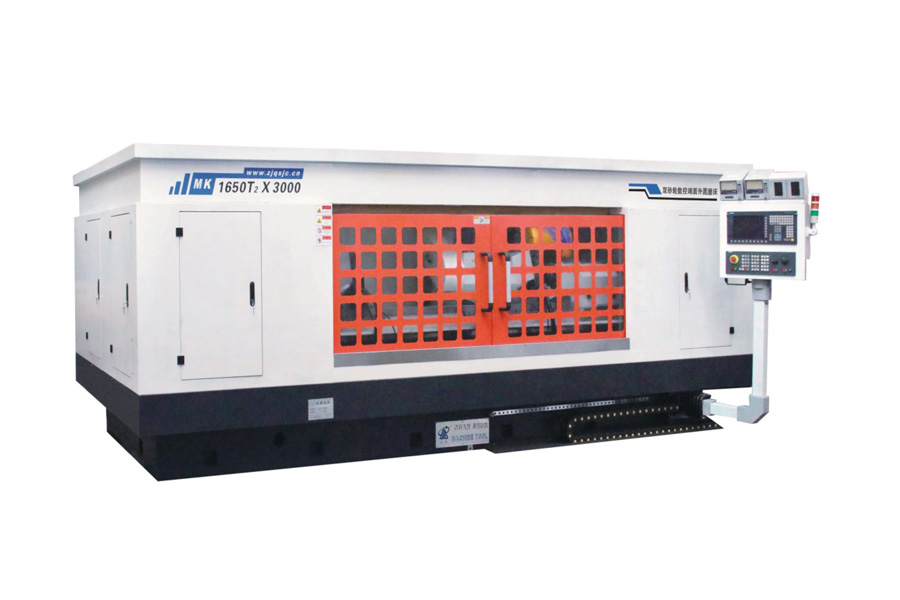
Where a roll needs heavy stock removal followed by a fine finish, a double wheelhead arrangement lets roughing and finishing happen in one clamping. That removes a re-chucking cycle on a part that weighs more than the crane load chart likes to admit, and it removes the alignment error that comes with it.
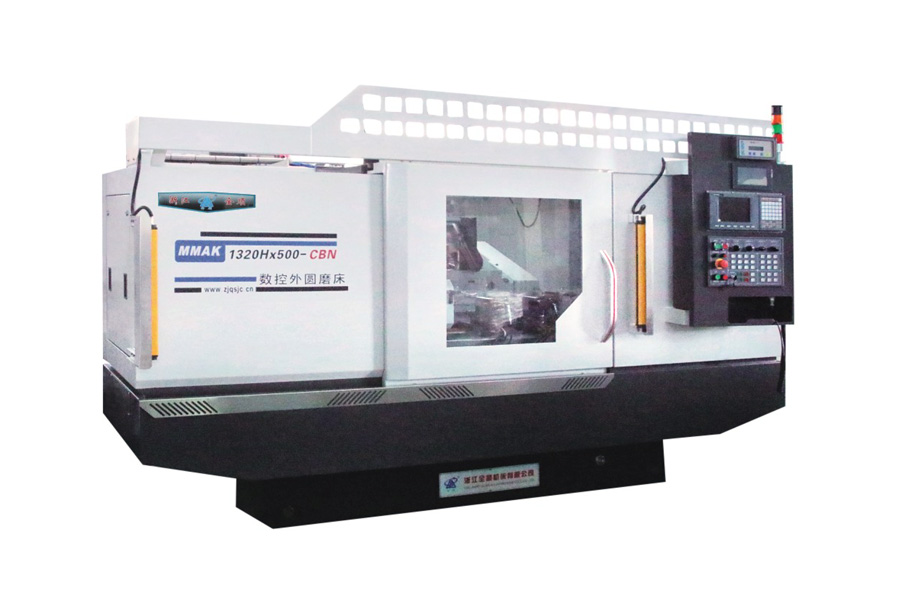
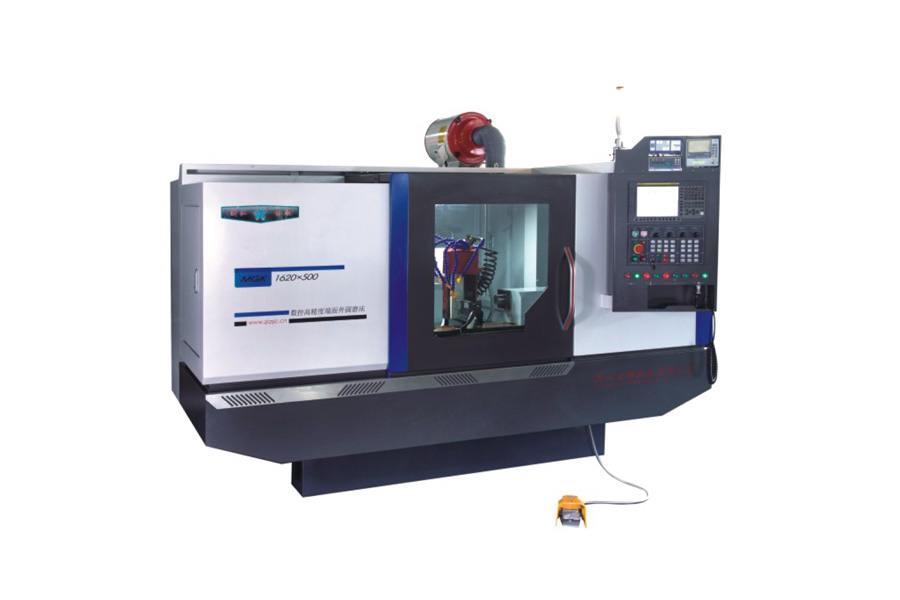
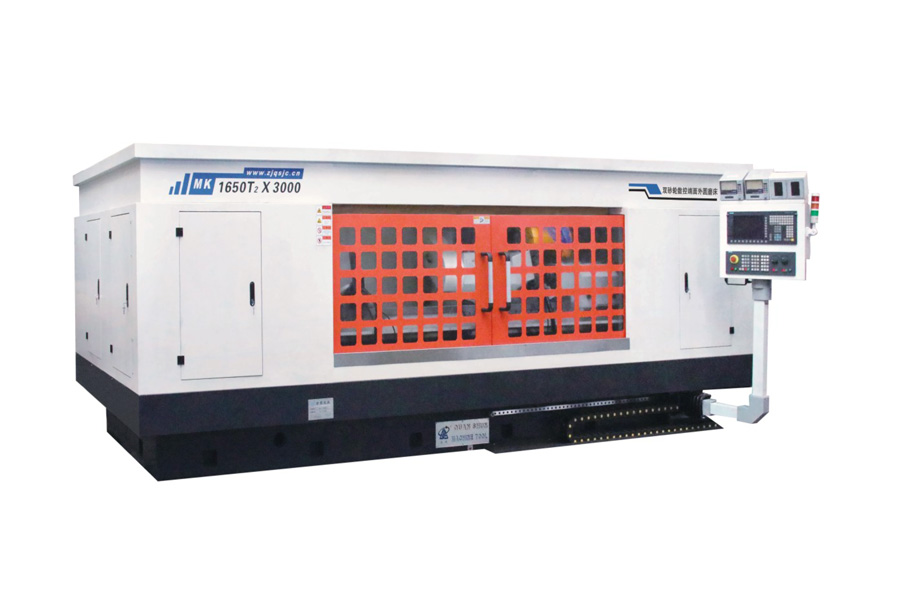 Double Wheelhead CNC Cylindrical Grinding MachineTwo independent wheelheads enable roughing and finishing in one clamping, reducing re-chucking and concentricity errors on multi-step, high-volume precision parts.View Product →
Beyond the wheelhead, three details deserve a place on the specification sheet: guideway type and its load rating at full roll weight, coolant tank volume and temperature stability, and whether the steady rests are sized for the heaviest roll rather than the nominal one.
Specifying Large Diameter Roll Grinding Capacity
When comparing quotations, ask for these figures in writing rather than in a general brochure:
- Maximum swing over bed and over table
- Distance between centres with the tailstock fully retracted
- Maximum workpiece weight between centres, and again with steady rests fitted
- Wheel diameter, width, bore and drive power
- Guideway type and rated load at full roll weight
- Number of steady rests and how their pressure is controlled
- Crown or profile dressing method, and whether the form is generated or dressed
- In-process or post-process gauging, and its resolution
- Coolant capacity, filtration and temperature stability
- Foundation, isolation and crane requirements for the largest roll
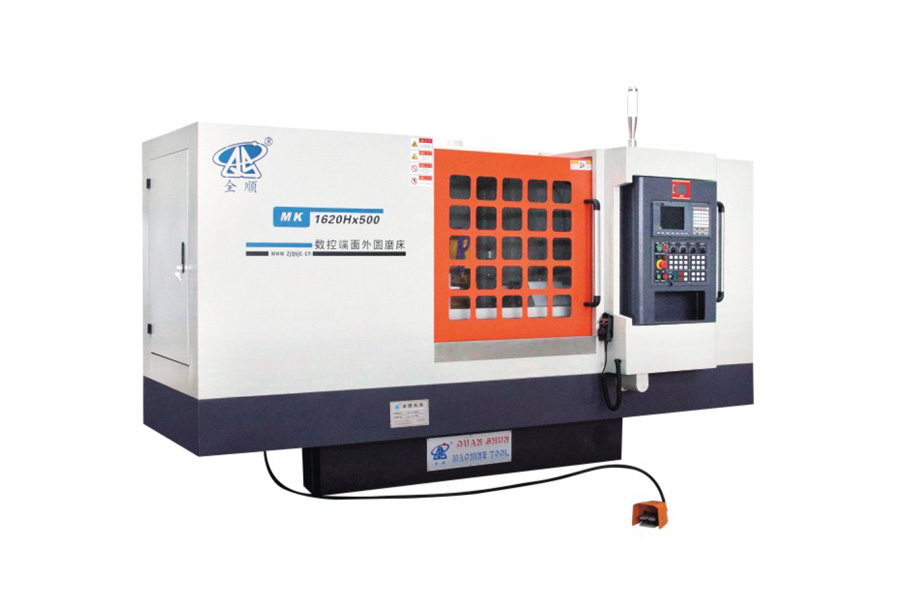
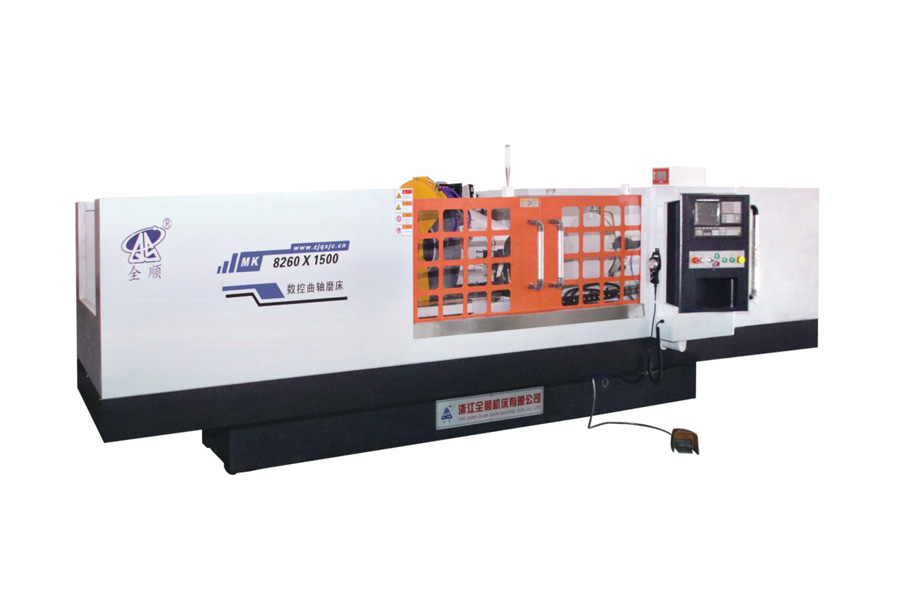
Where the work sits outside catalogue sizes, a custom machine line closes the gap between a standard platform and the roll in front of you. A cylindrical grinding machine for large calibres is laid out around the swing, weight and steady rest count the part demands, instead of stretching a standard design until the bed flexes.
The working rule is simple: size the machine to the largest roll you expect in the next five years, insist on a witnessed acceptance test on a part shaped like your own work, and verify taper, roundness, crown and finish at the part's normal temperature. Control brand, wheel supplier and options list are all easier to change later than bed stiffness and swing.