0086-15068518279 (Chinese)/001-5416026691 (English)



 EN
 中文简体
Content
Put the Wheel and Guard First
A 300 mm vitrified wheel running at 35 m/s carries enough energy to send fragments across a shop if a flange cracks or the wheel is mounted on a spindle above its marked speed. Grinding safety is a containment problem before it is a technique problem. The guard, flanges, spindle speed, and mounting practice have to work together; good operator technique cannot compensate for a broken wheel or a missing guard.
Start with the wheel record. Check the marked maximum speed against the spindle speed, confirm the wheel dimensions and mounting hole, and inspect for cracks, chips, or evidence of coolant damage. Never alter the mounting hole or force a wheel onto a spindle. Use the correct flanges and blotter arrangement, tighten to the manufacturer’s specification, and let the wheel run inside the guard before dressing or grinding. A wheel that looks sound is not proof of safety; the written speed rating, correct mounting, and a properly adjusted guard are the evidence that matters.
Guard the Machine Around the Work
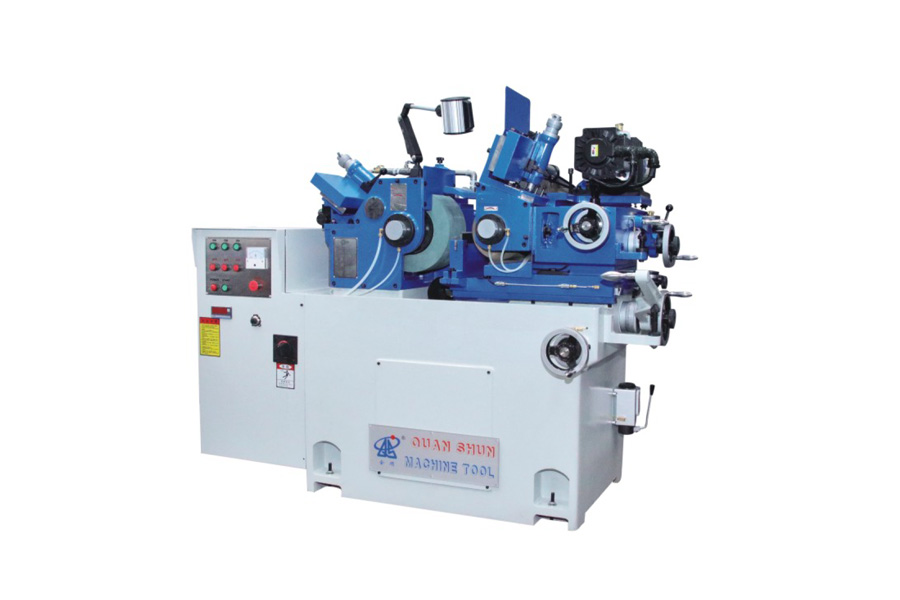
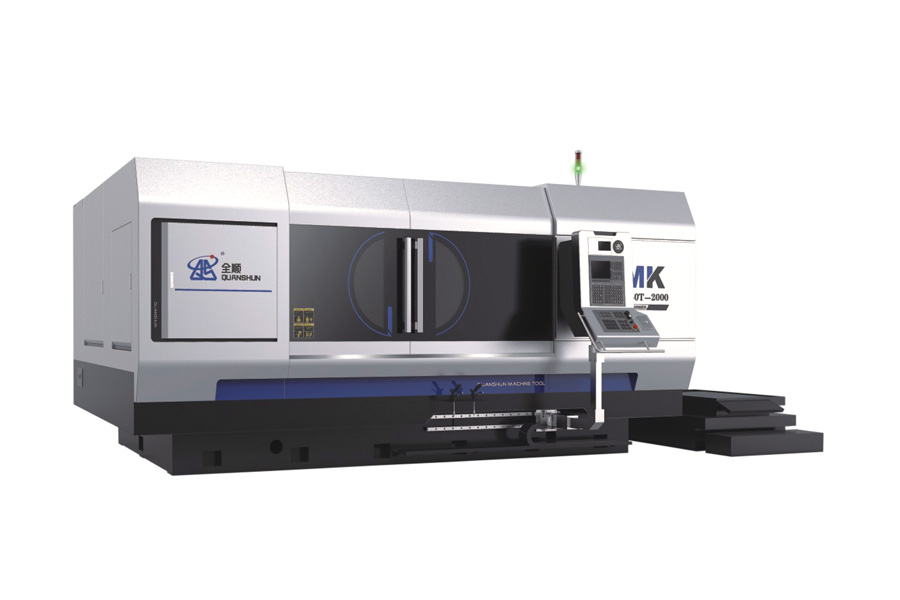
On a pedestal or bench grinder, the wheel guard, adjustable tongue guard, and work rest are not accessories. They control the gap around the rotating wheel and limit where fragments can travel. Keep the work rest close to the wheel as it wears, and adjust the tongue guard for the wheel size. On a cylindrical grinder, the wheel guard and workhead enclosure protect the operator from a burst wheel, coolant spray, and ejected chips. Interlocked doors should stop spindle motion before the operator can reach the wheel.
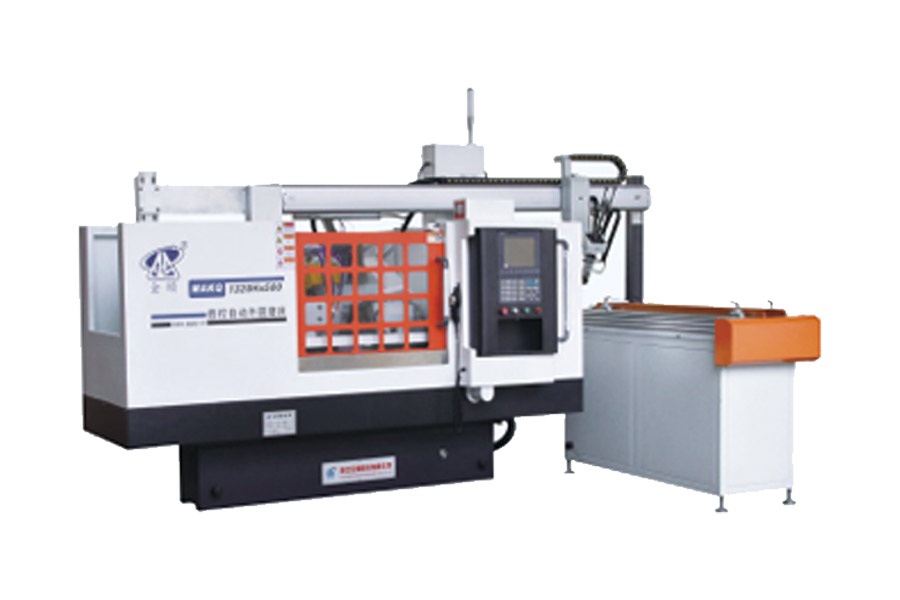
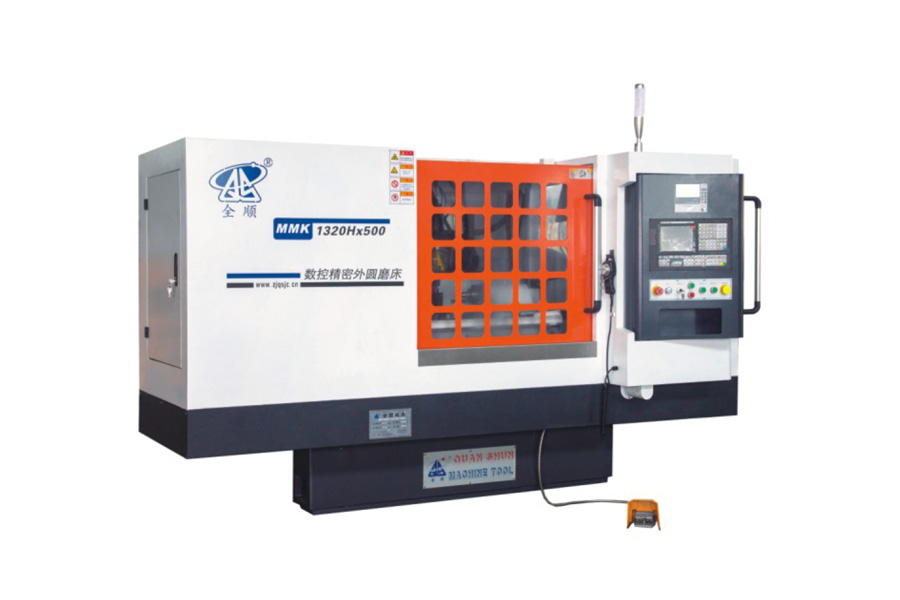
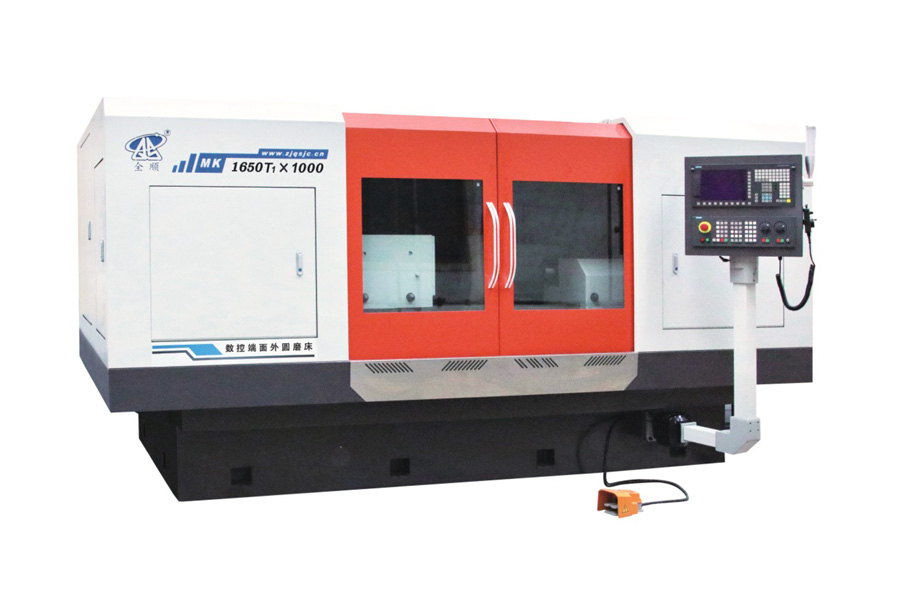
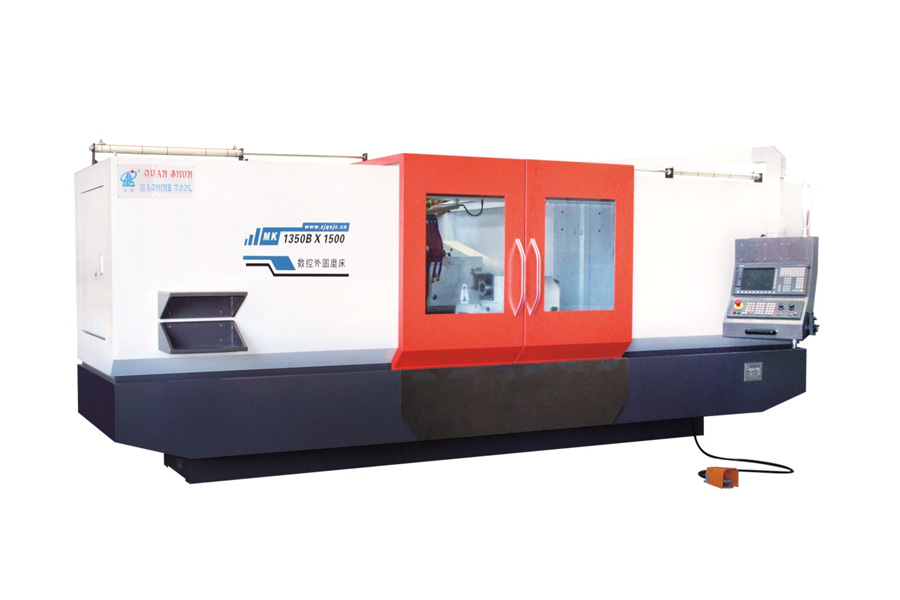
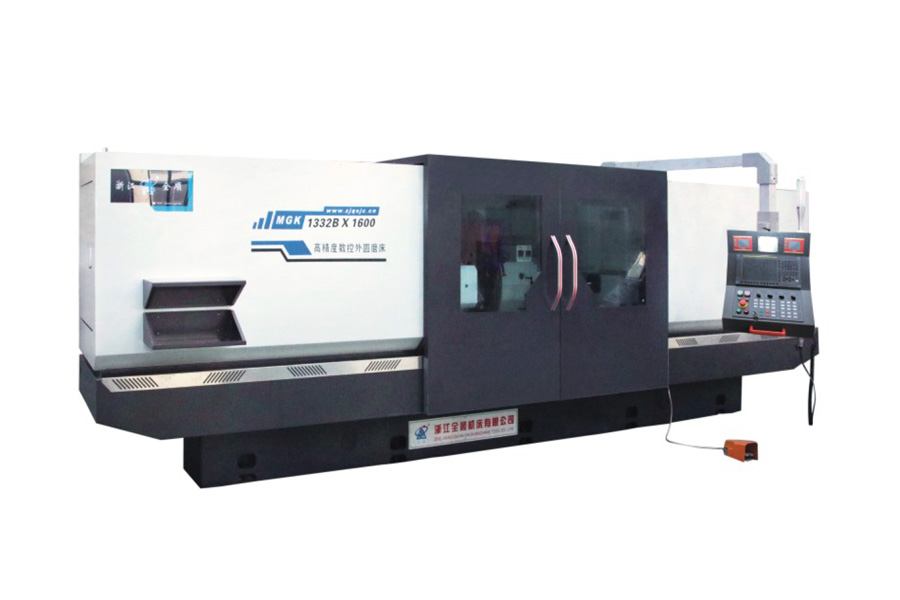
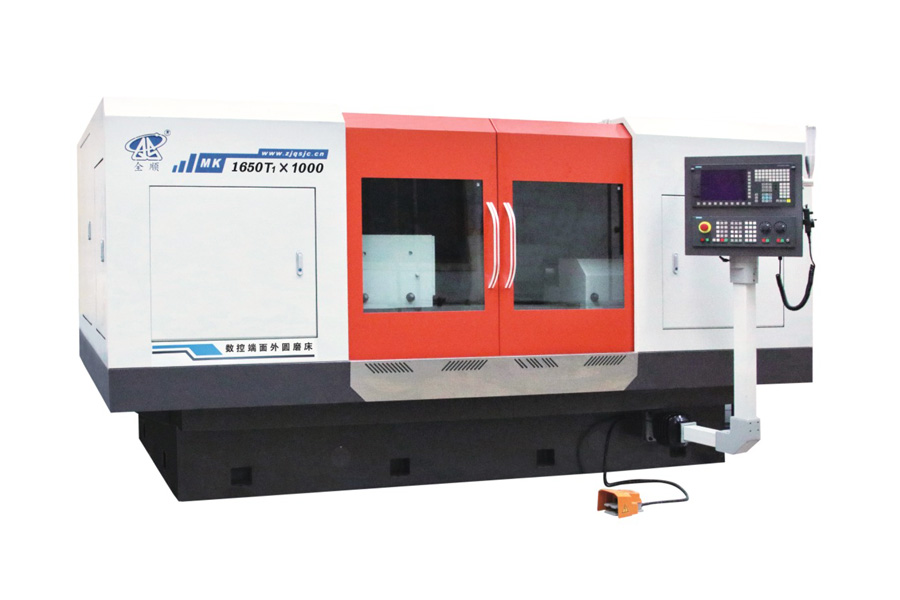
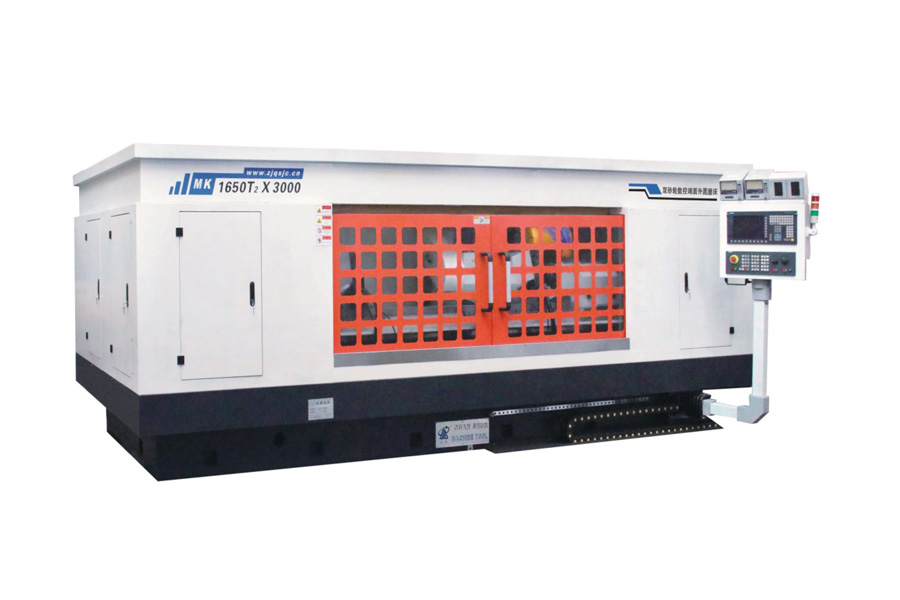
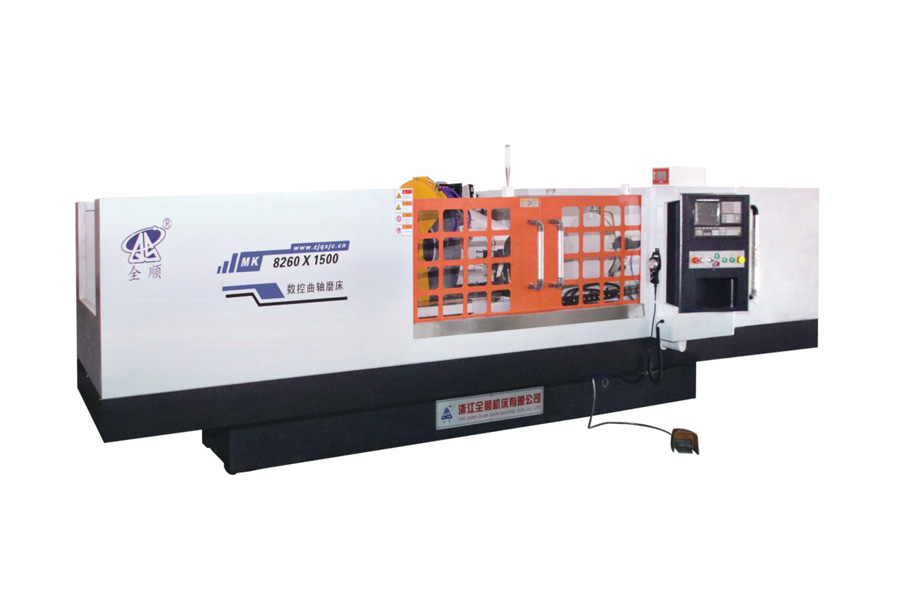
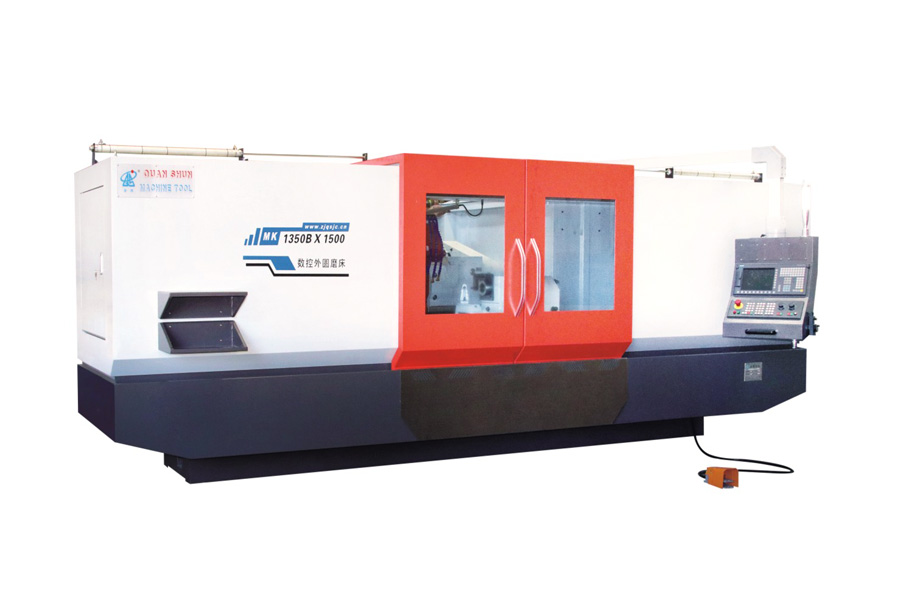 MK/MAK Series CNC Cylindrical Grinding MachinesSeven model groups cover shaft-type and cylindrical workpieces from Φ8 to Φ500 mm; compare capacities before asking about guard and interlock details.View Product →
For CNC machines, ask how the control responds to wheel breakage, loss of coolant, or an open door during cycle. A door switch that only signals the PLC but does not stop the spindle is not a guard; it is a warning. Emergency stops should be reachable from the load station, and the automatic cycle should not restart until the fault is cleared and the wheel area is inspected.
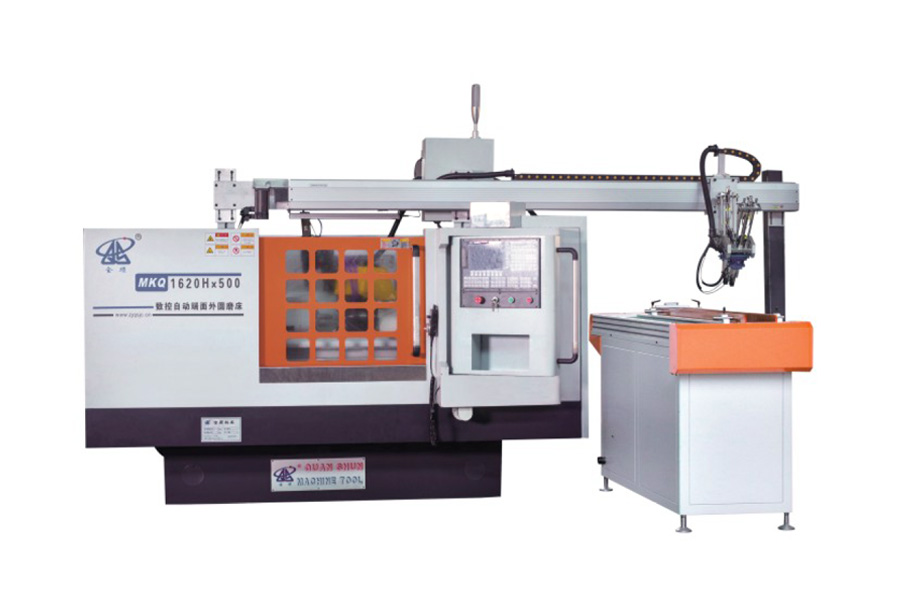
Automatic loading adds a second hazard: the robot or gantry can move while the operator is still checking the workpiece. The safety concept must cover the entire cell, not just the grinder. Ask for the cell risk assessment, the interlock matrix, the light curtain or area scanner layout, and the recovery procedure after a jam. If the loading device can reach the operator’s side of the guard, the guard design is incomplete.
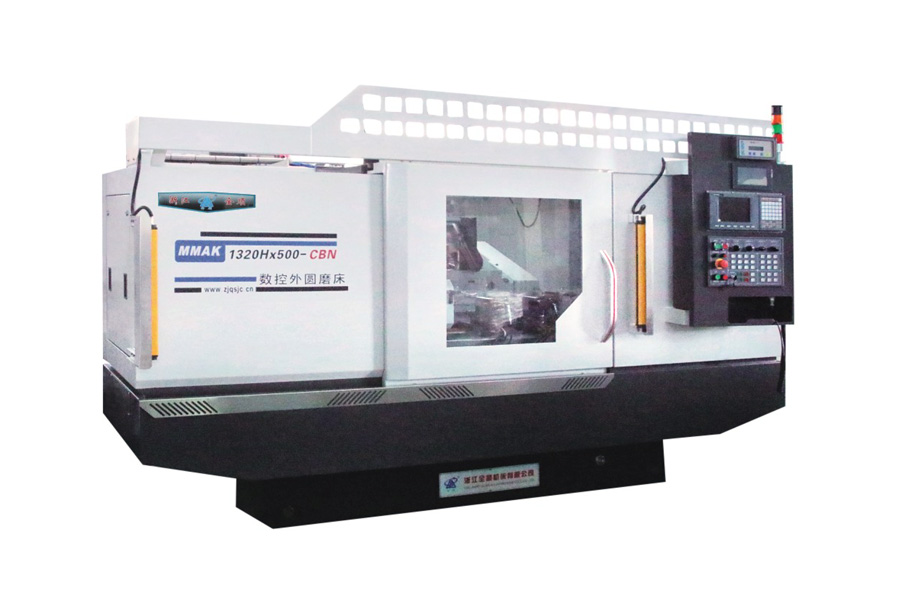
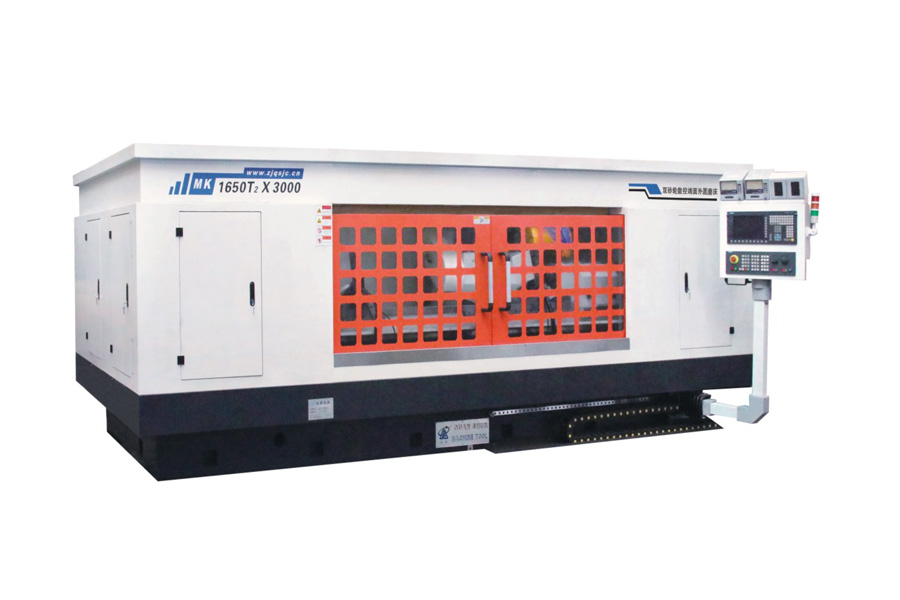
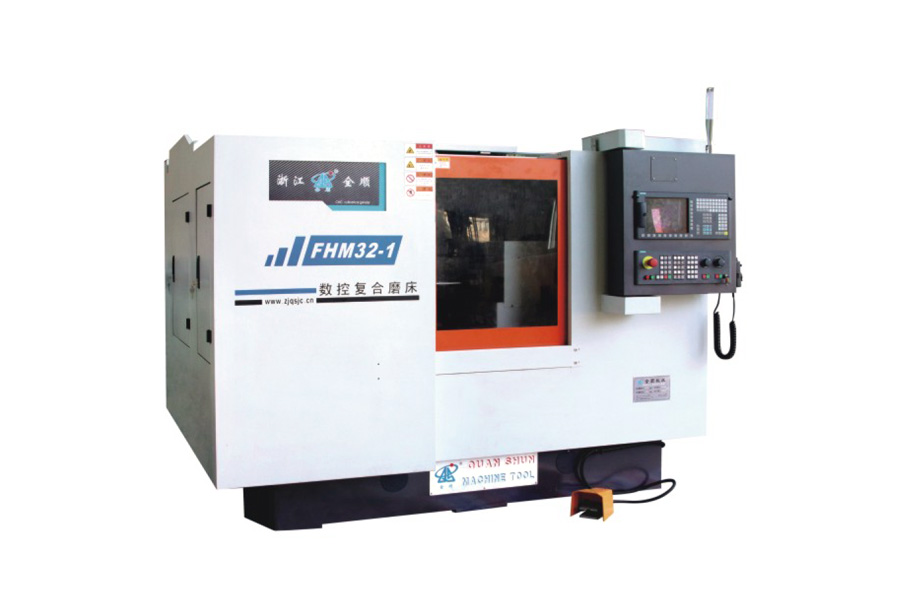
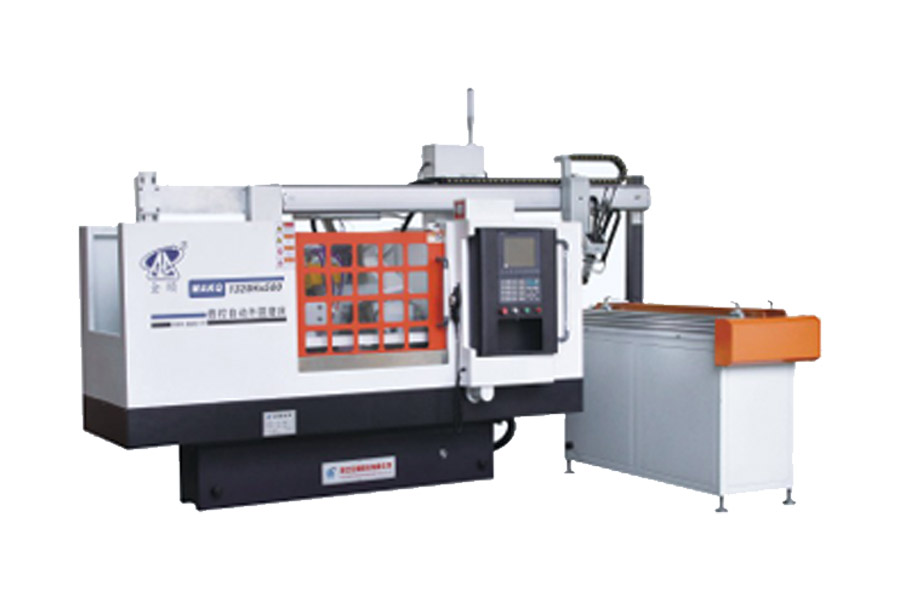 Automatic CNC Cylindrical Grinding MachineThree models handle Φ8–Φ320 mm shaft workpieces with automatic grinding; when automated loading is considered, check cell safety and interlocks.View Product →
Control Dust, Mist, Noise, and Heat
Grinding produces fine metal particles, abrasive dust, coolant mist, and noise. Eye protection alone is not enough when a face shield is specified; wear safety glasses under the face shield if the risk assessment calls for it. Use hearing protection where the measured exposure requires it, and use respiratory protection with local exhaust ventilation rather than relying on general shop air movement. Coolant mist and metal dust can settle on surfaces and become a slip or fire risk, so housekeeping is part of exposure control.
Gloves need a specific check. Loose gloves near a rotating wheel or spindle can catch and pull the hand into the machine. Where gloves are required for workpiece handling, choose a close fit and keep them away from rotating parts; where the machine manufacturer prohibits gloves at the controls, follow that rule. Coolant should be mixed, monitored, and changed according to the supplier’s instructions to reduce skin irritation and microbial growth. Sparks from dry grinding or dressing need a clear area, no combustible dust accumulation, and a hot work permit where the site requires one.
Hold the Work, Dress the Wheel, and Keep Hands Clear
Most serious grinding injuries happen when the work moves, the wheel grabs, or the operator reaches into a running machine. Clamp or chuck the workpiece securely, use the correct centers and steady rests for cylindrical work, and check that the wheel can clear the flanges, guards, and coolant nozzle through the full cycle. On a cylindrical grinder, balance the wheel, dress it with the correct tool, and keep the dressing feed and speed within the machine and wheel manufacturer’s range. Do not grind on the side of a wheel unless the wheel and machine are intended for that use.
Set the work rest or steady rest before the wheel is brought into contact, and keep hands outside the guarded zone while the spindle turns. If a wheel starts to vibrate, smell hot, or show a changed spark pattern, stop the cycle and investigate. A small wheel defect can become a burst wheel after a few more passes.
Use a Hazard-to-Control Check
A practical safety check links each hazard to a control and a visible verification point. The table below is a shop-floor prompt, not a substitute for the machine manual, risk assessment, or local regulations.
| Hazard | Primary control | Visible check |
|---|---|---|
| Wheel burst | Rated wheel, correct flanges, enclosed guard | Speed mark matches spindle; guard and tongue guard are secure |
| Entanglement | Close-fitting clothing, no loose gloves near rotating parts, interlocks | Door switch stops spindle; no reach-in gap at the load station |
| Dust and mist | Local exhaust ventilation, coolant control, respiratory protection | Extraction is running; coolant is clean; mist is not escaping the enclosure |
| Noise | Enclosure, hearing protection, exposure monitoring | Hearing protection is worn where the assessment requires it |
| Fire and heat | Housekeeping, hot work permit, spark containment | No combustible dust or oily rags near the grinding zone |
| Ejected workpiece | Secure workholding, correct steady rest, guarded load area | Clamp pressure is verified; workpiece is seated before cycle start |
Train for the Task and Lock Out Before Maintenance
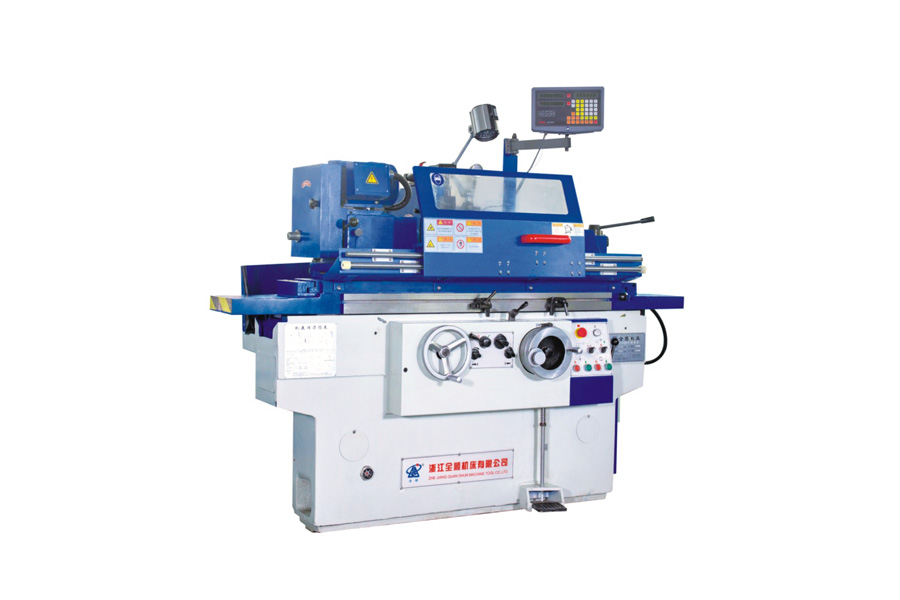
Training should be specific to the machine type: a conventional cylindrical grinder, a CNC grinder, and an automated cell expose the operator to different controls and failure modes. Cover wheel mounting, guard adjustment, coolant checks, emergency stop location, and the rule for stopping the cycle when something changes. New operators should demonstrate the pre-start check, not just read it. The pre-start precautions for conventional grinders are a useful baseline, but the CNC control, door interlocks, and automatic loading sequence need their own task-specific instruction.
Lockout/tagout is required before wheel changes, coolant maintenance, or clearing a jam in the wheel guard. Verify that the spindle has stopped and that stored energy, including hydraulic pressure and gravity-loaded slides, is controlled. Keep a wheel inspection log and a guard adjustment record; these records turn safety from a verbal reminder into a check that can be audited.
What to Ask Before Buying a Safer Grinder
Procurement is where many grinding risks are designed in or left out. Ask for the machine risk assessment, guard drawings, interlock logic, emergency stop locations, noise data, and the procedure for wheel changes. Confirm that the wheel guard is sized for the largest wheel and the highest spindle speed offered, and that the control prevents the spindle from starting with the guard door open. For automated cells, ask for the robot or gantry safety logic, light curtains or area scanners, and the recovery procedure after a fault.
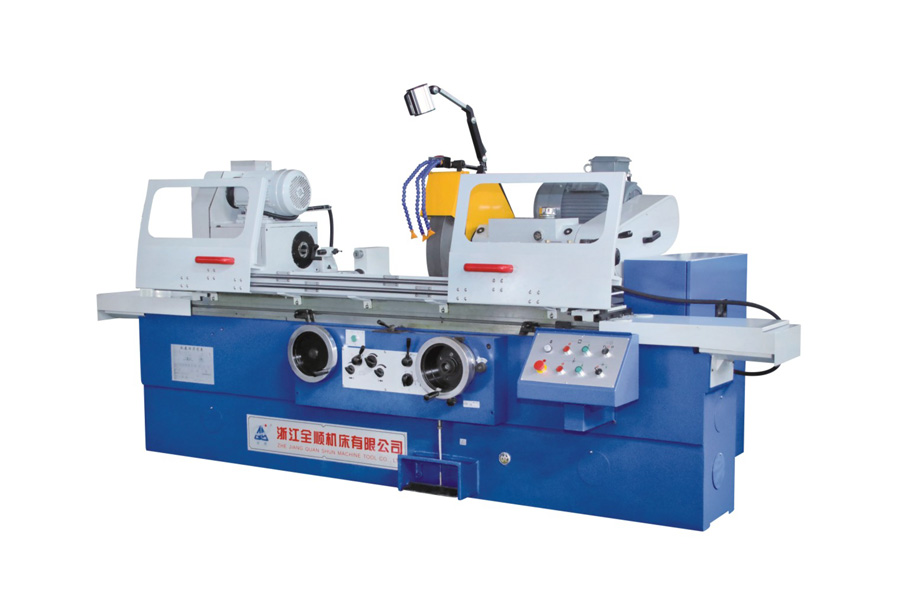
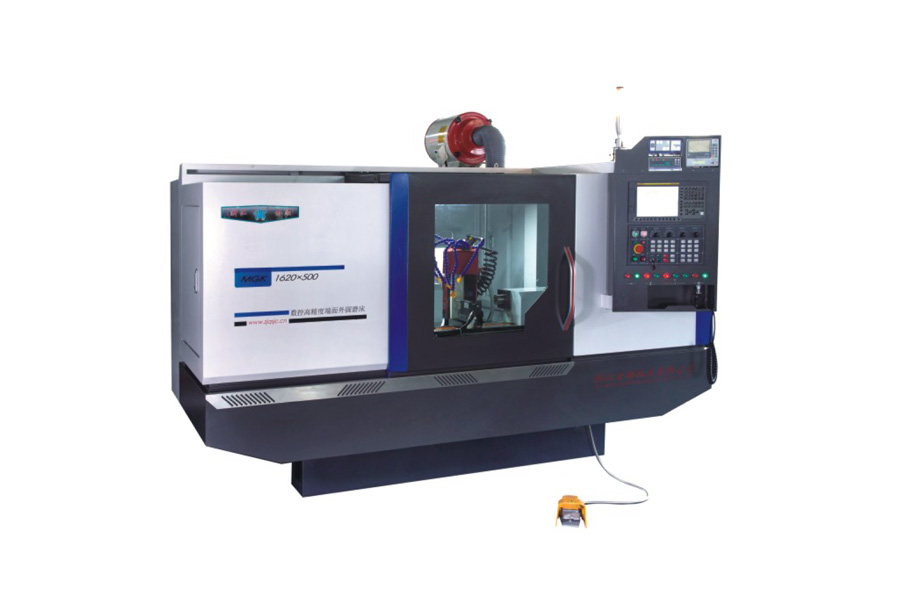
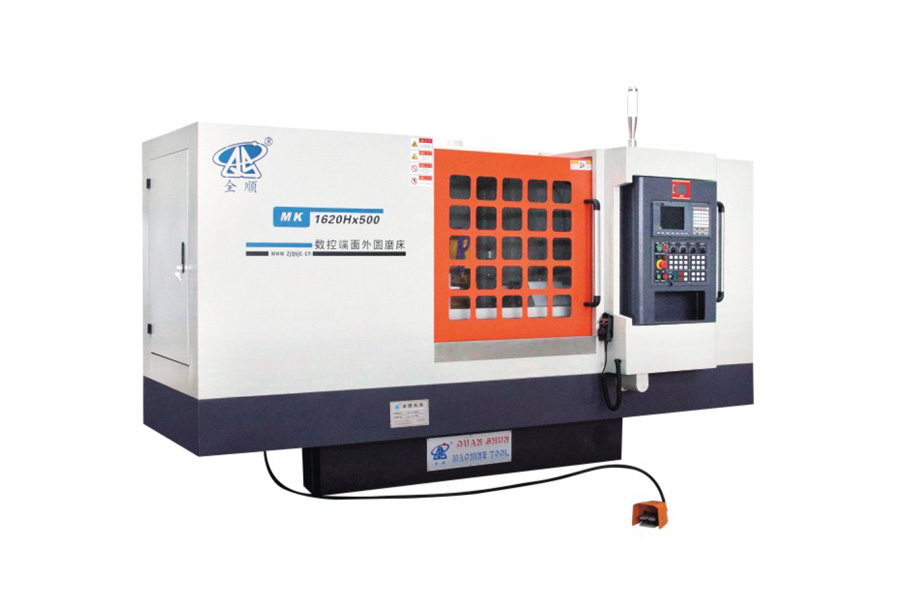
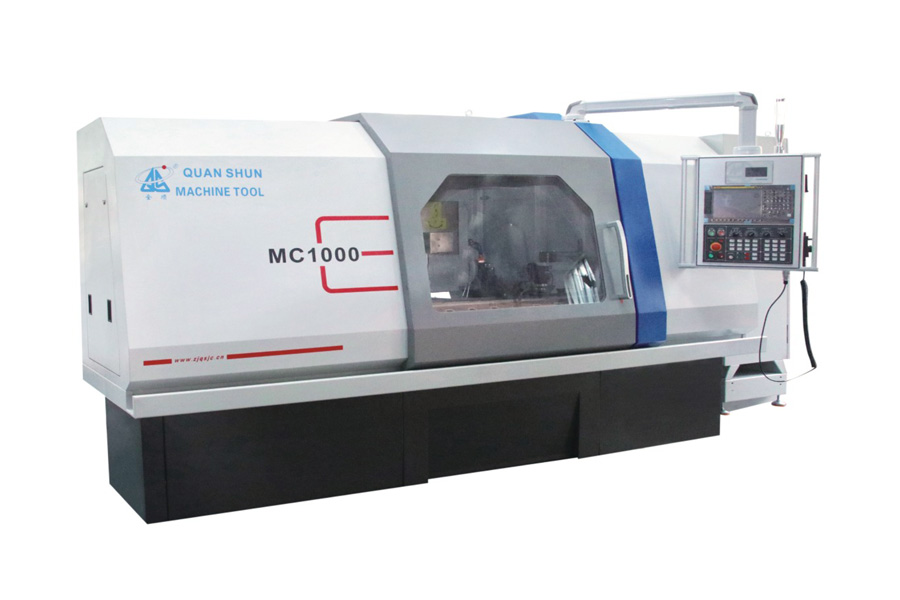
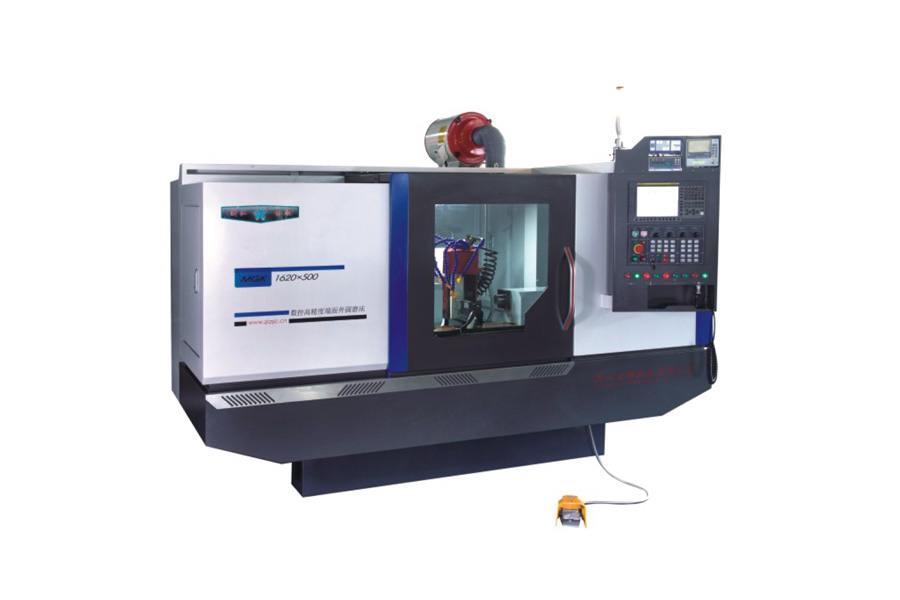 High Precision CNC Cylindrical Grinding MachineTwo model sizes cover Φ200–Φ320 mm workpieces; verify guarding, interlocks, and custom requirements during procurement.View Product →
For custom or special-purpose grinding, a standard guard package may not fit the workpiece. A custom grinding machine should still start from a risk assessment, not from a drawing alone. Check how the builder will validate the guard clearance, coolant containment, and load/unload sequence before the machine ships.
The safe choice is not the machine with the most stickers. It is the machine whose guards, controls, maintenance access, and training support match the work you actually run. Put the wheel rating, guard condition, interlock test, and operator check on the same acceptance sheet; if one item is missing, the grinding process is not ready for production.