0086-15068518279 (Chinese)/001-5416026691 (English)



 EN
EN
 中文简体
中文简体Content
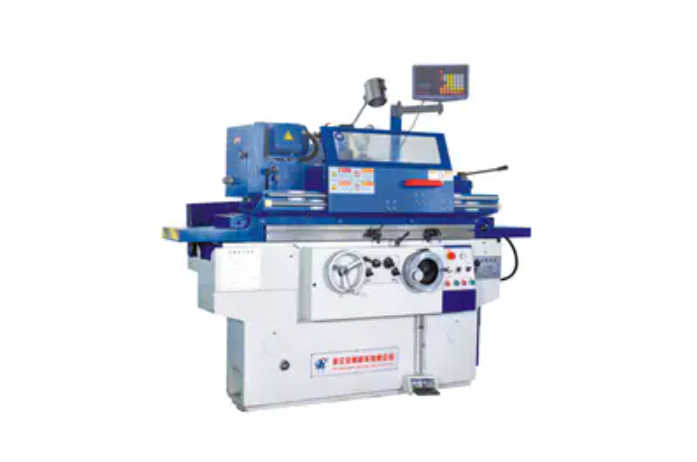
Before operating a conventional grinding machine, you must complete a structured safety checklist covering personal protective equipment (PPE), machine inspection, workpiece setup, and environmental controls. Skipping even one step can result in severe injuries — grinding wheel fragments can travel at speeds exceeding 100 m/s, making this one of the most hazardous operations in a machine shop.
Personal Protective Equipment You Must Wear
PPE is the first and most immediate line of defense. Before approaching the machine, ensure the following gear is properly fitted:
- Safety glasses with side shields or a full-face shield — sparks and metal particles are ejected at high velocity during grinding.
- Hearing protection — prolonged exposure above 85 dB causes permanent hearing damage; most grinding operations exceed this threshold.
- Leather or cut-resistant gloves — protect hands during workpiece handling, but never wear them while the wheel is spinning.
- Close-fitting clothing — loose sleeves, ties, or dangling jewelry can be caught by rotating parts.
- Dust mask or respirator (minimum P100 rating) — fine grinding dust, especially from materials like cast iron or aluminum oxide, poses serious respiratory risks.
Grinding Wheel Inspection Before Every Use
A damaged grinding wheel is one of the leading causes of serious grinding machine accidents. Every wheel must be inspected before mounting and before each use using the following procedures:
The Ring Test
Tap the wheel gently with a wooden mallet or the handle of a screwdriver. A sound wheel produces a clear, metallic ring. A cracked wheel produces a dull thud — discard it immediately. This test takes under 10 seconds and can prevent catastrophic wheel failure.
Visual Inspection Checklist
- Check for visible cracks, chips, or fractures across the entire face and sides.
- Verify the wheel has not been exposed to extreme moisture or freezing temperatures (both weaken the bonding agent).
- Confirm the wheel's marked maximum RPM is equal to or greater than the machine's spindle speed.
- Inspect the blotters (paper washers) on both sides of the wheel — they must be intact and properly seated.
Speed Compatibility Table
| Wheel Type | Typical Max RPM Marking | Common Machine Spindle Speed | Compatible? |
|---|---|---|---|
| Type 1 Straight Wheel | 3,600 RPM | 3,450 RPM | Yes |
| Type 27 Depressed Center | 6,600 RPM | 8,500 RPM | No — Do not use |
| Surface Grinding Wheel | 4,500 RPM | 3,600 RPM | Yes |
Machine Setup and Guard Configuration
Machine guards are not optional features — they are mandatory safety systems. Never operate a grinding machine with guards removed or improperly adjusted.
Wheel Guard
The wheel guard must enclose at least 270° of the wheel's circumference. The open portion should face the operator's work zone only. Ensure all guard fasteners are tightened before starting the machine.
Tool Rest (Work Rest) Adjustment
The tool rest must be positioned no more than 3 mm (1/8 inch) from the wheel face. A gap larger than this allows a workpiece to be pulled between the rest and the wheel, causing the wheel to shatter or the workpiece to be thrown back at the operator. Adjust and lock the tool rest before every new job.
Tongue Guard (Spark Arrestor)
The adjustable tongue guard at the top of the wheel opening should be set to within 6 mm (1/4 inch) of the wheel. Readjust it as the wheel wears down over time.
Pre-Start Operational Checks
Before turning on the machine for actual grinding, perform these operational checks in order:
- Run a trial spin — start the machine and let it run at full speed for at least 60 seconds with no workpiece contact. Step aside from the wheel's plane during this test. If any vibration or unusual noise is detected, shut down immediately.
- Check coolant flow — if using a wet grinding setup, verify that coolant is flowing correctly before grinding begins. Dry grinding on a wheel designed for coolant use can cause thermal cracking.
- Confirm workpiece is secure — for surface grinding, ensure magnetic chucks are fully activated and that non-magnetic materials are clamped using appropriate fixtures.
- Clear the work area — remove all tools, rags, and non-essential items from the immediate work zone. A cluttered surface can interfere with workpiece movement or become a projectile hazard.
- Verify the emergency stop — confirm the E-stop button is accessible and functional before beginning any operation.
Workpiece and Material Considerations
Not all materials are safe to grind on all wheel types. Using the wrong combination is a frequent cause of wheel failure and fire.
- Aluminum and other soft metals can load up (clog) a standard abrasive wheel rapidly, generating intense heat and causing the wheel to burst. Use wheels specifically rated for non-ferrous metals.
- Titanium and magnesium produce highly flammable grinding dust. These materials require special fire-suppression measures and dedicated grinding areas.
- Hardened steel requires a softer-grade wheel; using a hard-bond wheel causes heat buildup that can crack both the wheel and the workpiece.
- Always confirm workpiece dimensions are within the machine's rated capacity. Oversized workpieces exert side loads that grinding wheels are not designed to handle.
Environmental and Housekeeping Safety
The area surrounding the grinding machine is part of the safety system, not just the machine itself.
- Ventilation: Ensure local exhaust ventilation (LEV) is operational. Grinding generates fine metallic and abrasive particles that remain suspended in air for extended periods. OSHA requires airborne particulate concentrations to remain below established permissible exposure limits (PELs).
- Floor condition: The floor in front of the machine should be clean, dry, and free of oil or metal chips. Anti-fatigue mats with beveled edges reduce trip hazards during extended operations.
- Spark containment: Ensure flammable materials (cloths, paper, lubricants) are stored at least 3 meters (10 feet) away from the grinding area. Grinding sparks can travel up to 5 meters and retain enough heat to ignite combustible materials.
- Bystander zone: Mark a safe exclusion zone of at least 2 meters around the machine. No unauthorized personnel should enter this zone during operation.
Training and Authorization Requirements
Operating a conventional grinding machine without proper training is prohibited in most industrial and educational environments. Untrained operators account for a disproportionate share of grinding injuries, particularly in the first weeks of unsupervised use.
Minimum training requirements typically include:
- Demonstrated knowledge of wheel types, grades, and speed ratings.
- Hands-on practice in wheel mounting, dressing, and guard adjustment under supervision.
- Understanding of the machine's emergency stop procedure and lockout/tagout (LOTO) protocol.
- Refresher training whenever a new machine type or material is introduced.
Many facilities require operators to pass a written and practical assessment before being granted unsupervised access. This is not bureaucratic formality — it is a critical risk control measure.