0086-15068518279 (Chinese)/001-5416026691 (English)



 EN
EN
 中文简体
中文简体Content
- 1 What Form Grinding Actually Means on the Shop Floor
- 2 The Trade-Off Between Form Grinding and Interpolated Grinding
- 3 What Really Determines Form Grinding Accuracy and Finish
- 4 Part Types That Suit Form Grinding
- 5 What to Verify Before Buying a Form Grinding Machine
- 6 Real Cost, Capacity and Purchasing Risk
A standard CNC cylindrical grinder was quoted for a splined shaft, and the first batch came off with acceptable roundness but a tooth flank that failed inspection. Nothing was wrong with the machine bed or the feed axes. The problem was how the grinding wheel met the workpiece. Form grinding means dressing the wheel to the shape the part needs and letting that shaped wheel cut the profile directly. Whenever the part geometry has to come from the wheel's contour rather than from axis interpolation, you are dealing with form grinding, and the way you specify a machine changes with it.
What Form Grinding Actually Means on the Shop Floor
A conventional cylindrical grinder treats the wheel as a plain cylinder and builds the part shape from workpiece rotation, table travel and wheelhead infeed. Form grinding reverses that logic. The wheel is dressed into a contour that is the complement of the feature being produced, whether that is a spline groove, a thread form, a radius or a cam profile, and then it is fed straight into the work. If the wheel is wide enough, one axial step of one wheel width reproduces the whole profile on the part.
Two practical consequences follow. First, cycle time becomes far less sensitive to profile complexity, because the shape is generated in a single engagement rather than approximated by several axes moving in sequence. Second, profile accuracy becomes a mirror of wheel dressing accuracy. If a dressing roll wears by 0.005 mm, the workpiece will faithfully reproduce that 0.005 mm no matter how good the rest of the machine is. Plunge grinding, where the wheel feeds perpendicular to the work instead of travelling along it, is the most natural infeed method for these profiles because the wheel width is already matched to the feature.
The Trade-Off Between Form Grinding and Interpolated Grinding
Interpolated grinding uses a plain cylindrical wheel, sometimes with only single-point contact, and walks it along a programmed path to generate the contour. It is flexible: change the program and you have a new shape, with no dressing roll to order. For gentle arcs and infrequent changeovers, that is usually the cheaper route.
The balance tips toward form grinding when the feature is narrow, deep and repeated in volume. Work through these points in order:
- Batch size. If the same profile repeats thousands of times, the cost of a dressing roll amortises quickly. On a fifty-piece order it does not.
- Profile width and depth. Narrow slots, small radii and tooth forms favour a formed wheel. Wide, shallow curves rarely justify one.
- Dressing capability. If the roll itself is difficult to manufacture to the required accuracy, interpolation is the safer specification.
- Changeover frequency. High-mix, low-volume shops are usually better served by interpolation paired with CNC dressing.
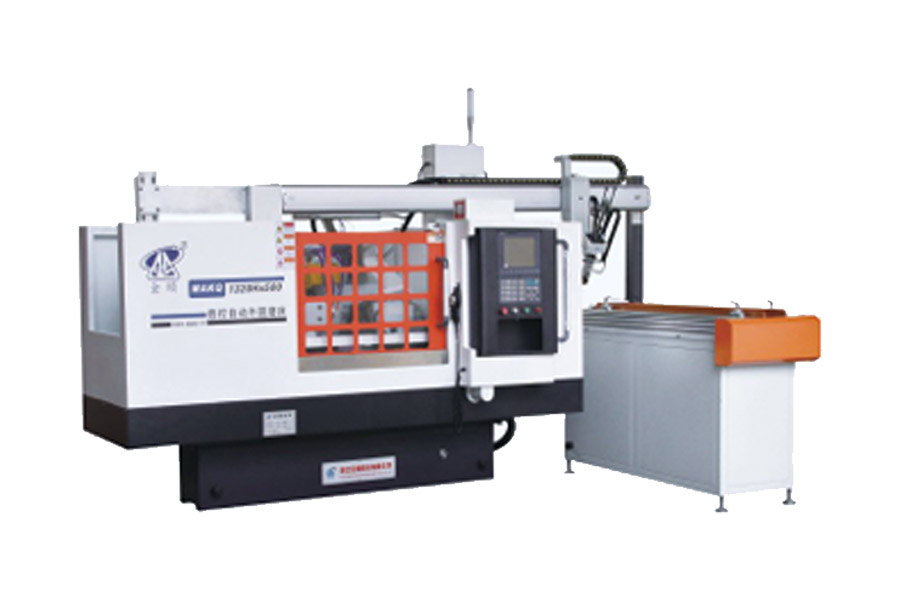
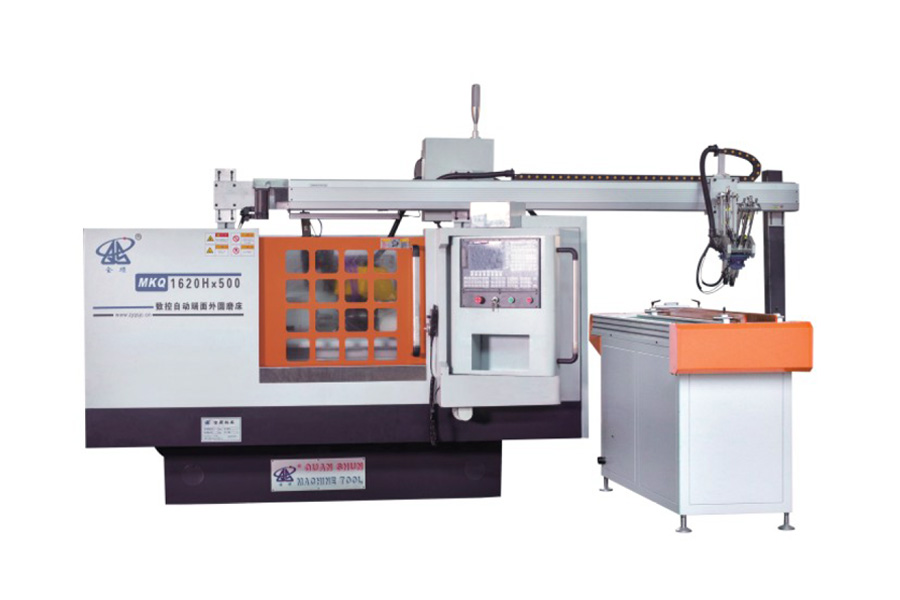
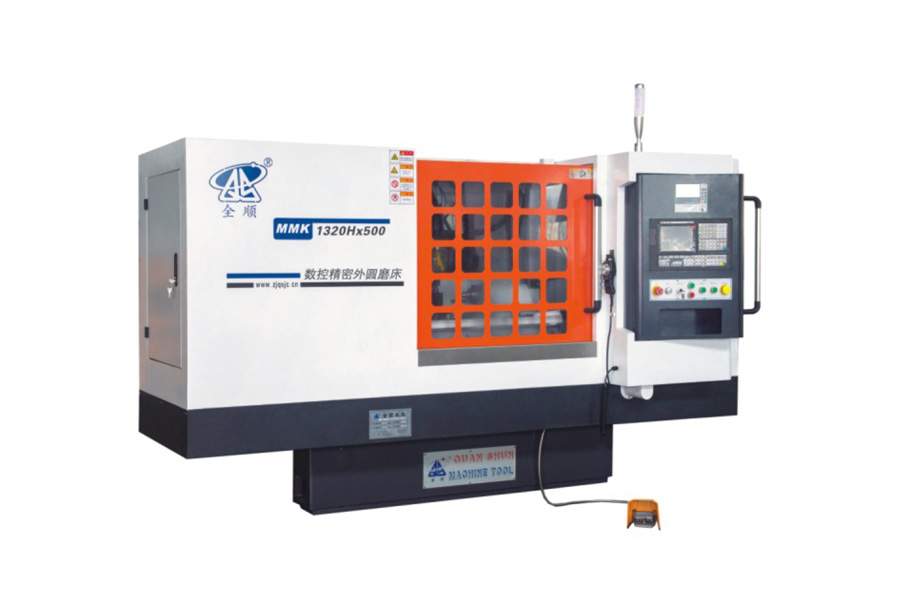
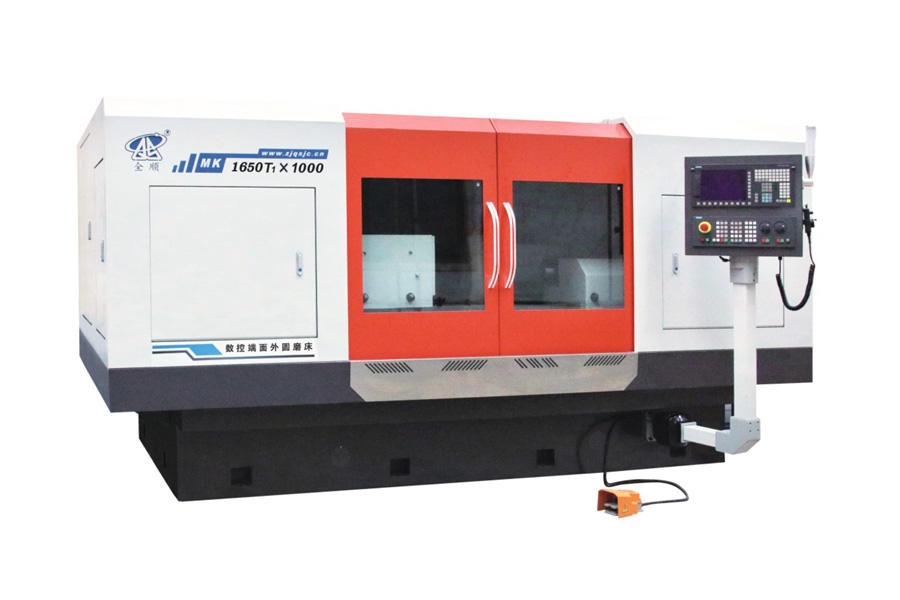
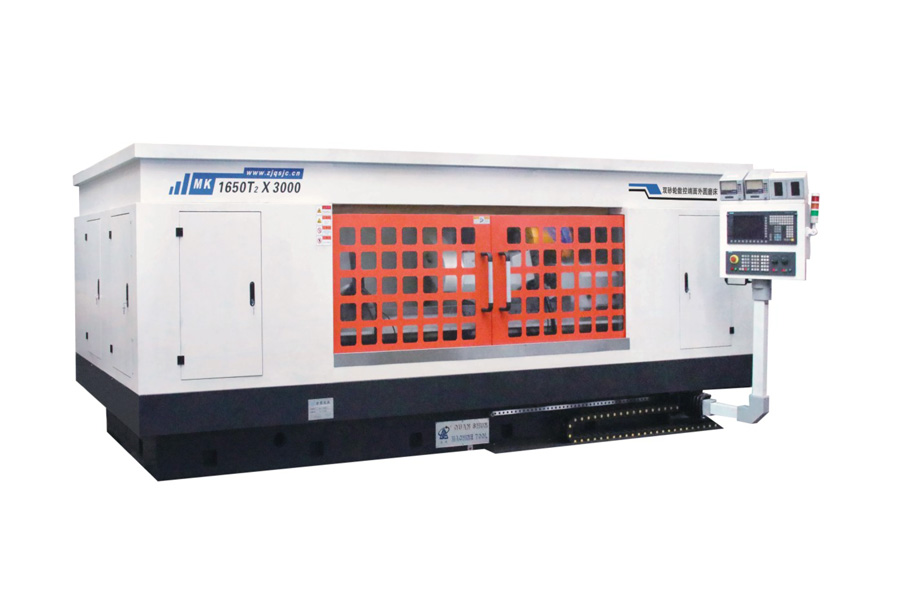
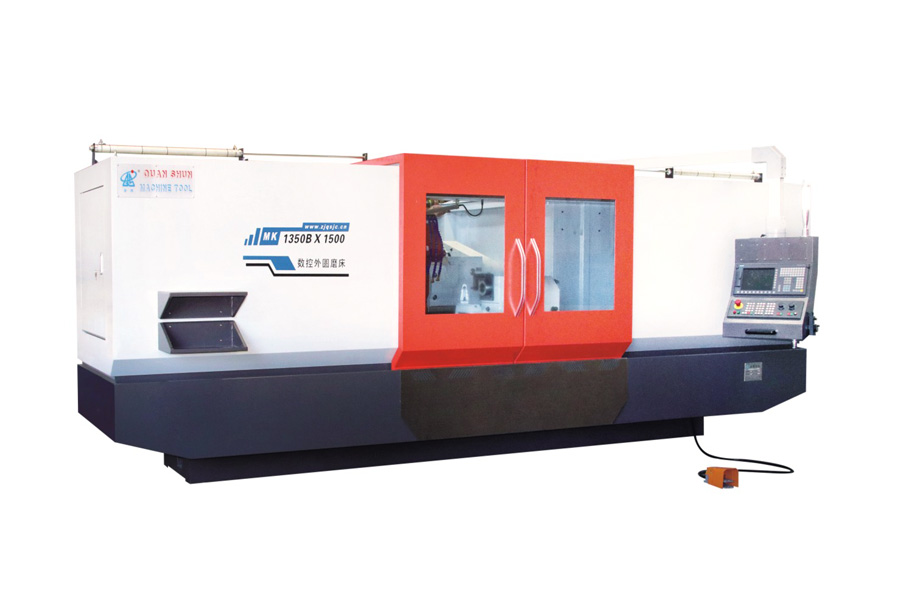
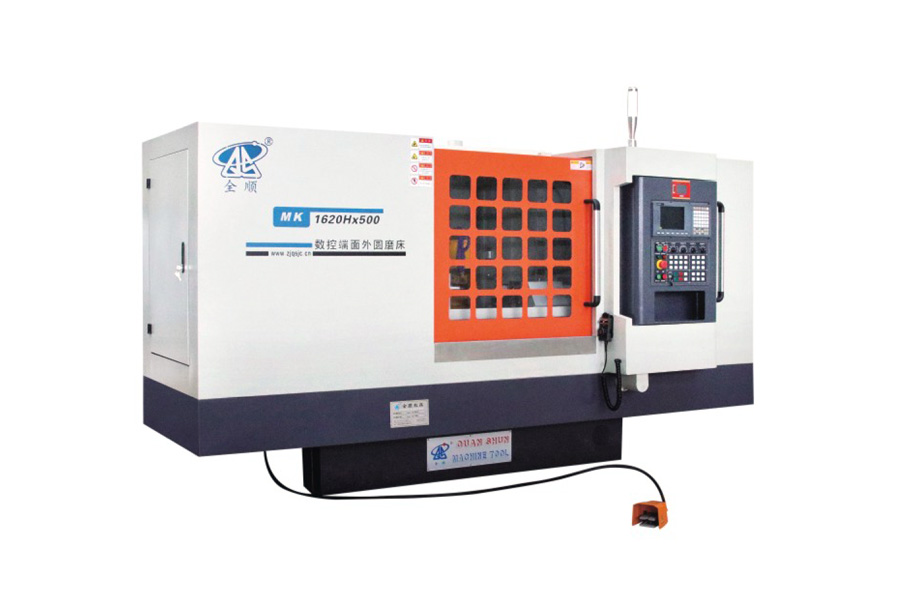
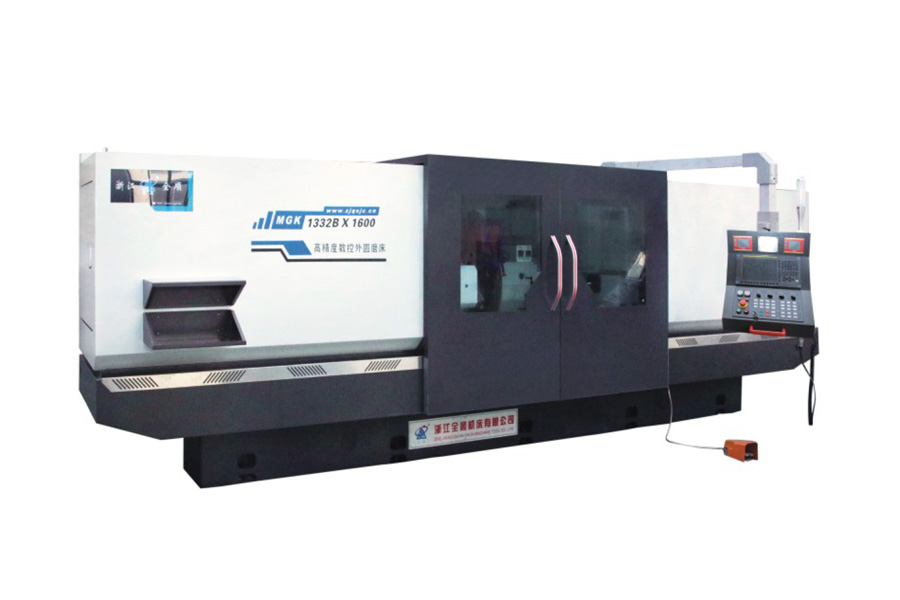
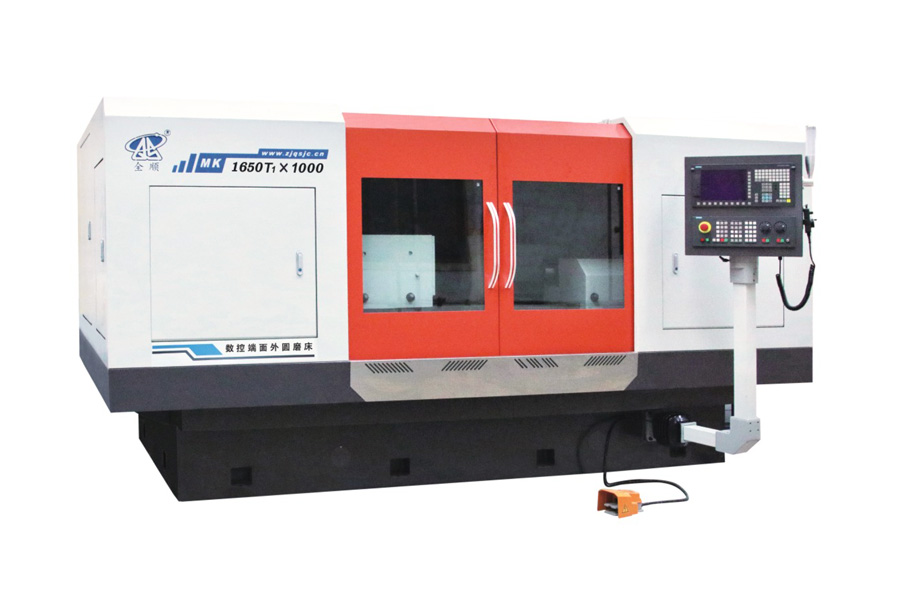
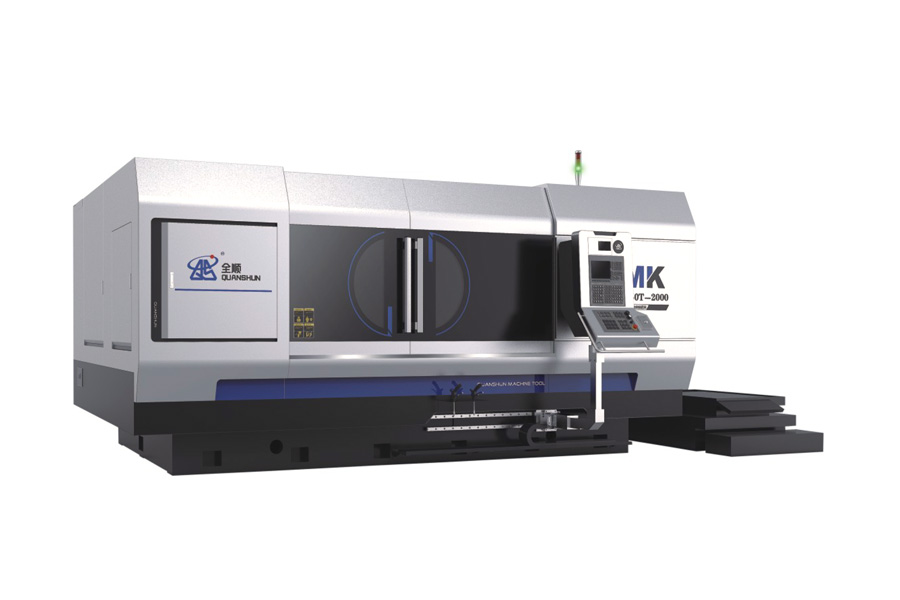
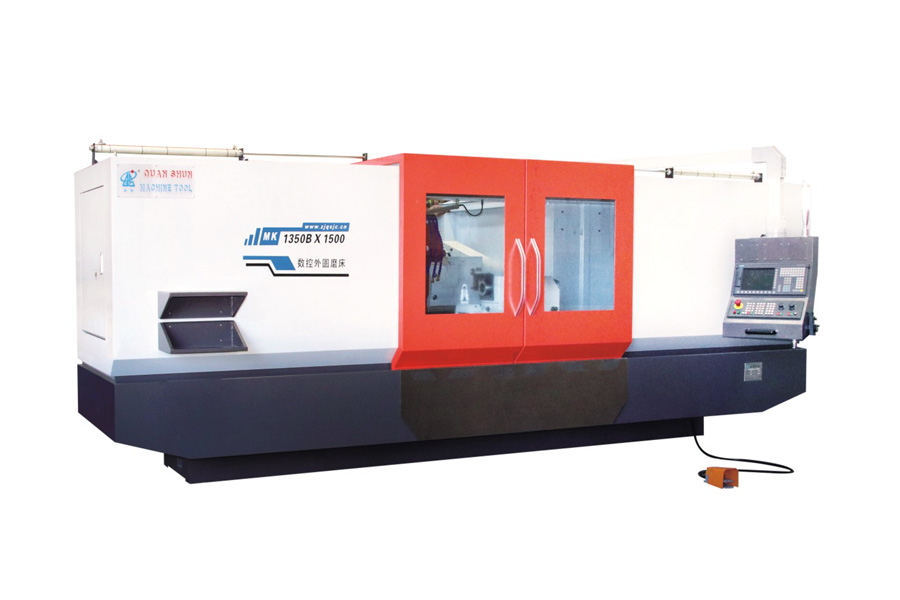 CNC Cylindrical Grinding Machine MK/MAK SeriesOur High-Precision CNC Cylindrical Grinding Machine is engineered for manufacturing environments requiring extreme dimensional accuracy and flawless surface finishes. ...View Product →
What Really Determines Form Grinding Accuracy and Finish
Wheel Dressing, the Foundation of the Whole Process
There are two basic dressing routes. A formed diamond roll presses a fixed contour into the wheel, or a CNC-mounted diamond tool sweeps the profile point by point while a rotary axis indexes the wheel. Roll dressing is fast and highly repeatable from one dressing cycle to the next, which suits volume production. CNC single-point dressing is more flexible and can follow arbitrary profile programs, but the cycle is slower and it leans heavily on the positioning accuracy of the rotary axes.
Whichever route is chosen, the dressing interval should be set by piece count, not by shift pattern. Glazing and dulling shift the profile quickly, and the effect shows up first in the narrowest, deepest part of the form.
Coolant Delivery and Swarf Removal
The contact arc in form grinding is much wider than in plain cylindrical grinding, and most of the heat generated sits inside that narrow seam. Coolant struggles to reach the cutting zone because the form creates a restricted gap between wheel and workpiece, especially at higher depths of cut. High-pressure nozzles aimed directly into the contact arc, with adequate flow and clean filtration, are what actually solve this. Starved cooling produces burn, surface tempering and shape drift, and those defects are the hardest ones to trace later.
Swarf handling deserves the same attention. Form grinding produces longer, more continuous chips, and a poorly filtered coolant supply will carry them straight back into the grinding zone.
Structural Stiffness, Thermal Stability and Inspection
Form grinding demands higher normal force than conventional cylindrical grinding, because the wheel is in contact across a much greater width at once. The bed, wheelhead spindle and tailstock all have to absorb that load without deflecting. A machine with excellent static geometry but insufficient dynamic stiffness will produce a profile that varies along the length of the part. Thermal drift is the other half of the same problem: a spindle that starts cold and warms through the shift moves the profile by microns as the day goes on.
Where tolerances are tight, in-process gauging is worth the investment. It catches a worn profile while the batch is still running, rather than after the parts have been inspected offline.
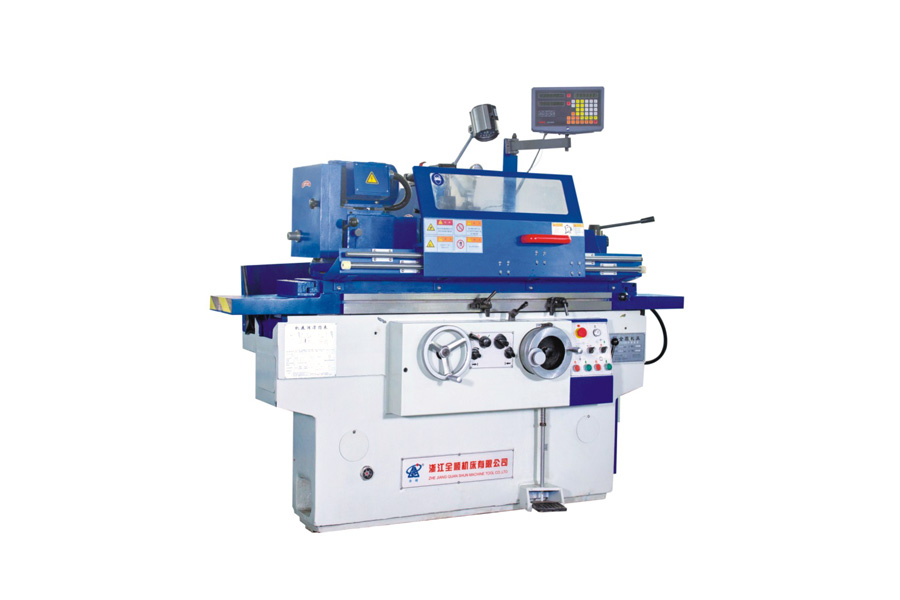
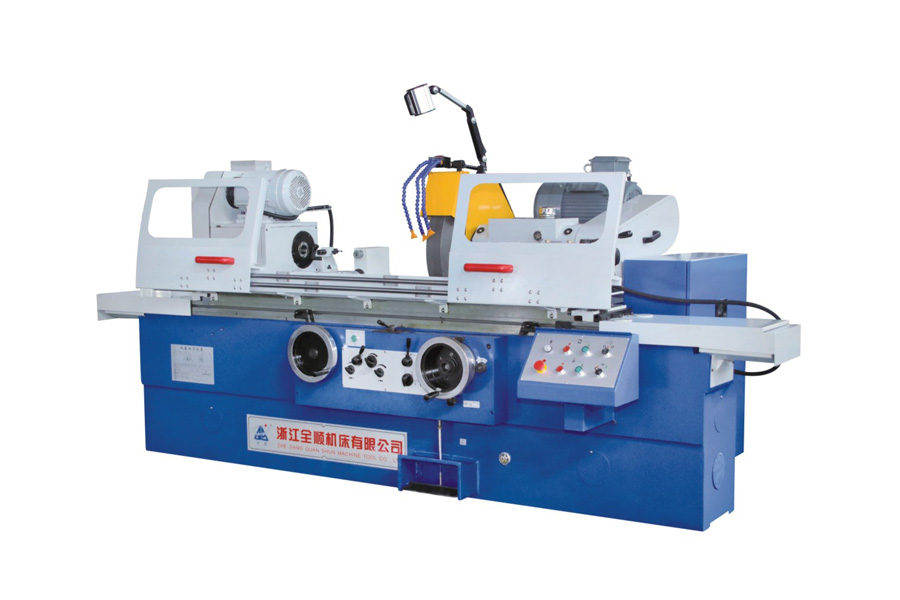
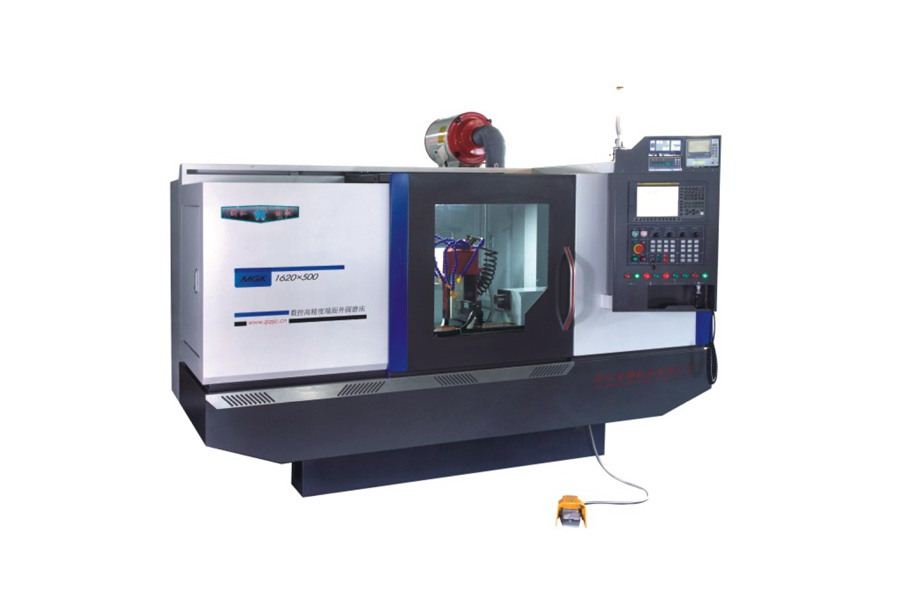
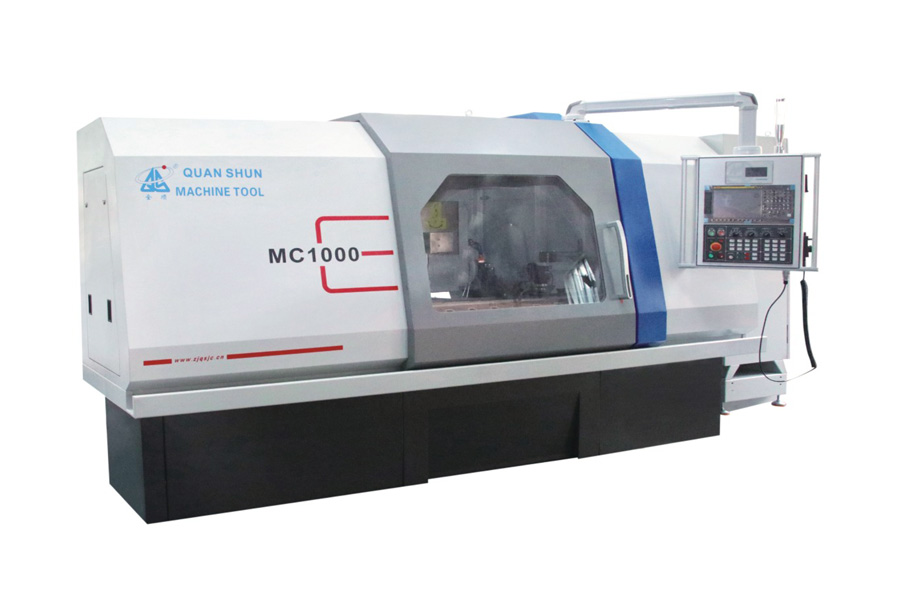
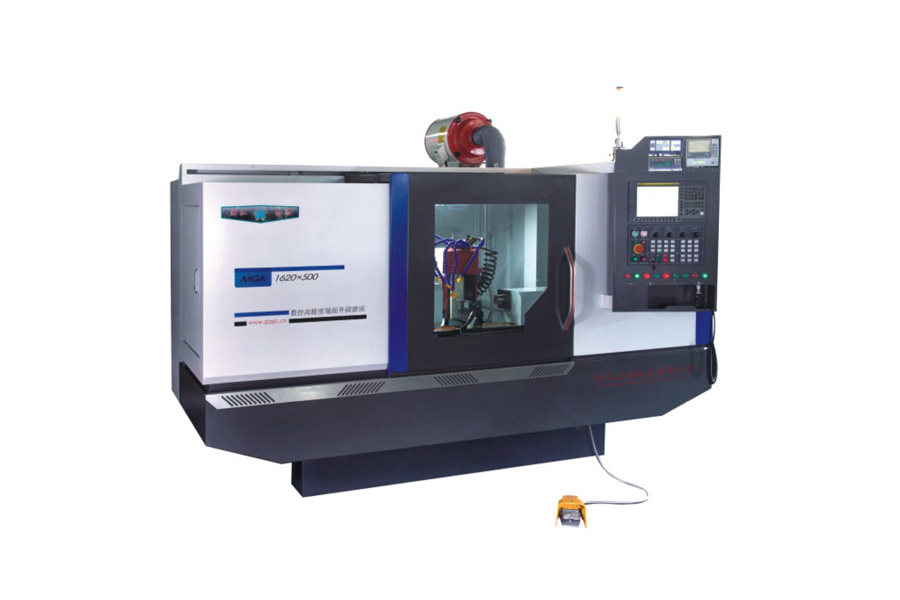 High Precision CNC Cylindrical Grinding MachineOur High-Precision CNC Cylindrical Grinding Machine is engineered for industrial environments requiring extreme dimensional accuracy, sub-micron repeatability, and fla...View Product →
Part Types That Suit Form Grinding
The process is at its best on parts with a fixed cross-section, narrow features and repeat demand:
- Splined shafts and motor shafts, where the grooves are cut in one engagement instead of milled tooth by tooth.
- Threads, lead screws and worms, where the thread form is guaranteed by the dressed wheel rather than by tool path.
- Broaches and long cutting tools, where straightness and profile consistency have to hold over the full length.
- Cams, radii and crankshaft fillets, contours that plain cylindrical grinding can only approximate with multi-axis interpolation.
- Rolls, including those requiring crowned, concave or CVC profiles generated by closed-loop, point-by-point dressing.
Some builders address this work with dedicated platforms, such as high-precision CNC profile cylindrical grinding systems in which the dressing axis and control resolution are specified against the part profile tolerance rather than compensated after the fact.
When a part needs several ground features in one setup, for instance an outside diameter plus a shoulder face, or a hardened shaft with both an external and an internal surface, a machine that combines operations usually beats two single-purpose machines. Fewer setups mean fewer datum changes, and that alone improves profile consistency.
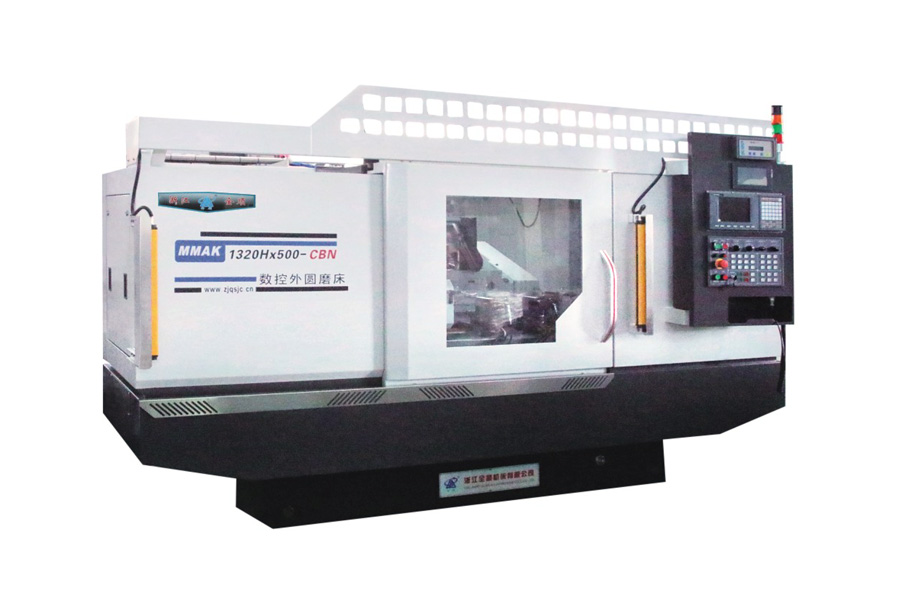
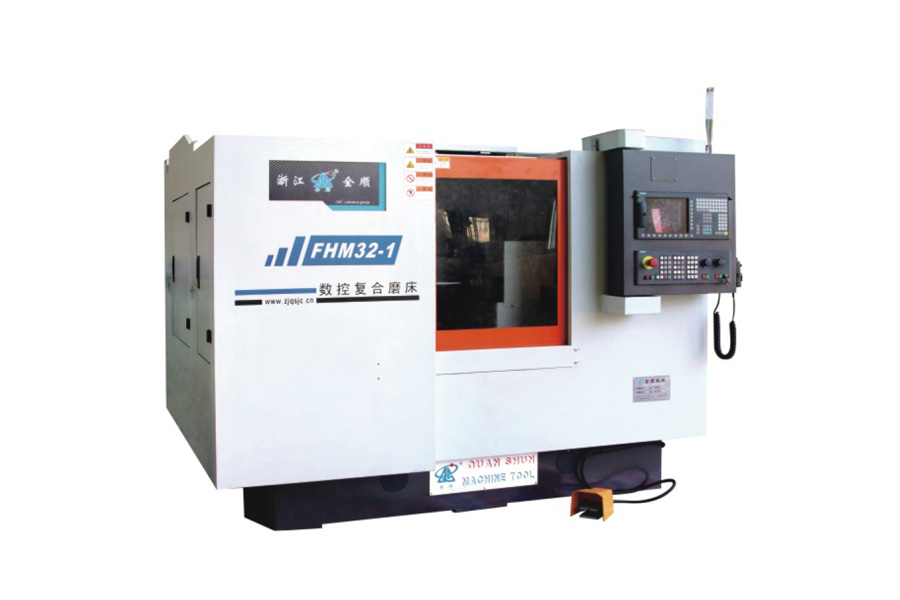
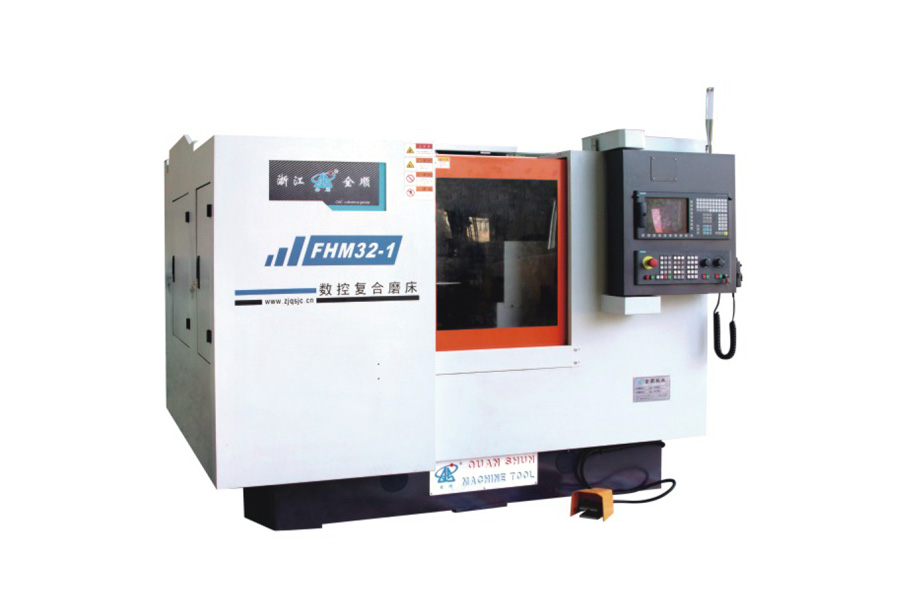 CNC Compound Grinding MachineThe CNC Compound Grinding Machine is the ultimate multi-tasking solution engineered for high-precision, single-setup machining of complex workpieces. Equipped with a h...View Product →
What to Verify Before Buying a Form Grinding Machine
It is common to find form grinding capability claimed in a specification sheet that never materialises at the cutting edge. The points below are the ones that decide real performance.
| Requirement | What to Confirm | Why It Matters |
|---|---|---|
| Profile tolerance | How the figure is defined and measured, and whether it is quoted hot or cold | Profile accuracy follows dressing accuracy, so the measurement basis decides the machine class |
| Dressing system | Formed roll or CNC single-point, plus rotary axis resolution | Sets the trade-off between changeover flexibility and profile repeatability |
| Coolant and filtration | Nozzle pressure, flow rate, filtration grade and nozzle positioning | Poor coverage causes burn and distort narrow forms before any other limit is reached |
| Structural stiffness | Normal force capacity at the maximum wheel width and depth of cut | Insufficient stiffness produces taper and profile drift along the workpiece |
| Inspection method | In-process gauging, manual gauges or offline CMM routine | Determines how quickly wheel wear is detected before it reaches the part |
| Changeover time | Time to swap a dressing roll and re-establish the datum | Directly limits achievable output in high-mix, low-volume production |
Real Cost, Capacity and Purchasing Risk
The money in form grinding is spent in operation, not in acquisition. Three numbers decide whether the process pays for itself:
- The service life of the dressing roll or diamond tool, and how long replacement takes.
- The dressing depth per cycle, which sets how much wheel is consumed over a production run.
- The ratio of dressing time to grinding time, which decides whether the quoted cycle is achievable.
The most common purchasing mistake is buying a machine on its ideal accuracy capability while specifying the coolant and filtration package at the lowest acceptable level. That machine will cut a correct profile during the acceptance trial, then drift once production starts and dressing intervals shorten. A second risk is underestimating changeover. If swapping a dressing roll and re-datuming takes half a shift, a shop changing profiles twice a week will struggle to recover the investment, however accurate the machine is on paper.
Form grinding earns its place under specific conditions: the profile has to come from the wheel, the batch is large enough to amortise tooling, the coolant and filtration system can support a wide contact arc, and the dressing and inspection routine can keep pace with production. When all four hold, the process reproduces complex contours in shorter cycles than multi-axis interpolation can manage. When one of them is missing, a conventional cylindrical grinder with CNC dressing is often the more honest specification, and saying so early is cheaper than discovering it in the first production batch.