0086-15068518279 (Chinese)/001-5416026691 (English)



 EN
EN
 中文简体
中文简体Content
Take a look at a modern engine’s crankshaft, and you will notice that every journal surface looks nearly identical even though the part is twisted and counterweighted. That uniformity is not a coincidence; it comes from a CNC grinding machine holding strict geometric tolerances throughout the entire contour. For auto parts that rotate, slide, or seal, CNC grinding is the process that closes the tolerance loop, and choosing the right machine is one of the most important purchasing decisions a shop will make.
Automotive engineers normally specify journal roundness between 0.002 and 0.005 mm, with surface roughness in the range Ra 0.2–0.8 μm. Holding these values consistently on a production line is beyond the capability of a lathe or milling machine. It requires a CNC cylindrical grinder with a rigid wheel-head structure, accurate feed control, and a stable thermal environment.
Why CNC Grinding Machines Are Central to Auto Parts Manufacturing
CNC machines for auto parts cover turning, milling, and grinding. Turning creates the basic cylindrical geometry, milling machines cut keyways and complex profiles, and grinding removes the last few hundredths of a millimetre after heat treatment. Grinding is the only process that can correct heat-treatment distortion while simultaneously achieving automotive-grade tolerances and surface finish.
On a high-volume line, the main benefit of CNC grinding is repeatability. The CNC system controls wheel infeed, dressing cycles, and compensation values in a fixed sequence, so the machine produces the same size from the first part of the day to the last. That consistency lowers sorting costs, reduces rework, and gives automotive customers confidence in their supply chain.
To match the right machine to a component family, it helps to compare typical parts with the grinding operation they require:
| Component | Typical Grinding Operation | Recommended Machine Type |
|---|---|---|
| Crankshaft | Main journals and pin journals | CNC crankshaft grinding machine |
| Transmission shaft | External cylindrical finish | CNC cylindrical grinding machine |
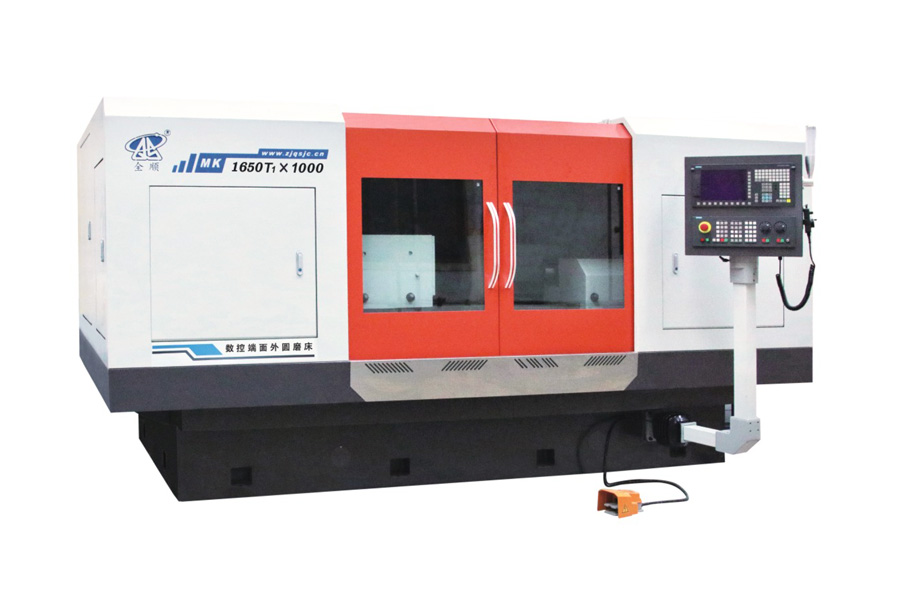
| Flanged shaft or gear shaft | External diameter plus face | CNC face and cylindrical grinding machine |
| Piston pin or valve stem | High-volume centerless grinding | Centerless grinding machine |
Key Grinding Applications in Automotive Manufacturing
Crankshaft and camshaft grinding
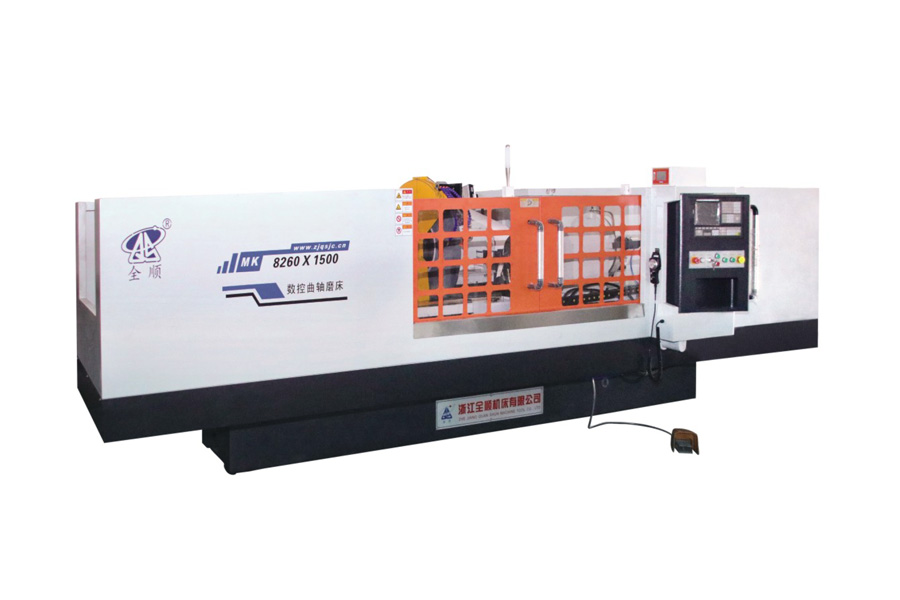
Crankshafts are among the most demanding workpieces in a vehicle. The main journals and pin journals must be ground at precise phase angles while the grinding wheel moves between adjacent counterweights. A CNC crankshaft grinding machine handles this with a dedicated wheel-head that can be positioned automatically for each journal. Follow-type machines reduce cycle time by combining rough and finish grinding in a single clamping, which is why they are common on high-volume engine lines.
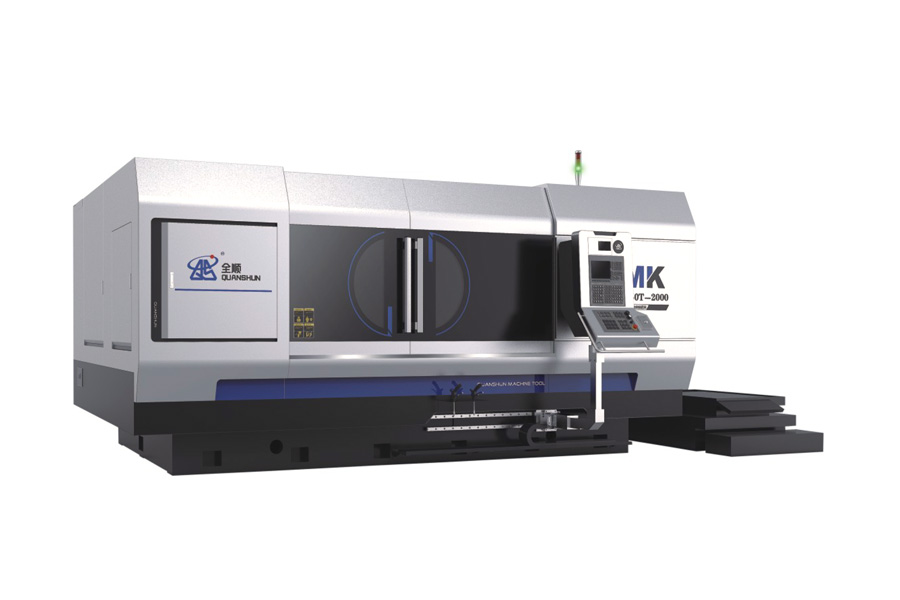
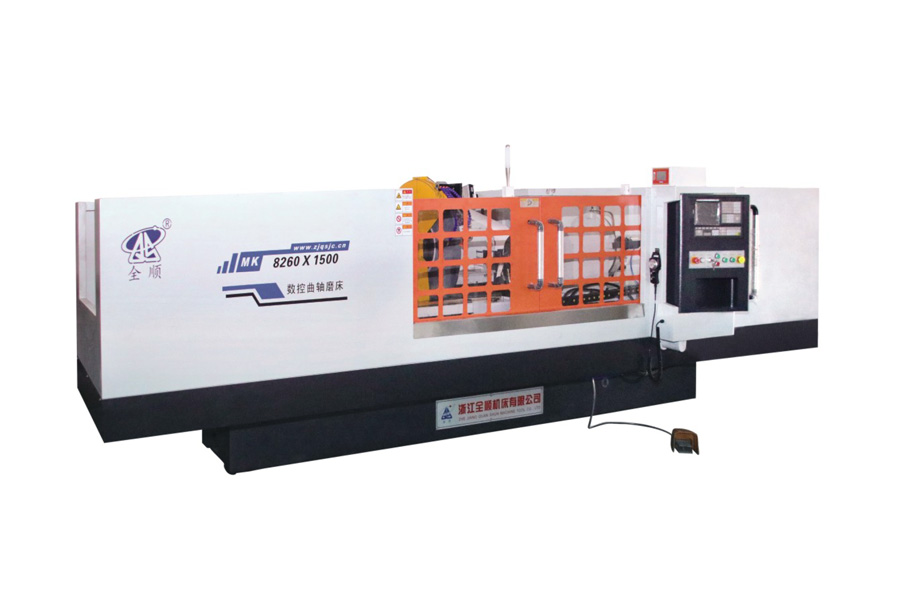 CNC Crankshaft Grinding Machine for Precision Journal MachiningThis specialized grinder uses non-circular tracking technology to grind crankshaft main journals and crankpins in one clamping, ensuring accurate phase angles and reducing setup time for high-volume engine production.View Product →
External cylindrical and face grinding for shafts
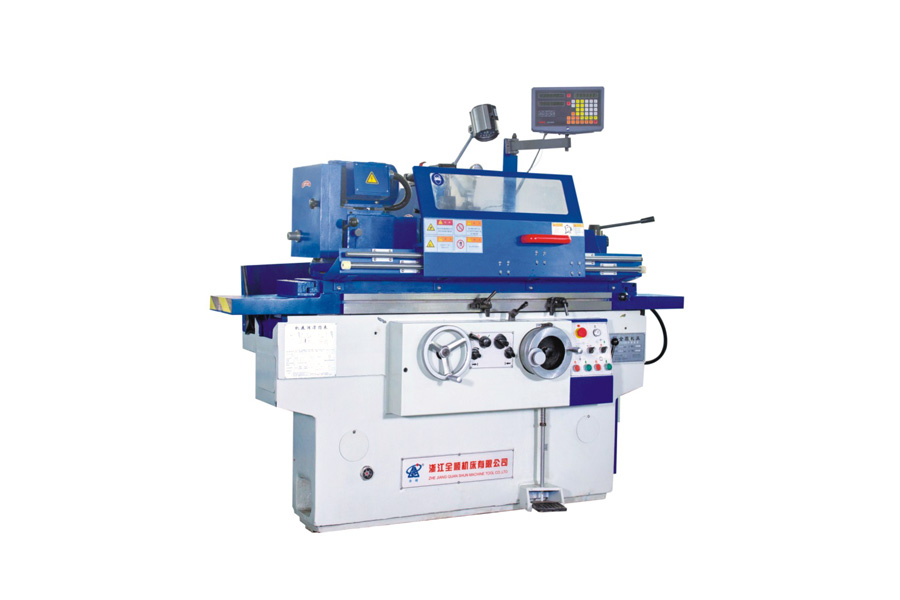
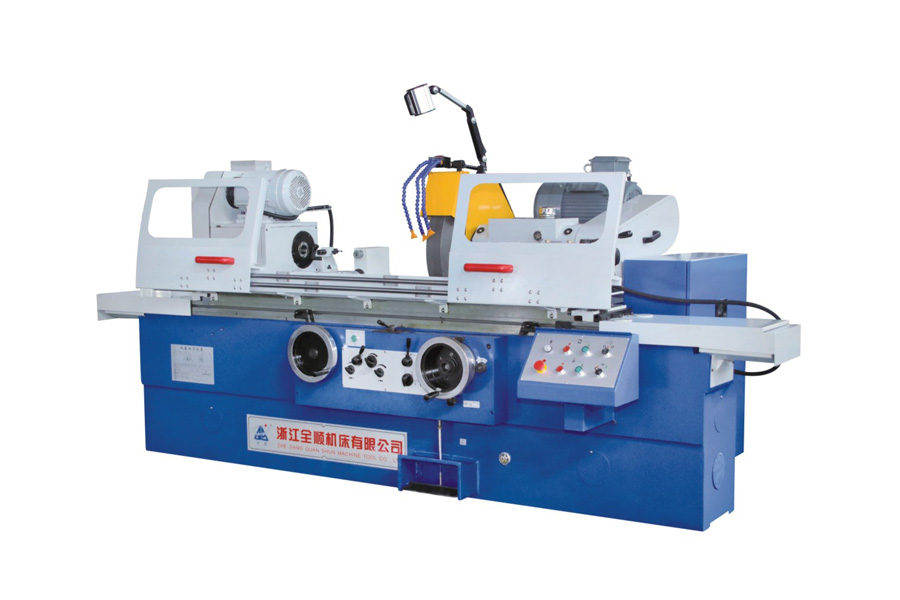
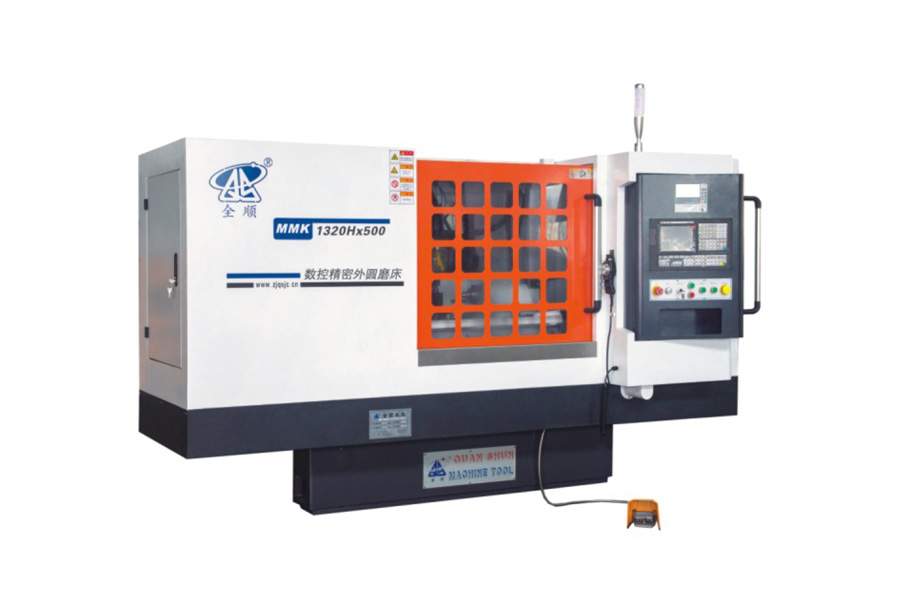
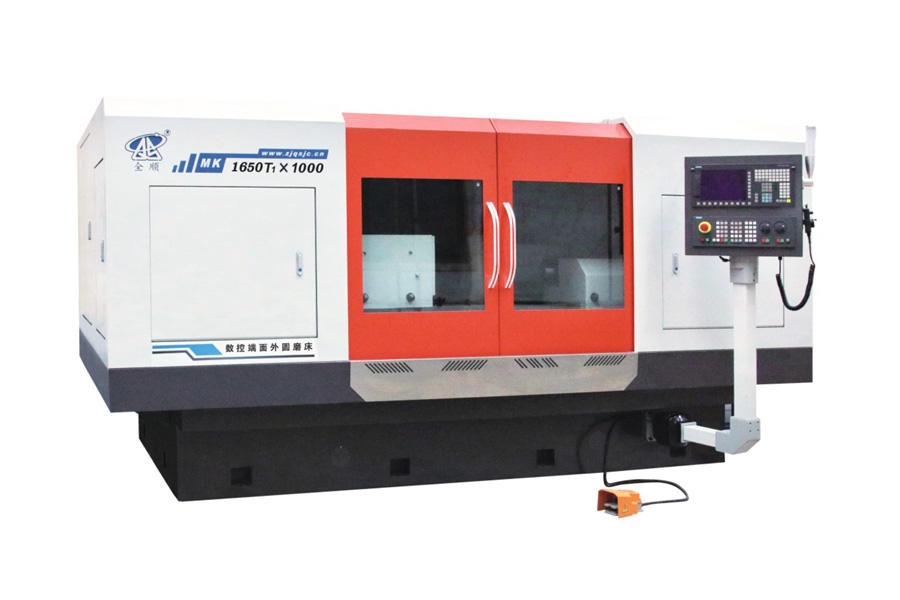
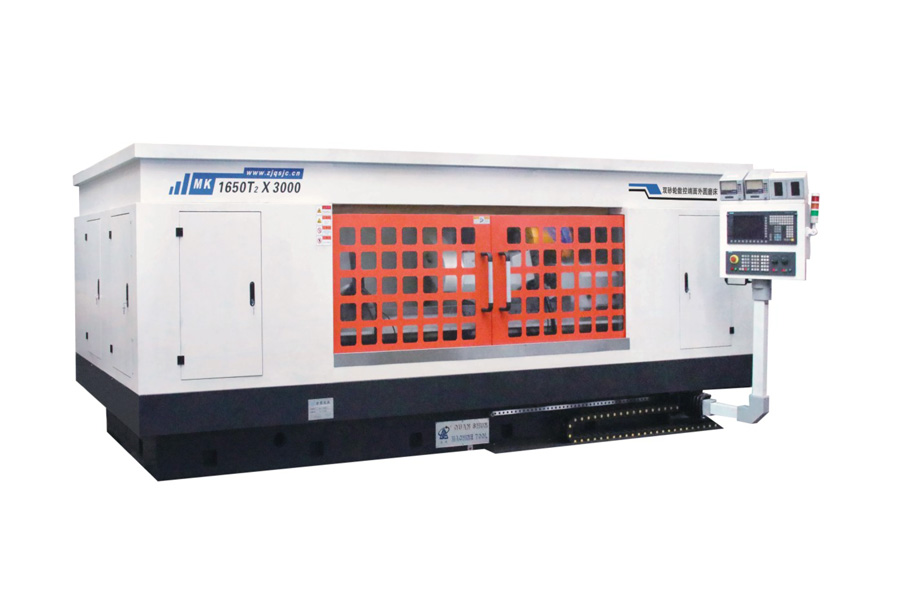
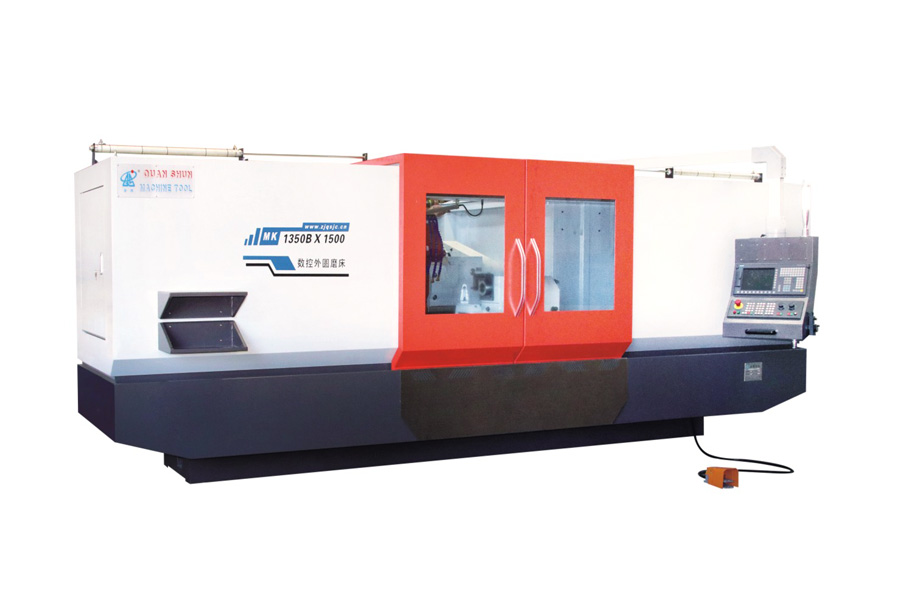
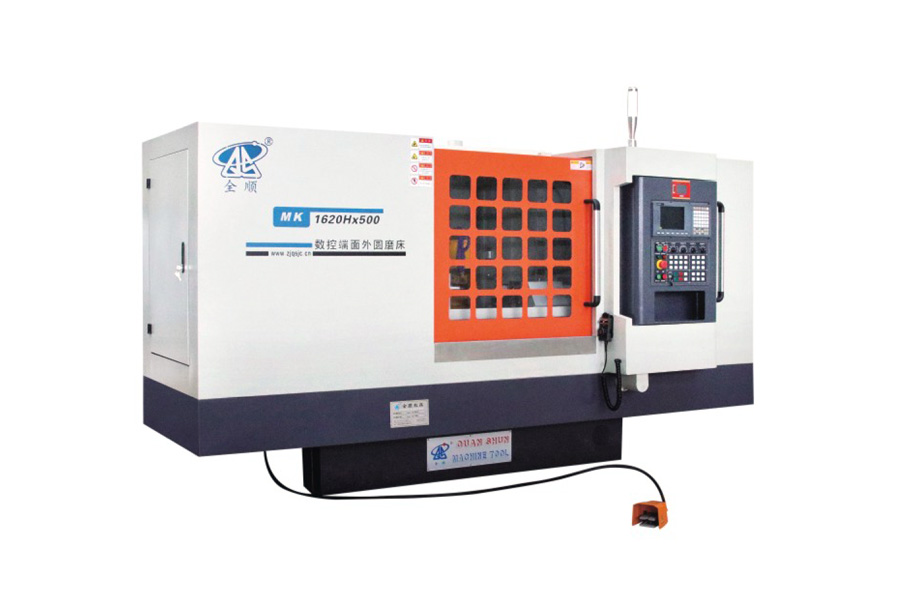
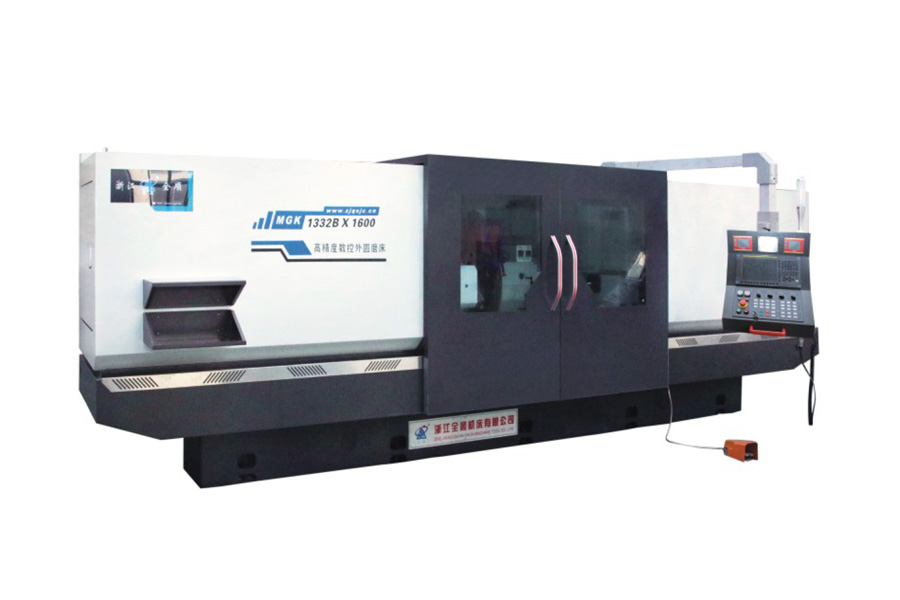
Transmission shafts, motor shafts, compressor shafts, and axle stubs have similar requirements: the outer diameter must be straight, round, and concentric with the centres. A CNC cylindrical grinding machine is the standard solution for these parts. For flanged shafts and gear shafts, grinding the outer diameter and the face in one setup eliminates reclamping errors and keeps the squareness tolerance between the face and the bore under control.
In large batches, centreless grinding is often used for pins, rollers, and valve stems because the part does not need centres and the through-feed method delivers high output. For most other cylindrical auto parts, however, the controlled positioning of a CNC cylindrical grinder is the safer choice.
What to Check Before Buying a CNC Machine for Auto Parts
When a purchasing team compares quotes, the priority should be measurable machine capability rather than advertised axis speed. Four checks give a reliable picture:
- Tolerance band: Ask for roundness and cylindricity values in the machine specification. A grinder that guarantees 0.0015 mm roundness will hold automotive journals with more safety margin than one rated at 0.003 mm.
- Structural stiffness: The base casting, wheel-head spindle, and work-head should be sized for the part weight you plan to process. Lighter machines may be acceptable for small parts, but they lose stability on longer shafts.
- Automation readiness: Check whether the grinder can accept a gantry loader, robot, or in-process gauging. The cost of retrofitting automation later is usually much higher than selecting it as an option from the start.
- Dressing and compensation: In continuous production, automatic wheel dressing with size compensation is essential. Without it, wheel wear gradually changes part size and the operator must intervene.
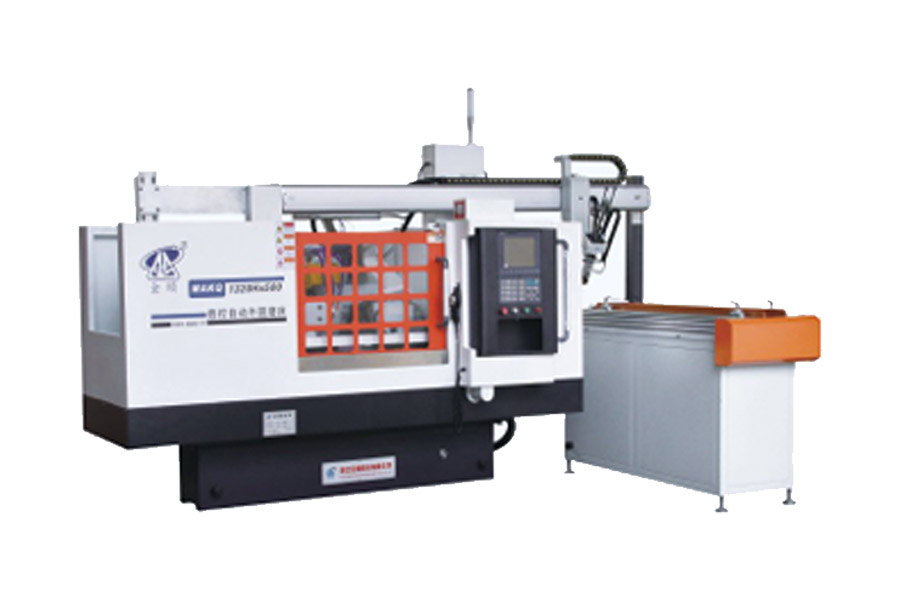
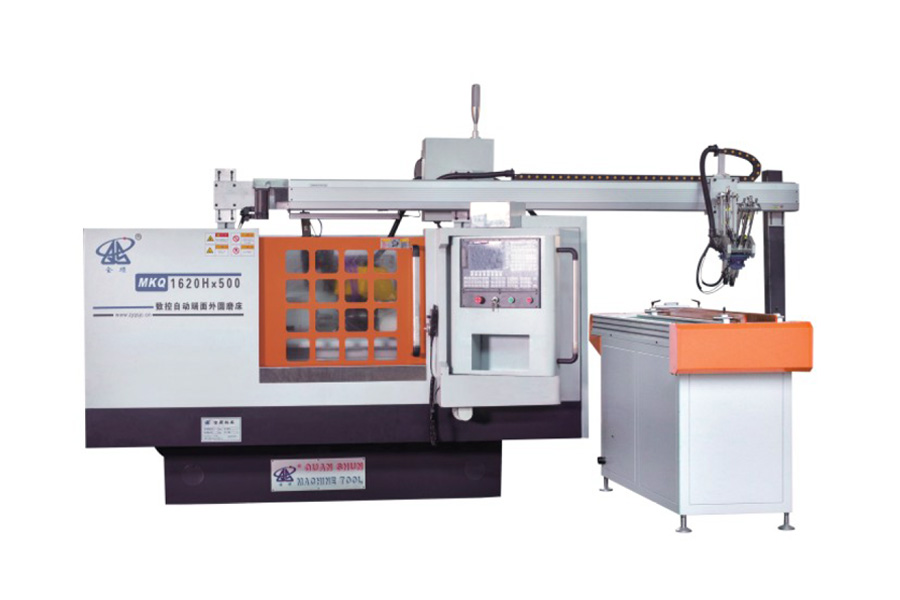
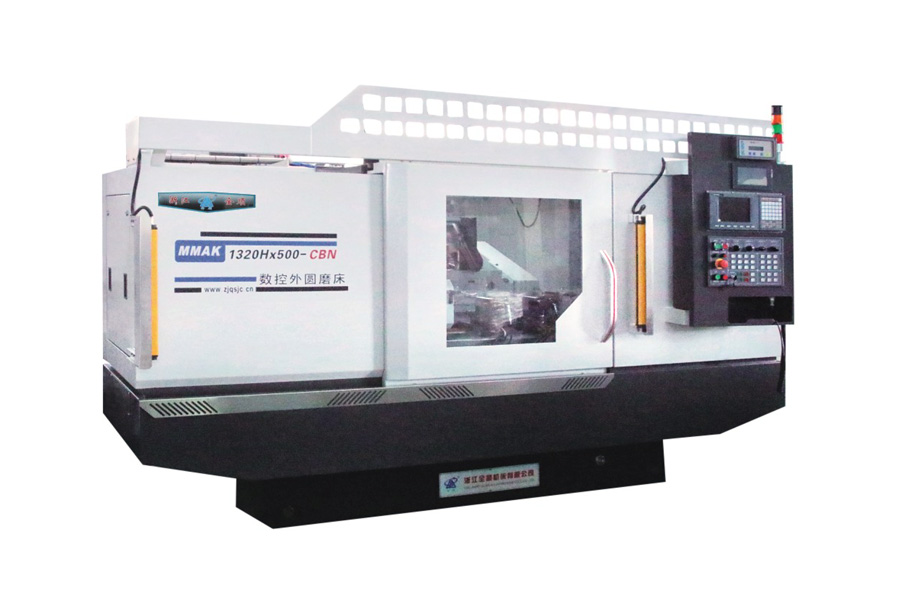
For shops that run high volumes of shafts, the decision to automate the loading cycle is often as important as the grinding accuracy itself. Manual loading adds time between parts and introduces the risk of handling damage. An automatic CNC cylindrical grinding machine with a loading system keeps the process running without operator attention, which is the most direct way to lower cost per part.
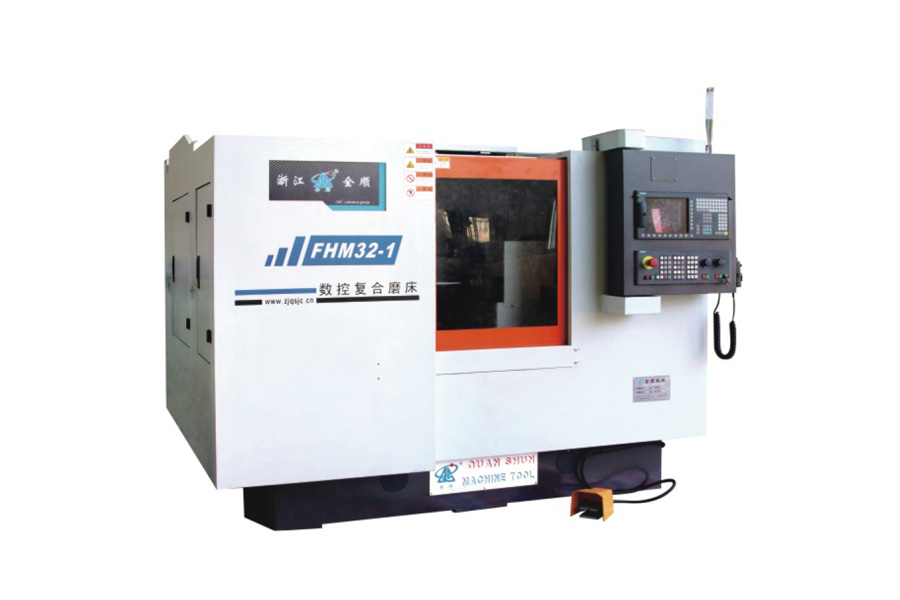
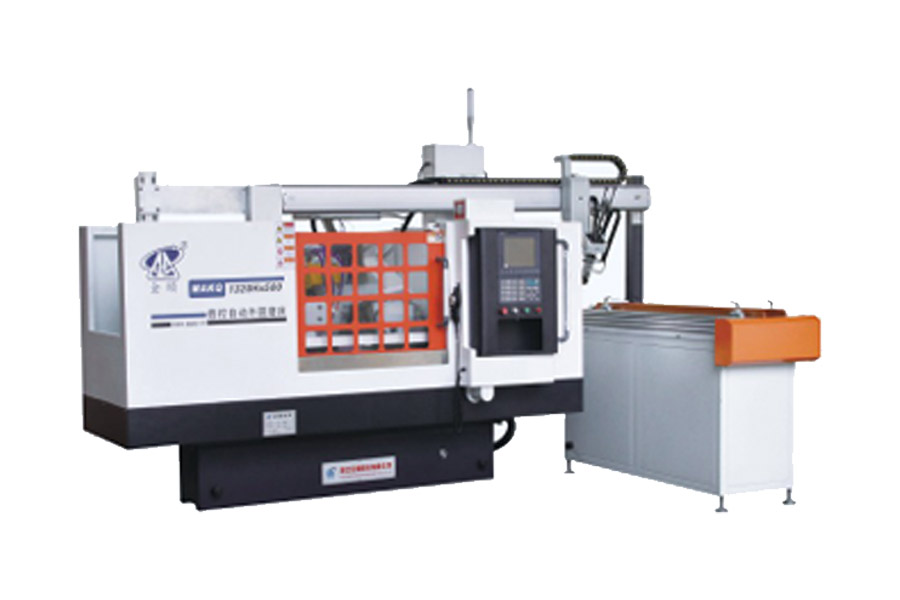 Automatic CNC Cylindrical Grinding Machine with Robotic LoadingDesigned for mass production, this grinder features automatic loading and unloading, allowing one operator to manage multiple machines while synchronizing grinding and material handling to lower cost per part.View Product →
There is more to the selection process than these four checks. We have covered the full decision framework in our guide on choosing the right cylindrical grinder, including practical examples of how the machine profile affects product quality.
When Standard Machines Are Not Enough
Automotive part makers often need something outside the catalogue. Centre holes must be refurbished after heat treatment so that the rest of the process has an accurate reference. Long broach tools require a grinder with extra steady rests and customized wheel-head travel. Large-diameter bearing housings may exceed the swing of a standard cylindrical grinder. In these situations, a custom grinding machine is not a premium add-on; it is the only way to keep the process stable.
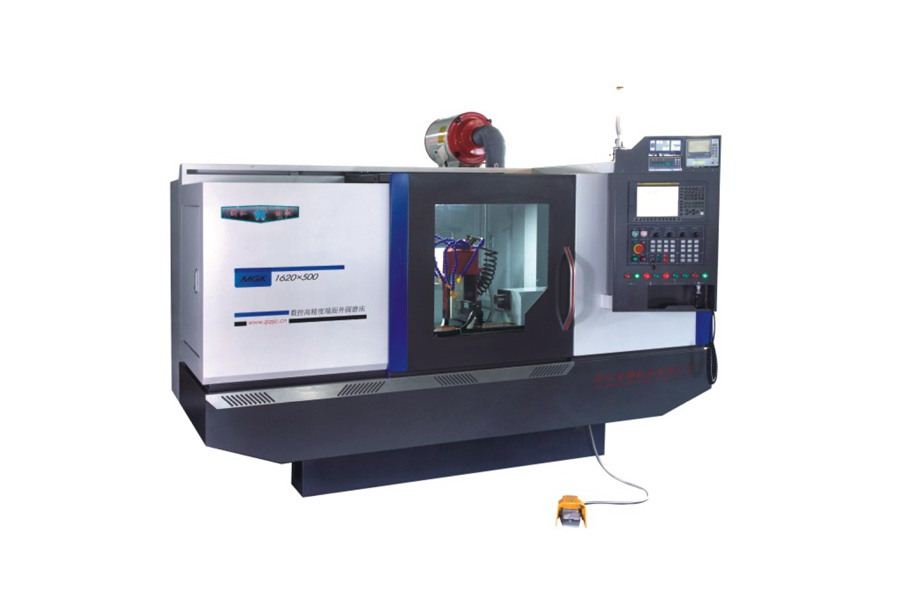
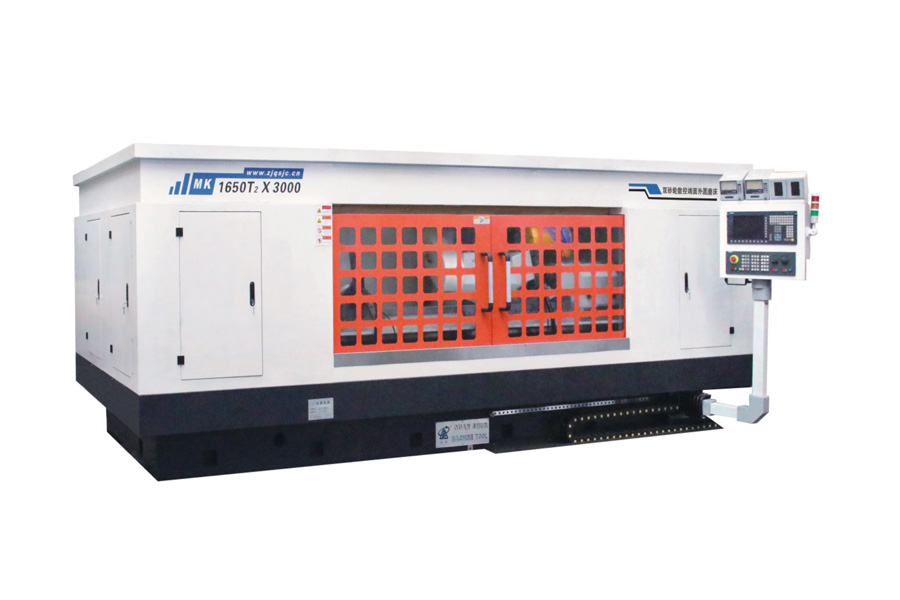
Some grinding tasks are equally demanding in precision, even if they fit inside a standard machine envelope. Fuel injection plungers, hydraulic valve spools, and high-precision sensor housings call for roundness values below 1 μm. A high-precision CNC cylindrical grinding machine with hydrostatic or high-rigidity bearings is often the answer for these components.
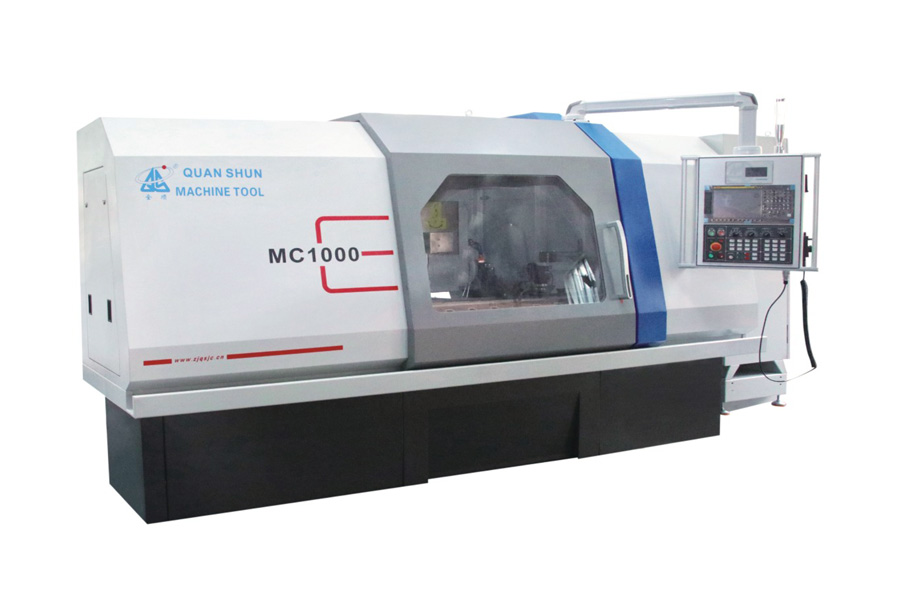
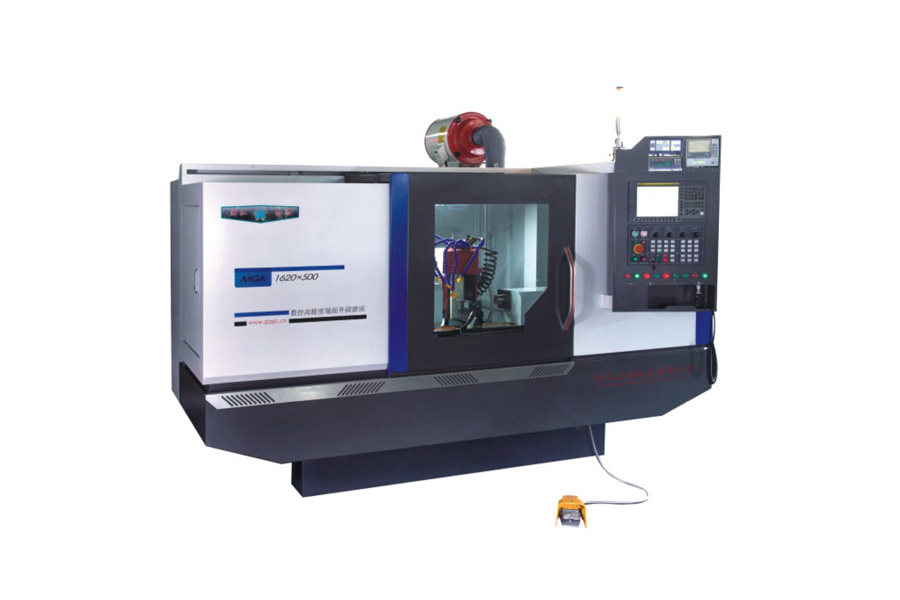 High-Precision CNC Cylindrical Grinding Machine for Sub-Micron AccuracyBuilt with rigid Meehanite casting and hydrostatic bearings, this machine achieves sub-micron repeatability and minimal thermal displacement, ideal for fuel injection plungers, hydraulic spools, and other precision components.View Product →
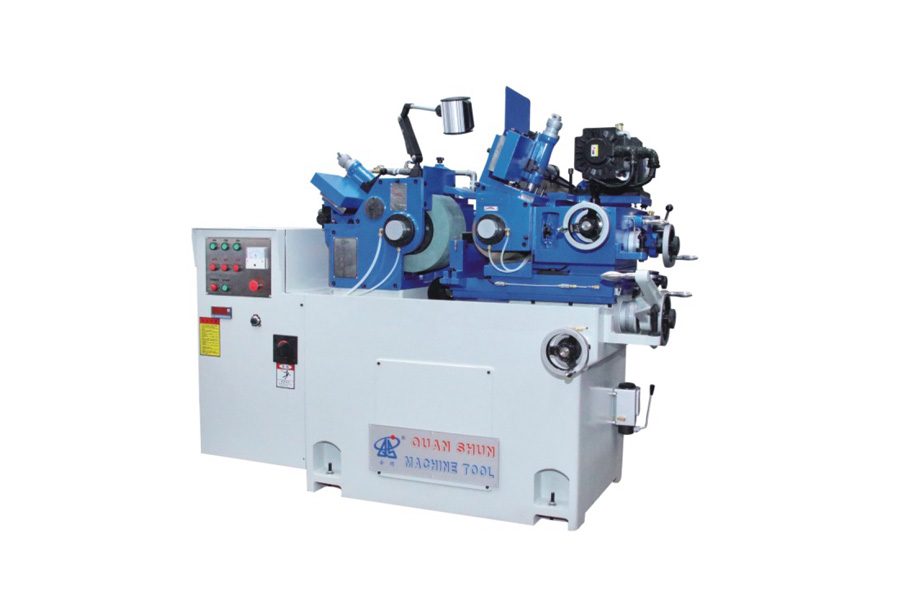
You can see the range of special-purpose equipment in our custom grinding machine lineup; the list includes centre hole grinders, wide-wheel cylindrical grinders, and machines for screw sleeves and broach tools. These models show how a machine builder can adapt the basic grinding platform to a specific auto part family.
Final Advice for Shops Producing Auto Parts
Selecting a CNC machine for auto parts starts with knowing the tolerance, volume, and geometry of your workpieces. For rotating components, a cylindrical grinding machine is the finish tool that answers all three questions. Give priority to verified grinding accuracy, stiffness, and automation options; they have the largest impact on total production cost.
A machine with a smaller footprint but weaker stiffness can still be suitable for short runs of small shafts. A heavier, more accurate grinder with automatic loading becomes the economical choice as volumes climb and quality requirements tighten. When the machine is matched to the part family and the loading system is integrated, CNC grinding delivers the precision that automotive engineers design around and the consistency that keeps the production line moving.