0086-15068518279 (Chinese)/001-5416026691 (English)



 EN
EN
 中文简体
中文简体Content
- 1 What Is Centerless Bar Grinding?
- 2 How the Centerless Bar Grinding Process Works
- 3 Key Differences Between Centerless and Conventional Cylindrical Grinding
- 4 Accuracy and Surface Finish Capabilities
- 5 Practical Considerations for Production
- 6 How to Choose the Right Centerless Bar Grinding Machine
- 7 Conclusion
A machine shop receives an order for 50,000 hardened steel dowel bars, each with a diameter tolerance of ±0.005 mm and a surface finish requirement of 0.4 Ra. On a conventional cylindrical grinder, this volume would demand repeated centering and setup. With centerless bar grinding, the same parts move through the machine continuously, with the bar supported along its length by a regulating wheel and a work rest blade. That is the core reason centerless bar grinding is the preferred process for high-volume round stock: it removes the end fixture and centers, shortens cycle time, and holds tight diameters reliably. This article explains the process, its accuracy limits, and what to evaluate when selecting a centerless bar grinding machine.
What Is Centerless Bar Grinding?
Centerless bar grinding is a precision machining process that removes material from a cylindrical workpiece without holding it on centers or in a chuck. The bar rests on a work rest blade between two wheels. The grinding wheel performs the actual cutting, while the regulating wheel controls the workpiece rotation and feed rate by friction. Because the bar is supported over its full length, this method is particularly effective for round bar stock that needs consistent diameter, straightness, and surface finish. Typical applications include steel dowels, bearing pins, shaft blanks, and hydraulic rods.
How the Centerless Bar Grinding Process Works
The process has three common variants. Each uses the same two-wheel geometry but differs in how the bar is fed into the grinding zone.
Through-Feed Grinding
Through-feed grinding is the most common centerless bar grinding method. The regulating wheel is tilted by a small angle, usually 1 to 5 degrees, so the bar moves axially past the grinding wheel in one pass. This is the fastest method for straight bars: the entire length is ground without stopping. It suits long rods, pins, and shaft blanks where no end profiles need to be preserved.
End-Feed Grinding
In end-feed grinding, the bar is fed in from one end until it reaches a stop, and the grinding wheel continues rotating while the regulating wheel holds the bar in the grinding zone. This method is selected when the part has a head, taper, or shoulder that prevents through-feed.
In-Feed Grinding
In-feed grinding feeds the bar radially into the grinding wheel. The workpiece length must be shorter than the wheel width. It allows grinding of multiple diameters or profiles in one plunge and is common for bars with shoulders, chamfers, and shaped ends.
| Method | Feed Direction | Typical Parts | Best For |
|---|---|---|---|
| Through-Feed | Axial | Long straight bars | High volume, continuous production |
| End-Feed | Axial to stop | Bars with heads or tapers | Controlled profile at one end |
| In-Feed | Radial | Short bars with shoulders | Multiple diameters in one plunge |
Key Differences Between Centerless and Conventional Cylindrical Grinding
If your production runs in medium to high volume and the workpiece is a simple bar, centerless grinding will typically be faster and more consistent. Conventional cylindrical grinding still has an edge in one-off jobs or when the part must be located on its centers.
| Feature | Centerless Bar Grinding | Conventional Cylindrical Grinding |
|---|---|---|
| Workpiece support | Regulating wheel and blade | Centers, chuck, or fixture |
| Setup | One-time wheel and blade adjustment | Workpiece centering each cycle |
| Throughput | Continuous, high | One part at a time |
| Diameter tolerance | ±0.005 mm to ±0.01 mm | ±0.005 mm or better |
| Surface finish | Ra 0.2 to 0.8 μm | Ra 0.2 to 1.6 μm |
| Batch size | Medium to large | Single or small batch |
Accuracy and Surface Finish Capabilities
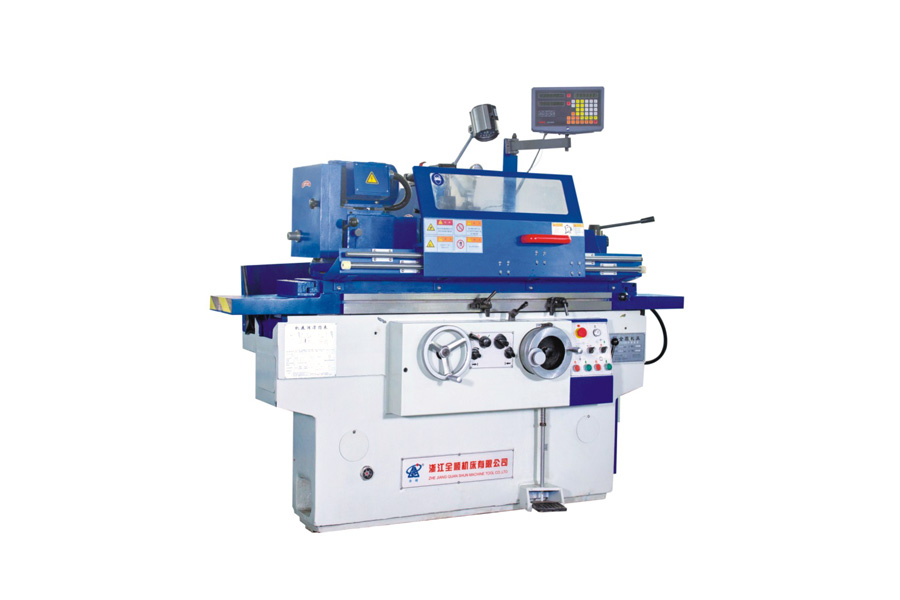
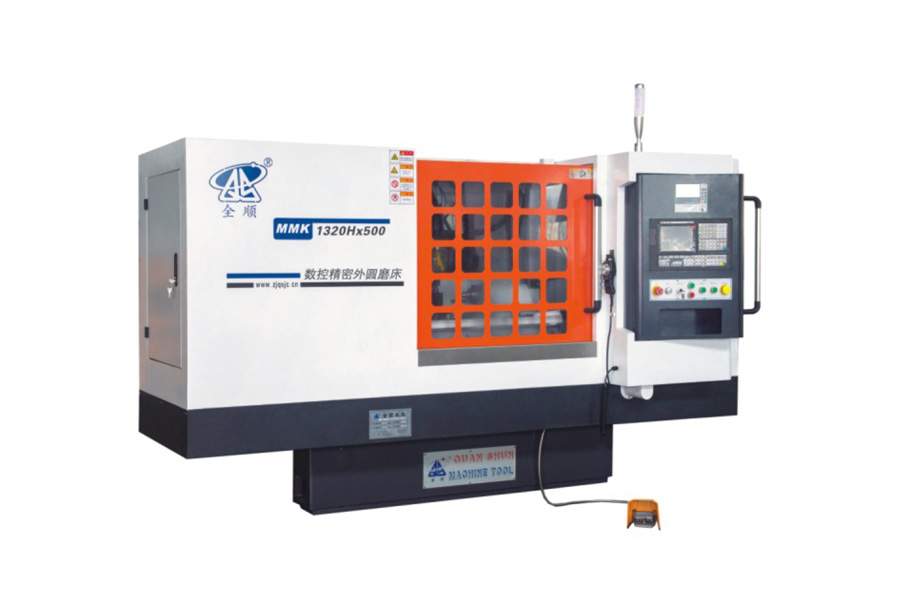
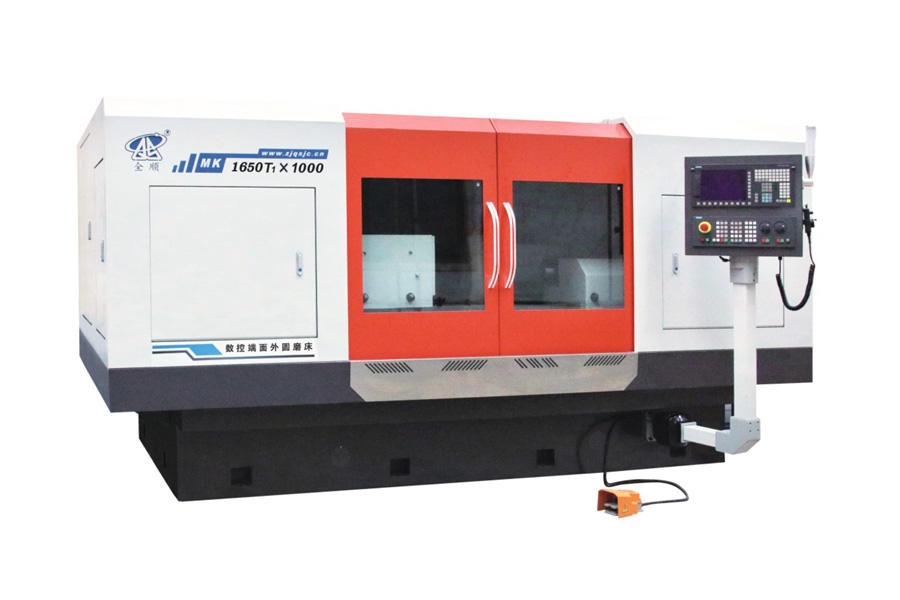
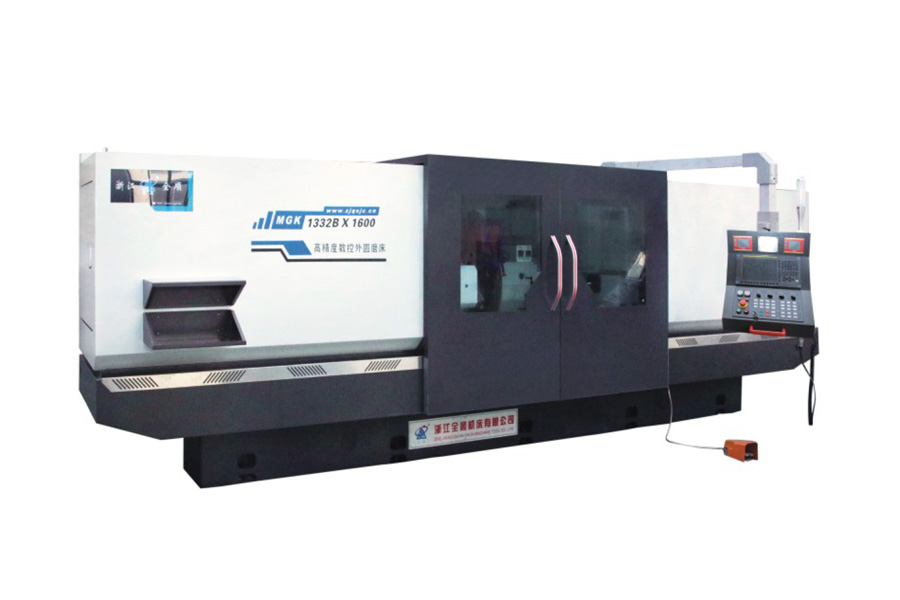
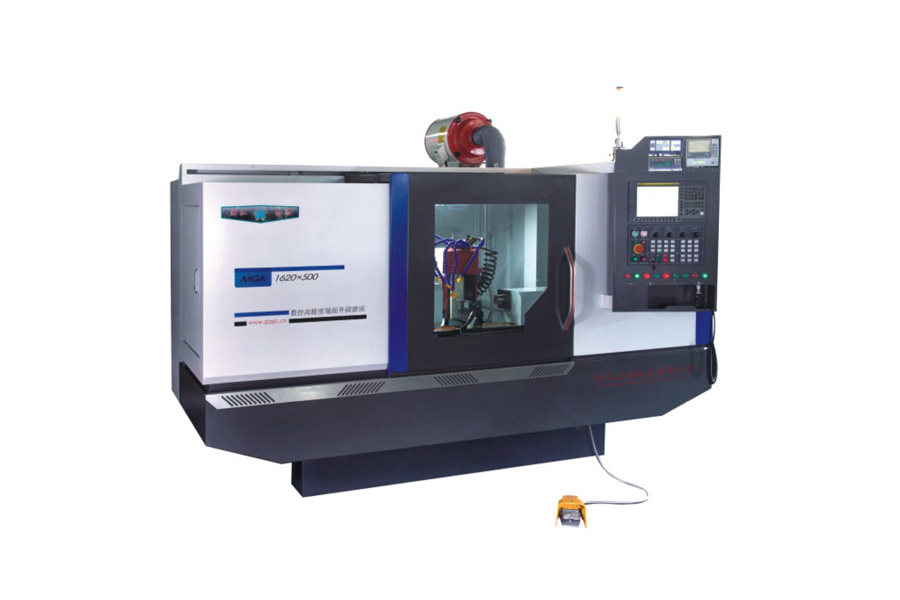 High-Precision CNC Cylindrical Grinder for Complex ShaftsThis CNC cylindrical grinding machine delivers sub-micron precision with rigid casting and advanced spindle technology. It suits one-off parts or those requiring center-based location, ensuring accurate straight, tapered, or multi-step profiles.View Product →
A well-tuned centerless bar grinding machine can hold ±0.005 mm on diameter with the proper wheel dressing, coolant flow, and feed rate. In production, the following values are realistic:
- Diameter tolerance: ±0.005 mm
- Roundness: 0.002 to 0.005 mm
- Straightness: 0.005 mm over 500 mm length or better
- Surface finish: Ra 0.2 to 0.4 μm
These outcomes are influenced by several factors. Wheel dressing intervals determine how quickly the cutting edge degrades. Coolant flow and pressure control heat buildup in the grinding zone. Feed rate and wheel speed must be balanced to avoid chatter. The correct wheel hardness for your material family is also important.
However, not every bar job is best suited for centerless grinding. If the workpiece has center holes that must be preserved, or the tolerance range is very small and the batch is short, a high-precision CNC cylindrical grinding machine can be the better choice. For a closer look at achievable accuracy, see this guide on centerless grinding accuracy.
Practical Considerations for Production
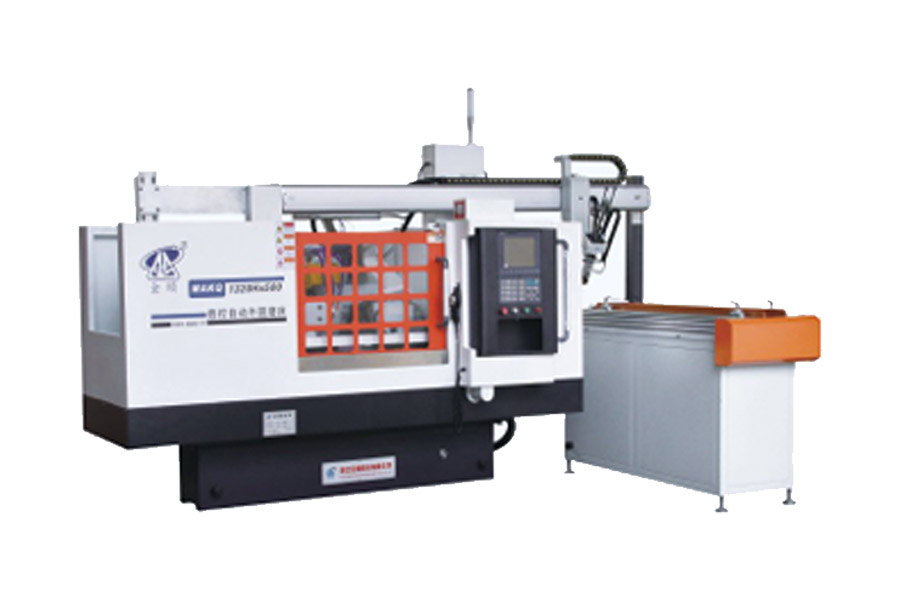
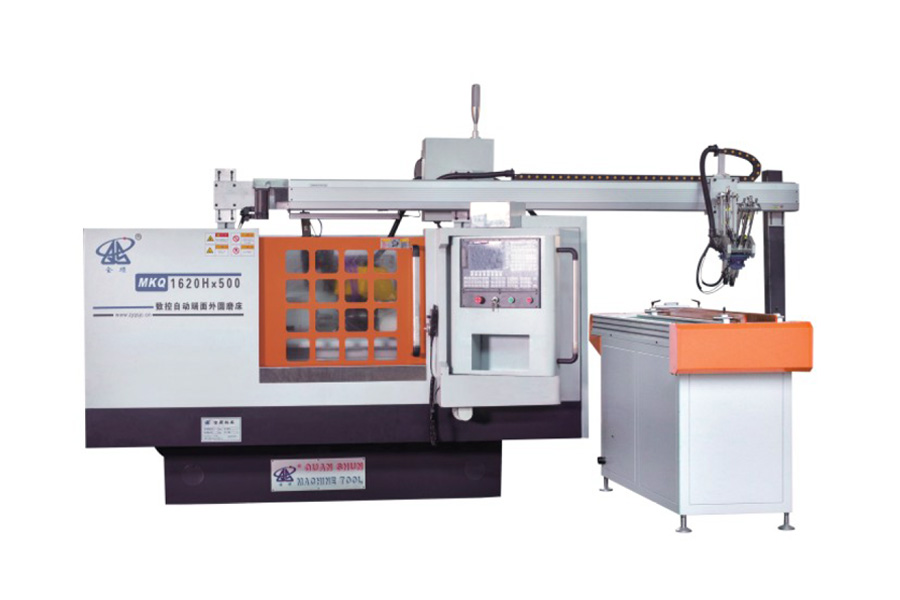
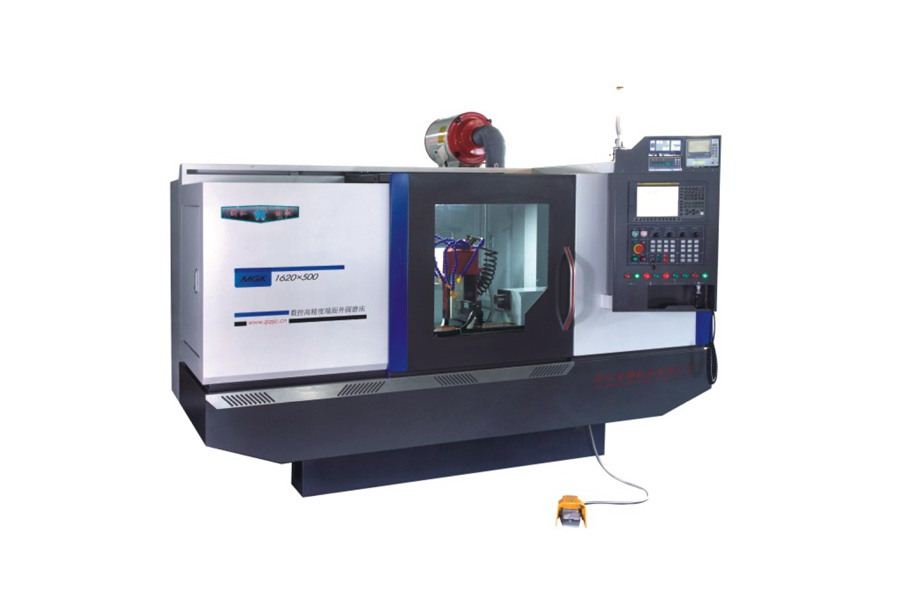
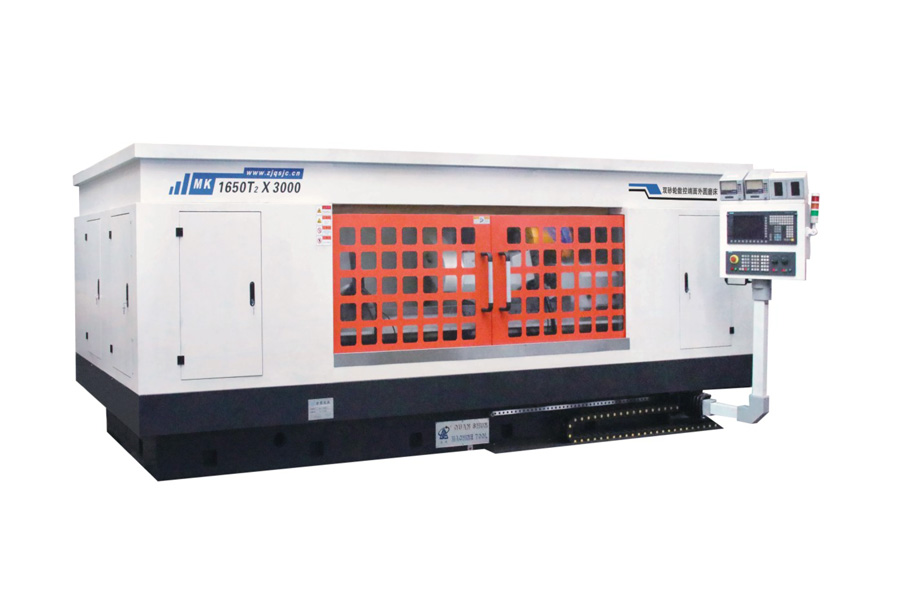
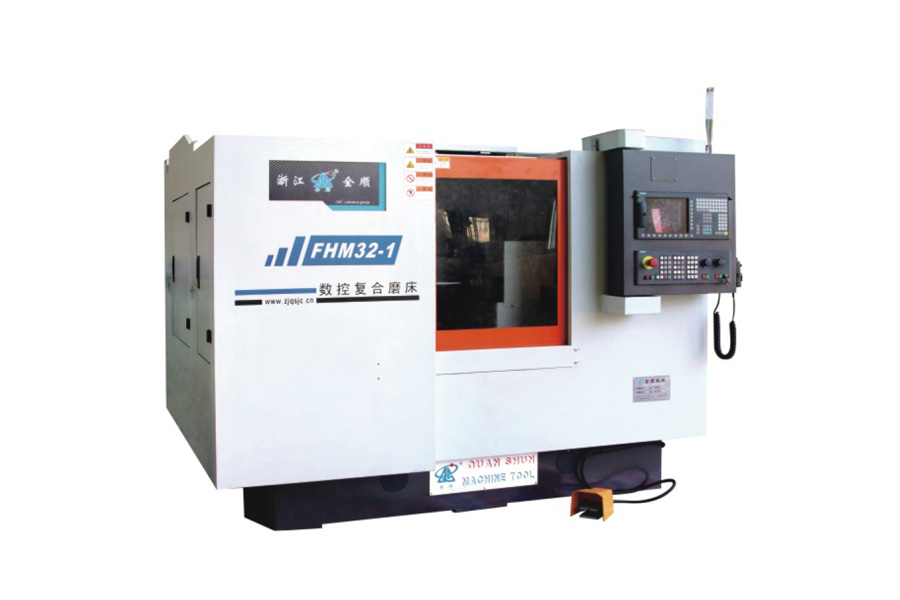
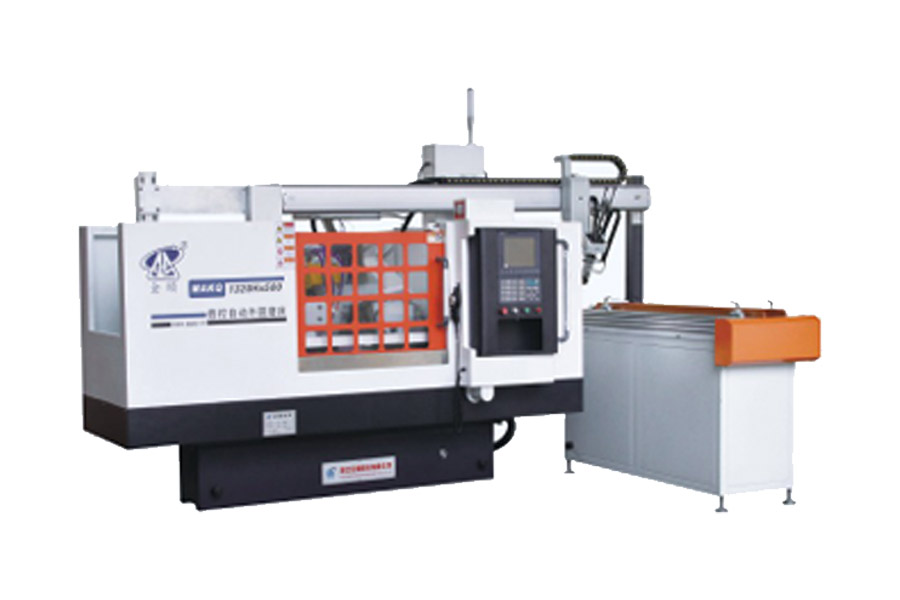 Automatic CNC Cylindrical Grinder with Robotic LoadingDesigned for mass production, this automatic cylindrical grinder features dual-channel control for simultaneous grinding and handling. It reduces labor costs and integrates seamlessly into fully automated lines.View Product →
Material and Bar Stock Behavior
Centerless bar grinding works on carbon steel, alloy steel, stainless steel, brass, aluminum, and many hardened grades. Grit selection and wheel hardness must match the workpiece material. Stainless bars need frequent dressing because they load the grinding wheel quickly; soft aluminum bars need an open-structured wheel to avoid clogging. Knowing your material family will influence both wheel choice and machine settings.
Coolant and Thermal Management
The coolant in centerless grinding does double duty: it removes heat and washes away chips. If the coolant nozzle is aimed incorrectly or the flow rate is too low, local overheating can cause thermal damage. At high feed rates through the grinding zone, every part depends on a stable, well-filtered coolant stream. A coolant system with proper temperature control helps maintain diameter consistency over a full shift.
Automation and Loading Options
When volume is high, automatic feeding and unloading can improve utilization significantly. A bar feeder delivers stock at a consistent rate, while a take-off mechanism removes finished bars. This reduces the need for operator attention and helps keep cycle times uniform. It also prevents unloaded parts from sitting too long in the hot grinding zone, which can affect heat distortion. For those applications, a machine with automatic loading capability can be paired with the centerless grinder, or a fully automatic CNC cylindrical grinder can be considered as an alternative line arrangement.
How to Choose the Right Centerless Bar Grinding Machine
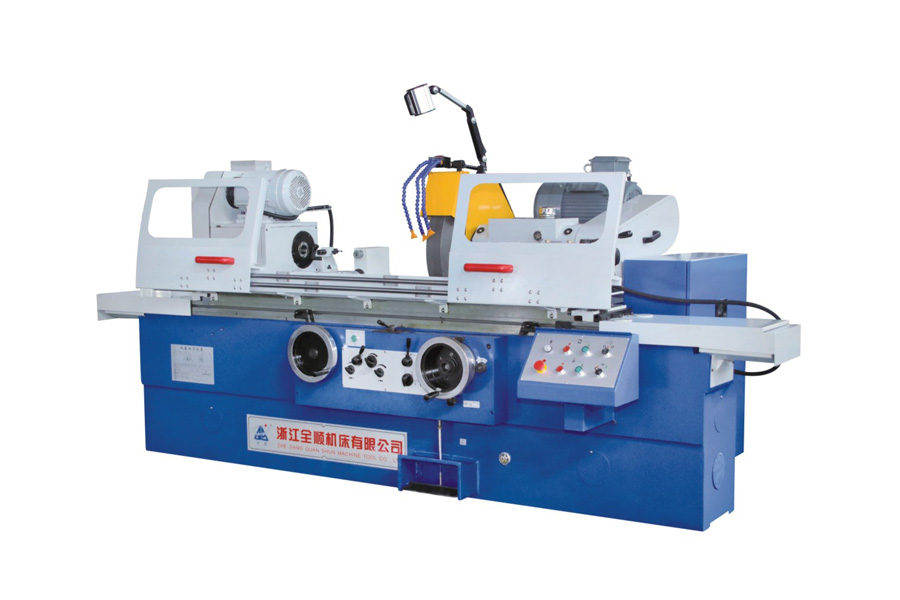
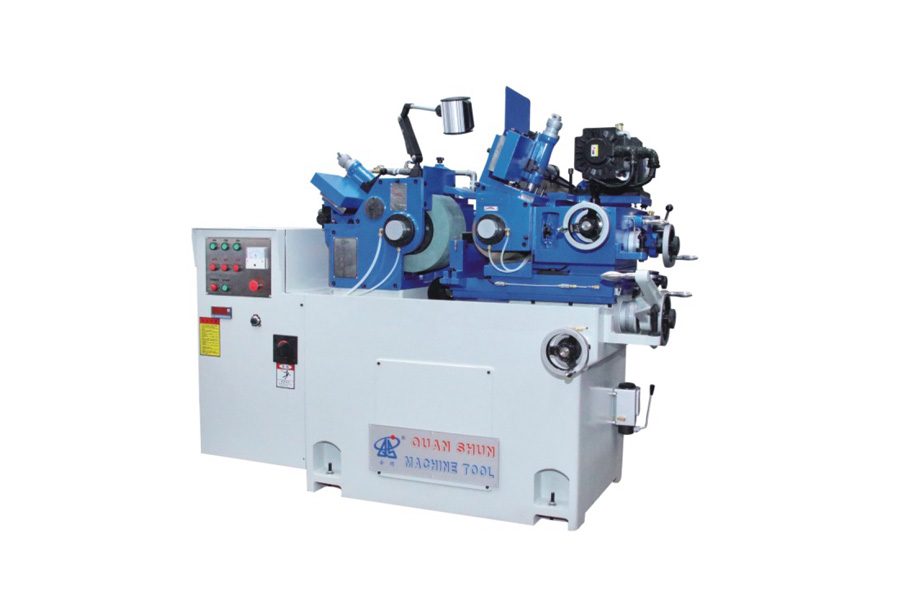
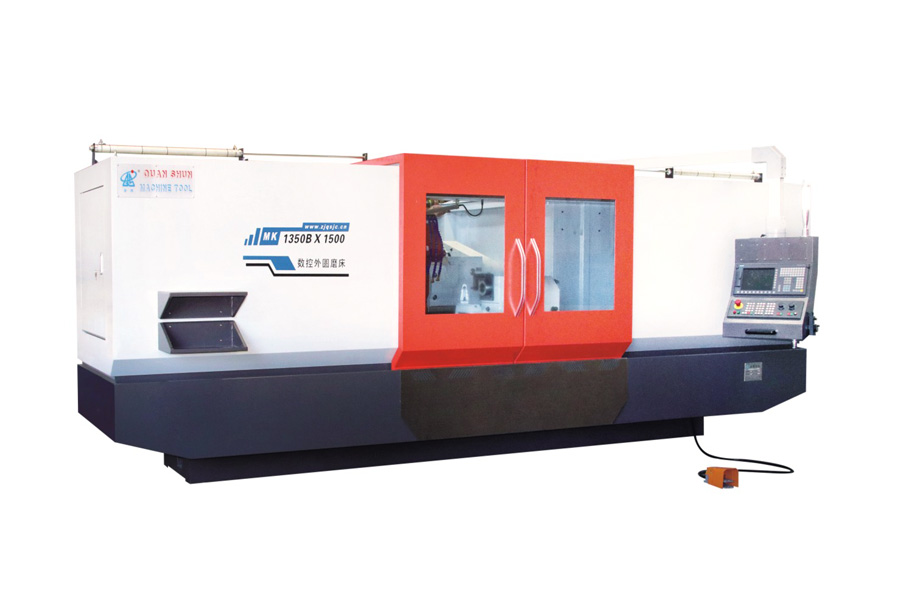
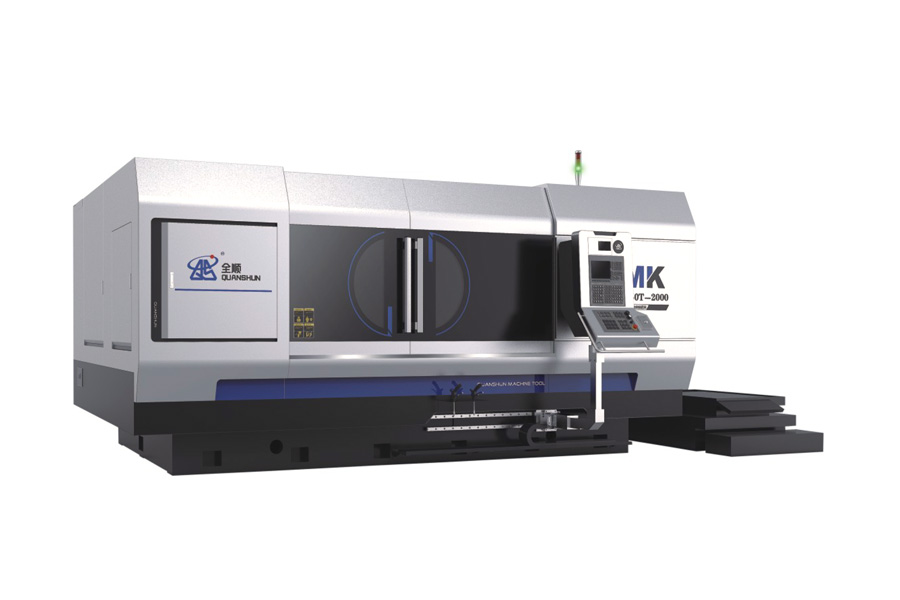
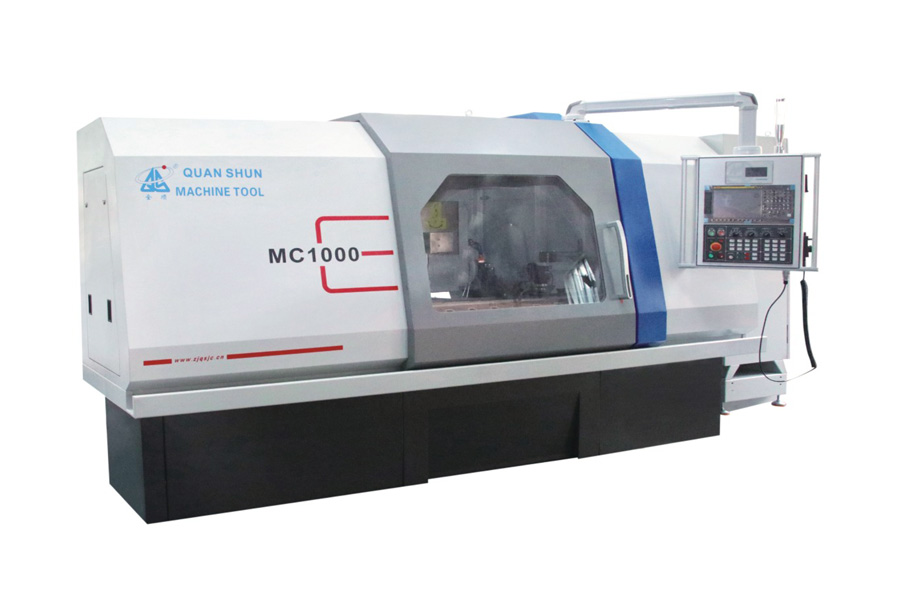
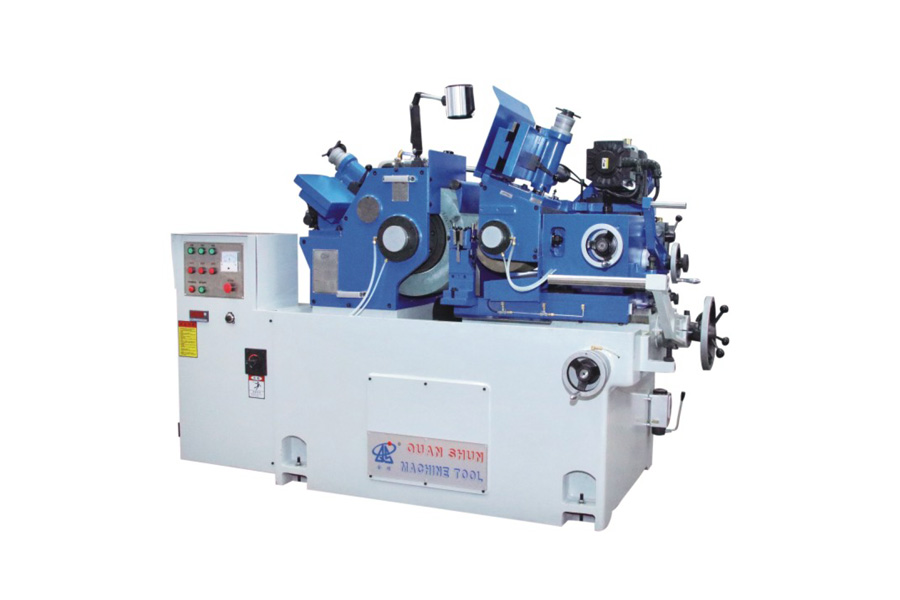 Centerless Grinding Machine for High-Volume Bar WorkThis centerless grinder supports continuous thru-feed and in-feed grinding without center holes. Its rigid structure and servo-regulated wheel ensure stable performance for fasteners, pins, and long bars at scale.View Product →
Machine Stiffness and Spindle Quality
The structural rigidity of a centerless grinding machine determines how well it resists deflection under load. High quality bearings and a properly damped bed keep the wheel centerline stable. When grinding hardened alloy steel or large bars, insufficient stiffness shows up as banded finish and diameter drift. The machine should be evaluated not by its table travel alone, but by the overall loop of rigidity through the spindle, wheel head, and bed.
Grinding Wheel and Regulating Wheel Configuration
The wheel width and diameter define the maximum grinding zone. If you process bars longer than what can pass through in one operation, you should assess whether the machine can support through-feed grinding with additional work rests. The regulating wheel drive should allow precise speed adjustment, because its speed directly influences the bar's rotation and axial feed.
Control System and Dressing Capabilities
A CNC centerless grinding machine can automate the dressing cycle, compensation feed, and grinding feed schedule. This is a big advantage when you run the same bar size around the clock. The auto dress function keeps the wheel sharp at intervals that match the part tolerance. Automated compensation ensures the machine corrects for wheel wear, so the operator does not need to measure every piece manually.
Custom and Non-Standard Requirements
Some bar jobs do not fit a standard catalog machine. Large diameters, extreme lengths, or special profiles might require a custom grinding machine. When a standard centerless grinder cannot cover the workpiece geometry or the production target, discussing a custom solution with the equipment builder is the practical next step. Center hole grinders, wide wheel machines, and other custom designs can be integrated into a production line when the job calls for it.
Conclusion
Centerless bar grinding is a practical answer for high-volume precision bar work. It holds tight diameters, creates fine surface finish, and keeps production moving. For maximum value, the machine must be chosen with your part mix in mind: the feed type, wheel configuration, control system, and whether the machine offers enough flexibility for future work. When you need equipment, work with a manufacturer who can show you a proven centerless grinder and is ready to support it with reliable service. That combination gives you a process you can run confidently, shift after shift. An established machine tool builder with extensive production resources and a broad export track record can help you match these factors to your specific application.