0086-15068518279 (Chinese)/001-5416026691 (English)



 EN
EN
 中文简体
中文简体Content
- 1 Box Way vs Linear Way: What Each Guideway Actually Does
- 2 The Core Trade-off Between Box Ways and Linear Ways
- 3 How Box Ways and Linear Ways Affect Grinding Performance
- 4 Choosing Between Box Ways and Linear Ways for Your Shop
- 5 How Grinder Builders Apply Both Technologies
- 6 How to Evaluate a Grinder Before You Buy
- 7 Final Recommendation
When one grinder specification sheet says "box way" and another says "linear way," it is easy to assume that the second machine is simply more modern. That assumption can lead to a poor buying decision. The guideway system you need depends on the workpiece, the finishing target, and the production volume. Box ways deliver rigidity and damping; linear guideways deliver low friction and fast positioning. For cylindrical grinding, both can produce good parts if the rest of the machine is correctly engineered.
Box Way vs Linear Way: What Each Guideway Actually Does
Box ways are sliding guideways with a broad contact surface. A cast iron or steel slide sits on a matching way surface, often with a low-friction lining such as Turcite. The large contact area carries heavy loads well and damps vibration more effectively than rolling-element guides. The trade-off is higher friction, greater sensitivity to lubrication, and a slower maximum traverse speed.
Linear ways, also called linear guideways or LM guides, use recirculating balls or rollers between the carriage and the rail. They have much lower friction, allowing faster acceleration, lighter servo loading, and long travel lengths without stick-slip. The main compromise is that a linear guideway has less inherent damping than a box way, so the machine structure must supply that stiffness through larger castings, added ribs, or preloaded carriages.
Both concepts have been used in machine tools for decades. The choice is not about old versus new. It is about matching the motion system to the forces and accuracy requirements of the process.
The Core Trade-off Between Box Ways and Linear Ways
For evaluation, compare these characteristics:
| Characteristic | Box Way | Linear Way |
|---|---|---|
| Contact area | Large, sliding contact | Smaller, rolling contact |
| Load capacity | High static and dynamic stiffness | High, but depends on preload |
| Damping | Excellent vibration absorption | Moderate; structure must compensate |
| Traverse speed | Lower due to friction | Higher with low friction |
| Stick-slip risk | Higher in poorly lubricated slides | Very low |
| Accuracy | Excellent straightness when scraped | Excellent repeatability and straightness |
| Maintenance | Way lubrication and wear adjustment | Grease, seals, and rail condition checks |
| Typical use in grinders | Wheel-head slides, heavy table axes | Fast traverse axes, lighter CNC axes |
In a grinding machine, rigidity is the first priority. A grinding wheel removes material at high speed, and any vibration or deflection of the wheel head will appear as chatter, waviness, or poor roundness. That is why many builders still use box ways on the main grinding axes. Linear guideways are more common on axes that move quickly for positioning, dressing, or loading rather than on the main cut.
How Box Ways and Linear Ways Affect Grinding Performance
Take a cylindrical grinding operation that needs to hold roundness tolerance within 2 to 3 microns. The grinding wheel must approach the workpiece without any sudden movement or vibration. A box way on the wheelhead can help damp the small vibrations that come from the grinding wheel and the servo or hydraulic drives. A linear guideway can also provide this, but the machine base must be rigid enough to prevent cutting forces from twisting the rail.
Linear ways offer an important advantage in acceleration: the table can move quickly between measuring positions, dressing stations, and grinding zones. For an automatic grinding machine, that means less non-cutting time. Linear guideways also avoid stick-slip, which is useful for short reciprocating strokes where a sliding way would tend to grab and release.
However, a linear guideway can be more sensitive to dirt and to misalignment during installation. In a grinding environment, coolant and grinding swarf are always present. Good sealing and regular lubrication are essential in both systems. The reliability of a way system is often decided more by the quality of seals, wipers, and lubrication than by whether it is a box or linear way.
For high accuracy on smaller or medium-size workpieces, a stiff machine bed combined with a preloaded linear way can work extremely well. That design can also shorten cycle time without sacrificing finish quality.
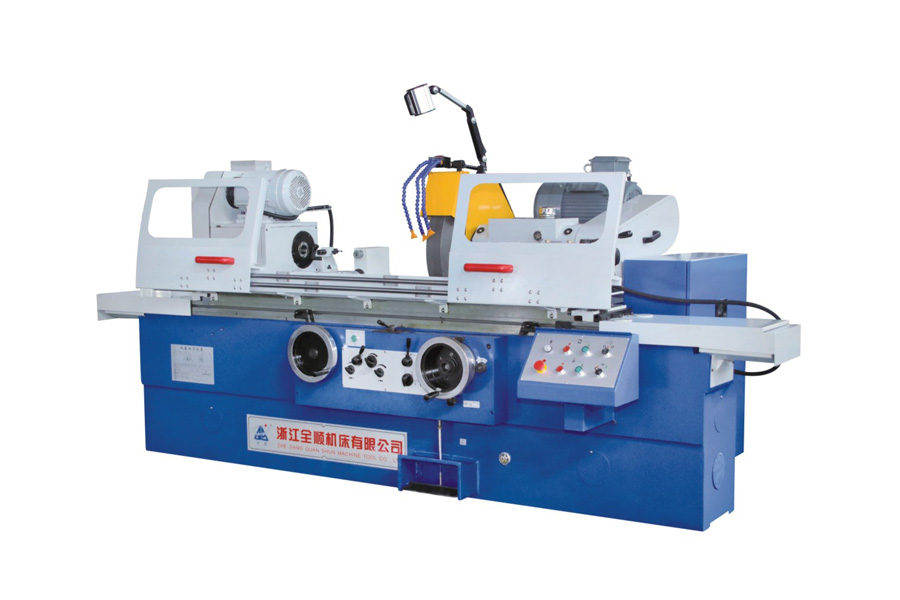
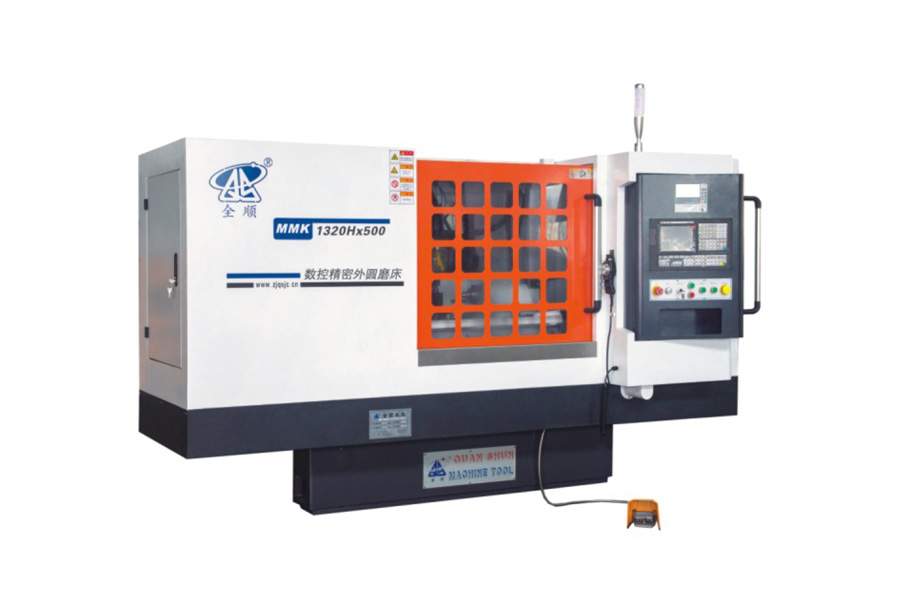
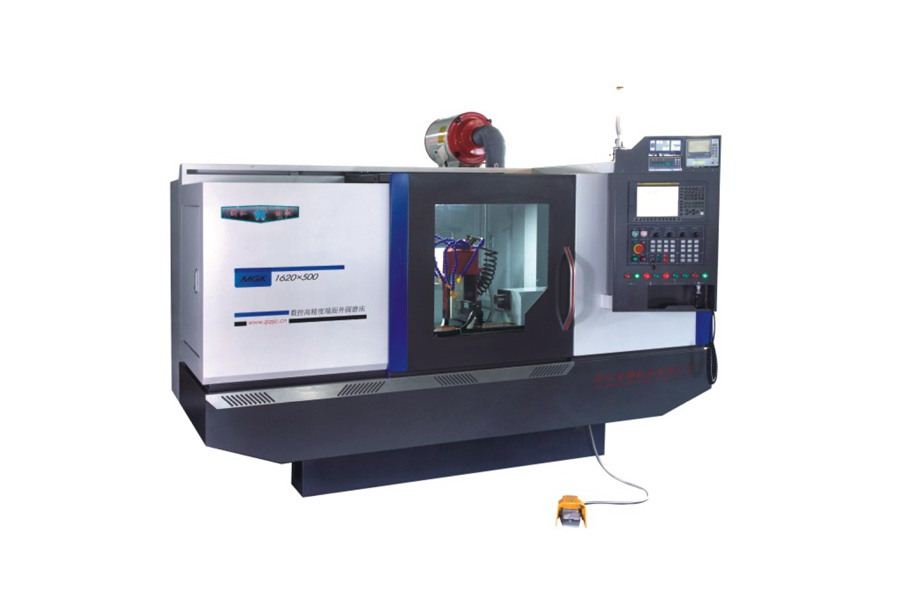
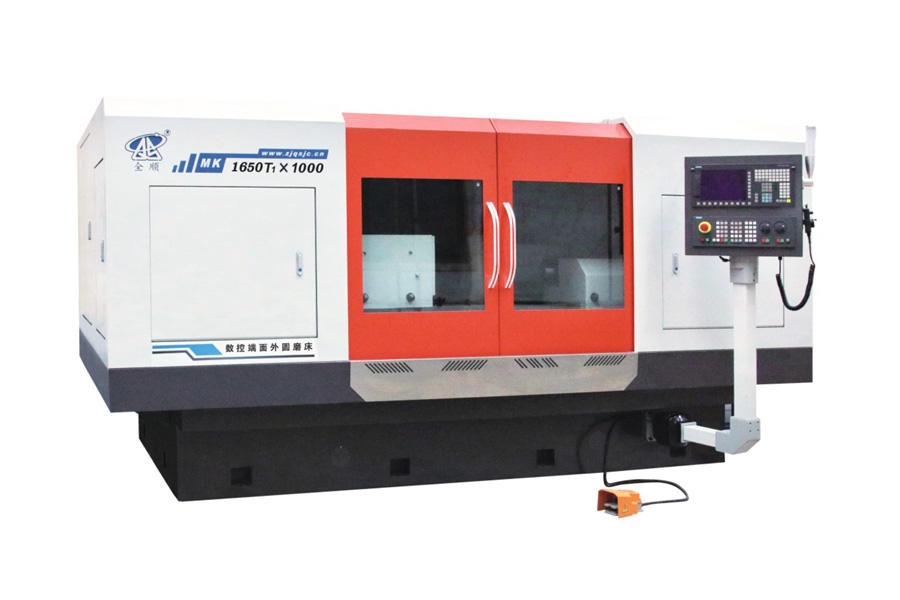
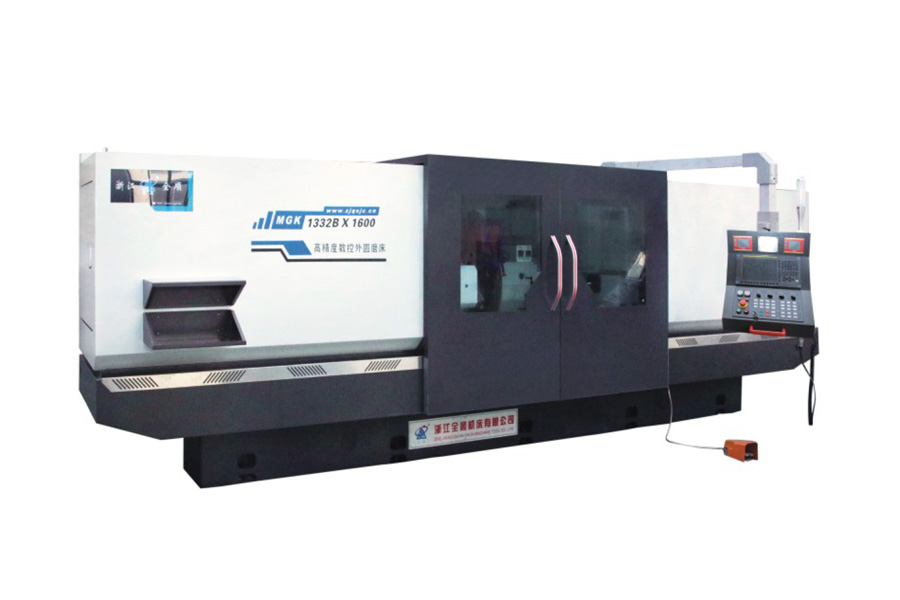
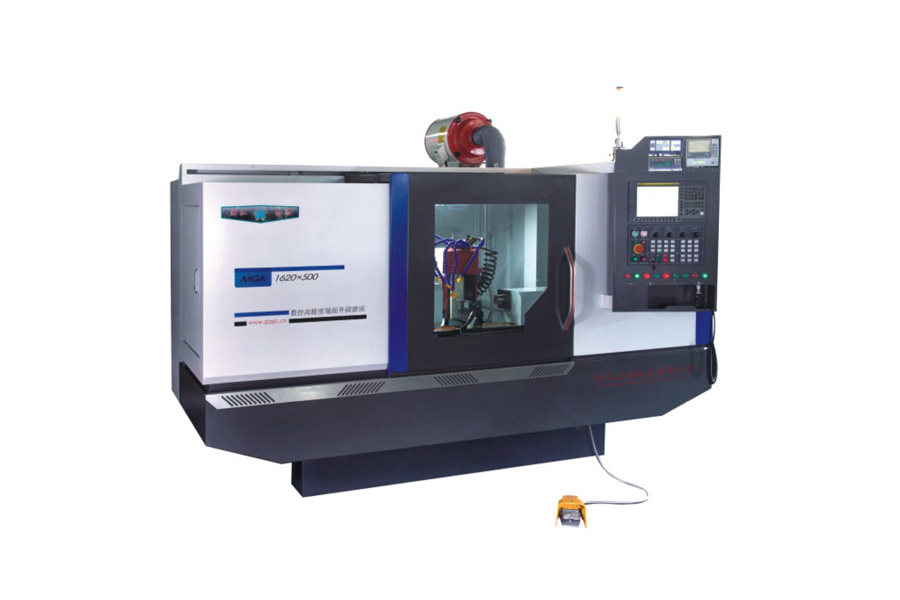 High Precision CNC Cylindrical Grinding Machine for Sub-Micron AccuracyThis CNC cylindrical grinder combines a rigid Meehanite cast iron bed with preloaded ball screws and linear ways, delivering sub-micron repeatability and smooth finishes for high-volume or small-batch shaft grinding.View Product →
Choosing Between Box Ways and Linear Ways for Your Shop
Start with the workpiece rather than the guide type. Ask these questions:
- Do you grind long shafts or heavy workpieces? A box way on the worktable or wheelhead will provide the stability needed for traverse grinding.
- Do you need fast cycle times with an automation system? A linear way on the loading axis or the table can reduce idle time.
- Do you process small batches with frequent set-up changes? A conventional machine with box ways is easier to adjust manually and very predictable.
- Do you need extremely fine surface finish? Choose a guideway system with high damping; box ways often make this easier.
- Do you need to hold micron-level geometry with very small depths of cut? Both can work, but the machine frame must be stiff enough for the selected way type.
Box ways suit grinding shops that value damping, long service life, and predictable manual operation. Linear ways suit shops that value speed, low friction, and CNC automation. In many modern grinding machines, you will see a hybrid design: box ways on the main grinding axis and linear guideways on the other axes. This is not a compromise; it is the smart use of each technology.
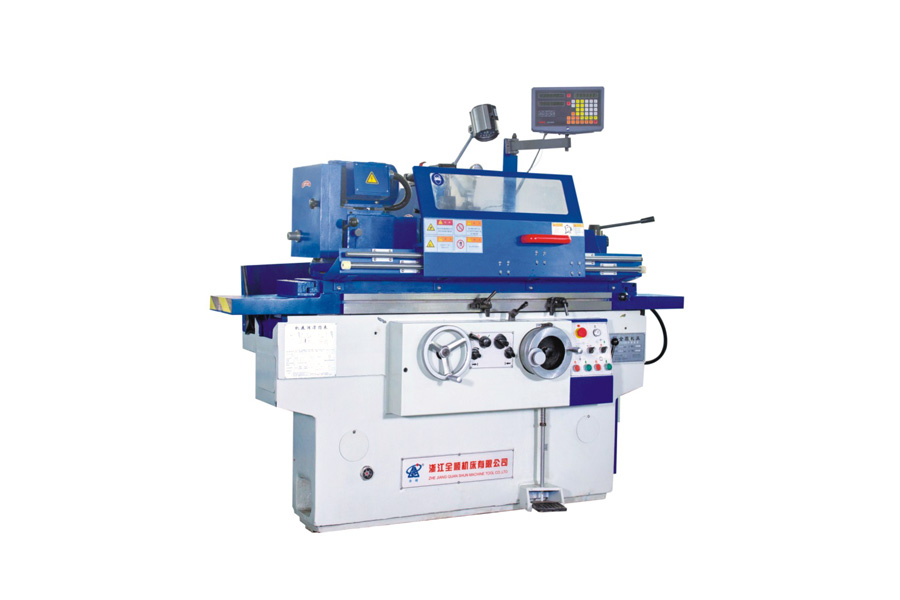
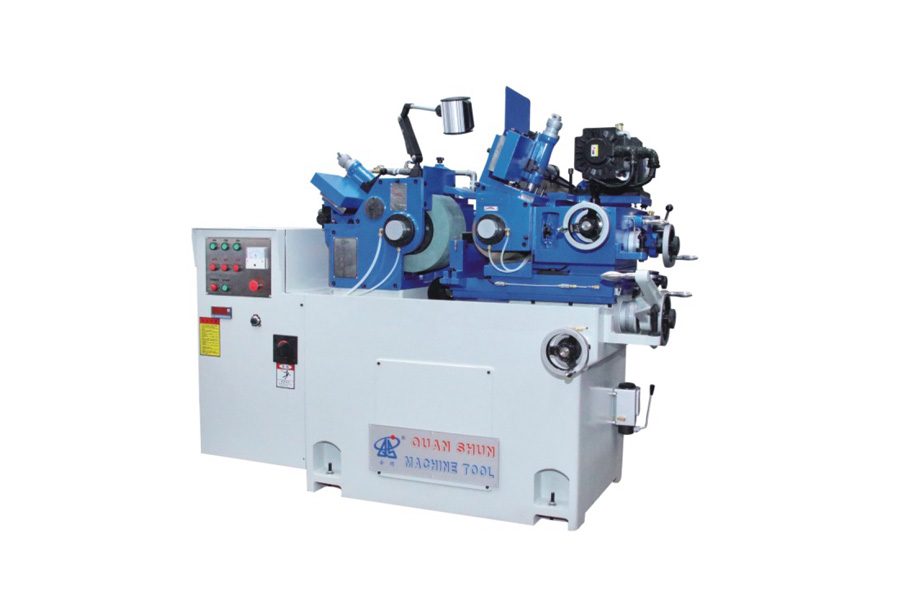
For toolroom work and conventional grinding tasks, a well-scraped box way is still one of the most stable options you can specify. If your jobs lean toward general-purpose, small-batch production, this kind of machine is worth measuring against the rest of your workload.
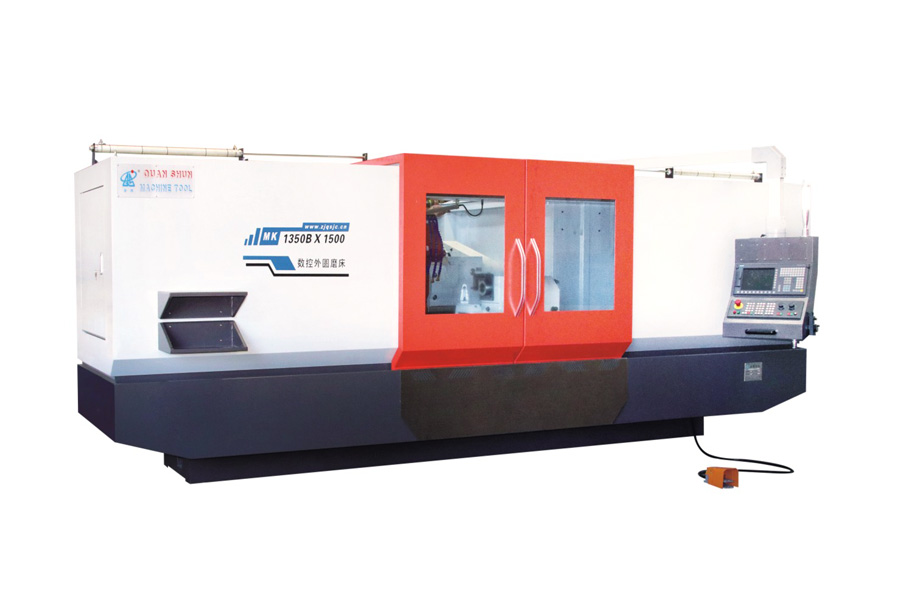
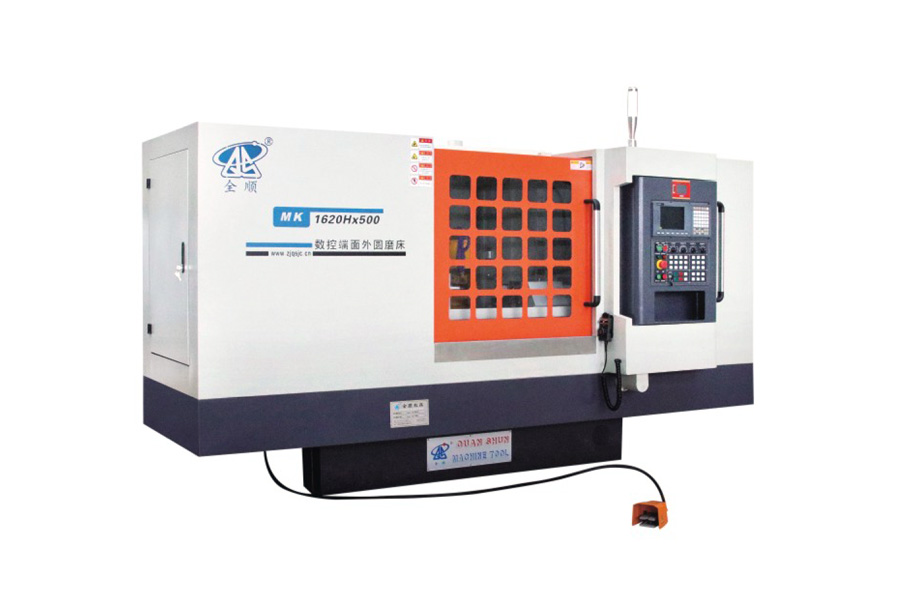
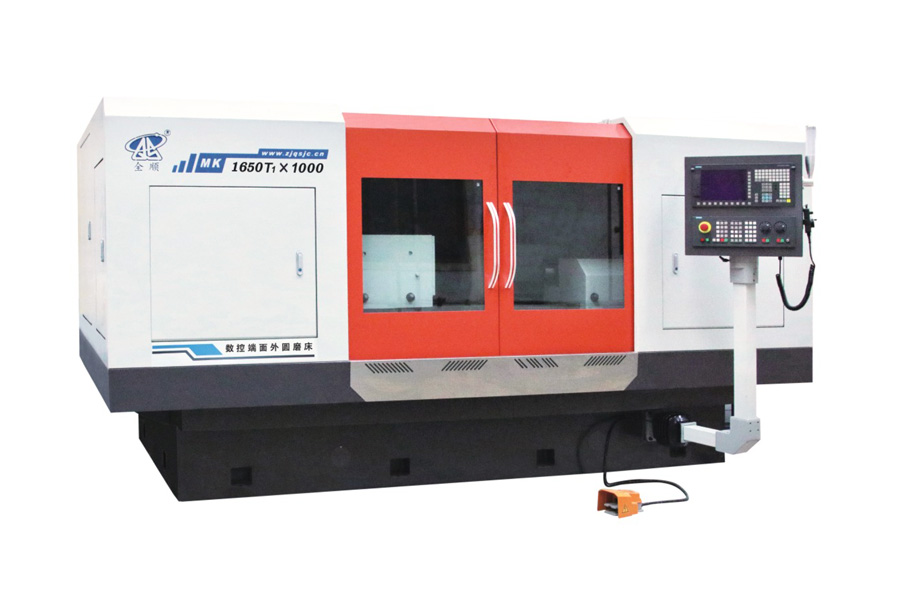
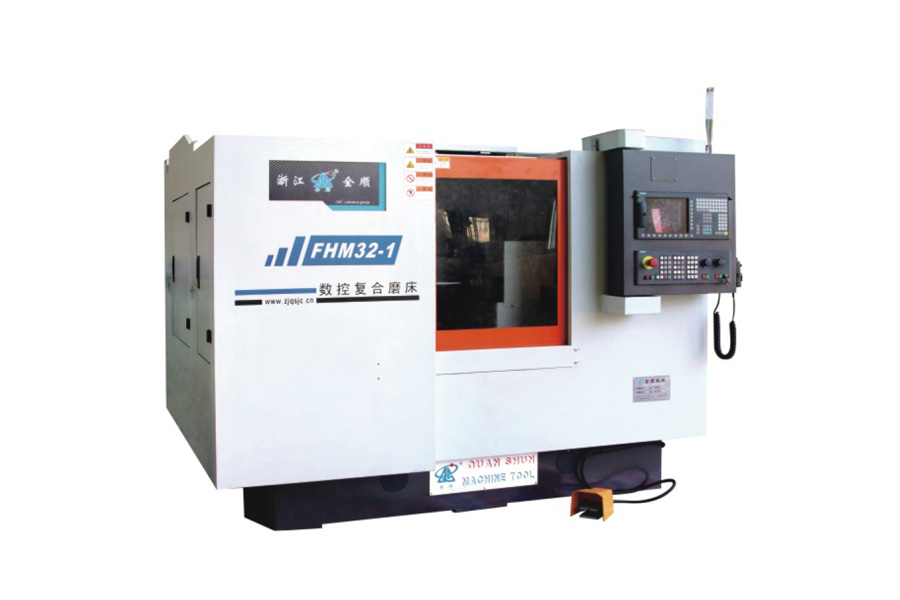
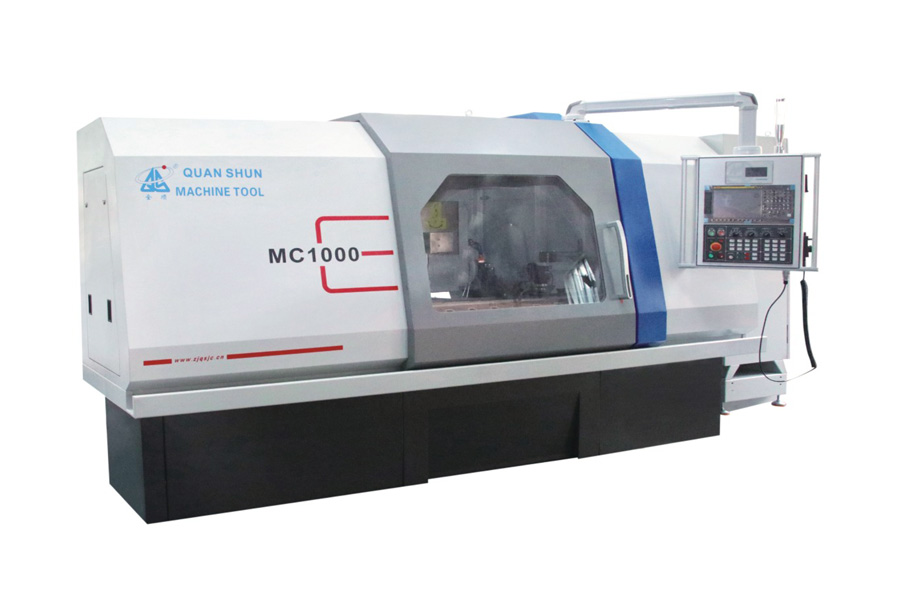
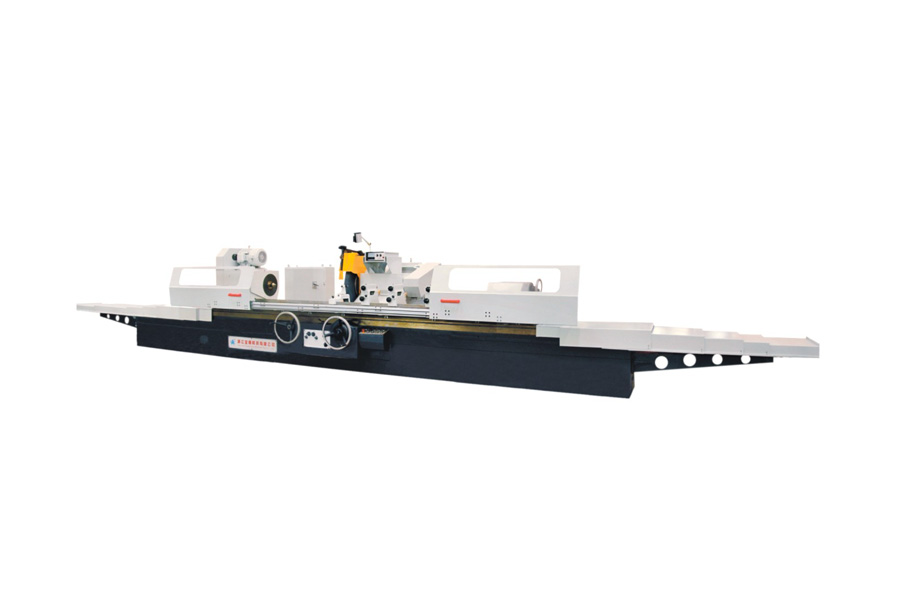 Conventional Cylindrical Grinding Machine with Box Way StabilityA well-scraped box way offers exceptional vibration damping and rigidity, making this conventional grinder a dependable choice for general-purpose, small-batch production where stable, repeatable cuts matter.View Product →
How Grinder Builders Apply Both Technologies
A grinder builder decides where box ways and linear ways are used by analyzing cutting forces, thermal growth, and required traverse speeds. For cylindrical grinding, the wheelhead axis must resist radial and axial cutting forces. If that axis is a box way, the large contact area distributes the force and damps the high-frequency vibration of the grinding wheel. For a reciprocating table, a linear guideway can reduce friction and allow finer control at both ends of the stroke.
Zhejiang Quanshun Machine Tool Co., Ltd. applies both concepts across its grinding machine range. Conventional models use sturdy sliding ways for the classic toolroom role, while CNC models often combine linear guideways on fast axes with rigid bed construction. If a standard machine cannot cover your workpiece shape or length, the company also offers custom grinding machines where way design can be tailored to a specific operation.
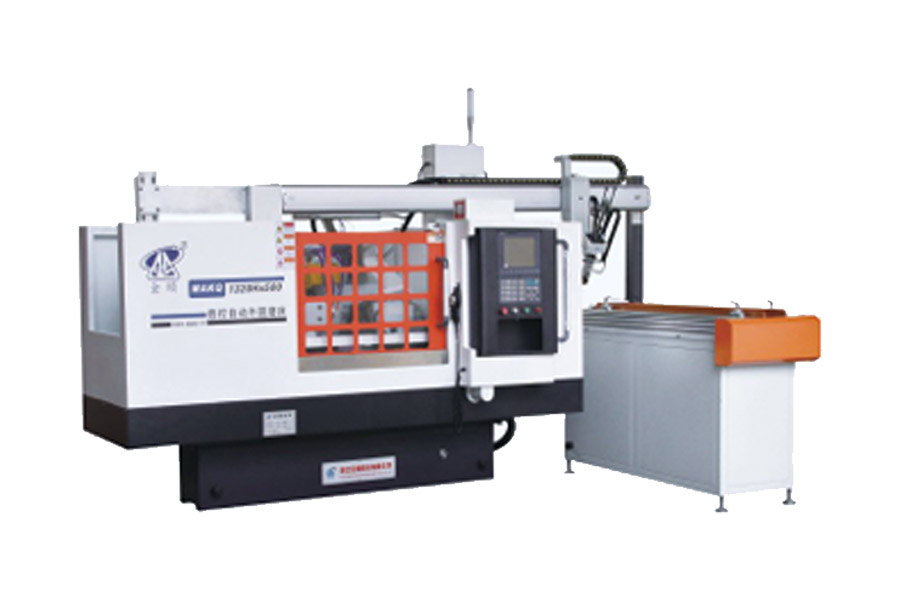
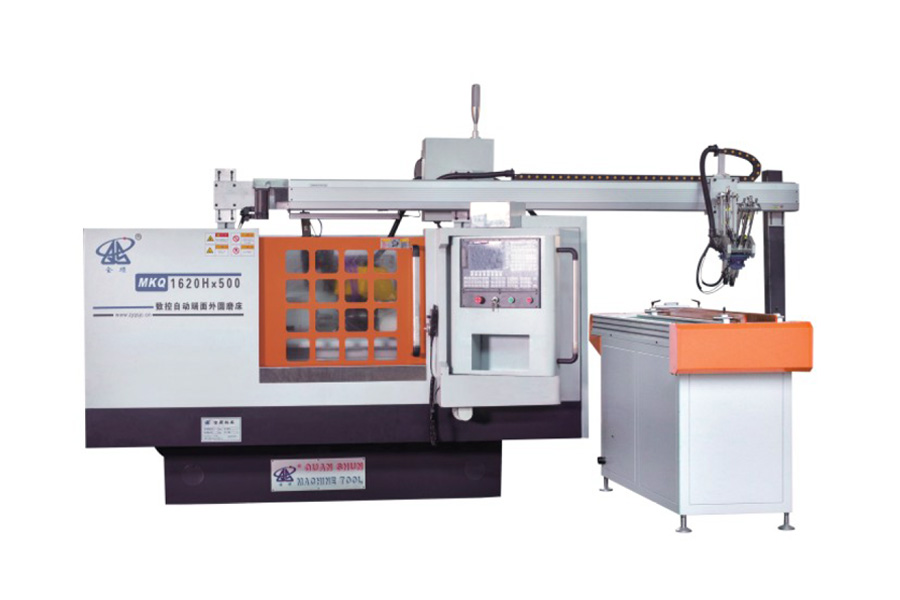
For high-volume parts, an automatic grinding machine can combine fast linear loading axes with the stiffness needed for stable cylindrical grinding.
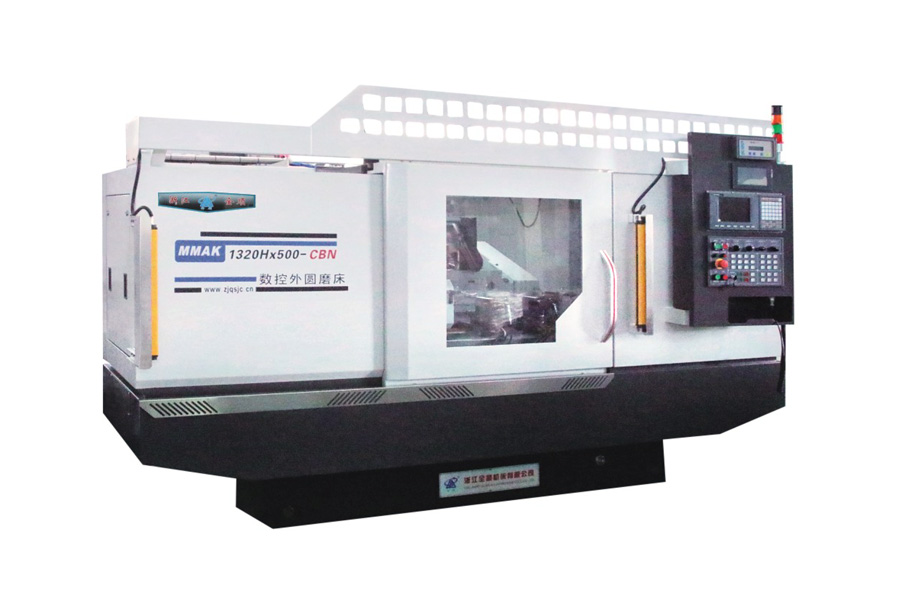
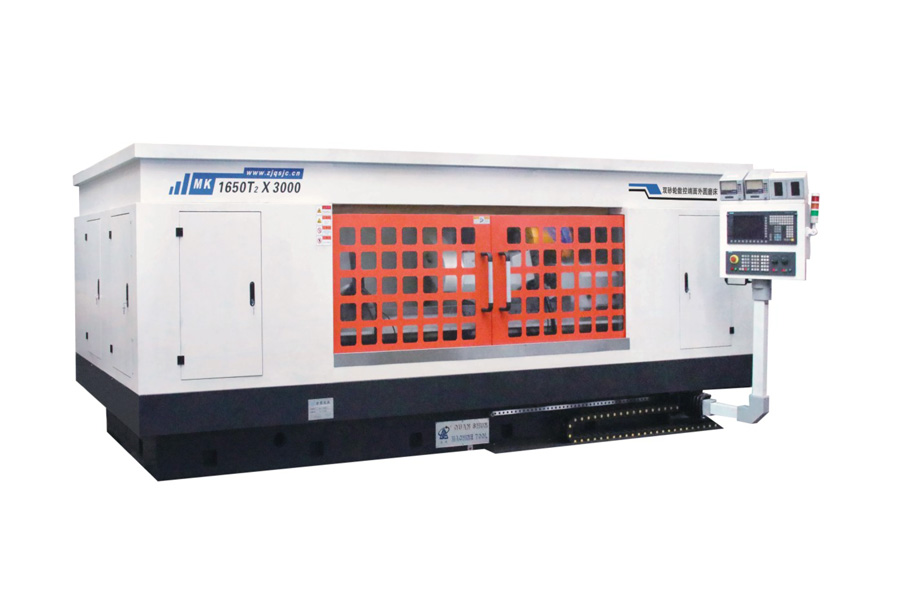
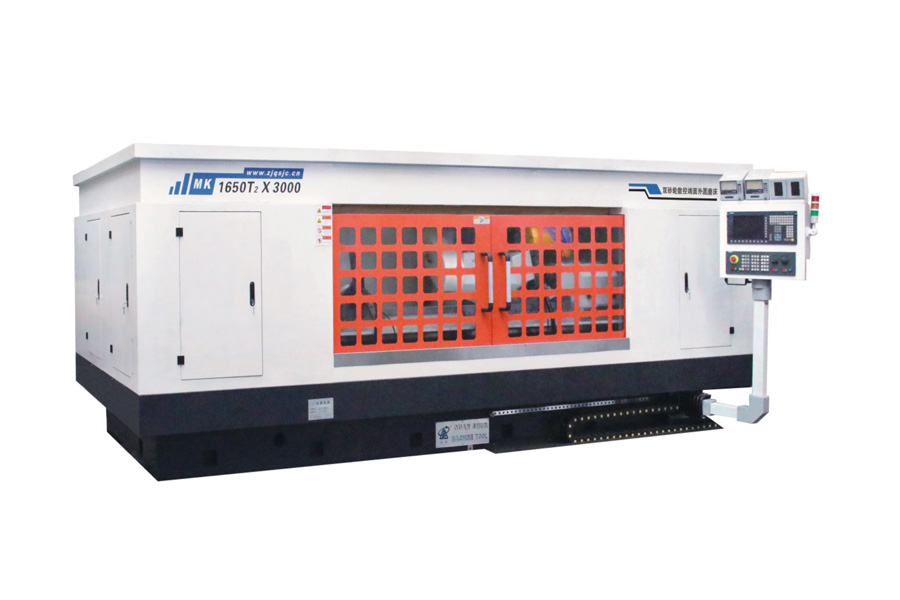
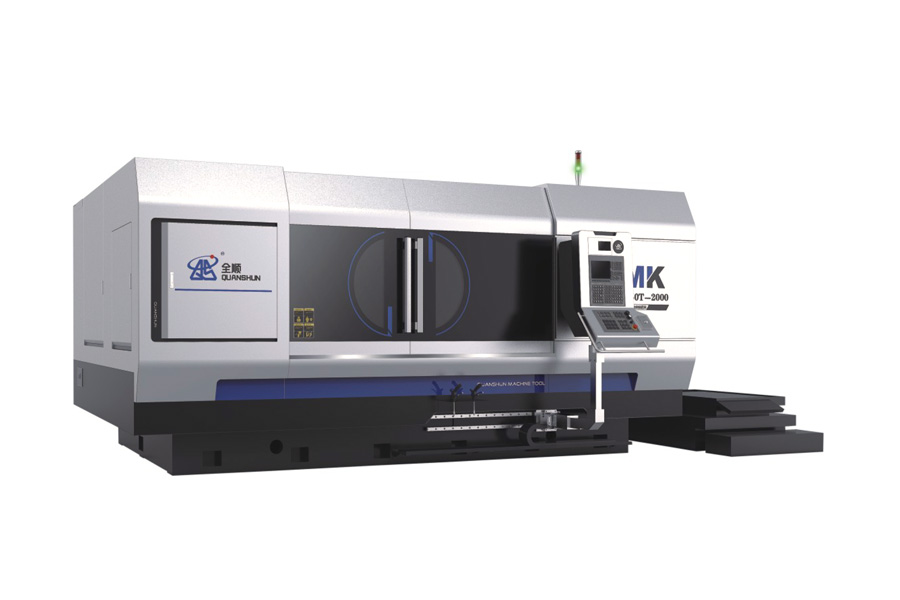
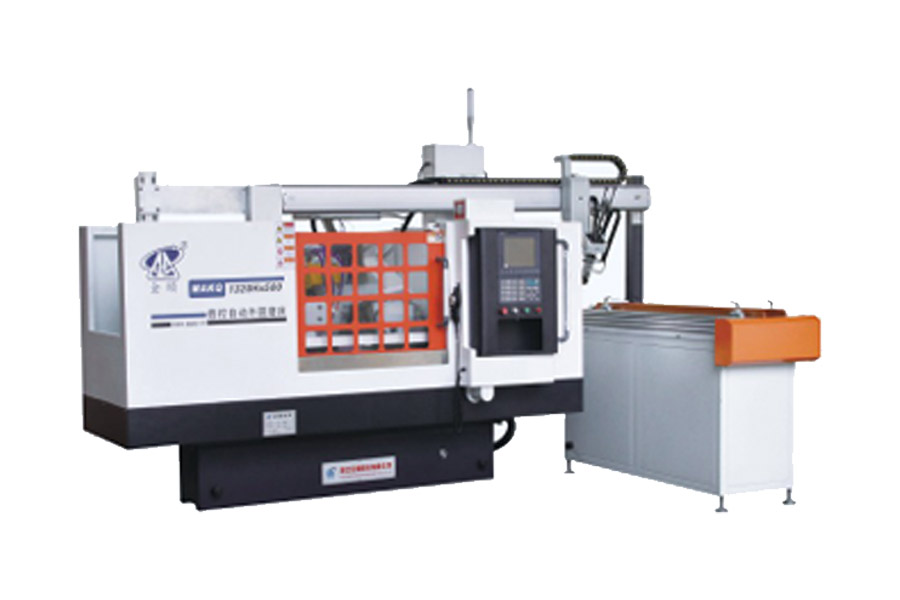 Automatic CNC Cylindrical Grinding Machine for High-Volume ProductionFeaturing automatic loading and unloading, a dual-channel control path, and a manipulator that integrates with flexible line layouts, this grinder boosts throughput while one operator manages multiple machines.View Product →
How to Evaluate a Grinder Before You Buy
Guideway type is only one specification. Evaluate the complete machine system with these steps:
- Ask the builder how the guideways perform in terms of rigidity and damping, not just what type they are.
- Run a test part with the same finish and tolerance you actually produce.
- Check the thermal stability of the hydraulic system and spindle; heat will deform any guideway.
- Inspect the wipers and lubrication intervals before accepting the machine.
- For a linear-way machine, ask about rail installation accuracy and preload class.
- For a box-way machine, ask about scraping condition and how to adjust clearance over time.
A good grinder produces the specified tolerance over many hours, not just in a short acceptance test. The way design matters because it affects long-term accuracy and service costs. Before making a final choice, read more about how to choose a grinding machine.
Final Recommendation
Do not choose a "linear" machine simply because it appears more advanced, and do not assume box ways are outdated. Choose the guideway system that gives you the best combination of rigidity, damping, speed, accuracy, and service life for the parts you grind. For heavy, long, or interrupted workpieces, box ways are often the safer choice. For fast, lightly loaded, or automated production, linear ways offer real advantages.
If you are uncertain, start by defining the tolerance class of your parts, the material, and the batch size. Then compare actual grinder models. Look for a builder that can discuss guideway design in concrete terms and, if needed, adapt the machine to your workpiece. That is how you turn a guideway specification into a reliable production decision.