0086-15068518279 (Chinese)/001-5416026691 (English)



 EN
 中文简体
Content
- 1 What an Automatic Bar Feeder Actually Does
- 2 Three Loader Configurations and Where Each One Fits
- 3 Bar Quality Is Where "Automatic" Breaks Down
- 4 The Numbers Worth Checking Before You Sign
- 5 Feeding a Grinder Is a Different Problem
- 6 Combining Operations to Cut Handling in Half
- 7 What to Put in the Specification
You notice an automatic bar feeder most on the day it stops working. A magazine loader jams at two in the morning, the lathe sits idle behind a closed guard, and the night shift's output disappears until somebody clears the bent bar and re-homes the pusher.
The short answer first: a bar feeder earns its money when bar length, bar straightness, and batch size match the loader you bought. It turns into an expensive pusher when the feeder is chosen last, after the machine, and nobody revisits bar stock quality, spindle liner clearance, or the changeover routine.
What follows is the practical version — how the device works, which configuration suits which shop, and where the weak points usually show up in the first month of production.
What an Automatic Bar Feeder Actually Does
A magazine loader holds a bundle of bars in a rack. An elevating arm lifts one bar into the guide channel, a pusher — chain-driven or servo-driven — advances it through the spindle liner and into the chuck, and the machine cuts. When the part is finished, the pusher retracts, indexes the bar forward, and repeats until the remaining stub is too short to grip safely. Then the remnant drops out and the cycle starts again with the next bar.
That sequence looks simple and is not. Three variables decide whether it runs cleanly: bar diameter range, usable bar length, and guide channel clearance. Feed force and push rate decide whether a slightly bent bar is gently straightened on the way in or wedged solid halfway through the liner. The signal handshake with the machine — chuck open, end of bar, alarm, part counter — decides whether the cell can run without an operator standing nearby.
Buyers often compare feeders on magazine capacity alone. In practice, the remnant length and the changeover time between bar diameters affect cost per part far more than the number of bars the rack can hold.
Three Loader Configurations and Where Each One Fits
Most automatic bar feeders on the market fall into one of three families. The table below compares them on the points that usually decide the purchase.
| Feeder type | Bar length handled | Best fit | Main trade-off |
|---|---|---|---|
| Short bar loader (spindle length) | Roughly 1 to 1.5 m, pre-cut | Small lathes, tight floor space, frequent diameter changes | Extra sawing, more remnant loss per kilogram |
| Magazine loader (3 m / 12 ft) | Full mill length, through the spindle | Long runs, costly alloys, lights-out shifts | Footprint, price, demands straight bar stock |
| Multi-tube or bundle loader | High bar counts per loading | High-volume, single-part-number production | Longest changeover, least flexible across sizes |
A shop running three part numbers a week will get more from a short loader than from a 12-foot magazine. A shop running one part number for a month will regret every manual bar change.
Bar Quality Is Where "Automatic" Breaks Down
Feeders do not fail because the control is weak. They fail because the bar was not what the feeder expected.
- Straightness. A bar running out more than half a millimetre per metre will rub the guide channel, sing at higher spindle speeds, and eventually mark the liner.
- Diameter scatter. Guide channels are sized for a narrow band. If diameter varies across the bundle, clearance becomes a compromise between whipping and seizing.
- Bar ends. A saw burr of a few tenths of a millimetre is enough to catch in the liner mouth. Chamfered or ground ends load noticeably more reliably.
- Surface condition. Scale and rust change friction in the channel and contaminate the coolant.
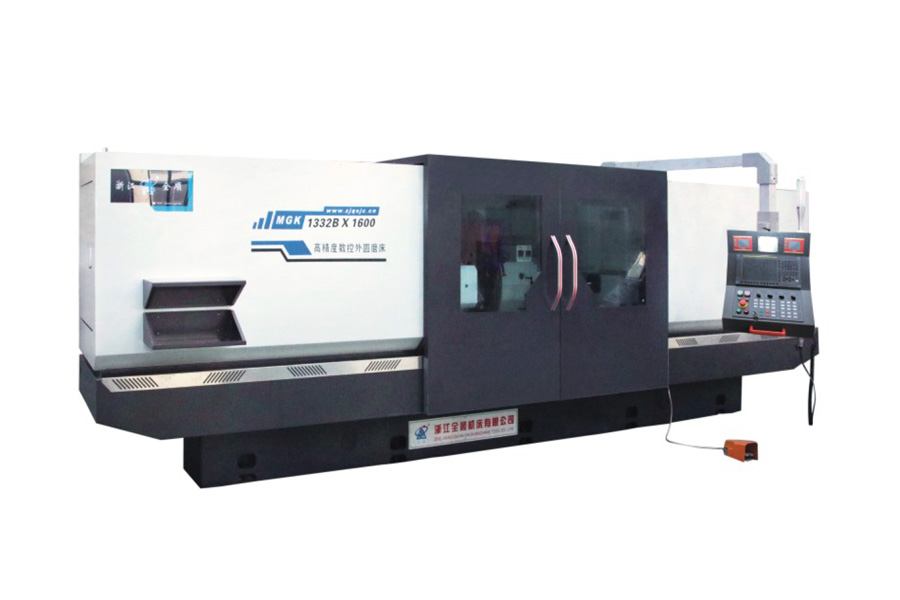
This is why bar stock destined for a magazine is often ground before it ever reaches the lathe. Centerless bar grinding corrects diameter scatter and straightness in a single pass, which is exactly what the feeder needs, and it leaves a surface that will not chew up the guide channel.
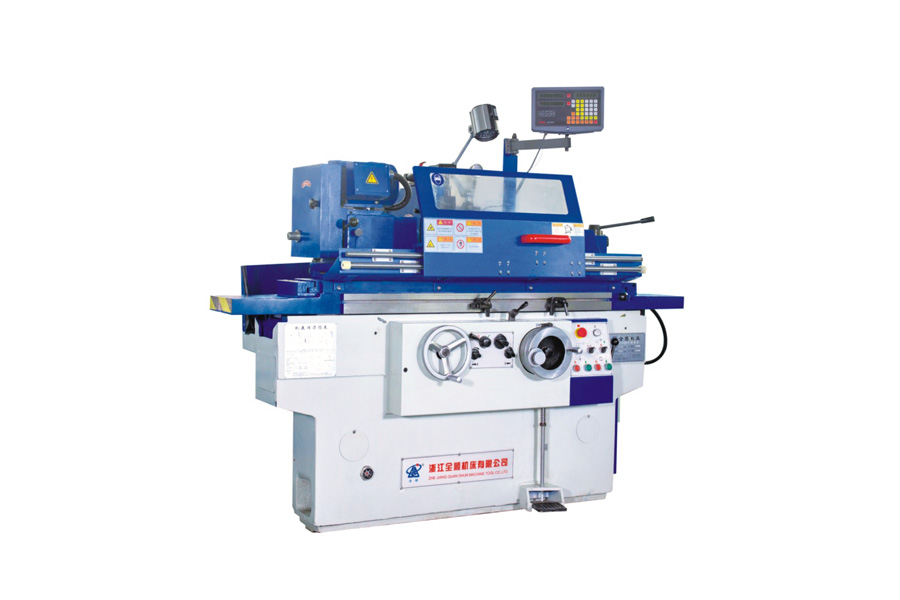
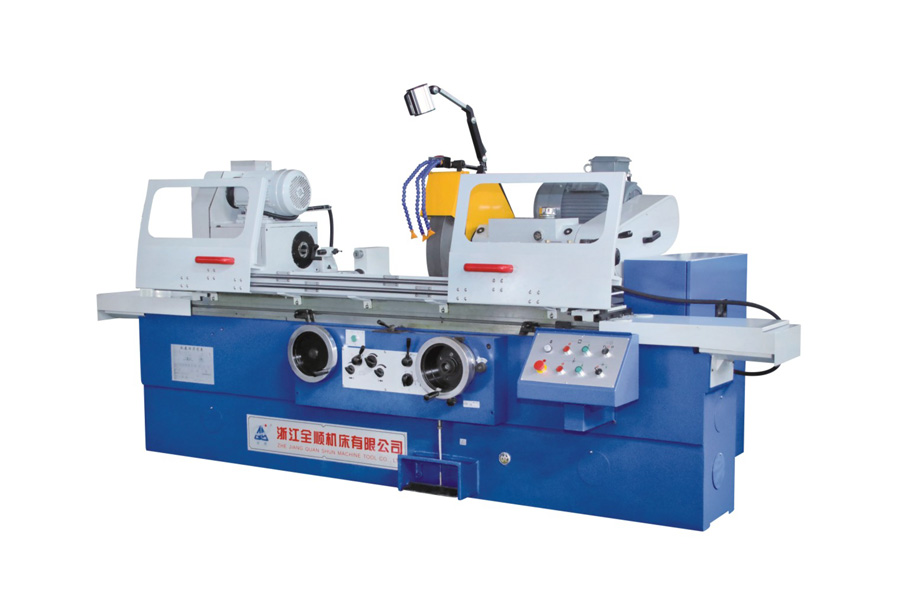
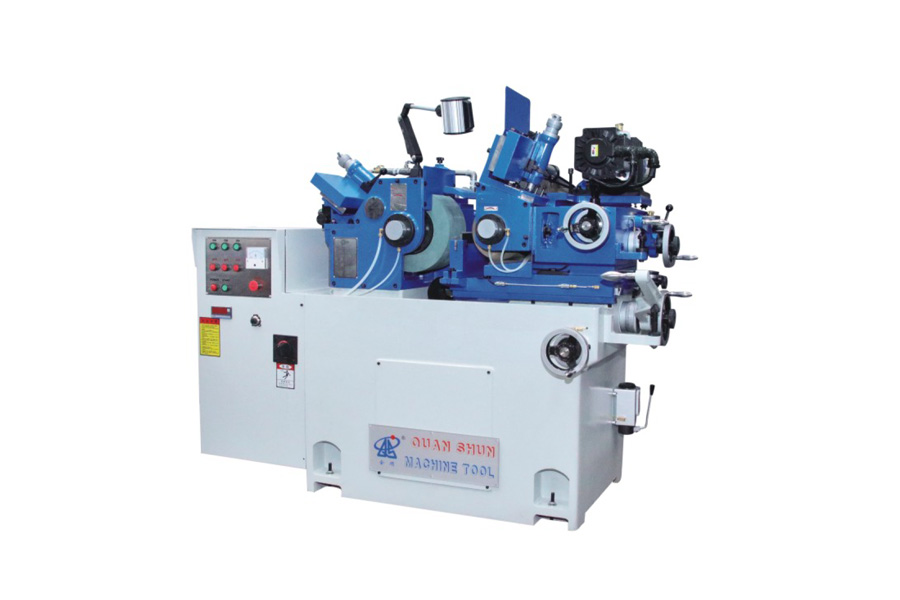
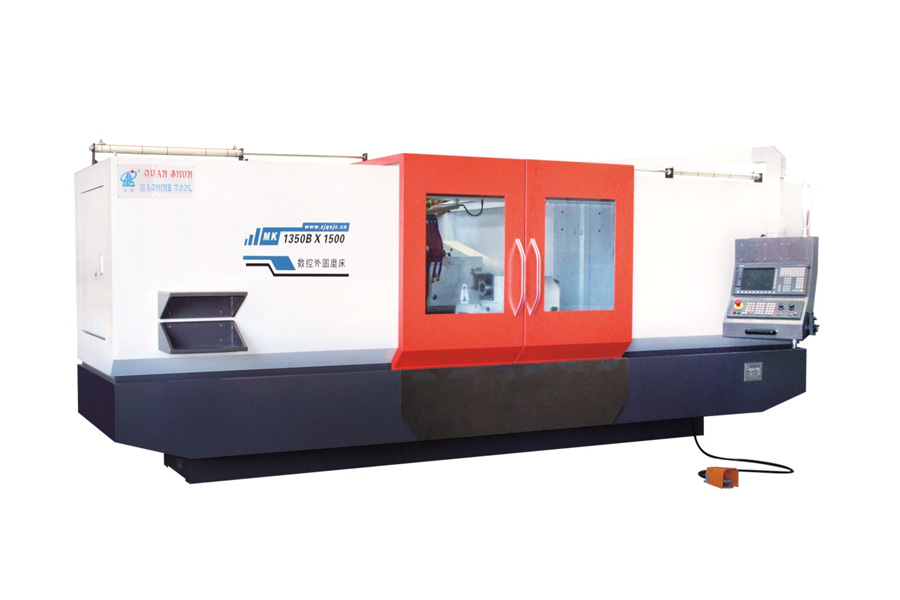
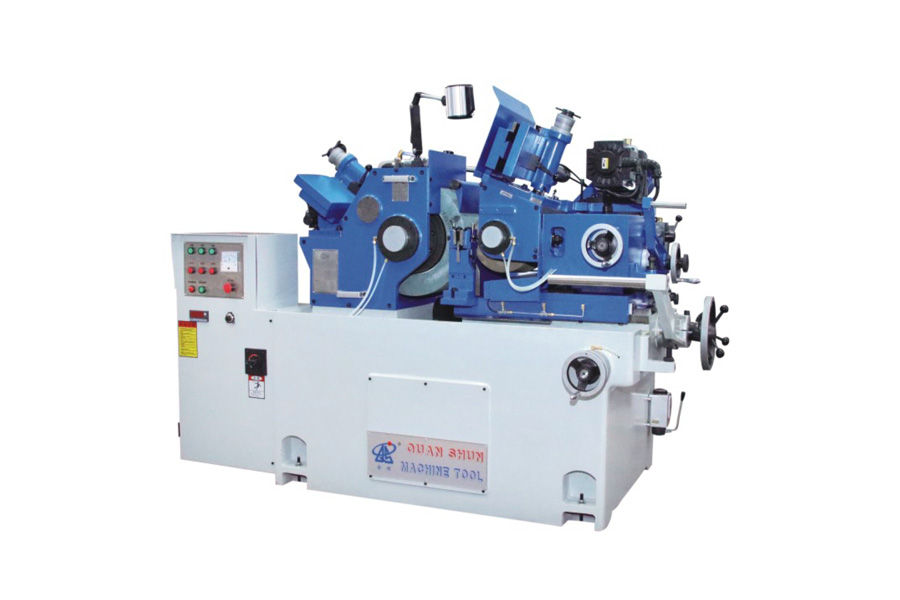 Centerless Grinding Machine for Bar Stock and Cylindrical PartsCorrects diameter scatter and straightness in one pass, helping magazine-fed bar stock feed reliably and protecting guide channels from wear.View Product →
Where bar is bought hot-rolled and fed directly, budget for more jams, more liner wear, and shorter unattended windows than the catalogue figures suggest.
The Numbers Worth Checking Before You Sign
Most of the disappointment in bar feeding comes from catalogue ranges that describe the machine at its best rather than at its edges. Ask for these figures in writing.
| Specification | What to ask | Why it matters |
|---|---|---|
| Diameter range | Usable range at both ends, not the widest span | Feed force and channel sizes change at the extremes |
| Maximum bar length | Measured from the feed point, not the rack | A 3 m bar plus a 250 mm remnant needs 3.25 m of clear space |
| Remnant length | Actual leftover after the last part | Direct material loss; 250 mm per bar is real money in alloy steel |
| Changeover time | Channel, pusher, and parameter set, timed | Five diameter changes a day turns twenty minutes into a shift |
| Machine interface | Full signal list and alarm handshake | Decides whether anyone can leave the cell running |
| Noise and guarding | Measured level at the operator position | Bar whip in an oversized liner is loud and hard on the machine |
Feeding a Grinder Is a Different Problem
Bar feeders push stock into a spindle, which is why they belong to turning. Grinding works the other way around: the workpiece is held between centres, in a chuck, or on a support blade, and material arrives as blanks rather than as a continuous bar. The automation that replaces the operator is therefore a loader — a gantry, a robot arm, or a loading unit built into the machine.
The logic, though, is identical. A CNC grinding machine with automatic loader only runs unattended if the parts arriving are consistent: same length, same centre holes, same allowance. Inconsistent blanks produce exactly the same result as bent bar stock — stops, scrap, and an operator who no longer trusts the automation.
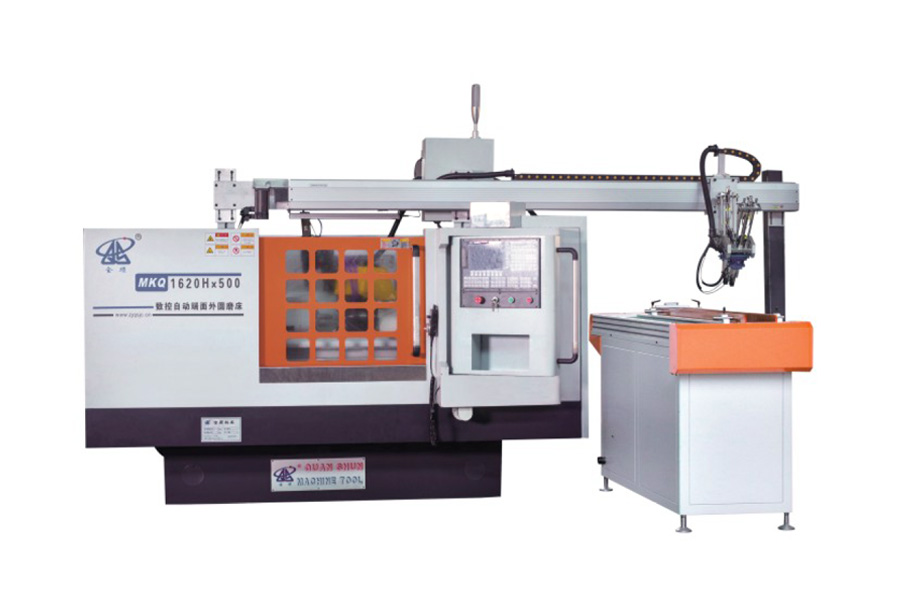
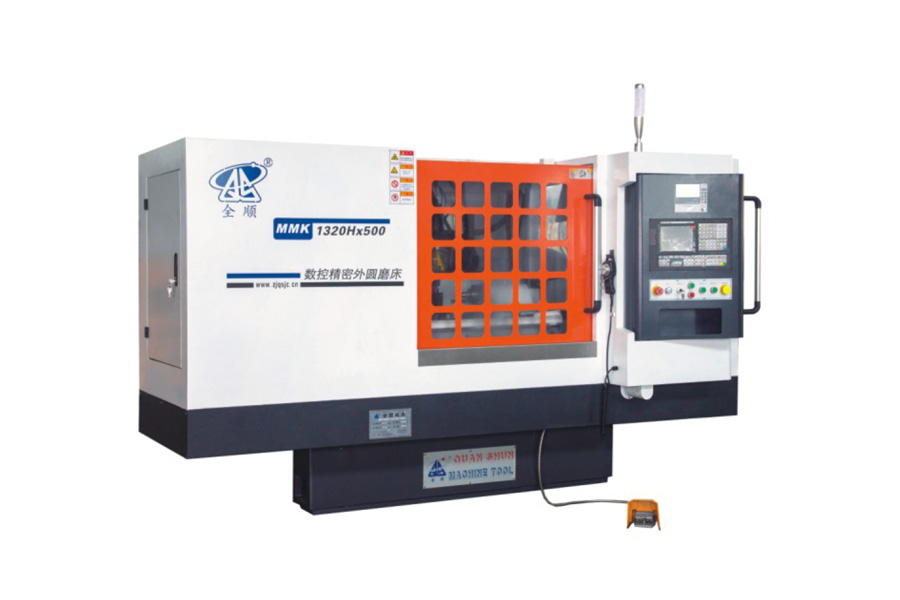
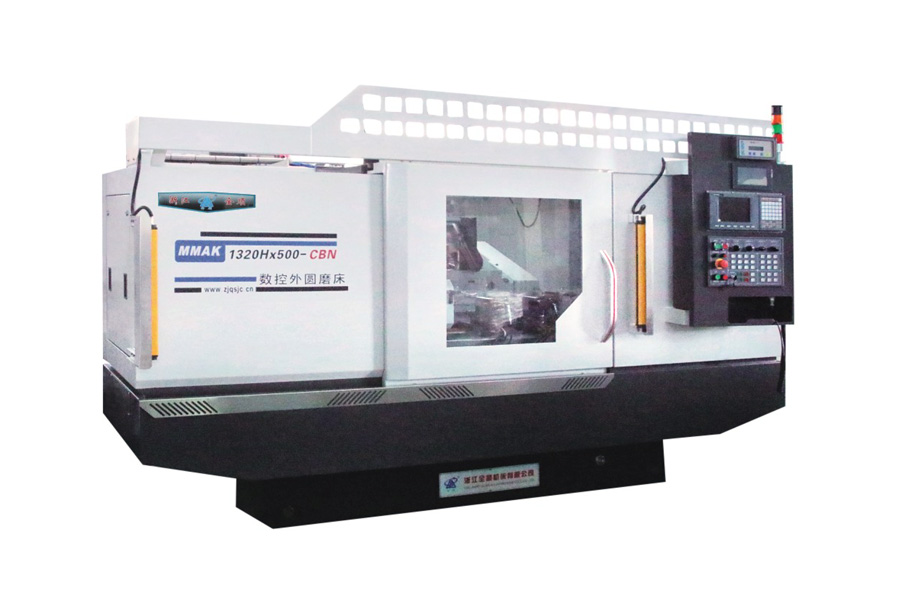
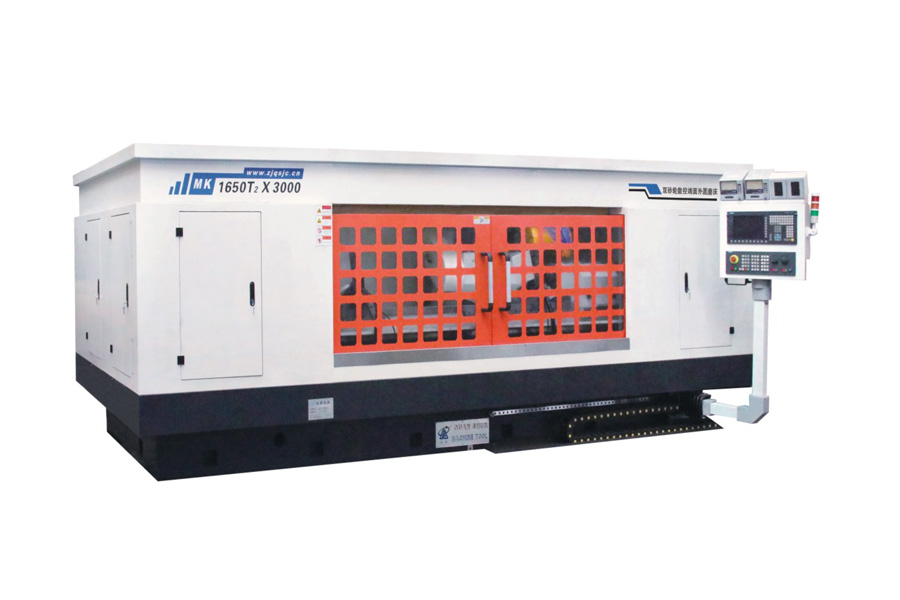
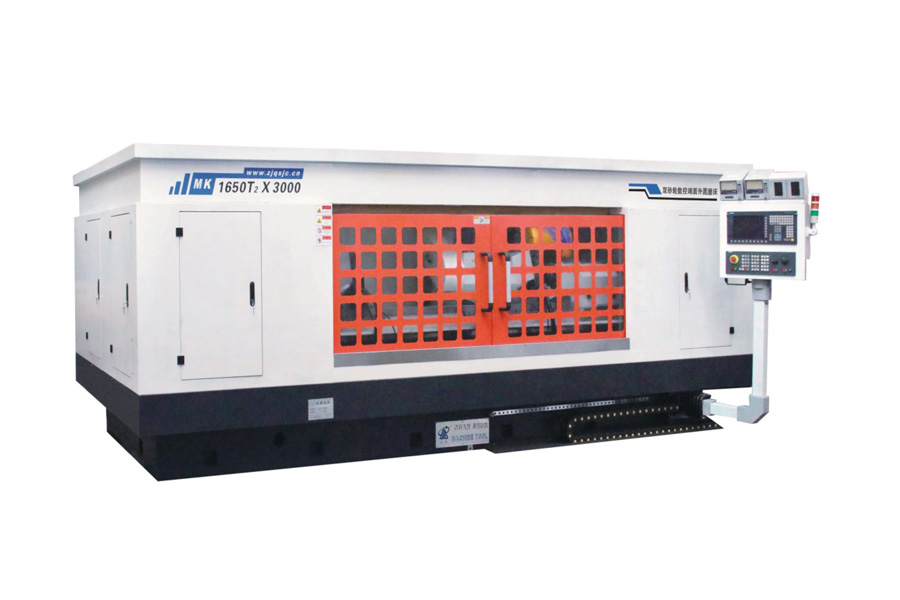
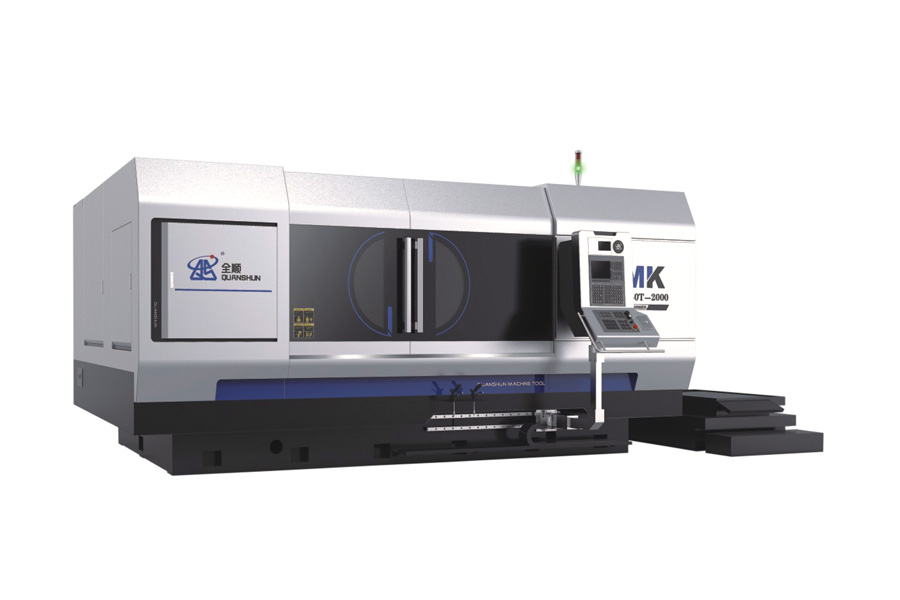
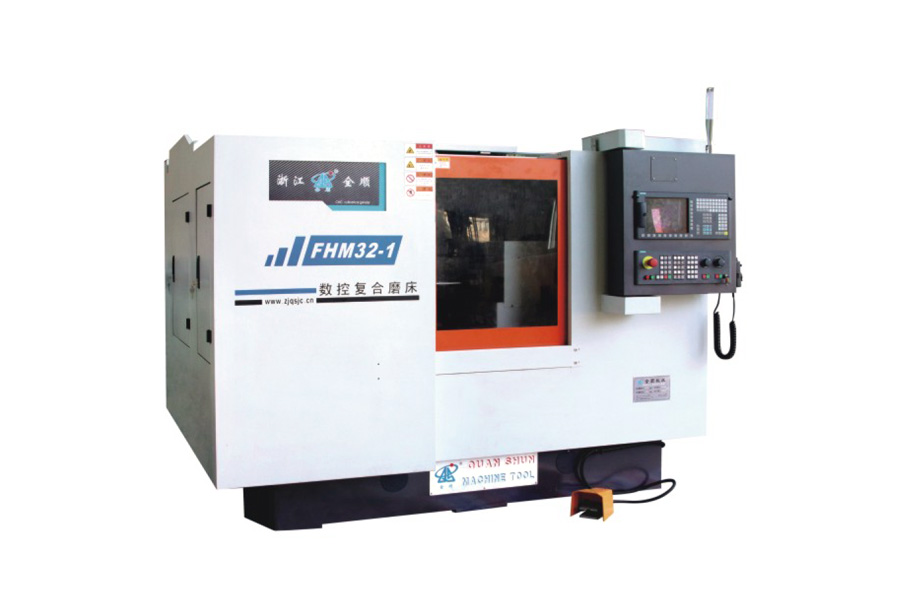
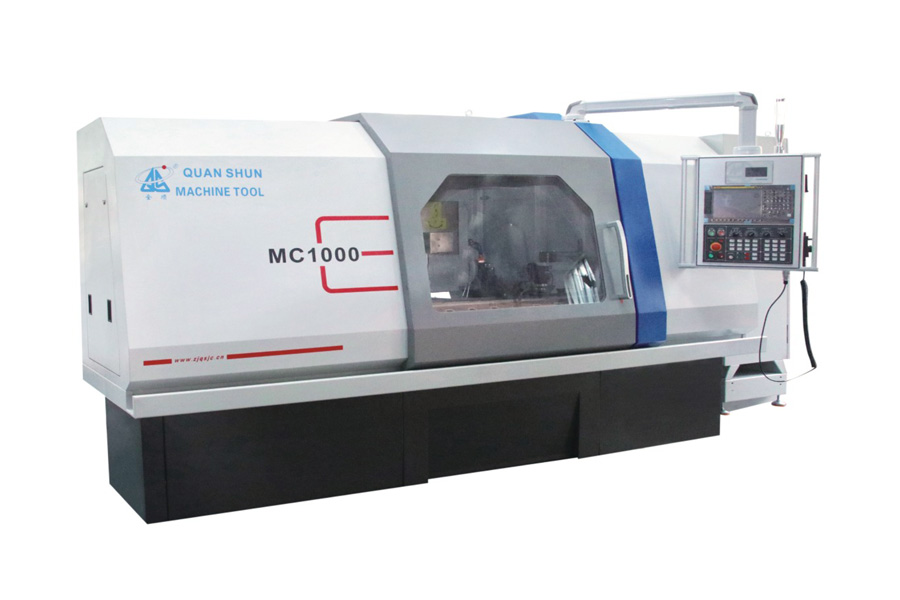
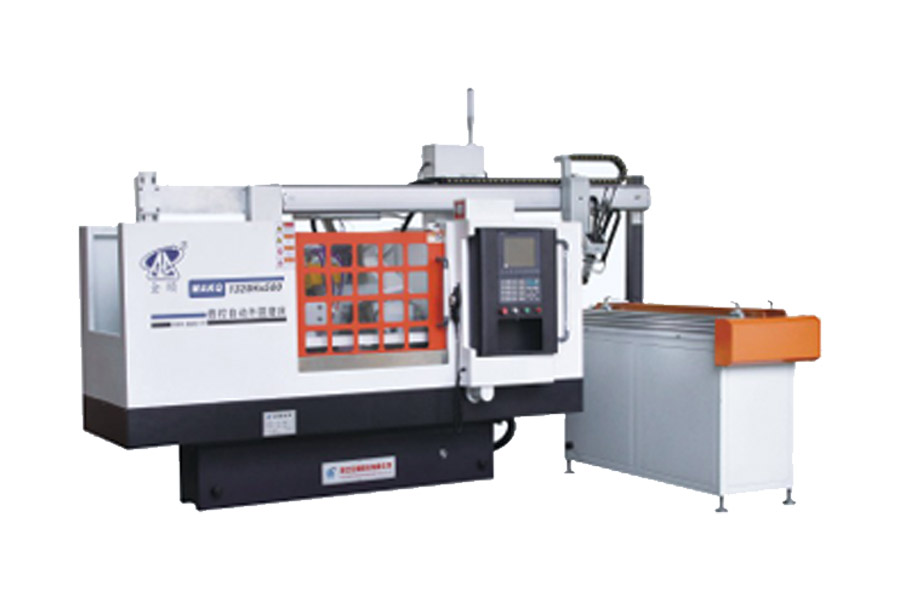 Automatic CNC Cylindrical Grinding Machine with Integrated LoaderCombines high-volume cylindrical grinding with automated loading and dual-channel control, supporting stable unattended production when blank consistency and loader integration are planned together.View Product →
When the loader is specified together with the machine rather than bolted on later, cycle time, wheel dress interval, and in-process gauging can be planned around the same takt. That is where unattended grinding stops being a demonstration and starts being a production number.
Combining Operations to Cut Handling in Half
Every additional setup doubles the handling work an automatic loader has to do — and doubles the chance of a positioning error between operations. If a part needs both a shoulder face and a diameter ground, two machines mean two loaders, two queues, and two sets of fixture tolerances.
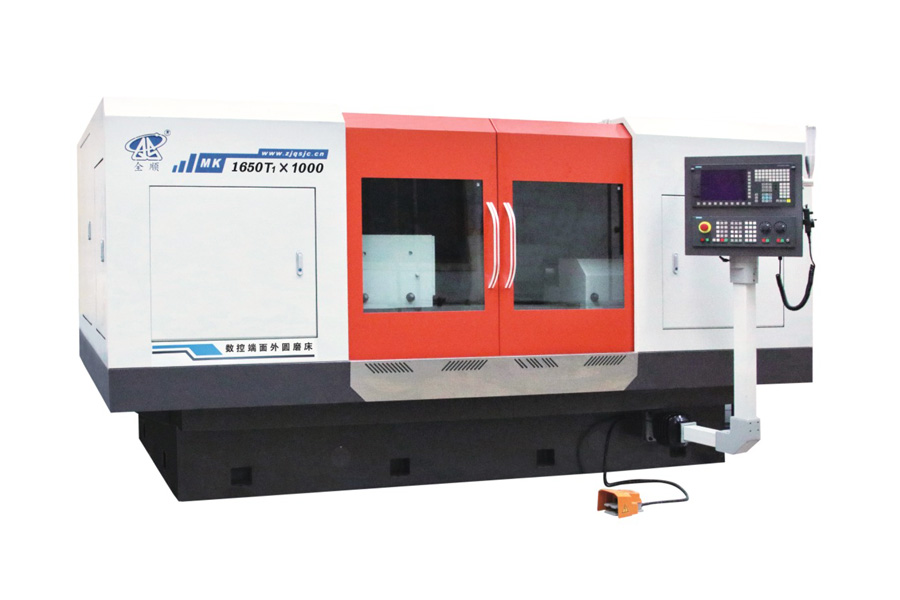
A face-and-cylindrical grinder removes one of those setups by grinding the outside diameter and the adjacent face in a single clamping. Paired with automated loading, the saving is not just the second machine: it is the transfer, the re-chucking, and the alignment error that never happens.
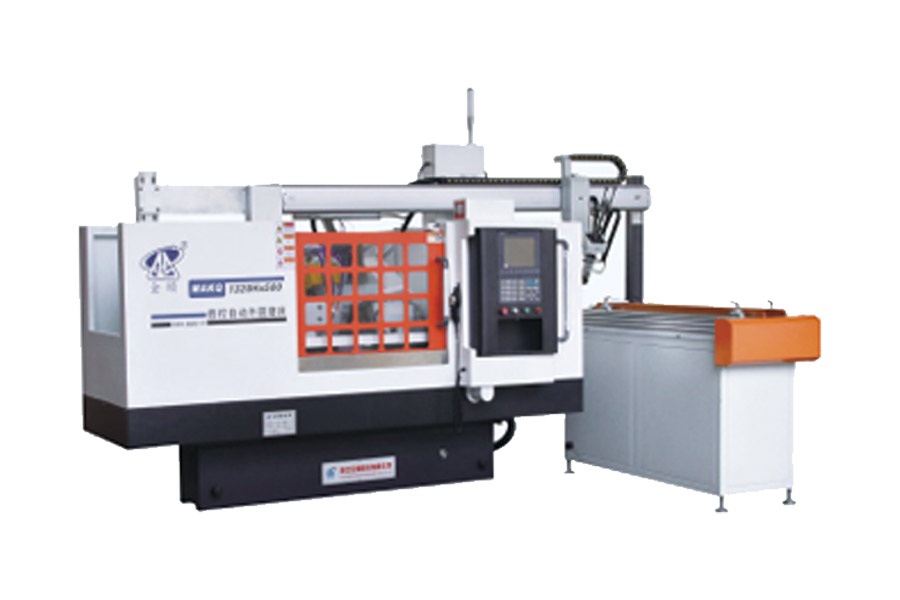
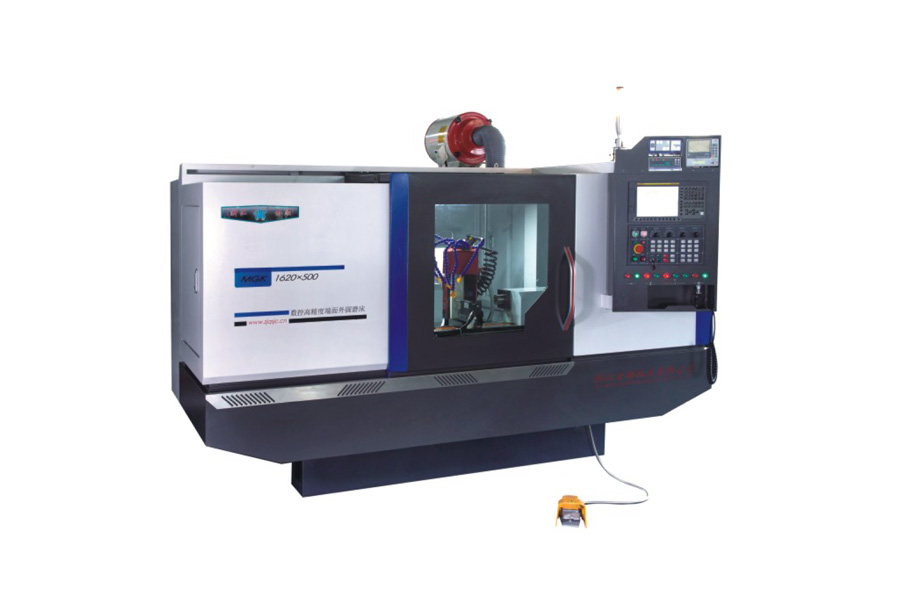
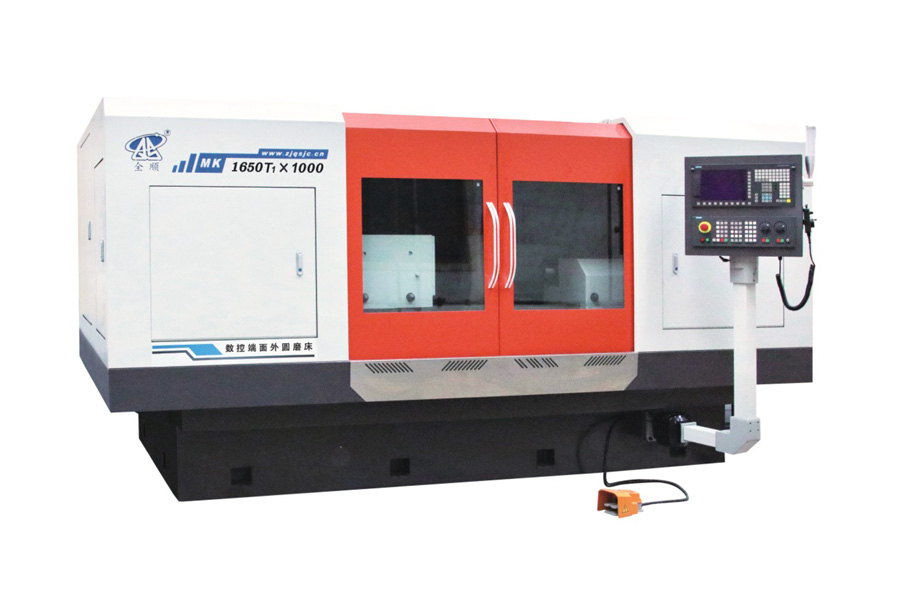
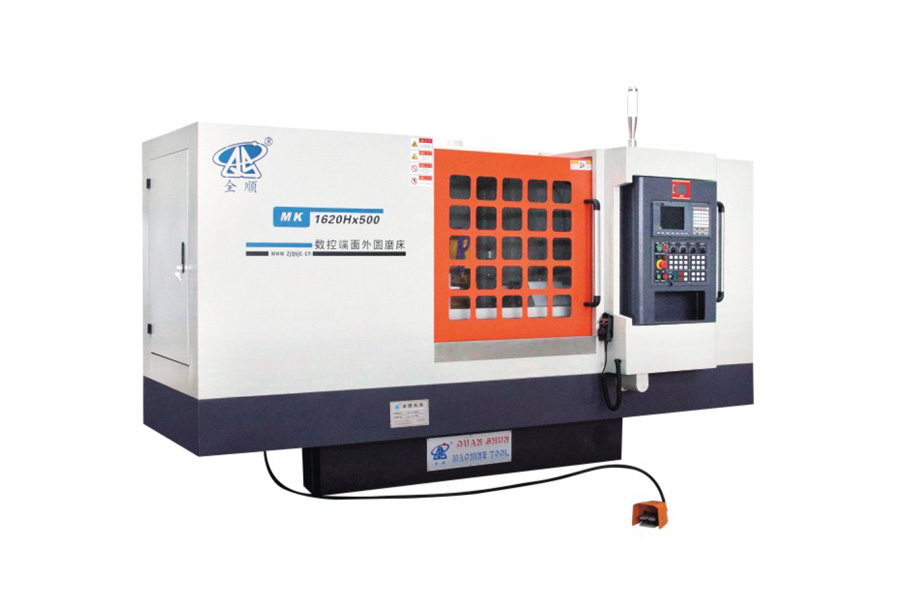
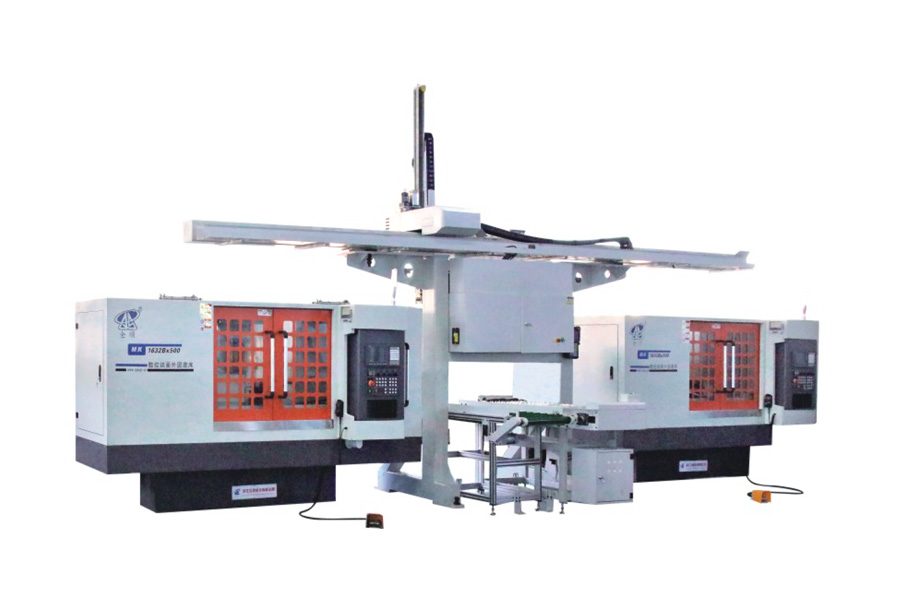 Automatic CNC Face and Cylindrical Grinding MachineGrinds outside diameter and adjacent face in one clamping with automated loading, reducing re-chucking and alignment errors in high-volume production.View Product →
What to Put in the Specification
Whether the purchase is a magazine loader for a lathe or an automatic loading unit for a grinder, the questions that prevent trouble are the same:
- State the real bar or blank envelope — smallest and largest diameter, shortest and longest length — and ask for confirmation at both extremes, not in the middle.
- Write the incoming material condition into the contract: straightness, diameter tolerance, end preparation, surface state.
- Time a changeover during acceptance, with your own operators, on your own part mix.
- Confirm the interface signal list in writing, including what happens on end-of-bar, short bar, jam, and power loss.
- Agree a remnant target and check it on the first production run rather than the first week.
Automation rarely fails because the hardware was wrong. It fails because the material going in, or the changeover going out, was never specified with the same care as the machine itself. Get those two agreements right and the feeder quietly does what it was bought for: keeps the spindle turning while nobody is watching.