0086-15068518279 (Chinese)/001-5416026691 (English)



 EN
EN
 中文简体
中文简体Content
When a customer hands you a batch of turbine blades or multi-lobed cutting tools, the conventional route is to rough and finish each face on separate machines, then hope concentricity still holds. A 5-axis grinding machine changes that arithmetic. It can position the workpiece and wheel along five interpolated axes, so a single setup covers a much wider envelope of geometry. But does that make it the right next purchase for every shop? The honest answer is: it only pays off when the work really demands simultaneous multi-axis motion.
What a 5-Axis Grinding Machine Actually Does
A 5-axis grinding machine is not simply an external cylindrical grinder with two extra buttons. The X, Y, and Z axes move the table, the wheel head, or the workpiece in three linear directions. The A and B axes rotate and tilt the workpiece or the tool spindle. Together they give you five degrees of freedom, so the grinding wheel can approach an intricate profile from almost any angle without losing contact with the surface.
In practice, that means you can grind a complex sculpted surface in one clamping. On a three-axis machine, you would have to index the part, re-setup, and accept runout and alignment errors. Five-axis interpolation lets the wheel stay engaged with the theoretical surface path while the part turns and tilts underneath it.
How 5-Axis Movement Delivers Precision
Precision on a 5-axis grinder is not just a matter of having more motors. The control system has to synchronize five axes continuously. Modern CNC controls use decoupled Cartesian coordinates and inverse kinematics to turn a toolpath into simultaneous axis commands. If one axis lags even 0.002 mm, the finished profile can show shadowing or chatter.
Mechanical stiffness is equally important. A 5-axis grinding machine needs a rigid base, high lead accuracy on the ballscrews, and thermal compensation on the spindle. Without those, the extra axes only make the error budget wider. The best five-axis designs use preloaded linear rails and direct-drive rotary tables to minimise backlash.
Key Advantages of 5-Axis Grinding in Practice
Five-axis grinding gives you fewer setups, shorter cycle time, better surface finish, and the ability to create undercut and twisted geometry that simple plunge grinding cannot reach. It also improves part-to-part consistency because the same clamping is used for all machined surfaces.
| Aspect | 3-Axis / 4-Axis Grinder | 5-Axis Grinder |
|---|---|---|
| Flexibility | Limited to simple cylindrical profiles | Handles complex sculpted forms |
| Setup changes | Multiple for each face | One clamping covers most surfaces |
| Programming | Easier | More complex, needs CAM |
| Machine cost | Lower | Higher |
| Maintenance | Standard | More complex axes and drives |
When a 5-Axis Machine Is Not the Best Fit
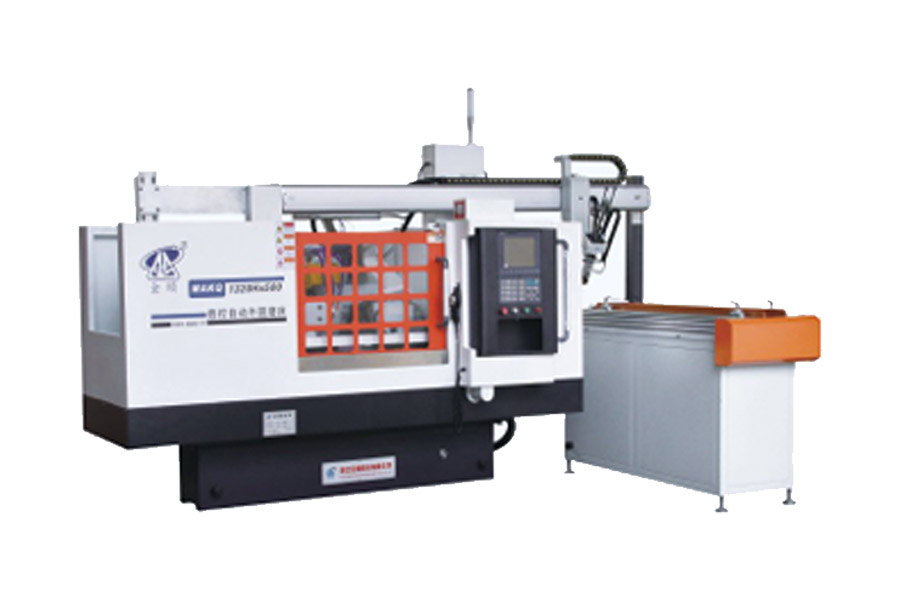
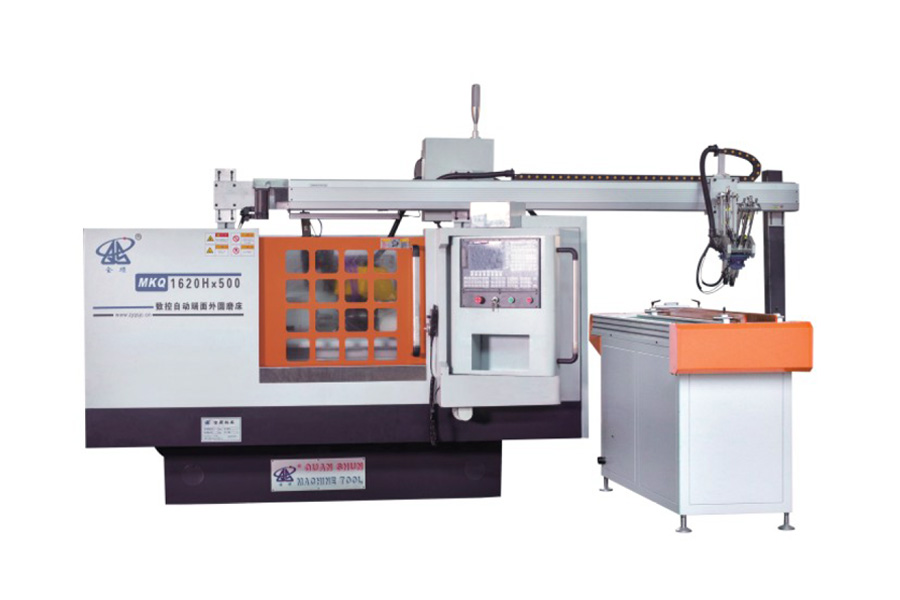
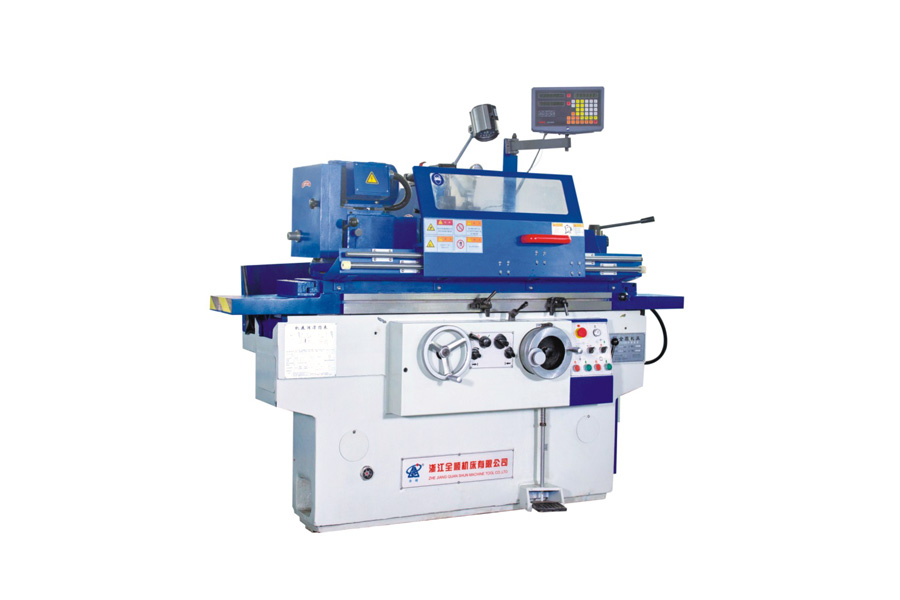
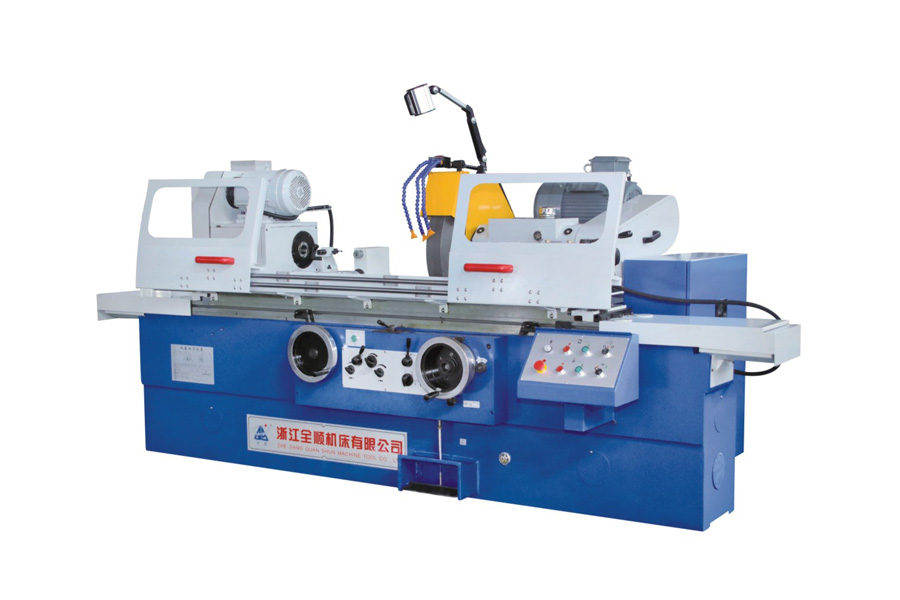
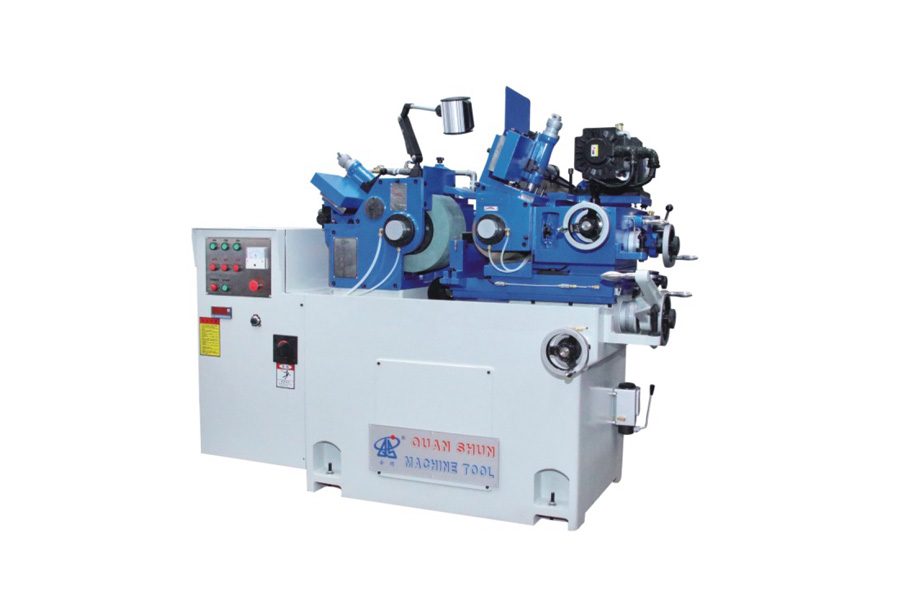
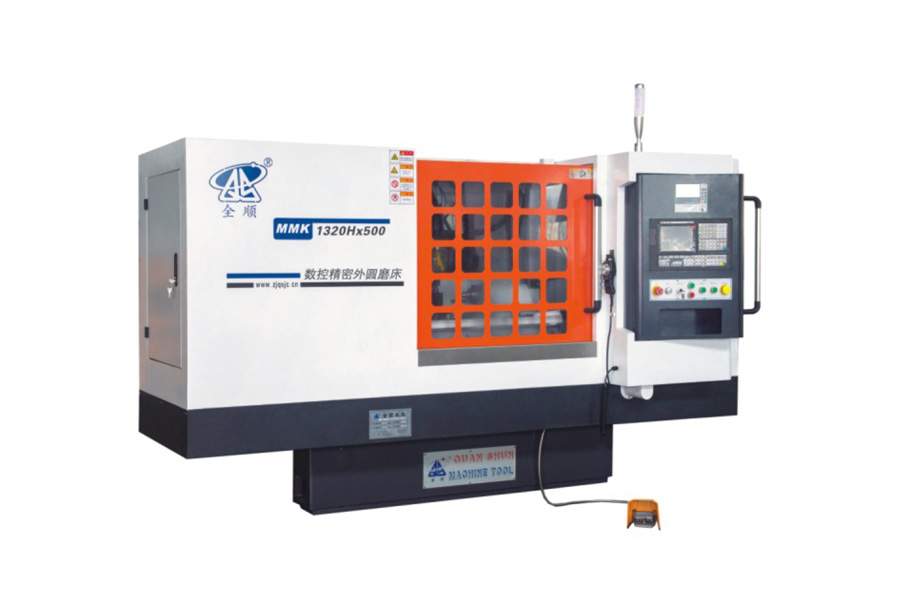
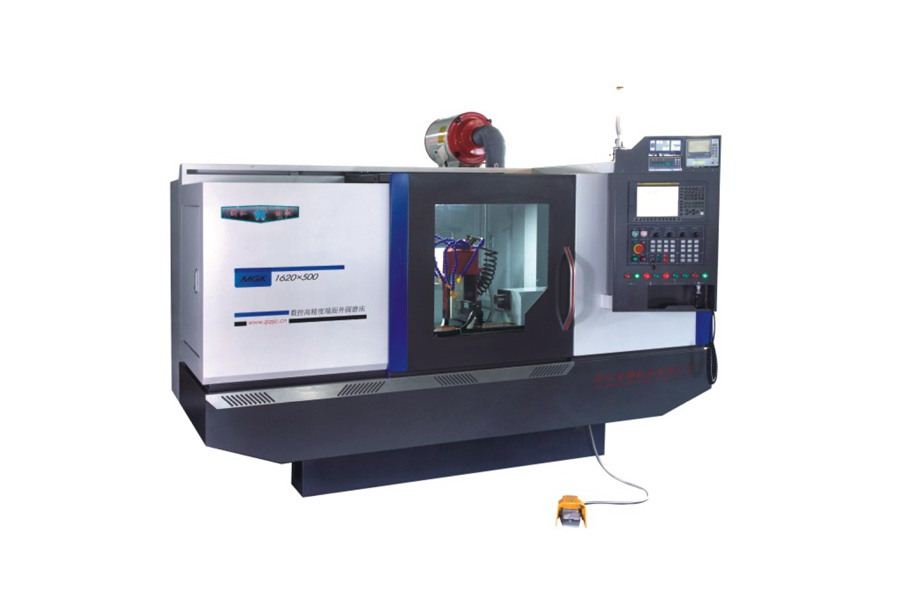
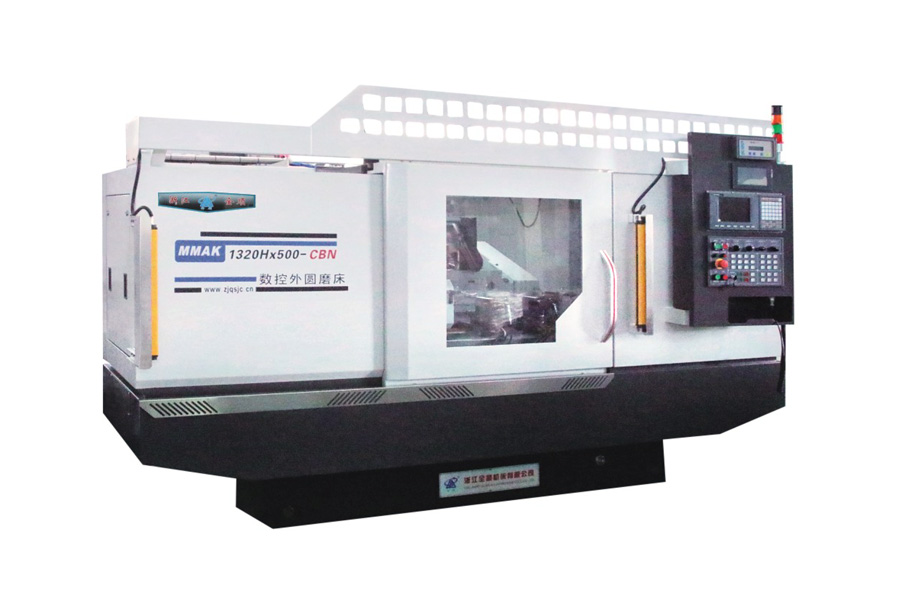
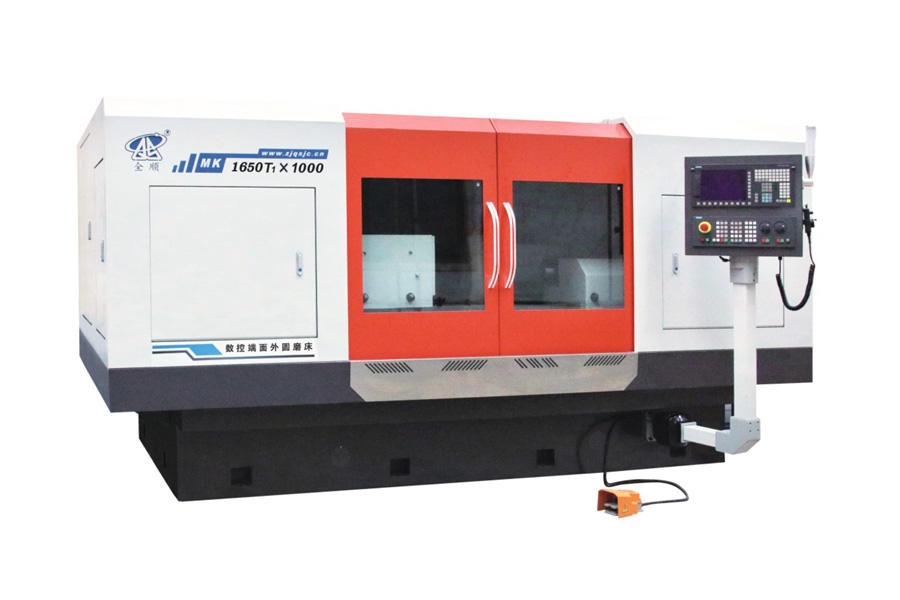
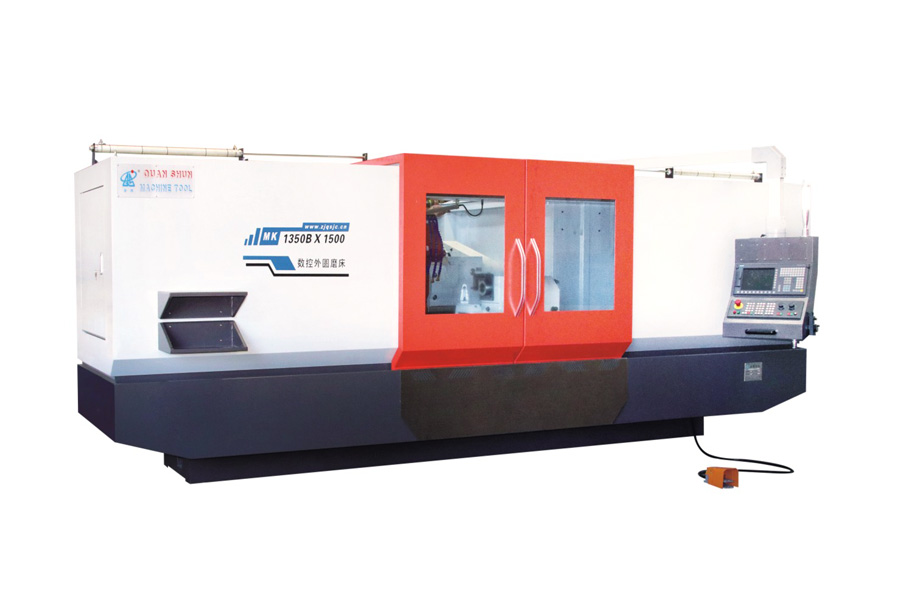
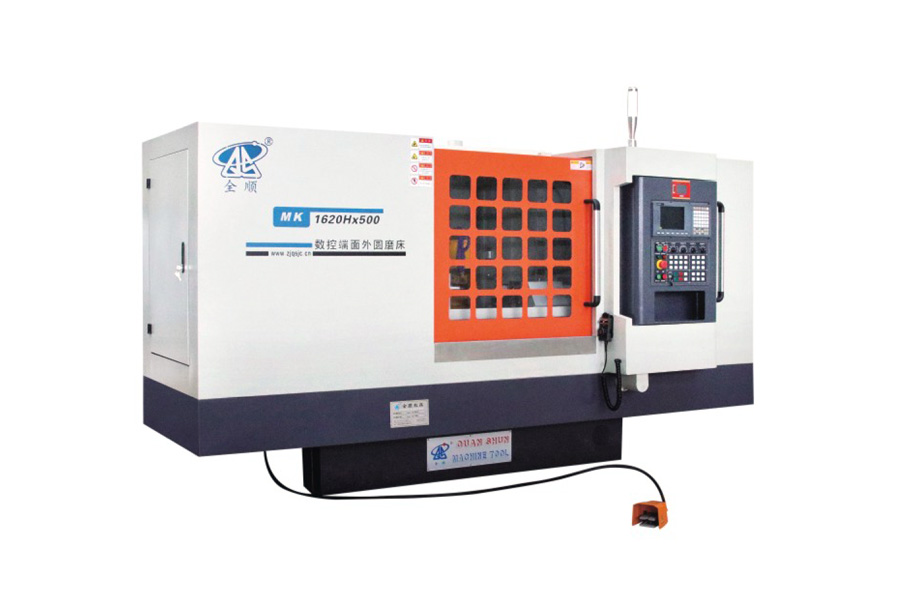
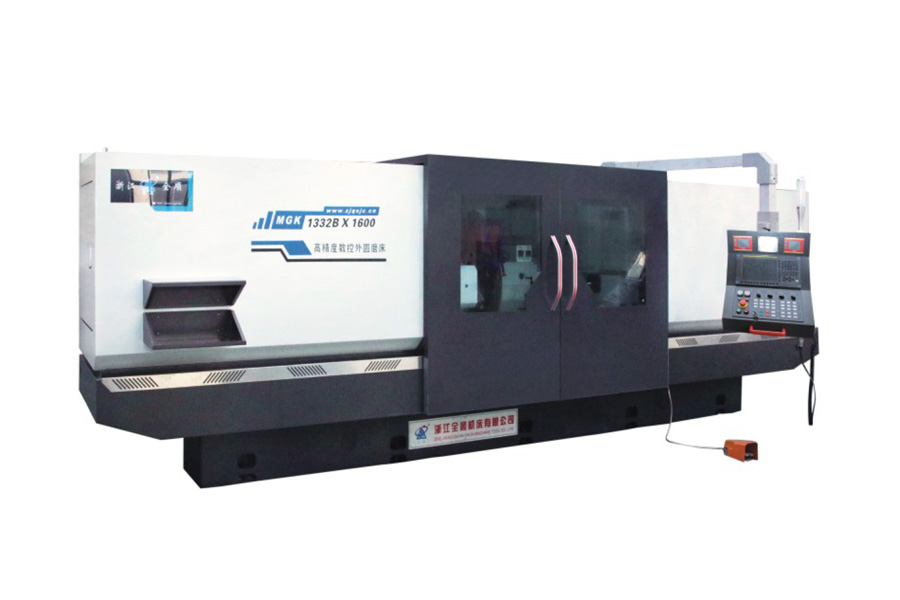
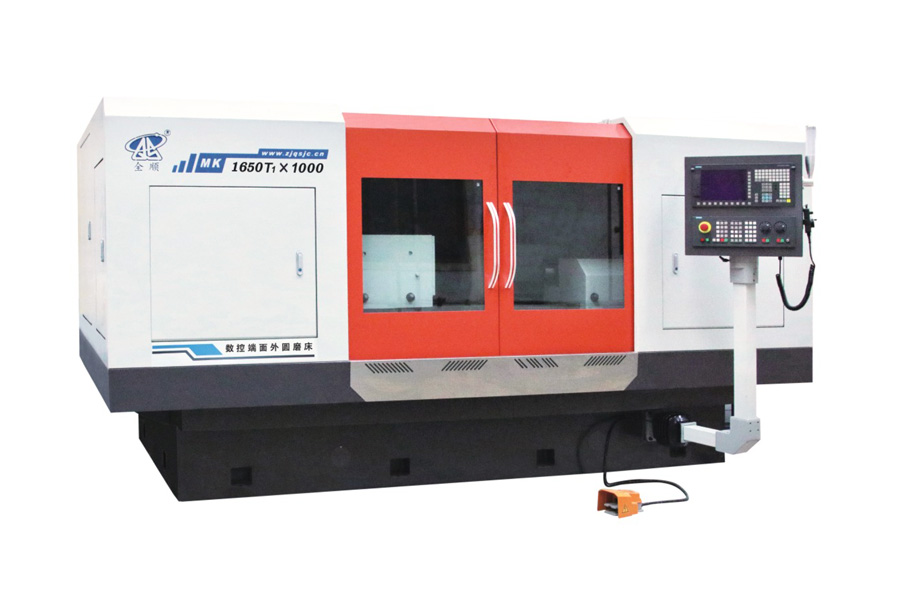
If your parts are mostly cylindrical shafts, sleeves, or crankshafts with a well-defined centerline, a multi-axis machine may be overkill. A CNC cylindrical grinder or a compound grinding machine can deliver sub-micron roundness and consistent size with far lower cost and simpler maintenance. For example, Zhejiang Quanshun Machine Tool builds a high-precision CNC profile cylindrical grinder that handles complex external profiles with a much more conventional setup. Unlike five-axis geometry, these machines are built around the part's rotational axis, so they maintain the rigidity that most shops expect from a cylindrical grinder.
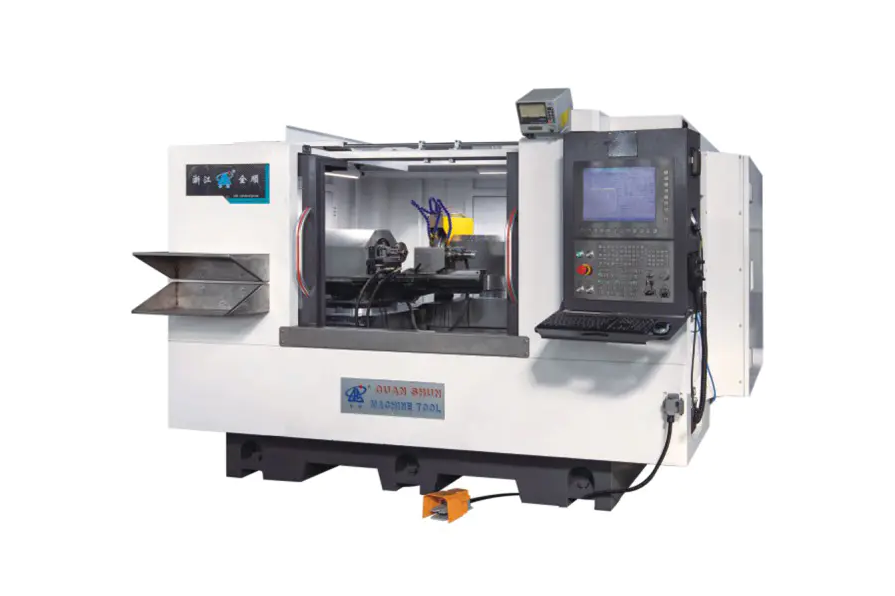
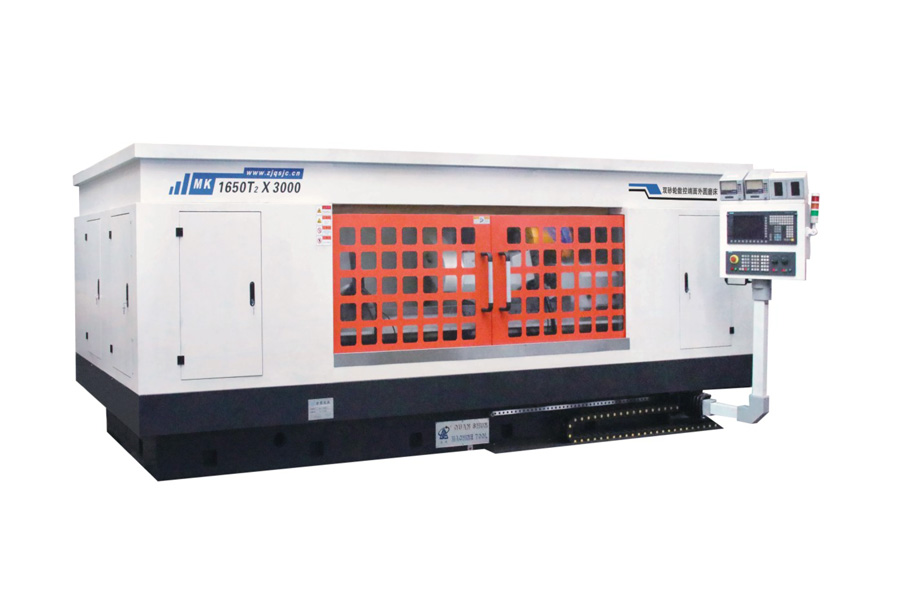
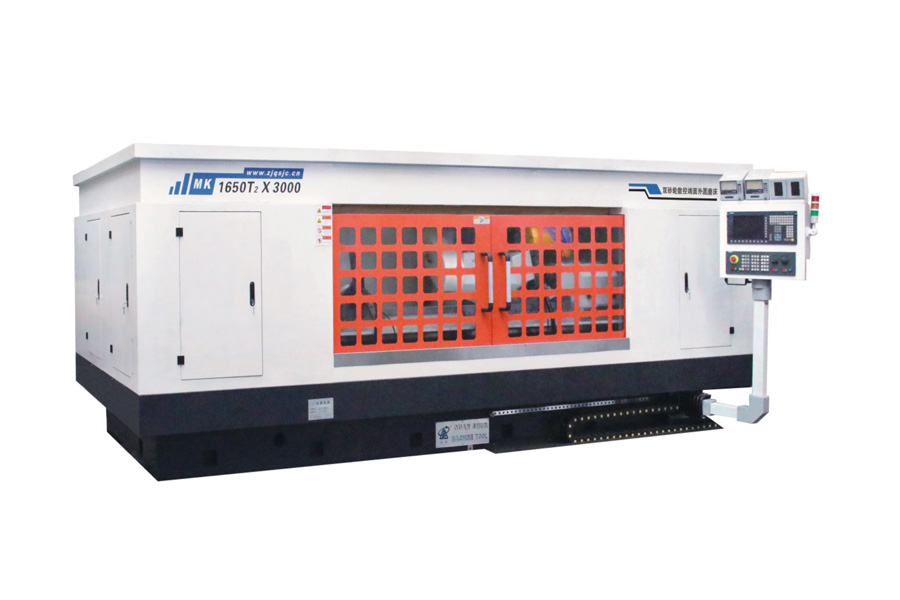
If you are processing long shafts or large diameters, a double-wheelhead or wide-wheel design can often do the job with higher throughput than a five-axis centre. Custom grinding solutions are also available for non-standard workpieces without asking you to buy more axes than you can use.
What to Evaluate Before Purchasing a 5-Axis Grinding Machine
Start with your part portfolio. If 80% of the work can be held in a simple two-jaw chuck, a 5-axis investment may sit idle. Next, define the tolerance band. Five-axis machining shines for profile tolerances of ±0.005 mm, but if you only need ±0.01 mm on an outside diameter, a cheaper machine can hold that easily.
Programming is another hidden cost. A 5-axis grinding machine generally requires a CAM post-processor that outputs interpolated five-axis moves, plus a trained programmer. Factor in that time, not just the sticker price.
Finally, look at the machine builder's service depth. A 40-ton machine with five axes is not something you can taxi to a local repair shop. Ask about response times, availability of spare axes units, and whether the builder offers on-site commissioning.
Selecting the Right Grinding Technology for Your Shop
There is no universal verdict. The correct choice depends on your product mix, your quality targets, and your team's ability to program multi-axis toolpaths. Many manufacturers find a middle path: keep a reliable CNC cylindrical grinder for the bulk of daily work, and add a flexible compound grinding centre when complex parts appear. That approach keeps the cost per part low while retaining the ability to handle exotic geometry.
For a practical decision framework, see our guide on how to choose a grinding machine.