0086-15068518279 (Chinese)/001-5416026691 (English)



 EN
EN
 中文简体
中文简体Content
- 1 High Precision and Strong Consistency as Core Advantages
- 2 High Automation Level Reduces Labor Dependency
- 3 Significant Improvement in Production Efficiency
- 4 Stronger Capability for Complex Part Machining
- 5 Improved Quality Control and Data Management
- 6 Comprehensive Cost Advantages
- 7 Alignment with Smart Manufacturing Trends
- 8 Conclusion
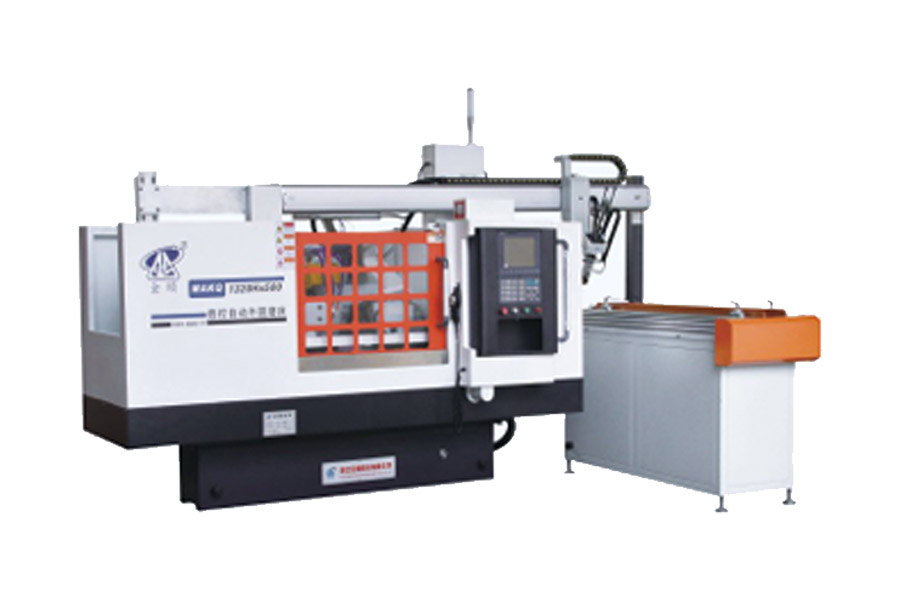
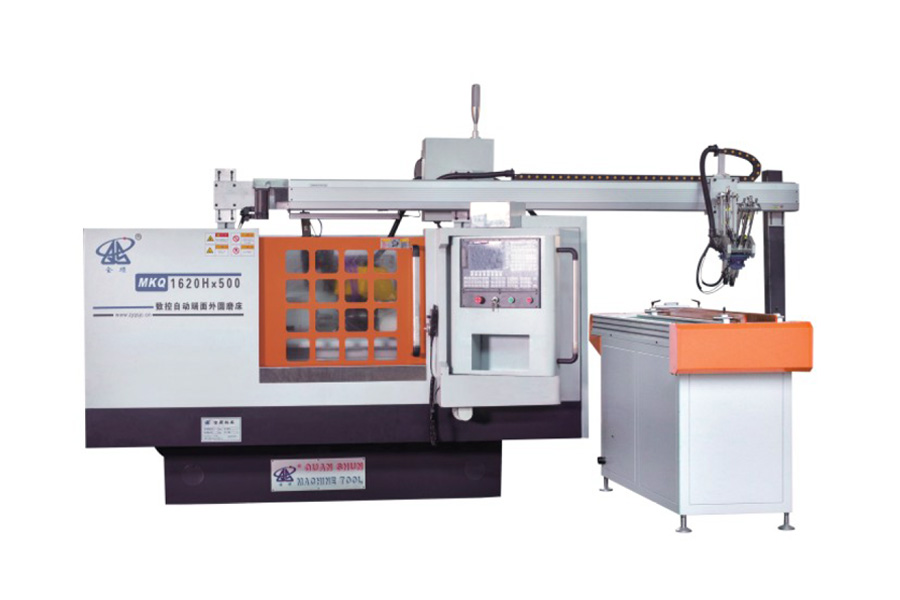
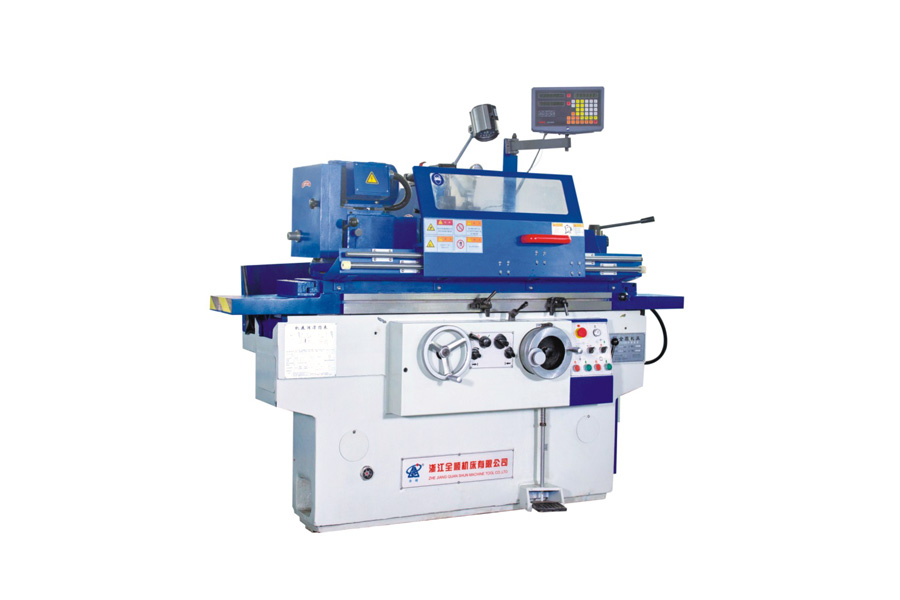
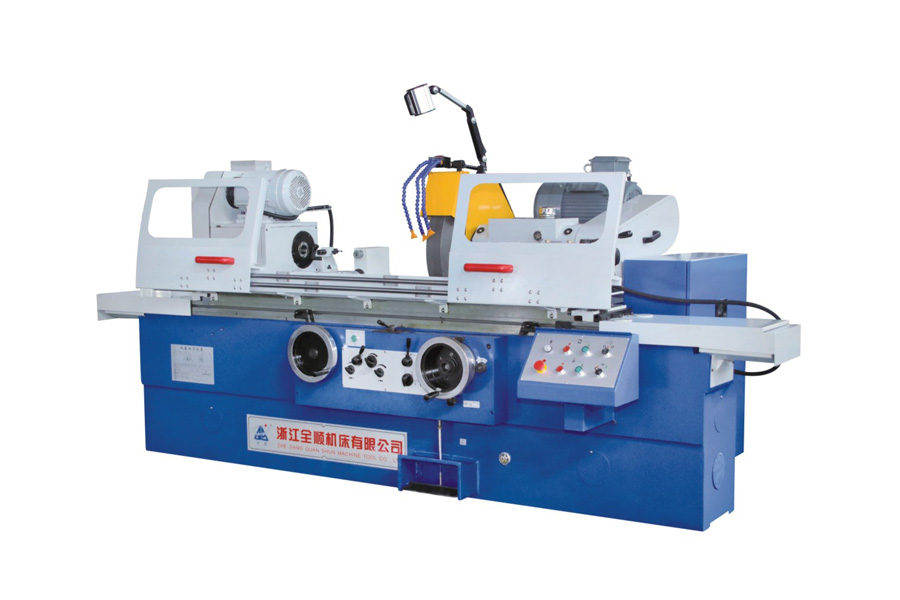
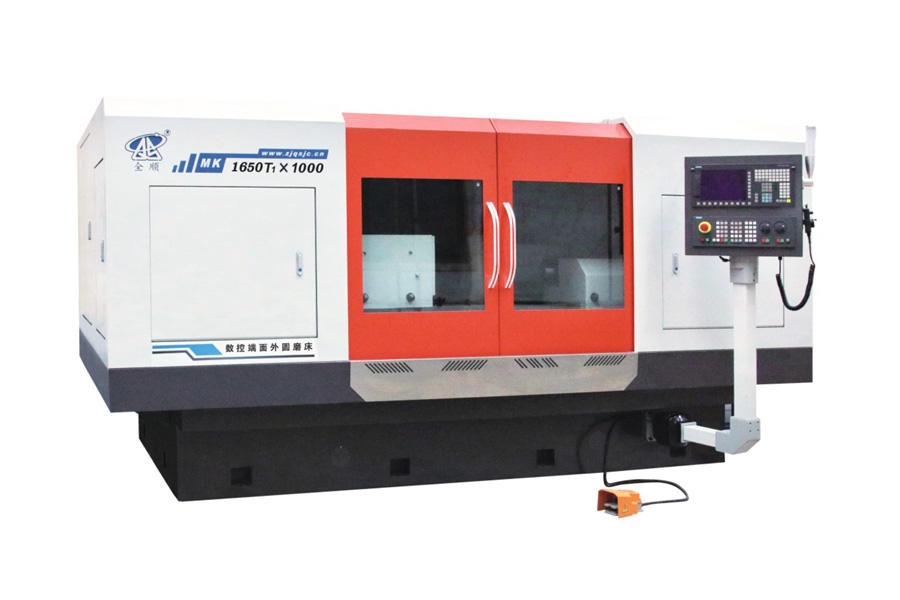
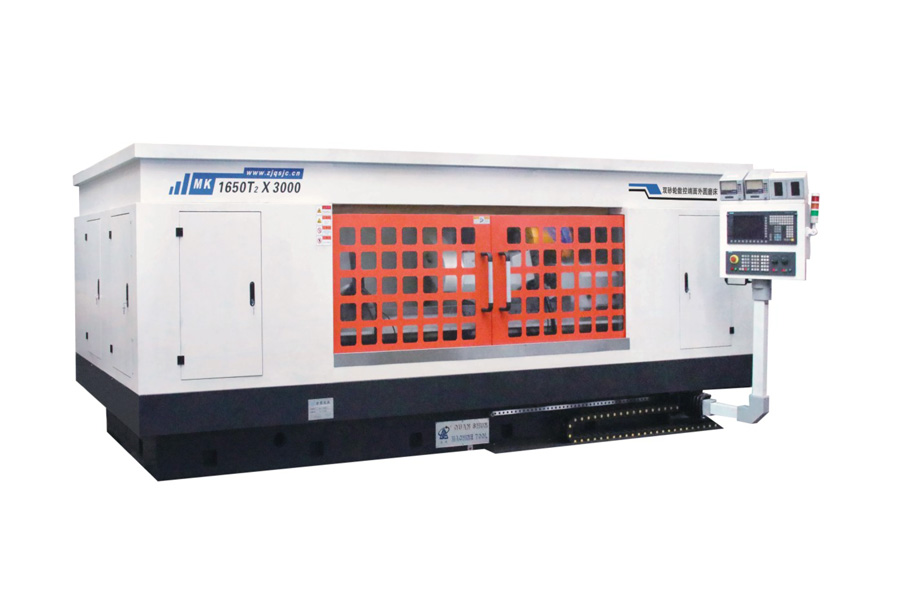
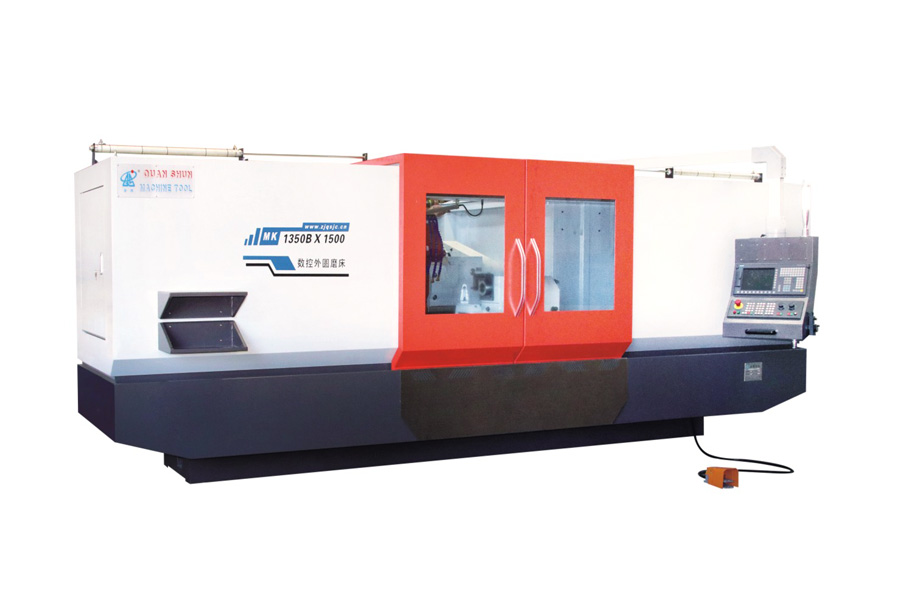
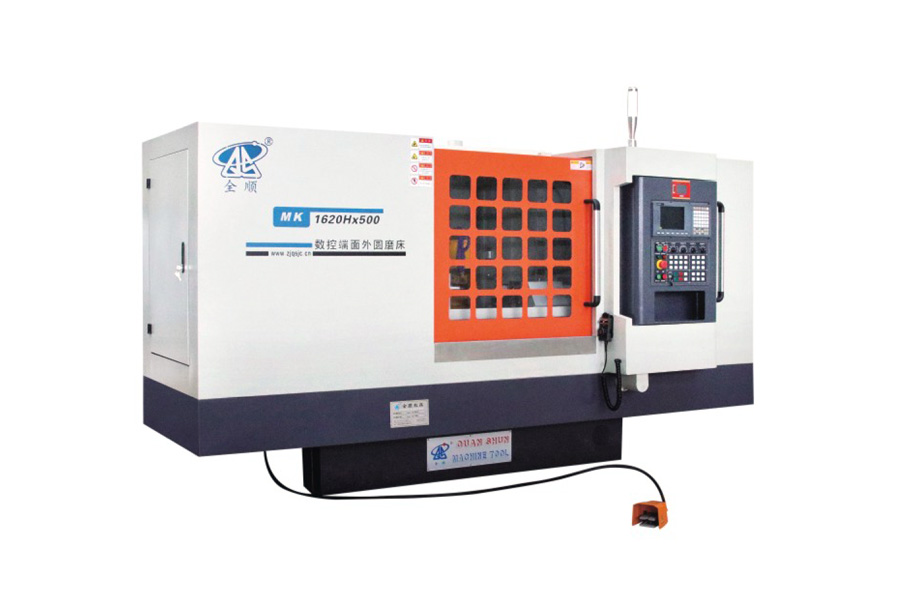
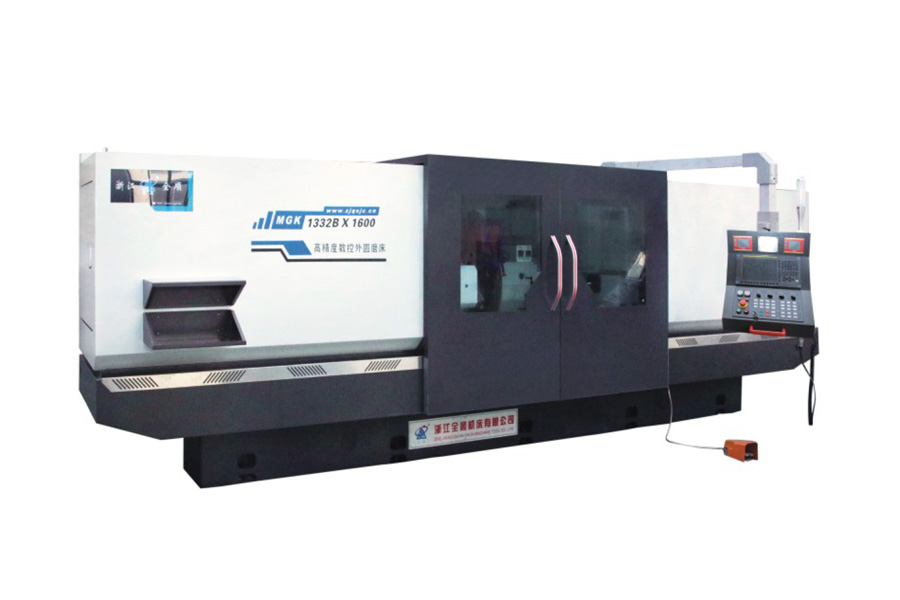
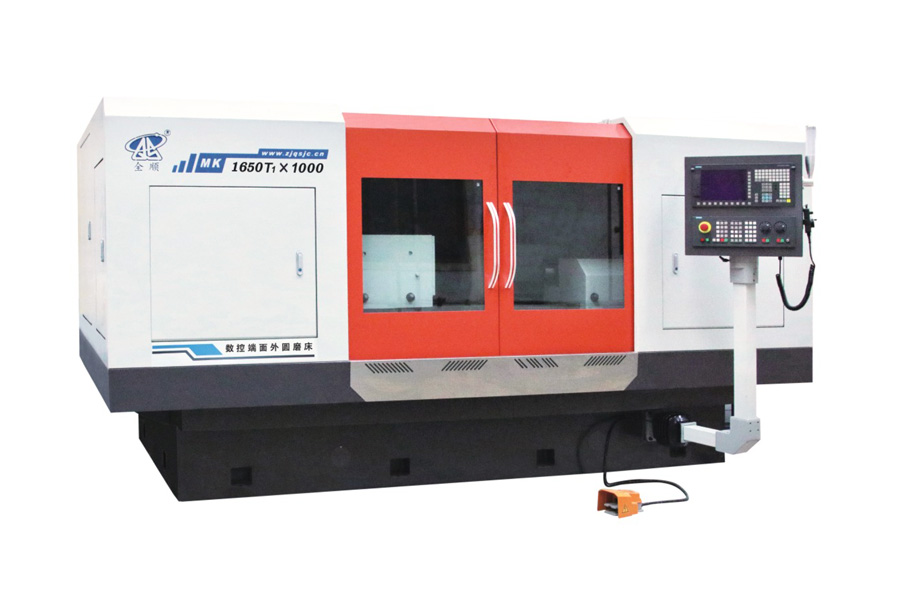
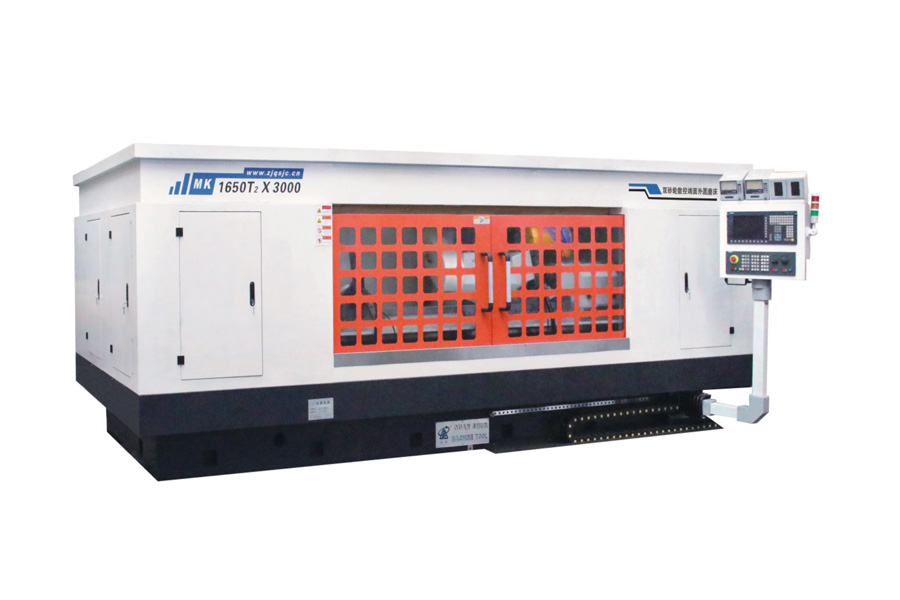
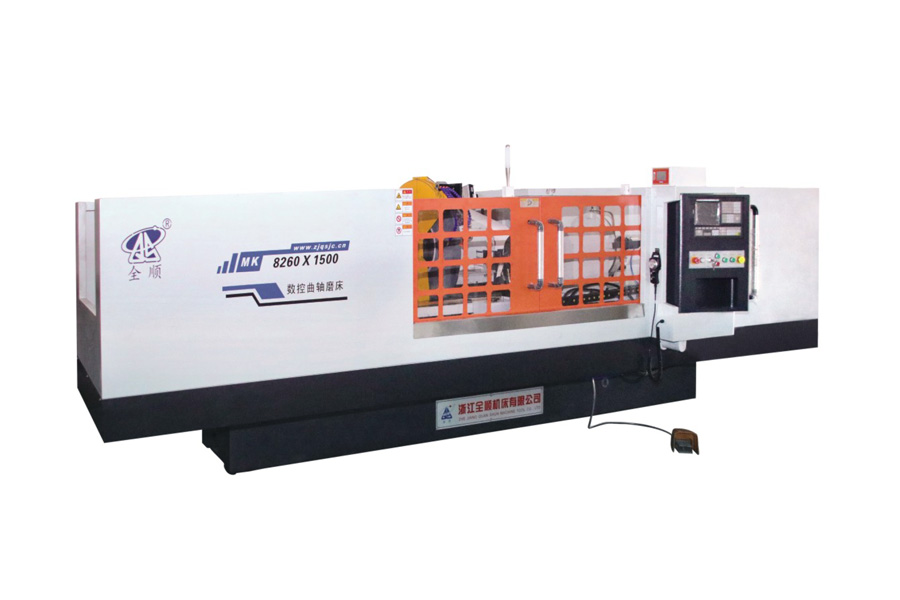
Modern production lines prefer CNC grinding machines because they offer superior performance in machining precision, automation level, production efficiency, and flexible manufacturing capability. These advantages significantly improve product quality while reducing long-term manufacturing costs, making them a key foundation for high-end and intelligent manufacturing.
High Precision and Strong Consistency as Core Advantages
Micron-Level and Higher Precision
CNC grinding machines rely on high-performance control systems and precision transmission structures to achieve stable machining accuracy of ±1μm or even higher. This level of precision is critical in manufacturing precision shafts, molds, and high-end components.
Improved Batch Consistency
Through program-controlled machining paths and parameters, CNC grinding machines eliminate human error, resulting in extremely small dimensional variation in mass production. In practice, product consistency can exceed 99%, effectively reducing quality fluctuations.
High Automation Level Reduces Labor Dependency
Automated Machining Process
CNC grinding machines can automatically perform key processes such as feed control, dressing, and compensation, significantly reducing manual intervention and operational difficulty.
Supports Continuous Unmanned Production
When combined with automatic loading and unloading systems, CNC machines can operate continuously for long periods. In some production scenarios, one operator can manage multiple machines, improving labor efficiency by more than 2 times.
Significant Improvement in Production Efficiency
Higher Machining Efficiency
By optimizing grinding paths and process parameters, CNC grinding machines typically improve machining efficiency by 20% to 50%, while maintaining stable processing and reducing downtime adjustments.
Fast Changeover for Multi-Product Manufacturing
Traditional grinding machines require extensive mechanical adjustments when switching products, whereas CNC machines only need program changes. Changeover time is reduced from several hours to just 5–15 minutes, greatly enhancing flexibility.
| Item | Traditional Grinder | CNC Grinder |
|---|---|---|
| Machining Accuracy | ±5μm approx. | Within ±1μm |
| Processing Efficiency | Baseline | +20% to +50% |
| Changeover Time | 2–4 hours | 5–15 minutes |
| Labor Requirement | High | Low |
Stronger Capability for Complex Part Machining
Multi-Axis Interpolation Capability
CNC grinding machines support multi-axis interpolation, enabling the machining of complex surfaces and irregular geometries required in aerospace and precision engineering industries.
Suitable for Small-Batch and Custom Production
With increasing demand for product diversity, manufacturing is shifting toward small batches and multiple varieties. CNC grinding machines can quickly adapt to different product requirements through flexible programming.
Improved Quality Control and Data Management
Real-Time Process Monitoring
The equipment can collect real-time machining data such as speed, feed rate, and grinding force, providing reliable support for quality control.
Full Process Traceability
All machining data for each workpiece can be recorded and stored. If defects occur, the root cause can be quickly traced, supporting continuous process improvement.
Comprehensive Cost Advantages
Reduced Scrap and Rework Costs
Due to high precision and stability, scrap rates typically drop from 3%–5% in traditional systems to below 1%, significantly reducing material waste.
Lower Long-Term Operating Costs
Although initial investment is higher, savings in labor, efficiency gains, and reduced losses allow cost recovery within 1–2 years in many cases.
Alignment with Smart Manufacturing Trends
Easy Integration with Digital Systems
CNC grinding machines can connect with production management systems, enabling data integration and supporting digitalized manufacturing processes.
Remote Monitoring and Predictive Maintenance
With network connectivity, machine status can be monitored in real time and potential failures can be predicted in advance, improving utilization and stability.
Conclusion
Overall, CNC grinding machines have become essential equipment in modern production lines due to their high precision, efficiency, automation, and flexible machining capabilities. As manufacturing continues to evolve toward high-end and intelligent production, their importance will only continue to grow.