0086-15068518279 (Chinese)/001-5416026691 (English)



 EN
EN
 中文简体
中文简体Content
- 1 What Each Machine Is Designed to Do
- 2 Side-by-Side Comparison of Key Parameters
- 3 When a Cylindrical Grinding Machine Is the Better Choice
- 4 When a Surface Grinding Machine Is the Better Choice
- 5 Grinding Wheel and Coolant Considerations for Each Machine
- 6 Operator Skill and Setup Time
- 7 Can One Machine Replace the Other?
- 8 How to Decide: A Practical Decision Framework
Neither machine is universally "better" — the right choice depends entirely on the shape and surface requirement of the workpiece. A cylindrical grinding machine excels at processing round or tubular parts such as shafts, pins, and rollers, while a surface grinding machine is designed for flat, planar surfaces. Choosing the wrong type leads to poor surface finish, dimensional inaccuracy, and wasted tooling life. Understanding the core differences allows manufacturers to match the machine to the job — and in many shops, both are necessary.
What Each Machine Is Designed to Do
Cylindrical Grinding Machine
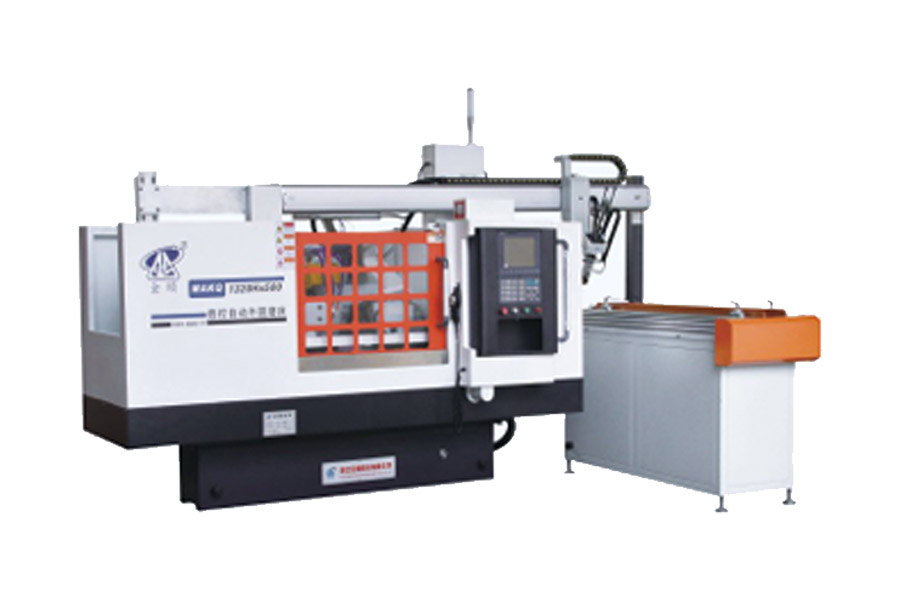
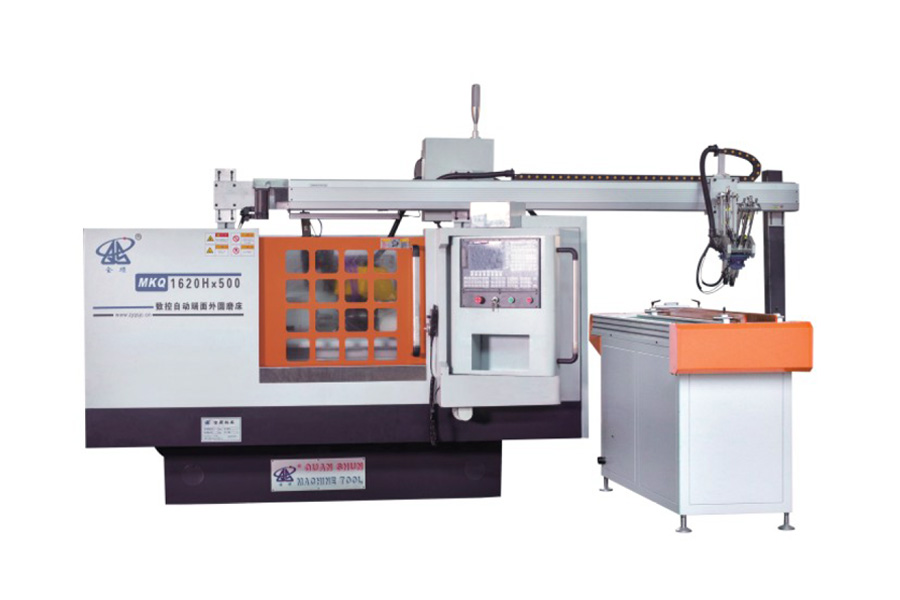
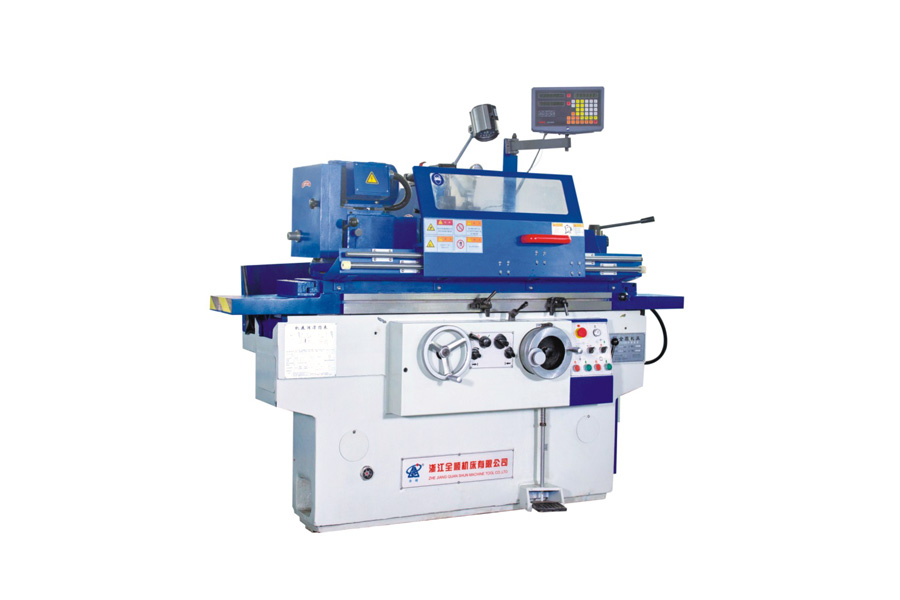
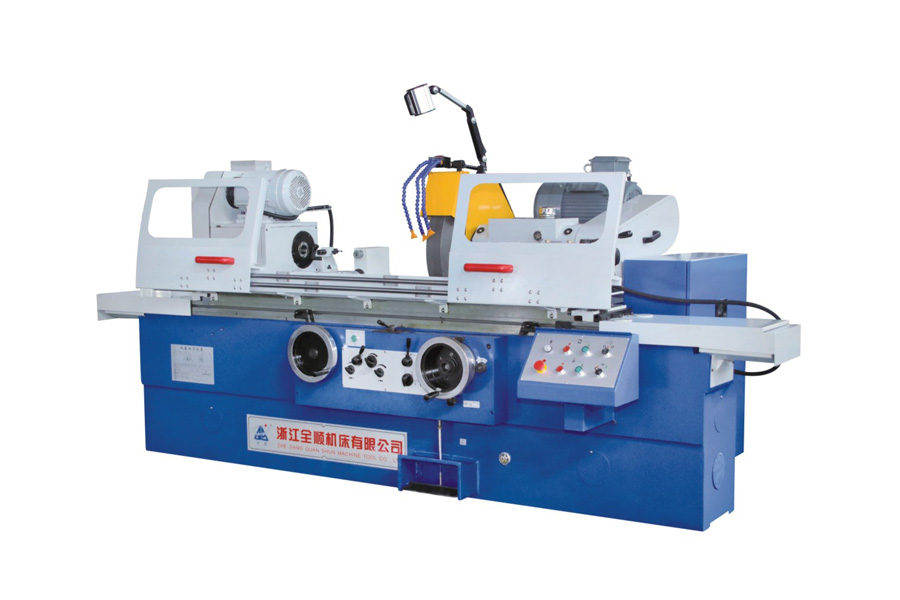
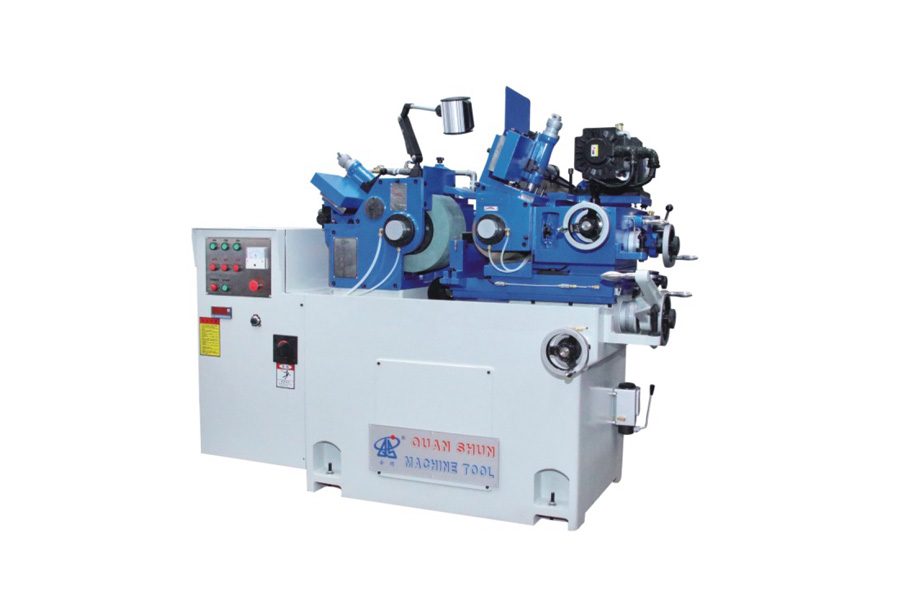
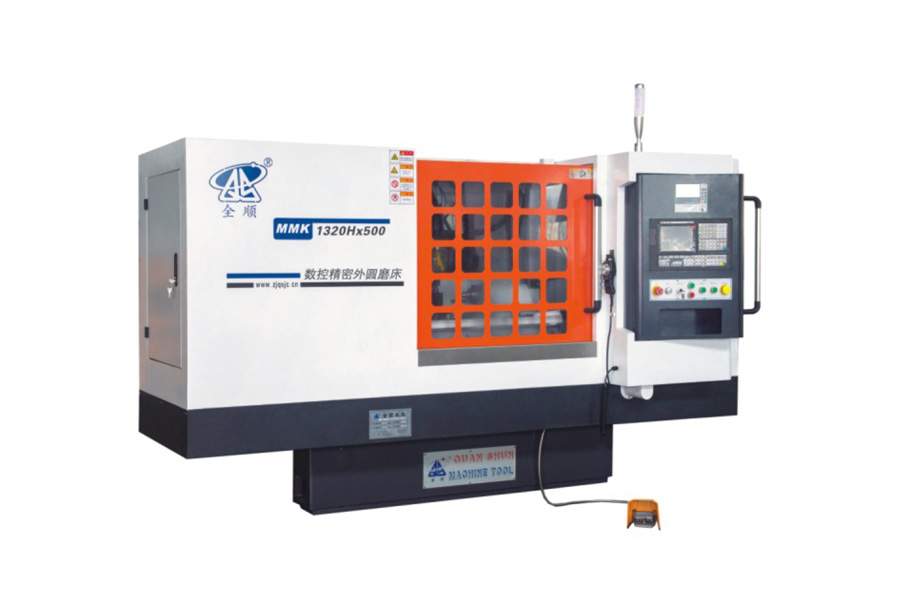
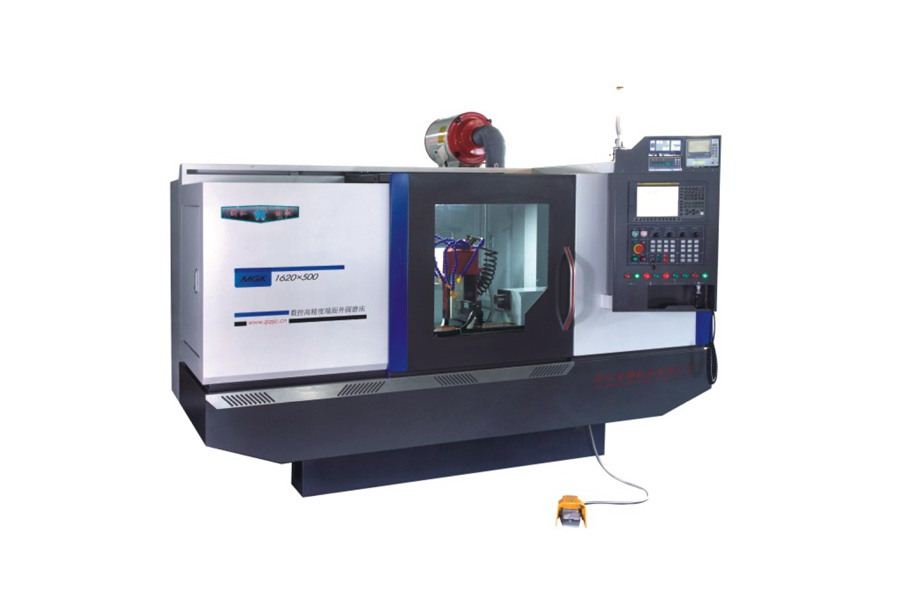
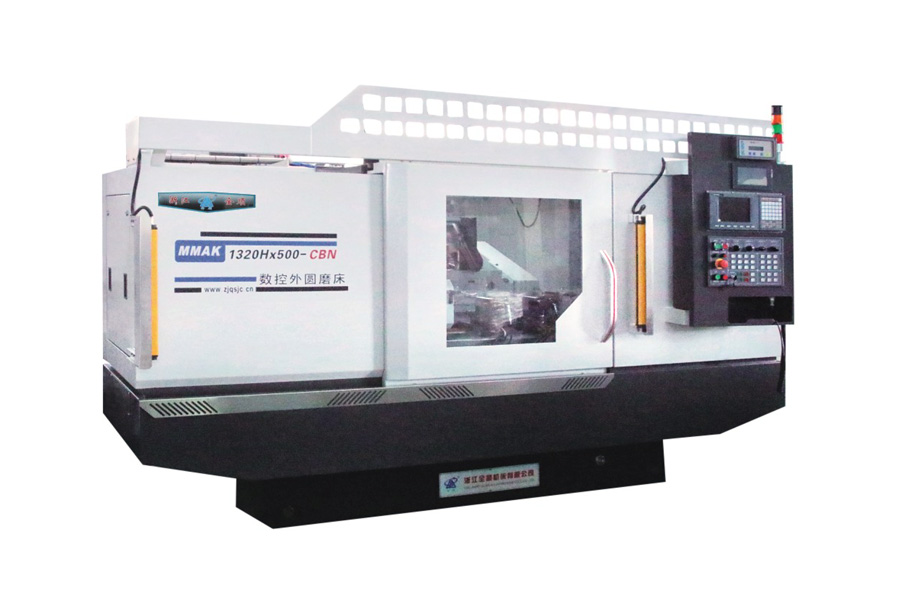
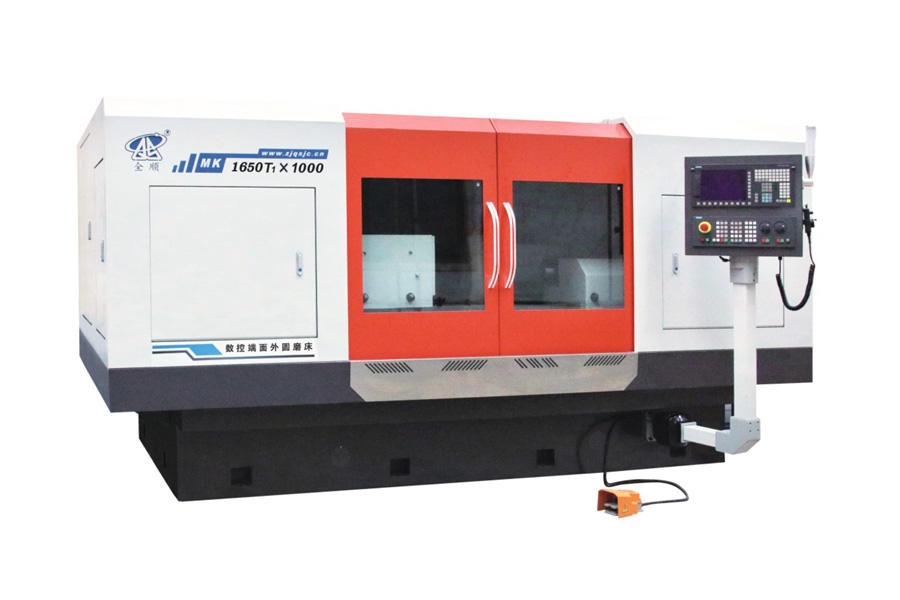
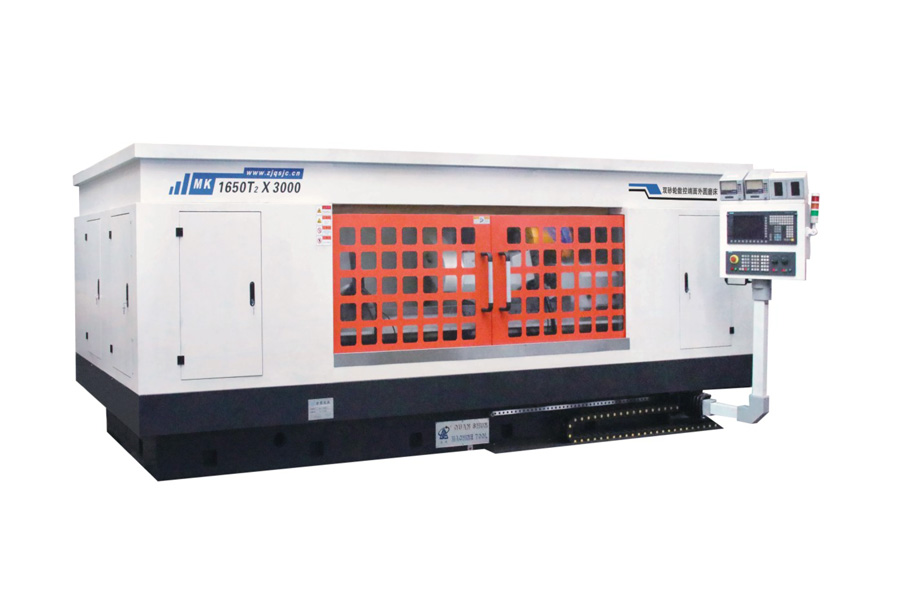
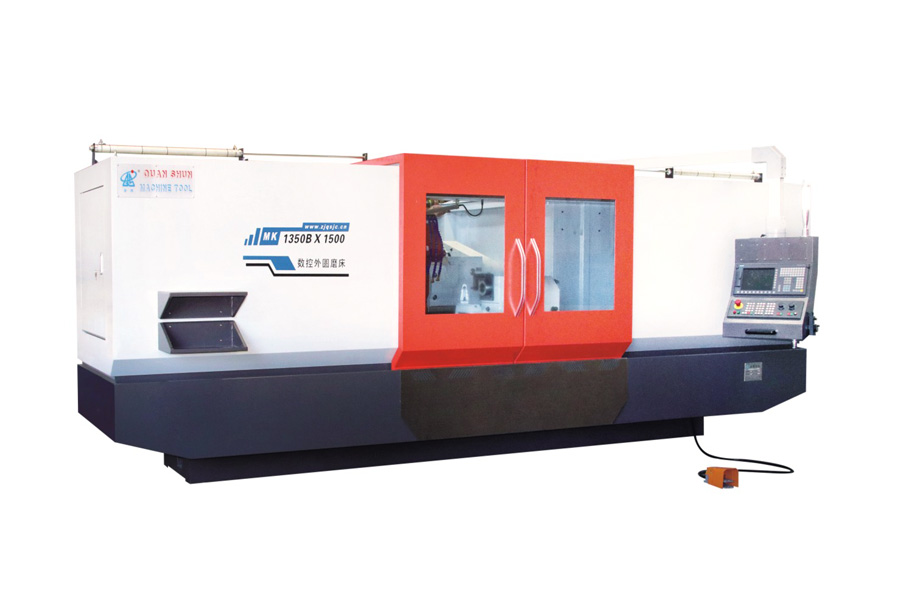
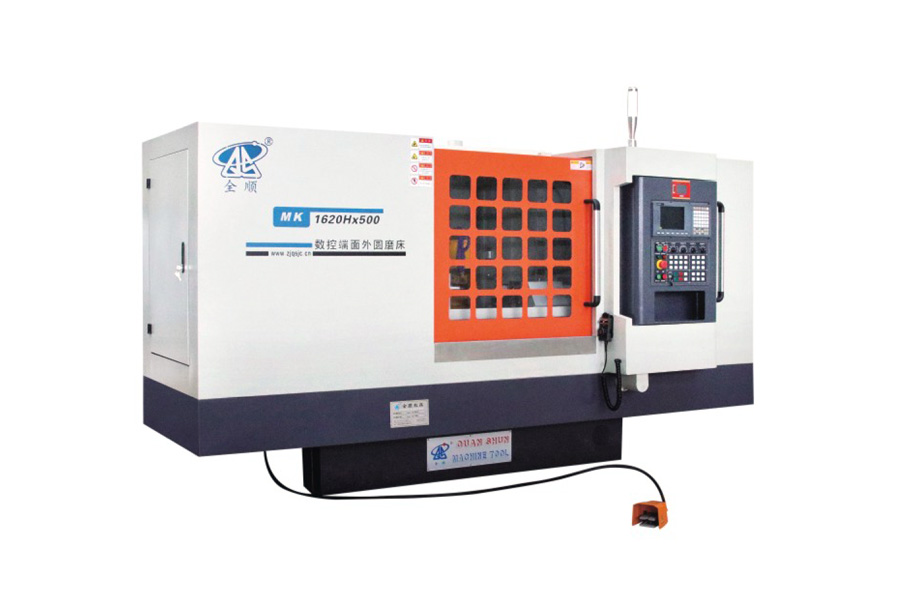
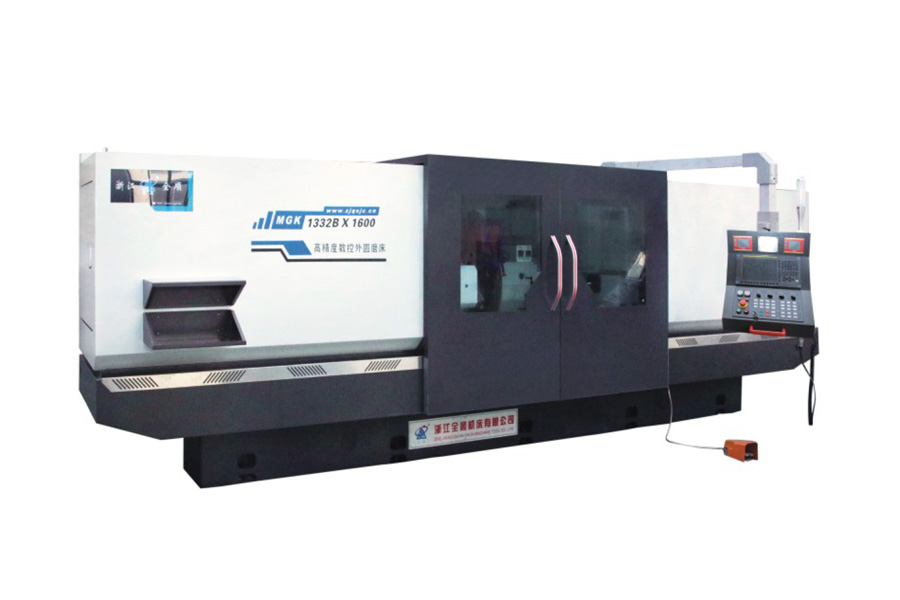
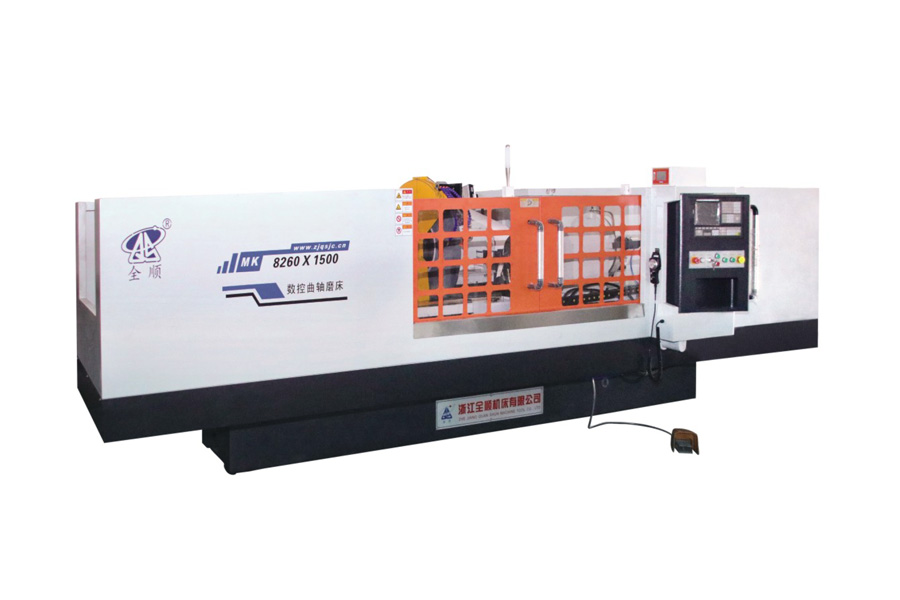
A cylindrical grinding machine rotates the workpiece around its own axis while a grinding wheel removes material from the outer or inner diameter. It is primarily used for:
- External cylindrical surfaces (OD grinding) — e.g., engine crankshafts, spindles, hydraulic cylinder rods
- Internal cylindrical surfaces (ID grinding) — e.g., bearing races, gear bores, bushings
- Tapered and contoured round profiles using CNC-controlled wheel paths
Modern CNC cylindrical grinders can achieve roundness tolerances of less than 0.001 mm and surface roughness values (Ra) as low as 0.1–0.4 μm, making them indispensable in precision component manufacturing.
Surface Grinding Machine
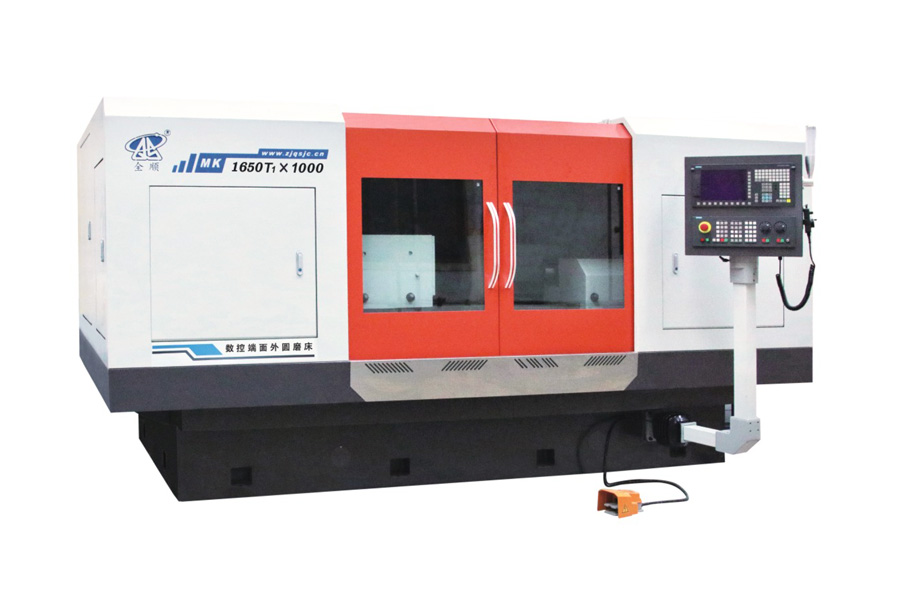
A surface grinding machine holds the workpiece on a magnetic chuck or fixture and passes it under a rotating grinding wheel to produce smooth, flat surfaces. Common applications include:
- Mold and die components — ensuring precision mating surfaces
- Machine tool slideways and tables
- Gauge blocks and reference plates requiring flatness within 0.002 mm or less
- Hardened steel parts where milling or turning leaves residual stress
A well-maintained horizontal spindle surface grinder can hold flatness tolerances of ±0.002–0.005 mm across medium-sized workpieces, and Ra values of 0.2–0.8 μm are routinely achievable.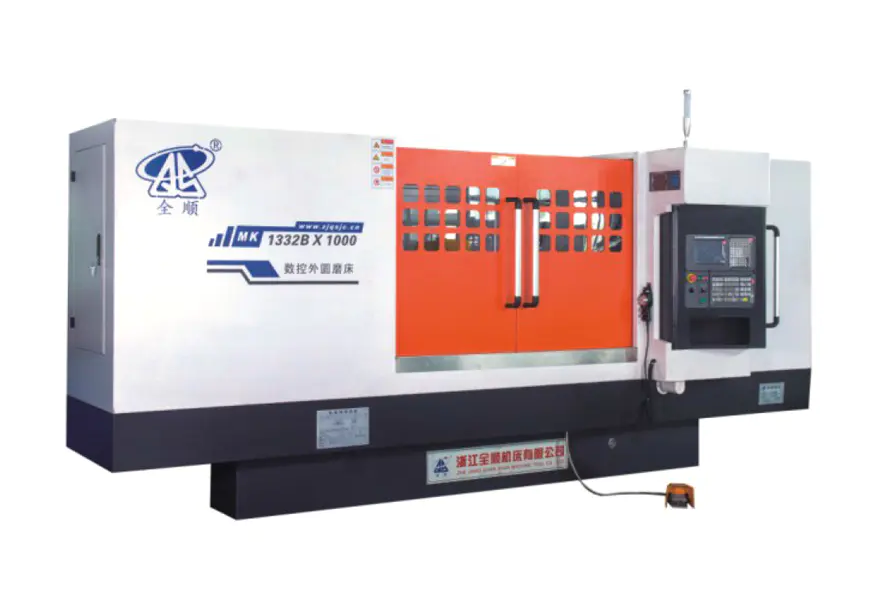
Side-by-Side Comparison of Key Parameters
| Parameter | Cylindrical Grinding Machine | Surface Grinding Machine |
|---|---|---|
| Primary workpiece shape | Round / cylindrical | Flat / planar |
| Typical surface roughness (Ra) | 0.1 – 0.4 μm | 0.2 – 0.8 μm |
| Dimensional tolerance | Roundness < 0.001 mm | Flatness ±0.002–0.005 mm |
| Workholding method | Centers, chuck, or collet | Magnetic chuck, vise, or fixture |
| Workpiece rotation | Yes — workpiece rotates | No — workpiece is stationary |
| Setup complexity | Moderate to high | Low to moderate |
| Typical industries | Automotive, aerospace, bearings | Tooling, mold-making, general machining |
| Material removal rate | Moderate | Moderate to high |
When a Cylindrical Grinding Machine Is the Better Choice
Choose a cylindrical grinder when the workpiece is fundamentally round and concentricity or roundness is critical to function. Specific scenarios include:
- Shaft finishing after heat treatment: Hardened shafts distort slightly during heat treatment. Cylindrical grinding corrects this, restoring diameter tolerances to within ±0.002 mm on journals and bearing seats.
- High-volume production of round parts: Centerless cylindrical grinding allows continuous throughput with no workpiece fixturing, making it ideal for pins, rollers, and bushings at volumes of thousands of parts per shift.
- Internal bore finishing: ID grinding of bearing races and hydraulic cylinder bores achieves surface finishes that plain boring cannot match.
- Aerospace and automotive precision components: Crankshafts, camshafts, turbine shafts — all require the OD grinding accuracy only a cylindrical grinder provides.
If the part cannot be rotated around its axis, or if no round surfaces are present, a cylindrical grinder offers no advantage.
When a Surface Grinding Machine Is the Better Choice
A surface grinder is the right tool when flat, parallel, or square surfaces are the primary requirement. Key applications include:
- Mold and die finishing: Core and cavity inserts must mate precisely. Surface grinding ensures contact surfaces are flat within microns, preventing flash and dimensional errors in molded parts.
- Reconditioning machine tool surfaces: Worn slideways and table surfaces are ground flat to restore machine accuracy, a task a cylindrical grinder cannot perform.
- Production of hardened steel blocks and plates: Parts that are milled, then hardened, often require surface grinding as a final step to achieve both flatness and the required Ra value.
- General job shop use: Surface grinders are versatile enough to handle a wide variety of workpiece shapes using fixtures, making them a practical all-rounder in job shop environments.
Surface grinding machines generally offer a shorter learning curve and faster setup for flat parts, which is why many smaller shops prioritize them as a first grinding investment.
Grinding Wheel and Coolant Considerations for Each Machine
Wheel Selection
Both machine types use abrasive grinding wheels, but the specifications differ significantly:
- Cylindrical grinders typically use narrow, profiled wheels that follow the contour of the workpiece. Aluminum oxide (Al₂O₃) wheels are common for steel; CBN wheels are preferred for high-production hardened steel applications due to their long wheel life.
- Surface grinders typically use larger-diameter, wider wheels with softer grades that self-dress more easily across flat passes. Resinoid-bonded wheels are popular for their shock absorption on interrupted cuts.
Coolant Strategy
Thermal management is critical in both processes. Surface grinding large flat areas generates more heat per unit area because the wheel contacts a greater portion of the workpiece at once. Flood coolant at flow rates of 20–40 L/min is commonly recommended for surface grinding hardened steel. Cylindrical grinding benefits from directed high-pressure coolant at the grinding zone, particularly for ID grinding where heat evacuation is restricted by geometry.
Operator Skill and Setup Time
Setup time and operator skill requirements differ between the two machine types in meaningful ways:
- Surface grinding is generally easier to set up for first-time operators. Clamping a flat part to a magnetic chuck and feeding it under a wheel is straightforward. A trained operator can set up and start grinding a simple workpiece in under 10 minutes.
- Cylindrical grinding requires more skill — especially for between-center work, where proper tailstock pressure, workpiece alignment, and wheel dressing all must be correct to achieve concentricity. Setup for a new part can take 20–45 minutes for an experienced operator.
- CNC versions of both machines significantly reduce operator dependency, but programming cylindrical grinding cycles, especially for complex contours, demands deeper process knowledge.
Can One Machine Replace the Other?
In most cases, no — they are not interchangeable. A surface grinder cannot grind a cylindrical shaft to roundness, and a cylindrical grinder cannot produce a flat surface on a block. Some specialized machines blur the boundaries:
- Universal grinding machines can perform both OD and some flat grinding using swiveling wheelhead attachments, but they represent a compromise in both rigidity and precision.
- Multi-axis CNC grinding centers with live tooling can grind flat faces and cylindrical diameters in a single clamping, reducing overall cycle time in high-mix production environments.
For most manufacturing facilities, having both machine types available provides the flexibility to handle the full range of precision finishing work — cylindrical for round parts, surface for flat components.
How to Decide: A Practical Decision Framework
Use the following decision steps to determine which machine type your application requires:
- Identify the critical surface: Is it a cylindrical diameter, bore, or taper? → Cylindrical grinder. Is it a flat, square, or parallel face? → Surface grinder.
- Check the tolerance requirement: If roundness or concentricity is specified (e.g., IT5 or IT6 grade), a cylindrical grinder is required. If flatness or parallelism is specified, use a surface grinder.
- Assess production volume: High-volume round parts benefit from centerless cylindrical grinding. High-volume flat parts can be processed on rotary-table surface grinders for continuous throughput.
- Consider the part material and hardness: Both machines handle hardened steels well. However, for very hard materials (60+ HRC), CBN wheels on a rigid cylindrical grinder often outperform conventional abrasive surface grinding in terms of wheel life and thermal damage control.
- Evaluate available floor space and budget: Surface grinders typically have a smaller footprint for equivalent work envelope. If budget and space are limited, a surface grinder serves a broader range of general shop tasks.