0086-15068518279 (Chinese)/001-5416026691 (English)



 EN
EN
 中文简体
中文简体Content
In the power systems of automobiles, ships, and heavy machinery, the crankshaft is hailed as the "heart" of the engine. To ensure smooth and efficient engine operation, the crankshaft requires extremely high machining precision. The core equipment for achieving this high-precision machining is the crankshaft grinding machine.
What is a crankshaft grinding machine?
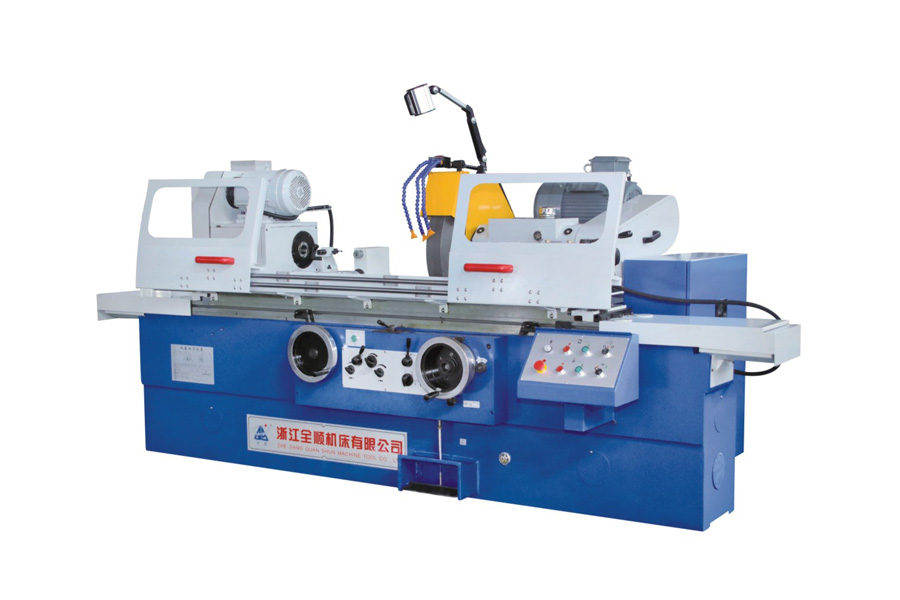
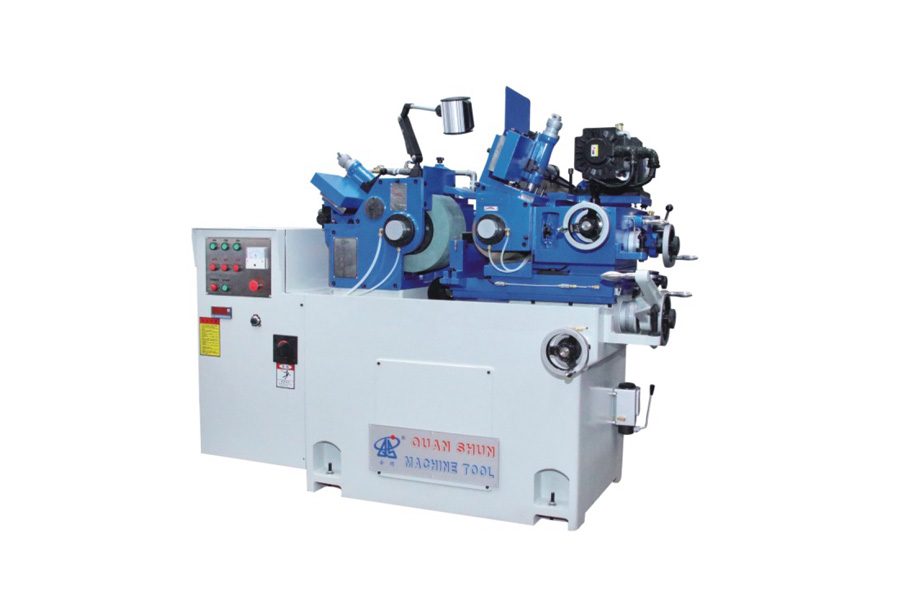
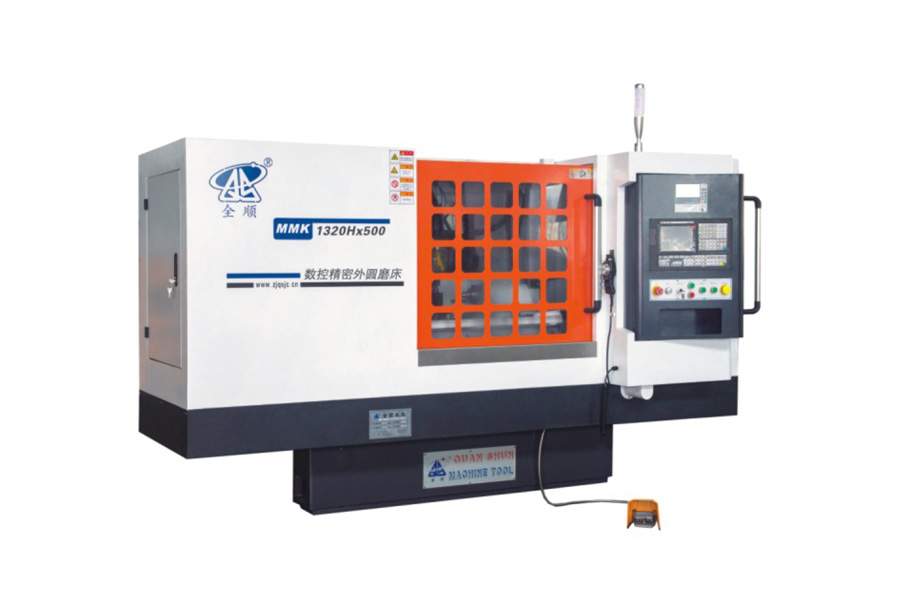
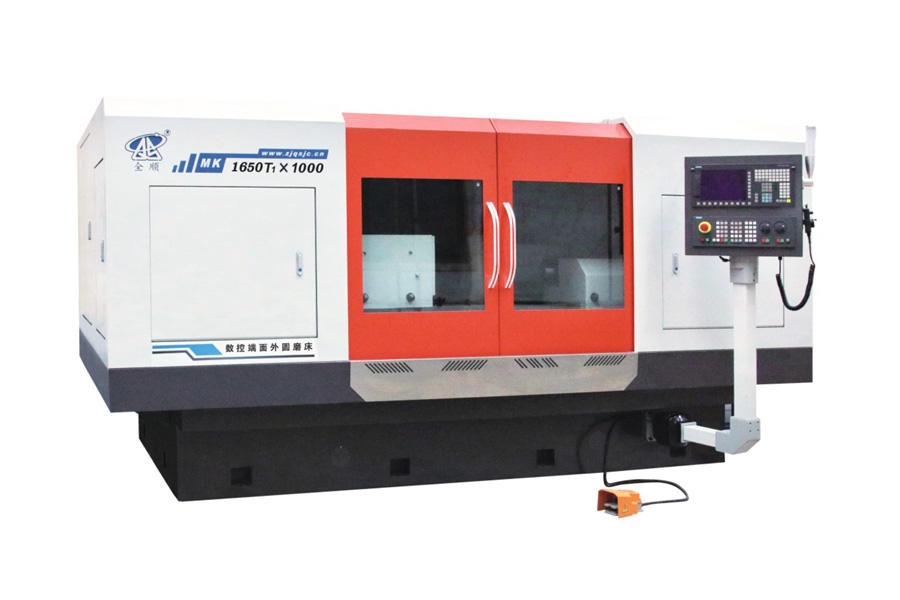
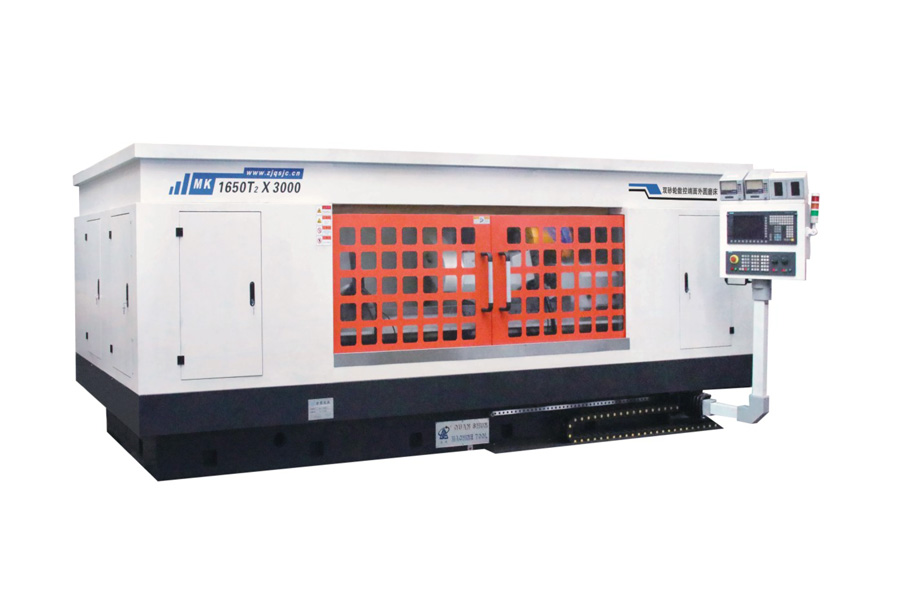
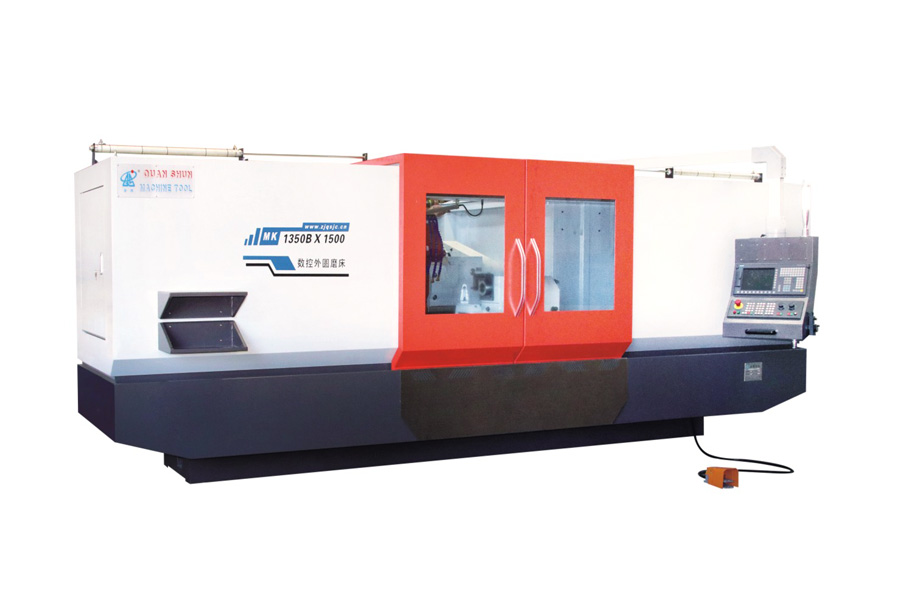
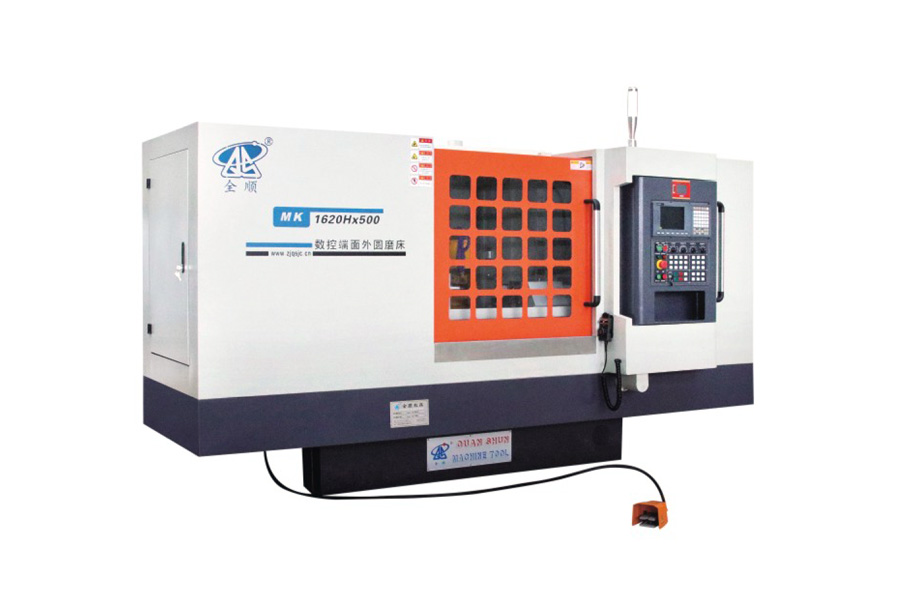
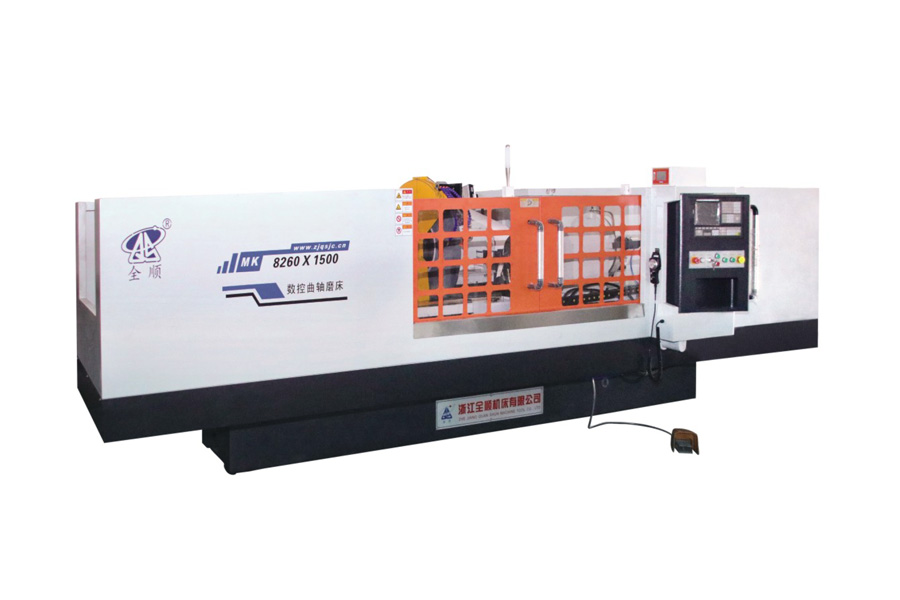
A crankshaft grinding machine is a specialized precision machine tool used for grinding the journals (including main journals and connecting rod journals) of reciprocating engine crankshafts. Due to the complex shape, poor rigidity, and extremely stringent precision requirements of the crankshaft, ordinary grinding machines are insufficient; therefore, a specially structured crankshaft grinding machine is needed to accomplish this task.
Core Functions of a Crankshaft Grinding Machine
1. High-Precision Journal Grinding
This is the most basic and important function of a crankshaft grinding machine. It uses a high-speed rotating grinding wheel to perform fine grinding of the main journals and connecting rod journals of the crankshaft.
- Dimensional Accuracy Control: Capable of controlling journal diameter errors to the micrometer level.
- Surface Roughness Optimization: Significantly reduces the surface roughness of the journals, decreasing frictional resistance during engine operation.
- Geometric Error Correction: During long-term use or rough machining, crankshafts may develop roundness or cylindricity defects. Crankshaft grinding machines, through precise CNC systems or manual fine-tuning, can correct these geometric deviations, ensuring dynamic balance during crankshaft rotation.
- Eccentric Grinding of Connecting Rod Journals: Unlike ordinary shaft parts, crankshaft connecting rod journals are off-axis. Crankshaft grinding machines, equipped with specialized eccentric fixtures or using dual-axis linkage technology, can precisely grind the eccentric parts while the crankshaft rotates around its main axis.
- Improved Crankshaft Wear Resistance and Lifespan: Grinding not only improves the fit accuracy of the crankshaft but also removes oxide scale and micro-cracks generated after heat treatment, enhancing the crankshaft's fatigue strength and thus extending the overall service life of the machine.
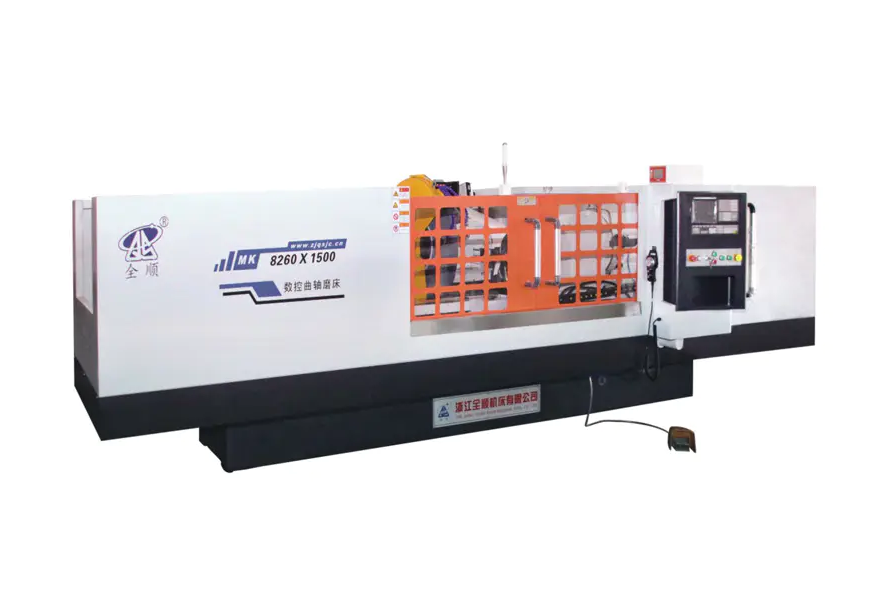
Technological Advantages of Modern CNC Crankshaft Grinding Machines
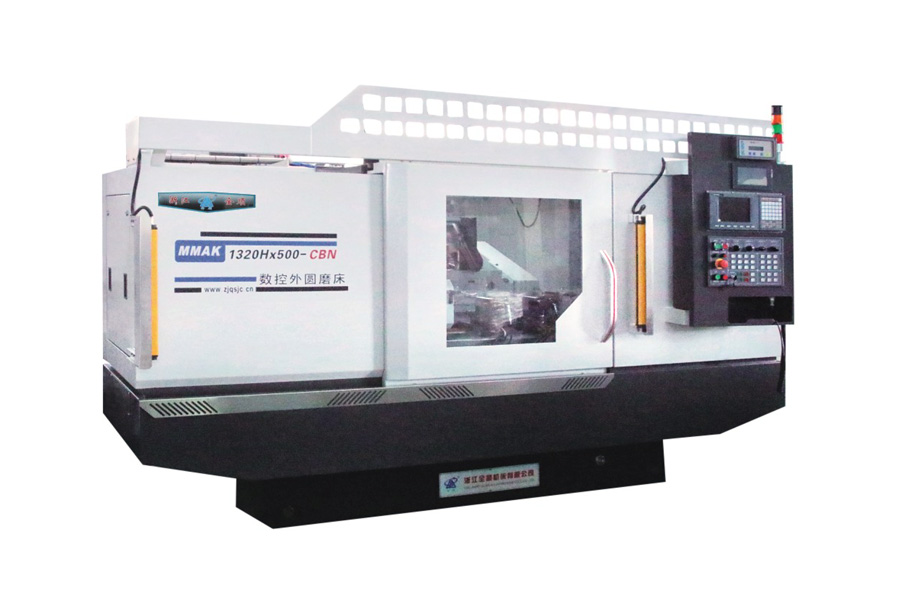
With the advancement of Industry 4.0, modern CNC crankshaft grinding machines have achieved a qualitative leap compared to traditional machine tools:
- Automatic Compensation Function: Real-time monitoring of grinding wheel wear and automatic compensation ensure consistent machining.
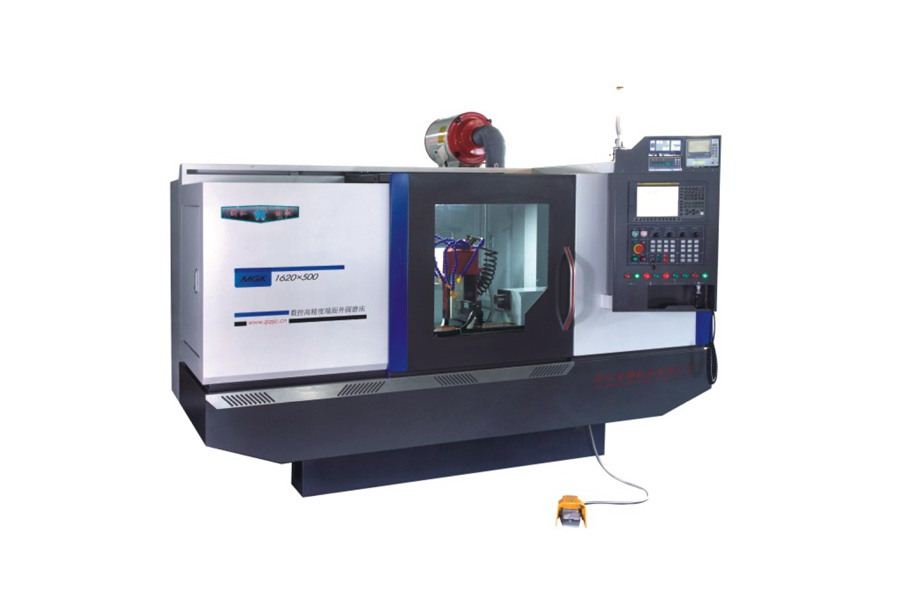
- Multiple Processes in One Setup: Many high-end machine tools support completing the grinding of all journals on a single machine, reducing errors caused by repeated setups.
- High Adaptability: Capable of handling crankshaft parts of different materials (such as ductile iron and alloy steel) and sizes.
As the "scalpel" of precision machining, the crankshaft grinding machine 's function is not limited to simple dimensional machining, but also lies in giving crankshafts superior performance indicators through advanced grinding processes. Whether it's crankshaft refurbishment in the automotive repair industry or large-scale production in engine manufacturing plants, crankshaft grinding machines are key equipment.