0086-15068518279 (Chinese)/001-5416026691 (English)



 EN
EN
 中文简体
中文简体Content
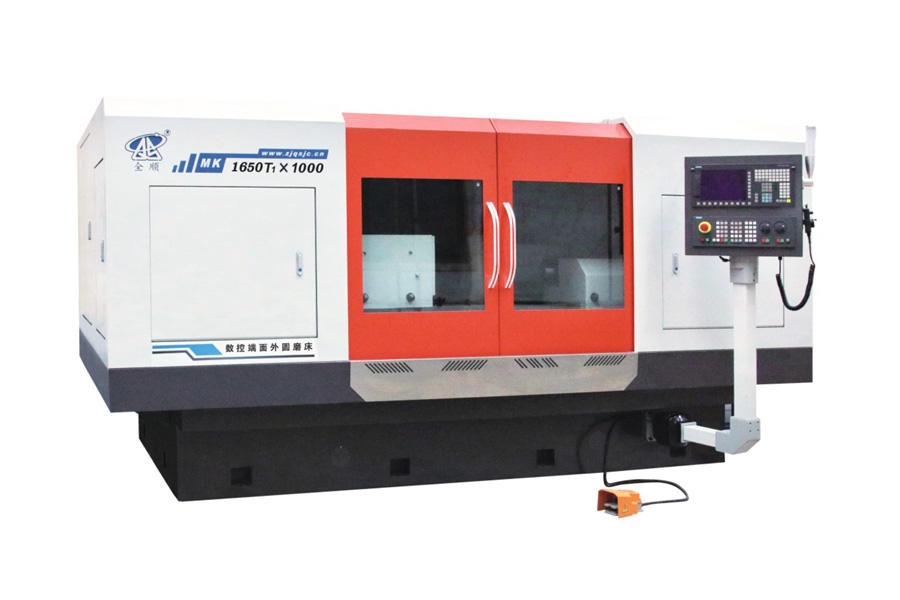
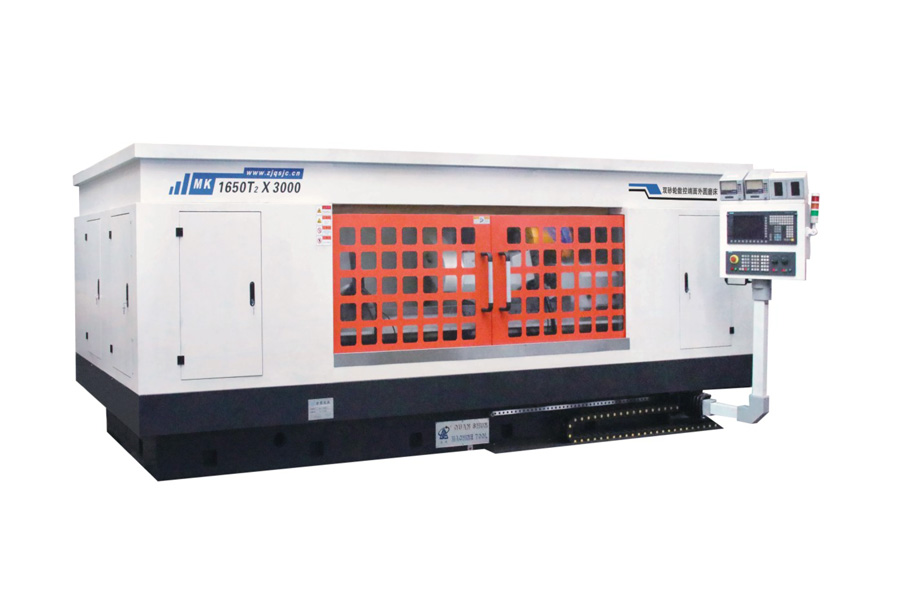
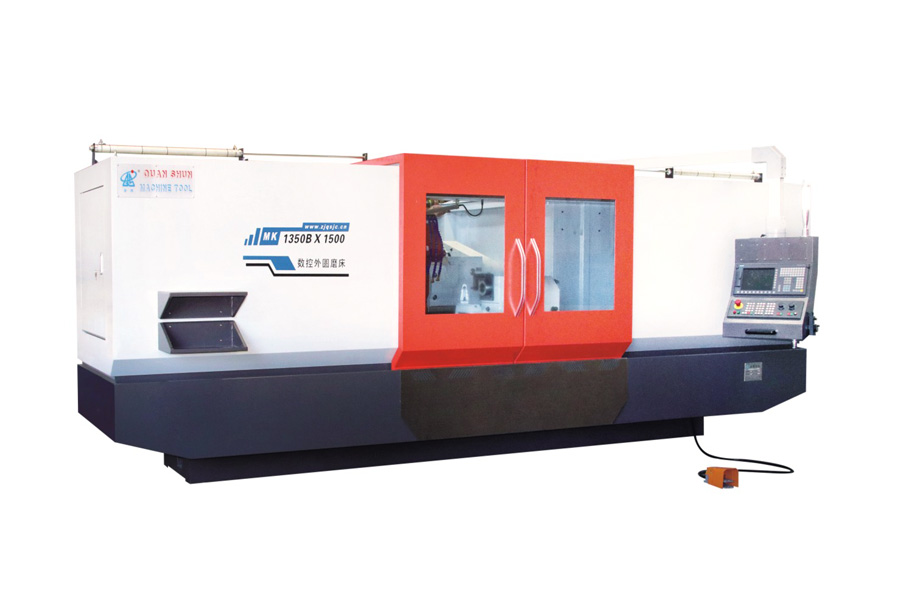
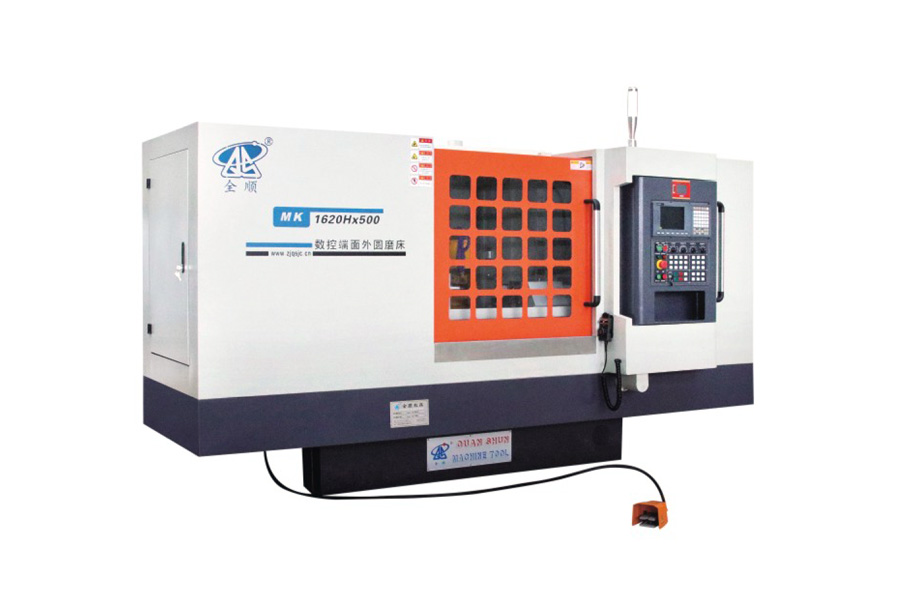
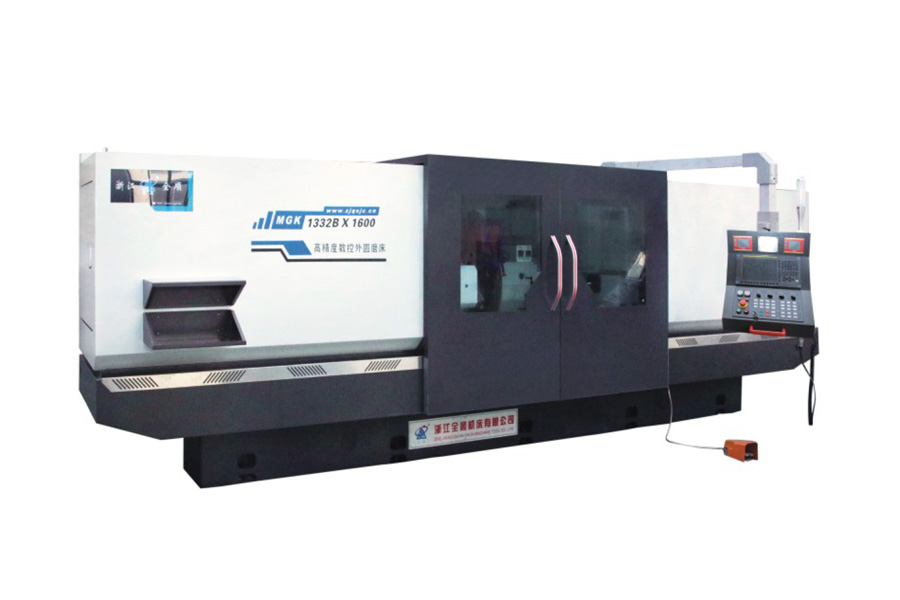
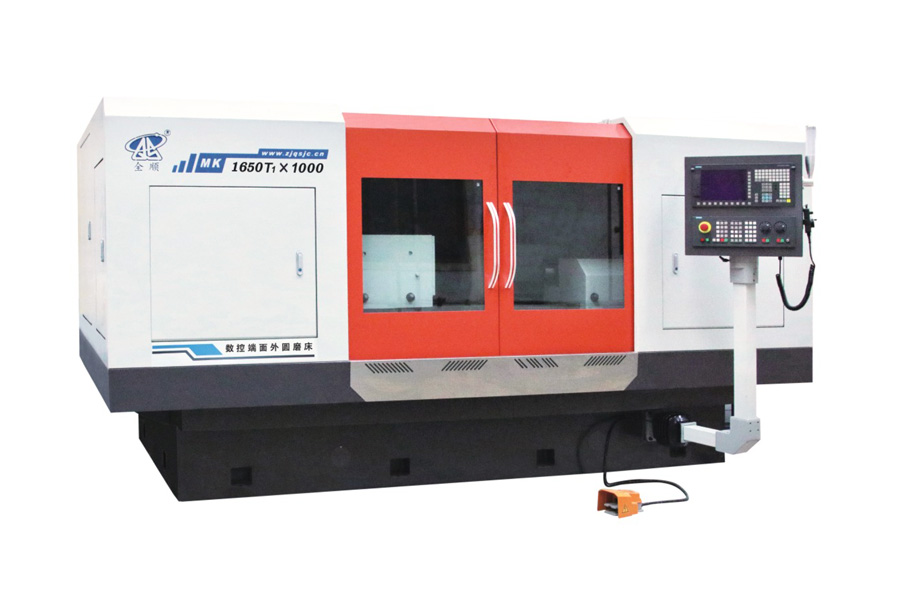
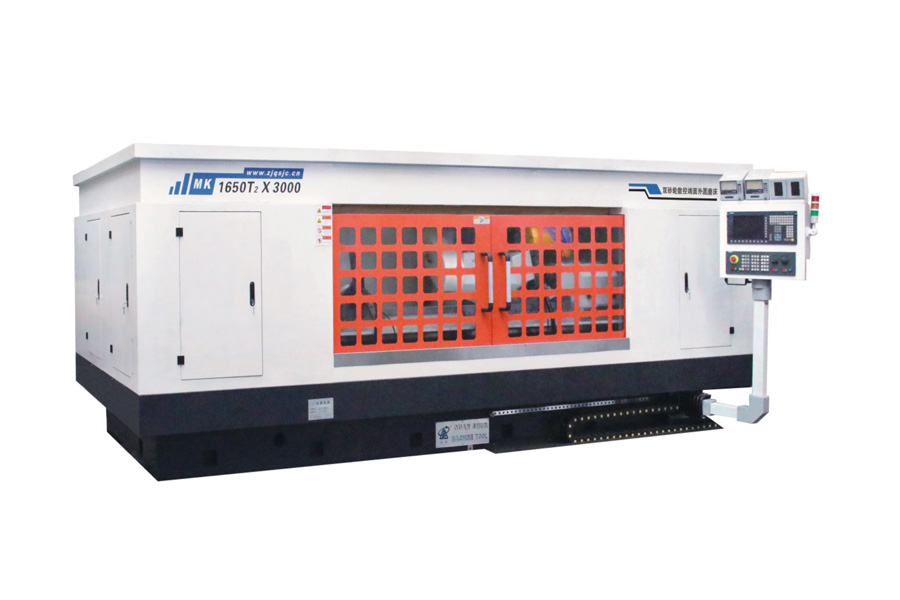
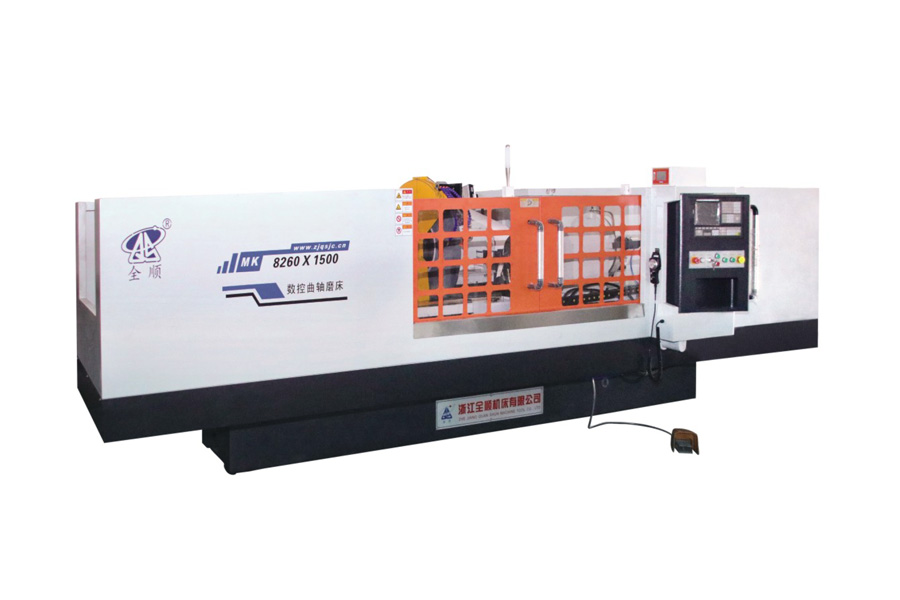
In modern precision manufacturing, grinding is a crucial process that determines the final precision and surface quality of parts. As the core equipment in this field, CNC cylindrical grinding machines are gradually replacing traditional manual grinders, becoming the preferred choice for the automotive, aerospace, mold, and precision machinery industries.
I. What is a CNC Cylindrical Grinding Machine?
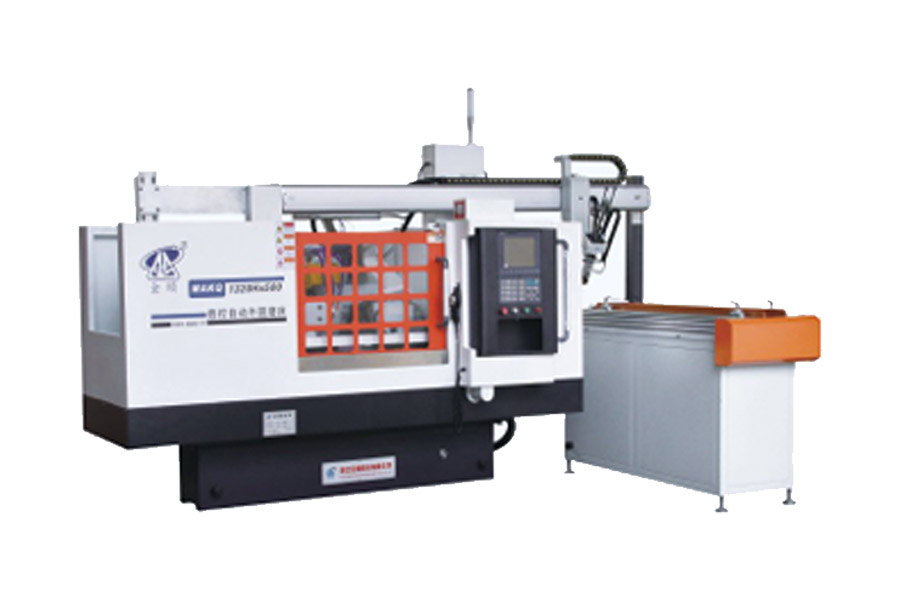
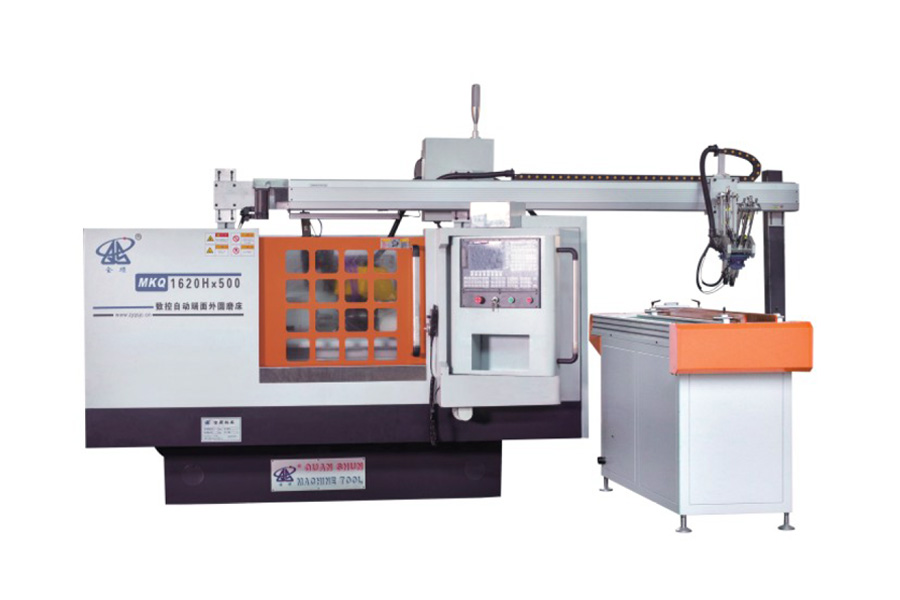
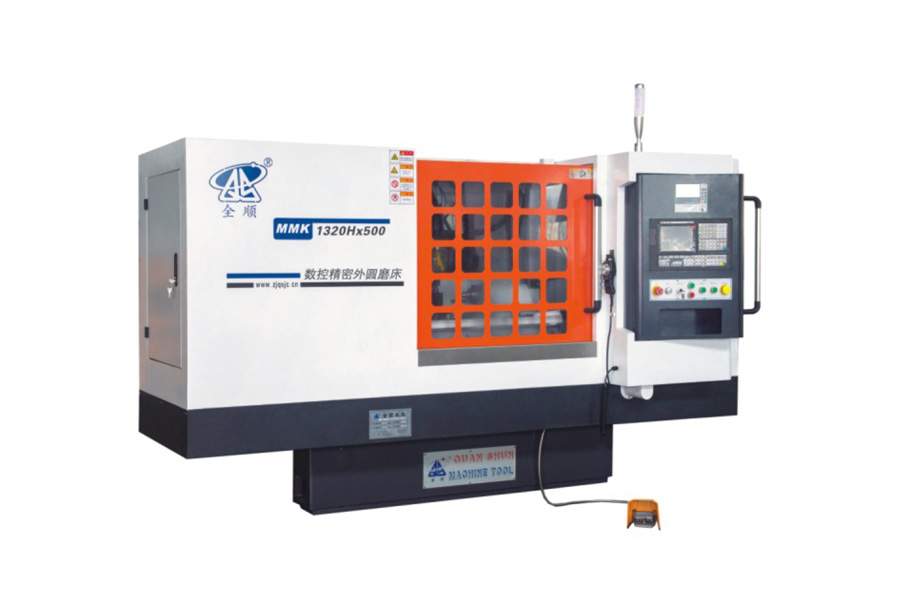
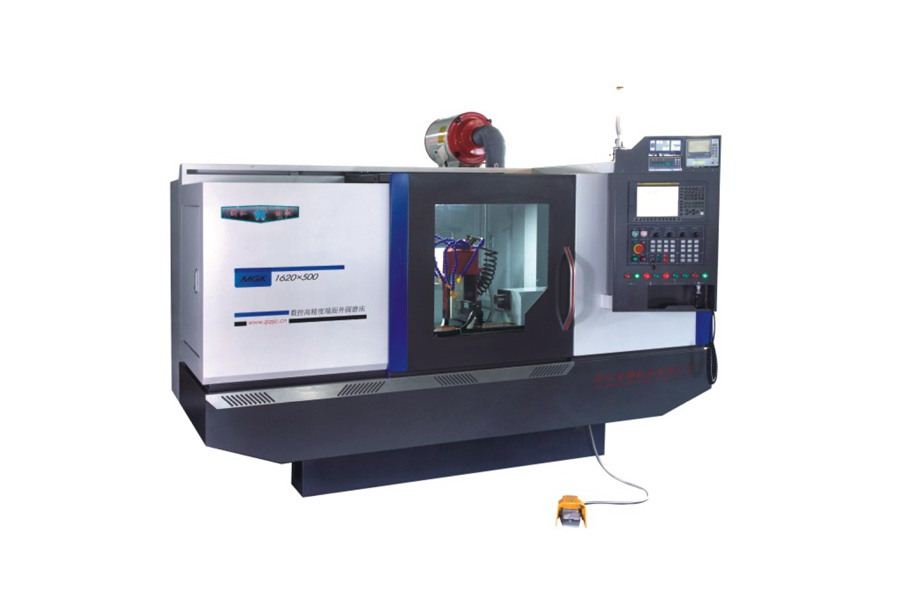
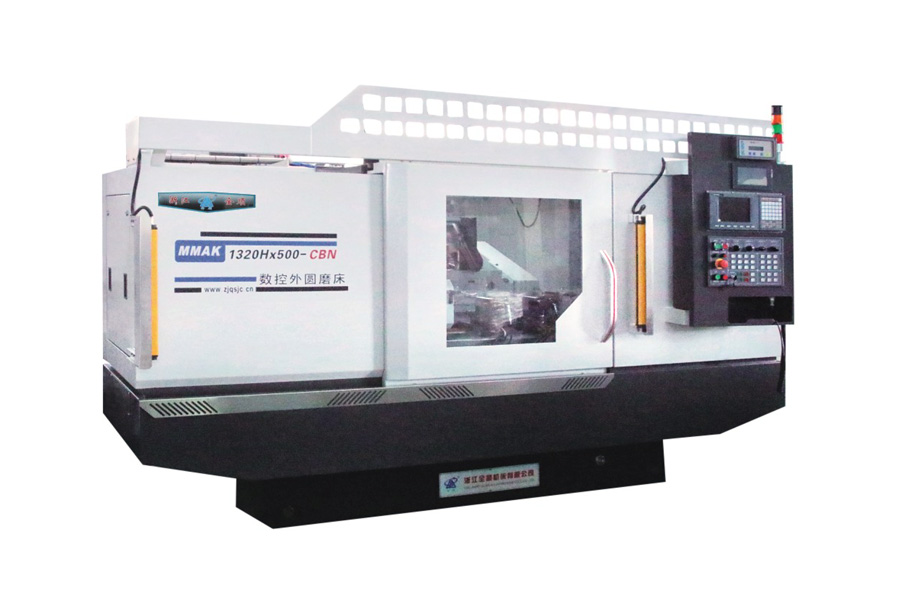
A CNC cylindrical grinder is a machine tool that uses a digitally controlled system (CNC) to perform precision grinding on the outer, inner, or conical surfaces of workpieces. It automatically controls the feed of the grinding wheel head, the movement of the worktable, and the dressing of the grinding wheel through a pre-programmed machining program.
Unlike ordinary grinding equipment, CNC cylindrical grinding machines integrate high-precision sensing technology, servo drive systems, and automated closed-loop control, enabling dimensional consistency at the micron or even sub-micron level.
II. Main Differences Between CNC Cylindrical Grinding Machines and Traditional Manual Grinding Machines
Many machining plants face choices when upgrading their equipment. Through the following four dimensions of comparison, we can clearly see the leading advantages of CNC cylindrical grinding machines: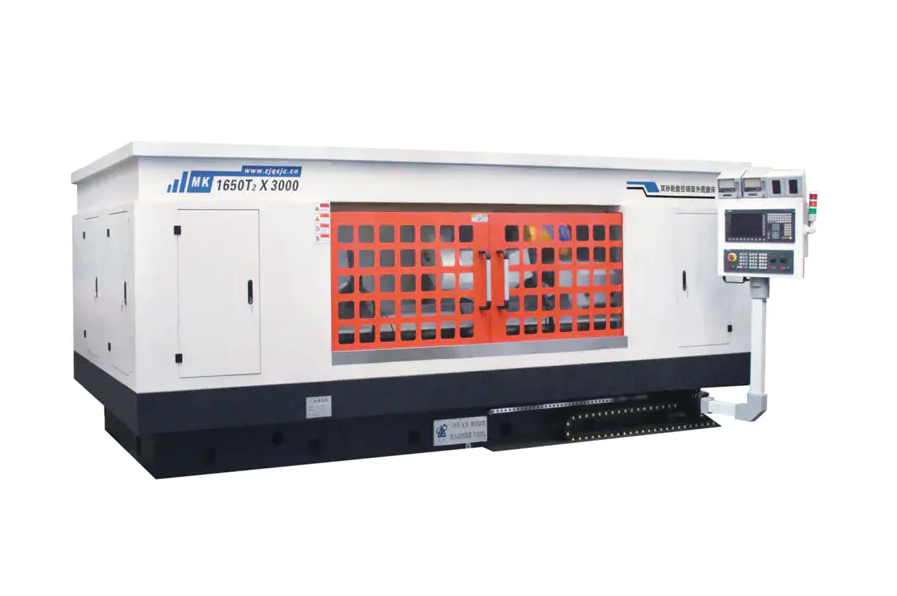
1. Machining Accuracy and Repeatability
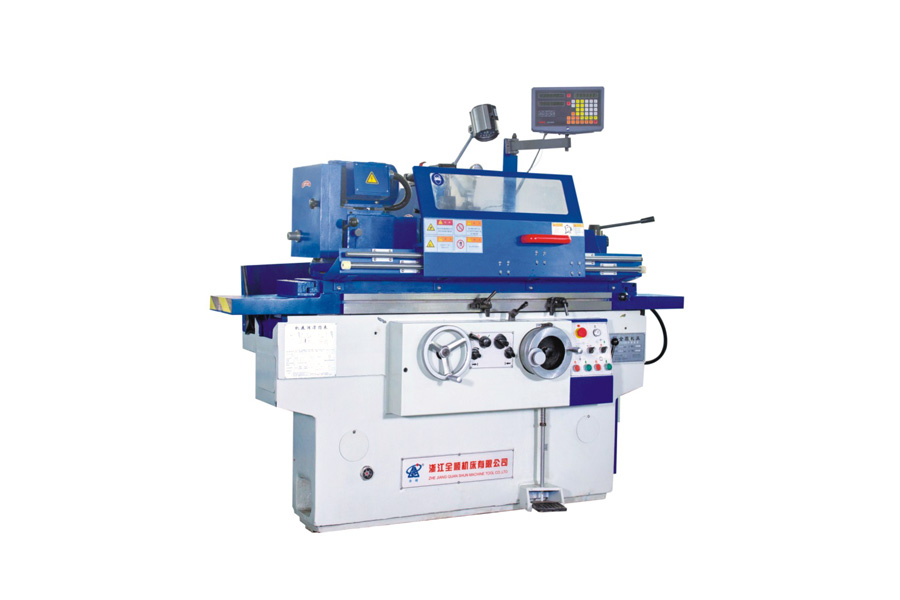
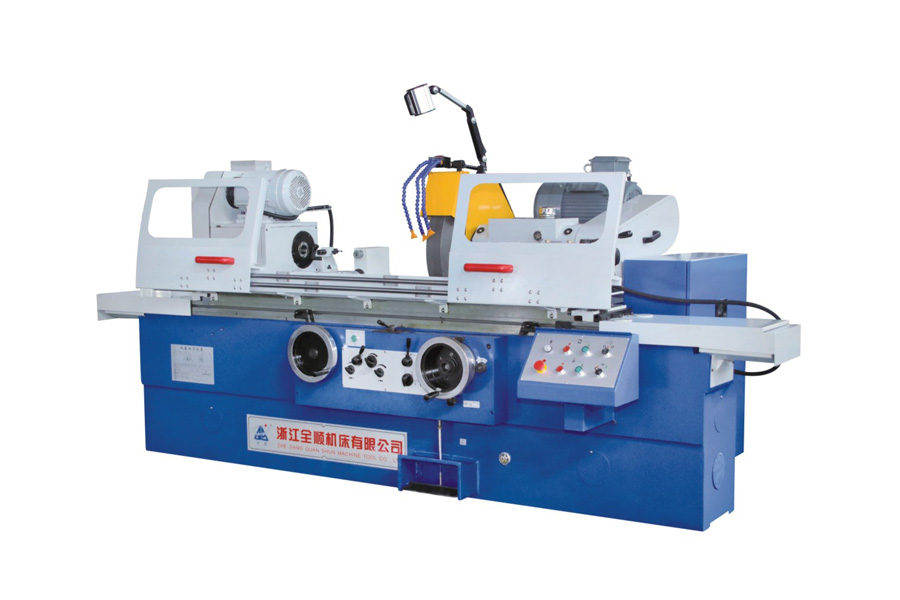
Manual Grinding Machines: Extremely reliant on the operator's "feel" and experience. Due to thermal deformation compensation and mechanical backlash, dimensional variations are significant when machining large batches of parts.
CNC Cylindrical Grinding Machines: Employ high-resolution servo motors and linear encoder feedback. Once the program is set, the machine can continuously machine hundreds or thousands of parts, maintaining a high degree of consistency in dimensional tolerances and cylindricity for each part.
2. Machining Efficiency and Automation
Manual Grinding Machines: Require manual tool resetting and manual cranking of the feed handwheel after machining each section of stepped shaft, resulting in low efficiency.
CNC Cylindrical Grinding Machines: Possess the function of "one-time setup, multi-stage grinding." Automatic switching between machining processes for outer circles, bevels, and arcs significantly reduces non-machining time.
3. Ability to Form Complex Contours
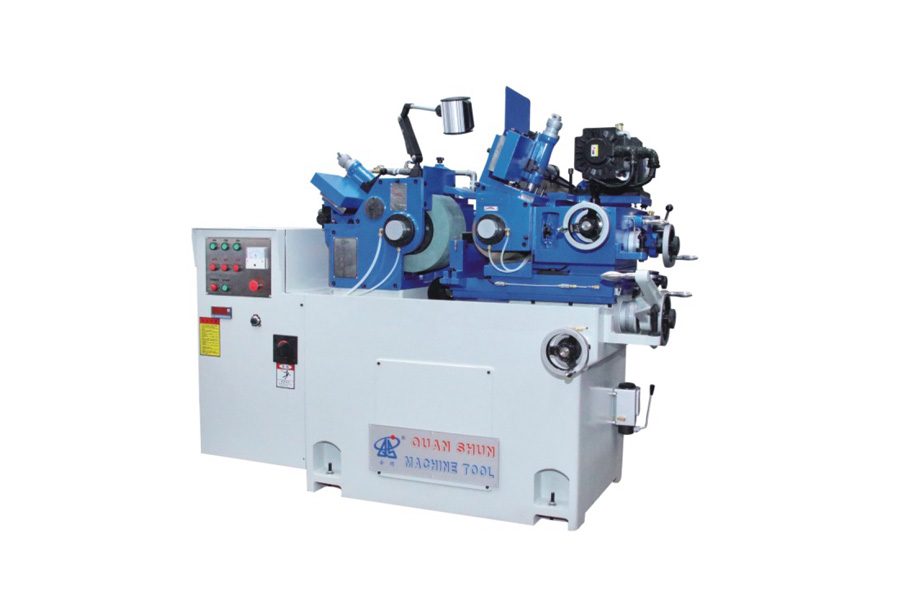
Manual Grinding Machines: Difficult to machine non-circular cross-sections or complex stepped arc curves.
CNC cylindrical grinding machines: With two-axis or multi-axis linkage capabilities, they can easily grind complex non-linear contours. Combined with automatic forming wheel dressing technology, mass production of complex shapes becomes possible.
4. Labor Costs and Technical Barriers
Manual grinding machines: Training a qualified grinding operator often takes several years, and the labor intensity is high, easily leading to occupational fatigue.
CNC cylindrical grinding machines: The experience requirements for operators are relatively reduced. One technician can supervise multiple CNC cylindrical grinding machines simultaneously, significantly reducing the labor cost per unit part.
III. Summary: Why Choose a CNC Cylindrical Grinding Machine?
With the advancement of Industry 4.0, the market's requirements for workpiece precision are becoming increasingly stringent. CNC cylindrical grinding machines are not only tools for improving production efficiency but also a "stepping stone" for enterprises to enter the high-end supply chain.
As a professional CNC cylindrical grinding machine manufacturer, we deeply understand the importance of stability and precision for our customers. Our equipment uses a high-rigidity bed and advanced CNC compensation algorithms to ensure that every product you produce meets stringent standards.