0086-15068518279 (Chinese)/001-5416026691 (English)



 EN
EN
 中文简体
中文简体Content
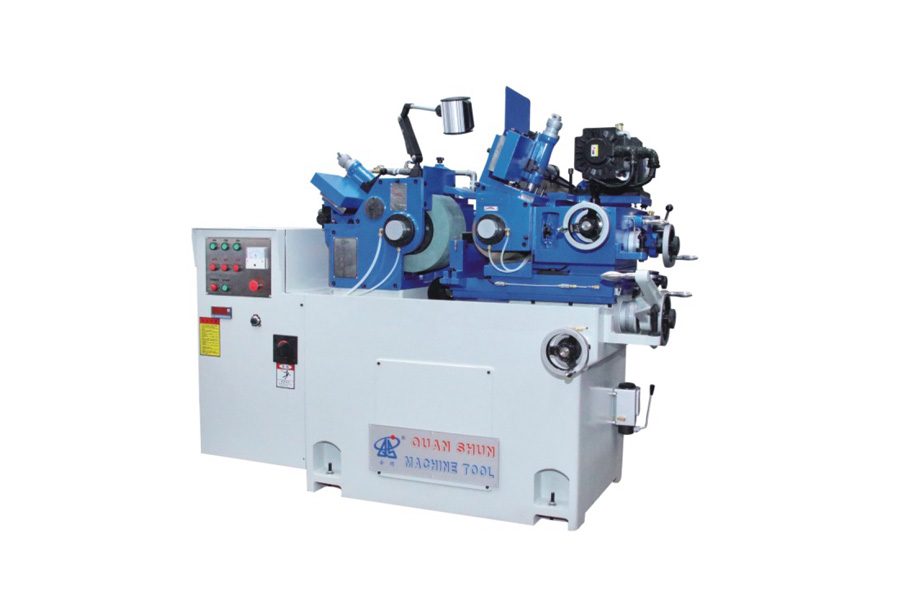
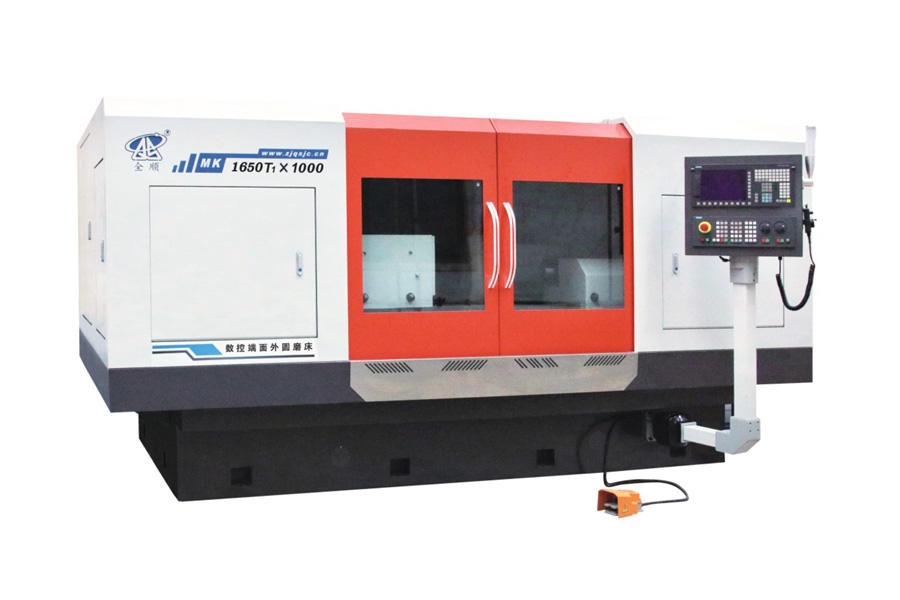
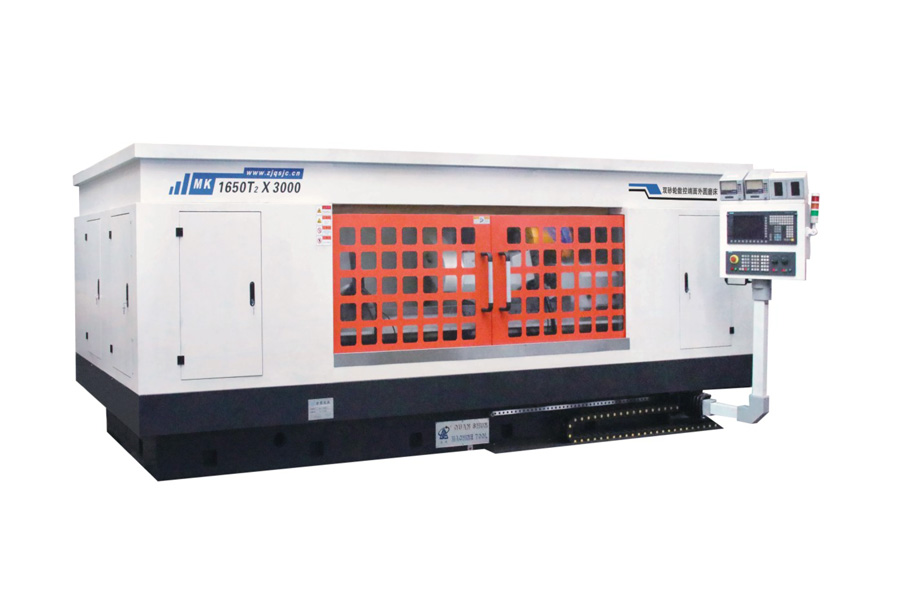
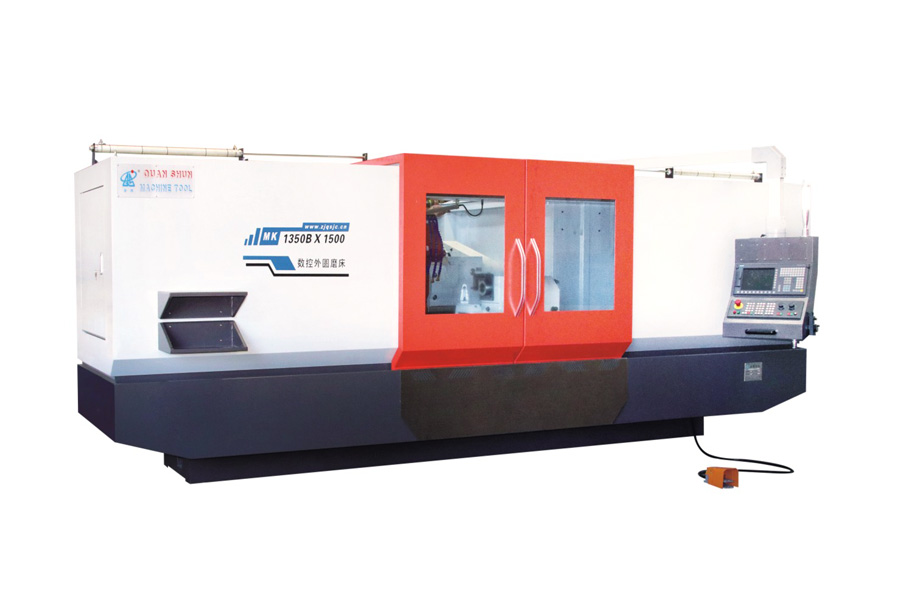
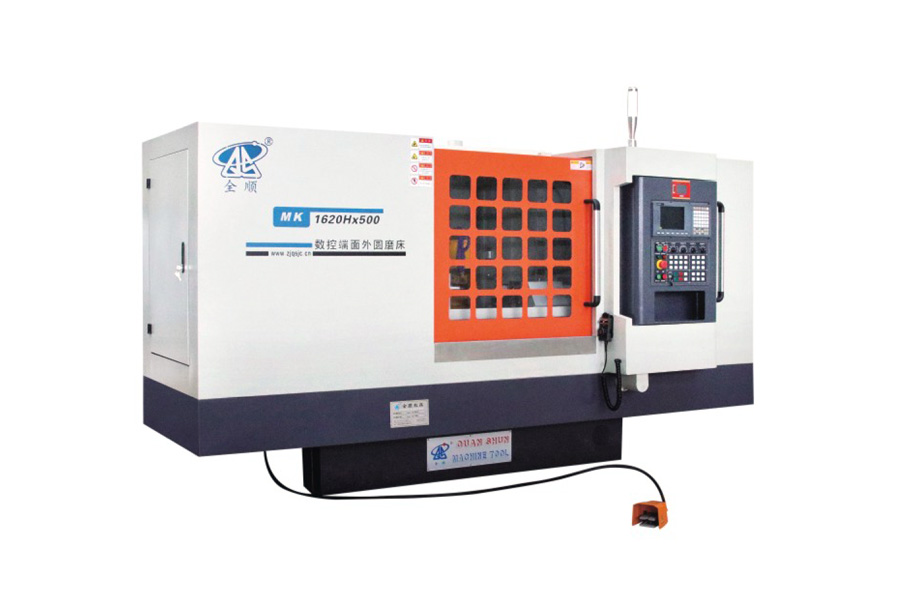
The operating procedures for a cylindrical grinding machine mainly include six steps: workpiece preparation, machine tool inspection, grinding wheel installation and adjustment, grinding, measurement and correction, and cleaning and maintenance. During operation, precautions mainly involve safe operation, preventing workpiece damage, maintaining grinding accuracy, and regular maintenance. Specifically, before starting the cylindrical grinding machine, the operator should check whether the machine's lubrication system and electrical system are normal, ensure the grinding wheel is securely installed, and adjust the grinding speed and feed rate. During processing, the principle of gradual grinding and repeated measurement should be followed to ensure workpiece dimensional and surface accuracy. After grinding, the machine tool, grinding wheel, and worktable should be cleaned promptly to prevent iron filings and dust from affecting subsequent processing.
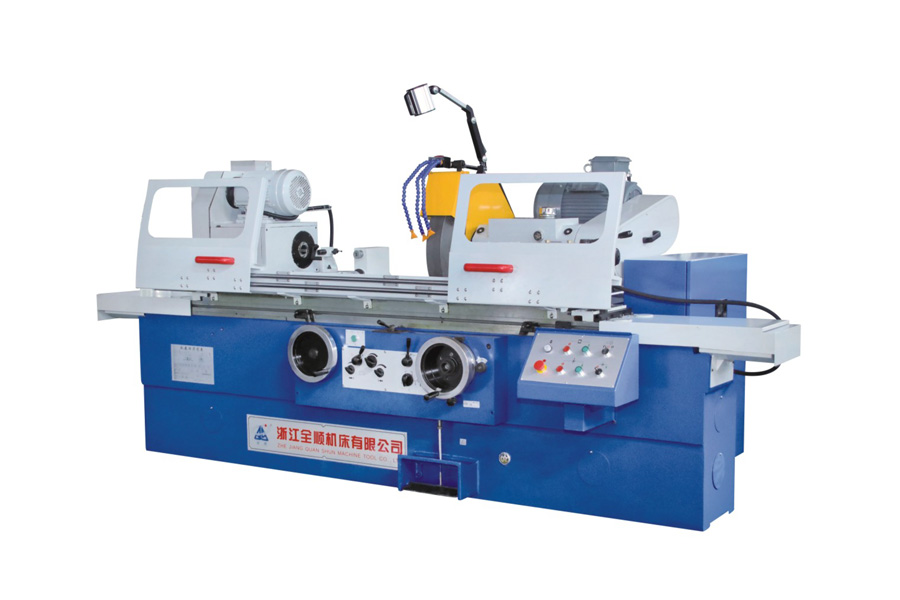
Detailed Operating Procedures for a Cylindrical Grinding Machine
Workpiece Preparation
Before processing with a cylindrical grinding machine, the workpiece must be thoroughly cleaned, removing burrs and oil stains. For precision shaft parts, it is also necessary to check for bending or surface defects.
Machine Tool Inspection
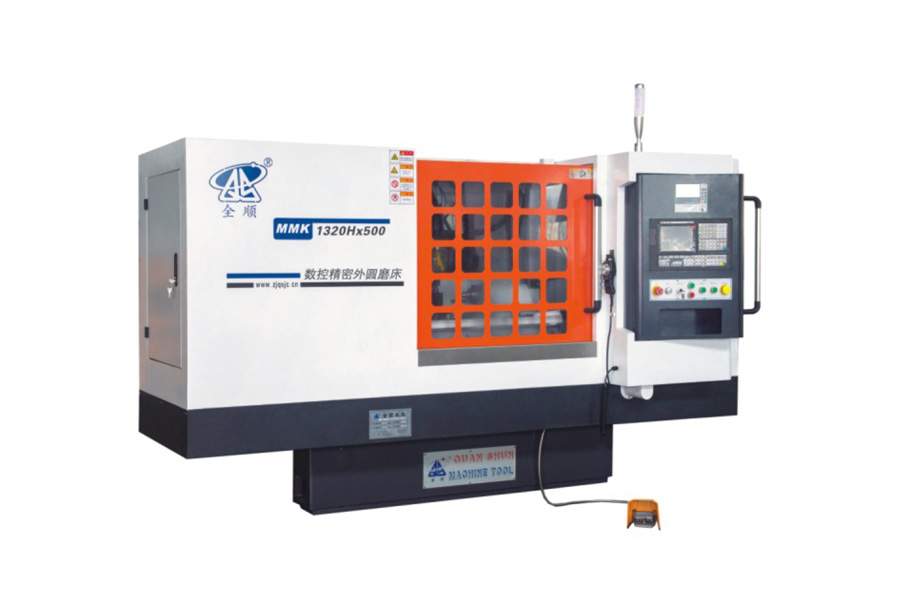
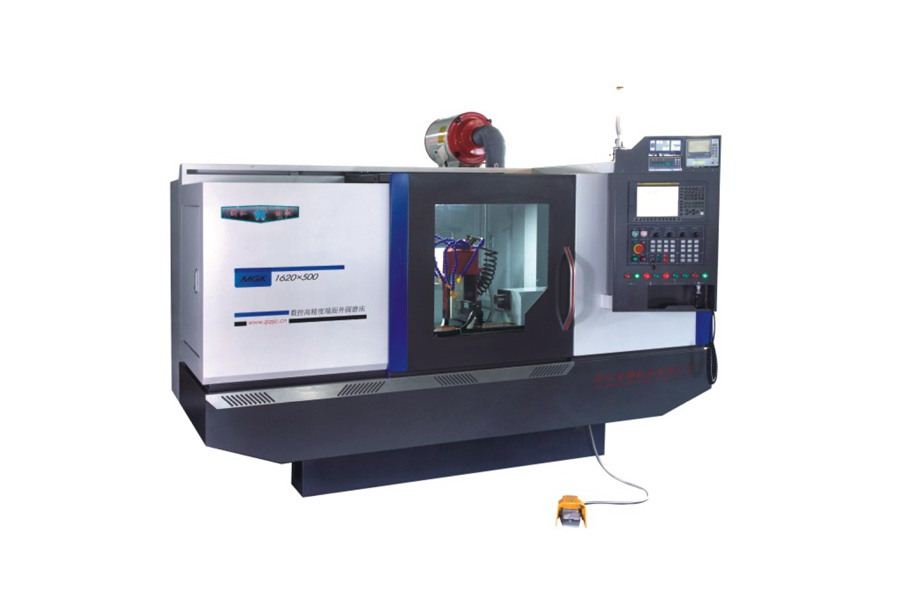
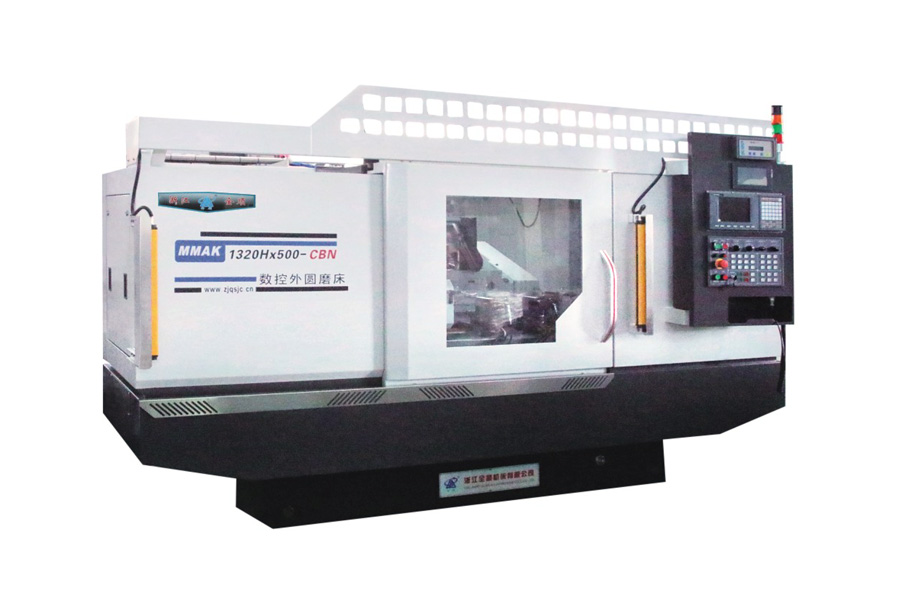
Before starting the machine, confirm that the lubrication system, cooling system, guideways, and lead screw are in normal condition. For CNC cylindrical grinding machines, it is also necessary to check whether the program input is correct.
Grinding Wheel Installation and Adjustment
The grinding wheel is the core component of a cylindrical grinding machine. During operation, it is essential to ensure the grinding wheel is balanced and adjust the clearance between the grinding wheel and the workpiece to avoid over-grinding and damage to the machined surface.
Grinding Process
Select the appropriate speed and feed rate according to the machining requirements, and process the workpiece step by step using a rough grinding – semi-finish grinding – finish grinding method. During the grinding process, the operator must continuously monitor the workpiece temperature to avoid thermal deformation affecting machining accuracy.
Measurement and Correction
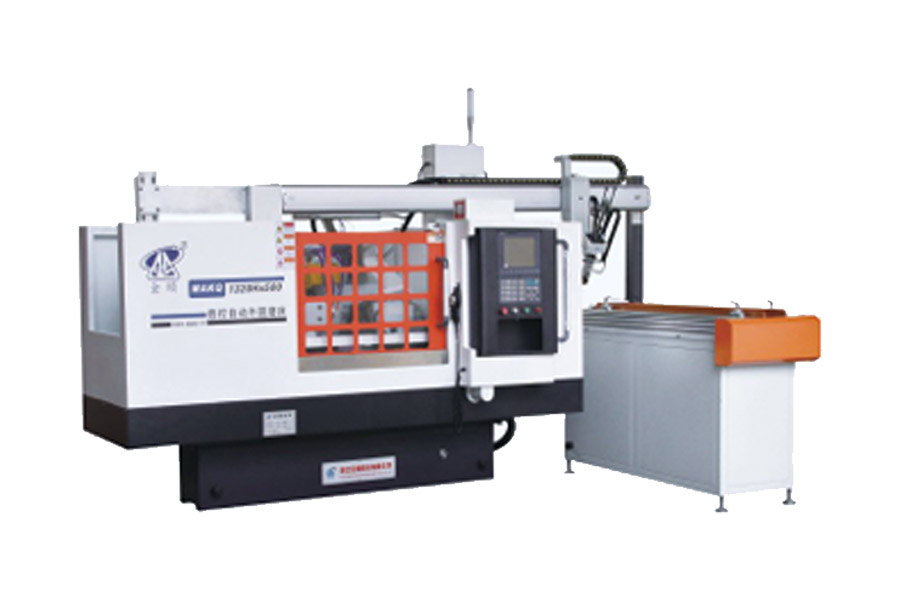
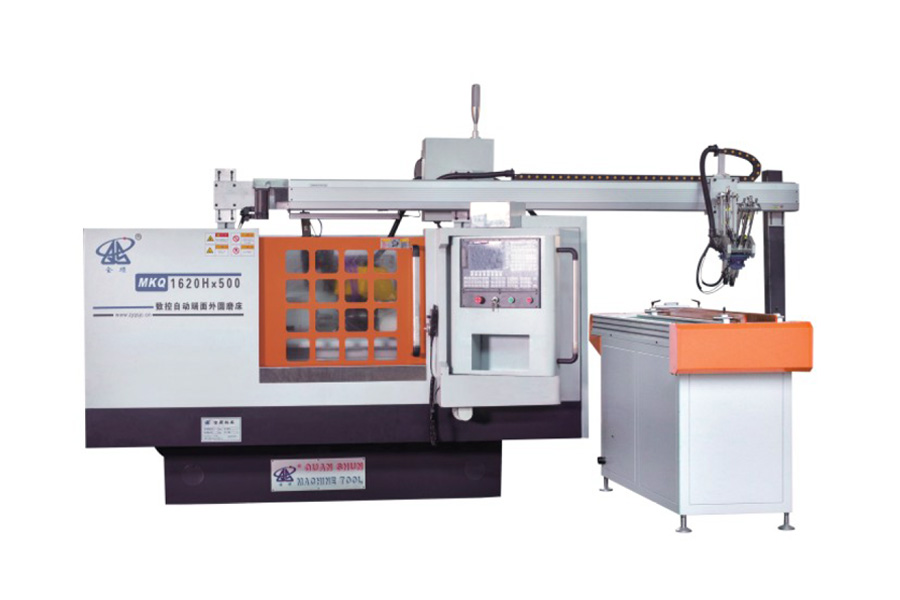
Use precision measuring tools to regularly measure the workpiece dimensions and roundness, and correct any deviations promptly. Precision cylindrical grinding machines can achieve automatic correction through the CNC system, improving efficiency and accuracy.
Cleaning and Maintenance
After each machining operation, the machine tool, grinding wheel, and workpiece surfaces should be cleaned. At the same time, check the lubricating oil level and coolant condition to ensure smooth operation for the next machining operation.
Cylindrical Grinding Machine Operation Precautions
Safe Operation: Operators must wear protective gloves and goggles to prevent injury from grinding wheel splashes and workpieces.
Control grinding depth: Avoid grinding too deeply in one pass, which can damage the grinding wheel or deform the workpiece.
Regular maintenance: Regularly check the grinding wheel balance, machine tool guideway wear, and lubrication system to extend the service life of the cylindrical grinder.
Keep the environment clean: Keep the area around the grinder clean; iron filings and dust can affect machine accuracy.
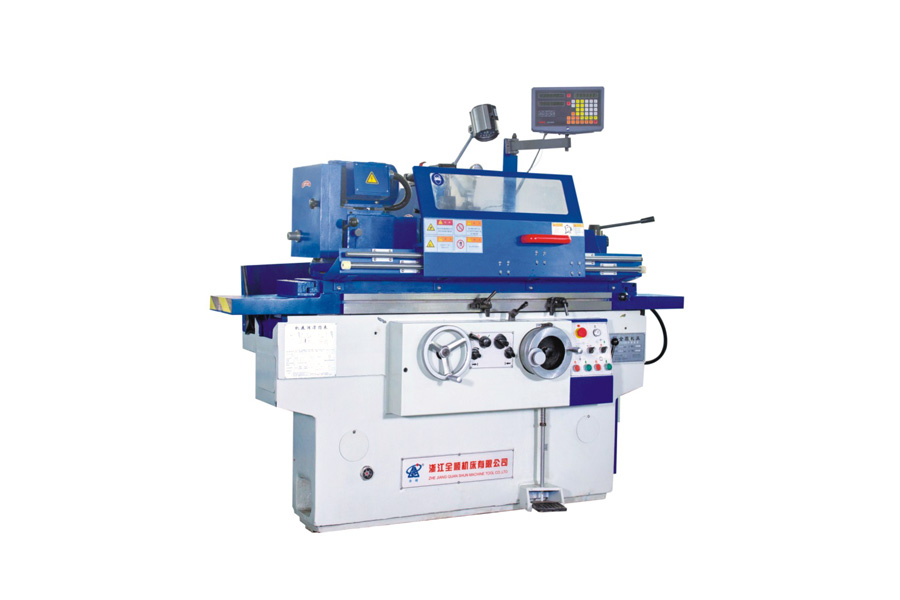
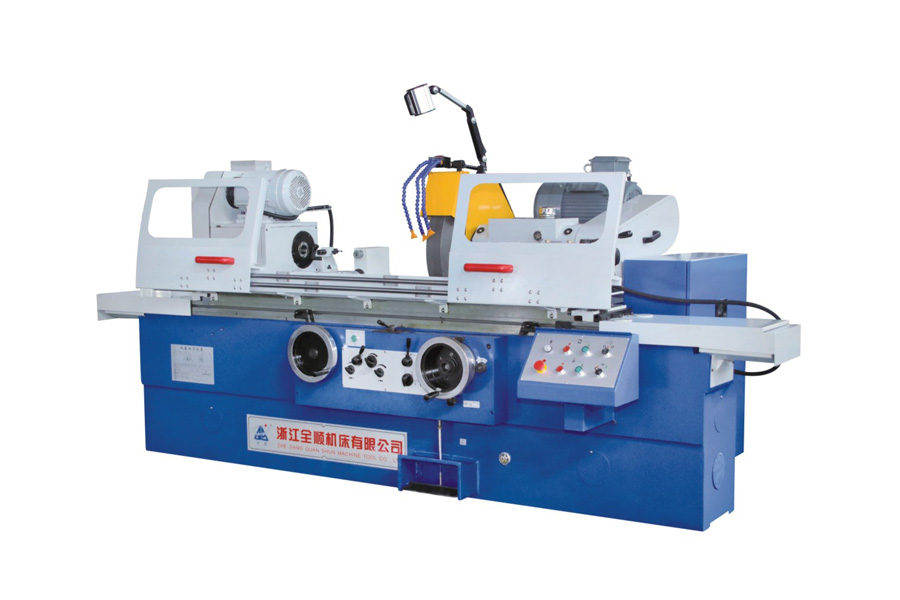
Mastering the operating procedures and precautions for cylindrical grinding machines is key to ensuring processing efficiency and accuracy. Whether it's a conventional manual cylindrical grinder or a CNC cylindrical grinder, strictly following the process flow and regularly maintaining the machine can significantly extend its lifespan and improve processing quality. Through proper operation and scientific maintenance, cylindrical grinders can maximize their value in fields such as precision shaft parts, automotive parts, and mold manufacturing.