0086-15068518279 (Chinese)/001-5416026691 (English)



 EN
EN
 中文简体
中文简体Content
- 1 Regular cleaning and lubrication are fundamental to ensuring accuracy
- 2 Check spindle and guideway accuracy to ensure machining quality
- 3 Maintain a healthy hydraulic system to avoid downtime
- 4 Regularly replace wearing parts to ensure long-term operation
- 5 Standardized operation by operators improves maintenance effectiveness
- 6 Conclusion
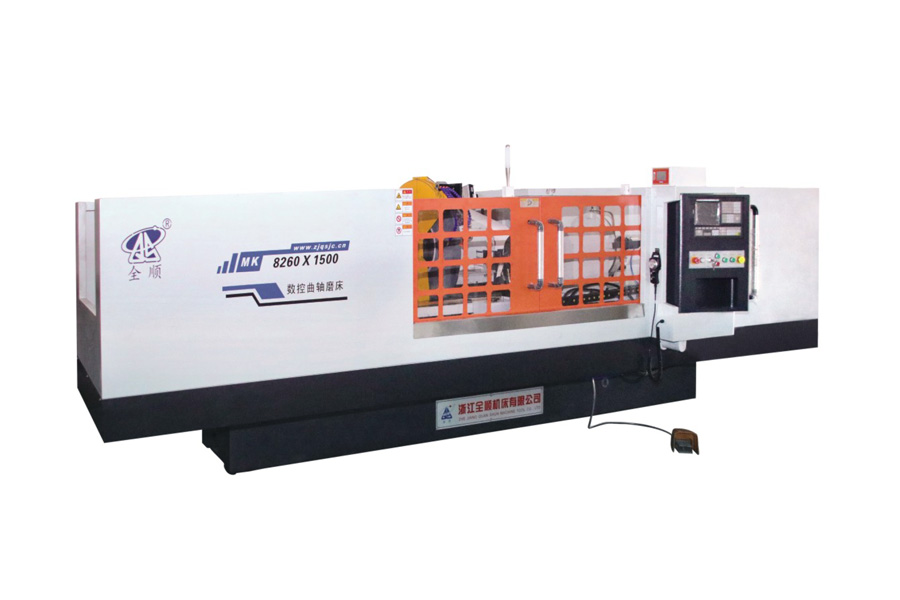
The efficient and stable operation of crankshaft grinding machines relies on scientific maintenance. Key methods include: regular cleaning and lubrication, checking the accuracy of the spindle and guideways, maintaining the normal operation of the hydraulic system, regularly replacing wearing parts, and proper operation by operators. These measures can extend the lifespan of the crankshaft grinding machine by more than 30%, while ensuring machining accuracy and efficiency.
Regular cleaning and lubrication are fundamental to ensuring accuracy
During long-term machining, crankshaft grinding machines easily accumulate metal shavings, oil, and dust. If not cleaned in time, this will lead to accelerated guideway wear, spindle overheating, and decreased machining accuracy.
Cleaning method: After each day's work, wipe the machine bed, worktable, and guideways with a professional cleaning agent. Avoid using highly acidic or alkaline liquids.
Lubrication recommendations: For critical parts such as the machine bed guideways, lead screw, and spindle bearings, apply high-quality grease or machine oil every 500 hours of operation.
Actual effect: According to industry statistics, regular lubrication can reduce guideway wear by approximately 40% and extend the machine bed's lifespan by 2-3 years.
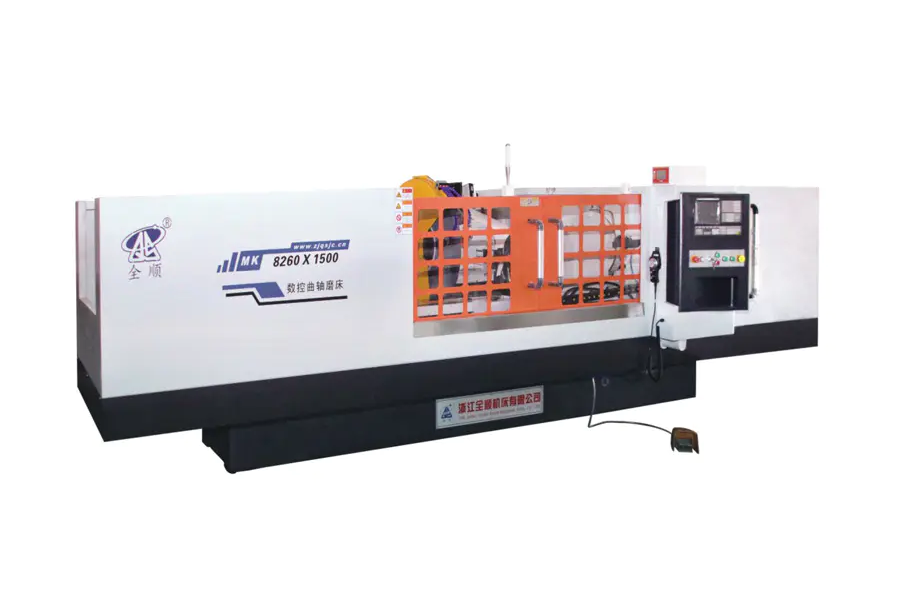
Check spindle and guideway accuracy to ensure machining quality
The machining accuracy of a crankshaft grinder directly depends on the condition of the spindle and guideways.
Spindle Inspection: Use a dial indicator to check the radial runout of the spindle monthly. A runout of no more than 0.01mm is considered acceptable.
Guideway Calibration: Use a precision level and straightness tester every six months to check the straightness of the guideways. Adjust as necessary.
Example: A large engine manufacturer reduced its scrap rate by 5% and improved the crankshaft machining pass rate by conducting monthly accuracy checks.
Maintain a healthy hydraulic system to avoid downtime
The hydraulic system is the critical power source for the crankshaft grinding machine. Abnormalities in the system can lead to unstable grinding force and grinding head vibration.
Inspection Items: Regularly check the hydraulic oil level, temperature, and quality. Change the hydraulic oil every 1000 hours.
Maintenance Tips: Clean the hydraulic filter and check pipe joints to prevent oil leaks.
Data Reference: Proper hydraulic system maintenance can reduce machine tool failure rate by approximately 20%, significantly reducing downtime losses.
Regularly replace wearing parts to ensure long-term operation
Grinding heads, grinding wheels, and lead screw nuts on crankshaft grinding machines are wearing parts with limited lifespans.
Replacement cycle: Replace grinding wheels every 200-300 hours of machining, depending on wear; inspect and replace lead screw nuts every 2 years.
Benefits: Timely replacement of worn parts prevents the accumulation of machining errors and improves grinding accuracy by 0.01-0.02mm.
Case study: A car parts factory reduced crankshaft rework rate by approximately 15% by regularly replacing grinding wheels and lead screw nuts.
Standardized operation by operators improves maintenance effectiveness
Even with proper maintenance, improper operation can accelerate crankshaft grinding machine wear.
Operating procedures: Check the lubrication, hydraulic, and cooling systems before starting the machine; maintain a uniform feed rate during grinding.
Training recommendations: Operators should receive training every six months to master correct grinding methods and emergency handling techniques.
Results: Correct operation can extend machine tool life by approximately 20% and reduce errors during crankshaft machining.
Conclusion
Maintenance of crankshaft grinding machines is crucial for ensuring machining accuracy, extending machine tool life, and reducing production costs. Key measures include: cleaning and lubrication, spindle and guideway accuracy inspection, hydraulic system maintenance, replacement of wearing parts, and standardized operation.
Through scientific maintenance, companies can not only maintain high efficiency in crankshaft machining but also reduce scrap rates and equipment failures, resulting in long-term stable profits for production.