0086-15068518279 (Chinese)/001-5416026691 (English)



 EN
EN
 中文简体
中文简体Content
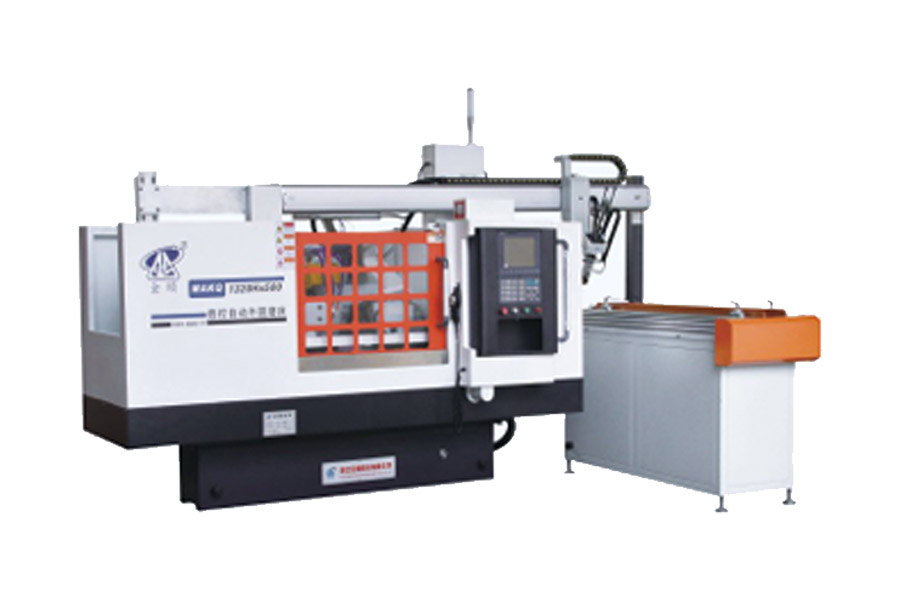
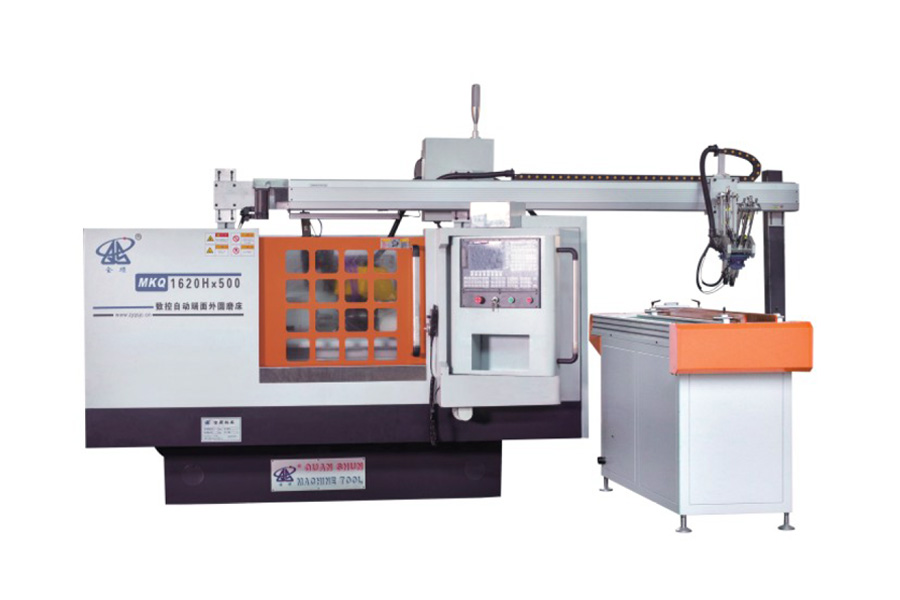
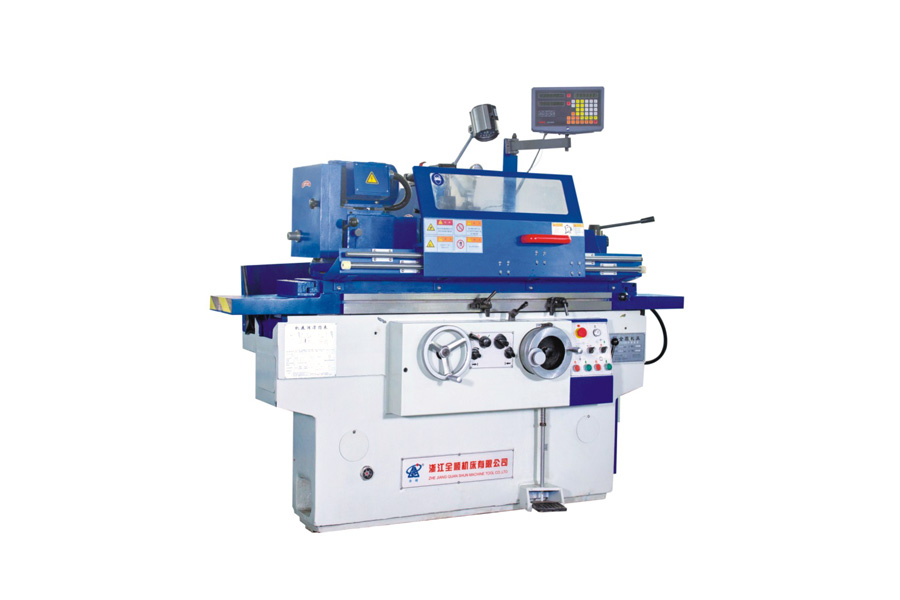
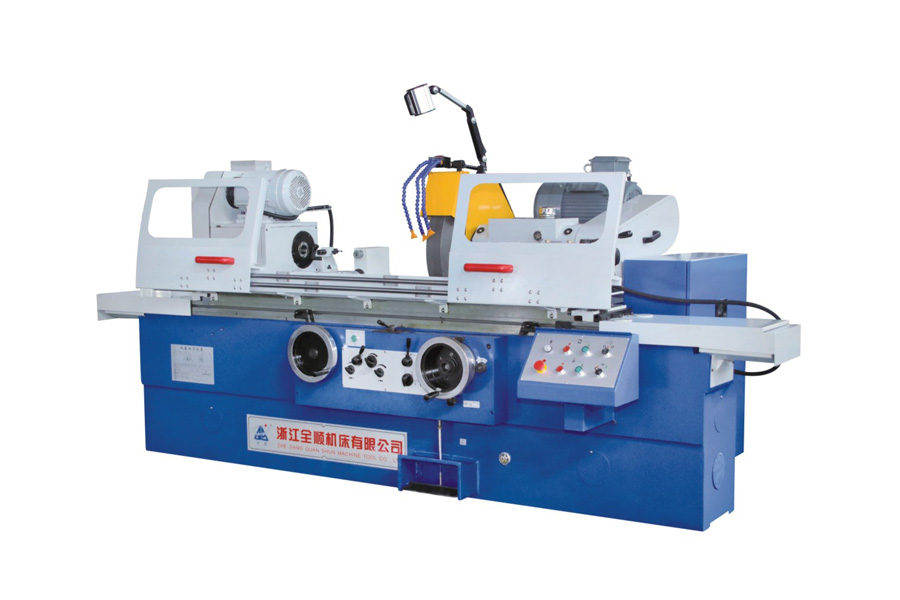
When evaluating a CNC cylindrical grinder, the most critical features to prioritize are sub-micron positioning accuracy, static and dynamic machine rigidity, and a sophisticated CNC control system capable of managing complex interpolation. A high-performance machine must deliver a surface finish (Ra) as low as 0.1 μm to 0.4 μm consistently while maintaining tight dimensional tolerances, often within ±0.001 mm. Beyond basic specs, the integration of high-resolution feedback scales, thermally stable casting, and intuitive conversational programming defines the difference between a standard grinder and a high-precision production asset.
Structural Integrity and Thermal Stability
The foundation of any precision grinding operation is the machine bed. Without a stable base, all electronic compensations are merely "band-aids" for mechanical deficiencies.
Damping Characteristics of the Base
Modern CNC cylindrical grinders often utilize Granitan® (polymer concrete) or high-grade Meehanite cast iron. Polymer concrete offers up to 10 times better vibration damping than traditional grey cast iron, which is essential for achieving mirror finishes and extending wheel life. Vibrations during the grinding process lead to chatter marks, which are the primary cause of rejected parts in high-precision industries like aerospace or medical manufacturing.
Thermal Displacement Control
Grinding generates significant heat. A key feature to look for is a symmetrical design of the machine bed and headstock. This ensures that any thermal expansion occurs uniformly, minimizing the impact on the centerline alignment. Furthermore, look for machines that feature chilled coolant systems that circulate through the spindle housing and the bed to maintain a constant operating temperature within ±0.5°C of the ambient environment.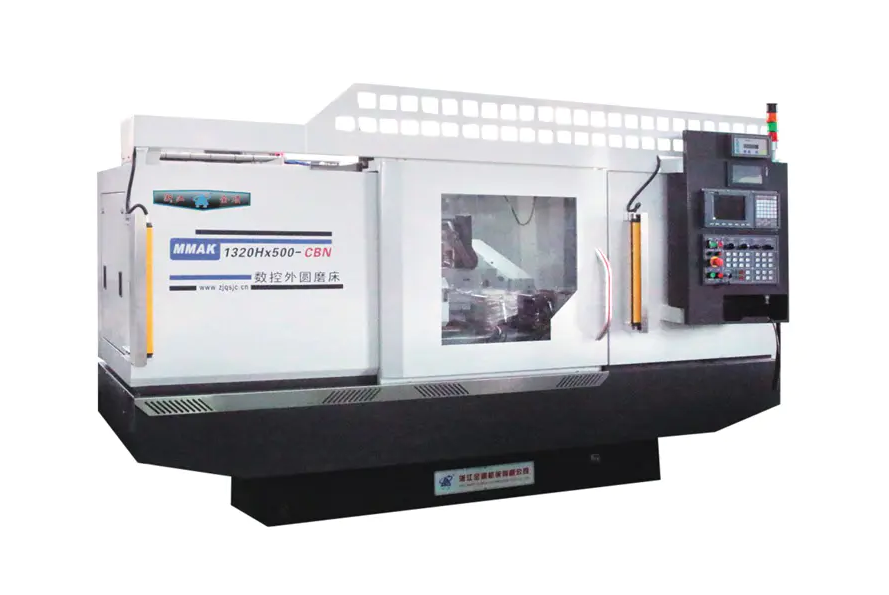
High-Precision Spindle Systems
The wheelhead spindle is the heart of the grinding machine. Its rotational accuracy directly dictates the roundness and surface quality of the workpiece.
Hydrostatic vs. Rolling Element Bearings
You must decide between hydrostatic bearings and high-precision anti-friction (rolling) bearings. Hydrostatic spindles float the shaft on a thin film of oil, resulting in zero metal-to-metal contact and near-infinite life. They offer exceptional runout accuracy (often less than 0.0001 mm). Conversely, high-precision ceramic ball bearings are preferred for high-speed applications where stiffness and ease of maintenance are prioritized.
Workhead Versatility
A key feature for universal CNC cylindrical grinders is a swiveling workhead (B-axis). Look for workheads driven by direct-drive motors. Direct drive eliminates backlash from gears or belts, allowing for high-resolution C-axis interpolation. This is critical for "non-round" grinding (e.g., cams, punches, or eccentric shafts).
| Feature | Hydrostatic Bearings | Precision Rolling Bearings |
|---|---|---|
| Runout Accuracy | < 0.1 µm | 0.5 - 1.0 µm |
| Vibration Damping | Excellent | Moderate |
| Maintenance | Low (No Wear) | Replacement Needed |
CNC Control and Programming Software
The intelligence of the machine resides in its control system. A grinder is only as capable as the software that drives it.
Conversational Interface
Advanced CNC grinders feature conversational programming interfaces. This allows operators to input part dimensions, material type, and desired finish directly into a GUI without needing to write manual G-code. This reduces setup times by up to 50% for complex parts. Look for software that includes built-in collision monitoring to protect the expensive spindle and workpiece during the initial run.
Linear Motor Technology
For high-dynamic applications, linear motors on the X and Z axes are superior to traditional ball screws. Linear motors provide higher acceleration rates and eliminate mechanical backlash. When paired with high-resolution glass scales (e.g., 0.05 μm resolution), the machine can achieve positioning repeatability that ball screws cannot match over long periods of use.
Automated Dressing and In-Process Gauging
To achieve consistent mass production, the CNC cylindrical grinder must be able to compensate for wheel wear and part variance automatically.
- Automatic Wheel Dressing: The CNC should control the dressing cycle, utilizing diamond discs or single-point dressers. Advanced systems include Acoustic Emission (AE) sensors that detect the "first touch" between the dresser and the wheel, minimizing the amount of abrasive removed and extending wheel life.
- In-Process Gauging: A measurement probe or "jump-on" gauge allows the CNC to measure the part while it is being ground. The system automatically adjusts the final grind feed based on real-time data to compensate for thermal drift or wheel deflection, ensuring every part in a batch is identical.
- Gap Control: This feature uses AE sensors to detect when the wheel is about to touch the workpiece, allowing the machine to switch from rapid approach to fine feed instantly, eliminating "air grinding" and reducing cycle times by 10% to 20%.
Multi-Wheel Configurations and Universal Capability
Flexibility is a major trend in CNC cylindrical grinding, especially for job shops handling diverse part geometries.
Turret Wheelheads
Look for machines equipped with an automatic swiveling wheelhead (Turret). These turrets can hold multiple wheels—for example, one for external grinding, one for internal grinding, and a third for face grinding. A CNC-controlled B-axis turret can rotate to the required position with high repeatability (e.g., ±1 arc second), allowing a part to be completely finished in a single setup. This eliminates the errors introduced when reclamping a part.
Internal Grinding Attachments
Even if your primary focus is OD (Outer Diameter) grinding, having a swing-down or turret-mounted Internal Grinding (ID) spindle is a significant advantage. Ensure the CNC can handle the transition between OD and ID cycles seamlessly, including the different speeds and dressing requirements for the smaller ID wheels.
Environmental and Safety Features
High-speed grinding creates fine mist and potential hazards that must be managed by the machine's design.
- Full Enclosure: A high-quality CNC grinder should be fully enclosed to contain coolant spray and grinding dust. This is not just for cleanliness; it is essential for the integrated mist extraction systems to work effectively.
- Fire Suppression Systems: If you are using oil-based coolants for high-precision finishes, an integrated CO2 or dry chemical fire suppression system is a mandatory safety feature.
- Ergonomic Loading: For manual or semi-automatic loading, the table height and door clearance should allow for easy access. For fully automated production, the machine should be "robot-ready" with standardized interfaces (e.g., Profibus or Ethernet) and automated doors.
Final Checklist for Selection
When finalizing your choice, verify the following specifications against your most demanding part requirements:
- Max Distance Between Centers: Ensure a 20% buffer over your longest part.
- Swing Over Table: Check that the largest diameter part plus the clearance for the gauge fits comfortably.
- Wheel Diameter: Larger wheels (e.g., 500 mm) last longer and maintain surface speed better than smaller wheels.
- CNC Resolution: Look for 0.0001 mm increment capability in the control software.
- Tailstock Design: A fine-adjustable tailstock (for taper correction) is vital for long-shaft accuracy.