0086-15068518279 (Chinese)/001-5416026691 (English)



 EN
EN
 中文简体
中文简体Content
The four main types of grinding machines are surface grinders, cylindrical grinders, centerless grinders, and tool & cutter grinders. Each is engineered for a distinct class of workpiece geometry and surface finish requirement, making the right machine selection critical to both productivity and part quality.
Surface Grinding Machines
Surface grinders are used to produce flat, smooth surfaces on workpieces. A rotating abrasive wheel passes over the work, which is held on a reciprocating or rotary table — often by a magnetic chuck. They are among the most common grinding machines found on the shop floor.
How They Work
The workpiece travels back and forth beneath the wheel in a horizontal spindle arrangement, or the wheel face contacts the part in a vertical spindle setup. Surface grinders routinely achieve flatness tolerances of ±0.001 mm (±0.00004 in) and surface finishes as fine as Ra 0.2 µm.
Typical Applications
- Finishing mold plates and die components
- Grinding hardened steel blocks and gauge blanks
- Precision refacing of machine beds and slides
Because ferrous parts are held magnetically, set-up time is short, and batch grinding of multiple small parts is practical. Non-ferrous or non-magnetic parts require mechanical fixtures.
Cylindrical Grinding Machines
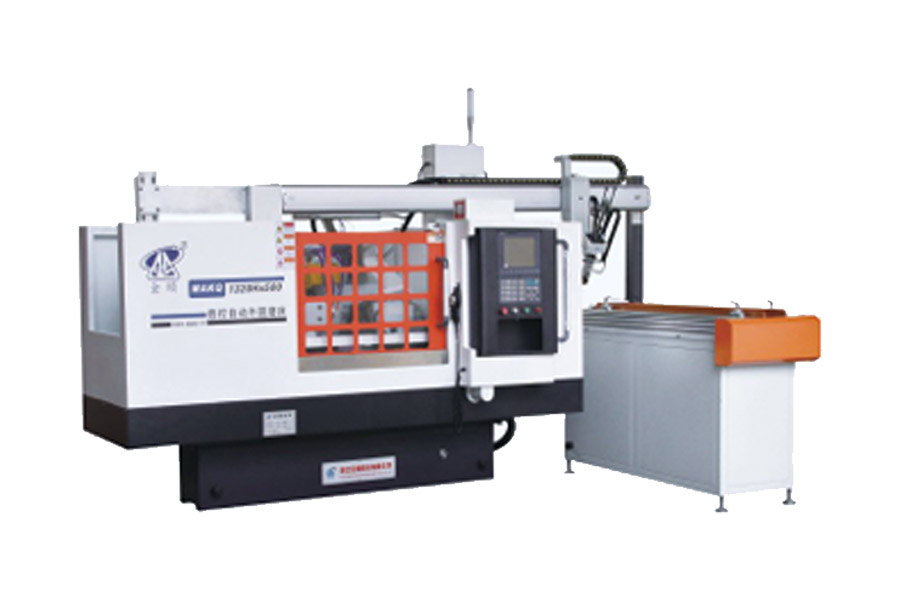
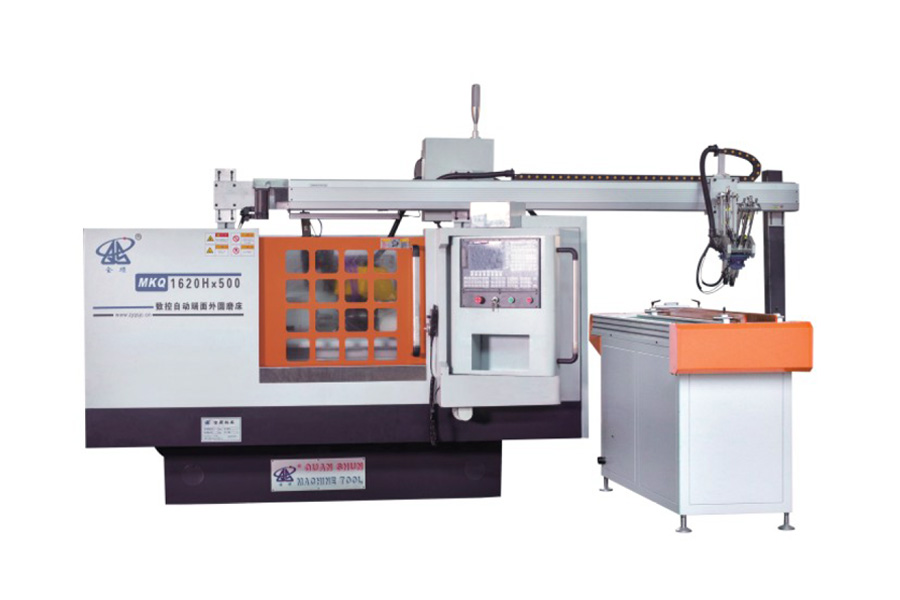
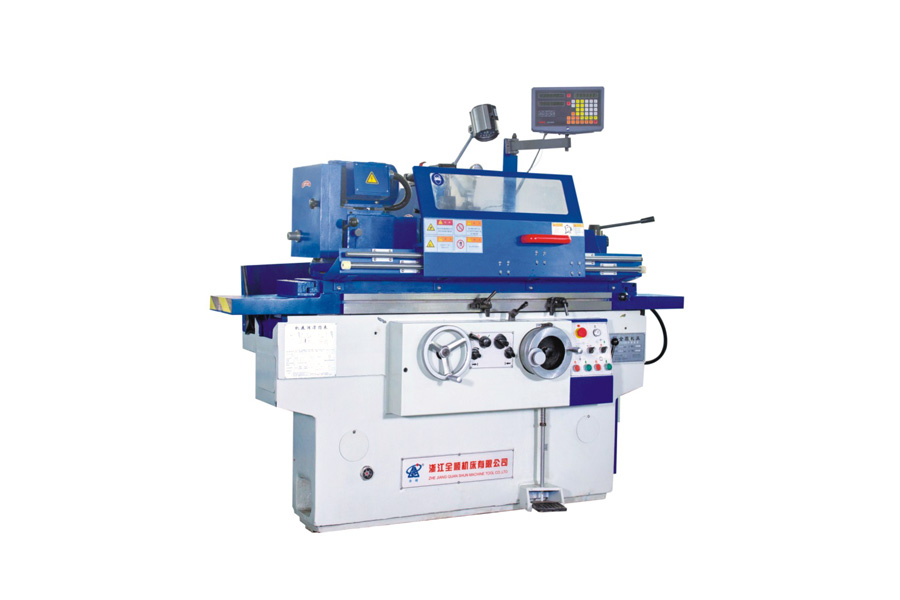
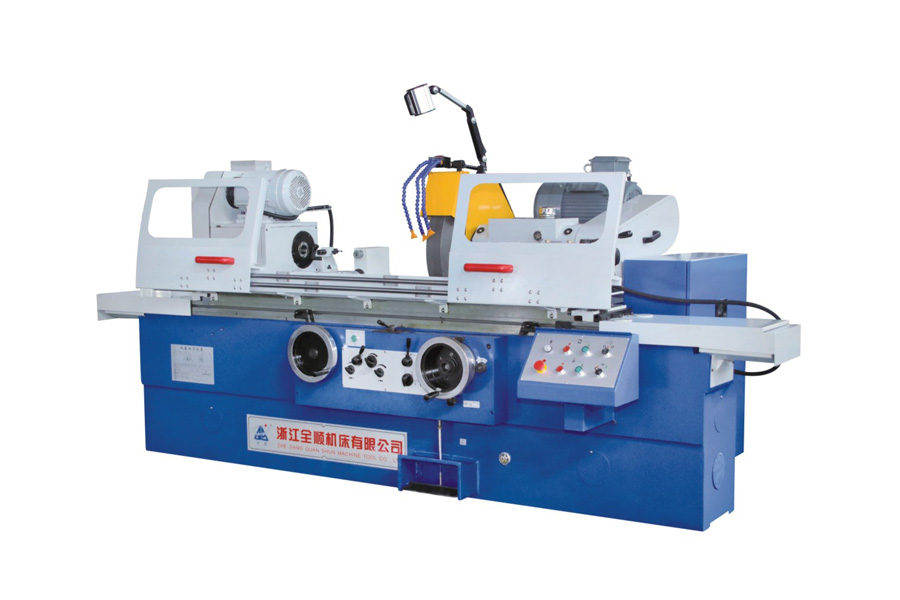
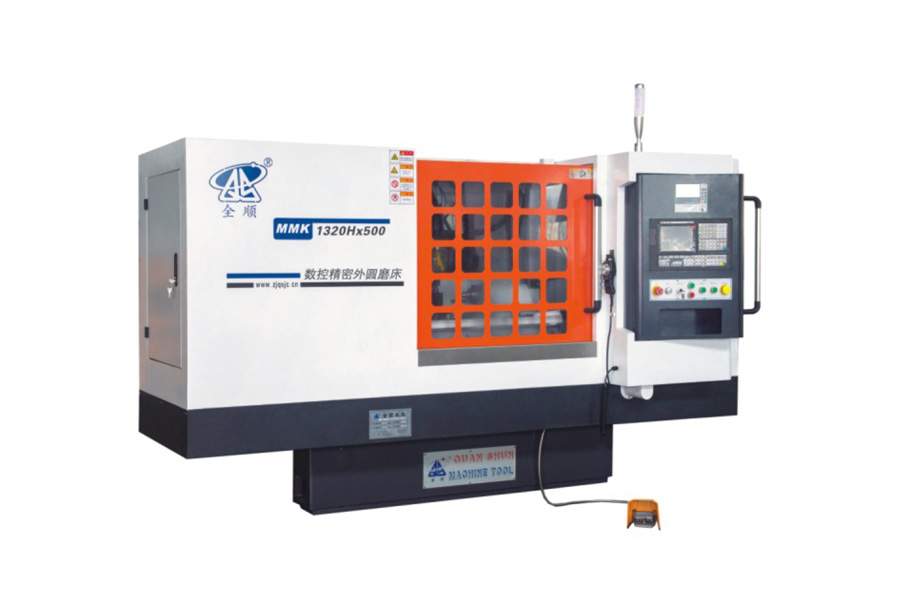
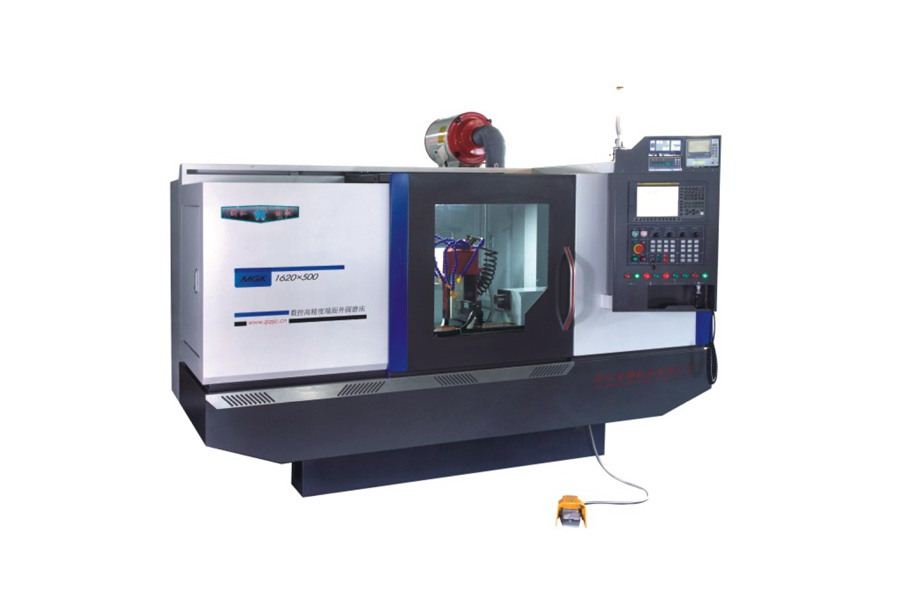
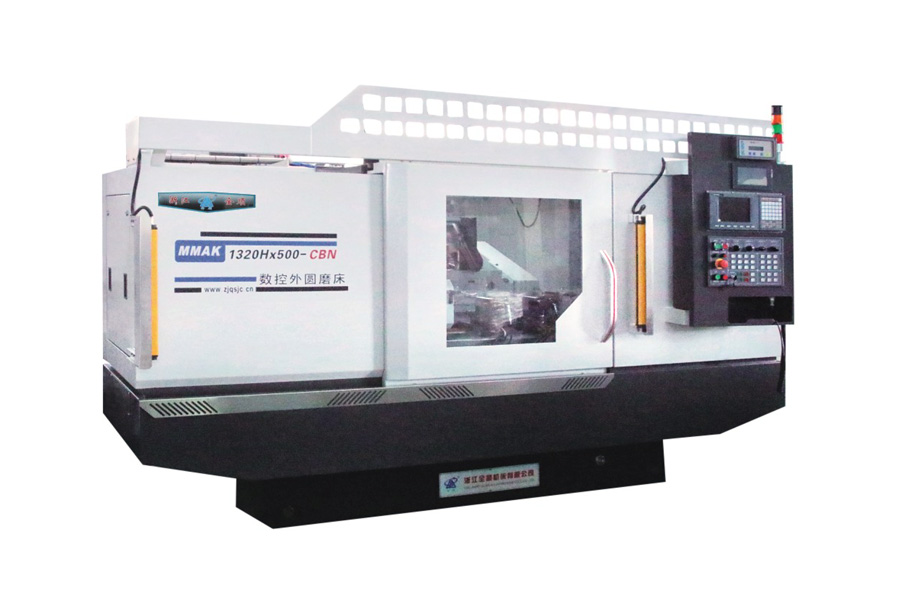
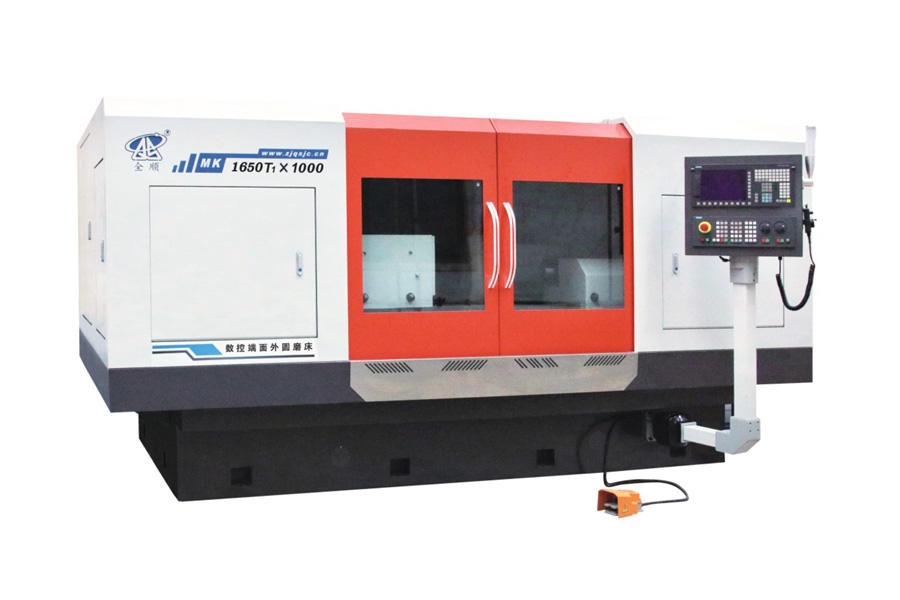
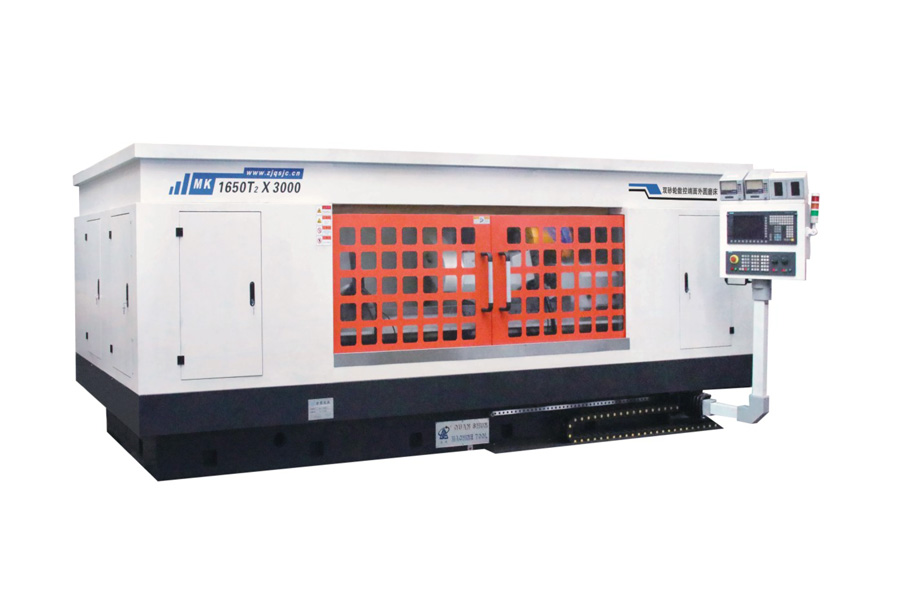
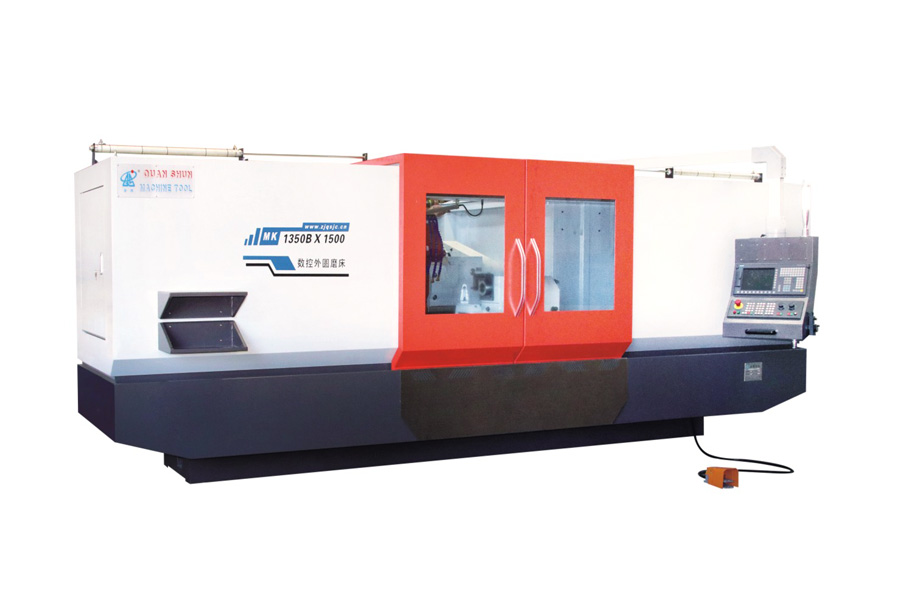
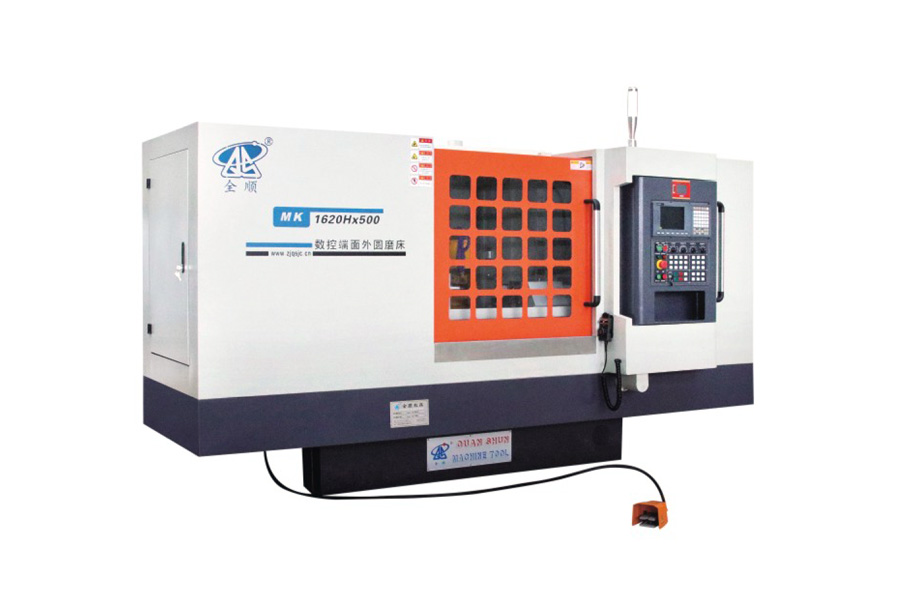
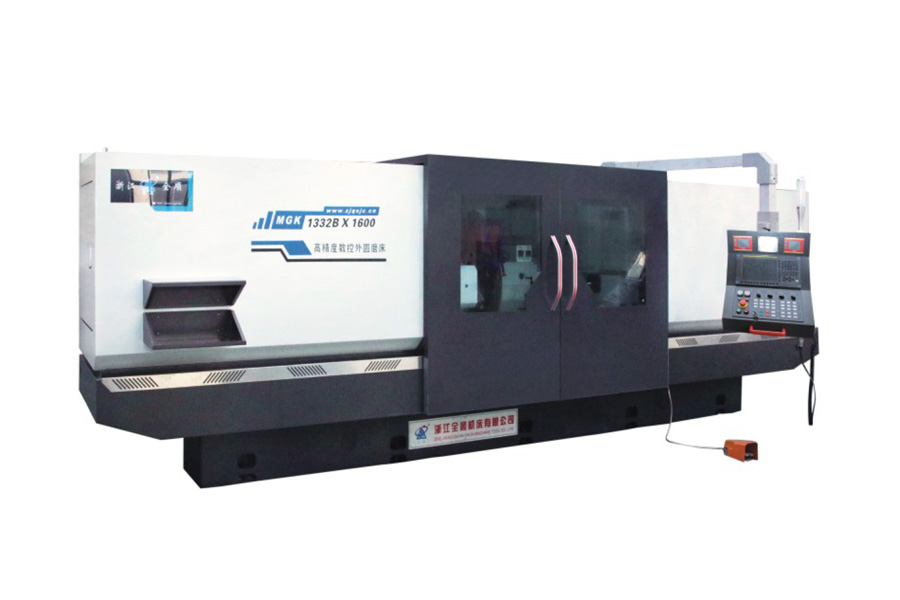
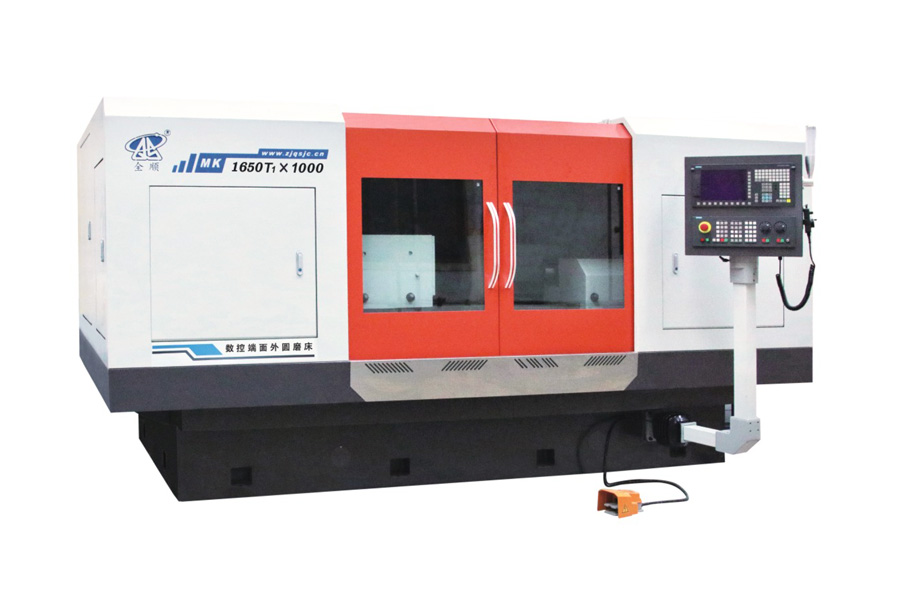
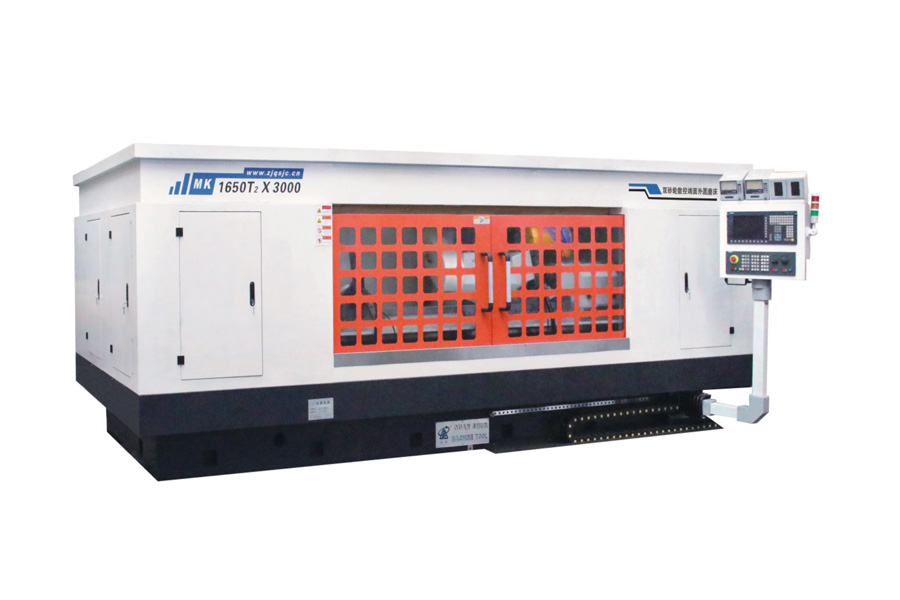
Cylindrical grinders finish the outer or inner diameter of round workpieces. The part rotates on centers or in a chuck while the grinding wheel advances radially, producing highly precise cylindrical or tapered forms.
External vs. Internal Cylindrical Grinding
External cylindrical grinding (OD grinding) handles shafts, pins, and rollers. Internal cylindrical grinding (ID grinding) finishes bores, holes, and sleeves from the inside. Both methods can hold diameter tolerances tighter than IT5 (typically 4–11 µm) depending on workpiece size.
Key Variants
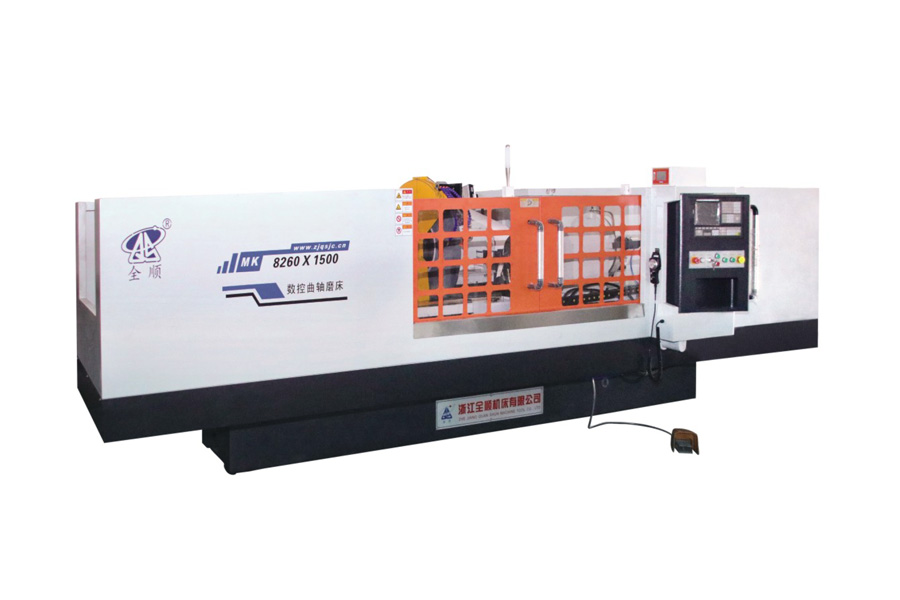
- Plain cylindrical grinder — table traverses axially for long workpieces such as crankshafts and spindles.
- Universal cylindrical grinder — both the workhead and wheelhead swivel, enabling taper grinding without special fixtures.
- Plunge grinder — the wheel plunges straight in, ideal for short form features and high-volume production.
Automotive camshaft and crankshaft grinding are classic examples, where cycle times of under 30 seconds per journal are standard in high-volume lines.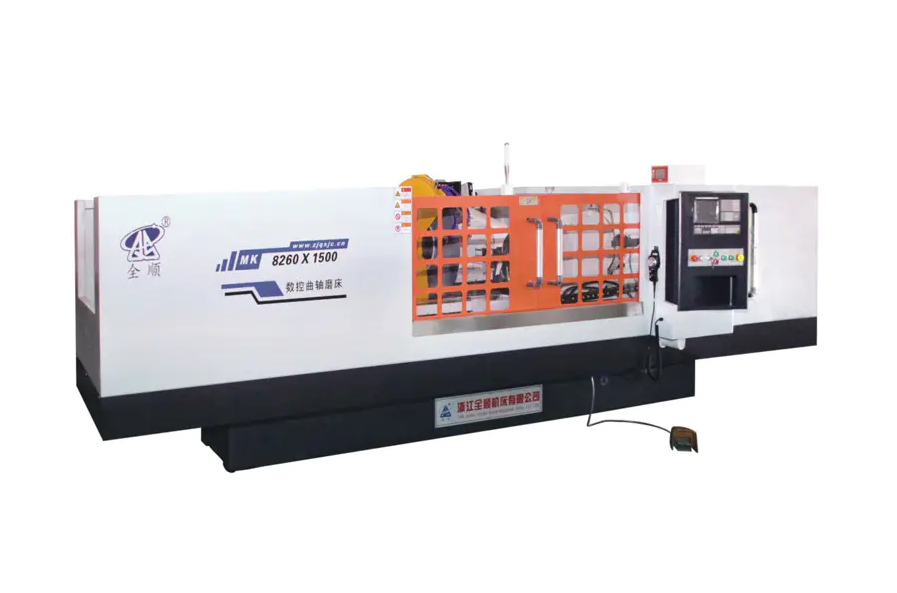
Centerless Grinding Machines
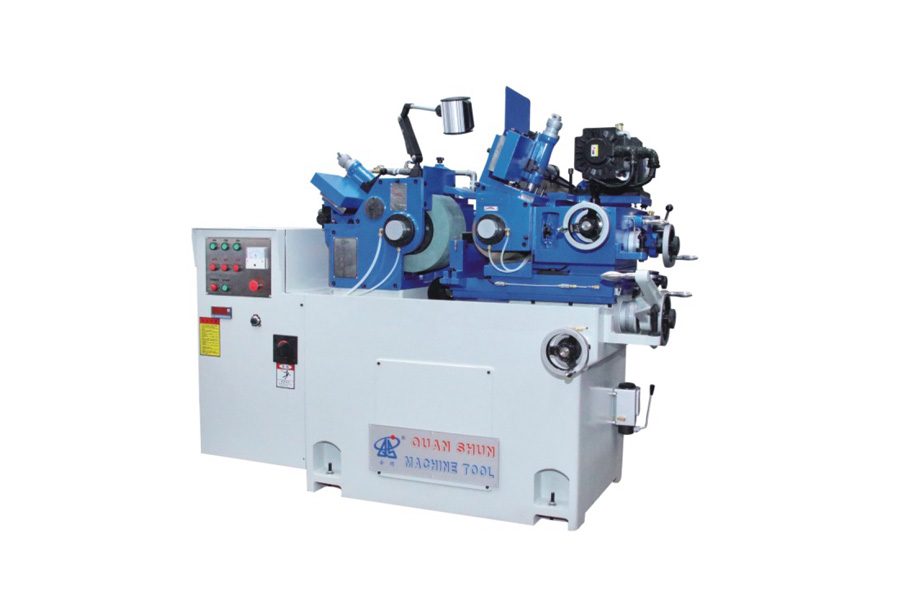
Centerless grinding removes the need for centers or chucks entirely. The workpiece rests on a work rest blade between two wheels — a larger grinding wheel and a smaller regulating wheel — which together control both cutting action and part rotation.
Why Centerless Grinding Excels at High Volume
Because loading and unloading are extremely fast, centerless machines can grind hundreds of small cylindrical parts per hour. There is no workholding setup between parts, which makes this method the dominant choice for bars, tubes, bushings, bearing races, and fasteners in mass production.
Three Operating Methods
- Through-feed — parts pass axially through the machine in a continuous stream; best for simple, straight cylinders.
- In-feed (plunge) — the regulating wheel retracts to load a part, then plunges in; used for stepped or formed profiles.
- End-feed — part enters from one end and stops against a fixed end stop; suits tapered workpieces.
Diameter tolerances of ±0.002 mm and roundness errors below 0.5 µm are routinely achievable in production centerless grinding.
Tool and Cutter Grinding Machines
Tool and cutter grinders are multi-axis machines designed to sharpen, recondition, and manufacture cutting tools such as end mills, drills, reamers, taps, and form cutters. Unlike production grinders, they prioritize versatility over throughput.
Axes and Flexibility
Modern CNC tool grinders commonly feature 5 simultaneous CNC axes, allowing complex helical flute profiles, variable helix angles, and asymmetric geometries to be ground in a single setup. This eliminates the indexing errors inherent in manual repositioning.
Typical Use Cases
- Manufacturing solid carbide end mills and drills from blank rod
- Resharpening HSS and carbide cutting tools to restore original geometry
- Grinding special-profile form tools for turning and milling operations
- Producing threading taps with accurate thread form and relief angles
Wheel selection is critical: diamond wheels are standard for carbide, while CBN wheels suit high-speed steel tools. Grinding software packages allow operators to import CAD geometry and automatically generate wheel paths.
Side-by-Side Comparison of the Four Types
| Type | Primary Geometry | Typical Tolerance | Production Rate | Best For |
|---|---|---|---|---|
| Surface | Flat surfaces | ±0.001 mm flatness | Low–Medium | Molds, dies, gauges |
| Cylindrical | OD / ID of round parts | IT5 (4–11 µm) | Medium–High | Shafts, bores, tapers |
| Centerless | Cylindrical OD only | ±0.002 mm diameter | Very High | Bars, bearings, fasteners |
| Tool & Cutter | Complex tool geometry | Application-specific | Low | Cutting tools, resharpening |
How to Choose the Right Grinding Machine
Selection starts with workpiece geometry: flat parts point to surface grinders, cylindrical parts to cylindrical or centerless grinders, and worn cutting tools to tool and cutter grinders. Beyond geometry, consider these three factors:
Volume and Cycle Time
For very high volumes of simple cylindrical parts, centerless grinding reduces cycle time by 50–80% compared to cylindrical grinding because loading is nearly instantaneous. For low-volume, high-complexity parts, the flexibility of a cylindrical or tool grinder outweighs the throughput advantage.
Tolerance and Surface Finish Requirements
All four types can achieve mirror-like finishes below Ra 0.4 µm with the correct wheel specification and dressing. However, achieving sub-micron roundness reliably is easier on a precision cylindrical grinder than on a surface or tool grinder adapted to round work.
Material Considerations
Hardened steels (58–65 HRC) respond well to aluminium oxide or CBN wheels on any machine type. Carbide and ceramics require diamond abrasives. For heat-sensitive superalloys, choosing the correct grinding fluid and wheel bond can be as important as the machine category itself.
Specialized and Emerging Grinding Machine Types
Beyond the four primary categories, several specialized machines address niche requirements:
- Jig grinders — use a high-speed spindle to grind precise holes and contours in hardened jigs and fixtures, achieving positional accuracy within 1 µm.
- Gear grinders — dedicated to finishing gear teeth after heat treatment, holding involute profile errors below 3 µm on precision gears.
- Creep-feed grinders — take very deep cuts at slow traverse, removing large amounts of material in a single pass; widely used in aerospace turbine component production.
- Thread grinders — grind precision thread forms on lead screws and ball screws, achieving pitch errors below 2 µm/300 mm.
These specialized machines complement the four main types and are selected when standard grinders cannot meet geometry, tolerance, or productivity demands for a particular part family.