0086-15068518279 (Chinese)/001-5416026691 (English)



 EN
EN
 中文简体
中文简体Content
- 1 Automotive Industry: The Largest Application Sector
- 2 Aerospace and Aviation: Precision at the Highest Level
- 3 Marine Industry: Large-Scale Crankshaft Grinding
- 4 Power Generation: Stationary Engine Applications
- 5 Heavy Construction and Mining Equipment
- 6 Agricultural Machinery and Off-Highway Vehicles
- 7 Railway and Locomotive Engines
- 8 Comparison of Crankshaft Grinding Applications by Industry
- 9 CNC vs. Conventional Crankshaft Grinders Across Applications
- 10 Emerging Applications: Electric and Hybrid Powertrain Support Equipment
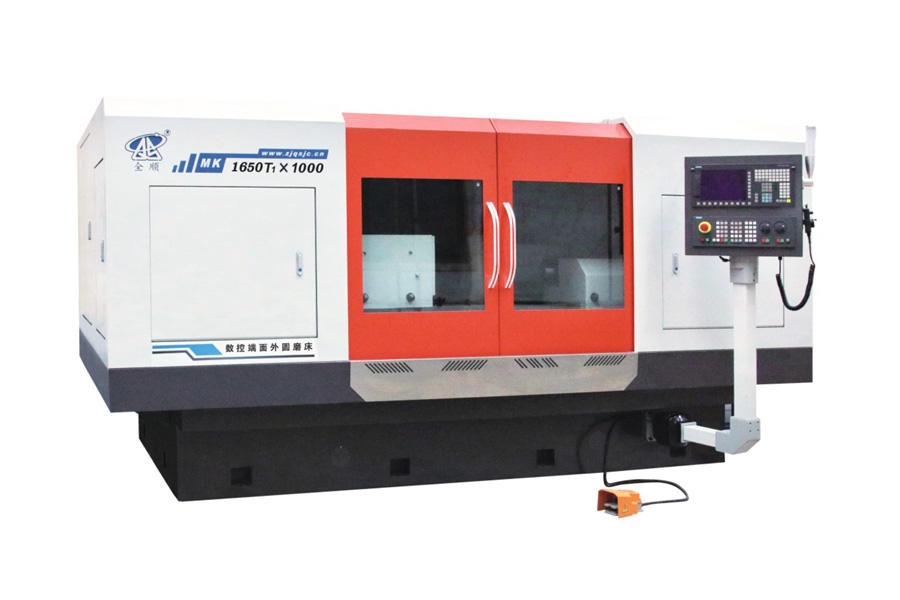
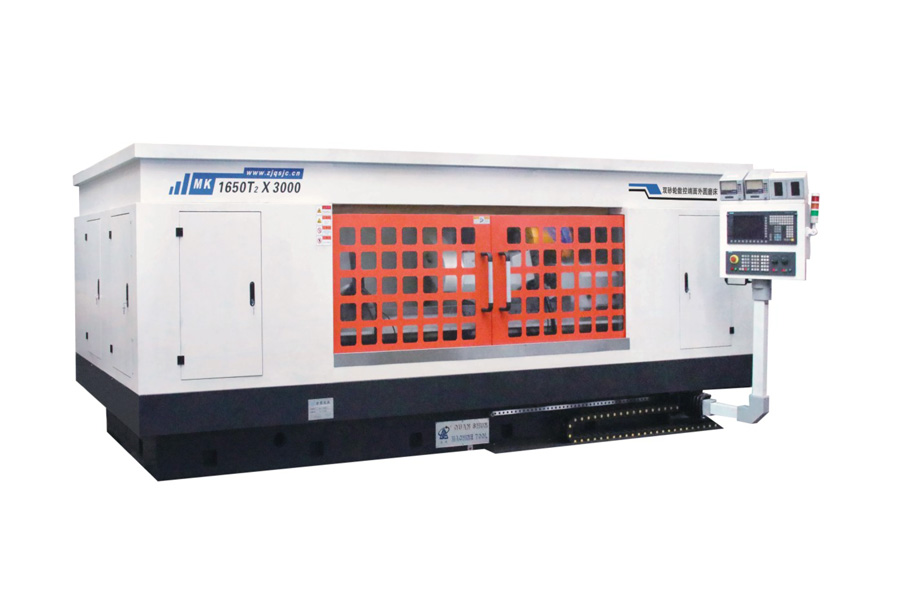
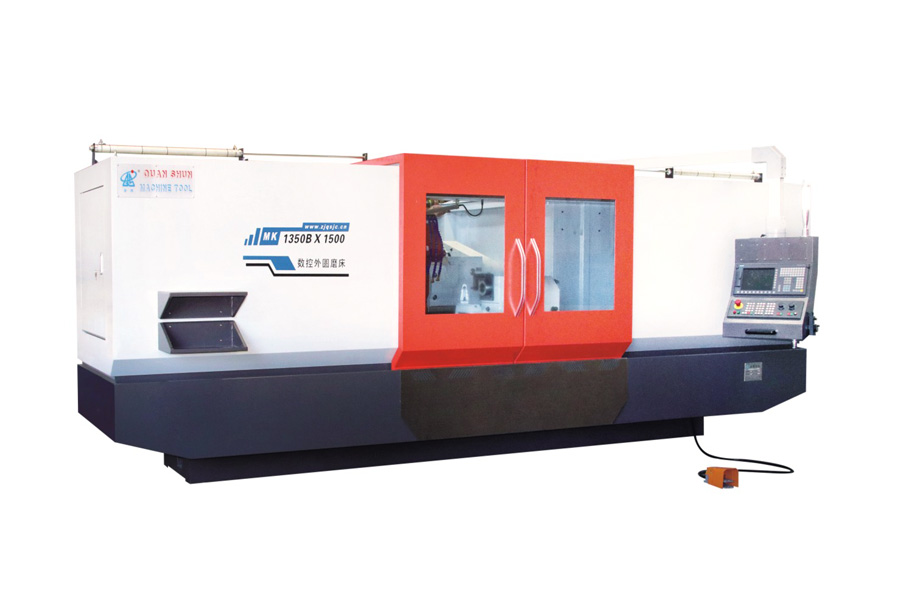
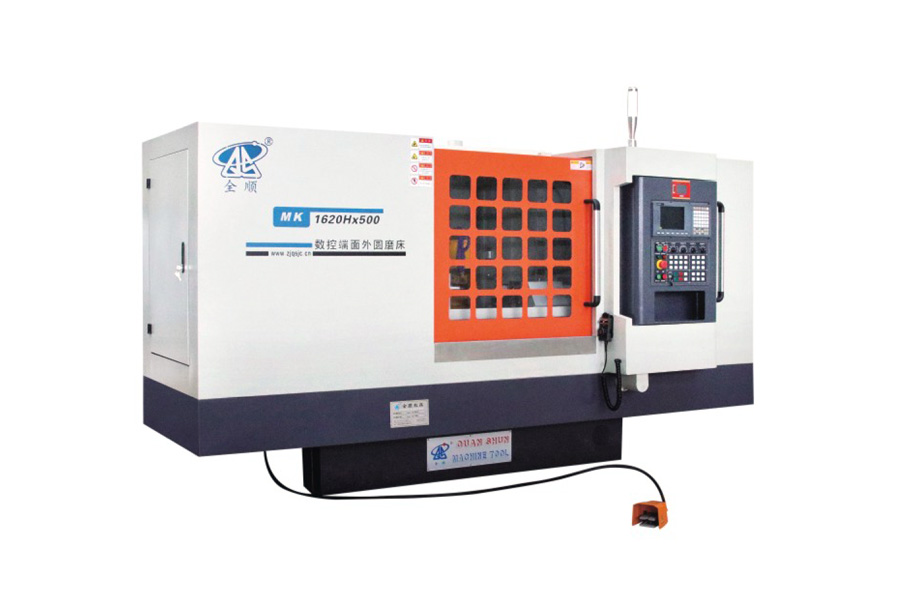
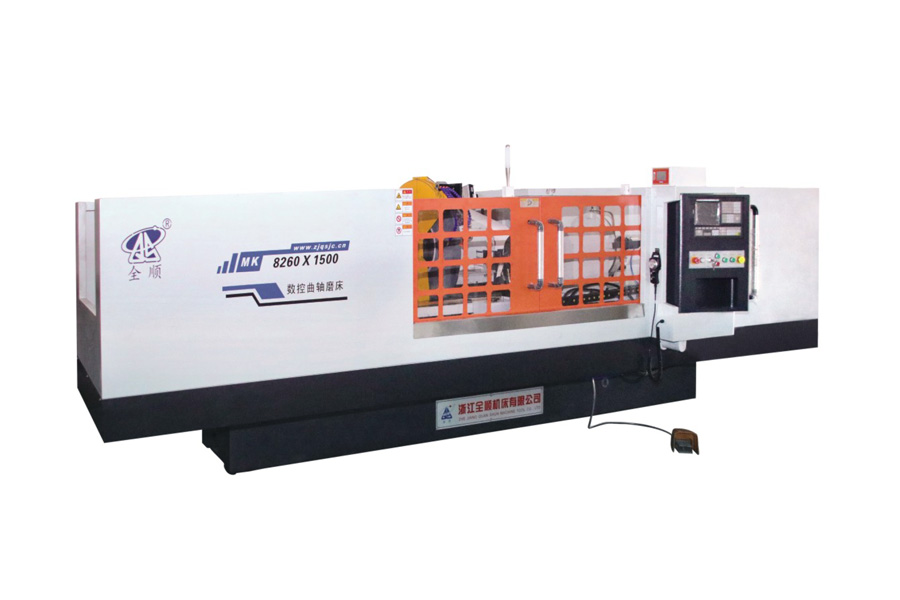
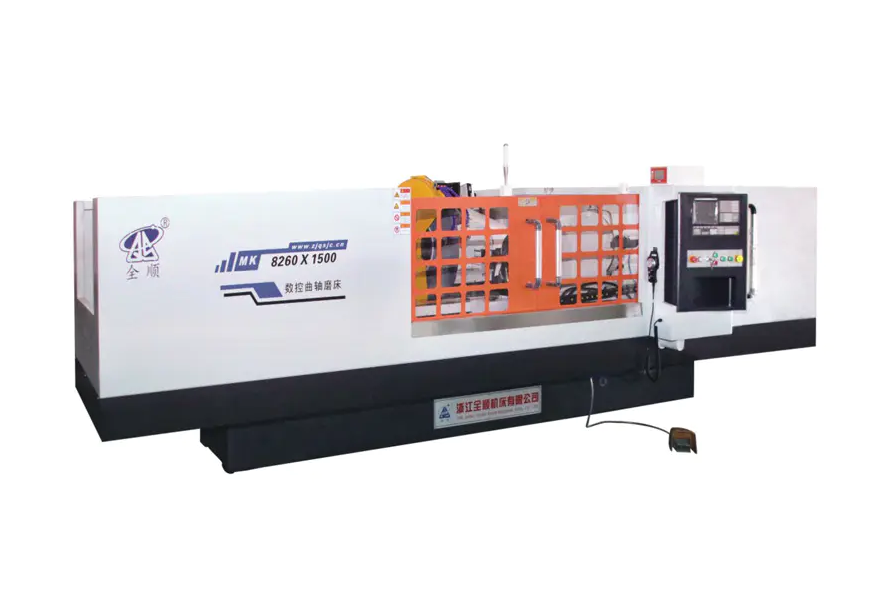
Crankshaft grinders are precision machine tools used to restore or manufacture crankshafts to exact dimensional tolerances. Their primary application areas include automotive repair and manufacturing, aerospace engineering, marine propulsion systems, heavy industrial equipment, and power generation machinery. Any engine or mechanical system that relies on a crankshaft to convert reciprocating motion into rotational force depends on crankshaft grinding for performance and longevity.
Automotive Industry: The Largest Application Sector
The automotive sector represents the highest-volume use of crankshaft grinders worldwide. Both OEM (original equipment manufacturers) production lines and aftermarket engine rebuild shops rely on crankshaft grinding to meet strict tolerances, often within ±0.001 mm.
Passenger Vehicle Engine Rebuilding
Engine reconditioning shops grind crankshafts from worn passenger car engines to restore journal diameters, surface finish, and roundness. A standard passenger car crankshaft may have main journal diameters ranging from 50 mm to 70 mm, all requiring surface roughness values of Ra 0.2–0.4 µm after grinding.
High-Performance and Racing Engines
Motorsport applications demand even tighter tolerances and specialized grinding of forged steel or billet crankshafts. Racing crankshafts are often ground with specific fillet radii and microfinished to Ra values below 0.1 µm to maximize fatigue resistance at high RPM.
Commercial Vehicle and Truck Engines
Heavy-duty diesel engines used in trucks and buses have larger crankshafts with more journal positions. Grinding these components in fleet maintenance programs significantly extends engine service life and reduces total cost of ownership.
Aerospace and Aviation: Precision at the Highest Level
Piston-powered aircraft engines — commonly used in general aviation, training aircraft, and some military platforms — contain crankshafts that must meet aviation authority standards. In this sector, dimensional accuracy and traceability are non-negotiable, as any failure can have catastrophic consequences.
- Aircraft crankshafts are typically ground to tolerances of ±0.0005 mm or tighter.
- Certified overhaul facilities use CNC crankshaft grinders with full measurement documentation for compliance with FAA or EASA regulations.
- Materials such as nitrided steel or chrome-molybdenum alloys require specialized grinding wheel selection and coolant management.
Marine Industry: Large-Scale Crankshaft Grinding
Marine diesel engines powering cargo ships, tankers, ferries, and offshore platforms use some of the world's largest crankshafts. A two-stroke slow-speed marine engine crankshaft can weigh over 300 tonnes and exceed 15 meters in length, requiring specialized heavy-duty crankshaft grinders with robust workpiece support systems.
In-Situ and Workshop Grinding
Due to the enormous size of marine crankshafts, grinding is often performed in situ — inside the engine room — using portable crankshaft grinding machines. This eliminates the need to disassemble and transport the crankshaft, saving significant downtime and cost for ship operators.
Military submarines and warships also utilize precision crankshaft grinding during scheduled maintenance cycles, where operational readiness depends on the reliability of propulsion systems.
Power Generation: Stationary Engine Applications
Reciprocating engines used in power generation — including diesel gensets, gas engines, and combined heat-and-power (CHP) units — require periodic crankshaft maintenance. Power plants running continuously at high load factors experience journal wear that necessitates regrinding to maintain oil film integrity and bearing performance.
Typical applications include:
- Emergency backup diesel generators in hospitals, data centers, and industrial facilities
- Natural gas engines in distributed power generation systems
- Large gas compression engines used in oil and gas pipelines
Heavy Construction and Mining Equipment
Excavators, bulldozers, mining haul trucks, and drilling rigs are powered by large diesel engines operating in extreme conditions. The crankshafts in these engines endure high shock loads and contamination that accelerate journal wear. Rebuilding rather than replacing crankshafts in this sector can reduce costs by 60–80% compared to new component procurement.
Crankshaft grinding centers serving this industry are equipped to handle:
- Crankshafts up to 3,000 mm in length
- Components weighing several hundred kilograms
- Multiple undersizes (typically 0.25 mm, 0.50 mm, 0.75 mm, and 1.00 mm undersize grinds)
Agricultural Machinery and Off-Highway Vehicles
Tractors, combine harvesters, irrigation pumps, and other agricultural machinery rely on long-running diesel engines. In rural and developing-market settings, crankshaft regrinding offers an economical path to extending machine service life where new engines or parts may be difficult to source.
Agricultural engine crankshafts typically feature 3 to 7 main journals and 2 to 6 crank pin journals, all of which may be ground in a single setup on a modern CNC crankshaft grinder.
Railway and Locomotive Engines
Diesel-electric locomotives and rail maintenance vehicles use large multi-cylinder engines whose crankshafts require periodic overhaul. Railway maintenance depots and certified overhaul facilities use crankshaft grinders capable of handling crankshafts exceeding 2 meters in length and featuring up to 16 or more journal positions.
Given the critical safety role of locomotive engines, surface integrity after grinding — including residual stress, hardness retention, and absence of grinding burn — is rigorously inspected using magnetic particle or Barkhausen noise testing.
Comparison of Crankshaft Grinding Applications by Industry
| Industry | Typical Crankshaft Size | Key Requirement | Grinding Method |
|---|---|---|---|
| Automotive | 300–800 mm | High volume, tight tolerances | CNC grinding, CBN wheels |
| Aerospace | 200–600 mm | Certification, traceability | CNC with full documentation |
| Marine | 1,000–15,000+ mm | In-situ capability, large scale | Portable / workshop grinders |
| Power Generation | 500–2,000 mm | Minimal downtime | CNC or conventional |
| Mining / Construction | 600–3,000 mm | Cost reduction, durability | Heavy-duty CNC grinders |
| Railway | 1,000–2,500 mm | Safety, surface integrity | CNC with NDT inspection |
CNC vs. Conventional Crankshaft Grinders Across Applications
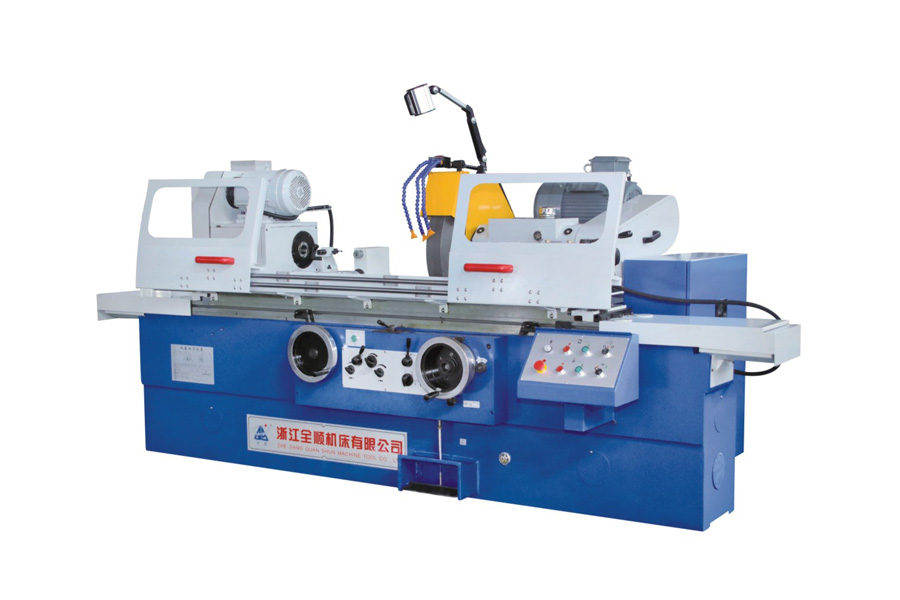
The choice between CNC and conventional crankshaft grinders depends heavily on application requirements. CNC crankshaft grinders dominate high-production automotive and aerospace environments, while conventional machines remain common in small repair shops and for occasional large-scale marine or industrial jobs.
- CNC grinders: Offer automated cycle programming, in-process gauging, and consistent repeatability across large production batches. Cycle times for automotive crankshafts can be reduced to under 10 minutes per component.
- Conventional grinders: Remain cost-effective for low-volume, diverse crankshaft types where setup flexibility is more important than throughput.
- Portable crankshaft grinders: Specifically designed for in-situ marine and industrial applications where removing the crankshaft is impractical.
Emerging Applications: Electric and Hybrid Powertrain Support Equipment
While the transition to electric vehicles reduces crankshaft demand in passenger cars over the long term, crankshaft grinders are finding new relevance in the production of range-extender engines for hybrid vehicles and in the manufacturing of motor shafts and eccentric components that share geometric similarities with crankshafts. Additionally, the global installed base of combustion engine machinery ensures robust demand for crankshaft grinding services well into the foreseeable future.