0086-15068518279 (Chinese)/001-5416026691 (English)



 EN
EN
 中文简体
中文简体Content
- 1 Automotive Engine Repair Shops
- 2 Heavy Duty Diesel Truck and Bus Engines
- 3 Marine Engine Maintenance
- 4 Locomotive and Rail Engine Workshops
- 5 Agricultural and Construction Equipment
- 6 Industrial Compressors and Pumps
- 7 Motorsport and Performance Engine Building
- 8 Key Capabilities to Look for in a Crankshaft Grinder
- 9 Why Regrinding Remains a Practical Choice
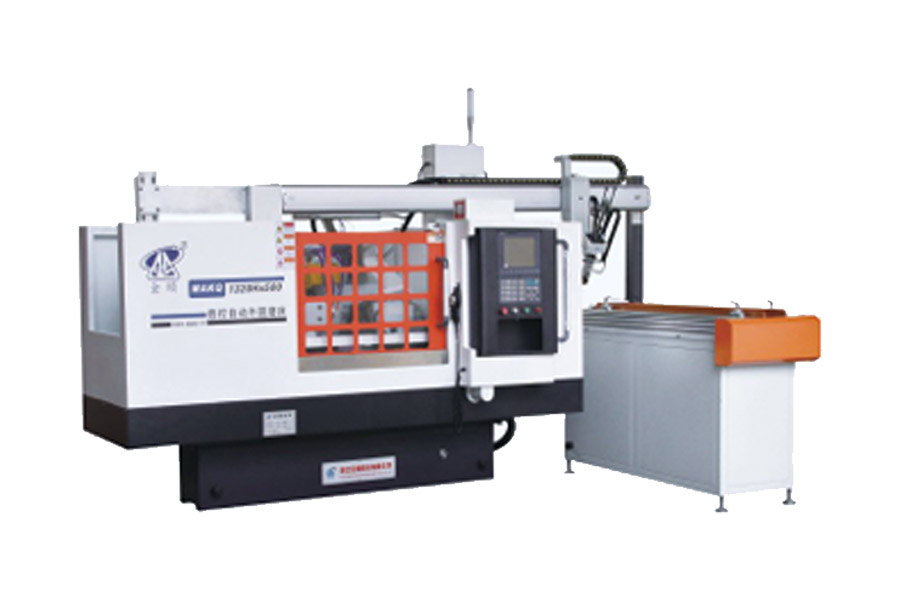
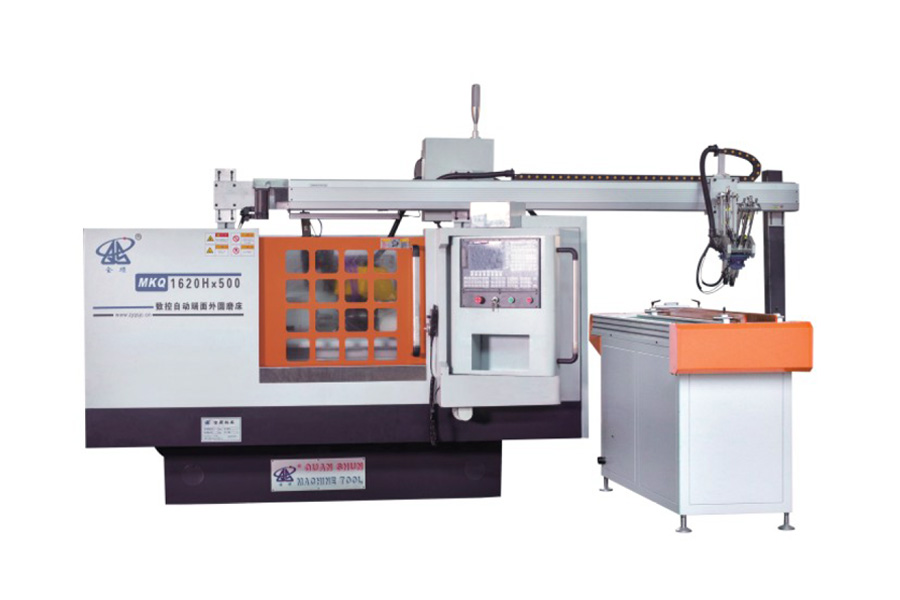
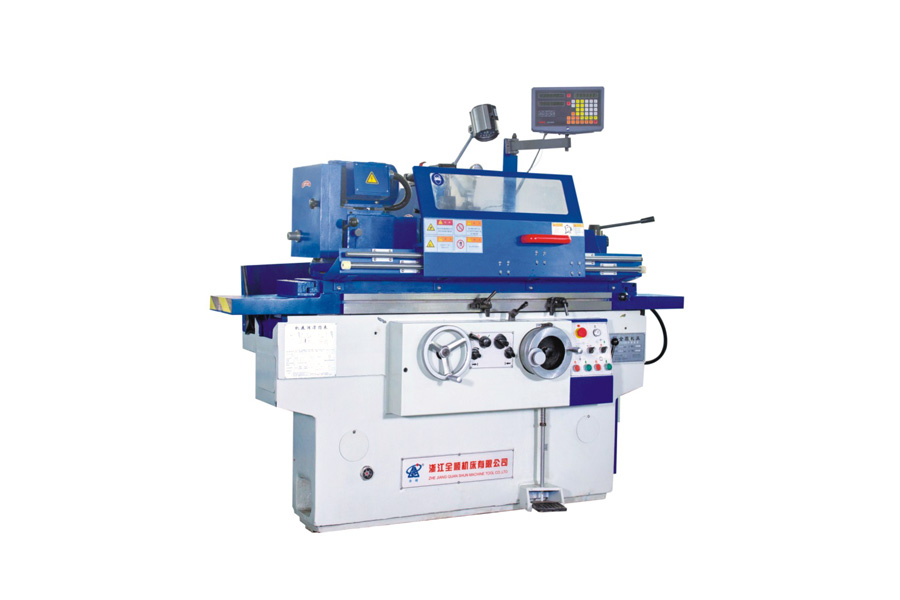
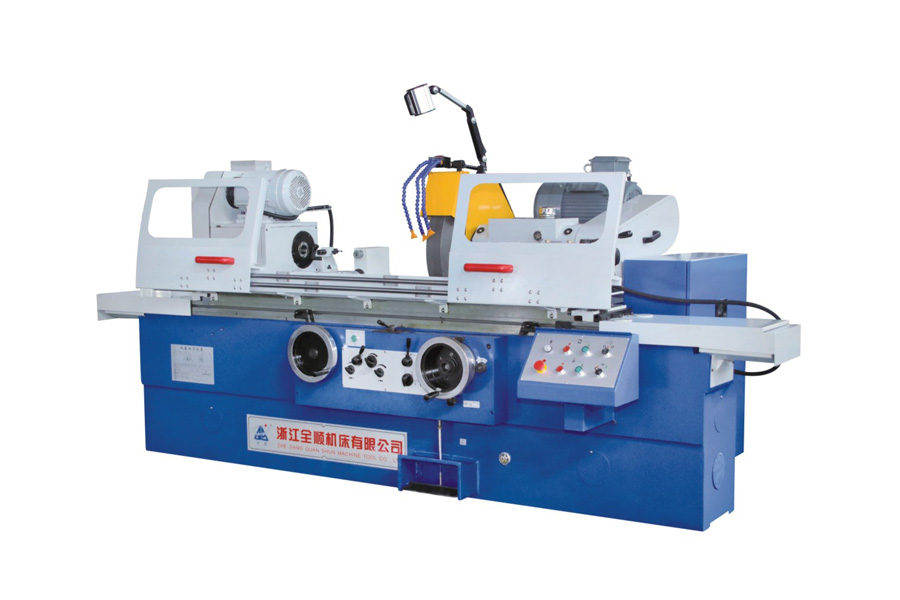
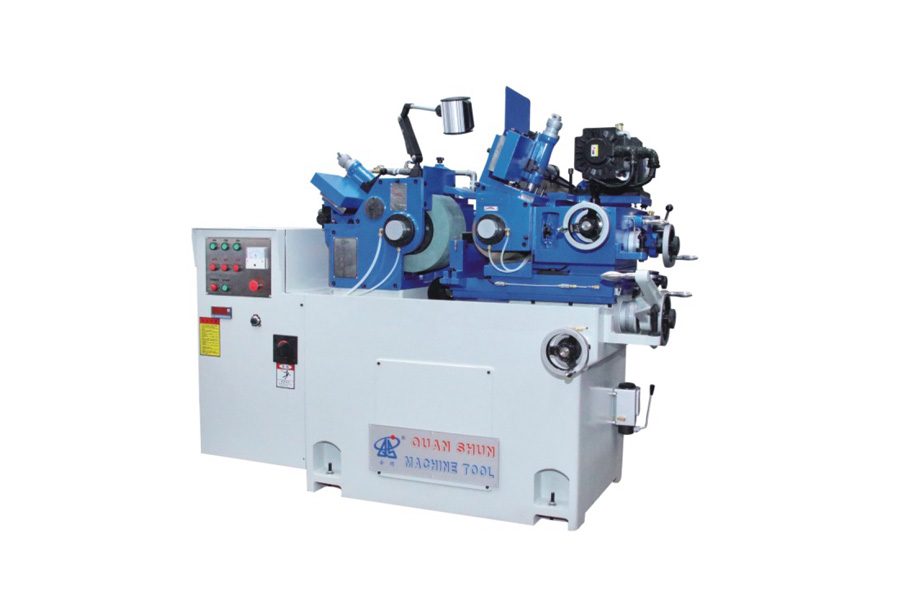
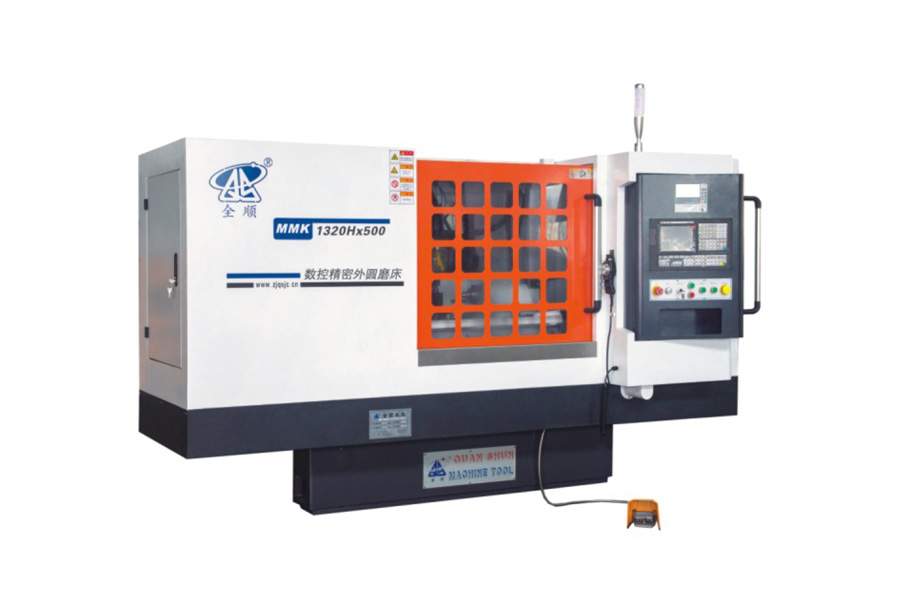
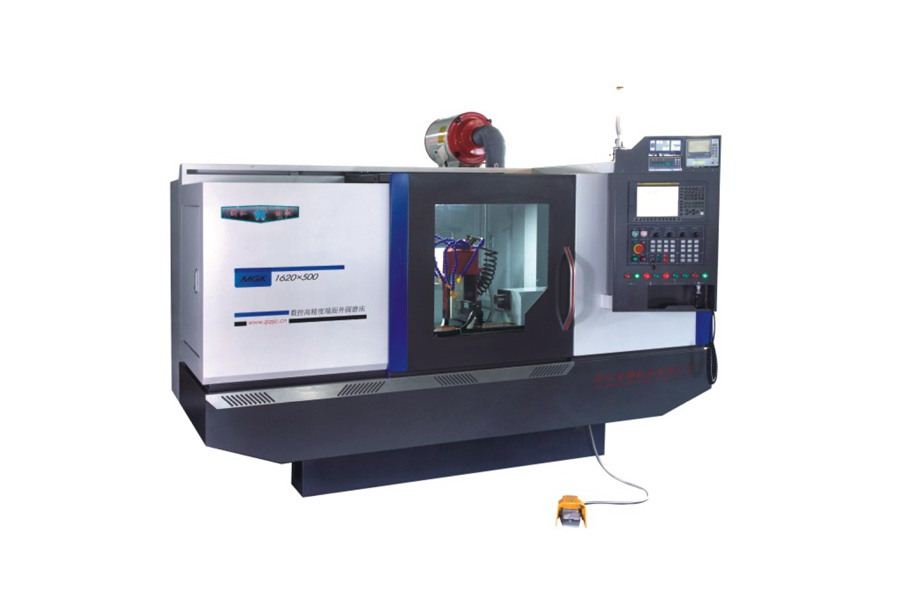
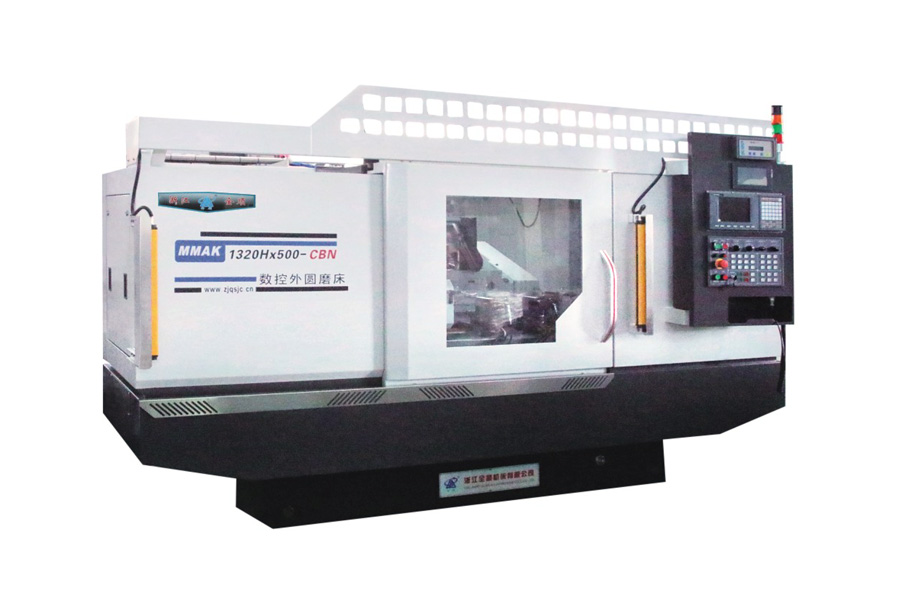
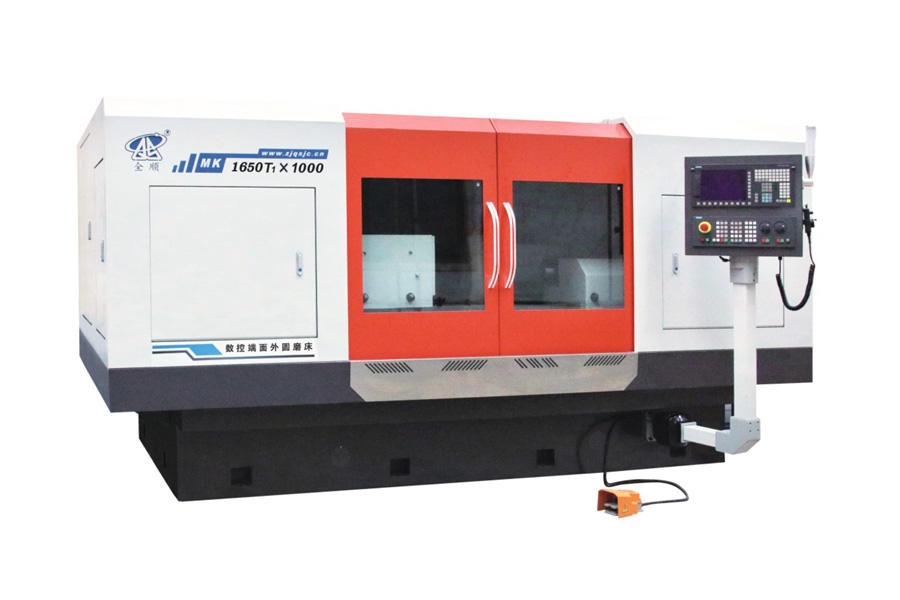
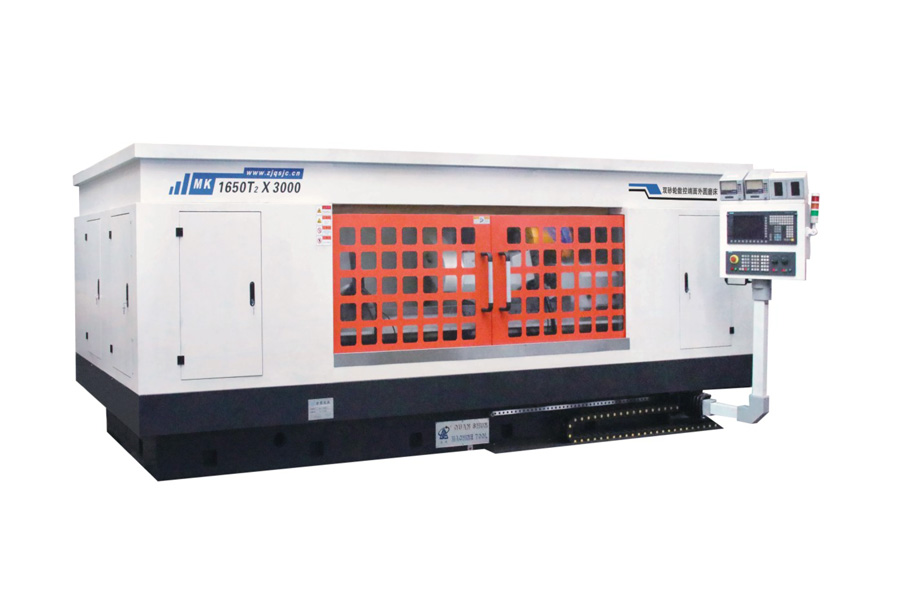
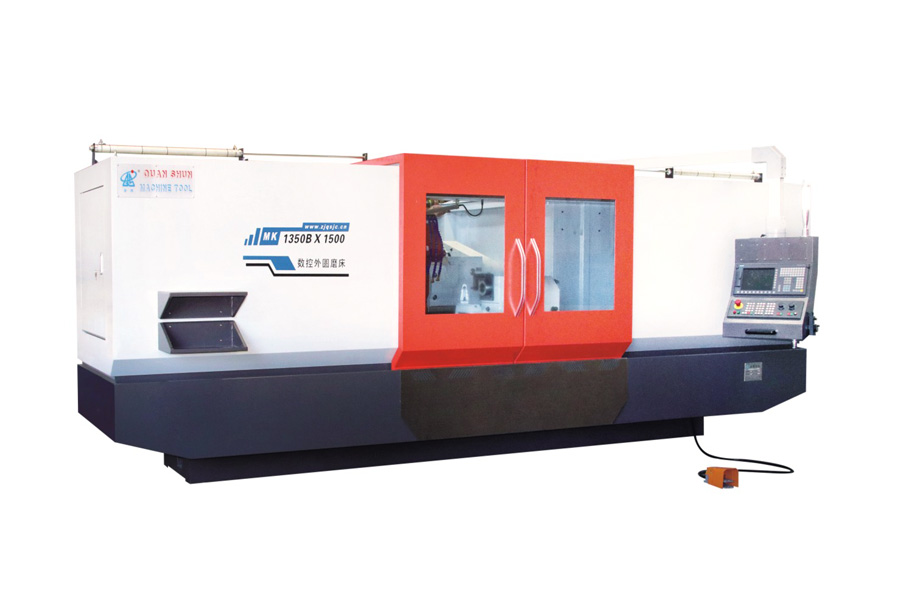
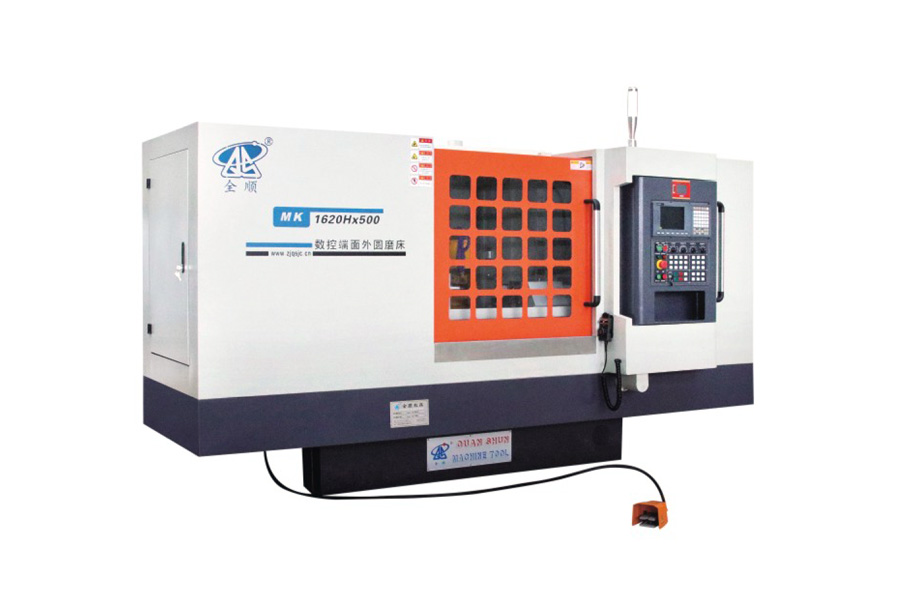
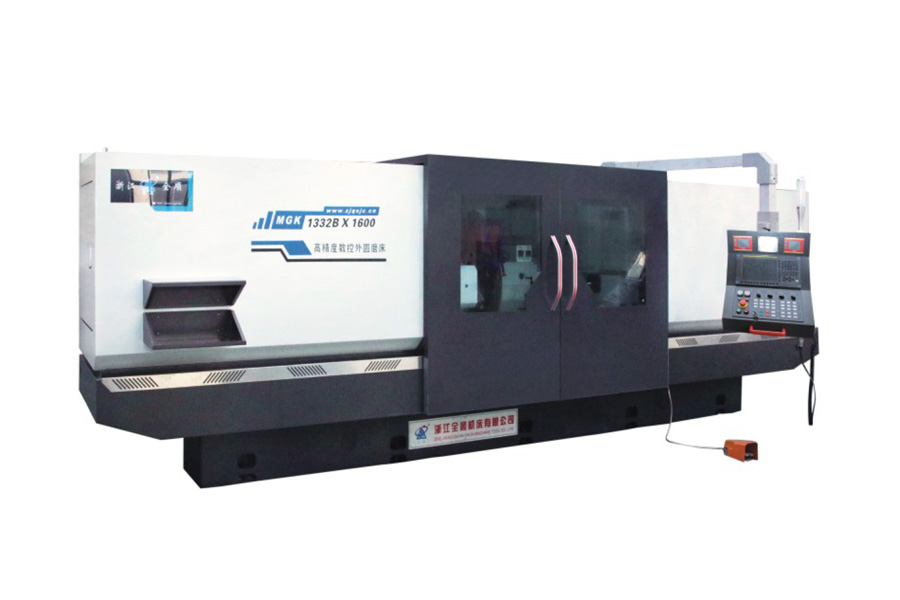
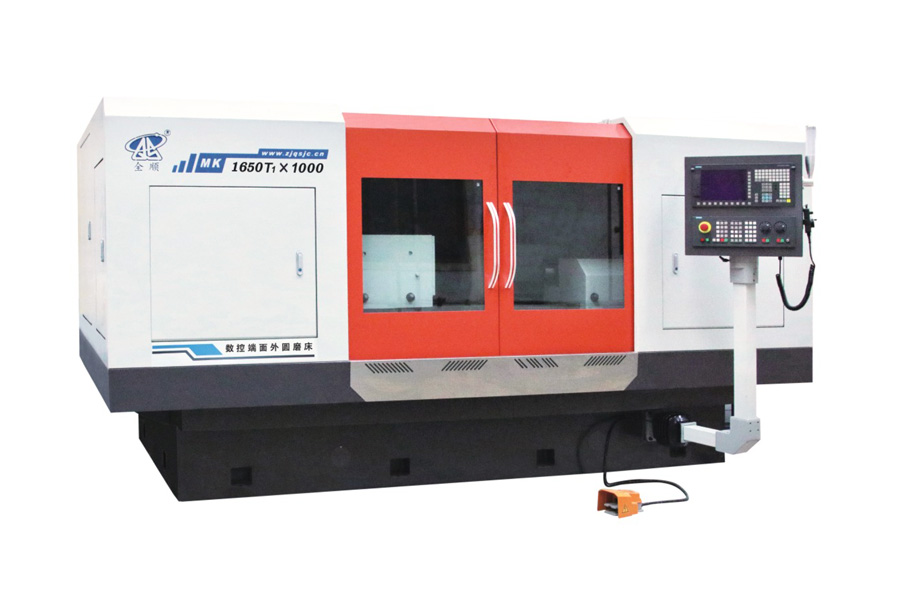
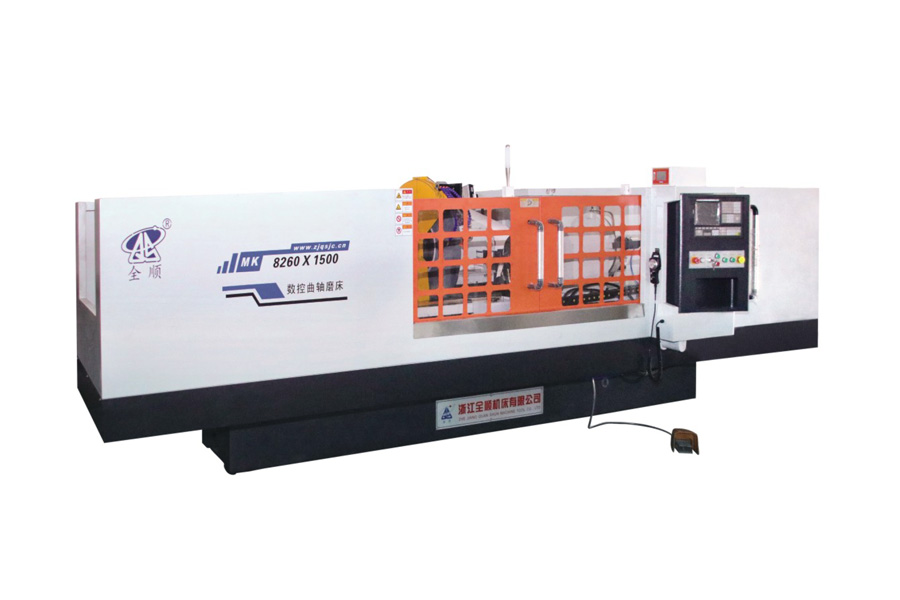
Crankshaft grinders are primarily used to restore worn or damaged crankshafts in automotive engines, diesel trucks, marine vessels, locomotives, agricultural machinery, and industrial compressors by precisely regrinding journal and pin surfaces back to standard or undersized dimensions. A reliable Crankshaft Grinding Machine allows a workshop to bring a corroded or scored crankshaft back to within 0.01mm tolerance, saving the cost of a full replacement part.
Automotive Engine Repair Shops
The most common application is rebuilding crankshafts for passenger cars, vans, and light trucks. Workshops grind the main and rod journals after detecting wear from worn bearings, oil starvation, or overheating. A typical four-cylinder crankshaft journal worn from 50.00mm to 49.80mm can be ground down to 49.75mm (a 0.25mm undersize) and paired with corresponding undersize bearing shells, restoring the correct oil clearance of around 0.02 to 0.04mm.
| Engine Type | Typical Journal Diameter | Common Regrind Step |
| Small passenger car (4-cyl) | 45-55mm | 0.25mm / 0.50mm |
| Mid-size sedan (V6) | 55-65mm | 0.25mm / 0.50mm / 0.75mm |
| Pickup truck (V8) | 60-75mm | 0.25mm / 0.50mm / 1.00mm |
Heavy Duty Diesel Truck and Bus Engines
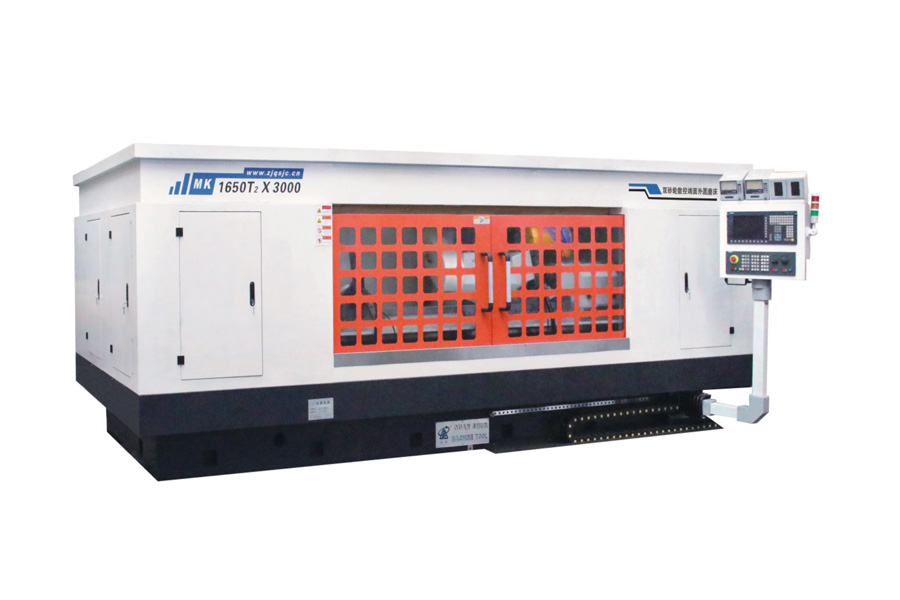
Diesel crankshafts from trucks and buses are larger, often 80mm to 120mm in journal diameter, and accumulate higher wear due to extended duty cycles. Fleet maintenance centers rely on grinding machines with longer bed lengths, sometimes exceeding 3000mm, to handle six and eight cylinder inline crankshafts. A typical overhaul cycle for a long haul truck crankshaft occurs every 500,000 to 800,000 kilometers, and regrinding rather than replacement can cut part costs by 40 to 60 percent.
Marine Engine Maintenance
Marine diesel engines, both inboard propulsion units and auxiliary generators, operate in continuous duty environments with salt air exposure that accelerates corrosion pitting on journals. Crankshaft grinders with extended swing capacity and steady rest support are used to true up crankshafts that may be 2 to 6 meters long on medium speed marine engines. Grinding restores the surface finish to an Ra value of 0.2 to 0.4 micrometers, which is essential for maintaining proper lubrication film at high loads.
Locomotive and Rail Engine Workshops
Railway maintenance depots use heavy duty crankshaft grinders to service large diesel-electric locomotive engines. These crankshafts can weigh over 1000kg and have multiple throws for 12 or 16 cylinder configurations. Precision grinding ensures balance is maintained across the entire shaft, since an imbalance of even a few grams at high RPM can cause vibration that damages bearings and seals prematurely.
Agricultural and Construction Equipment
Tractors, combine harvesters, excavators, and bulldozers run diesel engines that work under heavy load with frequent dust exposure. Crankshaft grinders are used in agricultural repair centers to recondition crankshafts for engines ranging from 50hp compact tractors to 400hp combine engines. Because downtime during harvest season is costly, many shops keep a stock of pre-ground crankshafts ready for quick exchange.
Industrial Compressors and Pumps
Reciprocating compressors used in oil and gas, refrigeration, and air compression systems rely on crankshafts that experience cyclical loading. Grinding machines are used to maintain these crankshafts during scheduled maintenance, particularly for compressors that run continuously in petrochemical plants where unplanned shutdowns are extremely expensive.
Motorsport and Performance Engine Building
Performance engine builders use crankshaft grinders not just for repair but for precision tuning. Stroke length can be adjusted slightly, journal surfaces can be polished to mirror finish for reduced friction, and radii at the journal fillets can be ground to specific profiles to improve fatigue resistance under high RPM racing conditions, often exceeding 8000 RPM.
Key Capabilities to Look for in a Crankshaft Grinder
- Grinding wheel head with precise infeed control down to 0.001mm increments
- Center distance and swing diameter matching the largest crankshaft handled
- Steady rest and follower rest support for long, flexible shafts
- Automatic dressing system for consistent wheel profile
- Coolant filtration system to maintain surface finish quality
Why Regrinding Remains a Practical Choice
Replacing a crankshaft outright can cost several times more than regrinding, especially for older or less common engine models where new parts may take weeks to source. A typical regrind and polish service for a passenger car crankshaft takes between 2 and 4 hours of machine time, while sourcing a new OEM crankshaft for a discontinued engine can take 3 to 6 weeks and cost three to five times as much.