0086-15068518279 (Chinese)/001-5416026691 (English)



 EN
EN
 中文简体
中文简体Content
- 1 What Is Cylindrical Grinding?
- 2 Core Advantages of Cylindrical Grinding
- 2.1 Exceptional Dimensional Accuracy
- 2.2 Superior Surface Finish Quality
- 2.3 Ability to Machine Hard Materials
- 2.4 High Repeatability and Consistency
- 2.5 Versatility Across Part Geometry
- 2.6 Minimal Thermal Distortion
- 2.7 High Material Removal Rate (with CBN/Diamond Wheels)
- 2.8 Automation and Lights-Out Production
- 3 Cylindrical Grinding vs. Other Finishing Methods
- 4 Key Industry Applications
- 5 Our CNC Cylindrical Grinding Machine Series
- 6 Technical Factors That Maximize Grinding Advantages
- 7 Frequently Asked Questions
- 8 Conclusion
Direct Answer: Cylindrical grinding delivers exceptional dimensional accuracy (tolerances as tight as ±0.001 mm), superior surface finish (Ra 0.1-0.4 um), high material removal rates, and consistent repeatability across high-volume production runs. It is the industry standard for finishing shafts, bearings, rolls, and precision cylindrical components used in aerospace, automotive, and hydraulics manufacturing.
What Is Cylindrical Grinding?
Cylindrical grinding is a machining process that uses an abrasive wheel to remove material from the outer or inner surface of a cylindrical workpiece, producing a highly precise, smooth finish. The workpiece rotates on its own axis while the grinding wheel removes material in controlled increments. This process is widely applied to components such as shafts, spindles, rods, pins, and bearing journals.
Modern CNC Cylindrical Grinding Machine technology adds computer numerical control to this process, enabling fully automated cycles, multi-axis coordination, and programmable grinding strategies that dramatically expand what was once possible with conventional manual or hydraulic machines.
OD Grinding
Grinds the external cylindrical surface of a workpiece between centers or chucked.
ID Grinding
Grinds the internal bore or hole for tight-tolerance fit requirements.
Centerless Grinding
No fixture required; parts are supported by a work rest blade and regulating wheel.
Taper Grinding
Produces conical surfaces by offsetting the workpiece or swiveling the wheel head.
Core Advantages of Cylindrical Grinding
The following advantages explain why cylindrical grinding remains the preferred finishing method for precision rotating components across heavy industry, aerospace, and precision engineering sectors.
01
Exceptional Dimensional Accuracy
Cylindrical grinding can achieve tolerances as tight as ±0.001 mm (1 micron), far beyond what turning or milling can reliably deliver. This makes it essential for components where fit, clearance, and interference must be precisely controlled. (Source: Machinery's Handbook, 30th Edition, Industrial Press)
02
Superior Surface Finish Quality
Grinding produces surface roughness values in the range of Ra 0.1 to 0.8 um, compared to Ra 1.6 to 6.3 um typical of finish turning. This reduces friction, wear, and fatigue failure in rotating assemblies such as bearing seats and journal surfaces. (Source: ASM Handbook, Vol. 16, Machining)
03
Ability to Machine Hard Materials
After heat treatment, metals become too hard to turn or mill effectively. Cylindrical grinding handles hardened steels (up to 70 HRC), carbide, ceramics, and hardened tool steels with ease, making it the only viable finishing method for many aerospace-grade components.
04
High Repeatability and Consistency
CNC-controlled grinding machines repeat the same cycle with sub-micron consistency across thousands of parts. This is critical in automotive and aerospace production, where batch-to-batch variation must be eliminated. Cp/Cpk values above 1.67 are routinely achievable on CNC cylindrical grinders. (Source: Quality Engineering, Marcel Dekker)
05
Versatility Across Part Geometry
Modern CNC cylindrical grinders can handle straight cylinders, tapers, stepped shafts, shoulders, and even complex contoured profiles using CNC interpolation. A single machine can accommodate a wide range of part families, reducing capital investment.
06
Minimal Thermal Distortion
With proper coolant application and controlled depth-of-cut, cylindrical grinding generates less heat per unit of material removed compared to aggressive milling. This preserves the metallurgical integrity of hardened components, preventing surface softening or re-tempering effects.
07
High Material Removal Rate (with CBN/Diamond Wheels)
High-speed cylindrical grinding with CBN (cubic boron nitride) or diamond superabrasive wheels can remove material at rates exceeding 100 mm3/mm/s, rivaling turning while maintaining grinding-level finish quality. (Source: Grinding Technology, Stephen Malkin, Industrial Press)
08
Automation and Lights-Out Production
CNC cylindrical grinders integrate with robotic loaders, in-process gauging, and adaptive control systems. This enables unmanned "lights-out" operation, dramatically reducing labor cost per part and enabling continuous 24/7 production cycles.
Cylindrical Grinding vs. Other Finishing Methods
The table below compares cylindrical grinding against other common finishing processes on the most critical manufacturing parameters. (Source: Manufacturing Engineering and Technology, Kalpakjian, Pearson)
| Parameter | Cylindrical Grinding | Finish Turning | Honing | Lapping |
|---|---|---|---|---|
| Tolerance (mm) | +/-0.001 | +/-0.01 | +/-0.005 | +/-0.0005 |
| Surface Finish (Ra um) | 0.1 - 0.8 | 1.6 - 6.3 | 0.1 - 0.4 | 0.025 - 0.1 |
| Hard Material Capability | Excellent (up to 70 HRC) | Limited (below 45 HRC) | Good | Good |
| Material Removal Rate | High (with CBN) | Very High | Low | Very Low |
| Automation Potential | Very High (CNC + Robotic) | High | Medium | Low |
| Typical Applications | Shafts, Bearings, Rolls | General Turning | Engine Bores | Optical, Gauge Parts |
Key Industry Applications
Cylindrical grinding is deployed across demanding industries where dimensional precision directly affects product safety, efficiency, and service life.
Automotive
Crankshafts, camshafts, transmission shafts, drive axles, and brake drum surfaces require grinding to meet assembly tolerances.
Aerospace
Turbine shafts, landing gear components, and actuator rods demand ultra-tight tolerances and excellent surface integrity.
Hydraulics
Hydraulic cylinder rods and pump shafts require a high-quality surface finish and roundness for effective sealing and long service life.
Tool & Die
Precision mold pins, punches, and gauge masters are ground to final size after hardening to maintain geometry and hardness.
Bearings
Inner and outer bearing races are ground to micron-level tolerances to ensure smooth rotation and minimal vibration under load.
Energy / Power Gen
Generator rotor journals, turbine stub shafts, and pump impeller shafts rely on cylindrical grinding for precision and reliability.
Our CNC Cylindrical Grinding Machine Series
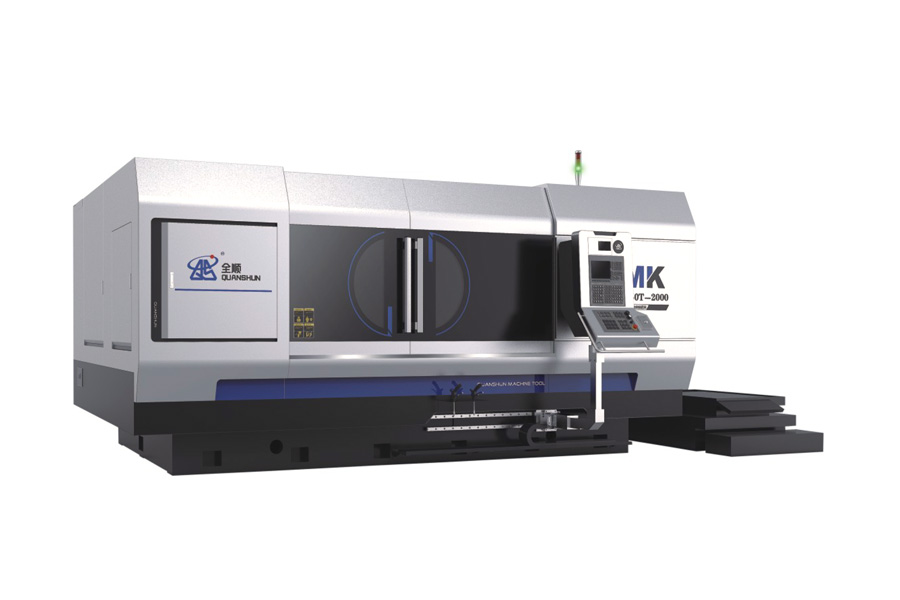
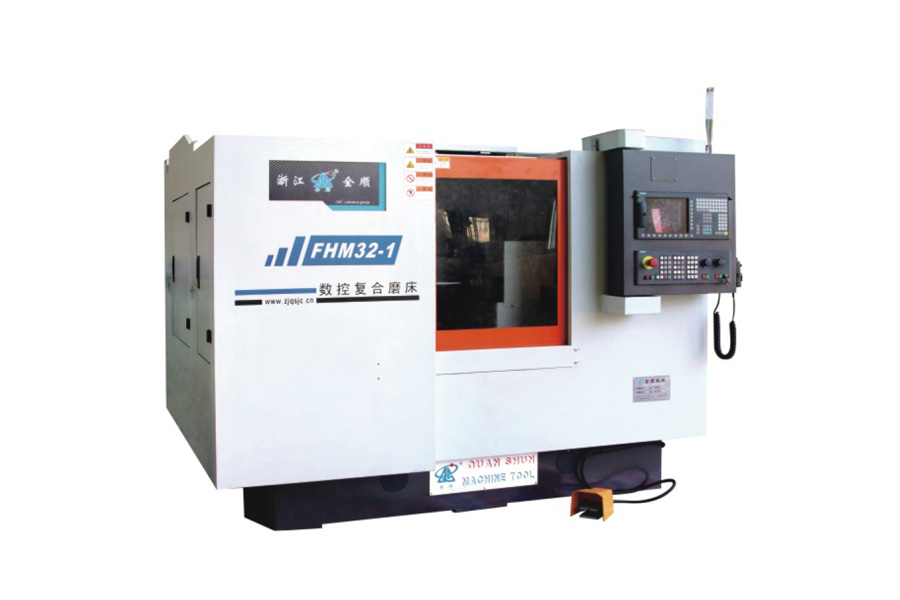
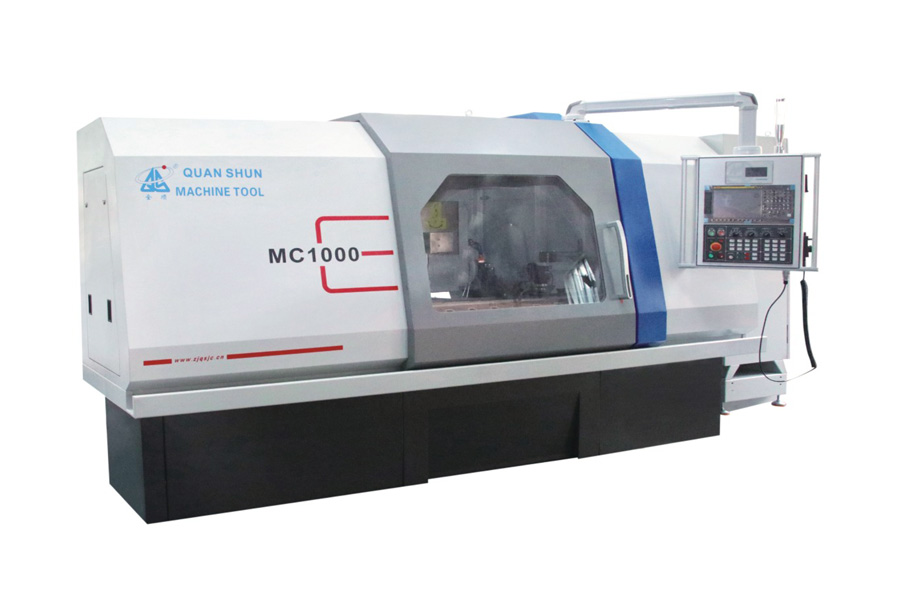
We offer a complete range of CNC Cylindrical Grinding Machine models engineered for different production demands, workpiece sizes, and precision levels. Each machine integrates advanced CNC control, robust cast iron structures, and high-precision spindle systems to deliver consistent grinding performance.
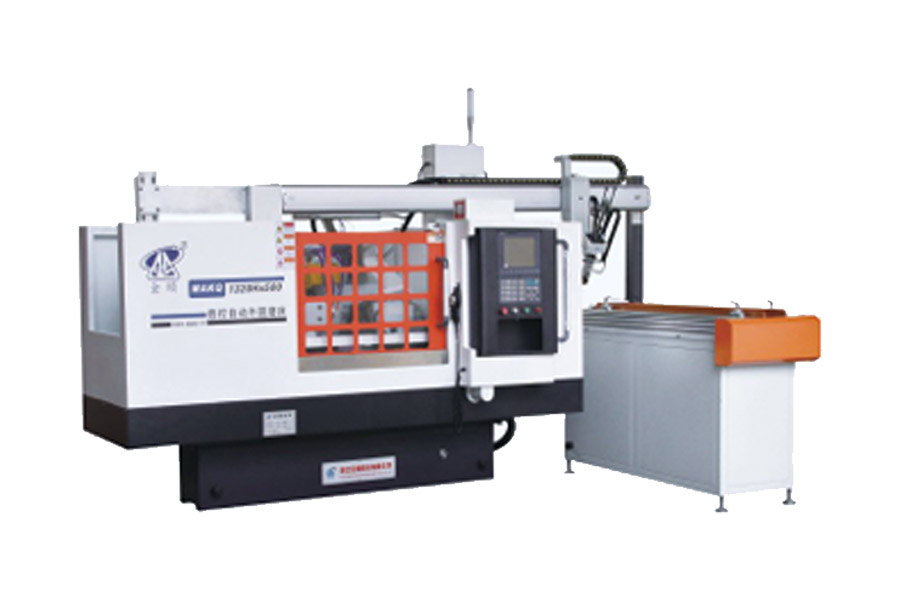
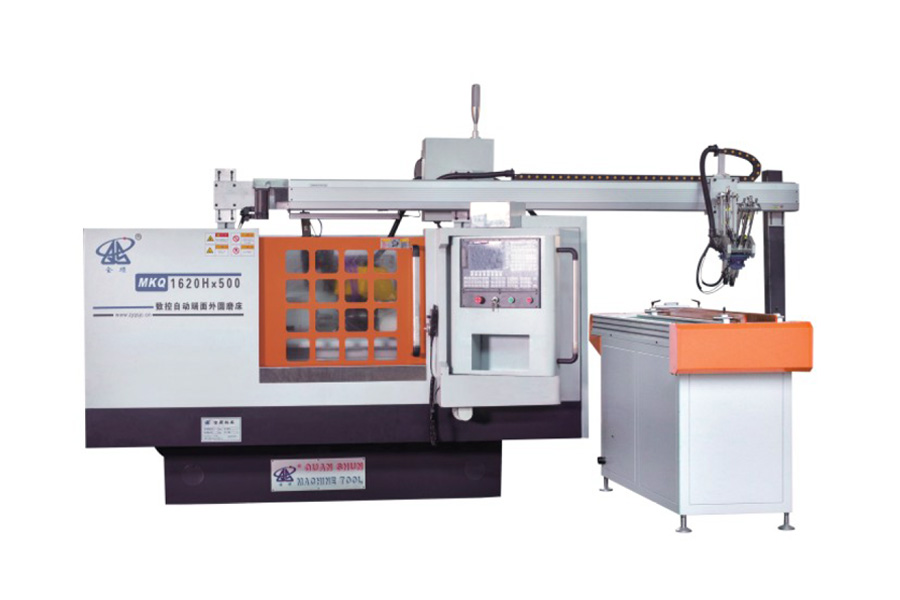
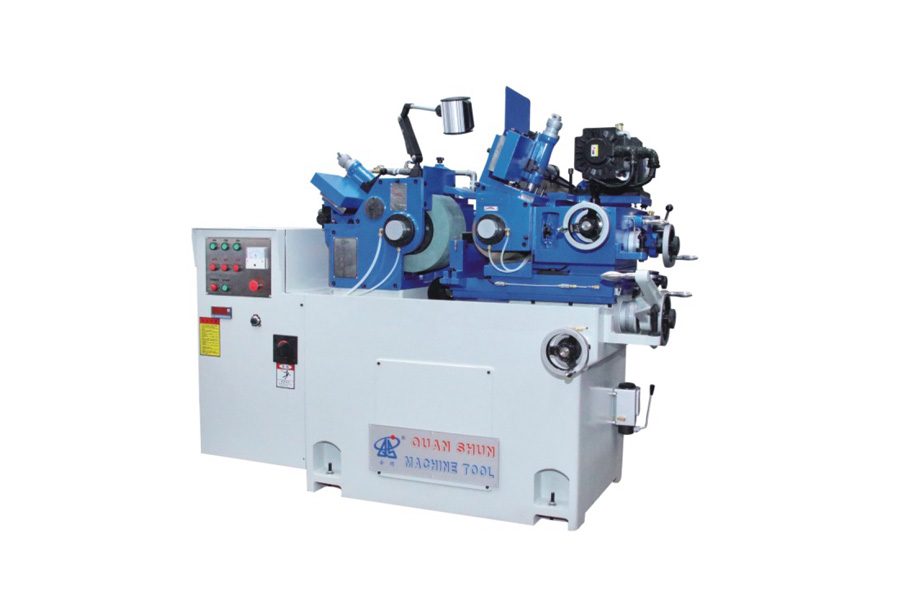
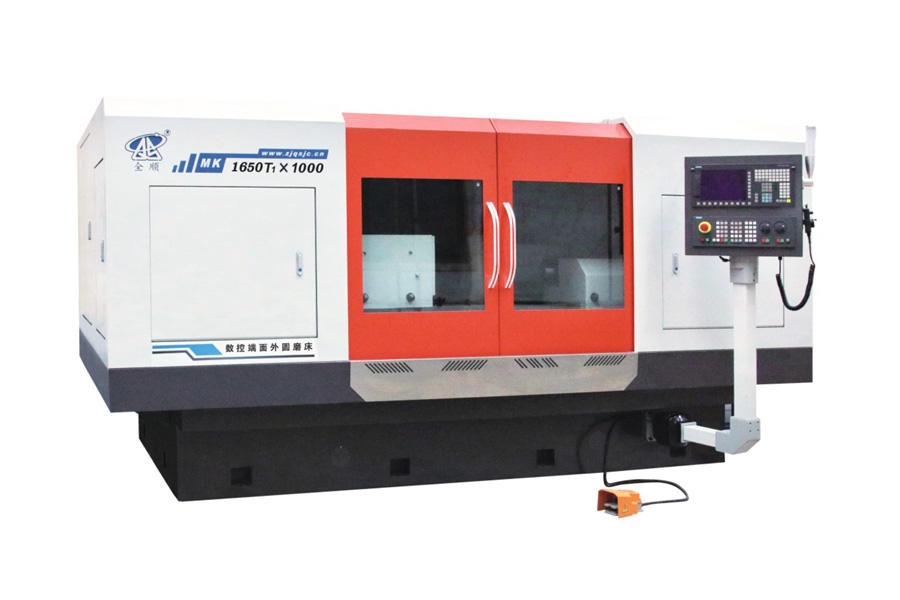
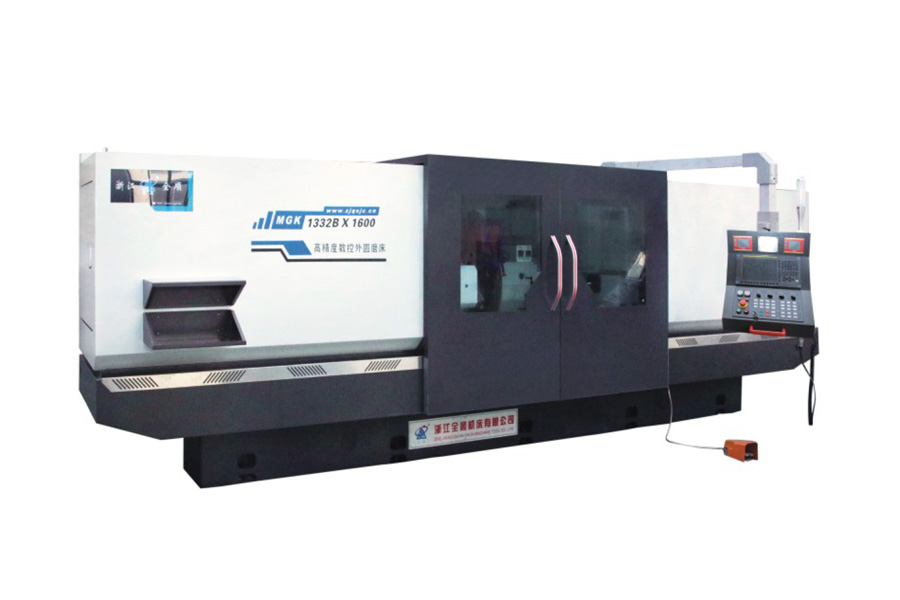
CNC Cylindrical Grinding Machine MK / MAK Series
Standard Series
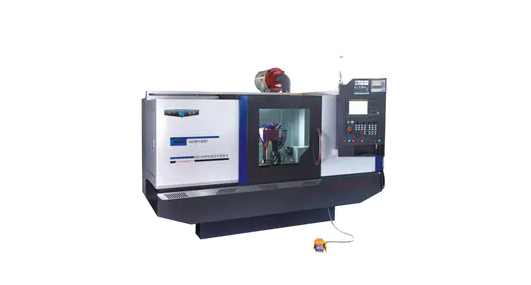
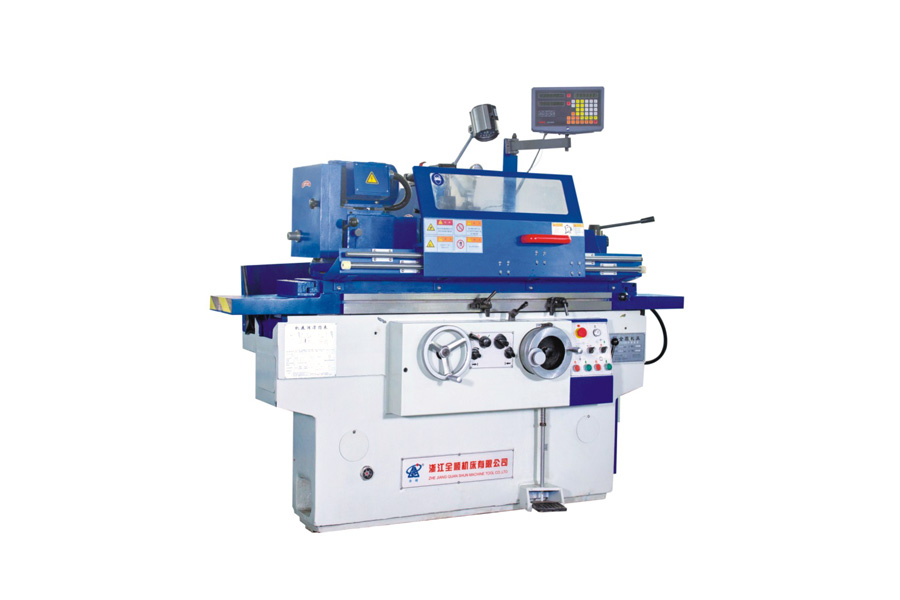
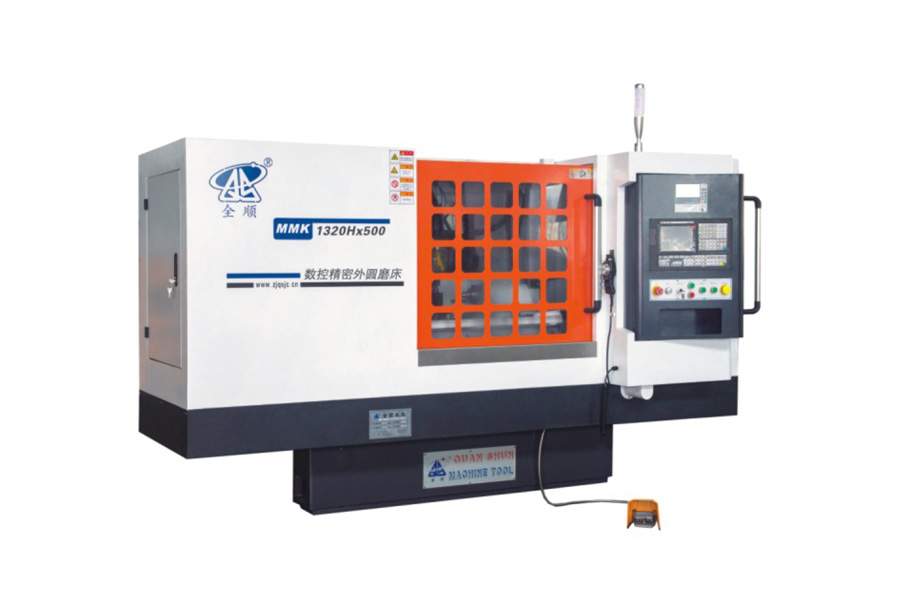
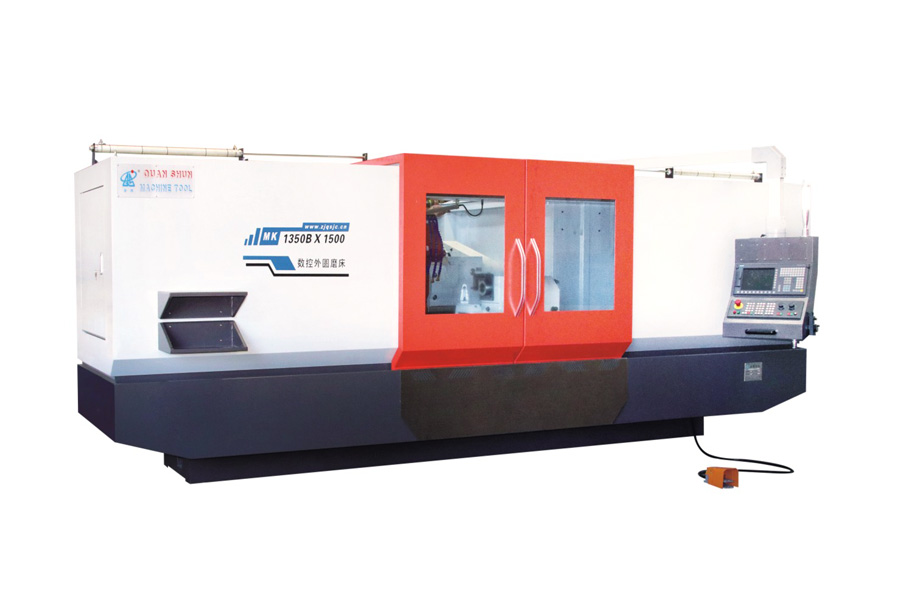
High-Precision CNC Cylindrical Grinding Machine
High Precision
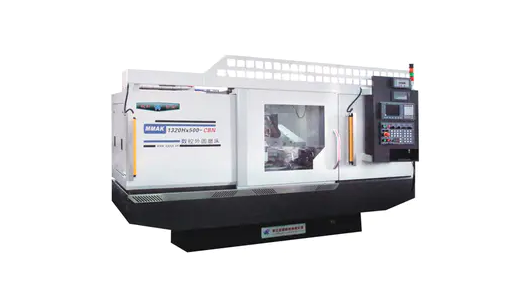
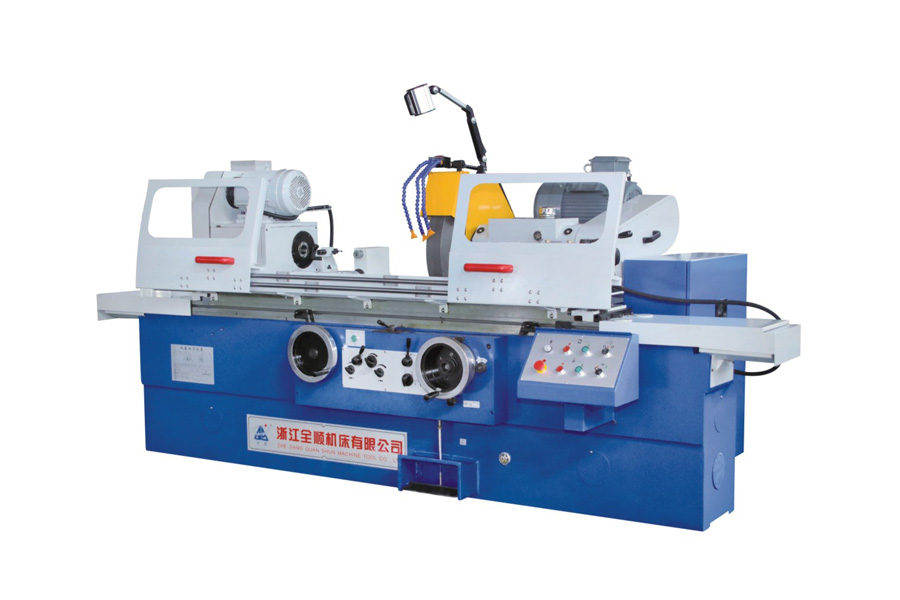
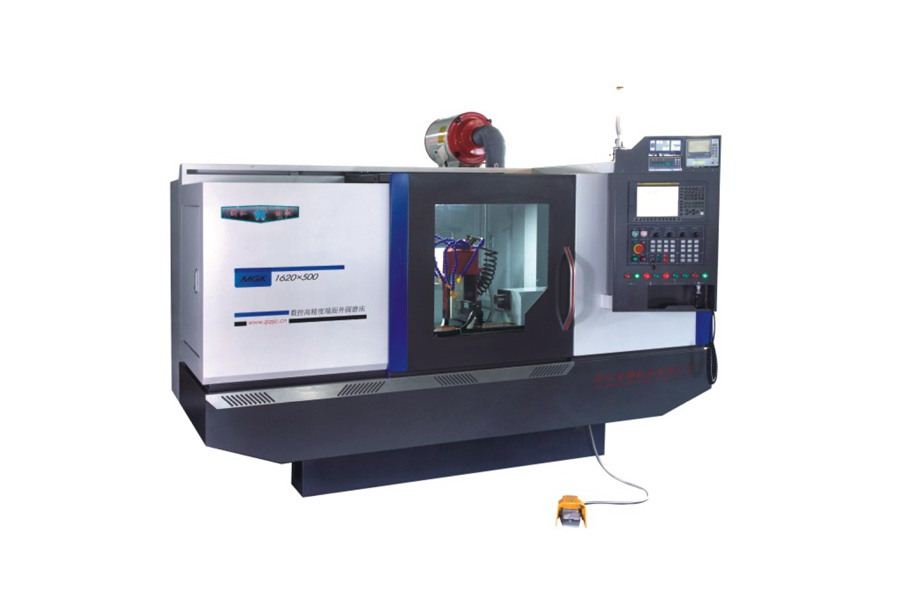
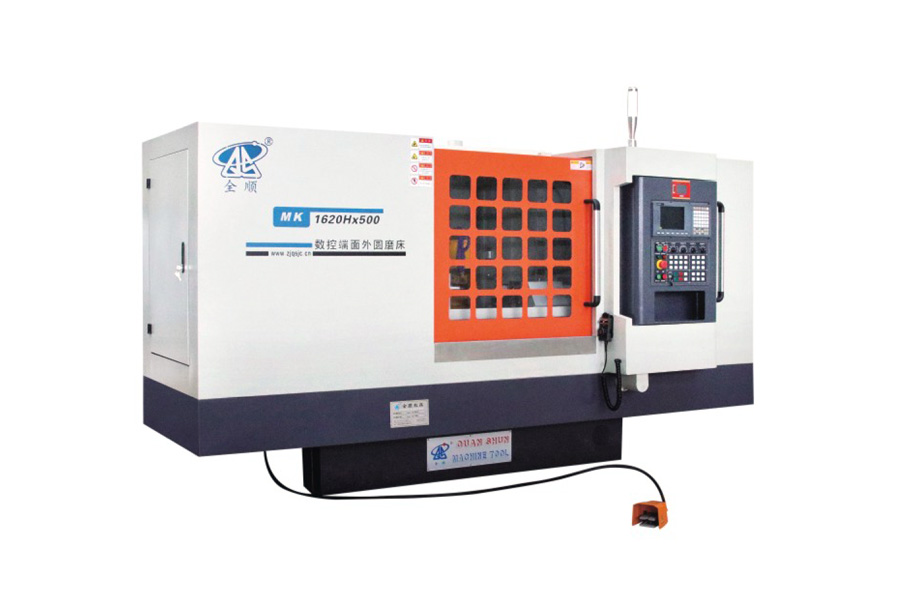
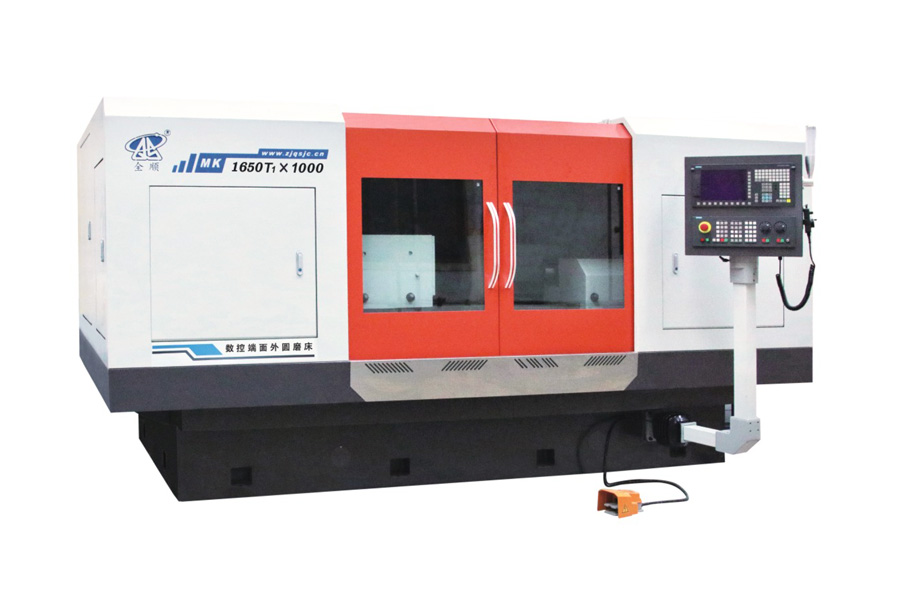
High-Speed CNC Cylindrical Grinding Machine
High Speed
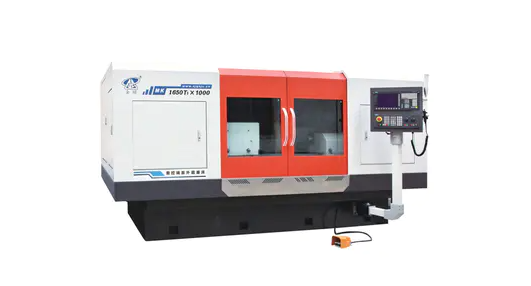
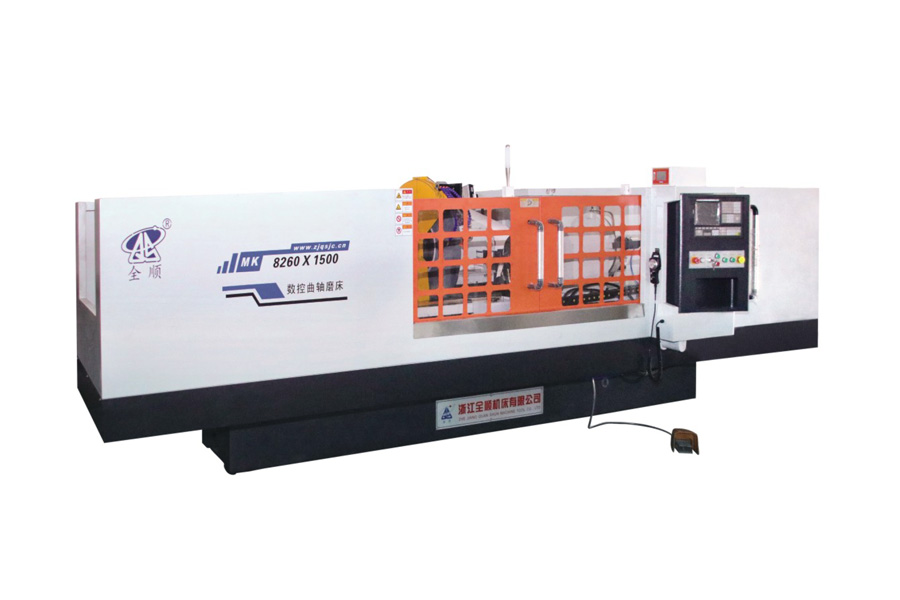
CNC Cylindrical Grinding Machine with Mobile Wheel Holder
Mobile Wheel Head
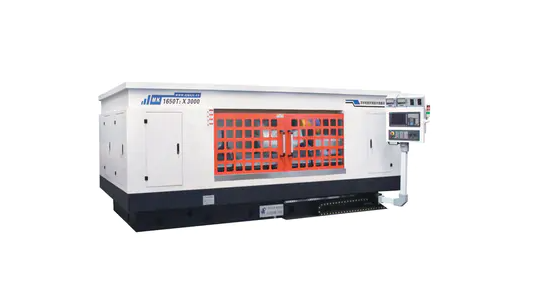
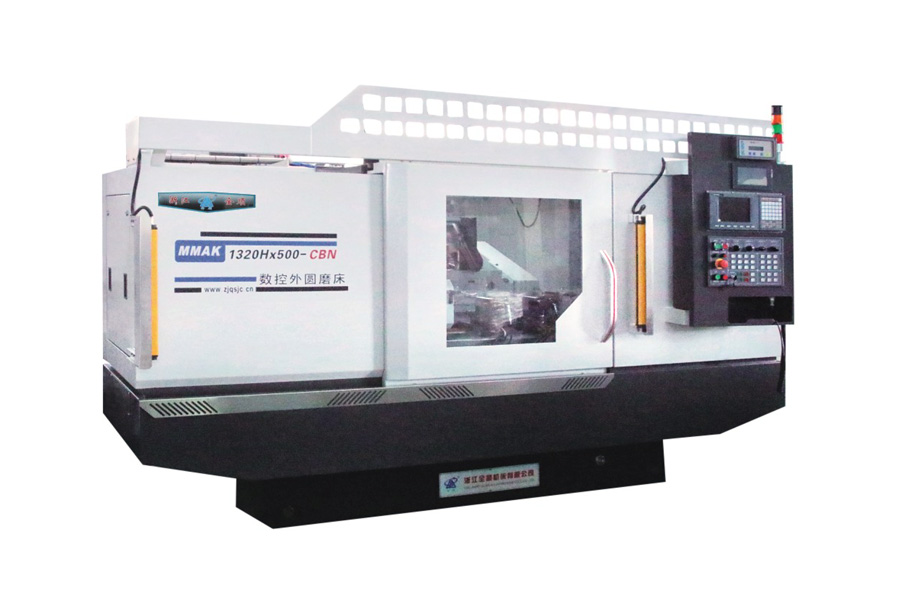
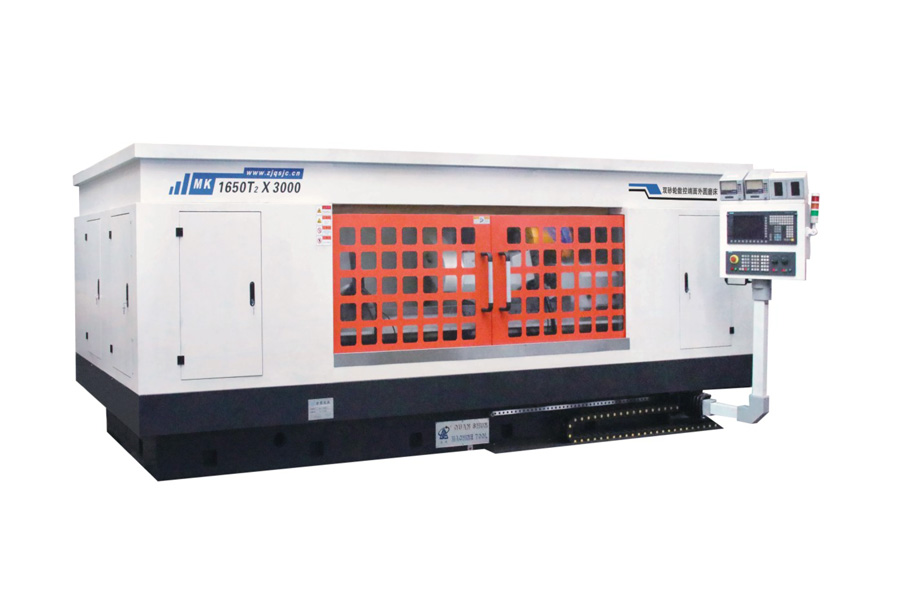
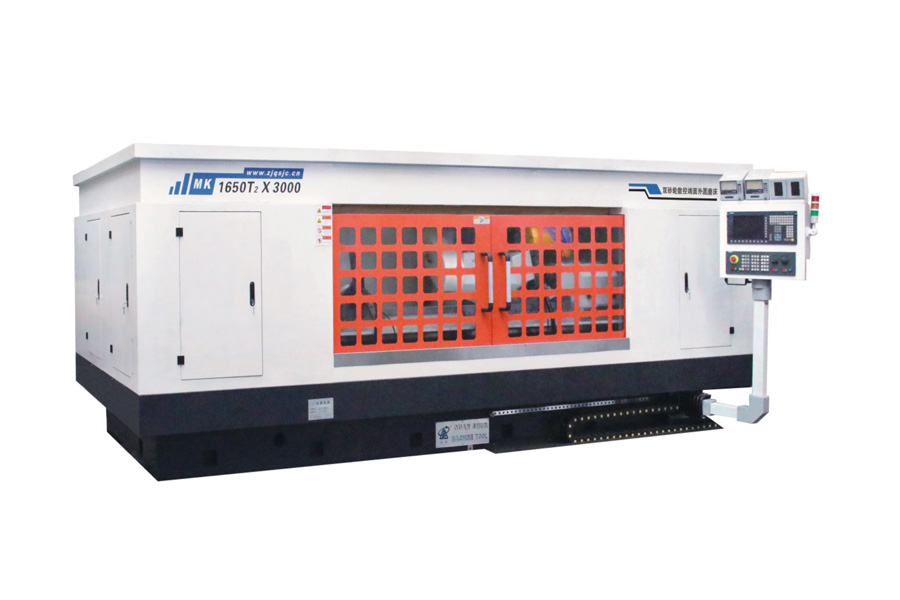
Double Wheelhead CNC Cylindrical Grinding Machine
Dual Wheel Head
Technical Factors That Maximize Grinding Advantages
To fully realize the advantages of cylindrical grinding, several process parameters must be correctly configured:
| Factor | Recommendation | Effect on Output |
|---|---|---|
| Wheel Specification | CBN for hardened steel; Aluminum oxide for general steel | Determines MRR, wheel life, and thermal load |
| Wheel Speed | 45 - 120 m/s (high-speed grinding) | Higher speed improves finish; reduces chip thickness |
| Workpiece Speed | 15 - 30 m/min (OD grinding) | Affects surface finish and thermal input |
| Depth of Cut | Rough: 0.01-0.05 mm; Finish: 0.002-0.005 mm | Controls dimensional accuracy and surface roughness |
| Coolant Flow | High-pressure, high-volume flood or through-wheel delivery | Prevents thermal damage; flushes swarf from wheel |
| Dressing Interval | Continuous dressing (CD) or in-process for critical parts | Maintains wheel sharpness; ensures consistent cut geometry |
| In-Process Gauging | Active diameter measurement during grinding cycle | Eliminates overshoot; compensates for thermal growth automatically |
Frequently Asked Questions
What materials can be cylindrically ground?
Cylindrical grinding handles virtually all metallic materials including carbon steel, alloy steel, stainless steel, cast iron, hardened tool steel, cemented carbide, titanium, and even some ceramics. The key selection factor is the abrasive wheel type matched to the workpiece material.
How does CNC cylindrical grinding improve productivity?
CNC control automates the entire grinding cycle including rough pass, semi-finish pass, finish pass, spark-out, and retract. Combined with robotic loading and in-process gauging, non-productive time drops dramatically. Studies show CNC grinding reduces cycle time by 30-60% compared to manual grinding operations. (Source: SME Manufacturing Engineering Journal)
What is the typical surface finish achievable with cylindrical grinding?
Standard cylindrical grinding achieves Ra 0.4 to 0.8 um. With superabrasive CBN wheels, high-speed spindles, and optimal process conditions, Ra values of 0.1 um or lower are achievable - equivalent to hard turning plus superfinishing in a single operation.
Is cylindrical grinding suitable for small batch production?
Yes. Modern CNC cylindrical grinders support quick changeover with programmable wheel dressing, stored part programs, and fast workholding changes. Setup times have been reduced to under 20 minutes for many part families, making small batch and even single-piece production economically viable.
What is the difference between plunge and traverse cylindrical grinding?
In plunge (in-feed) grinding, the wheel feeds radially into the workpiece to grind a specific zone - ideal for short, stepped, or profiled sections. In traverse grinding, the wheel moves axially along the workpiece while in contact - suited for long shafts and continuous diameters. Many CNC machines combine both methods within a single part program.
Conclusion
Cylindrical grinding occupies a unique position in precision manufacturing: it is the only process that simultaneously delivers micron-level dimensional accuracy, excellent surface finish, and the ability to machine fully hardened materials at productive rates. When powered by modern CNC technology, it becomes a flexible, automated, and highly repeatable cornerstone of any precision machining operation.
Whether you are finishing automotive crankshafts in high volume, machining aerospace turbine shafts to ultra-tight tolerances, or producing hydraulic cylinder rods for demanding sealing applications, a CNC Cylindrical Grinding Machine provides the combination of process capability, automation potential, and long-term reliability that no other finishing process can match.