0086-15068518279 (Chinese)/001-5416026691 (English)



 EN
EN
 中文简体
中文简体Content
- 1 Why Chatter Marks Appear and How to Stop Them
- 2 Out-of-Roundness: Causes and Correction
- 3 Surface Burning and Metallurgical Damage
- 4 Taper and Diameter Variation Along the Part Length
- 5 Inconsistent Part Diameter in Production Runs
- 6 Workpiece Pull-In and Ejection Failures
- 7 Wheel Loading and Glazing
- 8 Diagnosing Problems Systematically
Centerless grinding commonly causes problems such as chatter marks, workpiece out-of-roundness, surface burning, taper errors, and inconsistent part diameter. These issues stem from incorrect blade height setup, improper wheel dressing, mismatched feed rates, or worn machine components. Identifying the root cause early prevents scrap rates from climbing above the industry average of 3–8% seen in high-volume production environments.
Why Chatter Marks Appear and How to Stop Them
Chatter is the most frequently reported defect in centerless grinding operations. It shows up as evenly spaced ridges across the workpiece surface and is almost always caused by vibration in the grinding loop.
Common triggers include:
- Wheel imbalance — Even a 0.5 g imbalance at 1,800 RPM generates measurable vibration. Rebalance grinding wheels after every dress cycle on precision work.
- Incorrect blade height — The workpiece center should sit above the grinding and regulating wheel centerline. A general starting point is 0.5× the workpiece diameter above center for diameters under 25 mm. Dropping below center destabilizes the three-point contact and triggers regenerative chatter.
- Worn spindle bearings — Radial runout exceeding 0.002 mm is enough to produce visible chatter on mirror-finish parts.
- Resonance between RPM and natural frequency — Changing the grinding wheel speed by 5–10% often shifts the system out of resonance without any other adjustment.
Source: Precision Machining Technology, Teschler & Krar, 3rd ed., Chapter 14.
Out-of-Roundness: Causes and Correction
Lobing — where a part measures round on a micrometer but is actually polygonal — is unique to centerless grinding because the workpiece is not held between centers. The number of lobes correlates directly to the blade height angle and the gap between the two wheels.
| Number of Lobes | Typical Blade Angle | Corrective Action |
|---|---|---|
| 3-lobe | Below optimal center height | Raise blade height; re-dress regulating wheel |
| 5-lobe | Excessive throughfeed rate | Reduce feed rate 15–20%; increase dress lead |
| 7+ lobes | High regulating wheel speed | Lower regulating RPM; check for wheel glazing |
Source: CIRP Annals — Manufacturing Technology, Vol. 60, Issue 2, 2011.
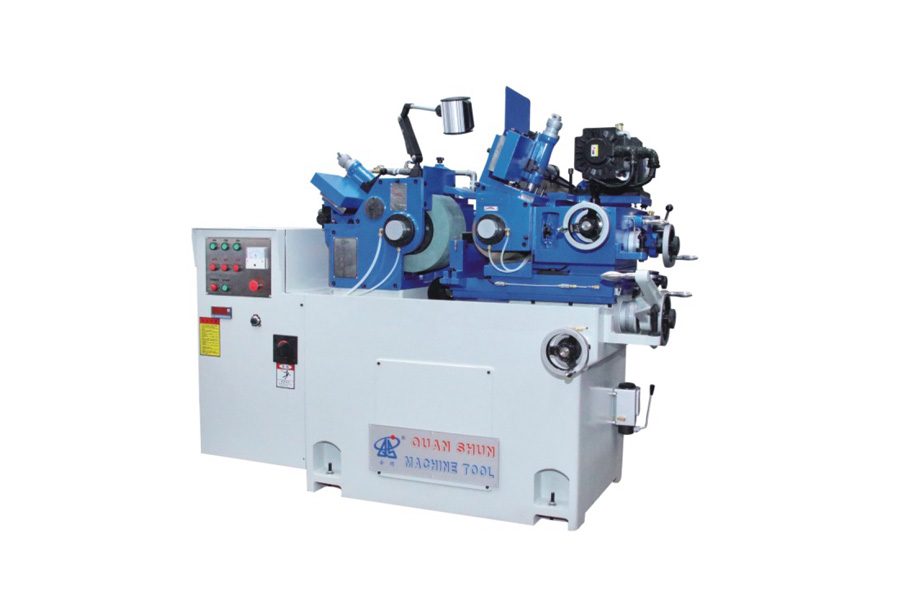
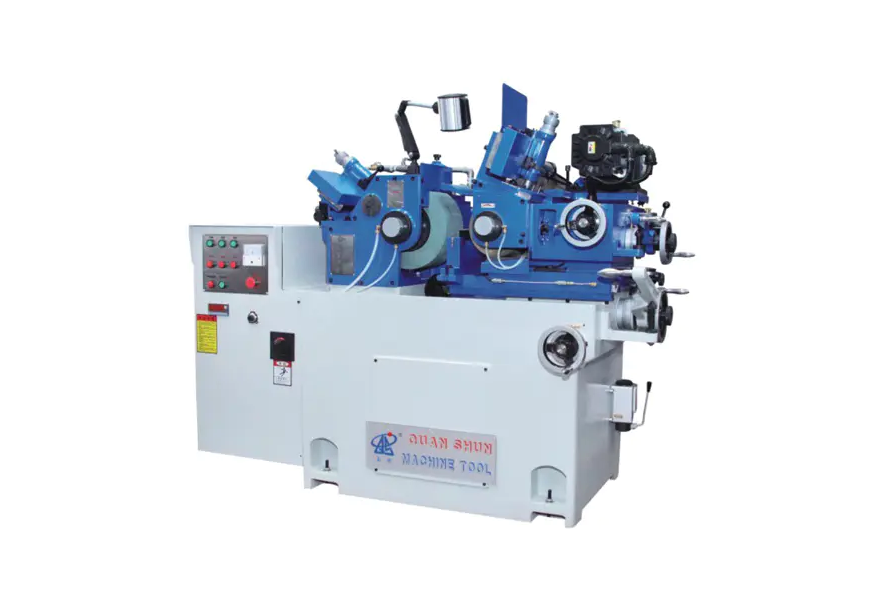
Roundness errors below 0.001 mm are achievable on a well-maintained Centerless Grinding Machine with proper blade geometry and consistent dressing intervals.
Surface Burning and Metallurgical Damage
Thermal damage is invisible to the eye but catastrophic in service. Grinding burn alters the surface microstructure, induces tensile residual stress, and can reduce component fatigue life by up to 60% (Source: ASM Handbook Vol. 16 — Machining, 1989).
Burn occurs when heat generation exceeds the cooling capacity of the coolant film. Key contributors:
- Glazed or loaded grinding wheel — A dull wheel rubs instead of cuts, converting kinetic energy directly into heat. Dress more frequently; aim for a dress depth of 0.010–0.025 mm per pass on vitrified wheels.
- Insufficient coolant flow — Minimum flow rate for cylindrical grinding is typically 15–20 L/min directly at the grinding zone. Using a coolant nozzle matched to the wheel width reduces thermal load significantly.
- Excessive stock removal per pass — Removing more than 0.05 mm per pass on hardened steel (60+ HRC) without stepped infeed dramatically increases burn risk.
- Wrong wheel specification — Soft-grade wheels (G–H on the standard scale) self-dress more readily on hard materials, keeping cutting edges sharp and reducing heat.
Taper and Diameter Variation Along the Part Length
Taper appears when the part exits the grinding zone with a different diameter at each end. In throughfeed mode, the most common cause is a misaligned regulating wheel angle. The regulating wheel must be tilted (typically 1–5 degrees) to produce axial feed. If the tilt is uneven across the wheel face, one end grinds more aggressively than the other.
Practical checks:
- Measure three points along the part length with a micrometer immediately after grinding. A taper of more than 0.005 mm over 100 mm length warrants regulating wheel realignment.
- Inspect the work rest blade for wear. A worn leading edge allows the part to dip at entry, creating a bell-mouth taper at that end.
- Verify that the grinding wheel face is dressed parallel to the regulating wheel face within 0.003 mm across the full width.
Inconsistent Part Diameter in Production Runs
Size scatter across a batch — where parts measure within tolerance at setup but drift out during the run — has several causes that are easy to overlook.
| Root Cause | Typical Size Drift | Solution |
|---|---|---|
| Thermal growth of spindle | 0.005–0.020 mm over 30 min warm-up | Run machine 20–30 min before first measurement |
| Wheel wear between dress cycles | 0.002–0.010 mm per 100 parts | Shorten dress interval; use in-process gauging |
| Varying incoming stock size | Depends on supplier tolerance | Pre-sort blanks by diameter band before grinding |
| Coolant temperature rise | 0.003–0.008 mm per 5 deg C rise | Use a coolant chiller; monitor temperature hourly |
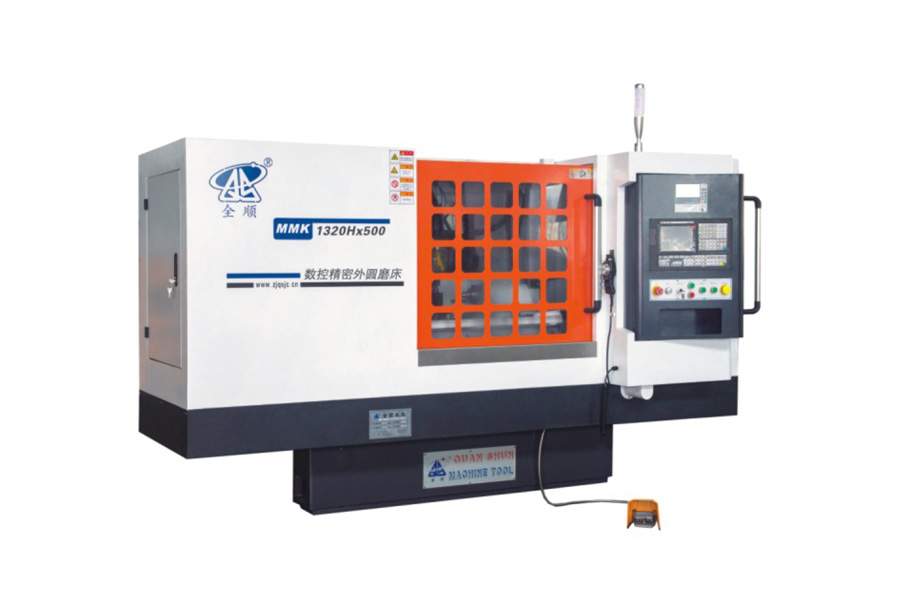
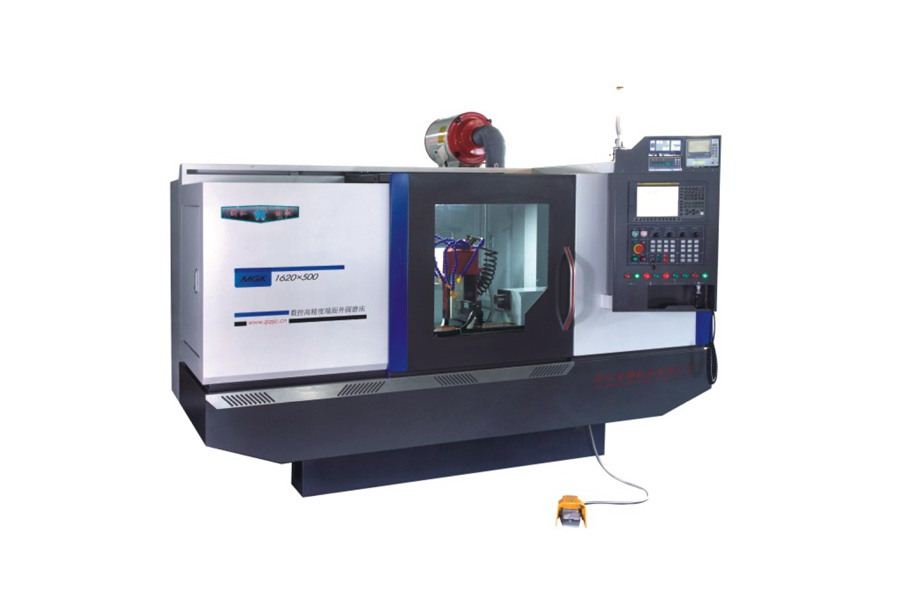
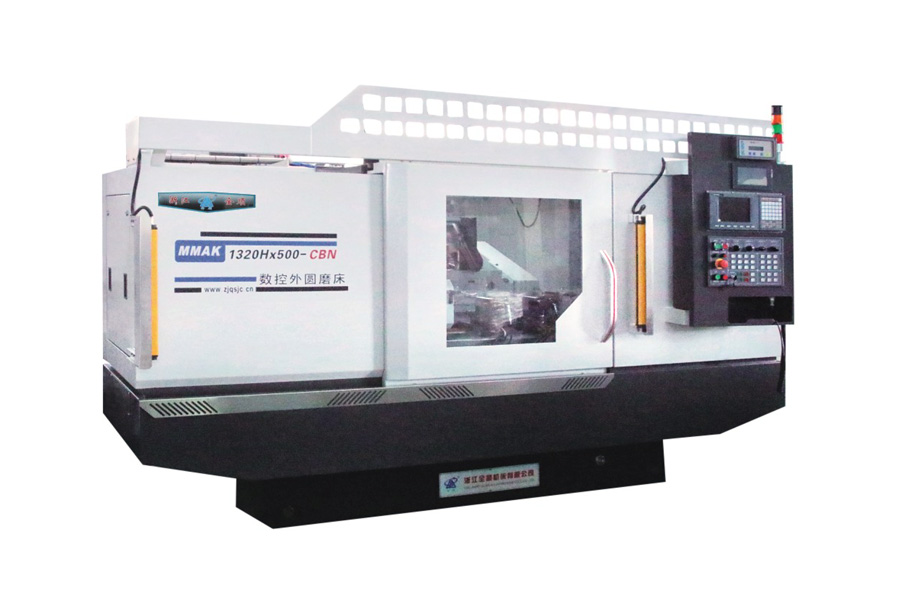
Modern Centerless Grinding Machine designs incorporate thermal compensation and in-process diameter measurement to address drift automatically, making them substantially more reliable for high-volume precision work than older manually compensated models.
Workpiece Pull-In and Ejection Failures
In throughfeed centerless grinding, parts occasionally stall inside the grinding gap or shoot out at unpredictable angles. Both situations interrupt production and risk operator injury.
- Pull-in is caused by excessive infeed pressure relative to regulating wheel friction. Reduce stock removal per pass or increase regulating wheel surface speed to improve part control.
- Erratic ejection typically indicates a worn or incorrectly angled end stop. The exit guide angle should match the regulating wheel tilt within 0.5 degrees.
- Parts lighter than 50 g with length-to-diameter ratios above 10:1 are particularly prone to instability. In these cases, use a steady rest or switch to infeed mode.
Wheel Loading and Glazing
A loaded wheel has workpiece material embedded in the pores; a glazed wheel has cutting grains worn flat. Both produce high forces, heat, and poor surface finish — yet they feel similar under load and are often misdiagnosed.
- Loading is more common with aluminum, copper, and other soft non-ferrous materials. Switch to an open-structure wheel (structure numbers 10–13) and use a dedicated non-ferrous coolant.
- Glazing is more common on very hard steel (above 62 HRC). Move to a softer wheel grade or increase dress frequency. A sharp diamond dresser maintained at 0.3–0.5 mm nose radius produces a more open wheel face.
- A simple field test: if the grinding power draw rises more than 15% above baseline between dress cycles, the wheel needs dressing regardless of the scheduled interval.
Diagnosing Problems Systematically
When a defect appears, changing multiple parameters at once makes the root cause impossible to isolate. Use this sequence:
- Record the exact defect type, when it started, and whether it is consistent across all parts or random.
- Change one variable at a time and run at least 10 parts before evaluating the result.
- Start with dressing conditions before touching speed or feed, as a fresh wheel surface resolves roughly 40% of grinding defects in practice.
- Use a surface roughness tester (Ra measurement) and a roundness tester rather than relying on visual inspection alone.
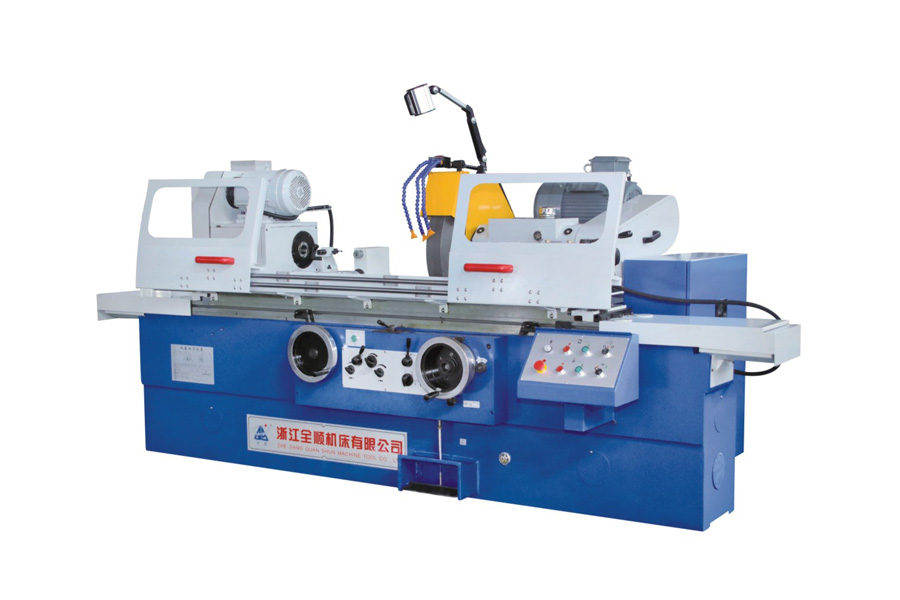
Investing in a quality Centerless Grinding Machine with rigid construction, precision-ground guideways, and accessible dressing systems reduces the frequency of these problems significantly. Rigidity directly determines how quickly vibration damps out, which is the single largest factor in achieving consistent surface finish and geometry across large production volumes.