0086-15068518279 (Chinese)/001-5416026691 (English)



 EN
EN
 中文简体
中文简体Content
Regular maintenance is the single most reliable way to keep an Automatic CNC Cylindrical Grinding Machine running at full accuracy, and the routine boils down to four habits: daily cleaning and lubrication checks, weekly spindle and coolant inspection, monthly precision verification, and a scheduled annual overhaul. Machines that follow this cadence typically maintain tighter roundness tolerances over a longer service life, according to maintenance guidance published by the American National Standards Institute (ANSI B11 series on machine tool safety and upkeep).
Why Maintenance Schedules Matter
An Automatic CNC Cylindrical Grinding Machine combines high speed spindles, precision slideways, automatic loading arms, and closed loop control systems. Each of these subsystems wears differently, so a single generic cleaning routine is not enough. A structured maintenance plan reduces unplanned downtime, protects the grinding wheel and workpiece quality, and extends the working life of ball screws and guideways.
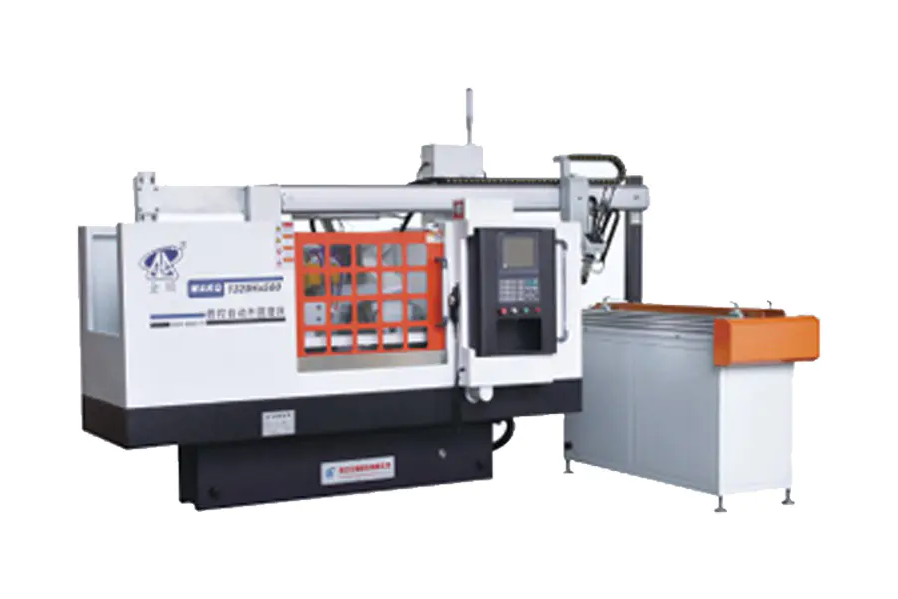
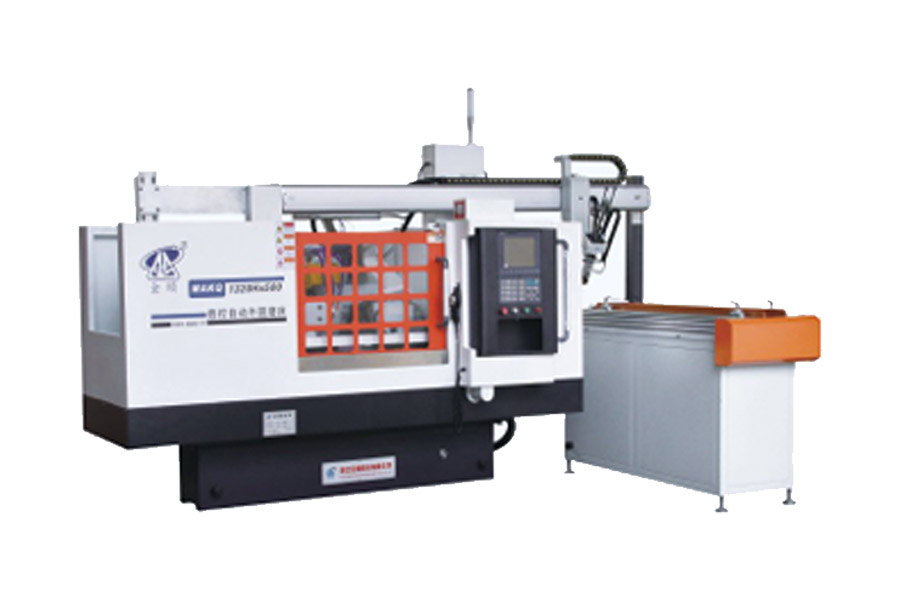
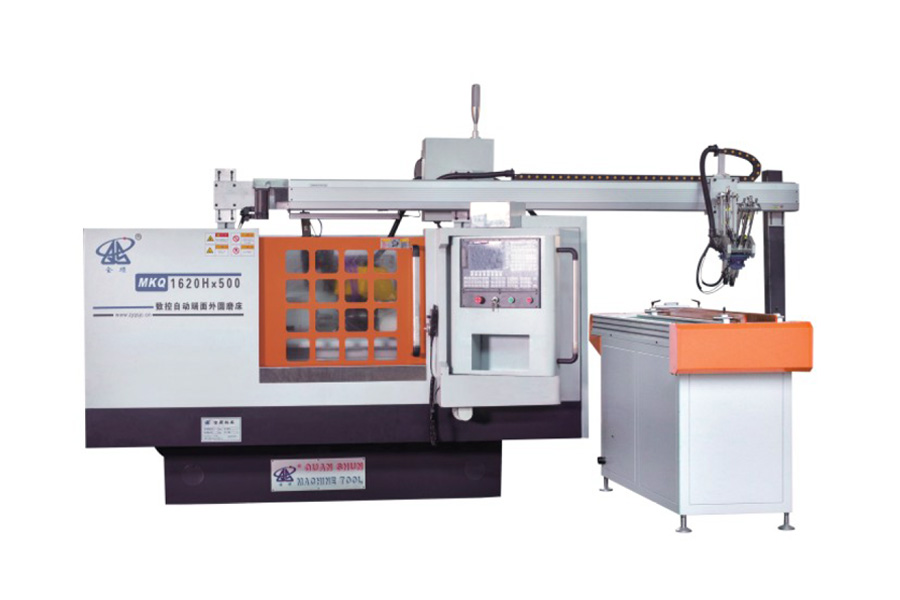
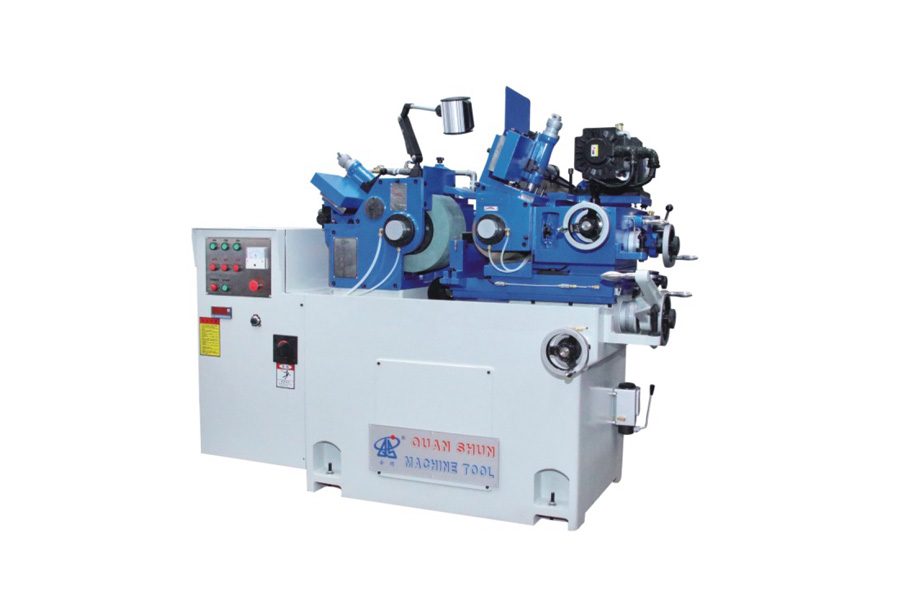
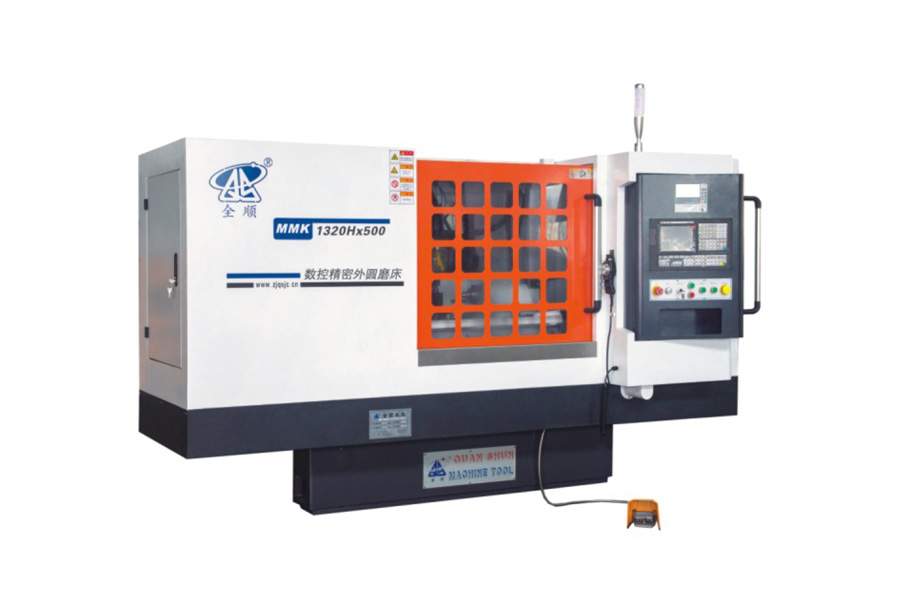
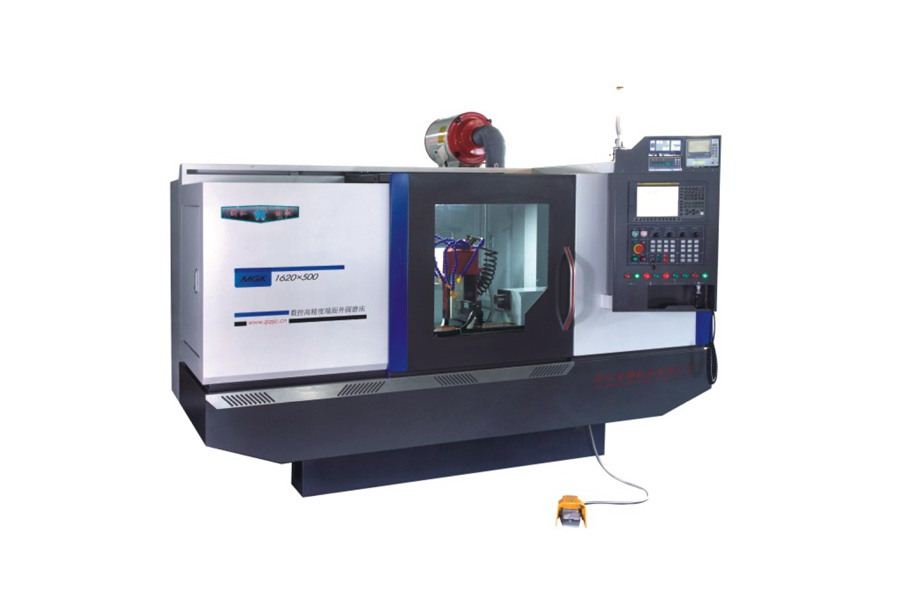
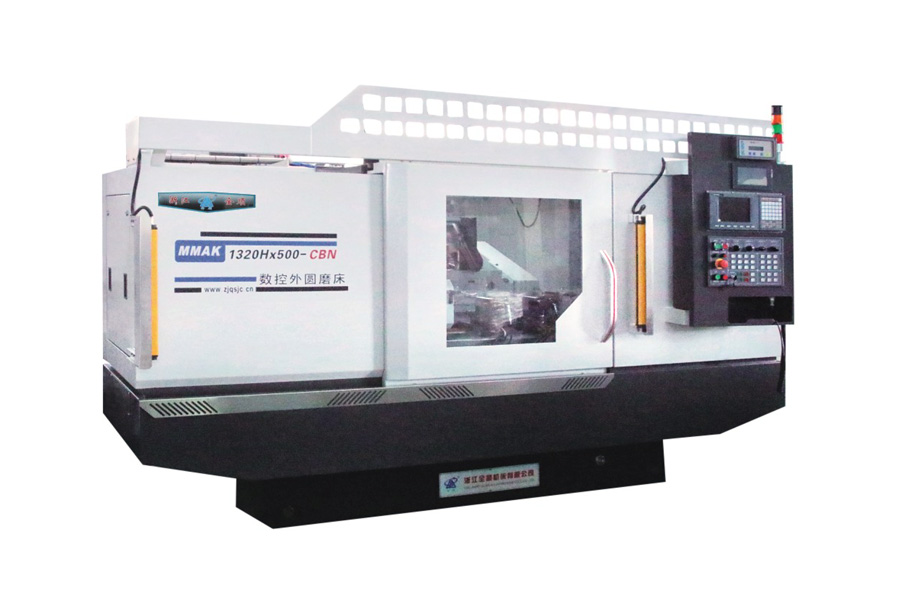
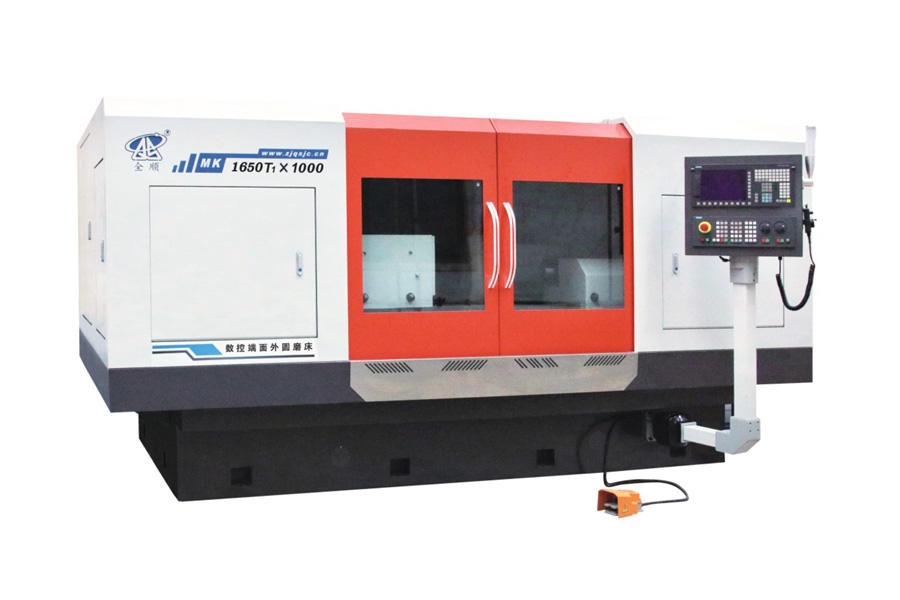
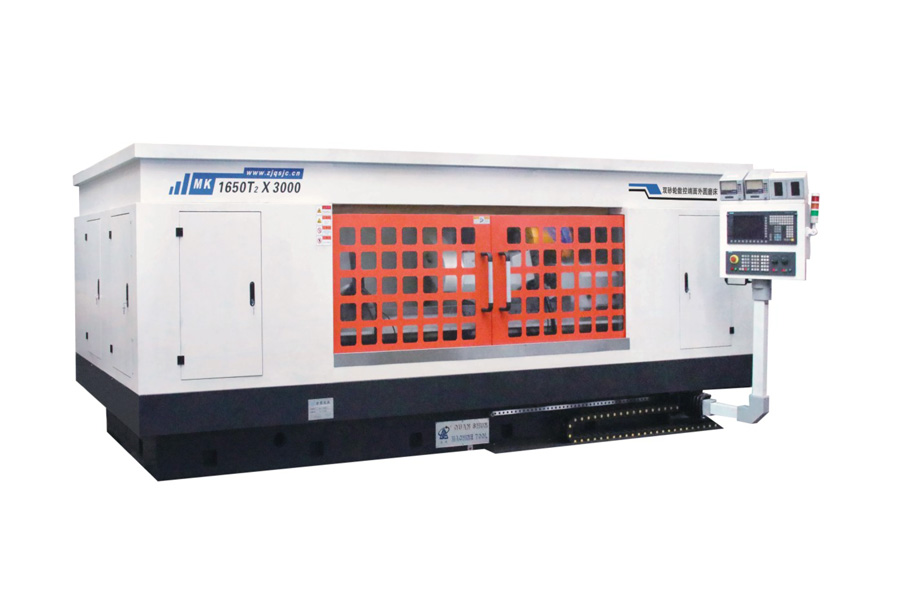
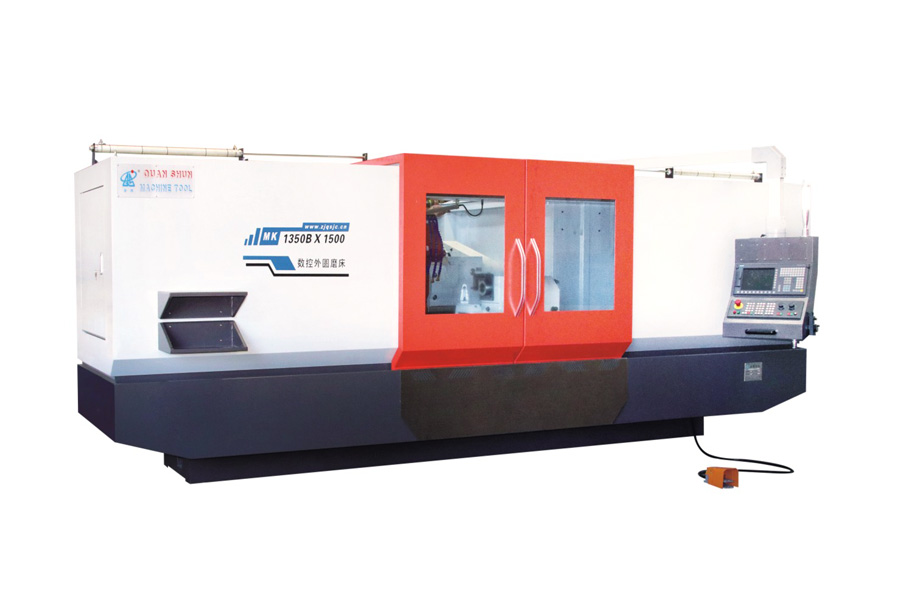
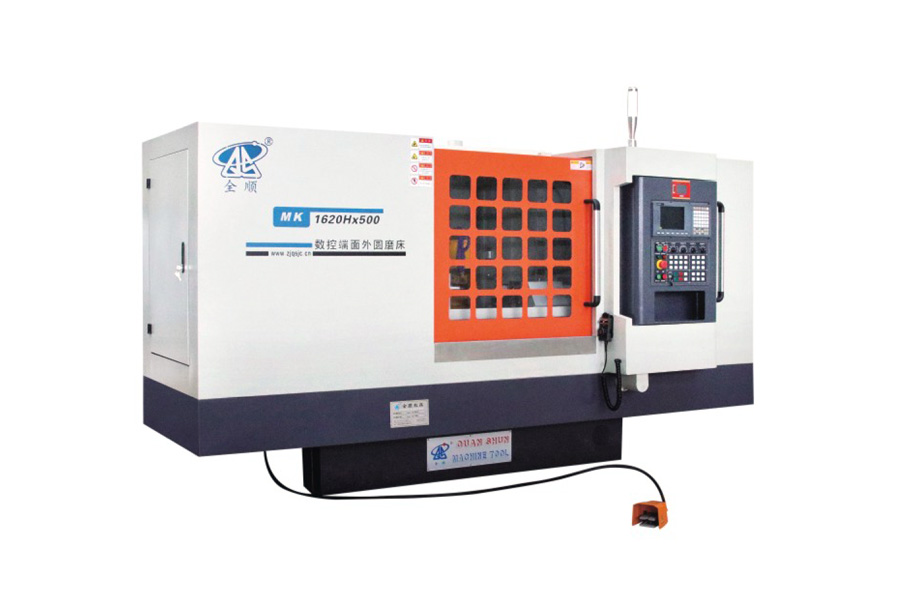
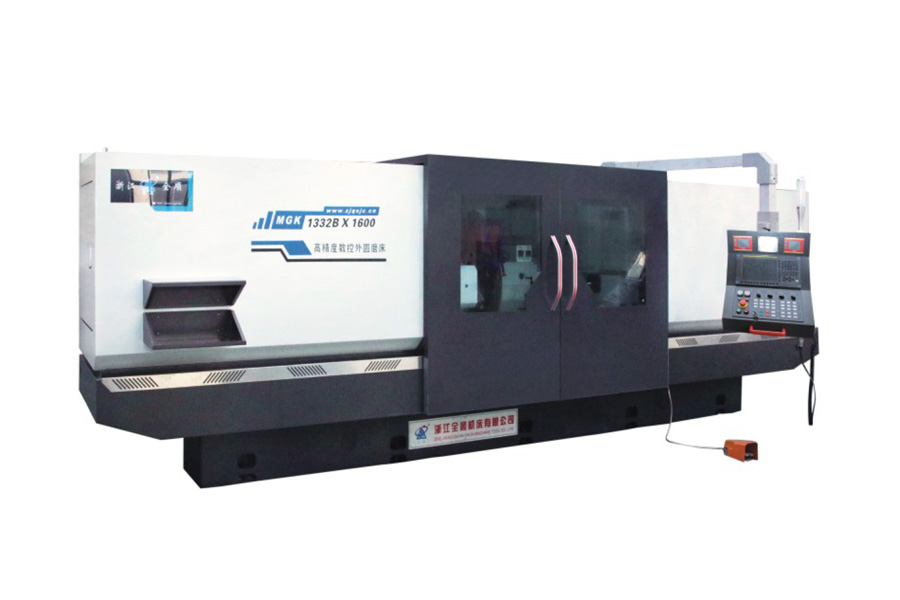
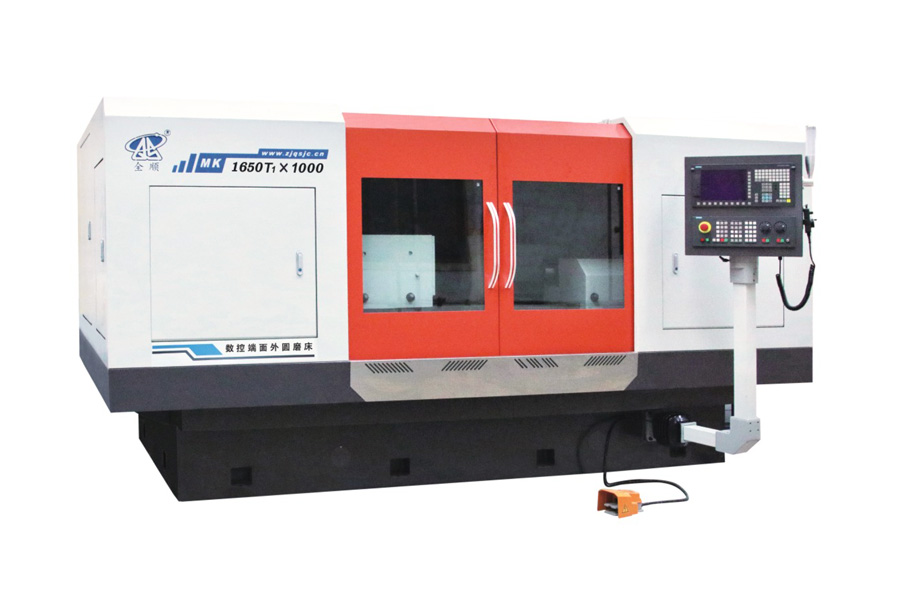
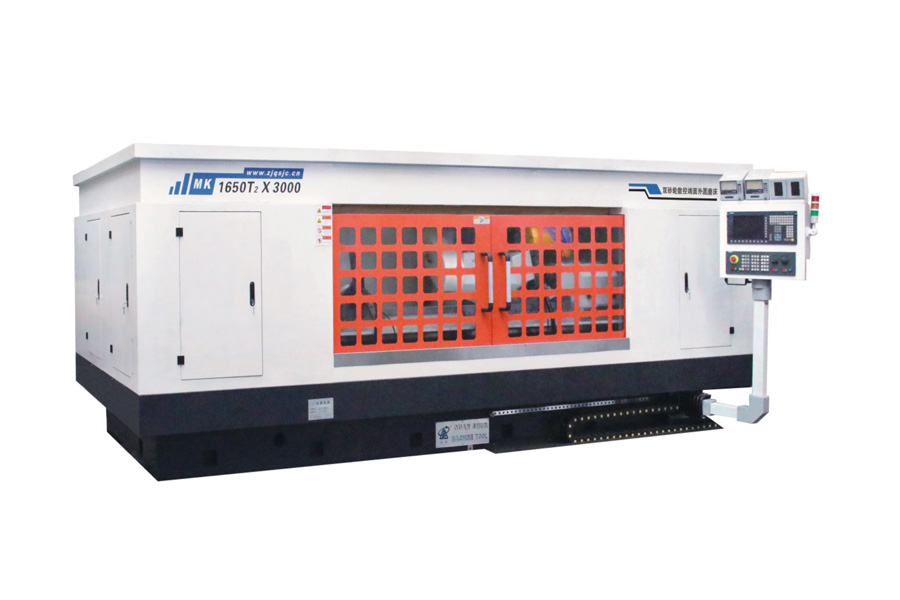
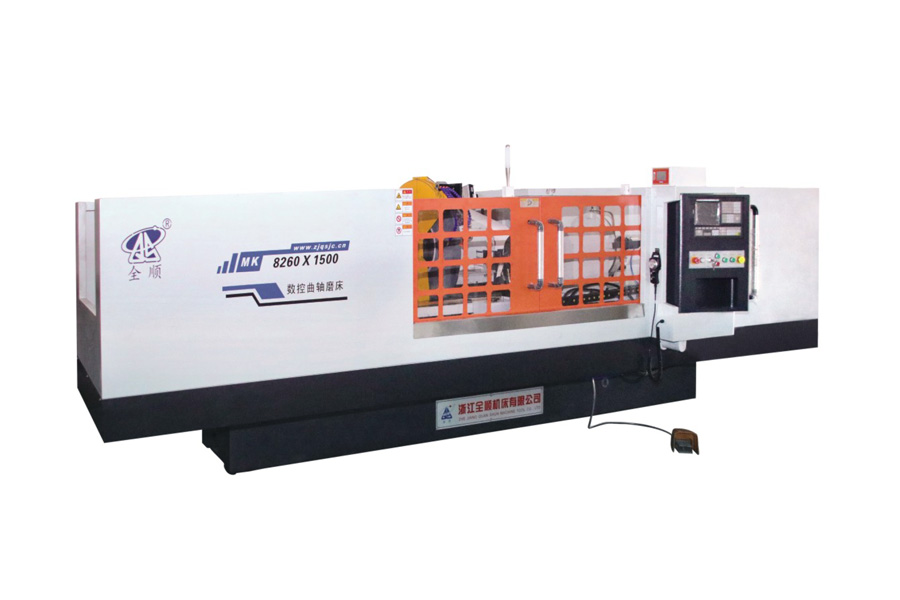
Automatic CNC Cylindrical Grinding Machine
Daily Maintenance Checklist
| Task | Purpose |
| Wipe down slideways and remove grinding debris | Prevents abrasive particles from scoring precision surfaces |
| Check lubrication oil level and pressure gauge | Ensures slideways and spindle bearings receive constant film lubrication |
| Inspect coolant tank level and filter condition | Maintains grinding temperature control and surface finish quality |
| Verify automatic loading and unloading arm alignment | Avoids workpiece misfeeds and collision damage |
| Listen for abnormal spindle or motor noise | Early detection of bearing wear or imbalance |
Weekly and Monthly Inspection Points
Weekly inspection should focus on components that experience cumulative wear under continuous automated cycles. Monthly checks go deeper into precision retention, since dimensional drift often appears gradually rather than suddenly.
| Interval | Inspection Item | Recommended Action |
| Weekly | Grinding wheel balance and dressing condition | Re-balance or dress the wheel if vibration increases |
| Weekly | Coolant concentration and pH level | Adjust mixture ratio per coolant manufacturer specification |
| Weekly | Hydraulic system pressure and hose condition | Replace worn seals before leaks occur |
| Monthly | Spindle runout and thermal stability | Compare against baseline values recorded at installation |
| Monthly | Ball screw backlash and axis positioning accuracy | Recalibrate compensation parameters in the CNC controller |
| Monthly | Electrical cabinet dust and ventilation filters | Clean or replace filters to prevent overheating of control boards |
Lubrication Practices That Protect Precision
Lubrication failure is one of the most common causes of premature wear in grinding machines. The lubrication system on an automated cylindrical grinder typically covers slideways, ball screws, spindle bearings, and the automatic feeding mechanism.
- Use the oil grade specified in the machine manual, since substituting a lower viscosity oil can reduce film strength under load.
- Check automatic lubrication pump cycles to confirm oil is reaching every distribution point.
- Replace lubrication filters at the interval defined by the manufacturer, not only when a fault alarm appears.
- Keep records of oil consumption, since a sudden increase often signals a leak or worn seal.
Coolant System Care
Coolant performance directly affects surface finish, wheel life, and thermal stability of the workpiece. Poorly maintained coolant can cause rust, bacterial growth, and inconsistent grinding results.
| Coolant Issue | Likely Cause | Maintenance Response |
| Strong odor or discoloration | Bacterial contamination | Drain, clean tank, and refill with fresh coolant mixture |
| Reduced cooling effect | Low concentration or clogged nozzles | Test concentration with a refractometer and clear nozzle blockages |
| Excessive foaming | Wrong mixing ratio or aeration | Adjust ratio per supplier datasheet and check pump intake |
Automatic Loading and Unloading System Upkeep
The automation arm and gripper assembly on an Automatic CNC Cylindrical Grinding Machine require their own inspection routine, separate from the grinding spindle. Misaligned grippers or worn sensors are a frequent cause of cycle interruptions in unattended production.
- Inspect gripper jaws for wear that could cause workpiece slippage during transfer.
- Check proximity sensors and limit switches for dust accumulation or signal drift.
- Verify pneumatic or servo actuator timing matches the programmed cycle sequence.
- Test emergency stop and safety interlock functions on a regular schedule.
Annual Overhaul Recommendations
An annual overhaul gives technicians the opportunity to address wear that daily and monthly checks cannot fully capture. This typically includes full geometric accuracy testing, replacement of worn bearings, and recalibration of the CNC control system against a certified reference standard, a practice consistent with periodic verification recommendations found in ISO 230 machine tool testing standards.
| Annual Task | Why It Matters |
| Full geometric accuracy testing with laser interferometer | Confirms axis positioning meets original specification |
| Spindle bearing inspection or replacement | Prevents sudden spindle failure during production |
| Recalibration of CNC parameters and compensation tables | Restores dimensional accuracy after a year of wear |
| Structural alignment check of bed and guideways | Detects foundation settling or thermal distortion |
Common Maintenance Mistakes to Avoid
- Skipping lubrication checks during high production periods, when wear actually accelerates fastest.
- Using incompatible coolant brands that react poorly with machine seals or paint.
- Ignoring small vibration changes that often precede bearing or balance problems.
- Delaying software and firmware updates that resolve known automation control issues.
Conclusion
A disciplined maintenance routine covering daily cleaning, weekly inspection, monthly precision checks, and an annual overhaul keeps an Automatic CNC Cylindrical Grinding Machine producing consistent, accurate results while reducing the risk of costly unplanned downtime. Operators who document inspection results and follow manufacturer specified intervals tend to see the longest service life from both the grinding spindle and the automation system.