0086-15068518279 (Chinese)/001-5416026691 (English)



 EN
EN
 中文简体
中文简体Content
Operating a CNC Machine tool is not an insurmountable task. With proper steps and standardized operation, even beginners can master basic machining skills in a short time. This article will systematically explain how to operate a CNC Machine tool step-by-step, providing practical references for machining personnel with examples and data.
Understanding the Basic Structure and Functions of a CNC Machine Tool
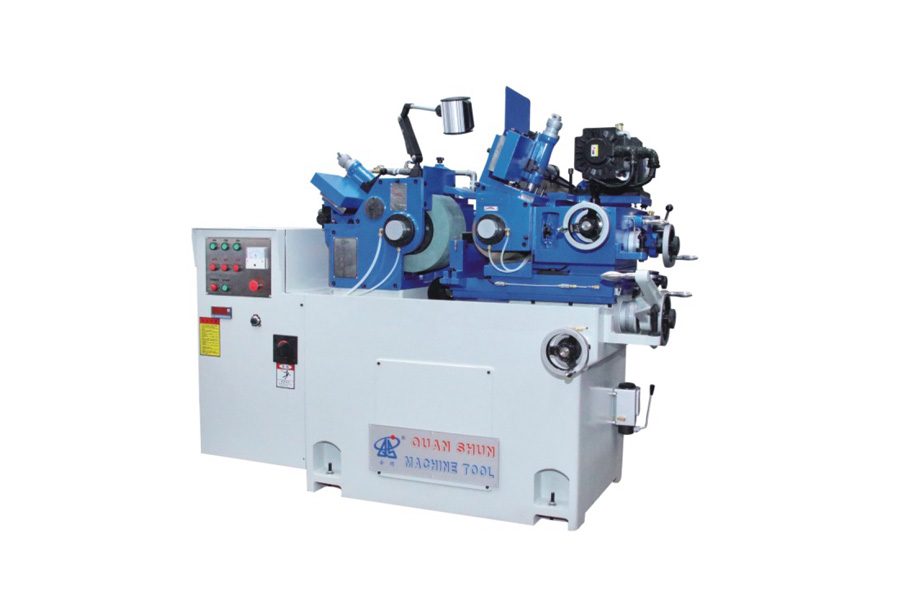
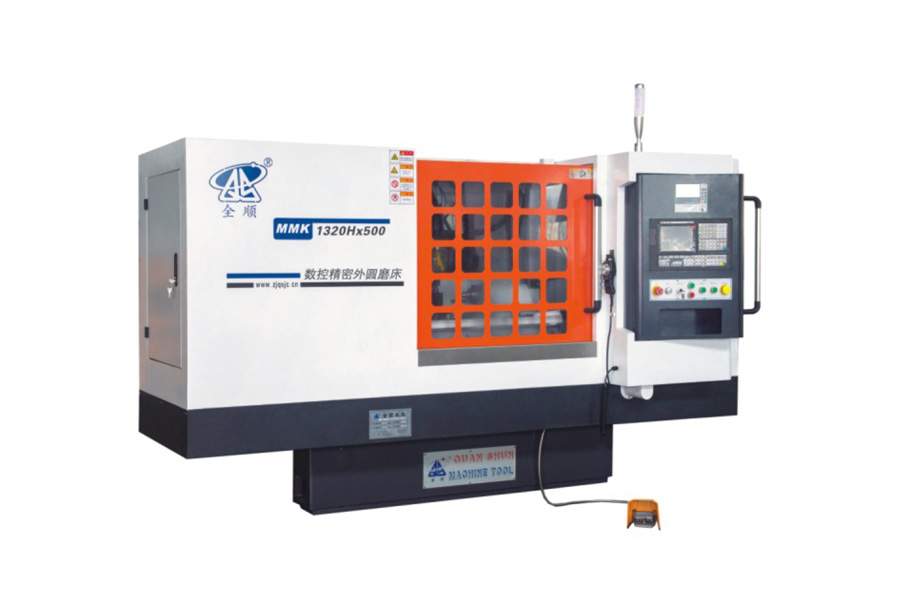
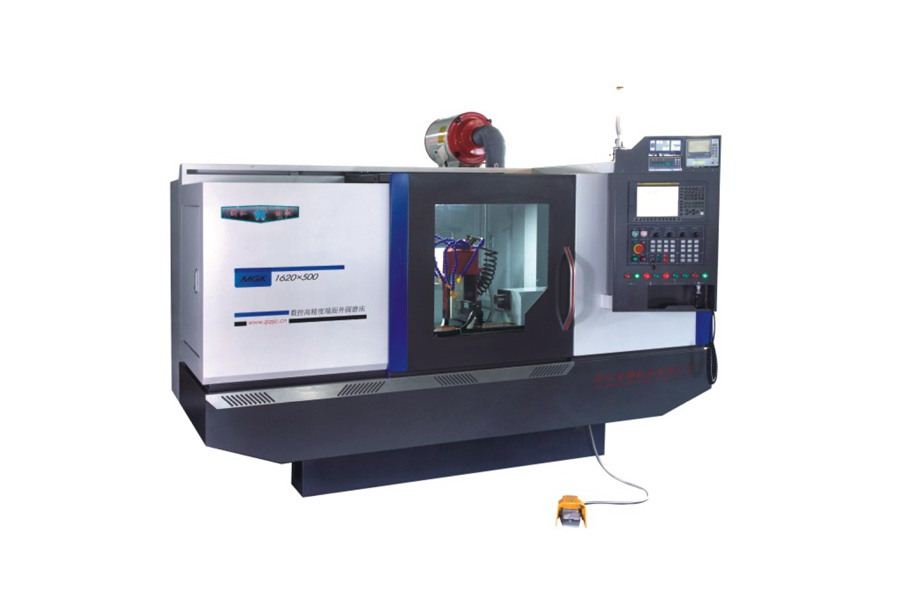
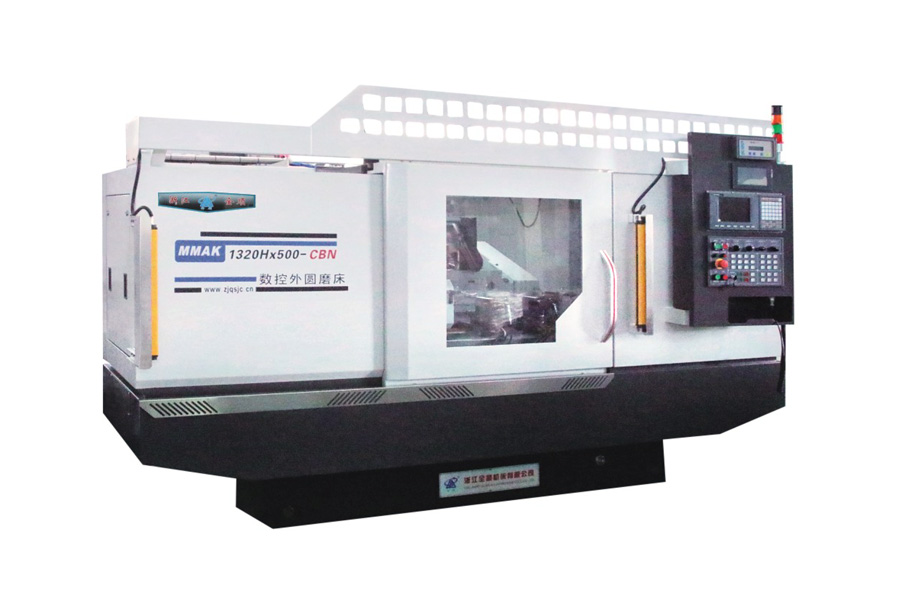
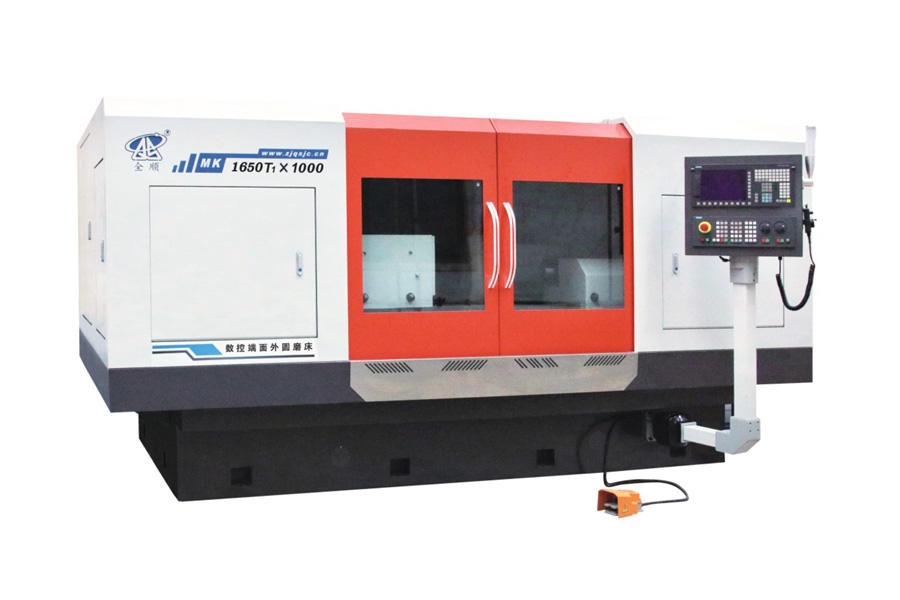
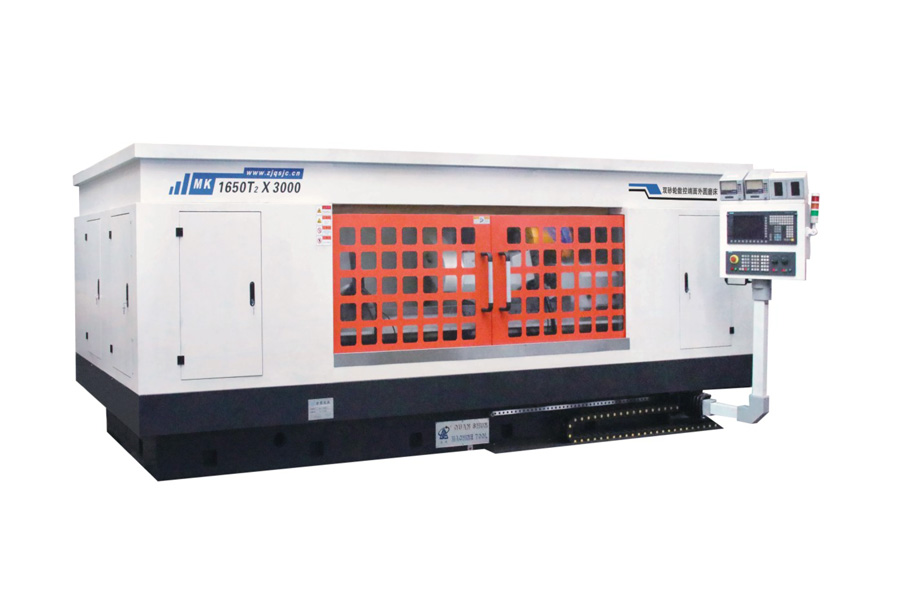
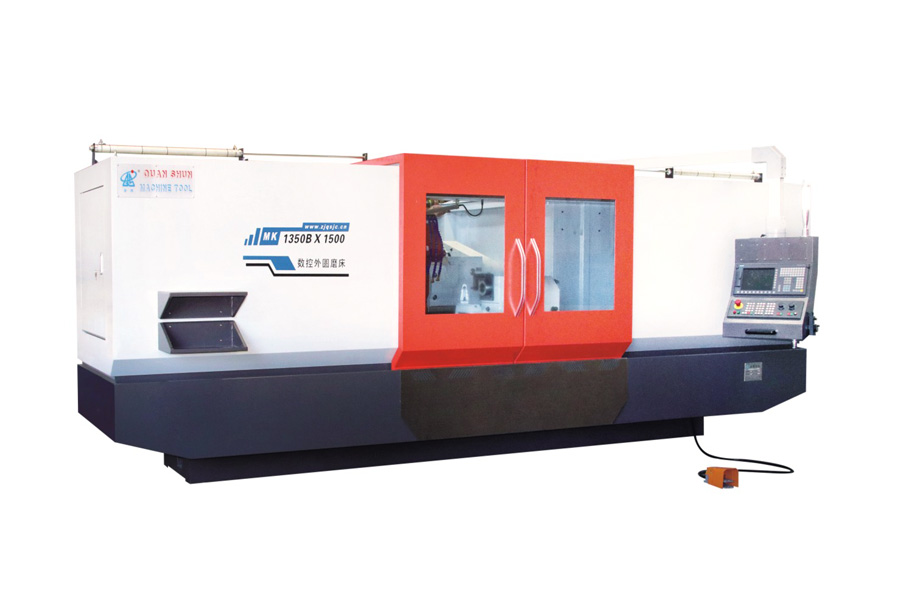
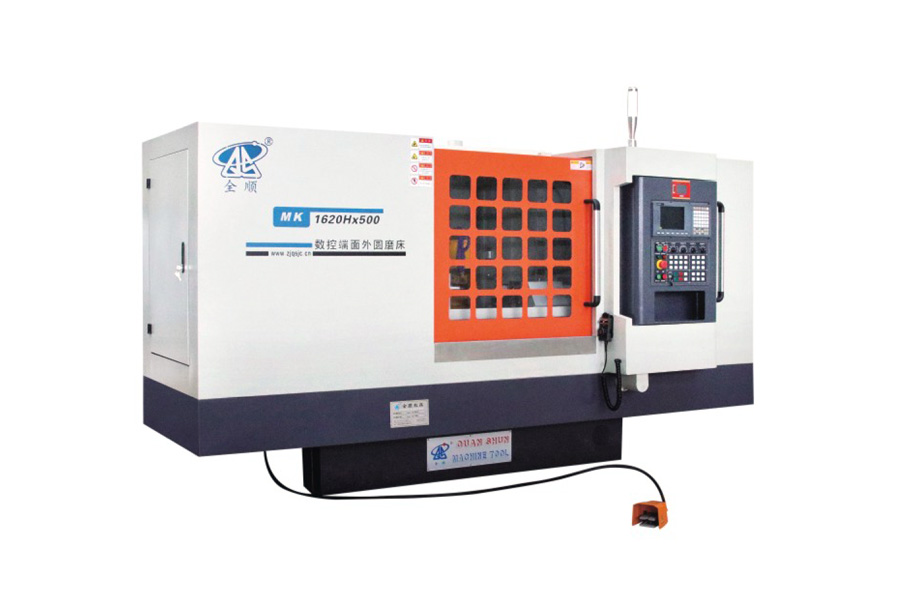
Before starting to operate it, you must be familiar with the components of a CNC machine tool. A typical CNC machine tool includes the machine body, CNC system, servo drive mechanism, and tooling system.
The machine body determines the machining accuracy. For example, a high-rigidity horizontal machining center can achieve a maximum machining accuracy of ±0.01mm.
The CNC system is the core of operation. Systems such as FANUC and Siemens support multi-axis linkage and complex path planning.
Choosing the appropriate tool type can improve machining efficiency and surface quality. For example, using coated milling cutters can extend tool life by more than 30%.
By understanding these basic functions, operators can correctly select machining parameters and tool types in subsequent operations.
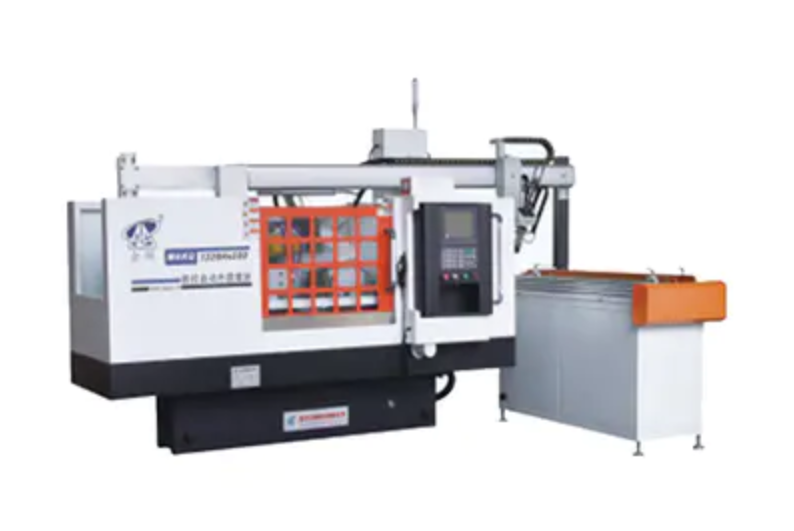
Preparation: Workpiece Fixing and Program Loading
Workpiece fixing and program loading are crucial steps for safety and machining quality in CNC Machine tool operation.
Workpiece fixing should use a vise, clamp, or vacuum chuck to ensure no displacement occurs during machining. For example, in aluminum machining, unstable fixing can lead to surface errors exceeding 0.1 mm.
Program loading requires importing the G-code or machining program into the CNC system and checking the coordinate system, origin position, and tool length compensation. Simulation runs can identify potential collision risks in advance, reducing the likelihood of equipment damage.
Setting Machining Parameters and Tool Selection
Machining parameters directly affect machining efficiency and part quality. Core parameters include cutting speed, feed rate, and depth of cut.
For milling steel, a cutting speed of 80–120 m/min and a feed rate of 0.05–0.2 mm/tooth are recommended.
Selecting carbide tools can improve wear resistance, reduce replacement frequency, and increase production efficiency by approximately 20%.
Employing rational toolpath planning, such as climb milling over conventional milling, can reduce tool wear and improve surface roughness.
Actual Operation and Monitoring of the Machining Process
Operating CNC Machine tools involves more than just starting them according to the program; continuous monitoring is essential.
During machining, attention should be paid to the supply of cutting fluid, preventing overheating, and monitoring tool wear.
Using machine tool monitoring functions, such as load monitoring and vibration detection, can effectively prevent workpiece damage and machine tool accidents.
For example, an automotive parts factory reduced the tool breakage rate from 5 times per month to 1 time by monitoring the tool load of its machining center in real time, significantly improving production efficiency.
Post-Machining Inspection and Maintenance
After machining, workpiece dimensional inspection and machine tool maintenance are mandatory.
Using calipers, micrometers, or coordinate measuring machines for dimensional inspection ensures that part accuracy meets design requirements.
Clean machine tool debris and lubricate guideways, and regularly inspect the hydraulic and cooling systems to extend the machine tool's service life by 5–10 years.
By following the steps above, even beginners can complete the entire operation process on a CNC Machine tool, from workpiece fixing, program loading, parameter setting to actual machining and inspection. Mastering these key operational points can not only improve machining efficiency but also ensure part accuracy and machine tool lifespan.