0086-15068518279 (Chinese)/001-5416026691 (English)



 EN
EN
 中文简体
中文简体Content
- 1 Understand the Major CNC Grinding Machine Types
- 2 Match Machine Type to Workpiece Geometry
- 3 Evaluate Material Properties Before Selecting a Grinder
- 4 Define Your Tolerance and Surface Finish Requirements
- 5 Factor In Production Volume and Automation Needs
- 6 Key Technical Specifications to Compare Across Models
- 7 Consider the Wheel System and Dressing Strategy
- 8 Assess Floor Space, Utilities, and Total Cost of Ownership
- 9 Use a Structured Decision Checklist
Choosing the right type of CNC grinding machine starts with one core question: What geometry, tolerance, and material does your workpiece demand? Match the machine type to those three variables first, then refine the decision based on production volume, automation requirements, and floor-space constraints. The sections below break down every major machine category, the specs that matter most, and the decision criteria that separate a good investment from an expensive mistake.
Understand the Major CNC Grinding Machine Types
There is no single "best" grinder — each type is engineered for a specific class of workpiece geometry. Mismatching machine type to application is the most common and costly selection error.
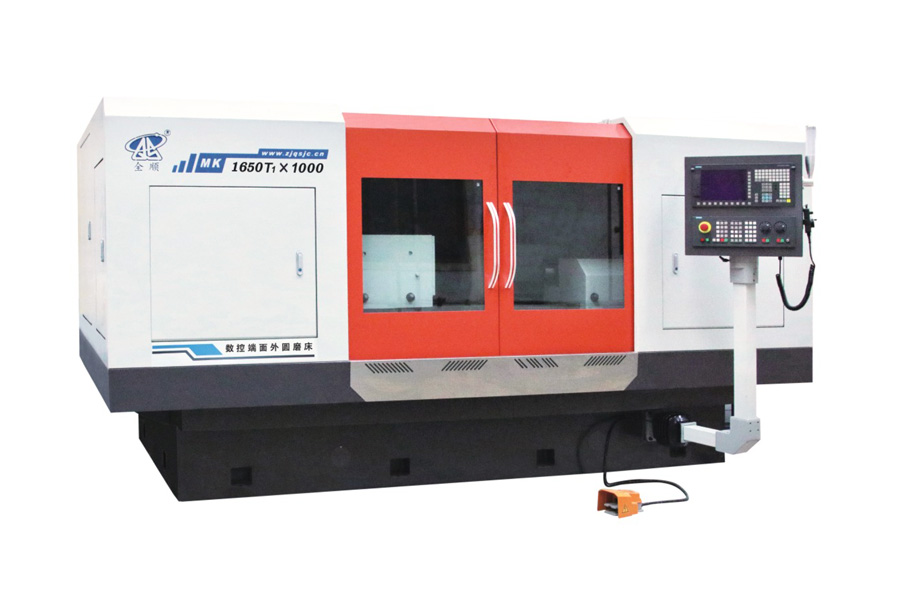
Surface Grinders
Surface grinders remove material from flat or contoured surfaces. CNC variants offer automatic table traverse, depth-of-cut control, and multi-pass programming. They are the default choice for tool-and-die shops, mold makers, and precision plate work. Typical flatness achievable: ±0.002 mm over 300 mm.
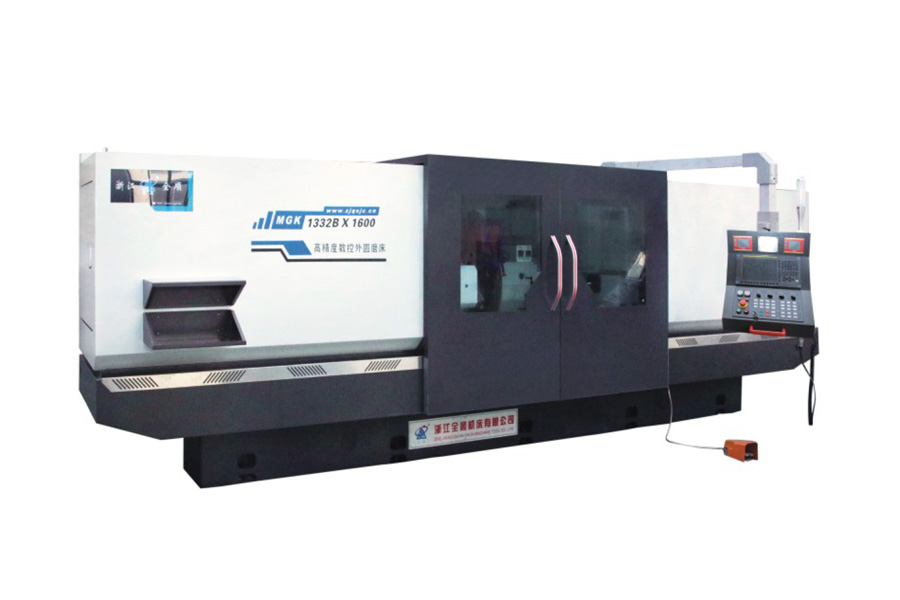
Cylindrical Grinders (OD/ID)
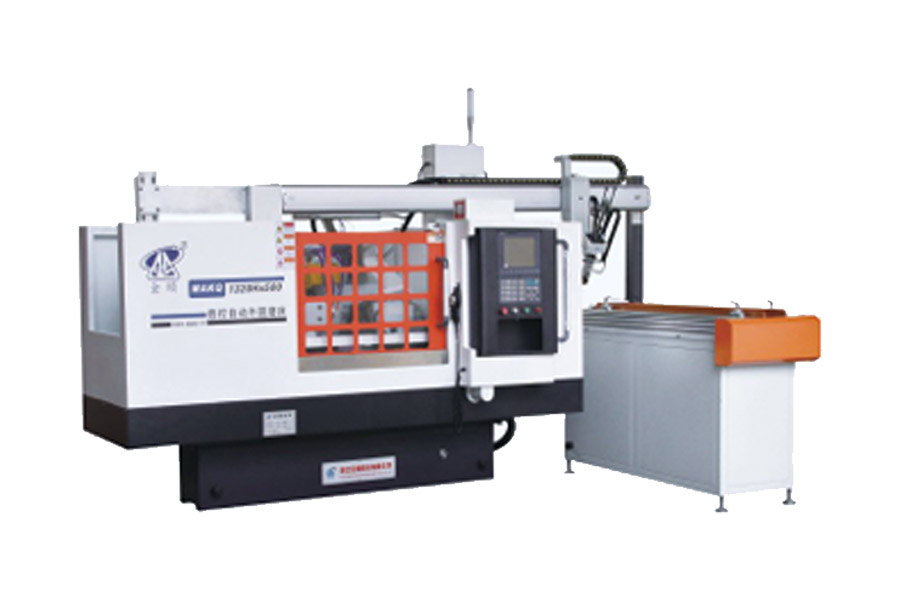
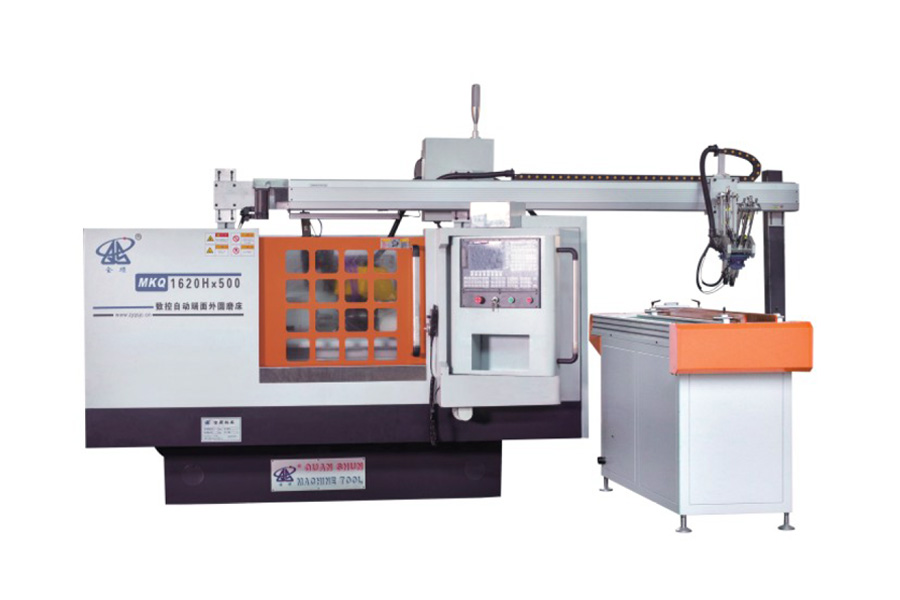
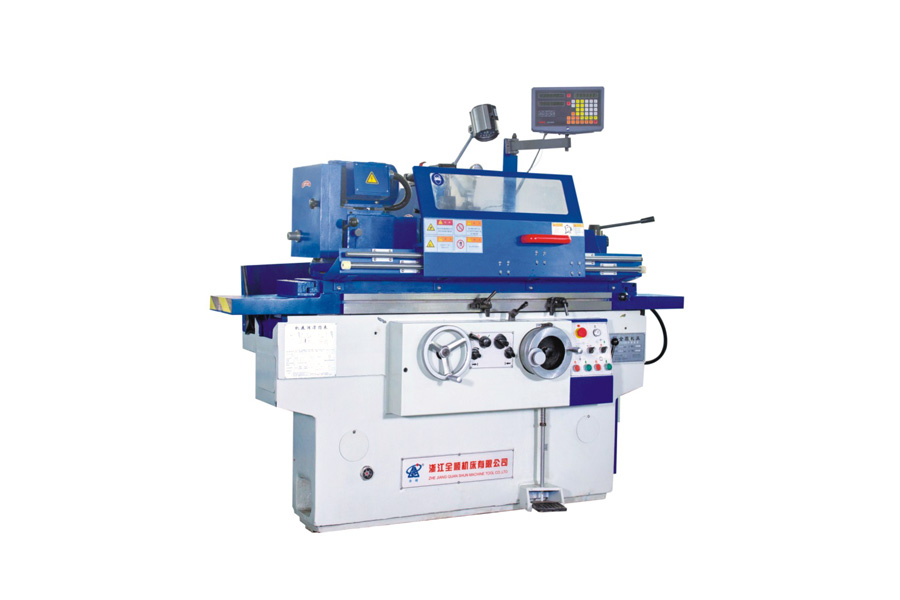
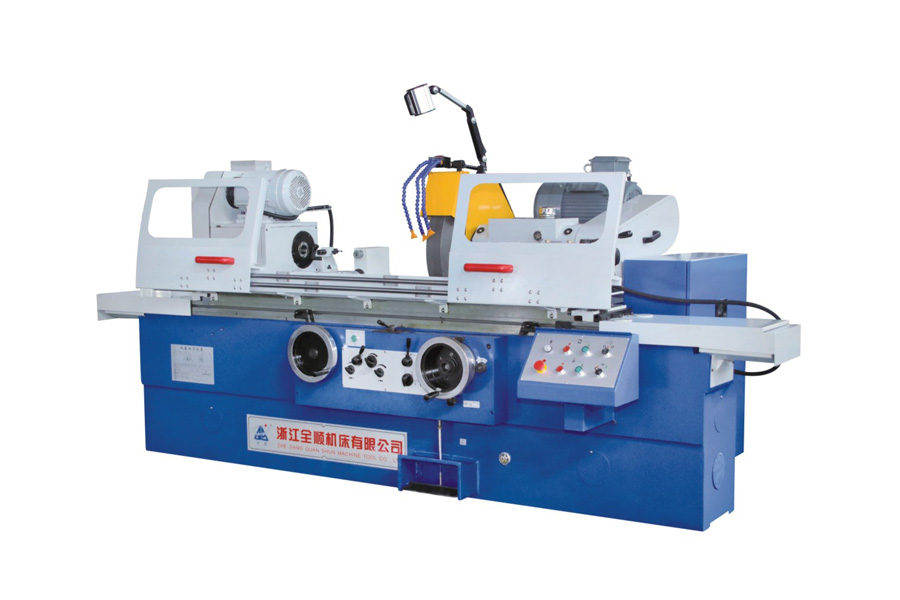
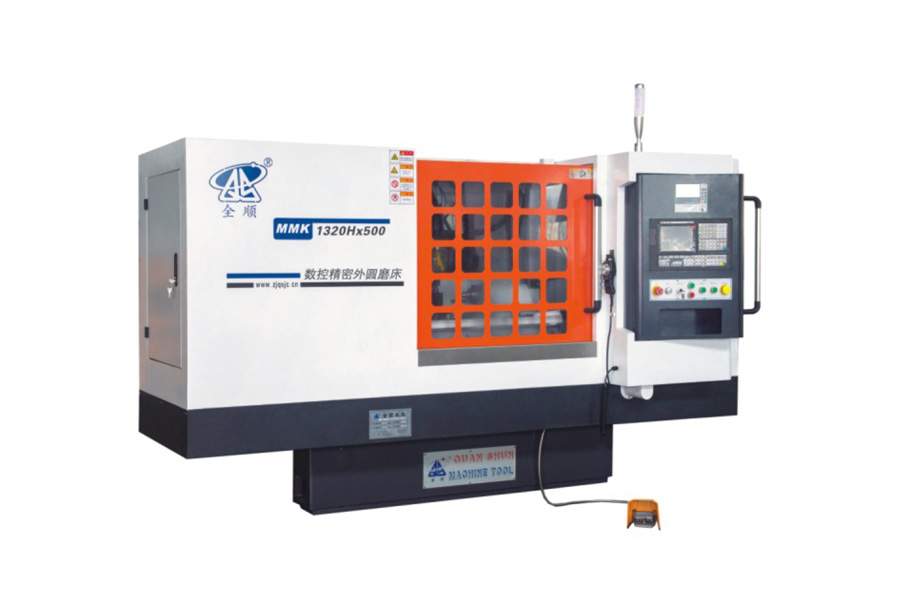
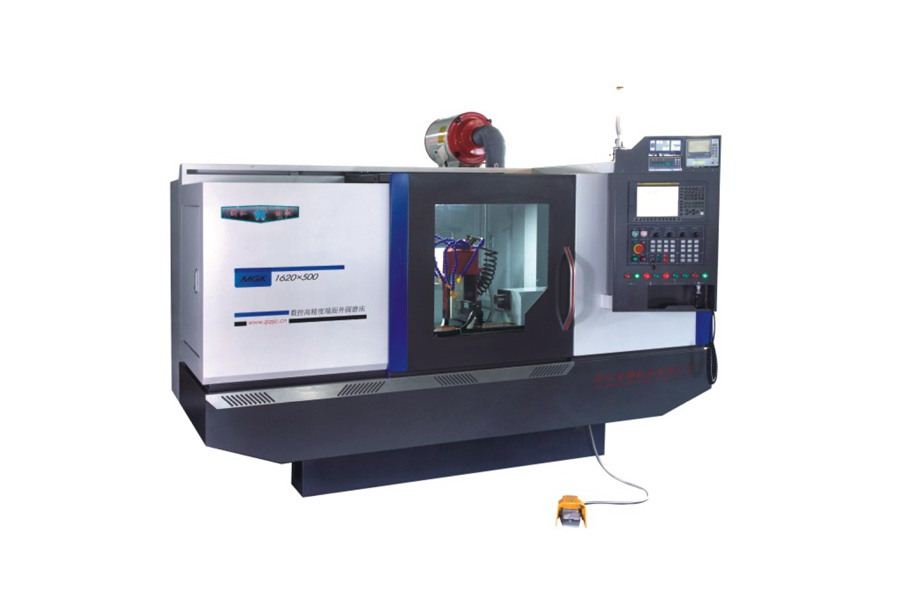
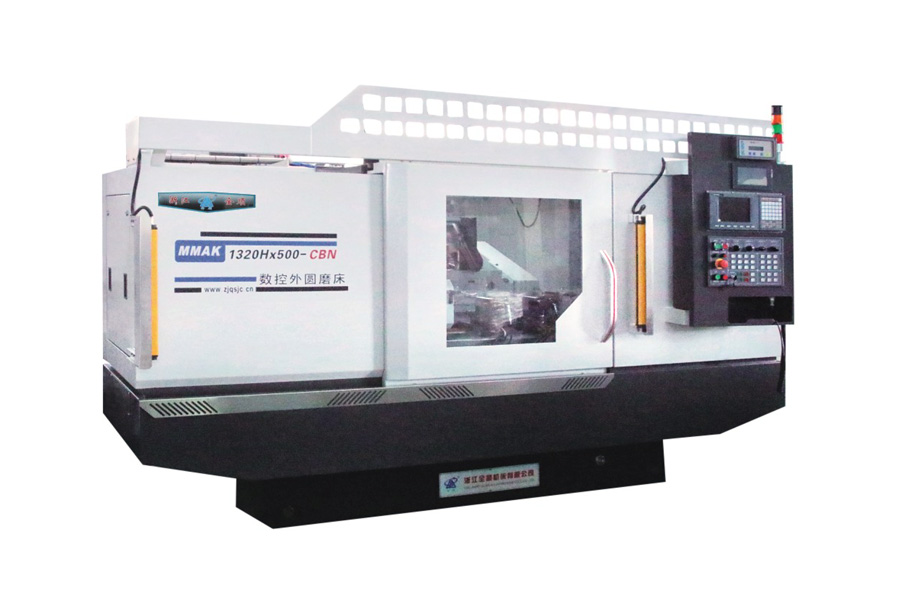
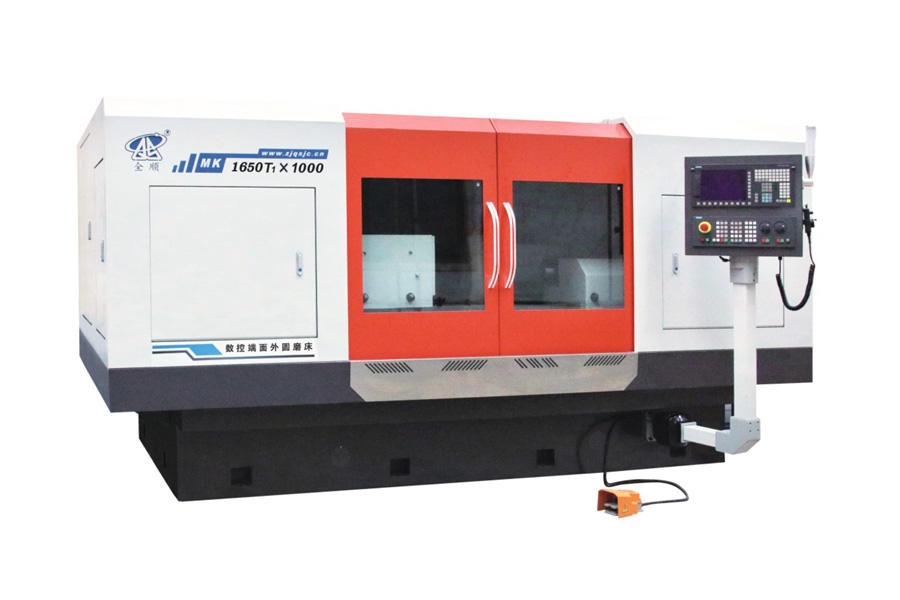
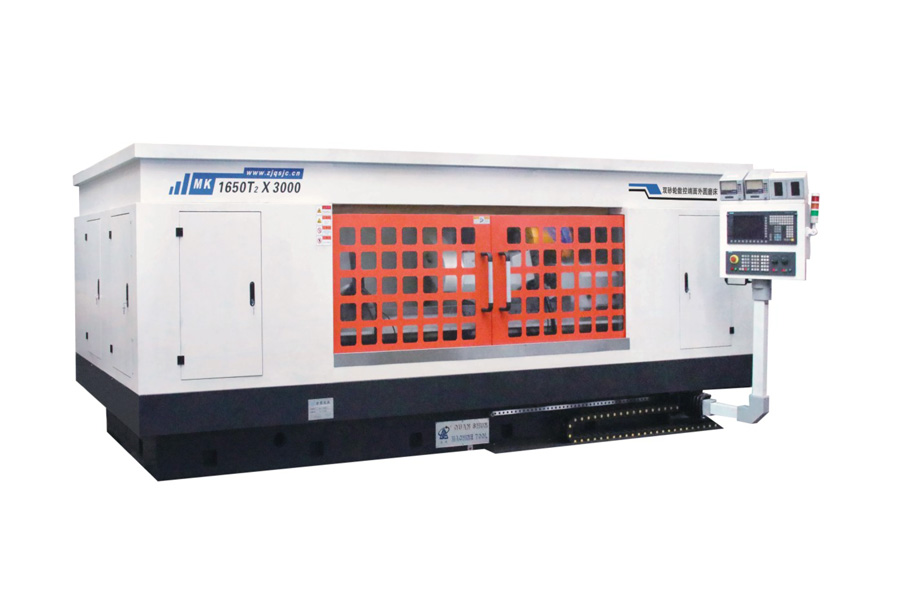
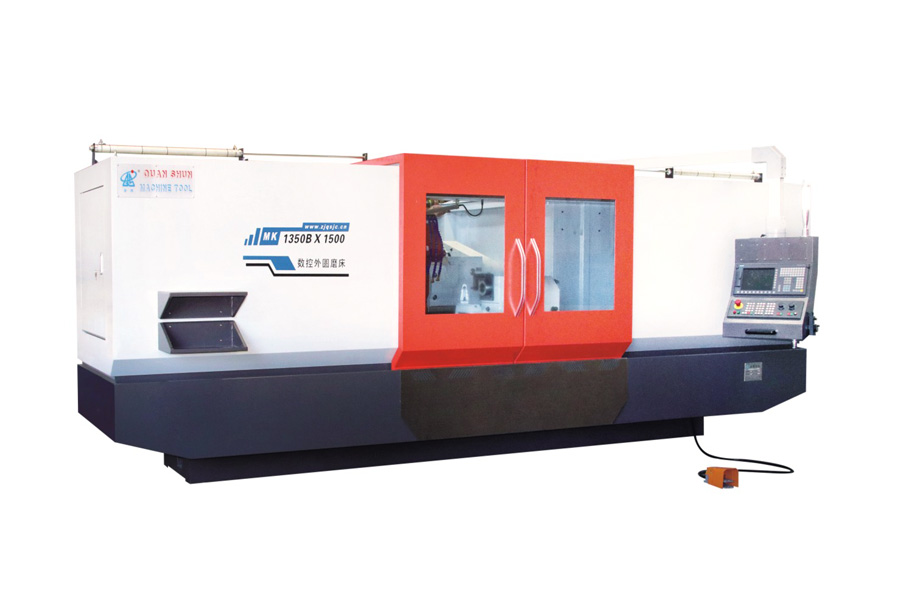
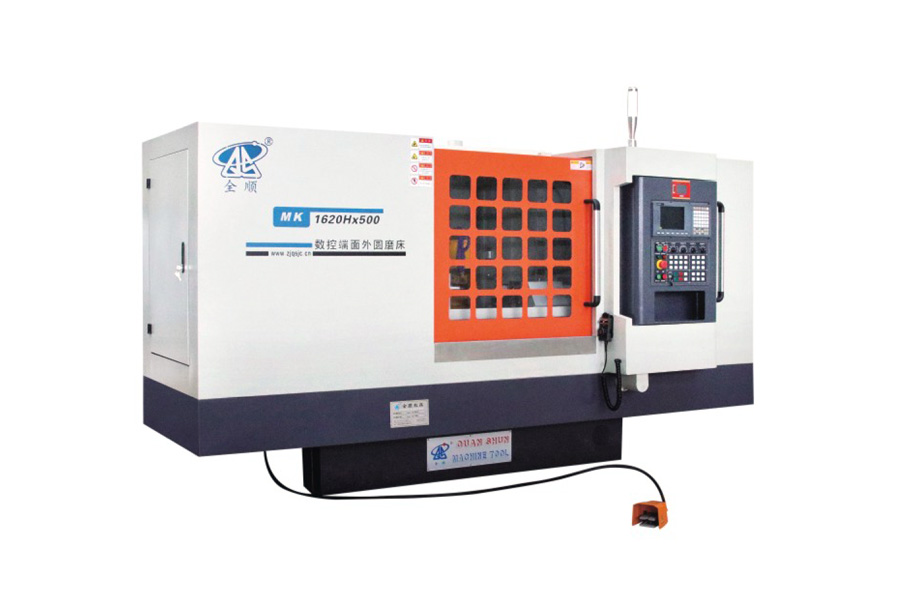
External (OD) cylindrical grinders finish shafts, pins, and rollers to tight diameter tolerances — routinely IT5 or better (±0.004 mm on a 50 mm diameter). Internal (ID) grinders tackle bores, races, and sleeves. Universal cylindrical grinders handle both OD and ID in a single setup, reducing part handling and improving concentricity.
Centerless Grinders
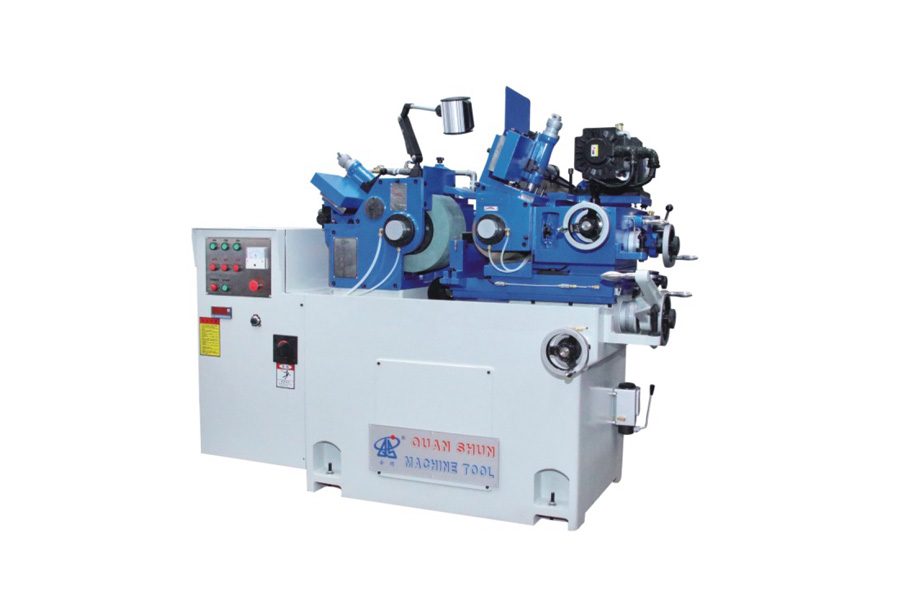
Parts rest on a work-rest blade between a grinding wheel and a regulating wheel — no centers or chucks required. This setup enables continuous through-feed production, making centerless grinders the preferred solution for high-volume bar stock, pins, and hydraulic components. Cycle times per part can be under 5 seconds for simple geometries.
Tool and Cutter Grinders
These 5-axis machines are purpose-built for manufacturing and re-sharpening cutting tools — end mills, drills, reamers, and inserts. CNC control allows complex flute geometry to be programmed with micron-level repeatability, which is essential when tool runout directly affects part quality downstream.
Jig Grinders
Jig grinders combine precision XY positioning with a high-speed spindle to grind hardened holes, pockets, and contours to tolerances as tight as ±0.001 mm. They are indispensable in aerospace and medical device tooling where positional accuracy cannot be compromised.
Creep-Feed Grinders
Instead of many shallow passes, creep-feed grinding takes a single very deep cut at a slow feed rate. This approach is ideal for profiling complex shapes in superalloys (Inconel, titanium) and hardened steels where conventional grinding would overheat the part. Material removal rates can be 10–50× higher than reciprocating surface grinding on the same profile.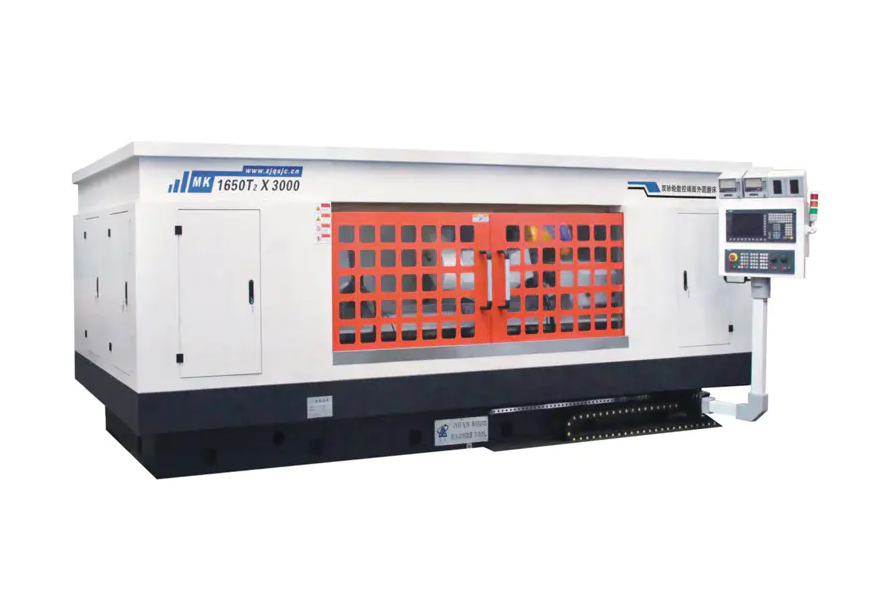
Match Machine Type to Workpiece Geometry
Use the table below as a fast reference to align geometry requirements with the correct machine category.
| Workpiece Feature | Recommended Machine Type | Typical Tolerance |
|---|---|---|
| Flat surfaces / plates | Surface grinder | ±0.002 mm flatness |
| External diameters (shafts, pins) | OD cylindrical grinder | IT4–IT6 |
| Internal bores / races | ID cylindrical grinder | IT4–IT6 |
| High-volume round bars / rods | Centerless grinder | ±0.003 mm diameter |
| Cutting tool flutes / edges | Tool and cutter grinder | ±0.002 mm runout |
| Hardened holes / complex pockets | Jig grinder | ±0.001 mm positional |
| Complex profiles in superalloys | Creep-feed grinder | ±0.005 mm profile |
Evaluate Material Properties Before Selecting a Grinder
Material hardness, thermal sensitivity, and abrasiveness all influence which machine configuration — and which wheel specification — will produce acceptable results without damaging the workpiece surface.
- Hardened steel (58–65 HRC): Standard aluminum oxide or CBN wheels on a cylindrical or surface grinder. CBN wheels last up to 100× longer than conventional abrasives on hardened steel, reducing wheel-change downtime significantly.
- Cemented carbide: Requires diamond wheels. Jig grinders and tool grinders with diamond-plated or resin-bond diamond wheels are the standard choice.
- Superalloys (Inconel, titanium): High heat generation demands creep-feed grinding with high-pressure coolant systems (often 70 bar / 1,000 psi) to prevent thermal damage and re-hardening of the surface layer.
- Ceramics and glass: Ultra-precision grinders with fine-grit diamond wheels and minimal cutting forces; surface grinders or cylindrical grinders with specialized low-force spindles.
- Soft metals (aluminum, copper): Resinoid or rubber-bond wheels to minimize loading; surface or cylindrical grinders depending on geometry.
Define Your Tolerance and Surface Finish Requirements
Tolerance class and surface finish (Ra) requirements are decisive filters. Specifying tighter tolerances than necessary drives up machine cost and cycle time without adding functional value.
- Ra 0.8–1.6 µm: Achievable on most CNC surface and cylindrical grinders. Suitable for general engineering fits.
- Ra 0.2–0.4 µm: Requires fine-grit wheels, thermal compensation, and rigid machine construction. Cylindrical grinders with in-process gauging are typical.
- Ra <0.1 µm (mirror finish): Ultra-precision cylindrical or jig grinders with active vibration dampening, temperature-controlled enclosures, and ceramic or hydrostatic spindle bearings.
In-process gauging — where a probe measures the workpiece while grinding continues — is highly recommended when tolerances fall below ±0.005 mm. It eliminates gauge-measure-adjust loops and can reduce scrap rates by more than 60% in high-volume production.
Factor In Production Volume and Automation Needs
The right machine for a 50-piece prototype run is not the right machine for a 50,000-piece monthly production order. Production volume reshapes the economics of every machine type.
Low Volume / Job Shop (under 500 parts/month)
Prioritize flexibility. A universal cylindrical grinder or a 5-axis tool grinder handles diverse part families without expensive tooling changes. Quick-change wheel systems and conversational programming reduce setup time to under 30 minutes per new job.
Medium Volume / Dedicated Cell (500–10,000 parts/month)
Dedicated cylindrical or surface grinders with pallet changers and robotic load/unload reduce labor content. A single 6-axis robot can service two grinders simultaneously, effectively doubling machine utilization with no additional operator cost per shift.
High Volume / Automated Line (over 10,000 parts/month)
Centerless grinders with through-feed automation dominate here. Integrated in-process gauging, automatic wheel dressing, and SPC data collection keep Cpk above 1.67 without operator intervention between setups. Full lights-out operation over an 8-hour shift is realistic for simple cylindrical parts.
Key Technical Specifications to Compare Across Models
Once you have narrowed the machine type, use the specifications below to differentiate and shortlist individual models. Do not rely on marketing summaries — request the builder's specification sheet and verify each item.
| Specification | Why It Matters | Benchmark to Request |
|---|---|---|
| Spindle radial runout | Sets the floor on achievable roundness | <0.001 mm for precision work |
| Axis positioning accuracy | Determines dimensional repeatability | ±0.001 mm per ISO 230-2 |
| Grinding spindle power (kW) | Limits material removal rate on hard materials | Match to your material/MRR target |
| Maximum wheel speed (m/s) | High-speed grinding (up to 120 m/s) cuts faster with less heat | 60 m/s standard; 80–120 m/s for HSG |
| Coolant pressure and flow | Critical for superalloy and creep-feed applications | ≥70 bar for creep-feed; 5–15 bar for general |
| Thermal stabilization time | Long warm-up shrinks usable production window | <20 minutes to operating tolerance |
| CNC controller compatibility | Affects integration with CAM and SPC systems | Open architecture preferred for data export |
Consider the Wheel System and Dressing Strategy
The grinding wheel is a consumable tool that degrades during use. How a machine manages wheel dressing directly affects part consistency and total cost per part.
- Rotary diamond dressers (CNC-controlled): Restore wheel profile automatically without interrupting the grinding cycle. Essential for maintaining profile tolerances tighter than ±0.005 mm over long production runs.
- Single-point diamond dressers: Lower cost, suitable for flat-form or simple cylindrical wheel profiles. Manual intervention required when the diamond wears.
- Electroplated CBN/diamond wheels: No dressing required; profile is fixed in the wheel. Cost-effective for high-volume single-profile production but not adaptable to geometry changes.
Shops running more than 3 different wheel profiles per week should strongly favor machines with CNC rotary dressers and an automatic wheel-changer to keep setup time competitive.
Assess Floor Space, Utilities, and Total Cost of Ownership
The purchase price of a CNC grinder is rarely the largest cost over a 10-year service life. Wheel consumables, coolant management, spindle maintenance, and energy use typically account for 60–80% of total cost of ownership (TCO) on high-utilization machines.
Utility Requirements
- Three-phase power: verify available amperage before specifying high-power creep-feed or high-speed grinding machines.
- Coolant filtration and chiller: precision grinders require coolant maintained within ±0.5 °C of the ambient temperature to hold thermal stability.
- Foundation: large grinding machines (table length >1,000 mm) typically require an isolated concrete foundation to prevent vibration transmission from the floor.
Footprint Planning
Always add at least 800 mm of clear space on every side of the machine envelope for table travel, wheel guard removal, and maintenance access. Compact or modular machine designs can reduce footprint by 20–30% compared with traditional bed-type grinders, which matters in constrained shop layouts.
Use a Structured Decision Checklist
Before issuing a request for quotation, confirm that every item on this checklist has a documented answer. Gaps at this stage translate into specification errors and costly machine changes after installation.
- Workpiece geometry identified and machine type matched (see Table 1).
- Material hardness, abrasiveness, and thermal sensitivity documented.
- Tolerance class and surface finish (Ra) requirements confirmed with engineering.
- Monthly production volume and batch size established.
- Automation level (manual, semi-auto, lights-out) decided.
- Key technical specs requested and compared across shortlisted models (see Table 2).
- Wheel and dressing strategy aligned with profile variety and volume.
- Floor space, power supply, coolant system, and foundation requirements confirmed.
- 10-year TCO estimate (consumables, maintenance, energy) calculated and compared.
- Supplier support, spare parts availability, and training program evaluated.