0086-15068518279 (Chinese)/001-5416026691 (English)



 EN
EN
 中文简体
中文简体Content
- 1 Quick Answer: Match the Machine to the Job
- 2 Understand What a Cylindrical Grinder Actually Does
- 3 Key Factors to Evaluate Before Buying
- 4 Conventional vs CNC vs Automatic: A Closer Comparison
- 5 Application Fit: Matching Machine to Workpiece
- 6 Explore Cylindrical Grinder Models
- 7 Automation: When Does It Pay Off
- 8 Maintenance and Long Term Cost of Ownership
- 9 Frequently Asked Questions
- 10 Final Takeaway
The right choice comes down to four things: the tolerance you need to hold, the shape of your workpiece, your production volume, and whether you need automated loading. A general purpose shop grinding shafts and pins in small to medium batches is usually best served by a conventional or CNC Cylindrical Grinder, while a high volume automotive supplier grinding thousands of identical parts a day will get a faster payback from an automatic loading and unloading model. There is no single best machine, only the best match for your part mix and output target.
Quick Answer: Match the Machine to the Job
Before looking at spindle speeds or wheel sizes, narrow the decision down using three questions: how many parts do you run per shift, how tight is the tolerance on the finished diameter, and does the part need grinding on one axis or several features in one setup. Once those three answers are clear, the machine category almost picks itself.
| If your priority is | Look for this machine type |
| Low volume, general purpose work, flexible setups | Conventional cylindrical grinder with manual or DRO control |
| Repeatable batch production with programmed cycles | CNC cylindrical grinder with SYNTEC or similar control |
| Shoulders, faces, and outer diameters in one setup | CNC face and cylindrical grinder |
| Continuous high volume production, minimal labor | Automatic loading and unloading CNC grinder |
| Internal and external features on the same part | Universal cylindrical grinder with internal attachment |
Understand What a Cylindrical Grinder Actually Does
A cylindrical grinder rotates a workpiece between centers or in a chuck while a grinding wheel removes material from the outer surface to achieve a precise diameter, roundness, and surface finish. According to a recent industry article on grinding advantages, this process can hold tolerances as tight as 0.001 mm and deliver surface finishes in the Ra 0.1 to 0.4 micrometer range, figures that are difficult to reach with turning or milling alone. That level of accuracy is why cylindrical grinding remains the finishing step of choice for shafts, pins, rollers, and bearing races across so many industries.
Key Factors to Evaluate Before Buying
Machine selection is rarely about a single spec sheet number. The factors below interact with each other, so it helps to weigh them together rather than in isolation.
| Factor | Why it matters |
| Workpiece diameter and length range | Determines swing, center distance, and whether a steady rest is needed |
| Required tolerance and roundness | Sets the minimum spindle and slide rigidity, plus whether a servo driven wheelhead is needed |
| Batch size and cycle time target | Justifies CNC programming, automatic dressing, and robotic loading |
| Number of features per part | A part with a face, shoulder, and outer diameter benefits from a face and cylindrical combination machine |
| Operator skill level on site | Touch screen, parameter table, and picture type programming reduce training time |
| Floor space and future expansion | Automatic manipulators that enter from either side make it easier to link several machines into a line later |
Conventional vs CNC vs Automatic: A Closer Comparison
These three categories cover most of the buying decisions a shop will face, and each one solves a different production problem.
| Type | Best for | Typical control |
| Conventional grinder | Job shops, tool rooms, low and mixed volume work | Manual handwheel with hydraulic feed cycle |
| CNC grinder | Repeatable batches needing consistent quality run after run | Touch screen with parameter table programming |
| Automatic loading and unloading grinder | Continuous, high volume, unattended or lightly attended production | Dual channel control for simultaneous grinding and material handling |
A dual channel control path is particularly useful in automatic machines because it lets the robotic arm load the next part while the current one is still being ground, which shortens the overall cycle time rather than simply automating the load and unload step on its own.
Application Fit: Matching Machine to Workpiece
The same grinder rarely suits every part family. Reviewing what a machine is designed to grind helps avoid buying more capability than a shop needs, or worse, too little.
| Industry | Common workpieces |
| Automotive and EV | Motor shafts, transmission gears, crankshafts, camshafts, steering components |
| Hydraulics and pneumatics | Spools, valve sleeves, piston rods, pump shafts needing extreme roundness |
| Bearing manufacturing | Inner and outer rings, needle roller bearing rollers |
| Tooling and mold components | Guide pillars, ejector pins, standardized cylindrical mold parts |
Explore Cylindrical Grinder Models
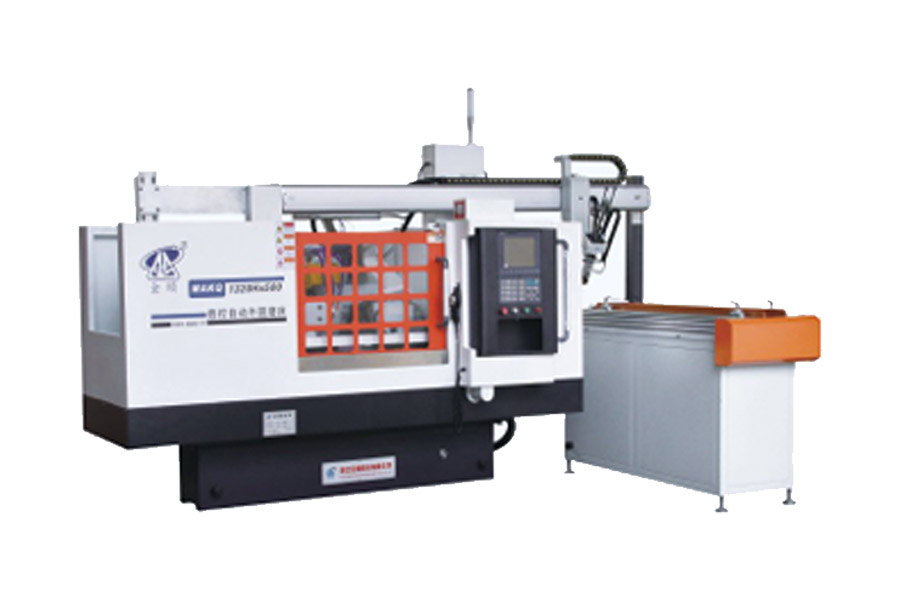
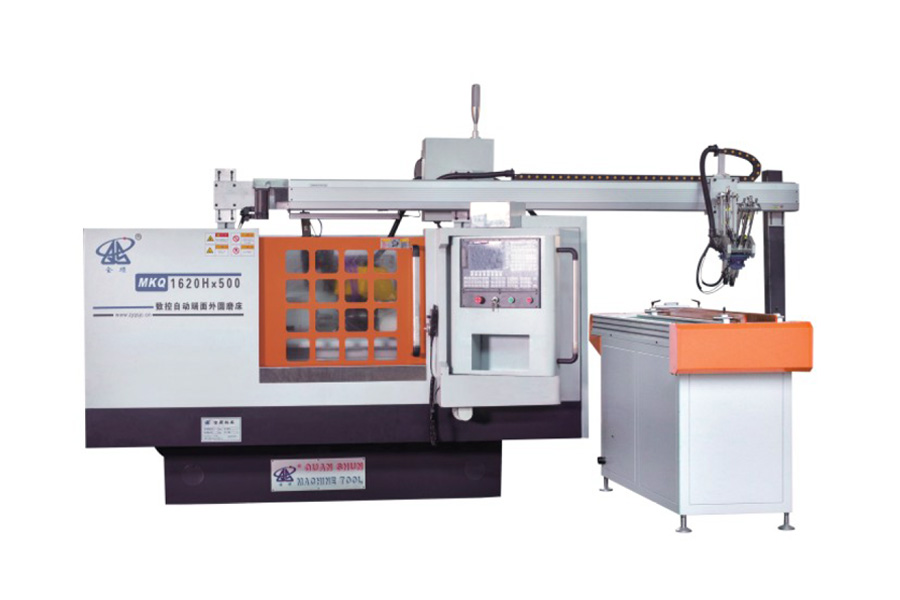
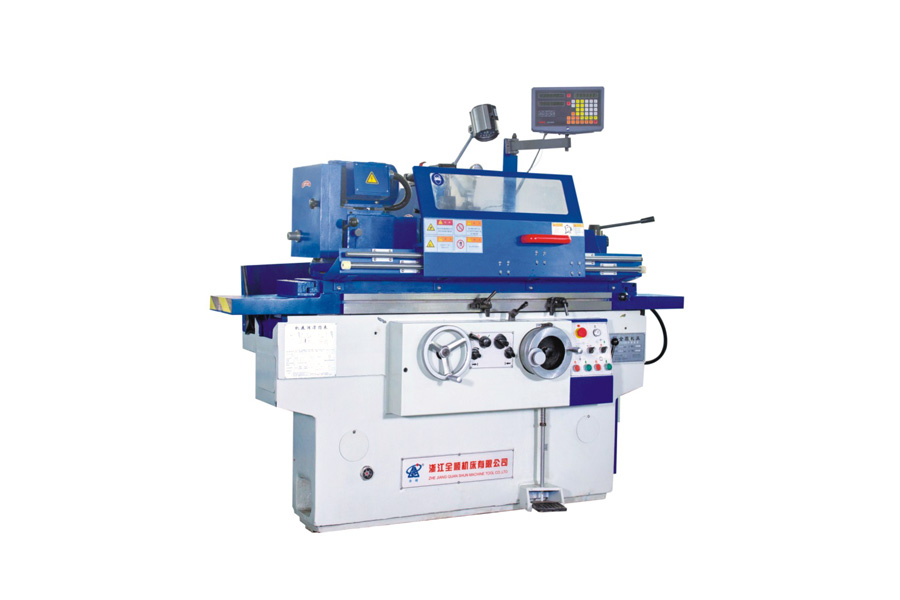
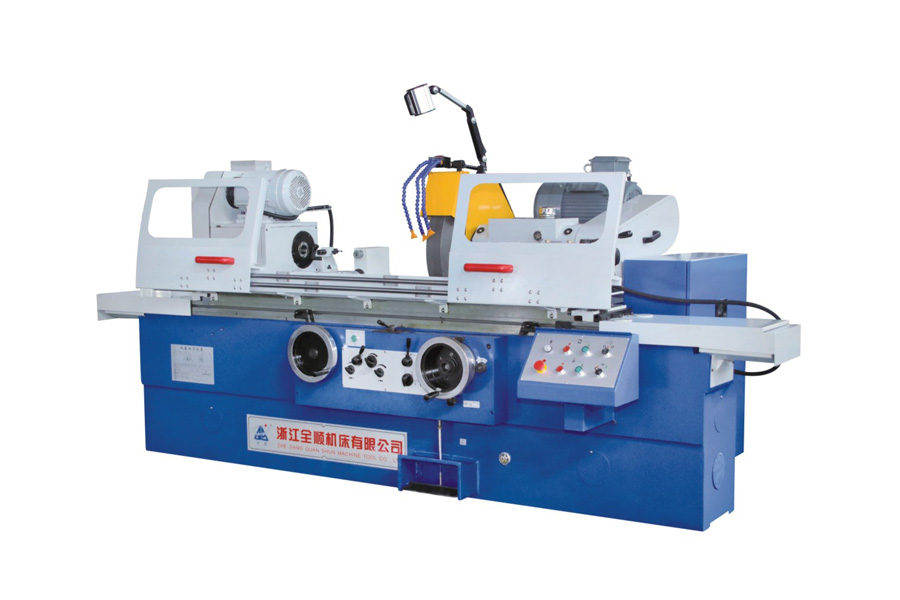
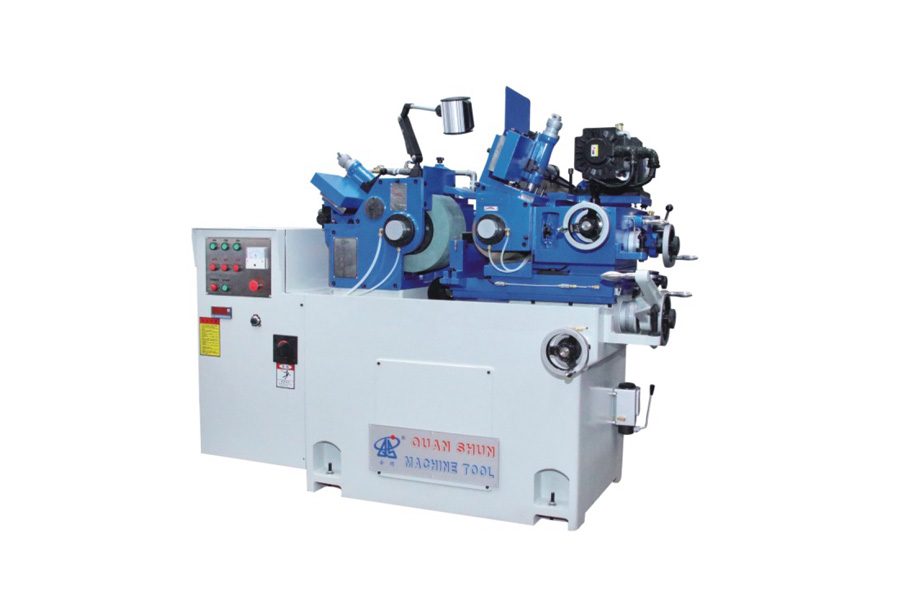
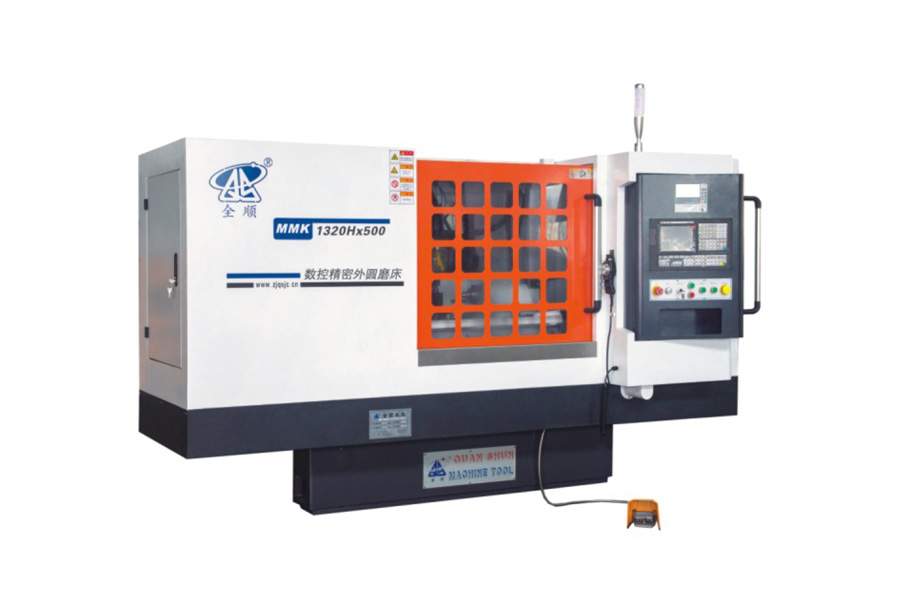
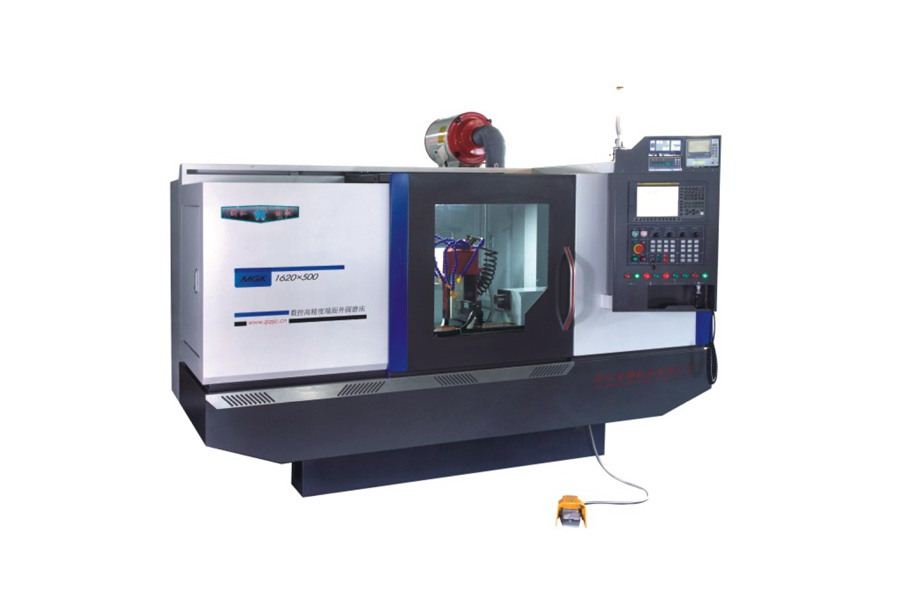
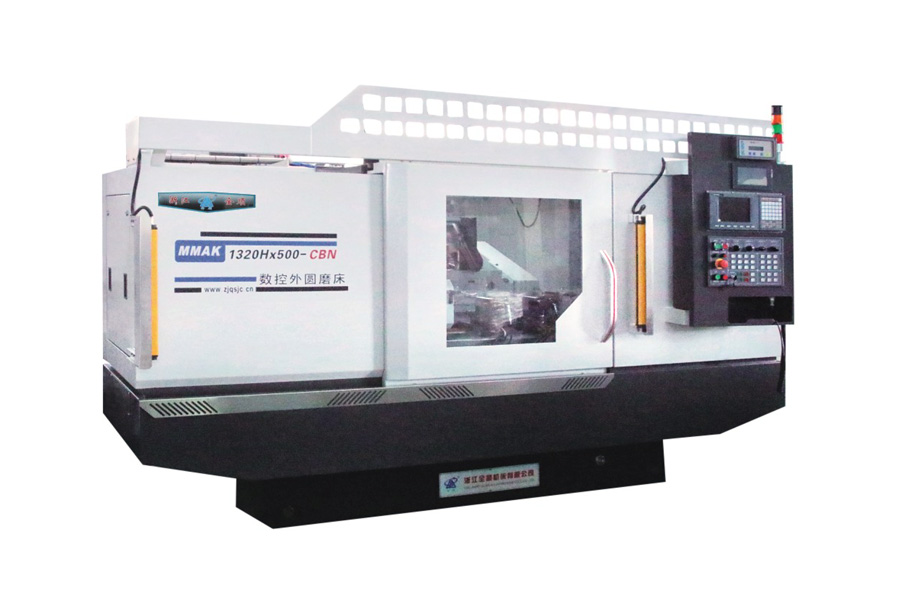
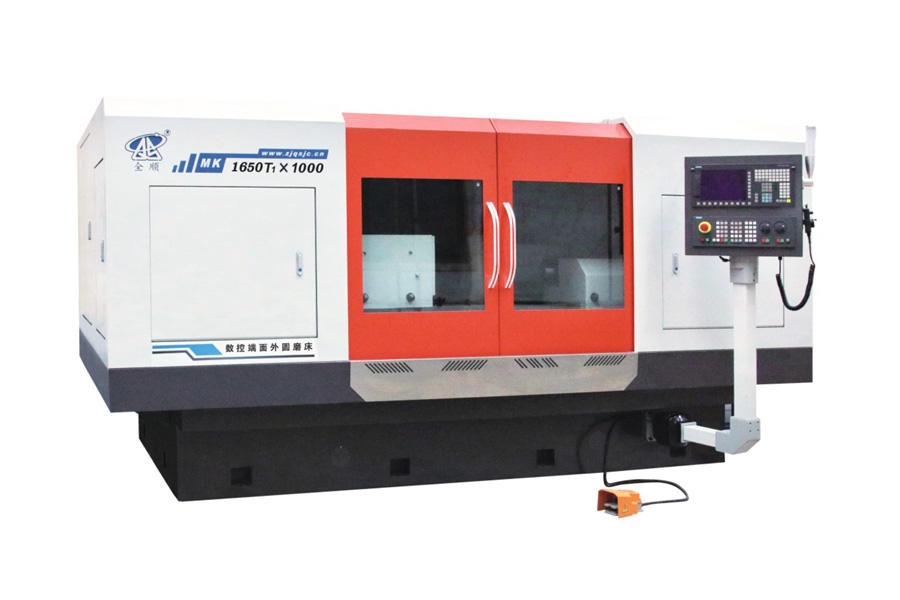
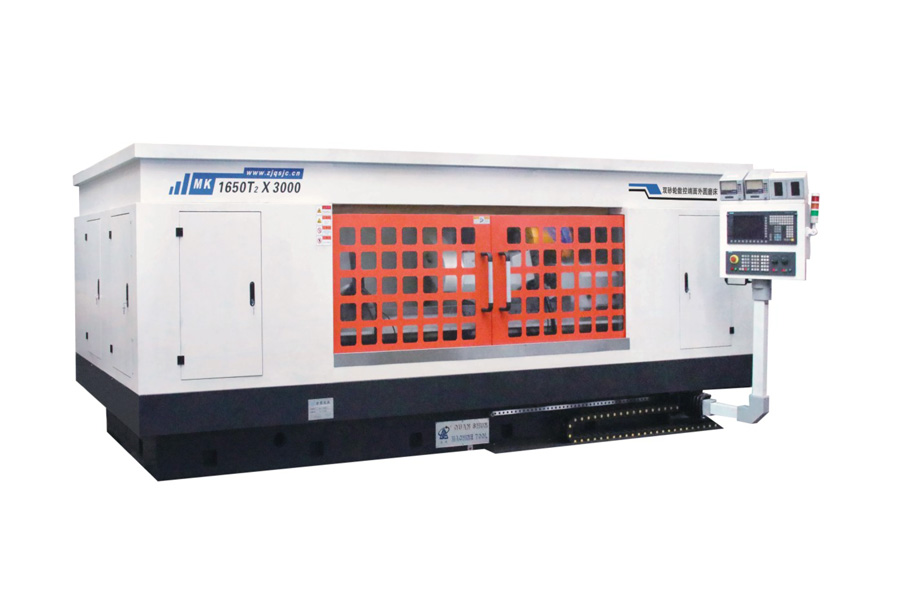
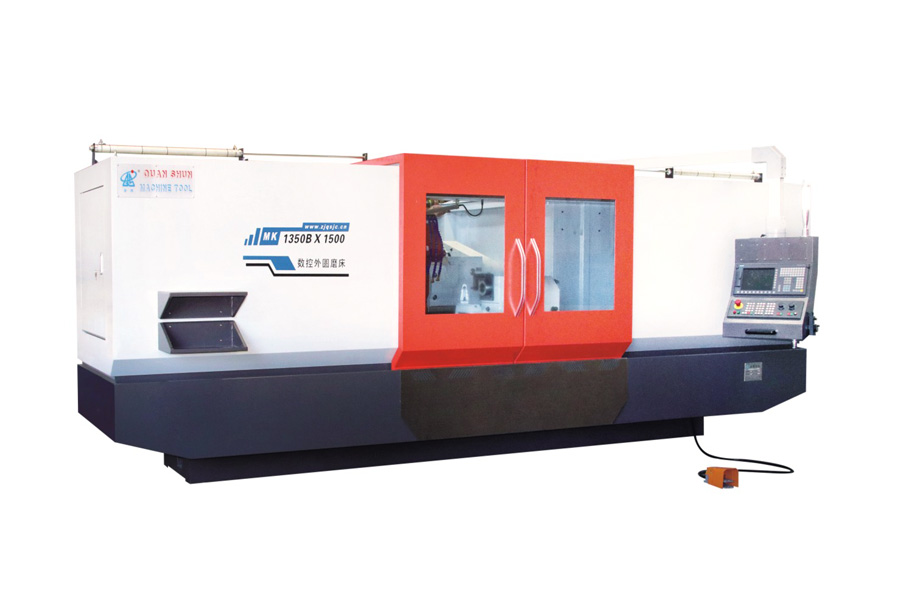
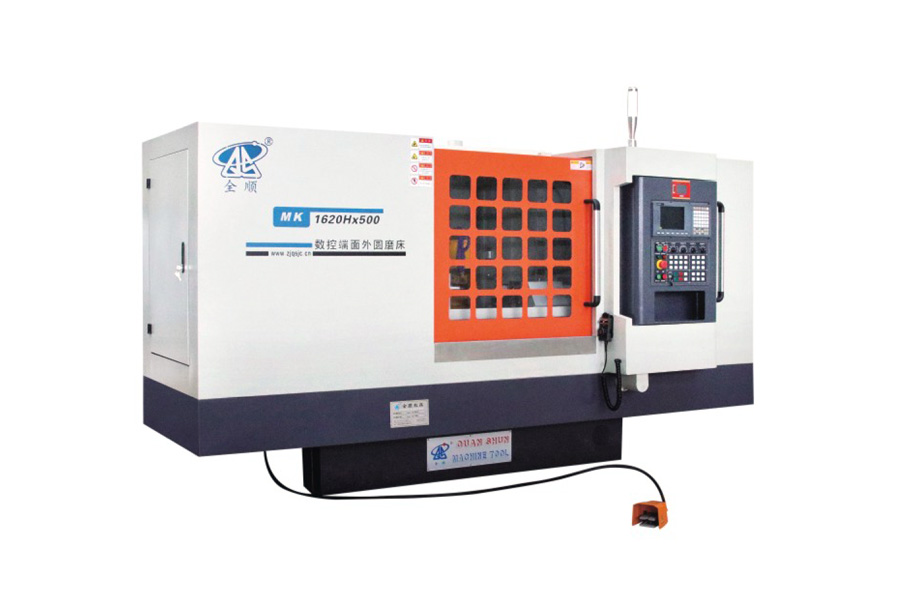
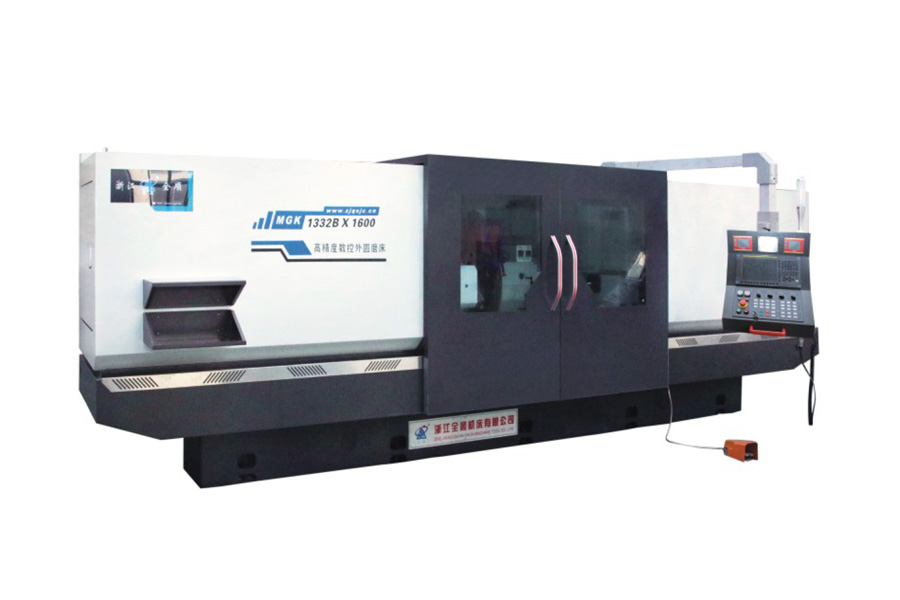
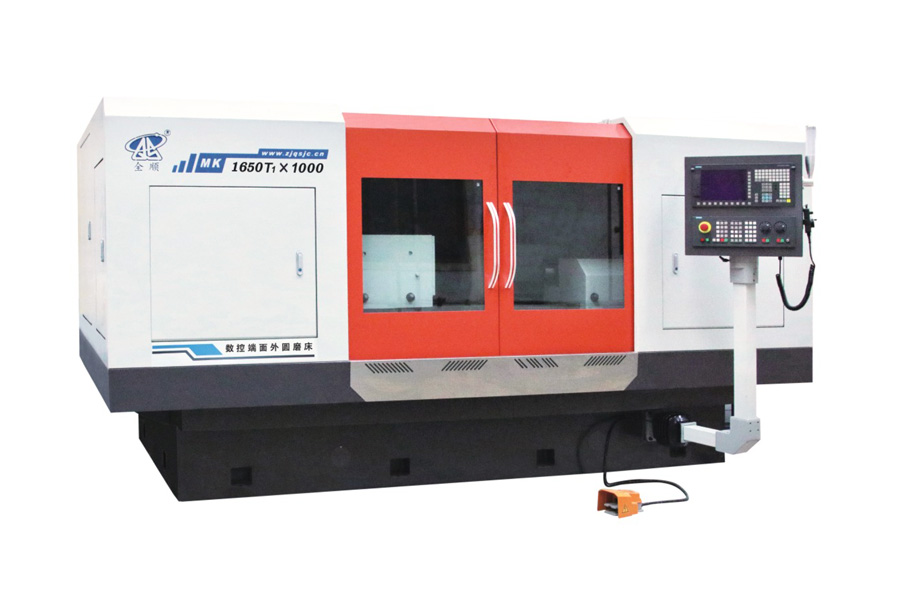
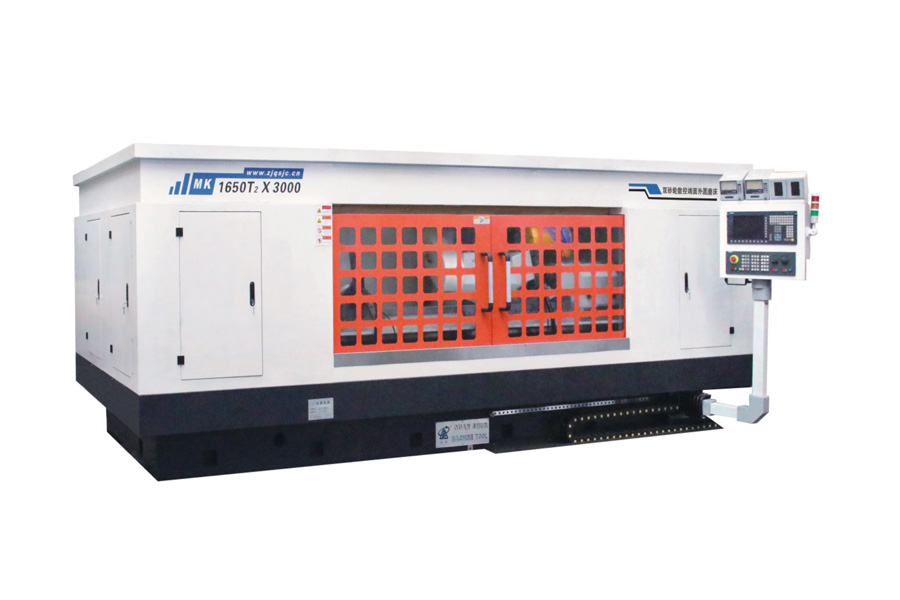
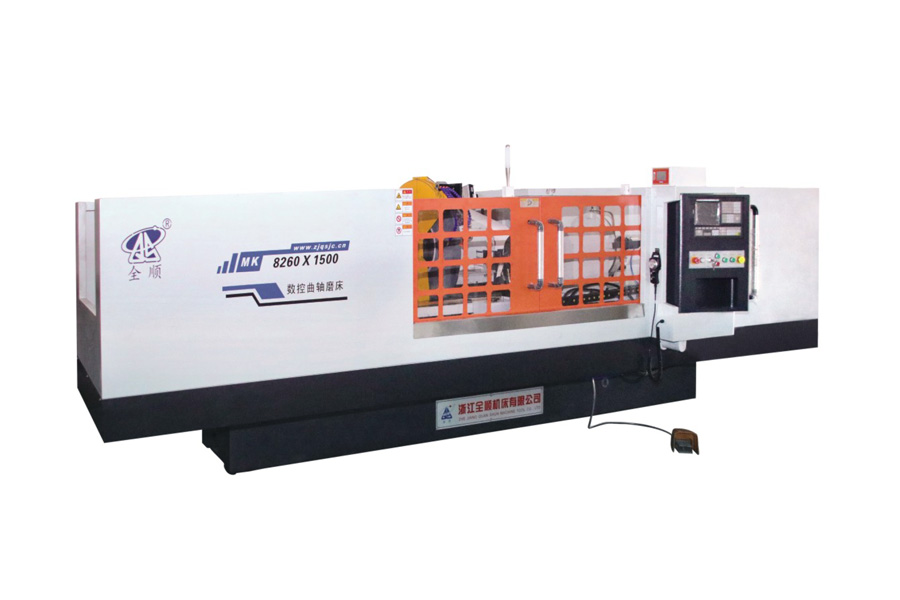
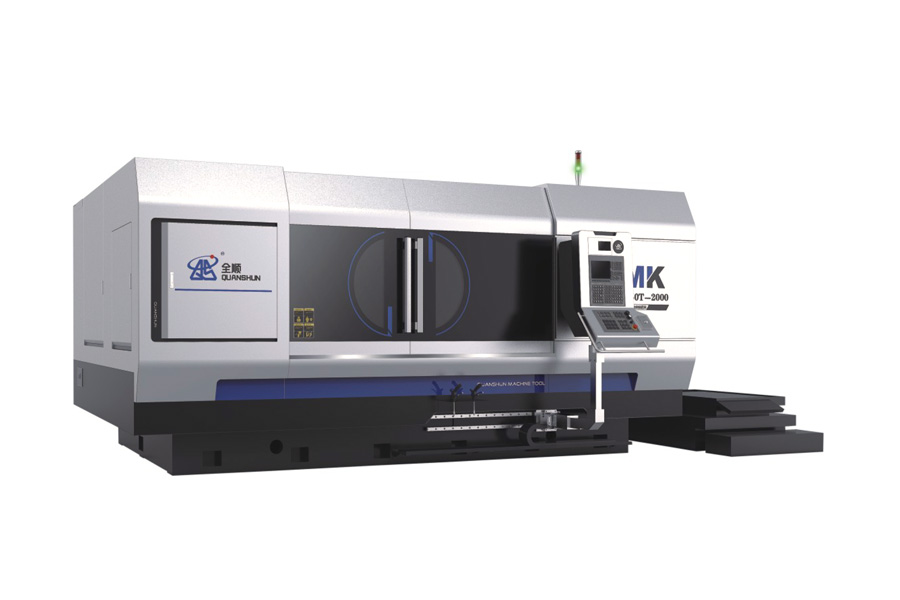
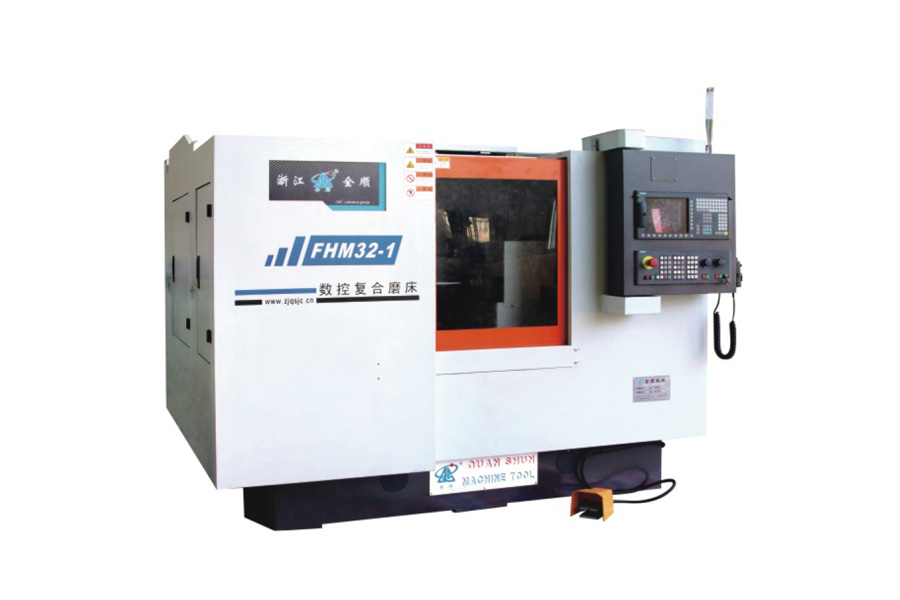
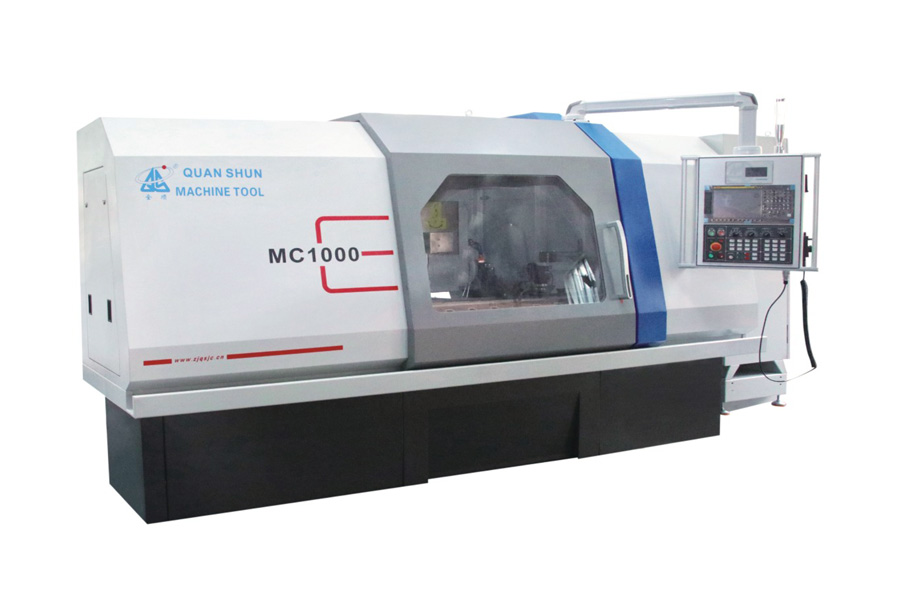
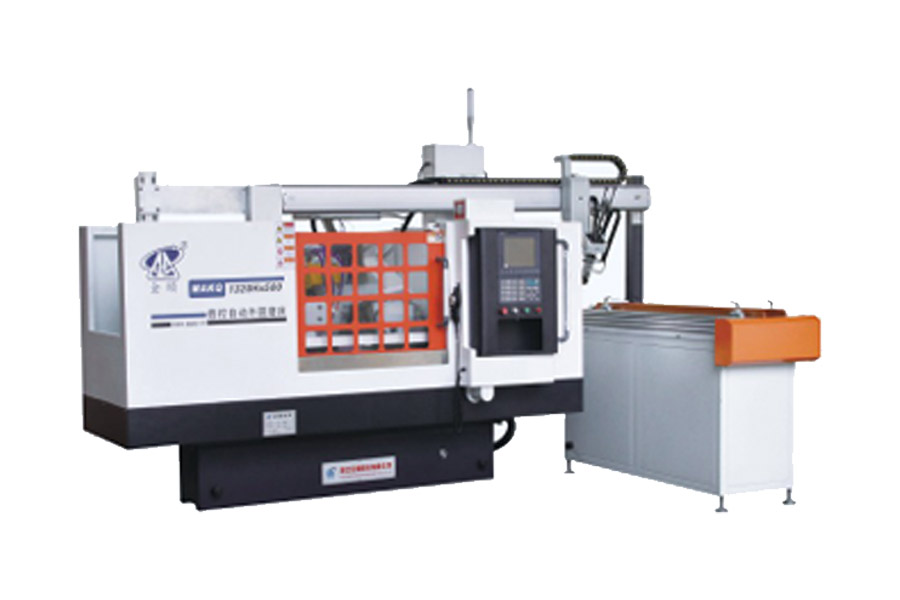
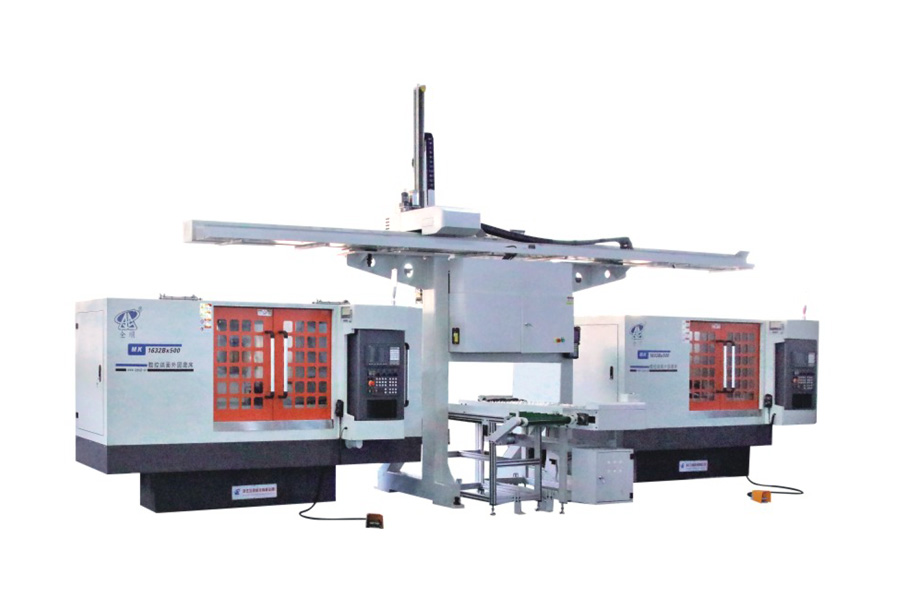
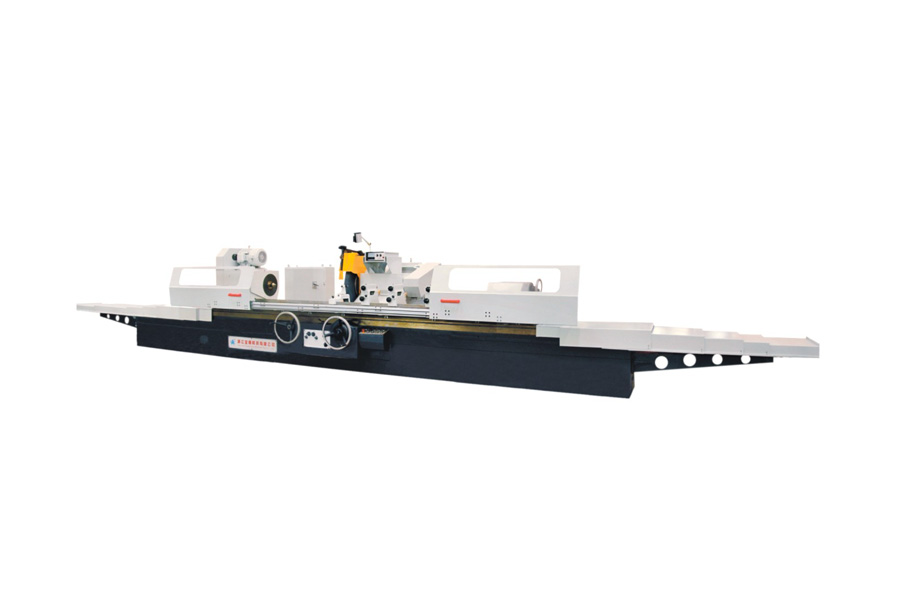
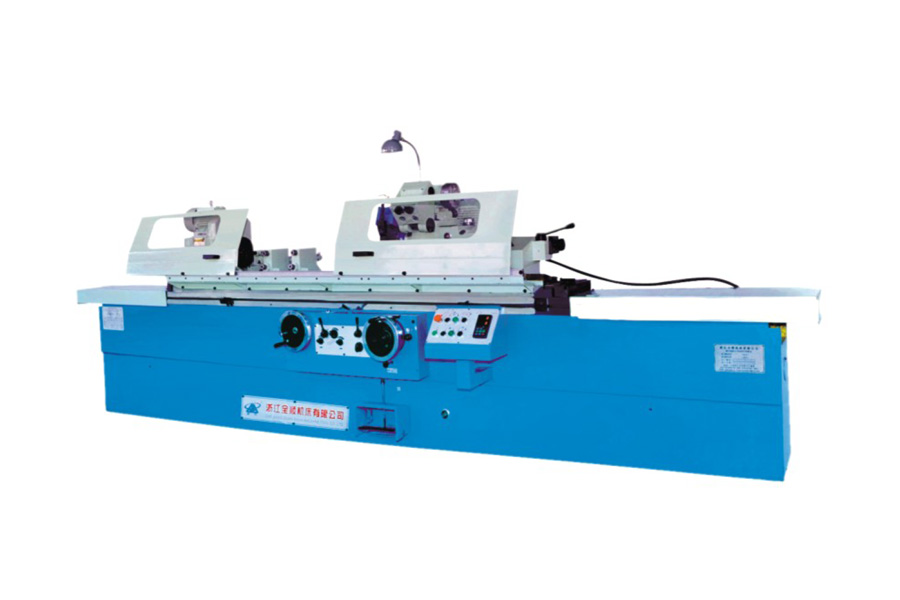
Below are examples of conventional and automatic Cylindrical Grinder models that cover both entry level and high volume production needs.
Automation: When Does It Pay Off
Automatic loading and unloading is worth the extra investment once labor cost per part or unattended run time becomes the bottleneck. A single operator managing five or more automatic grinders at once cuts labor cost significantly compared to one operator per manual machine, and a manipulator that can enter from either side of the machine makes it possible to link several units into one continuous line without redesigning the whole shop floor. For shops still running small or highly mixed batches, this level of automation usually adds cost without adding value, since changeover time between different part programs can outweigh the cycle time savings.
Maintenance and Long Term Cost of Ownership
Purchase price is only part of the total cost. Based on maintenance guidance published for automatic CNC cylindrical grinders, keeping a machine at full accuracy depends on a routine of daily cleaning and lubrication checks, weekly inspection of moving parts, and periodic verification of spindle and slide alignment. Shops that budget for this routine from day one typically see fewer unplanned stoppages and a longer useful life from the grinding spindle and precision slides.
Frequently Asked Questions
| Question | Answer |
| Do I need CNC if my volume is low | Not necessarily. A conventional grinder with hydraulic feed can be more cost effective for varied, low volume work |
| Can one machine grind both the face and the outer diameter | Yes, face and cylindrical grinders combine both operations in a single setup and reduce handling |
| How many machines can one operator run with automation | Automatic loading and unloading models commonly let one operator oversee five or more machines |
| What tolerance can cylindrical grinding achieve | Reported tolerances as tight as 0.001 mm with surface finish around Ra 0.1 to 0.4 micrometer are achievable with the right setup |
Final Takeaway
Choosing the right cylindrical grinder is a matter of matching the machine to the part, not chasing the highest spec sheet. Start with tolerance and geometry requirements, confirm the batch size that justifies CNC or automation, and only then compare specific models and control systems. A well matched machine pays for itself through fewer changeovers, less scrap, and steadier cycle times, while an oversized or undersized machine tends to create cost and downtime regardless of how advanced its features look on paper.