0086-15068518279 (Chinese)/001-5416026691 (English)



 EN
 中文简体
Content
A batch of induction-hardened shafts comes off the grinder with size in tolerance but with 0.012 mm of taper and a faint burn line near the shoulder. The wheel is new, the program is unchanged, and the operator has checked the centers. In grinding operations, that pattern usually points to the system around the wheel—coolant reach, tailstock pressure, wheel dressing, or thermal growth—not a single faulty setting. Grinding is a finishing operation, but it behaves like a system test.
This guide focuses on the decisions that matter in production: which grinding operation fits the part, which variables control tolerance and finish, how to choose a machine, and how to protect cost per good part. For shops working on cylindrical parts, a CNC cylindrical grinder is often the reference point because it combines diameter, shoulder, and finish requirements in one setup.
Start With the Operation, Not the Machine
Grinding operations are grouped by the surface they generate and the way the workpiece is held. The same abrasive process can produce very different results when the geometry changes. Before comparing spindle power or wheel speed, define the feature: outside diameter, flat face, profile, bore, or centerless OD. That definition sets the workholding, wheel shape, coolant direction, and inspection method.
| Operation | Typical work | Main quality target | Common risk |
|---|---|---|---|
| Cylindrical grinding | Shafts, pins, sleeves, shoulders | Diameter, roundness, taper, finish | Workholding deflection and wheel wear |
| Surface grinding | Plates, dies, ways, inserts | Flatness, parallelism, finish | Heat buildup and wheel loading |
| Centerless grinding | Bar stock, bushings, pins without centers | High-volume OD and roundness | Setup geometry and guide adjustment |
| Creep-feed grinding | Deep forms, slots, hardened profiles | One-pass form and surface integrity | Coolant pressure and wheel porosity |
| Form grinding | Radii, threads, special profiles | Profile retention and finish | Dressing accuracy and wheel breakdown |
The table is a starting filter, not a specification. A shop may use a cylindrical grinder for a shoulder face or a surface grinder for a small insert. What matters is whether the machine and workholding can hold the part without deflection and whether the wheel can reach the area with enough coolant.
Common Grinding Operations in Practice
Cylindrical grinding
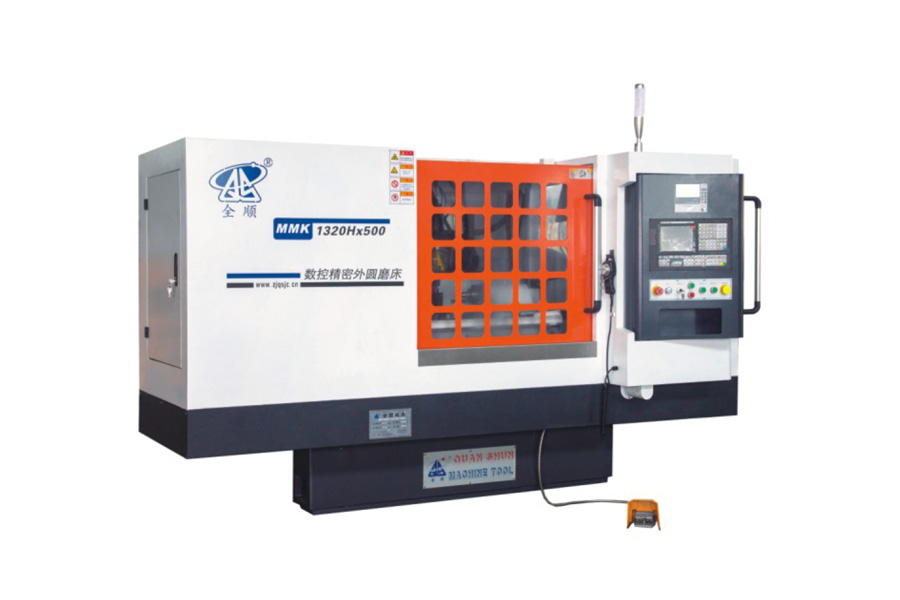
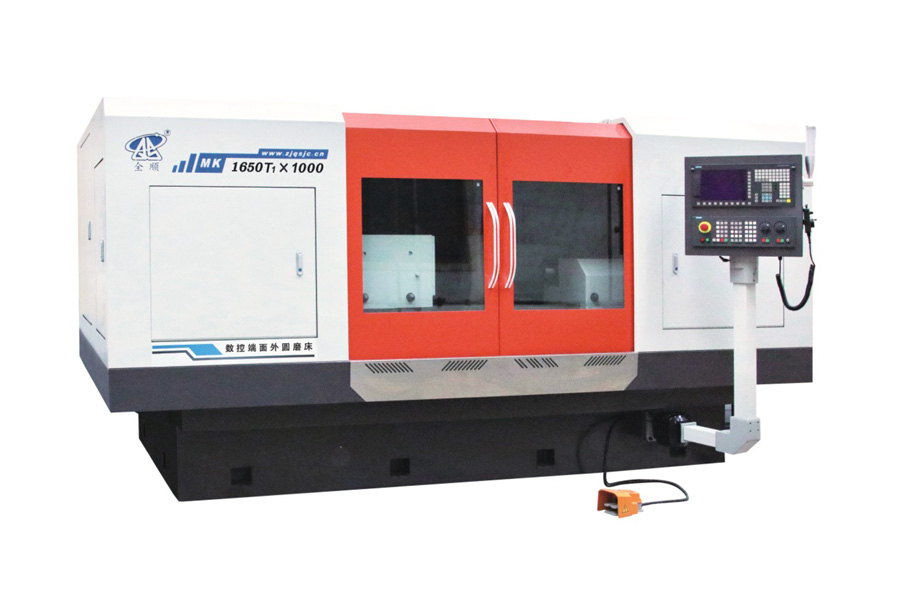
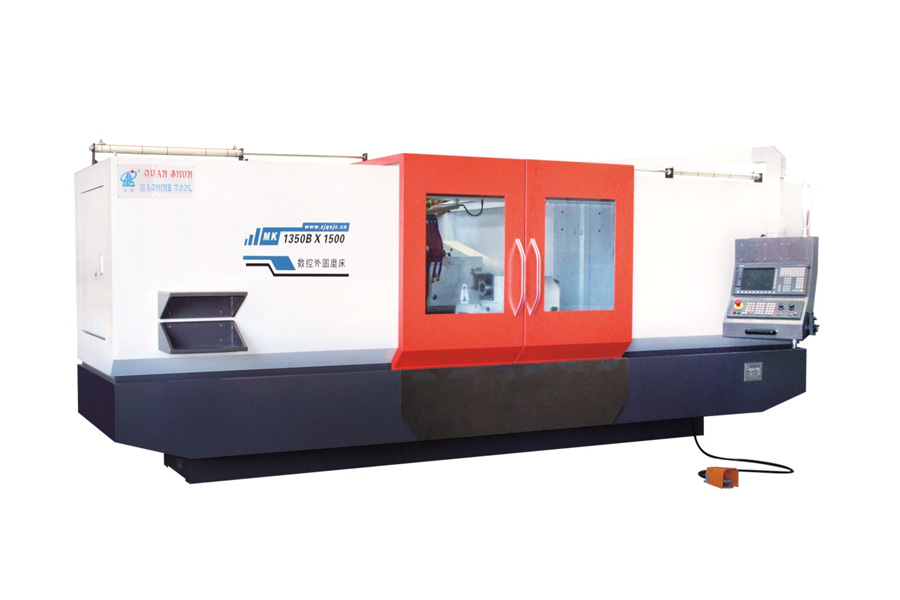
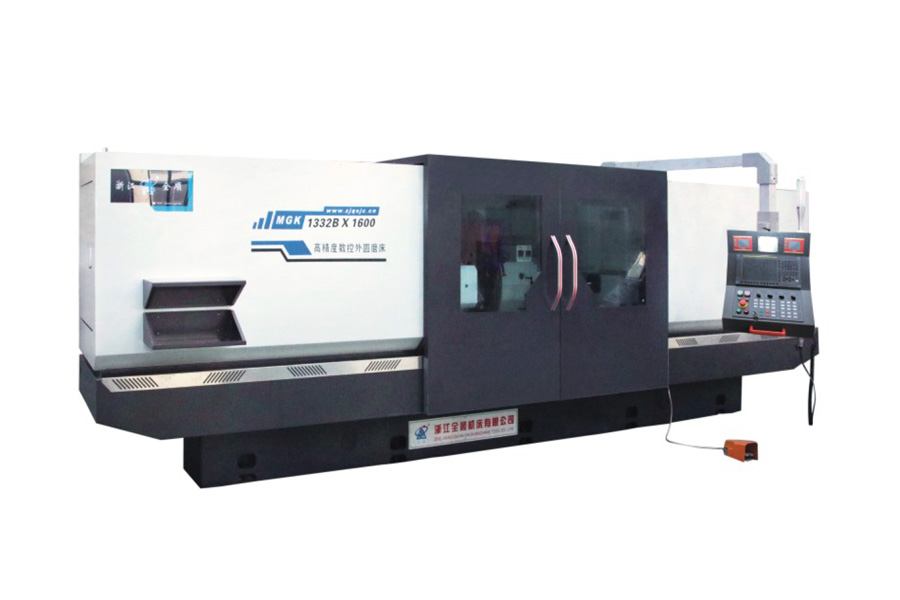
Cylindrical grinding controls an outside diameter, often with a shoulder or fillet in the same setup. The process is sensitive to center condition, tailstock pressure, wheel balance, and spark-out. A machine with 0.001 mm resolution does not guarantee 0.001 mm parts; the whole loop—wheel, workpiece, fixture, coolant, and temperature—must be stable. For tight-tolerance OD work, a high-precision CNC cylindrical grinding machine is often the right starting point because it gives the operator control over wheel speed, work speed, infeed, and dressing without relying on manual compensation.
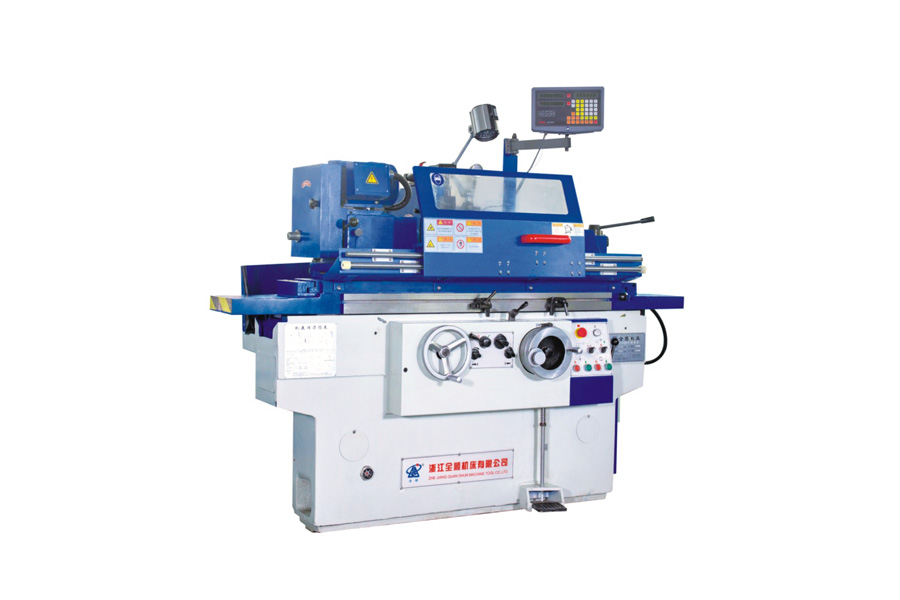
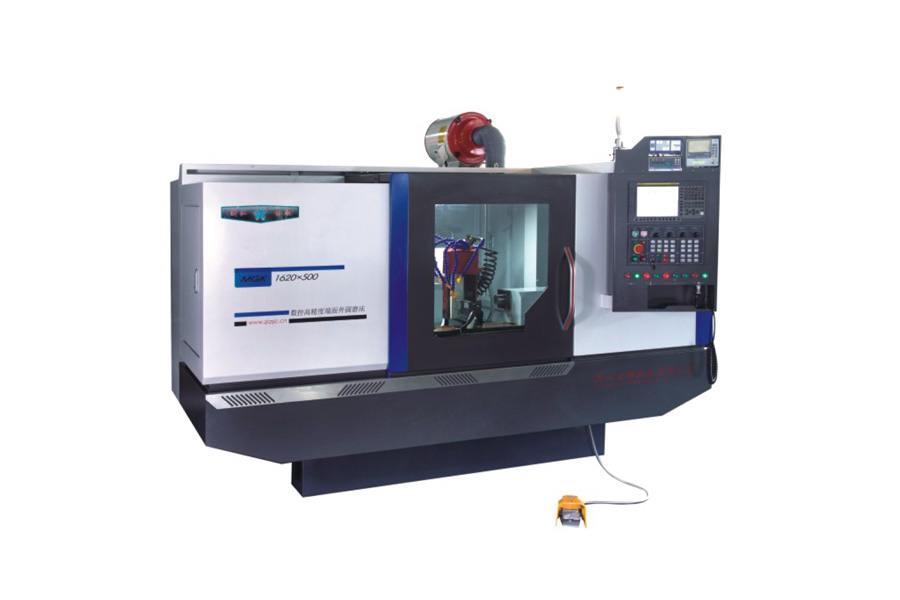 High Precision CNC Cylindrical Grinding MachineOffers MGK1320H and MGK1332B models for shaft-type workpieces, with CNC control over wheel speed, infeed, and dressing for tight-tolerance OD grinding.View Product →
Centerless grinding
Centerless grinding supports high-volume production of pins, bars, and bushings that do not have centers. The work is supported by a blade and controlled by the regulating wheel. Setup is less forgiving than it looks: a small change in blade height or regulating wheel angle can change roundness, feed rate, and taper. Centerless operations are strong for throughput, but they reward disciplined setup sheets and frequent size checks.
Surface, creep-feed, and form grinding
Surface grinding creates flat and parallel faces. Creep-feed grinding removes a deep section in fewer passes with a porous wheel, high-pressure coolant, and a rigid machine. Form grinding relies on a dressed wheel profile to reproduce radii, slots, or threads. In each case, the limit is usually not the abrasive alone. It is the ability to deliver coolant to the contact zone, hold the workpiece rigidly, and dress the wheel consistently.
Variables That Move Tolerance and Finish
Grinding operations are often adjusted in the wrong order. Operators change wheel speed first, then infeed, then coolant. A more reliable sequence is to stabilize workholding and coolant, verify dressing, and only then tune speed and feed.
- Wheel speed and work speed: for many vitrified wheels, 30–35 m/s is common; high-speed grinding can run faster but demands wheel balance, guarding, and spindle condition.
- Dressing: a sharp, open wheel cuts cooler but loses form; a closed wheel holds form but can burn. Diamond depth, traverse rate, and spark-out all affect the result.
- Infeed and spark-out: a short spark-out lets the system recover from elastic deflection. Extra spark-out adds cycle time without improving size once the system has settled.
- Coolant: flow and nozzle placement matter as much as pressure. In creep-feed and profile work, high-pressure delivery helps keep the contact zone clear.
- Workholding: tailstock pressure, center condition, shoe alignment, and fixture rigidity can create taper even when the wheel is correct.
Use the part drawing to set priorities. If roundness is critical, check centers and wheel balance before changing infeed. If finish is critical, inspect dressing and coolant before slowing the wheel. If size drifts through the batch, check thermal growth and wheel wear rather than adjusting the program at every part.
Matching the Machine to the Operation
A grinding machine is selected by part envelope and process window, not by the longest feature list. Start with maximum swing, center distance, part weight, wheel size, and the smallest feature the wheel must reach. Then check spindle power, axis resolution, thermal stability, dressing method, coolant filtration, and automation interface. A machine that is oversized for the part can waste floor space; a machine that is too small will force compromises in wheel choice and fixturing.
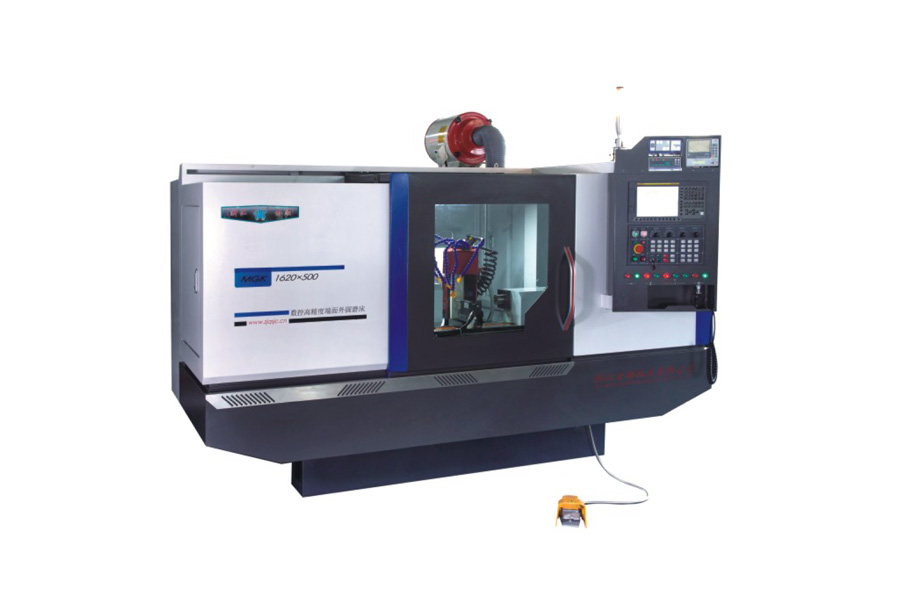
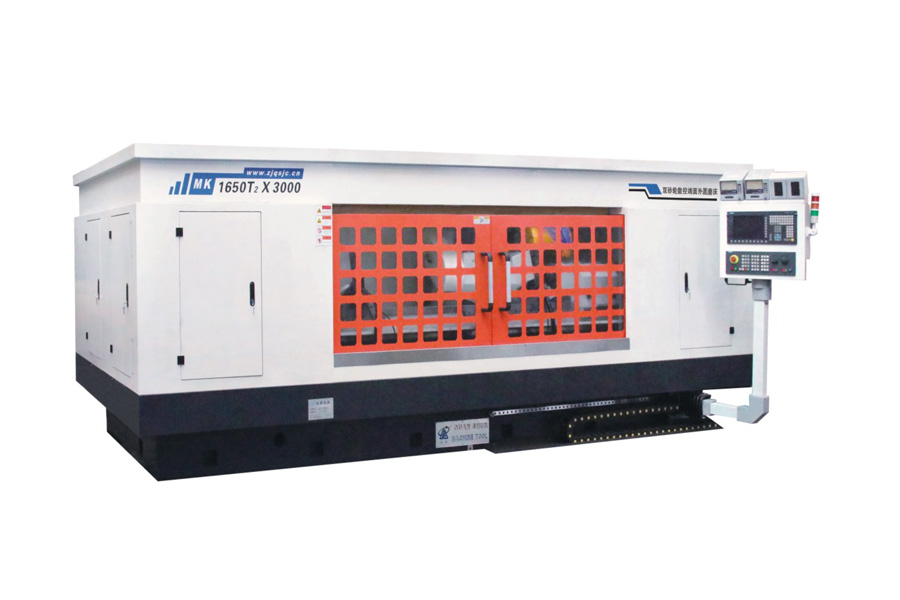
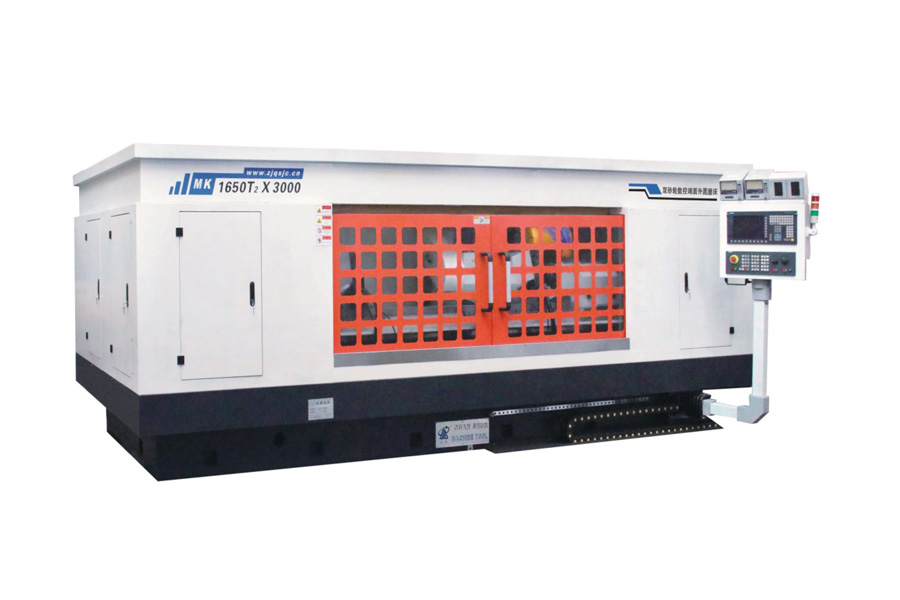
For families that need rough and finish diameters in one setup, a double-wheelhead arrangement can remove a second handling step and reduce cycle time. That configuration is most useful when the two grinding positions are stable and the part can be loaded without distortion.
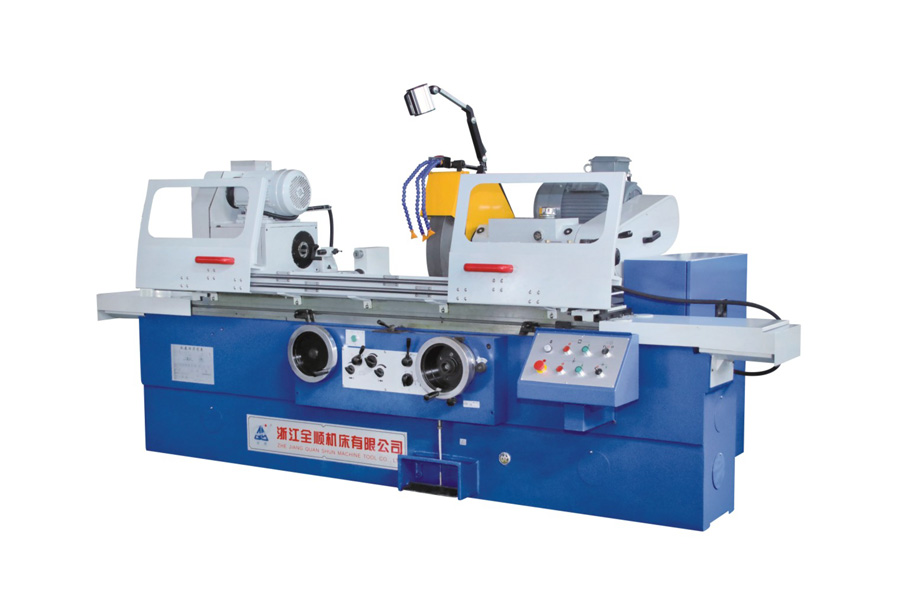
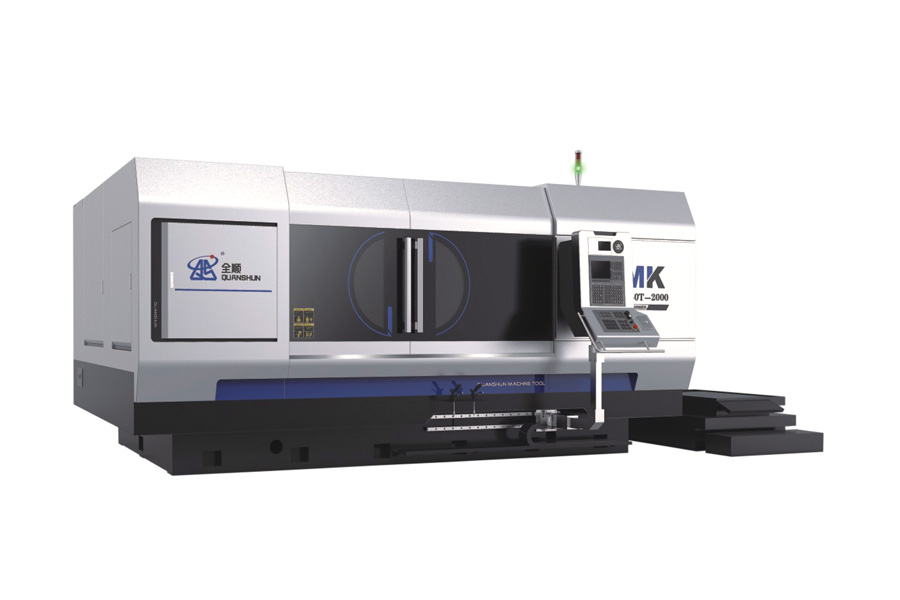
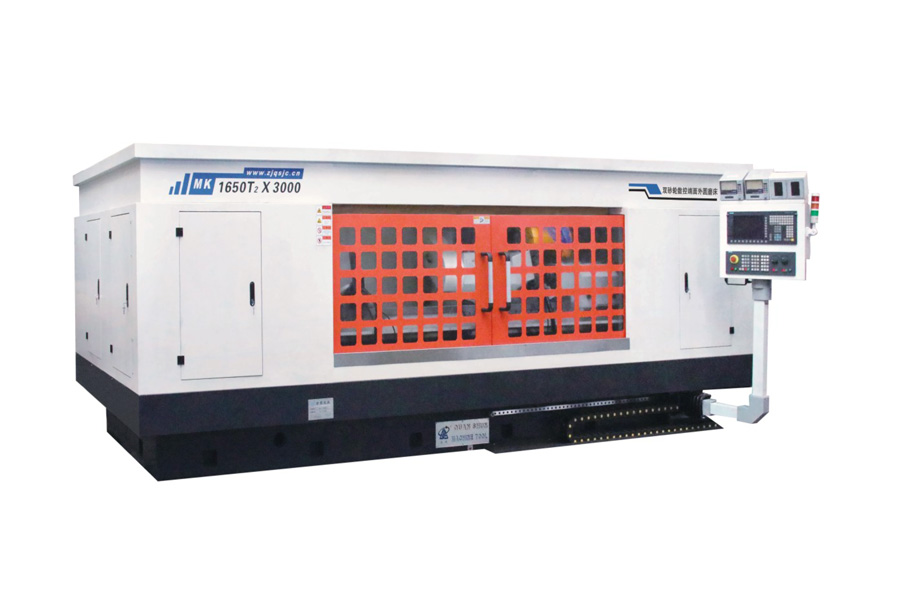 Double Wheelhead CNC Endface Cylindrical Grinding MachineModel MK1650T2x3000/4000 combines cylindrical and endface grinding in one setup for long, heavy shaft workpieces, reducing handling between rough and finish operations.View Product →
Standard models cover many shafts, sleeves, and face-and-OD parts. When the workpiece has a center hole, screw sleeve, broach, or large calibre that does not fit a standard envelope, a custom grinding machine may be more economical than forcing a standard model into a compromised setup. The decision should be based on part geometry, tolerance stack-up, and expected batch size, not on the hope that a standard machine can be adapted later.
Checks That Keep Grinding Operations Stable
Inspection should confirm the process, not just the part. A single good part after a long warm-up can hide a thermal drift that appears two hours into production. Use a short, repeatable check plan:
- Measure at a stable temperature and record the ambient condition.
- Check diameter at two or three positions along the length to detect taper.
- Check roundness and repeatability on the same part and across consecutive parts.
- Inspect for burn, chatter marks, and microcracks when the material is hardened.
- Record wheel wear, dressing frequency, and size compensation so trends are visible.
If a problem appears after a wheel change, check dressing first. If it appears after a coolant change, check concentration, flow, and filtration. If it appears at the end of a batch, check thermal drift and wheel wear. This order prevents random adjustments that fix one part and disturb the next.
Automation and Cost per Good Part
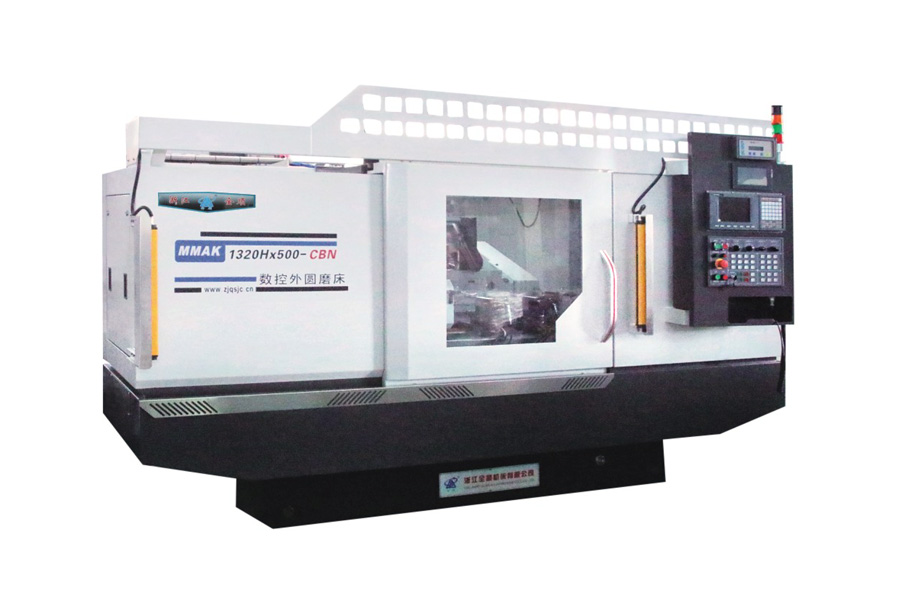
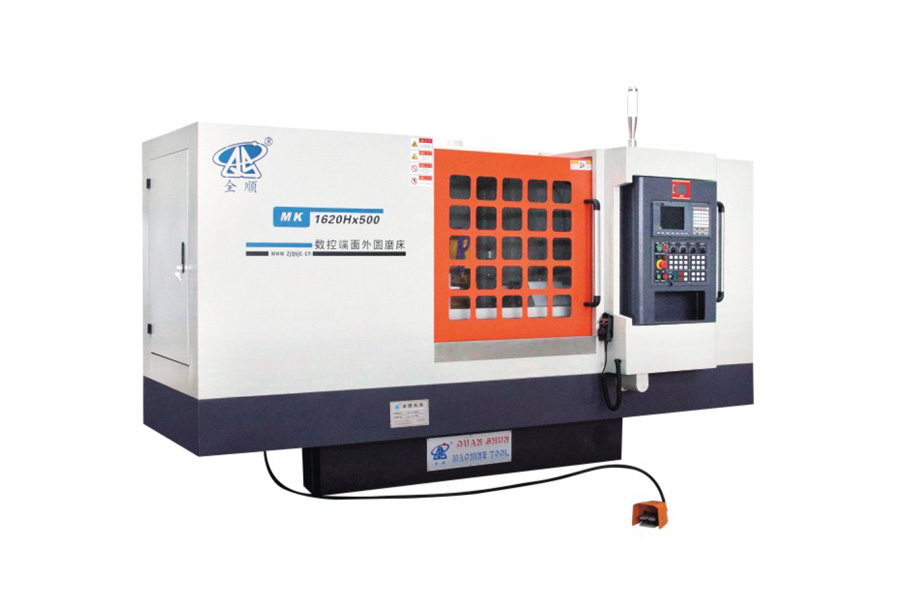
Grinding cost is not wheel cost per part. It is machine time, dressing time, scrap, and operator attention. Automation pays when the part family is stable and load/unload consumes a large share of the cycle. Automatic loading also makes the grinding cycle more repeatable because the workpiece is presented the same way every time. The gain is not only labor savings; it is fewer handling marks and less variation between operators.
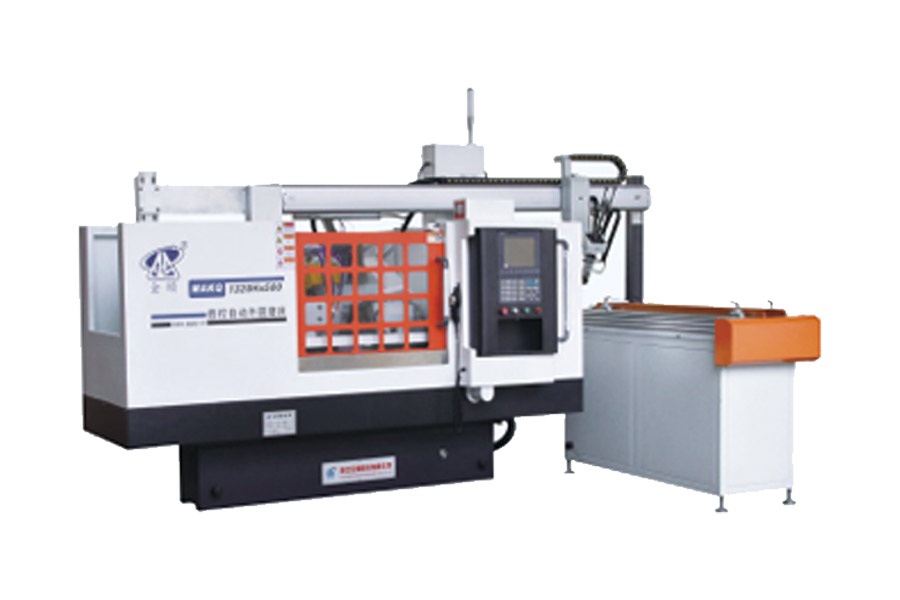
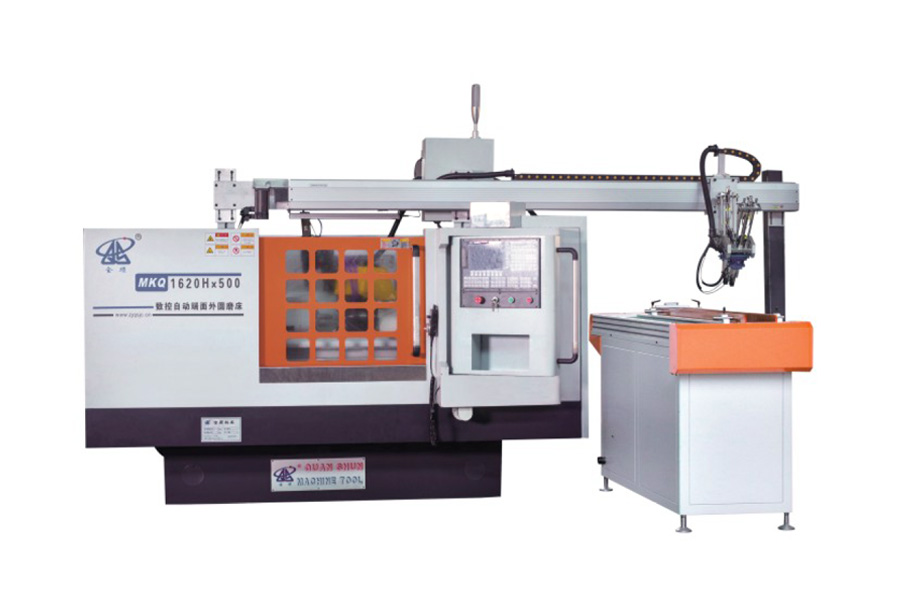
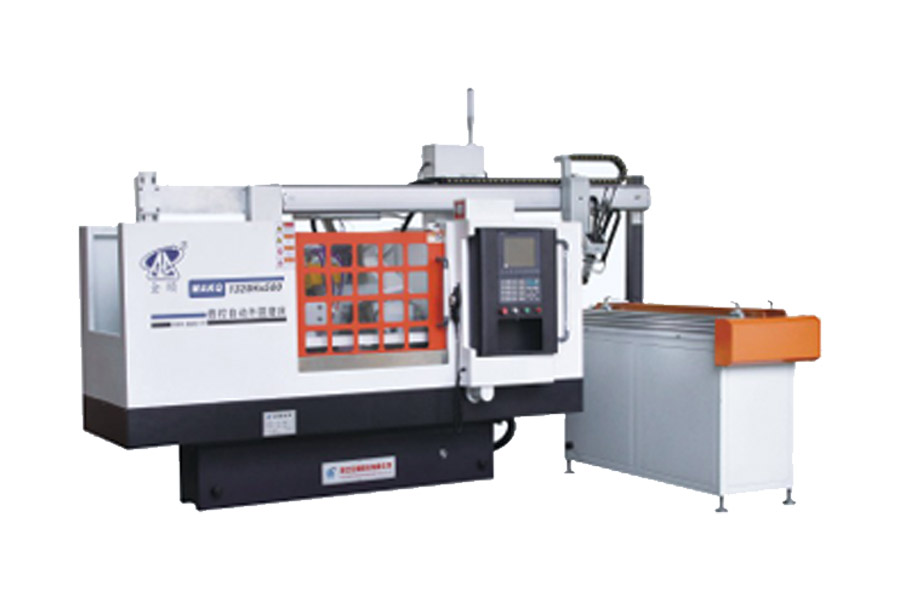 Automatic CNC Cylindrical Grinding MachineModels MKQ1332Bx500, MAKQ1320Hx500, and MKQ1320Hx500 support automated batch grinding of shaft-type parts, improving repeatability when load/unload dominates the cycle.View Product →
Before automating, confirm that the process is stable manually. A robot or gantry cannot correct a wheel that loads, a coolant nozzle that misses the contact zone, or a fixture that deflects the part. Once the manual cycle is repeatable, automation can protect the result and raise output without turning variation into a larger problem.
Grinding operations reward a narrow focus: define the feature, stabilize the workholding and coolant, dress consistently, and measure the trend rather than the last part. A machine is only one part of that system. When the operation, wheel, fixture, and inspection plan agree, tight tolerances become a routine result instead of a repeated fight.