0086-15068518279 (Chinese)/001-5416026691 (English)



 EN
 中文简体
Content
A cylindrical grinding wheel is the least expensive item in the process and the one that decides whether the part passes inspection. Swap a 46-grit aluminium oxide wheel for a 60-grit of the same grade and surface finish can move from roughly Ra 0.8 µm to Ra 0.4 µm on the same machine, with the same operator. Go one grade harder than the contact arc can tolerate, and that same wheel will burn a hardened journal at the shoulder, glaze, and slowly push the size out of tolerance.
So the order that works on the shop floor is the reverse of most catalogues: fix the finish and tolerance the drawing demands, confirm the wheel speed and coolant the machine can actually deliver, and then choose abrasive, grit, grade, structure and bond. The sections below follow that order and give the numbers that matter at the spindle.
What the Wheel Controls and What It Cannot Fix
The wheel governs cutting temperature, self-sharpening behaviour, form retention and finish; it cannot correct machine geometry. If a 60 mm journal comes off the machine with 0.01 mm of taper, a softer wheel will not remove it. Worn centres, workhead runout, tailstock pressure or bed level will still be there with any wheel mounted on the spindle.
Two failure modes explain most wheel-related scrap. Glazing happens when the grains stay blunt and the bond holds them: the wheel rubs instead of cutting, heat goes into the workpiece, and you see burn, chatter marks or a shiny, smeared finish. Shedding is the opposite — the bond releases grains before they have done their work, the wheel loses form quickly, and the operator chases the size by dressing after every few parts. Choosing a grade is essentially choosing where on that scale you want to sit for a given material and contact arc.
Machine-side conditions decide whether any wheel can hold a 2 µm band: wheel spindle runout ideally inside 0.005 mm, clean and undamaged centres, steady tailstock force, and a wheel that has been dressed properly. A grinding wheel is only as round as its last dressing pass, which is why dressing practice is covered further down.
Five Wheel Specs That Actually Change the Cut
A typical cylindrical wheel datasheet lists more variables than most jobs can use. Five of them move the result enough to be worth arguing about with a supplier.
| Spec line | Common starting range | What it changes | Typical failure if mismatched |
|---|---|---|---|
| Abrasive type | White alumina for alloy steel; green silicon carbide for cast iron and non-ferrous; CBN for hardened steel | Grain toughness, heat resistance, wheel cost | Silicon carbide in steel loads and wears fast; alumina on carbide barely cuts |
| Grit size | 46–60 roughing, 60–80 general, 80–120 fine finish | Chip load per grain, finish level, heat generated | Fine grit with a hard grade burns; coarse grit misses the finish callout |
| Grade (hardness) | H to K on most steel work; softer for hard or thin-walled parts | How long a grain stays in the bond before release | Hard grade glazes and burns; soft grade loses form and size control |
| Structure | 5–8; open for gummy metal, interrupted cuts and long arcs | Porosity, chip clearance, coolant reach into the arc | Closed structure loads on aluminium or wide contact |
| Bond | Vitrified as standard; resin for higher speed and finer finish; metal or hybrid for CBN | Rigidity, speed rating, dressing behaviour | Exceeding the marked speed; dressing resin bonds too aggressively |
These lines interact, and that is where most selection mistakes happen. A hard grade combined with a fine grit is the classic burn recipe on a hardened shaft, and a soft grade combined with a coarse grit will not hold size through a finishing pass. A 60-grit wheel in an open structure often cuts cooler than an 80-grit wheel in a dense structure, even though the finer wheel looks better on paper. Treat the table as a starting point to be confirmed by a trial, not as a specification.
Fit the Wheel to the Machine's Real Limits
Speed is the first hard limit, and it is not negotiable. Every wheel carries a maximum peripheral speed on its blotter, and the guard must be rated for at least the same figure. Peripheral speed follows v = π × D × n, so a 400 mm wheel at 35 m/s runs at roughly 1670 rpm, while a 300 mm wheel at 45 m/s needs about 2865 rpm. If the wheel is marked 35 m/s, running it at 45 m/s to chase cycle time is a safety decision, not a process one.
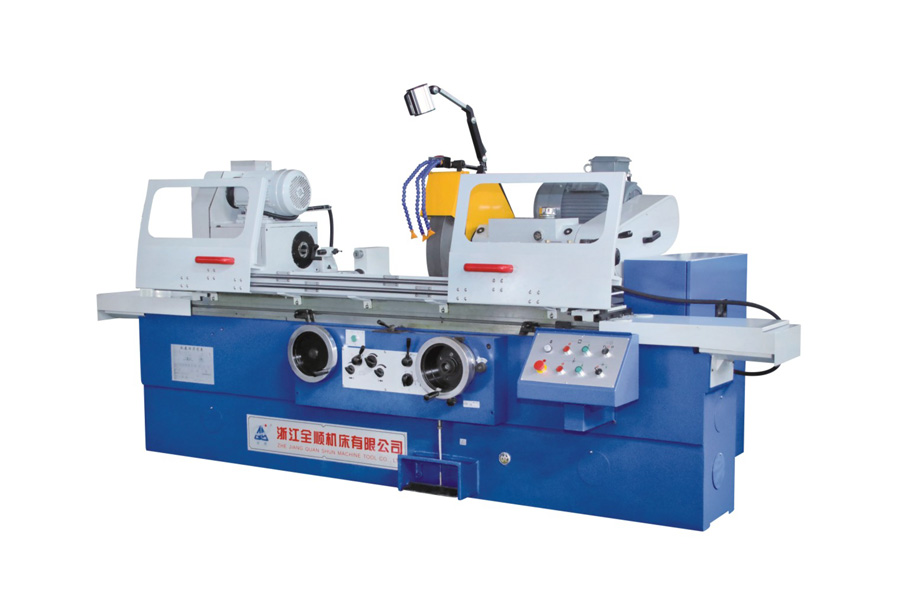
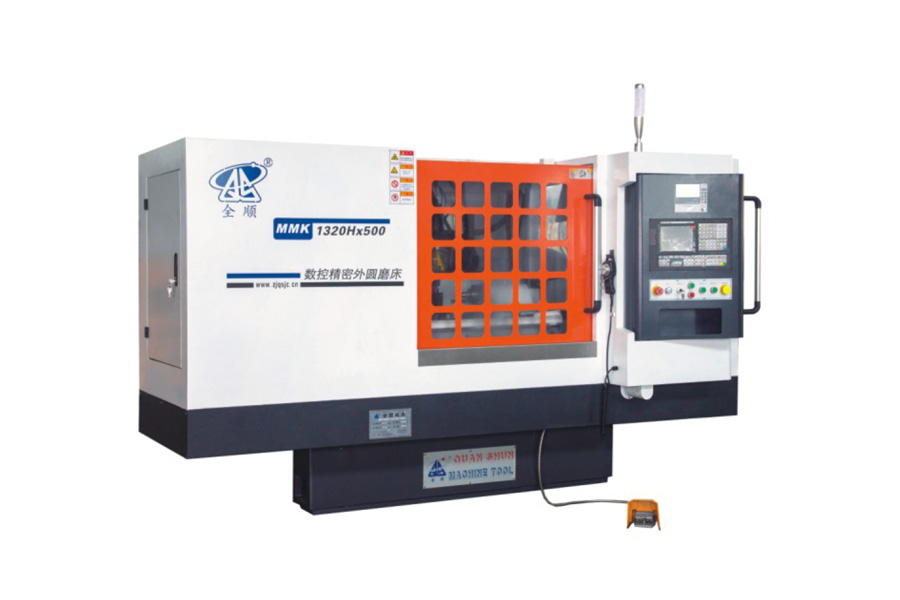
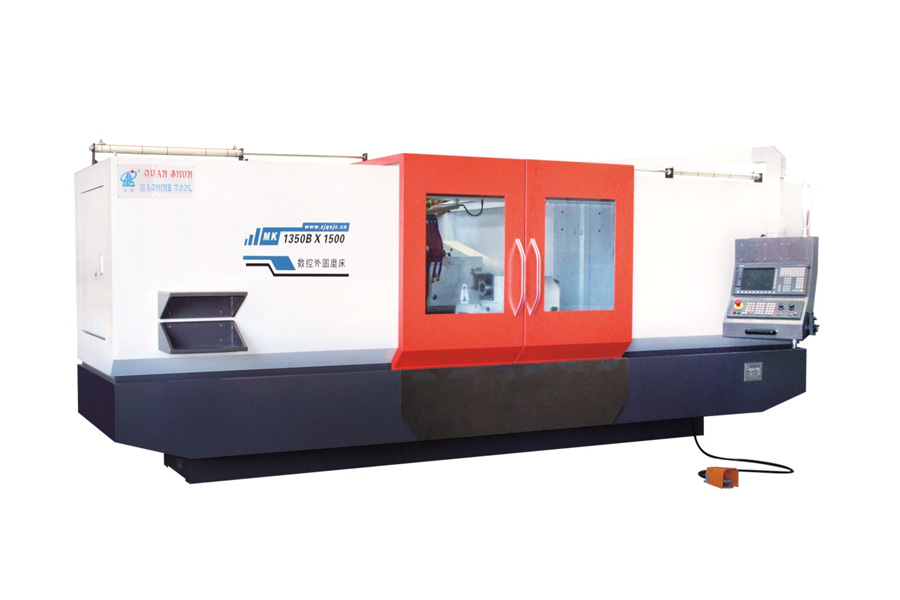
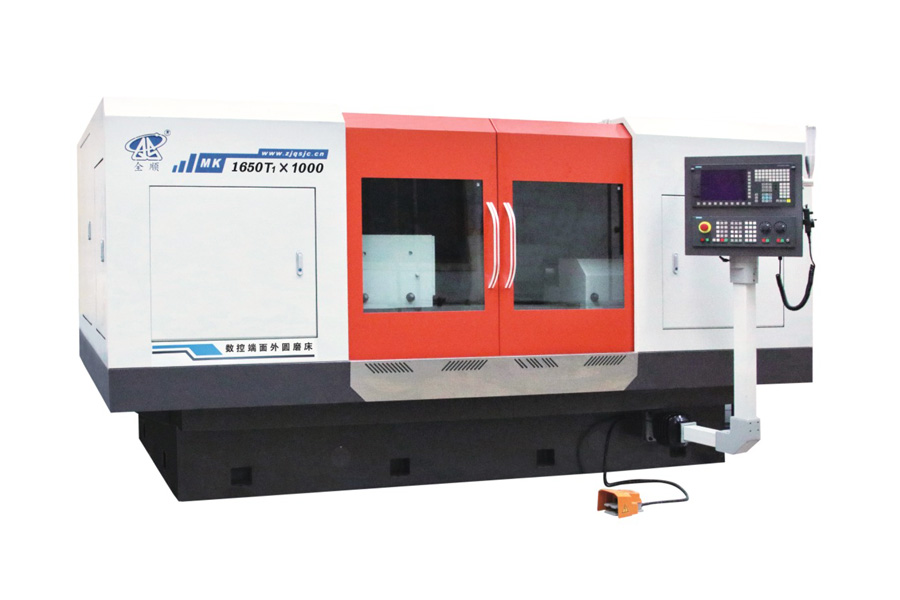
Width and spindle power come next. A 63 mm wide wheel engaging the full face demands more power and more coolant than a 25 mm wheel taking the same depth of cut, and on a power-limited machine the honest options are a narrower wheel, a smaller infeed, or a more open structure — not a harder grade that will simply burn the part. Shops that standardise on one machine for a family of shaft diameters usually settle the machine first and tune wheels second, because a rigid machine tolerates a wider window of grades before chatter or taper appears. That is the role a workhorse CNC cylindrical grinding machine is normally bought for.
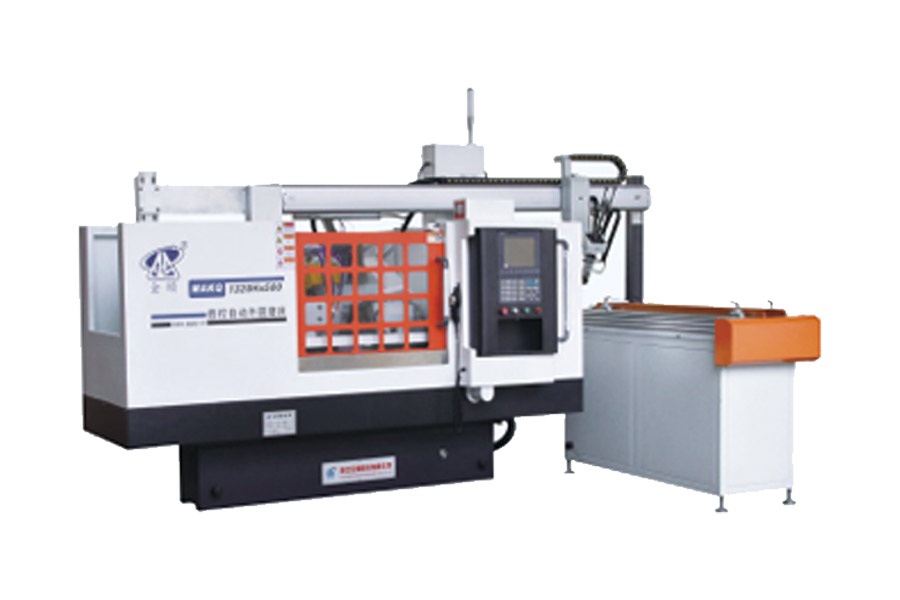
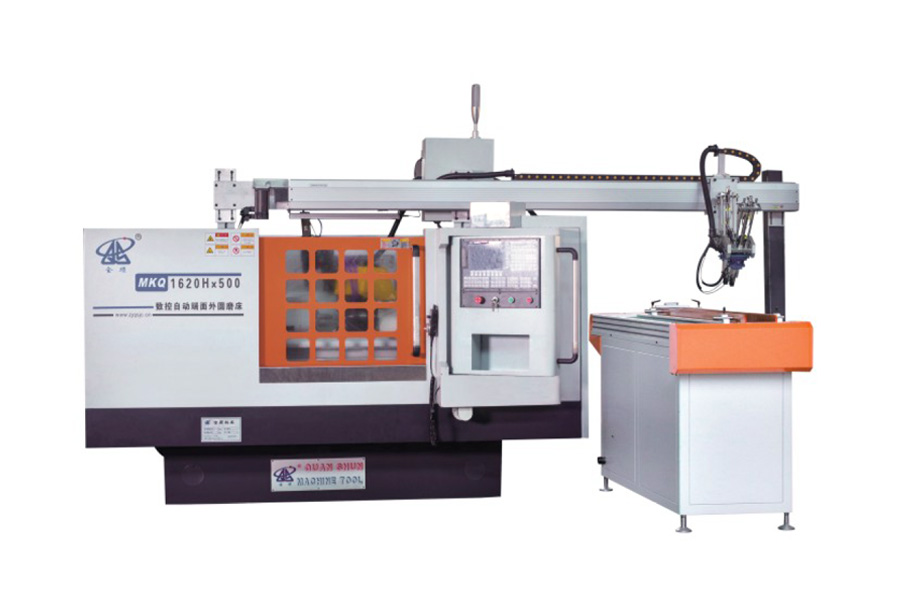
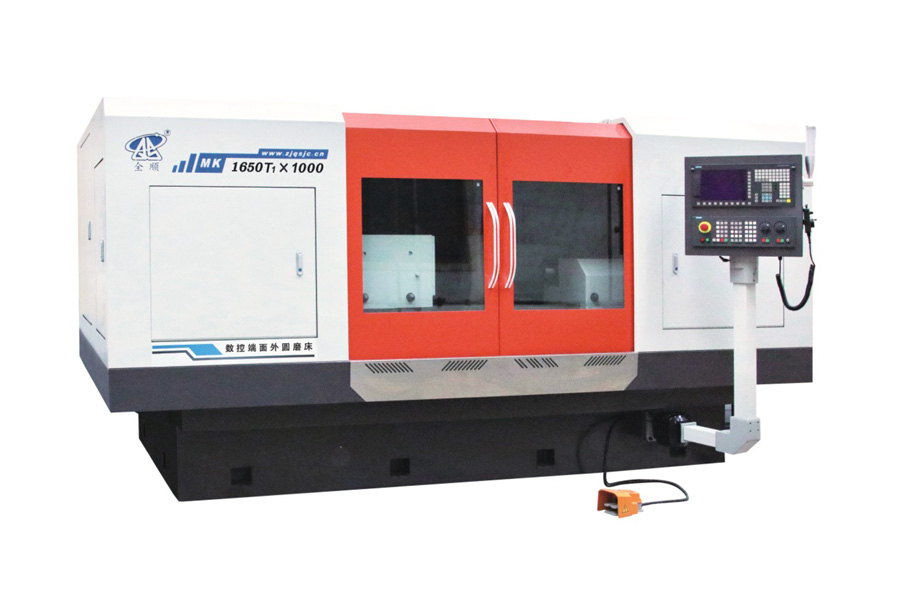
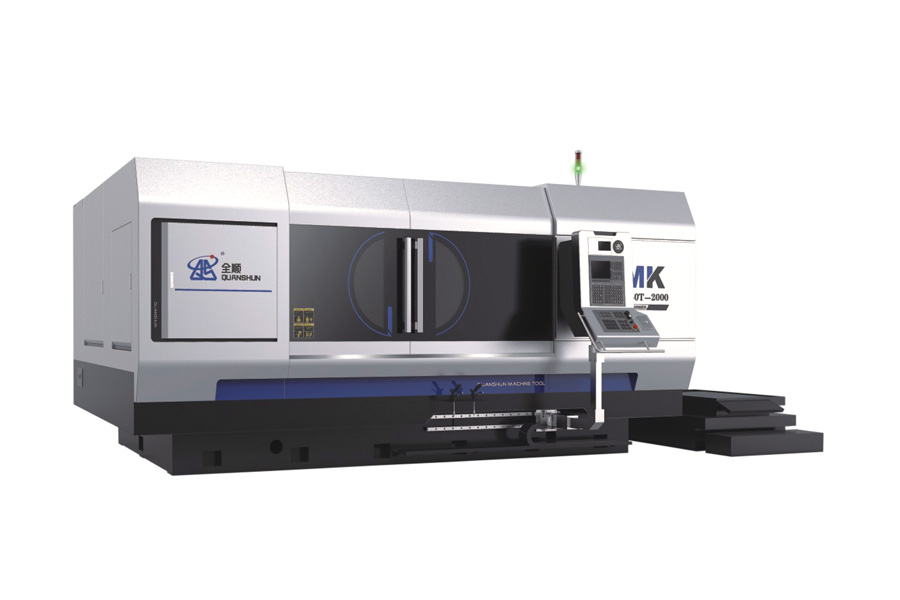
 MK/MAK CNC Cylindrical Grinding Machine SeriesA rigid CNC cylindrical grinding platform for shaft families, with sub-micron feeding and conversational cycles to support stable wheel tuning.View Product →
Dressing, Balance and Coolant Decide the Outcome
A wheel's behaviour is rewritten every time it is dressed. With a single-point diamond, a depth of 0.02–0.05 mm per pass and a controlled traverse keeps the face open and sharp; two or three spark-out passes at the end of the cycle settle the size instead of letting spring passes do it. A glazed wheel usually recovers with about 0.03 mm taken off the face. If a wheel needs 0.2 mm of dressing to cut freely again, it is too hard for the job and no amount of operator skill will fix that.
Balance is the second quiet failure. Balance the wheel after mounting, then re-check it after the first dress, because a wheel that was true on the flange can go out of balance once a few millimetres of abrasive come off. Out-of-balance shows up as chatter at spindle frequency and a finish that looks like fine threading under a low-angle light. On a 0.4 µm finish requirement, that pattern alone can fail a part that measures perfectly good on diameter.
Coolant is the third. Aim the nozzle at the contact arc rather than the top of the wheel, supply enough flow to clear chips from the pores, and keep soluble oil concentration in the usual 5–8% band with regular refractometer checks. High-speed work and CBN wheels generally need higher pressure, and through-wheel or through-spindle delivery is worth the plumbing where the arc is long.
Hard Material, Wide Arcs and Form Work
Hardened steel above 55 HRC
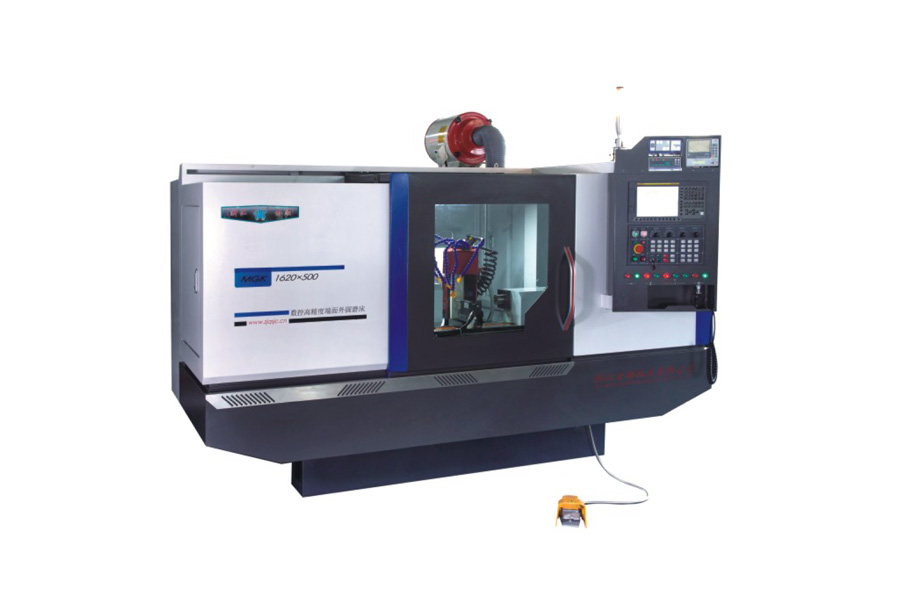
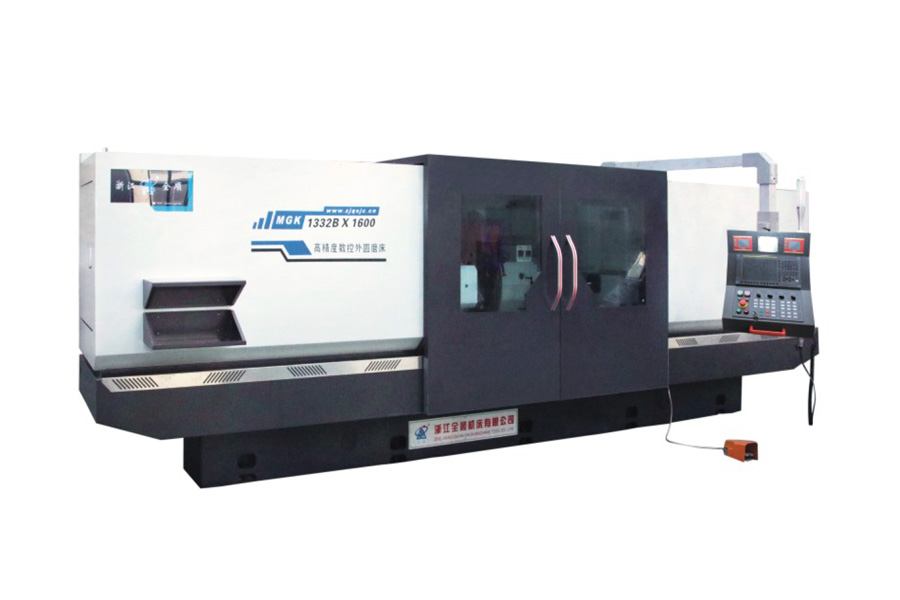
Standard alumina struggles here: grains dull quickly, the wheel glazes, and burn appears before the size is reached. CBN is the usual answer for volume work, and a softer white alumina grade with a sharp, single-point dress is a reasonable low-volume alternative. Expect more frequent dressing and check for burn with a nital etch on the first few parts rather than trusting the visual appearance of the surface. Machines built around this work, such as a wide-wheel cylindrical grinding machine configuration, are usually paired with a high-precision platform so the wheel is not fighting the machine.
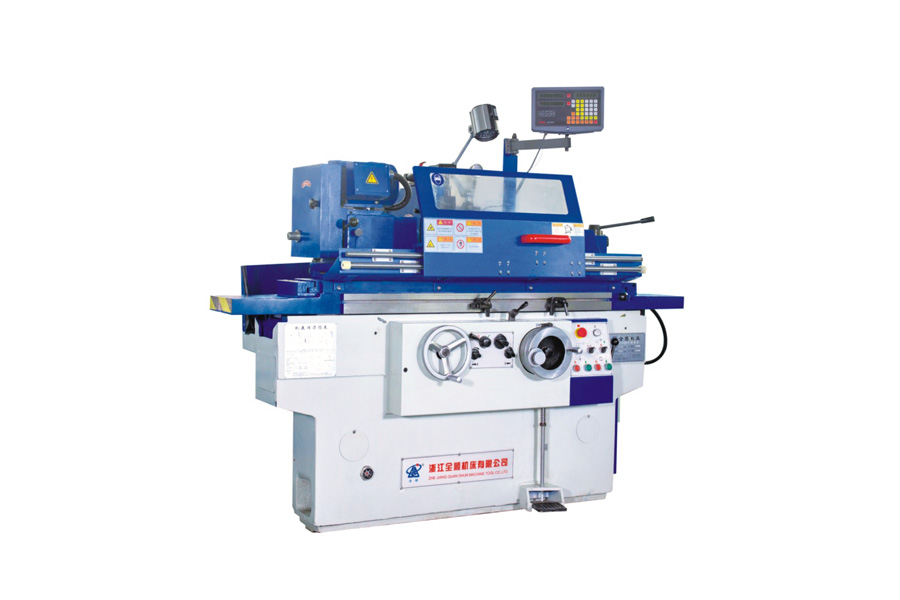
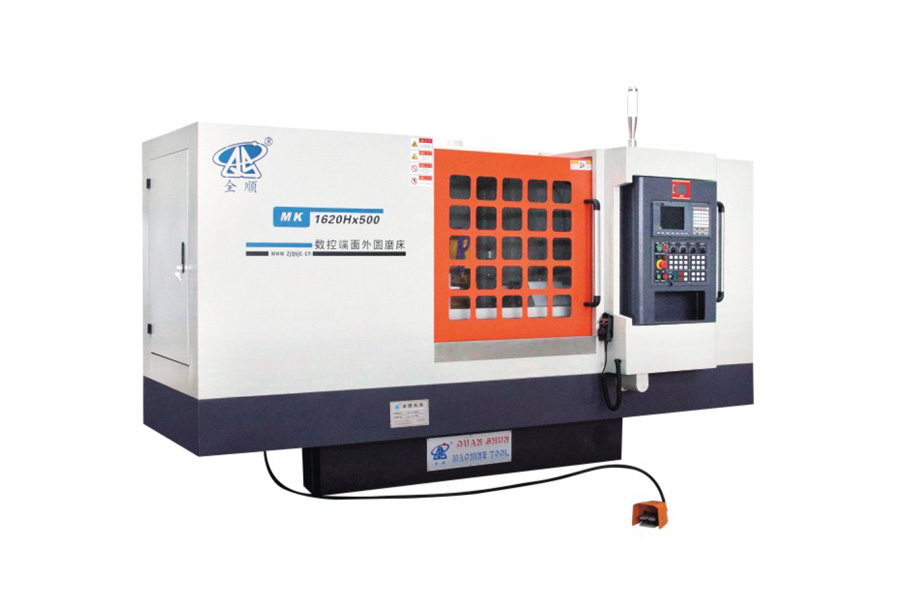
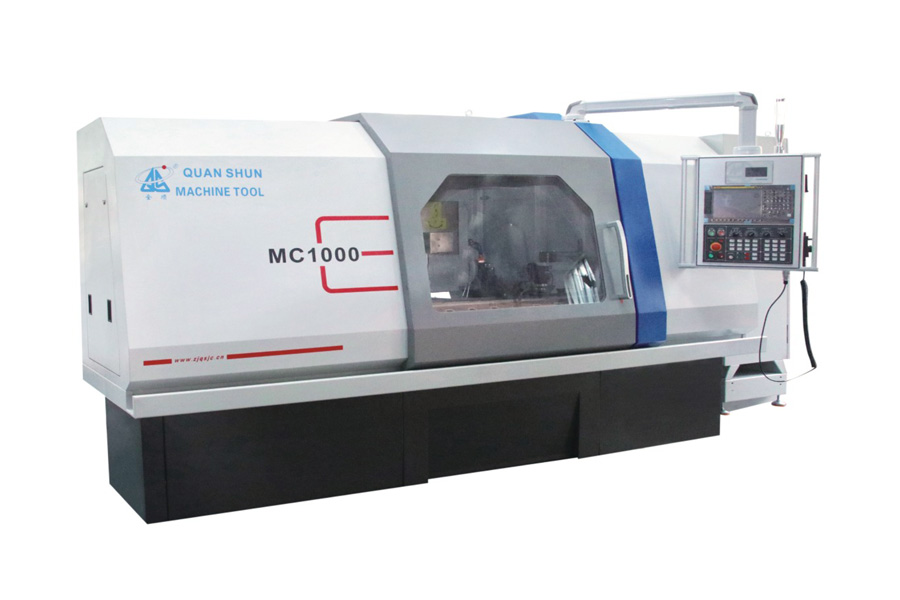
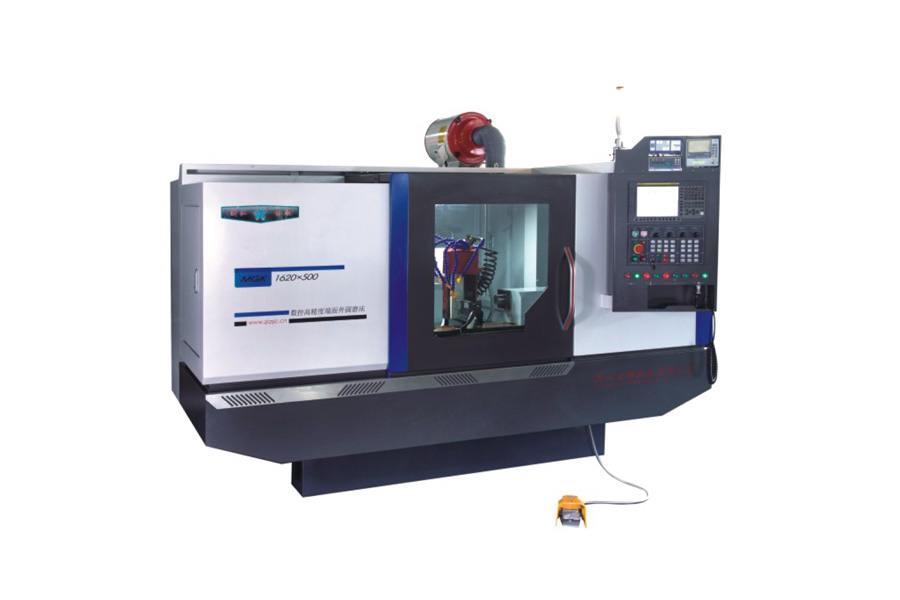 High Precision CNC Cylindrical Grinding Machine MGKA heavy-duty, sub-micron grinding platform for straight, tapered, and multi-step shafts, with conversational CNC cycles and optional in-process gauging.View Product →
Wide arcs, multiple diameters and form work
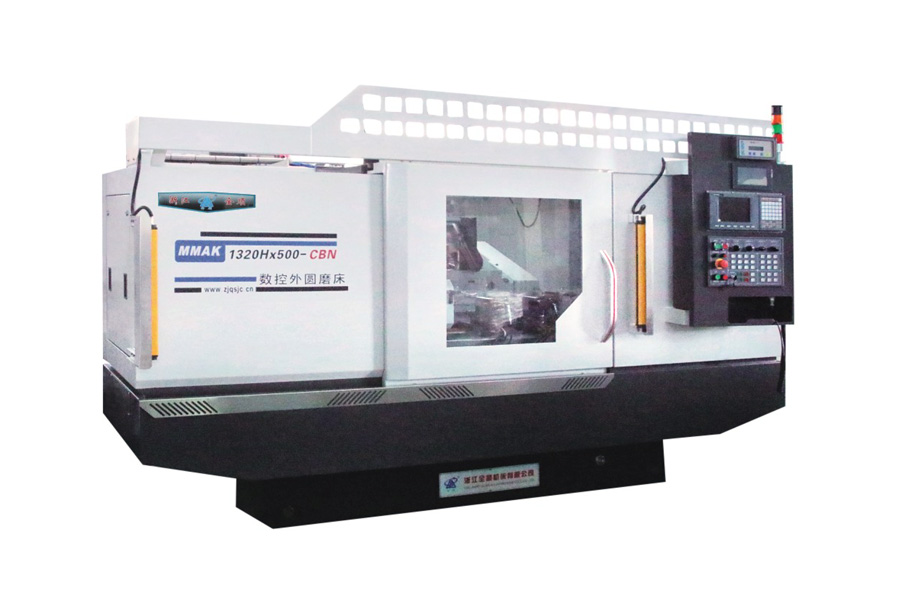
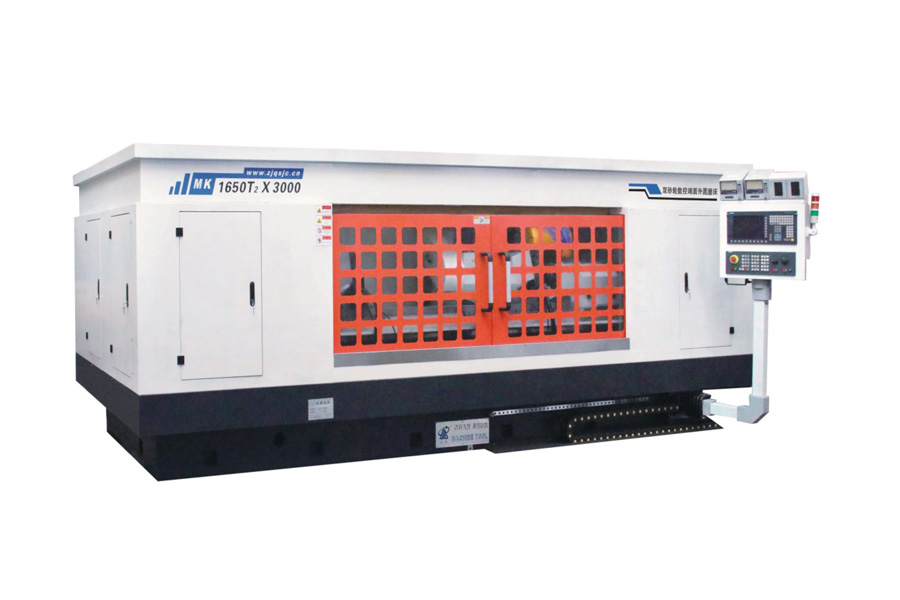
As the contact arc grows, coolant reach and chip clearance become the limiting factors rather than grain sharpness. Open the structure, drop one grade softer, and consider a wider wheel to reduce the number of passes and the wear on any single section of the face. Where a part needs roughing and finishing at two positions without a second setup, a twin-spindle arrangement removes the handling step entirely and keeps one dressing cycle for both operations.
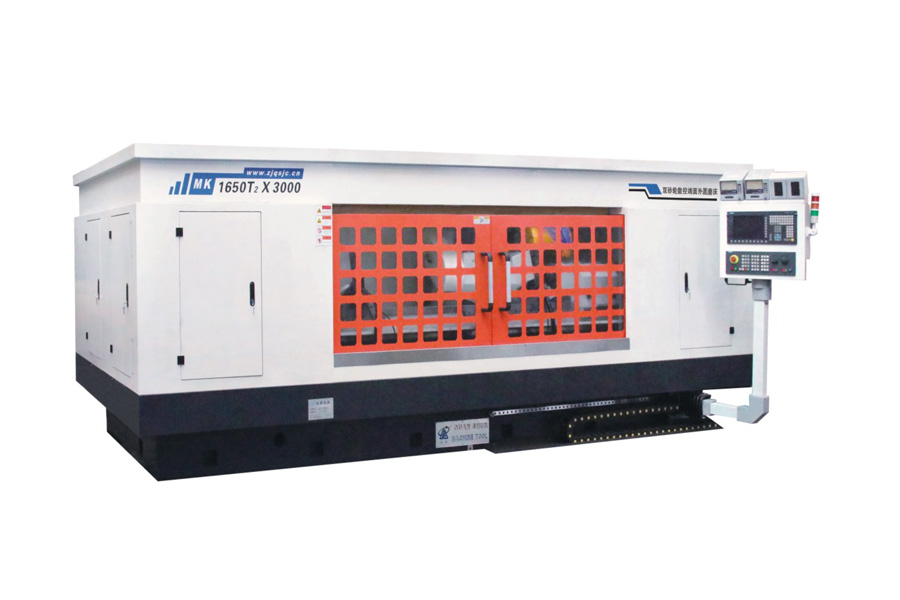
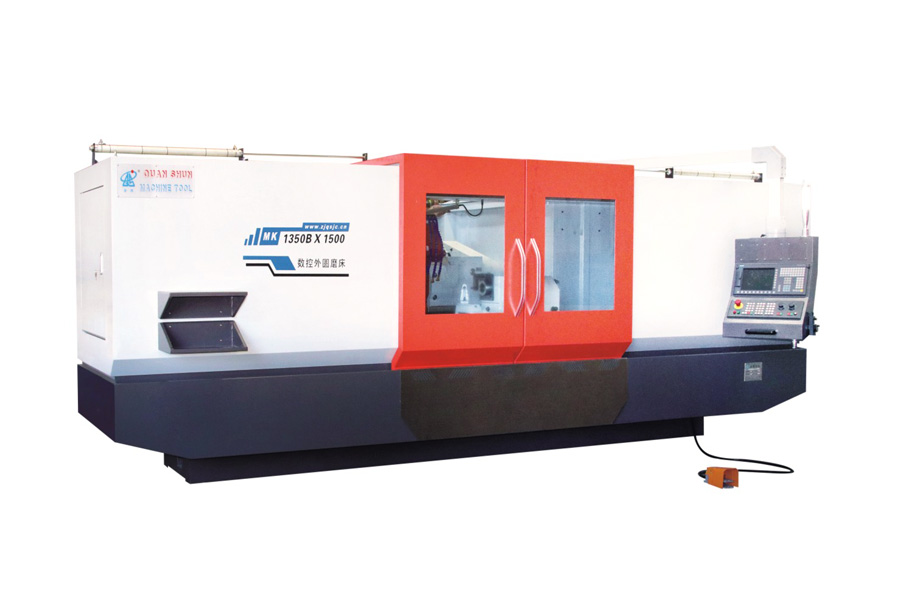
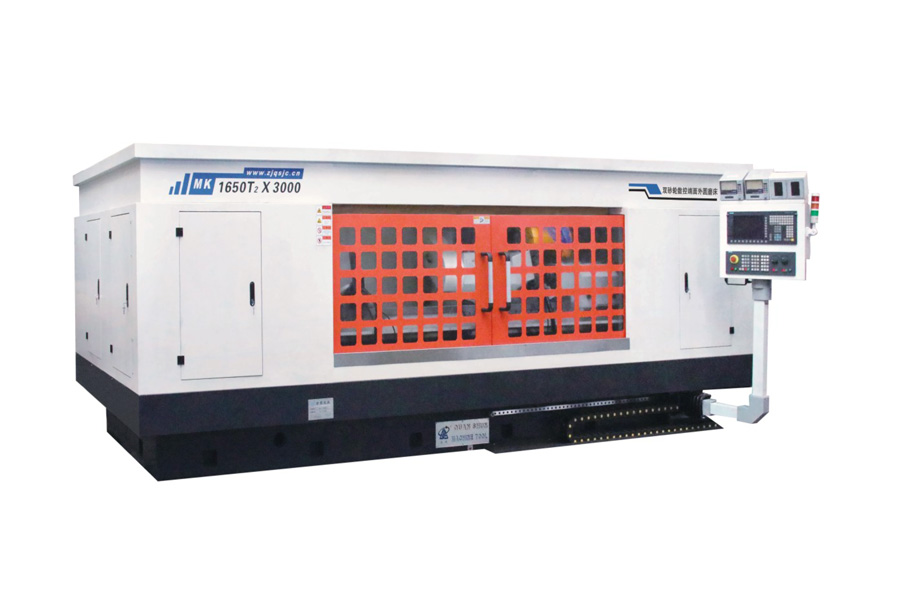 Double Wheelhead CNC Cylindrical Grinding MachineA twin-wheelhead CNC grinder for OD/OD or OD/ID work, enabling multi-step diameters, faces, and bores in one setup without unclamping.View Product →
Acceptance Checks Before the Order Goes In
Wheel orders are cheap to place and expensive to get wrong, because a wrong batch can sit in the store for a year while operators work around it. Six checks cover most of the risk:
- Confirm the speed marking and bond code on the wheel and blotter match the machine's maximum rpm and the guard rating.
- Verify outside diameter, width and bore tolerance, and that the wheel seats on the flange without shimming or rocking.
- Balance and check runout after mounting, then again after the first dress.
- Ask for batch and hardness data. Two wheels from different batches can behave differently on a finishing pass even with the same printed grade.
- Run a trial of three to five parts and measure diameter, taper, roundness and Ra, plus a burn check on hardened steel.
- Compare cost per accepted part, not cost per wheel. Dressing frequency, cycle time and scrap usually outweigh the price difference between two wheel specifications.
A cylindrical grinding wheel that is one grade too hard will always look cheaper at the purchasing stage and more expensive by the end of the month, because the cost shows up as dressing time, burn and rework rather than on the invoice. Start from the drawing tolerance, respect the machine's speed and power ceiling, dress and balance with the same discipline you apply to the machine itself, and prove the specification on real parts before committing to a batch.