0086-15068518279 (Chinese)/001-5416026691 (English)



 EN
 中文简体
Content
- 1 Why grinding is automated differently from turning or milling
- 2 Where a standard loader ends and custom work begins
- 3 The specification sheet that keeps a project on schedule
- 4 Layout choices and the throughput each one buys
- 5 Acceptance testing: the part where money is won or lost
- 6 After handover: what keeps a custom cell productive
Picture a grinding cell turning out bearing journals every 90 seconds. The machine holds ±0.006 mm all day, yet the line keeps losing output at the load door: the operator waits for the wheel to clear, seats the shaft between centres, checks the centre hole, and closes the guard. In a lot of shops the real constraint is not the grinding cycle but the ten or fifteen seconds on either side of it. That gap is exactly where custom automation solutions earn their budget—and where a badly specified one quietly eats the tolerance budget it was bought to protect.
The notes below look at the decision from the machine side: which parts justify purpose-built handling, what the specification has to contain, and which acceptance tests keep a project from drifting late and over cost.
Why grinding is automated differently from turning or milling
On a lathe, a loader that drops a blank within half a millimetre is usually fine, because the first cut defines the surface. Grinding is the finishing operation. Final size, roundness and surface finish are all set in that one pass, so the workpiece must arrive in the same position relative to the wheel head and the steady rest on every cycle. A 0.01 mm seating error on the face driver reappears as taper; a chip sitting in a centre hole reappears as a roundness defect that no amount of wheel dressing will remove.
What actually has to be automated
Handling hardware is the visible part. The functions that decide whether the cell runs unattended are less obvious:
- Part orientation and transfer, including rejecting a double-fed part before it reaches the wheel
- Clamping with repeatable torque, so part deflection stays inside the roundness allowance
- In-process or post-process gauging feeding size compensation back to the control
- Wheel wear compensation and automatic dressing tied to the cycle, not to the operator's judgement
- Traceability: part counting, size logs, alarm history that survives a shift change
Where a standard loader ends and custom work begins
A bolt-on gantry loader makes sense when the part family is narrow, the cycle is generous and the operator only needs relief from lifting. Custom engineering starts earlier—when the workpiece itself dictates the kinematics. Shafts with centre holes, thin-walled sleeves, broaches, crankshafts with offset journals and large-calibre tubes each demand a different holding strategy, and the loader has to be designed around that strategy rather than retrofitted to it. Where no catalogue model fits the part geometry, the practical route is often a custom grinding machine with automation designed into the same drawing set, so the loader and the work head are matched from the first layout.
| Decision factor | Standard loader is enough | Custom solution is justified |
|---|---|---|
| Part family | One or two similar diameters, stable length | Mixed diameters, flanges, splines, thin walls |
| Changeover | Manual, minutes, planned in advance | Recipe-driven fixture swap within a shift |
| Cycle balance | Grinding time dominates the takt | Handling time controls the takt |
| Accuracy loop | Operator gauges and offsets manually | Gauge feedback corrects size automatically |
| Line integration | Load and unload only | Conveyor, washing, marking and data logging in one flow |
The specification sheet that keeps a project on schedule
Most delayed automation projects were not badly built; they were thinly described at the quotation stage. A one-page process sheet agreed before design starts removes much of that risk. At minimum it should carry:
- The part drawing with real tolerances and the target process capability, not just a nominal dimension
- Incoming condition: forged, cast or pre-turned, hardness range, and allowable stock variation
- Batch size and takt time in seconds, including cleaning and inspection allowances
- The host machine model, control type and available signals for handshaking
- Floor space, power, air and coolant capacity at the installation point
- Acceptance criteria, who measures them, and which gauge is used
- Documentation language, spare parts list and operator training hours
Two of those items cause more disputes than the rest: stock variation and acceptance. A cell designed for 0.3 mm of grind allowance will misbehave on a batch that arrives with 0.8 mm, and "repeatable to drawing" is not a test method. Write the numbers down.
Layout choices and the throughput each one buys
Three layouts cover most grinding automation work. A gantry loader above the machine keeps the footprint small and suits shafts loaded between centres; a robot cell offers more freedom for intermediate washing or marking but needs guarding and a larger envelope; an in-line dedicated transfer is the fastest and the least flexible. Where rough and finish grinding sit on the same part, a double wheel head removes a second clamping and the error that comes with it.
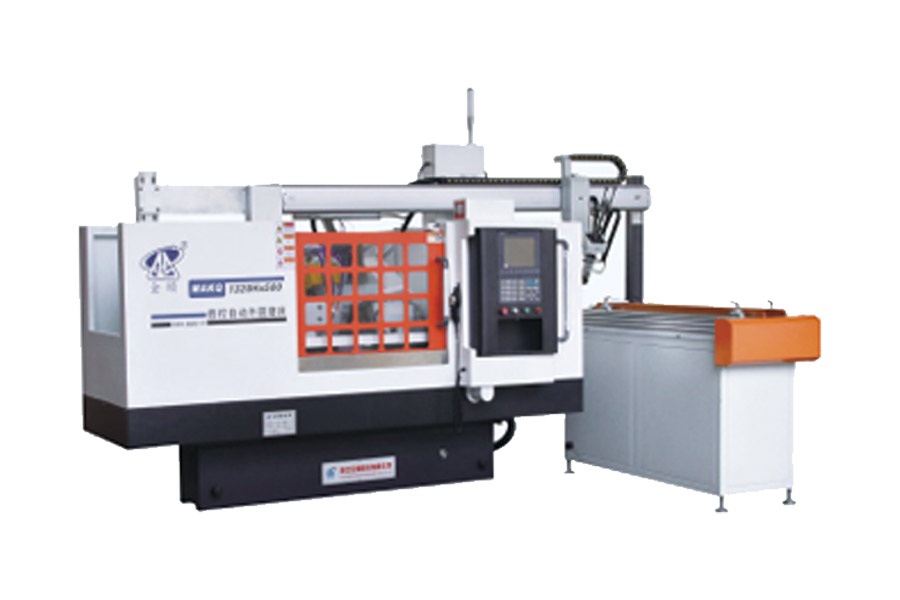
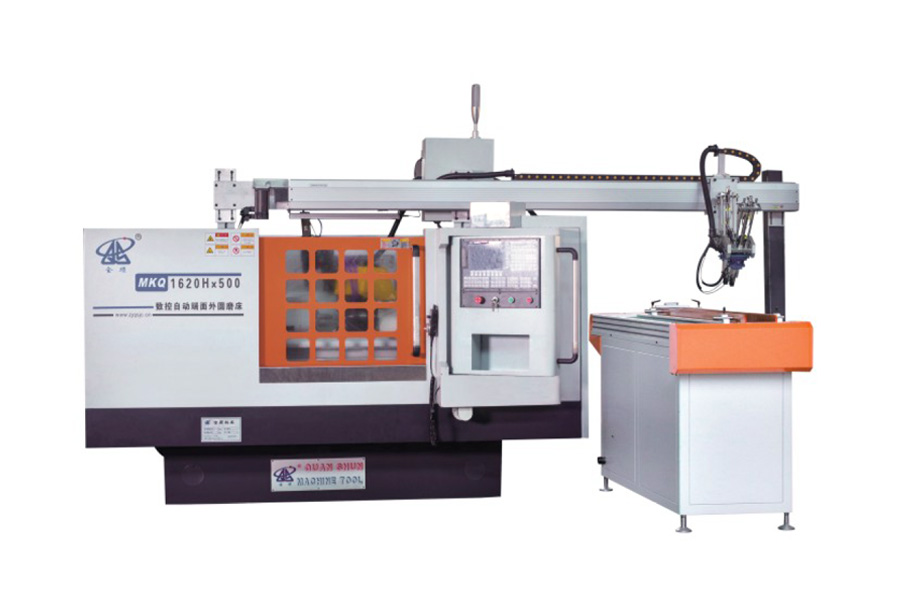
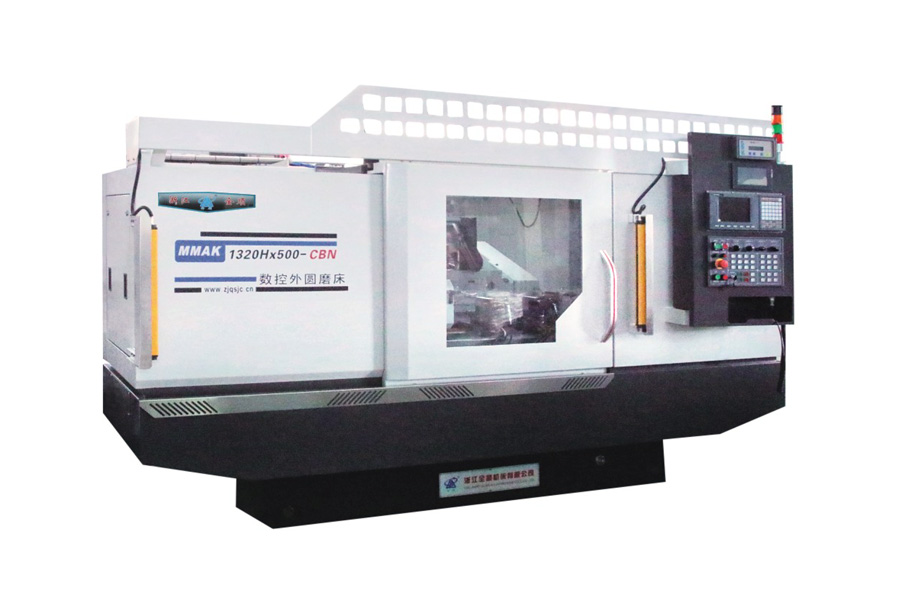
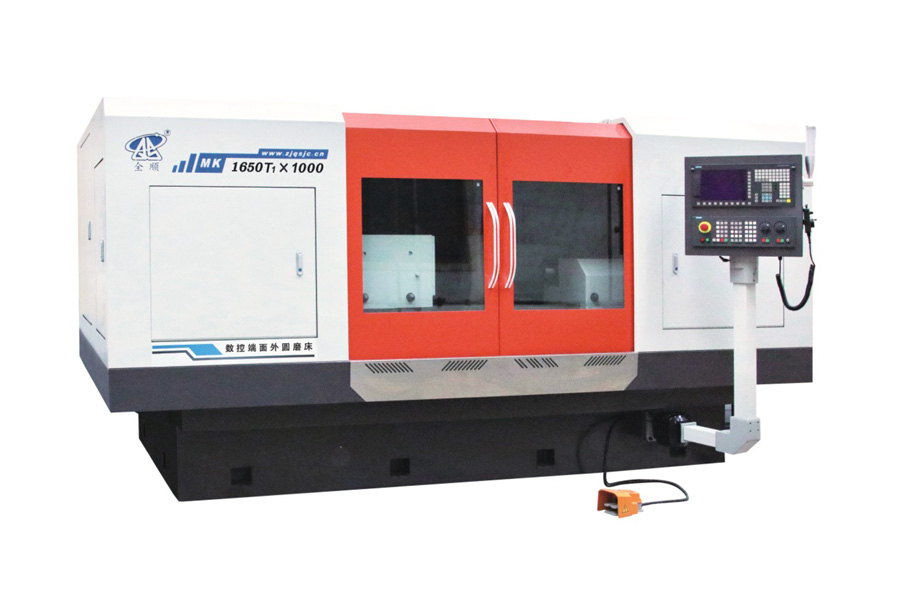
A gantry-loaded automated CNC grinder is usually the shortest path to unattended running on a stable shaft family, because the loader and the machine share one control and one safety circuit.
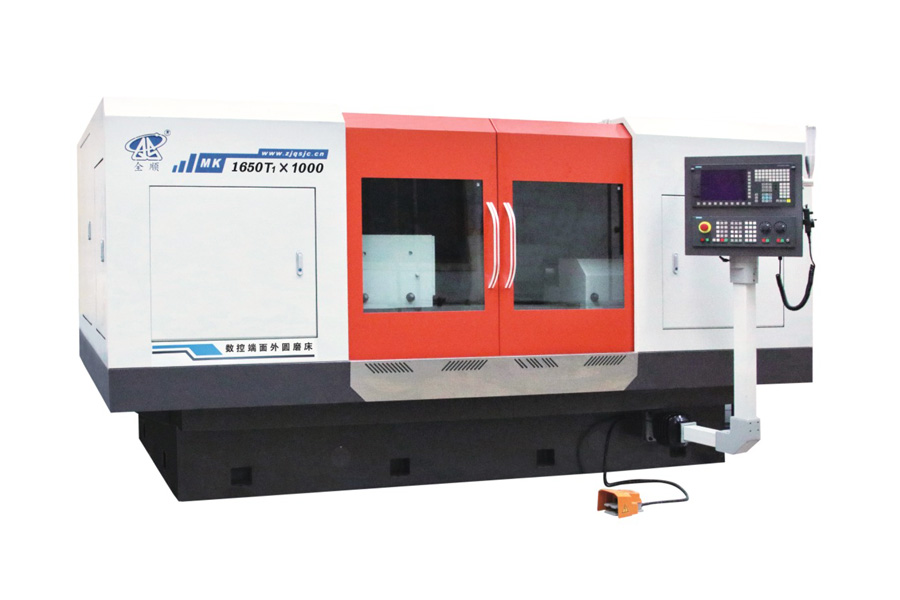
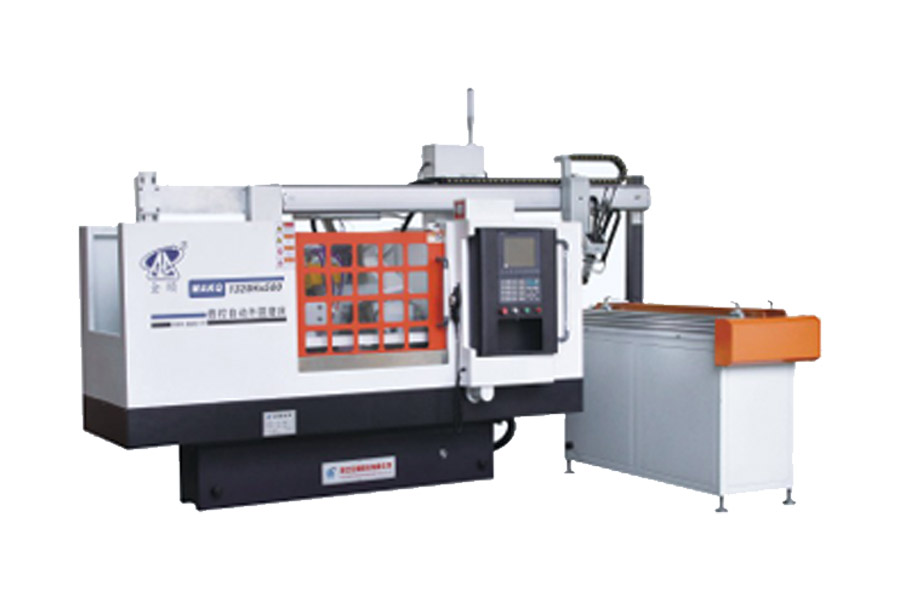 Automatic CNC Cylindrical Grinding Machine for Unattended Shaft ProductionGantry-loaded automatic grinder with dual-channel control that runs grinding and robotic handling together, supporting unattended, high-volume shaft production with one operator overseeing multiple machines.View Product →
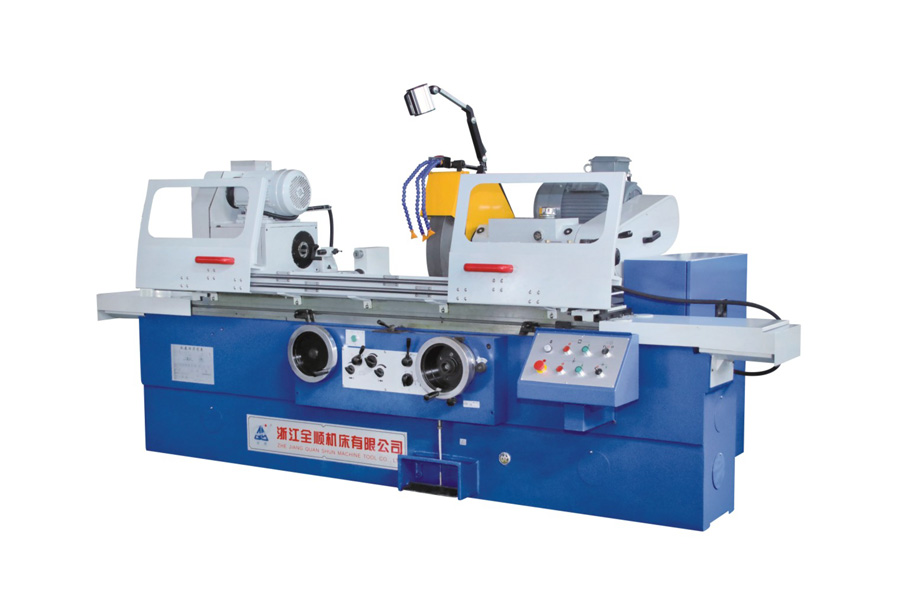
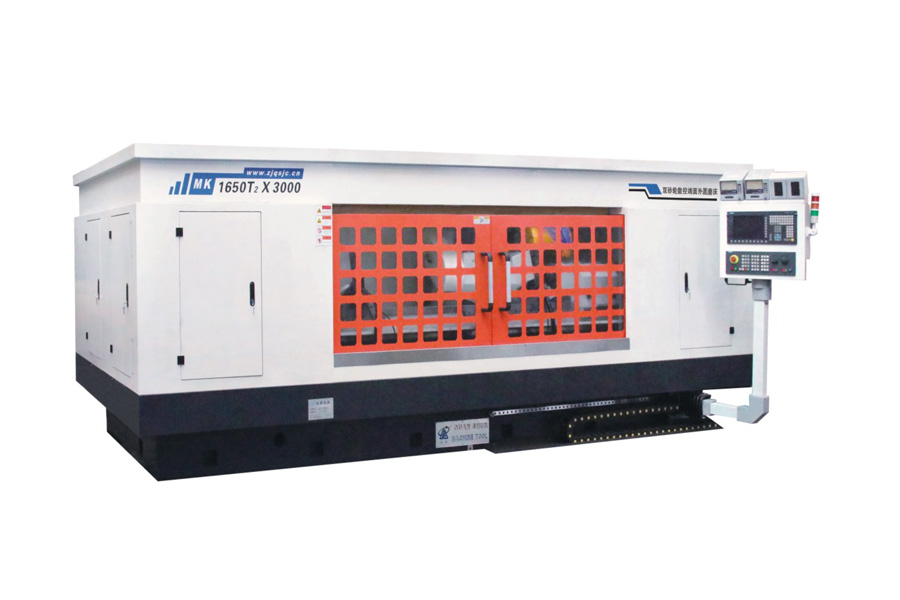
When the cycle is split between roughing and finishing, a machine with two independent wheel heads can cut total grinding time substantially and holds concentricity better than two separate operations.
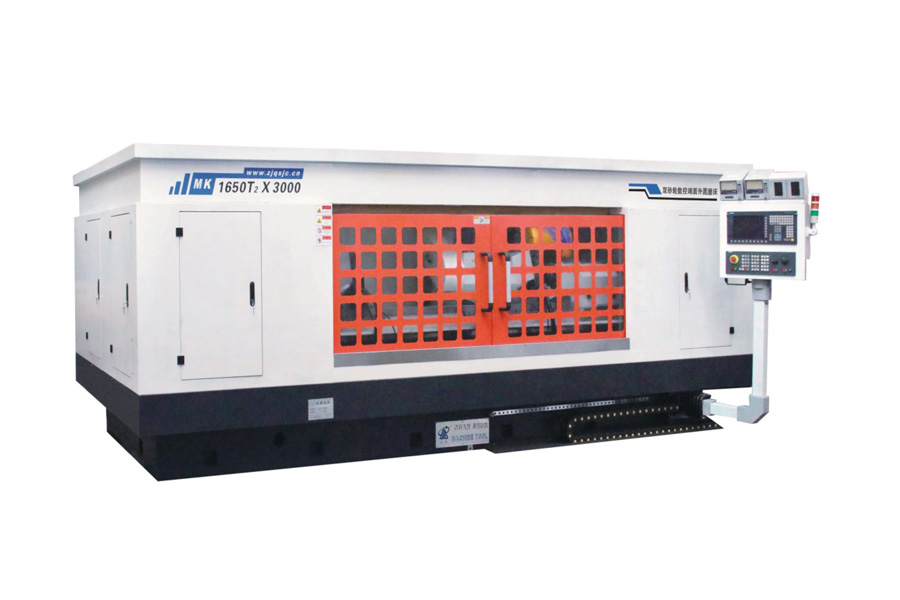
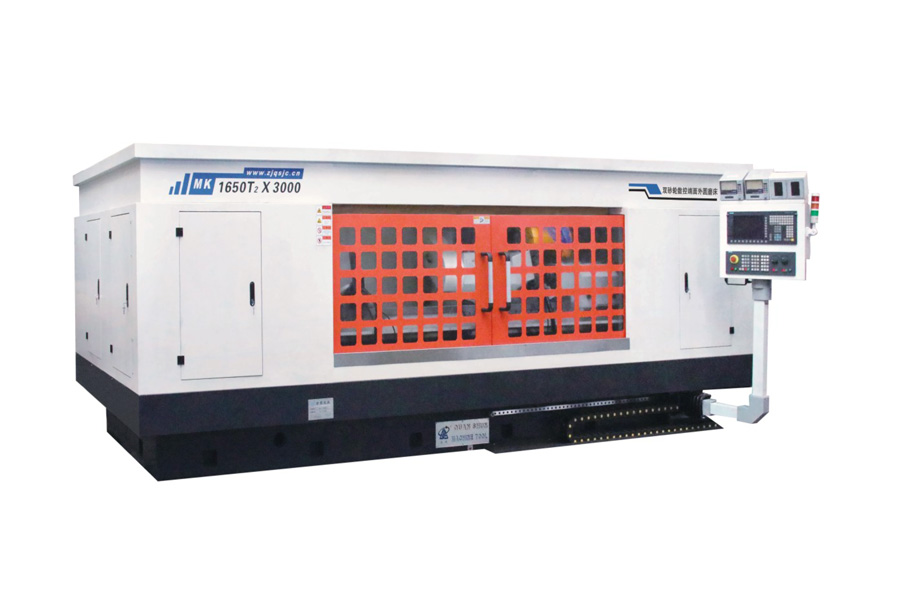 Double Wheelhead CNC Cylindrical Grinding Machine for Single-Setup Multi-Process GrindingTwo independent wheelheads grind OD/OD or OD/ID features in one setup, avoiding secondary clamping and concentricity errors while supporting automated, high-volume precision production.View Product →
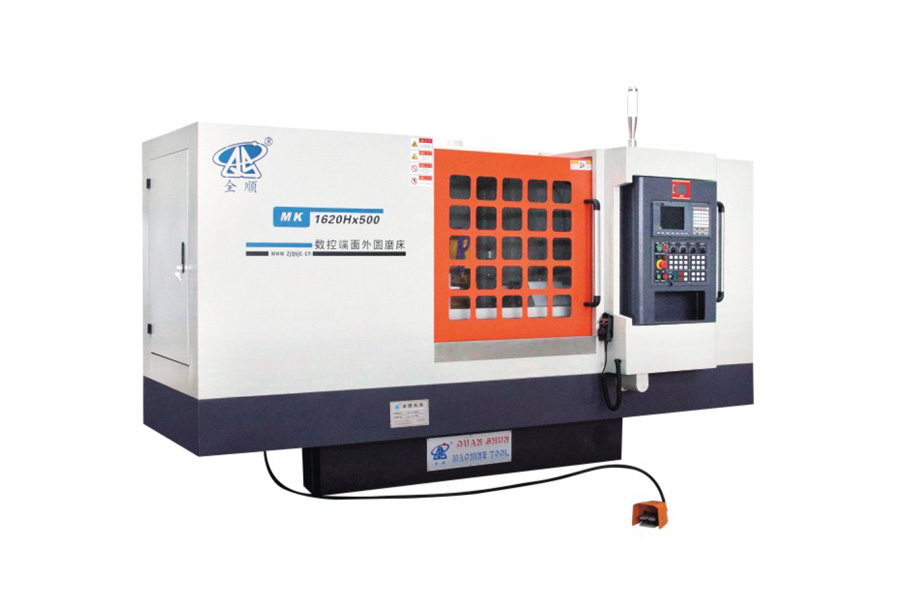
For parts that need several surfaces in one setting—bore, face and outer diameter—a compound grinding centre replaces a queue of single-purpose machines and the handling between them, which is often where the real savings hide.
Acceptance testing: the part where money is won or lost
Fix the numbers before the purchase order, not after commissioning. A workable set for a grinding cell looks like this: a 30-piece trial run on production parts, machine capability index of at least 1.67 on the critical diameter, gauge repeatability under 10 percent of tolerance, cycle time measured across 100 consecutive parts, and a documented recovery routine for a jammed part. Run the trial at a stated ambient temperature—20 ± 2 °C is a common basis—because a cell accepted in a cold bay in winter will not repeat its numbers in July.
Factory acceptance before shipment and site acceptance after installation should use the same parts and the same gauge. If those parts are not available, the test is not an acceptance test.
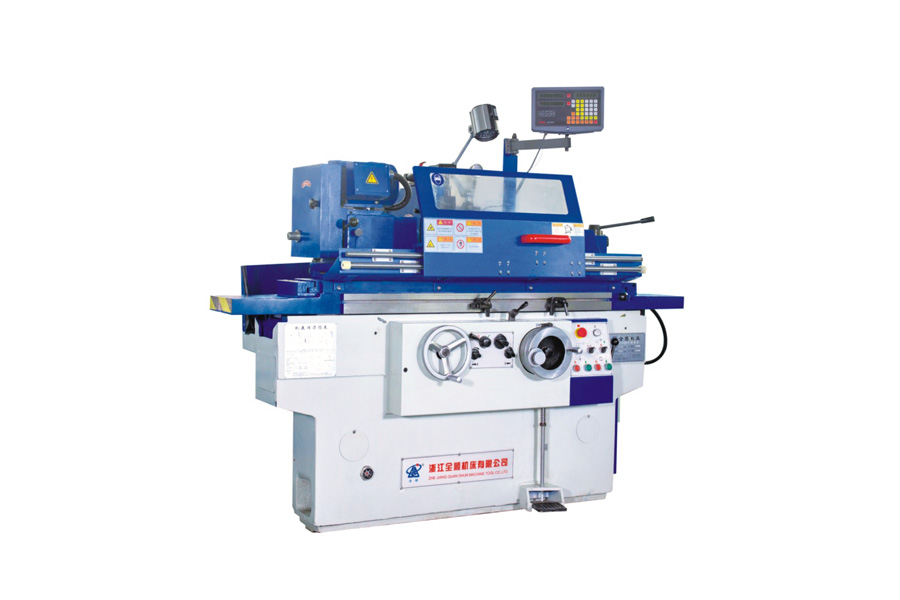
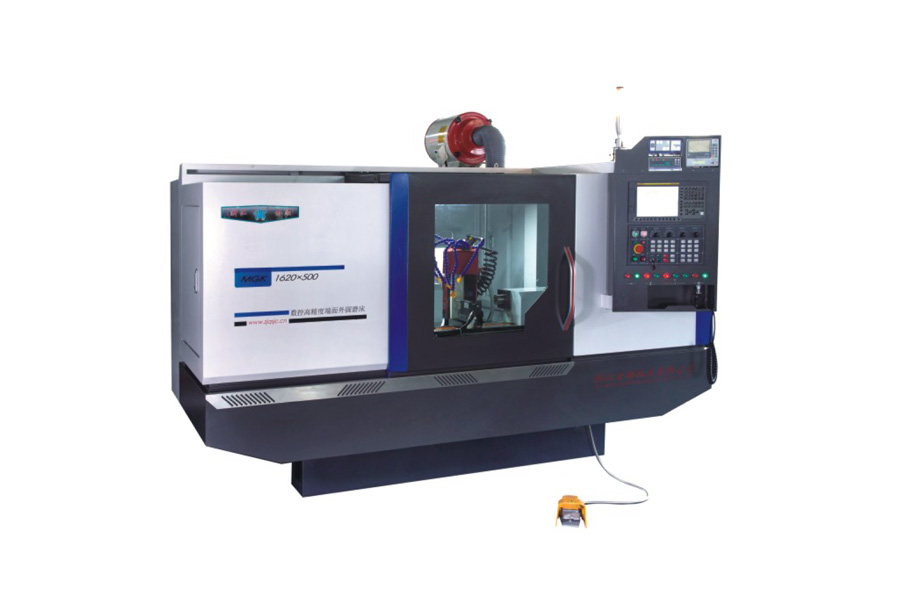
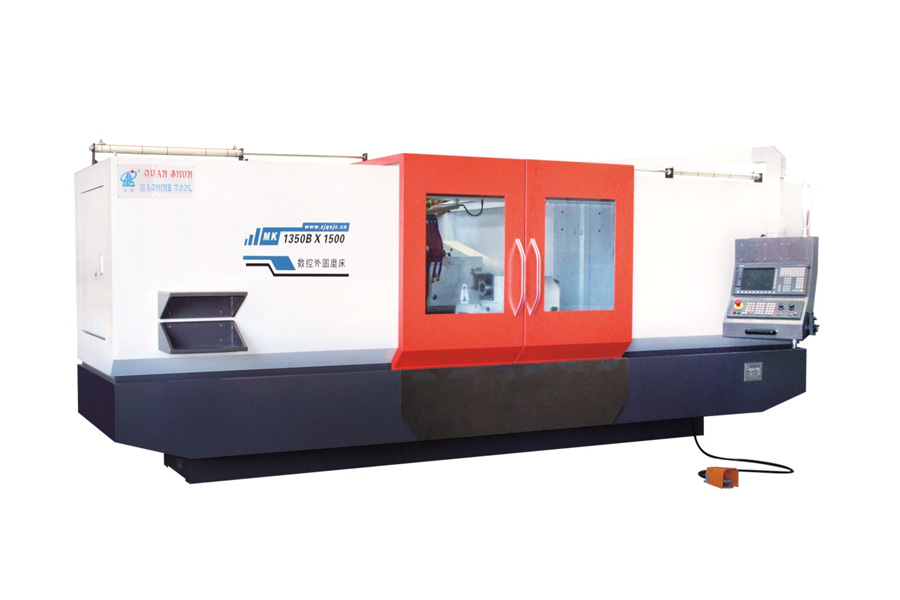
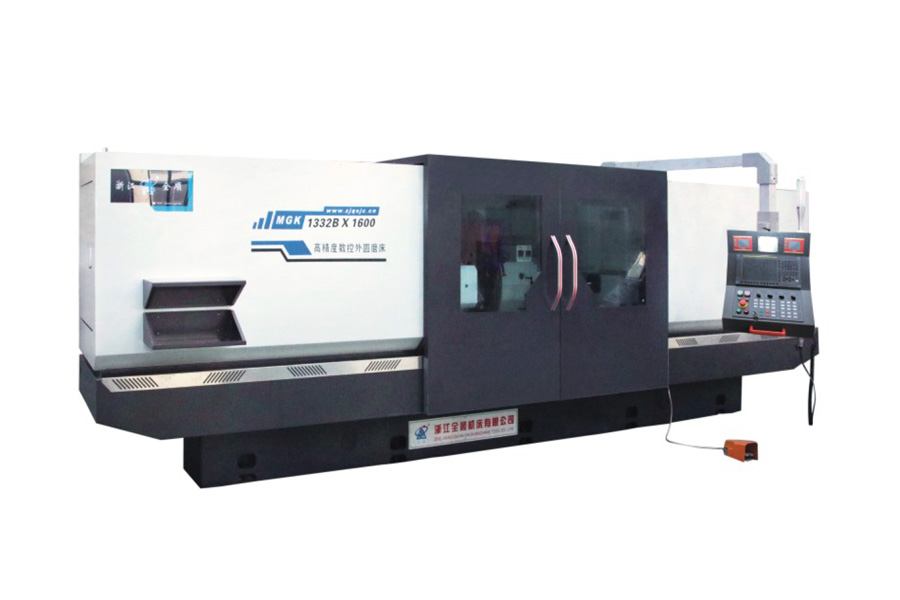
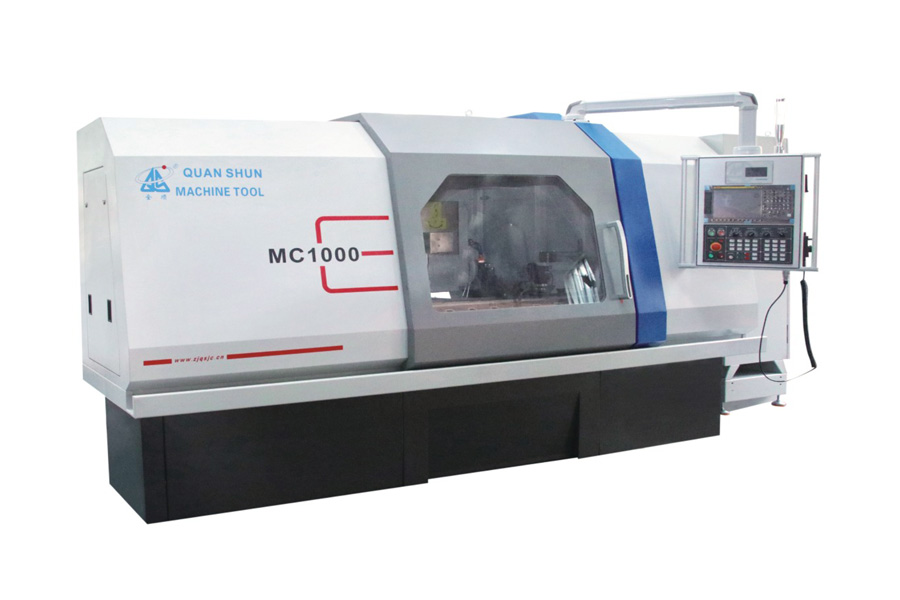
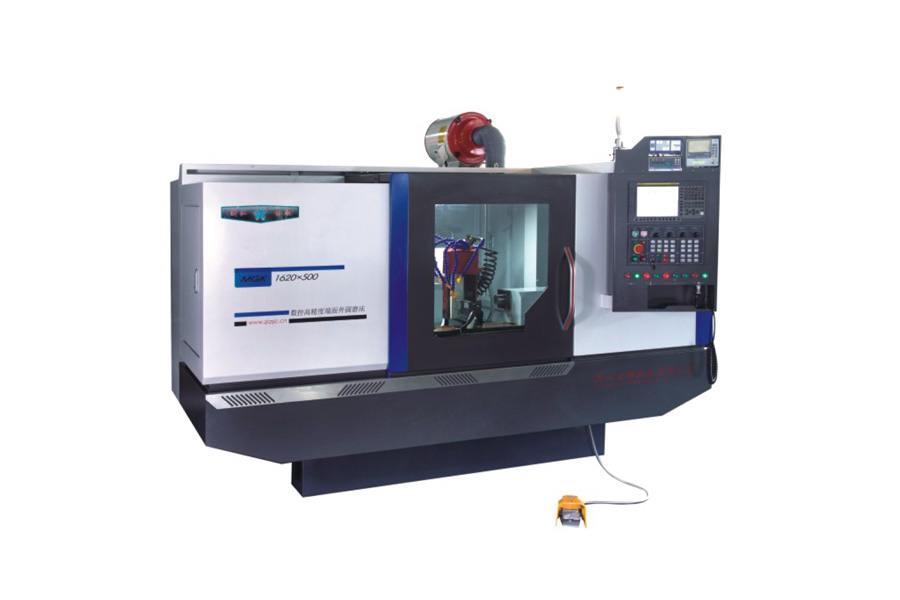 High Precision CNC Cylindrical Grinding Machine for Repeatable Automated ProductionRigid-bed cylindrical grinder with sub-micron repeatability, precision ball screws and optional in-process gauging, suited to automated lines where thermal stability and acceptance testing matter.View Product →
High-precision platforms matter here because the automation can only be as repeatable as the machine it feeds. If the grinder itself drifts with thermal growth, no loader design will rescue the capability study.
After handover: what keeps a custom cell productive
Custom equipment lives or dies on maintenance discipline. Three habits protect the investment. First, keep a spare-parts kit for the loader—gripper fingers, proximity switches, a drive belt—because a two-week wait for a €40 sensor costs more than the sensor ever will. Second, put the wheel dressing and coolant checks on a written schedule tied to the control's cycle counter rather than to operator memory. Third, train more than one person per shift and keep the documentation in the language the operators actually read.
Ask for the alarm list and the recovery procedure at handover, and test both while the supplier is still on site. A cell that stops at 02:00 with no written recovery path stops the whole night shift.
The honest summary: if the part is stable, volumes are modest and the operator has slack, a standard machine with manual loading still wins on total cost. If a tight-tolerance part repeats at high volume, the automation deserves its own specification and its own acceptance test—because that is where the difference between a working cell and an expensive bottleneck is decided.