0086-15068518279 (Chinese)/001-5416026691 (English)



 EN
EN
 中文简体
中文简体Content
A single roll out of tolerance can stop an entire production line—costing hours of downtime and thousands in scrap. That is why mills processing steel, aluminum, paper, or rubber depend on a CNC roll grinding machine to maintain roll geometry, surface finish, and roundness within tight tolerances. Unlike general-purpose cylindrical grinders, a roll grinder is built for the mass, length, and specific profile requirements of industrial rolls. The right machine reduces rework cycles, extends roll life, and directly improves output quality. Below, we break down what matters most when selecting a CNC roll grinding machine for your operation.
What Defines a CNC Roll Grinding Machine
A CNC roll grinding machine is a specialized cylindrical grinder designed to handle work rolls, backup rolls, and intermediate rolls used in rolling mills. The key differences from standard cylindrical grinders include heavier bed construction, larger wheelhead motors, extended bed lengths (often 3–10 meters or more), and advanced crowning/tapering capabilities through CNC interpolation. Modern machines also integrate automatic wheel dressing, in-process gauging, and adaptive control to maintain consistent results across long grinding cycles.
Core Performance Metrics
| Parameter | Common Range | Impact on Production |
|---|---|---|
| Max grinding diameter | 400 – 1200 mm | Determines which roll families can be processed |
| Max grinding length | 3,000 – 10,000 mm | Limits longest roll length in one setup |
| Workpiece weight capacity | 5 – 30 tons | Heavier rolls need stiffer headstock/tailstock |
| Roundness / Cylindricity | ≤ 2 – 5 µm | Directly affects strip/foil thickness variation |
| Surface finish (Ra) | 0.1 – 0.8 µm | Controls friction and roll wear patterns |
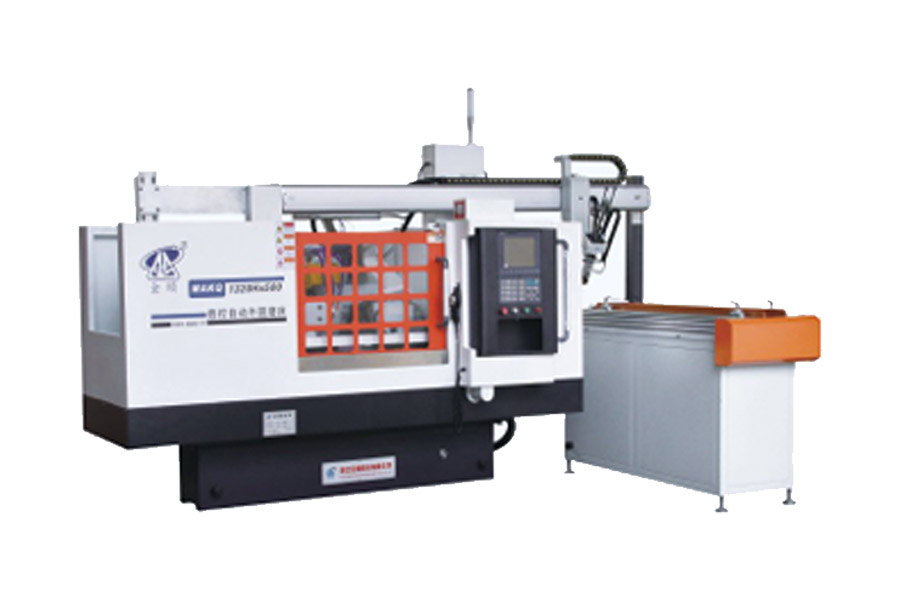
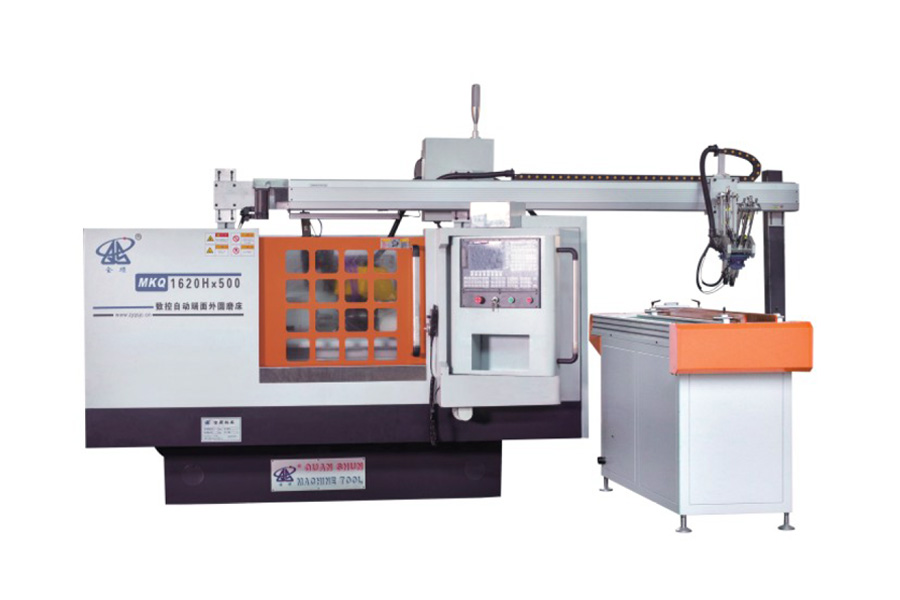
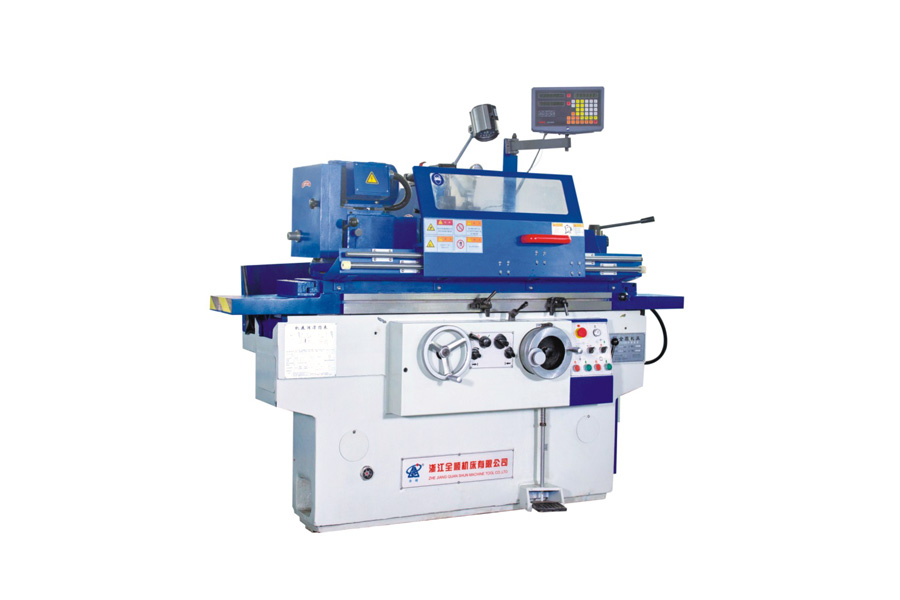
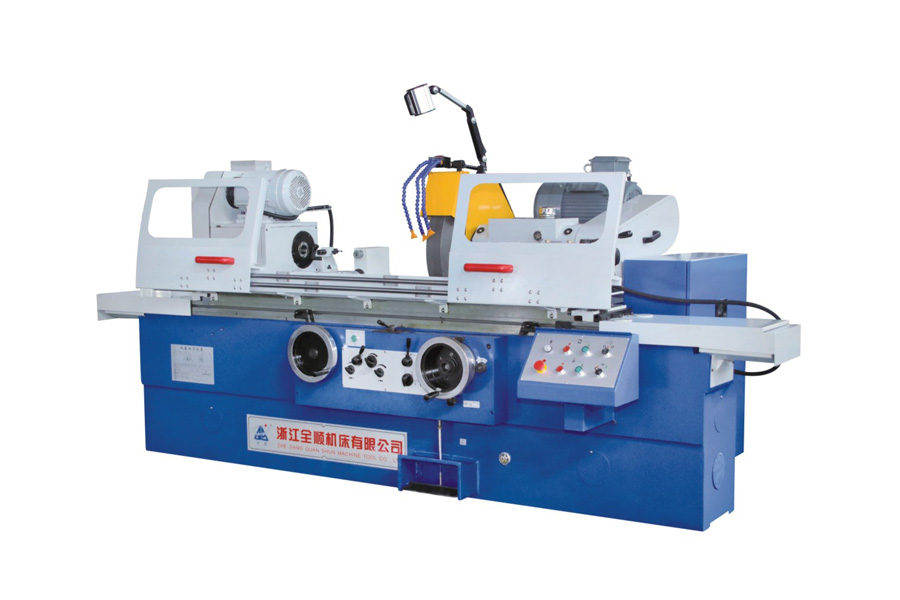
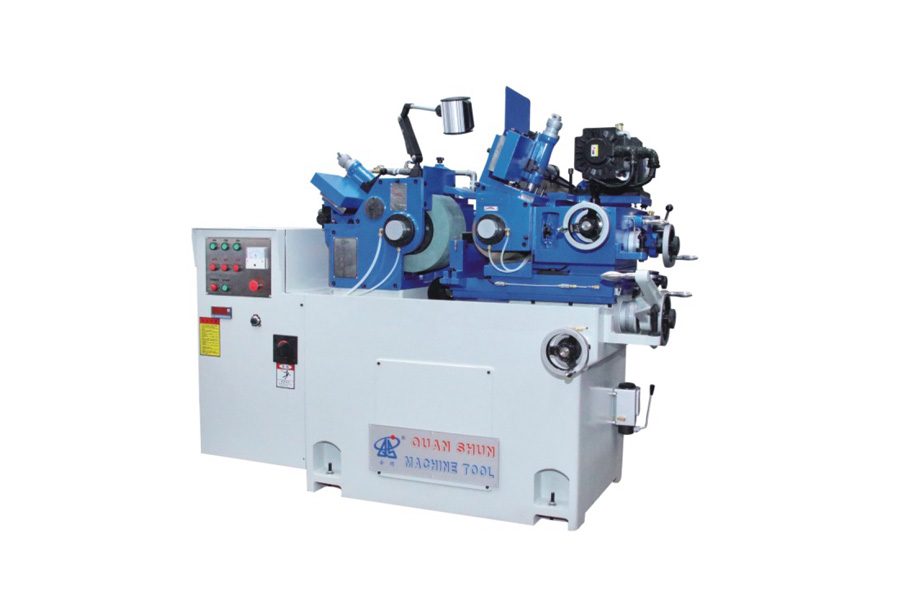
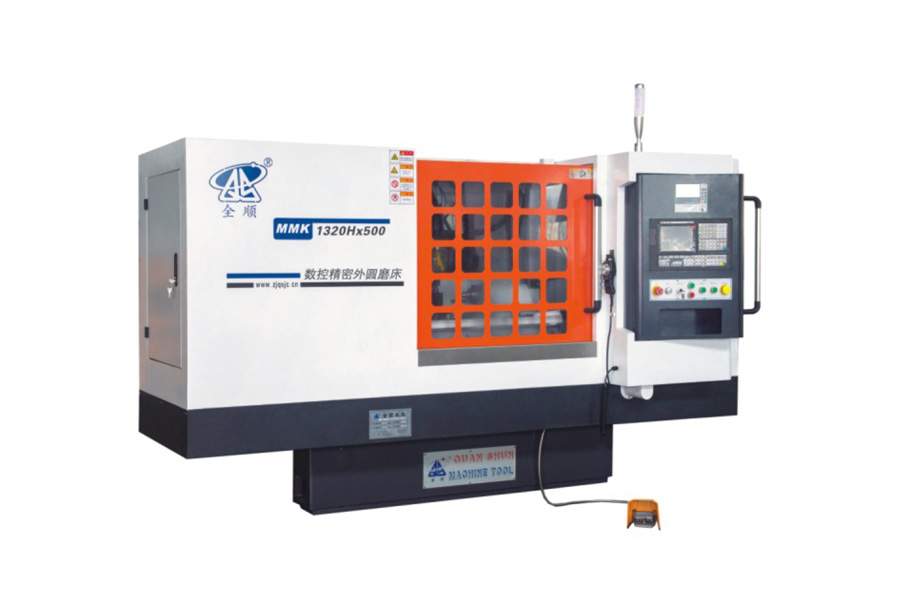
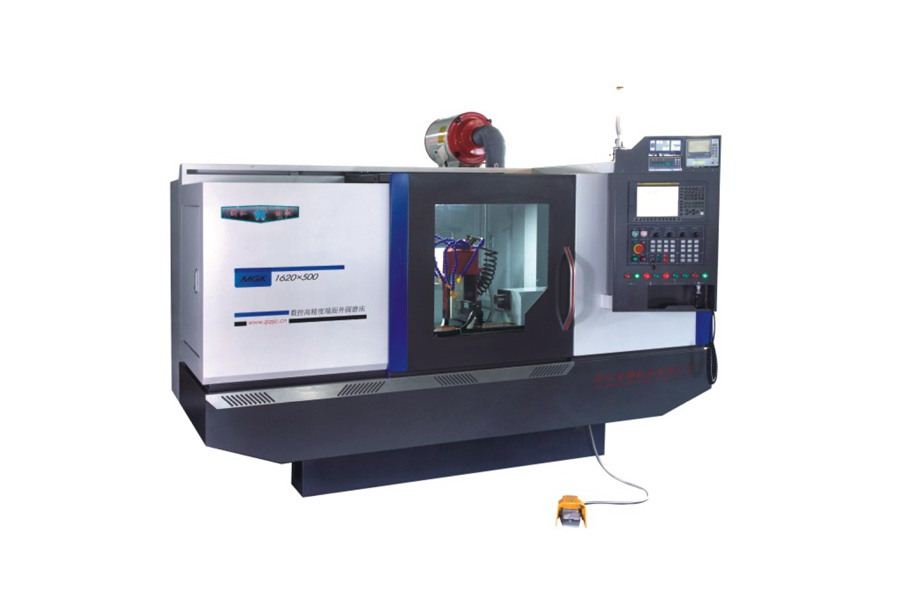
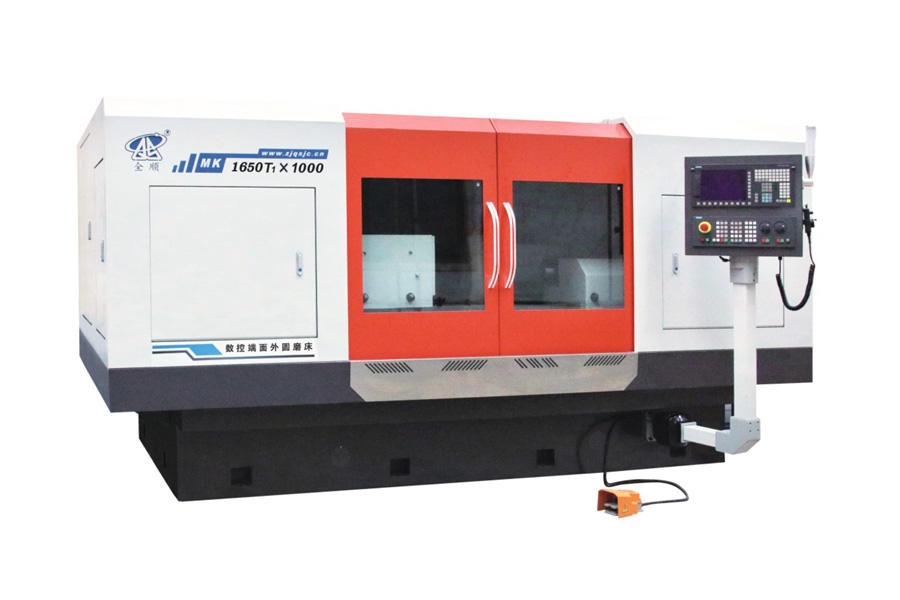
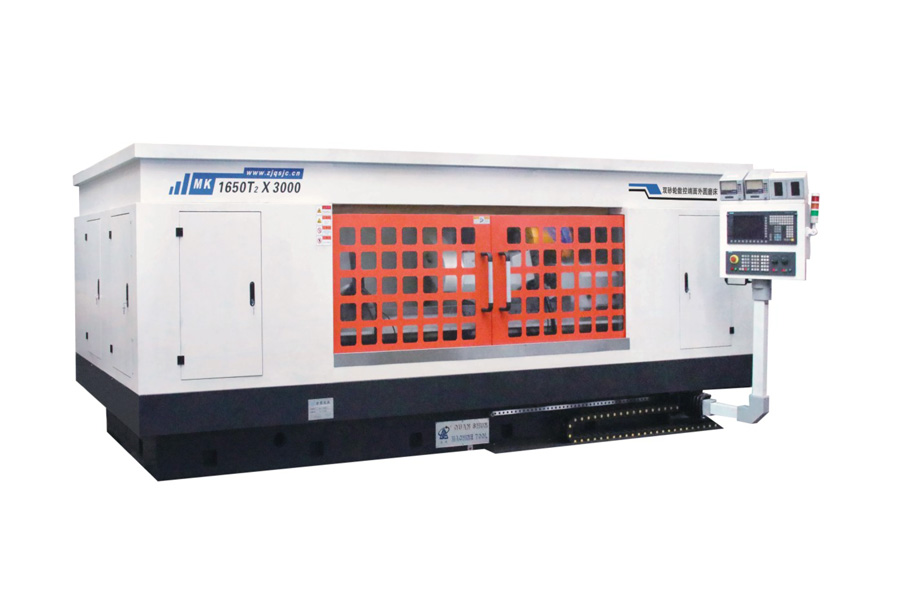
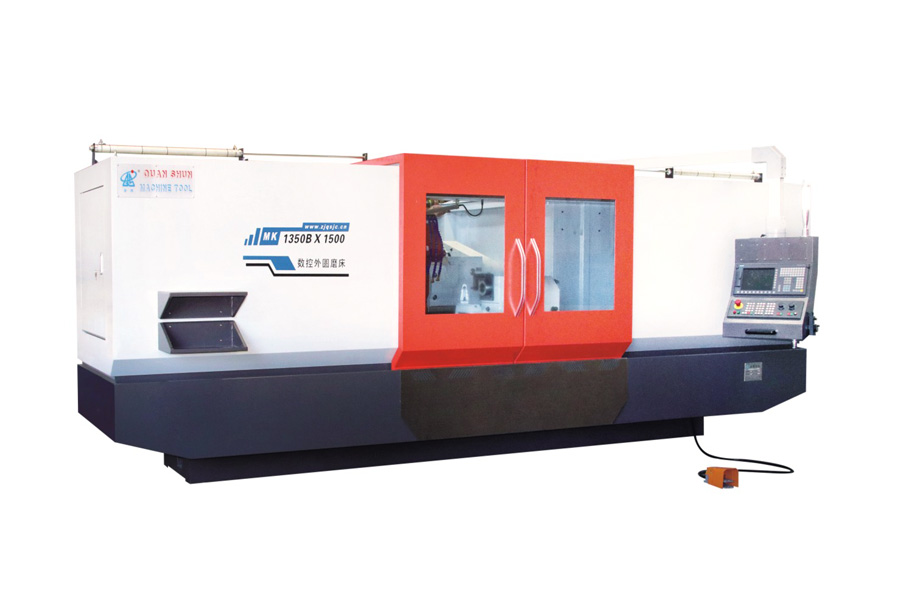
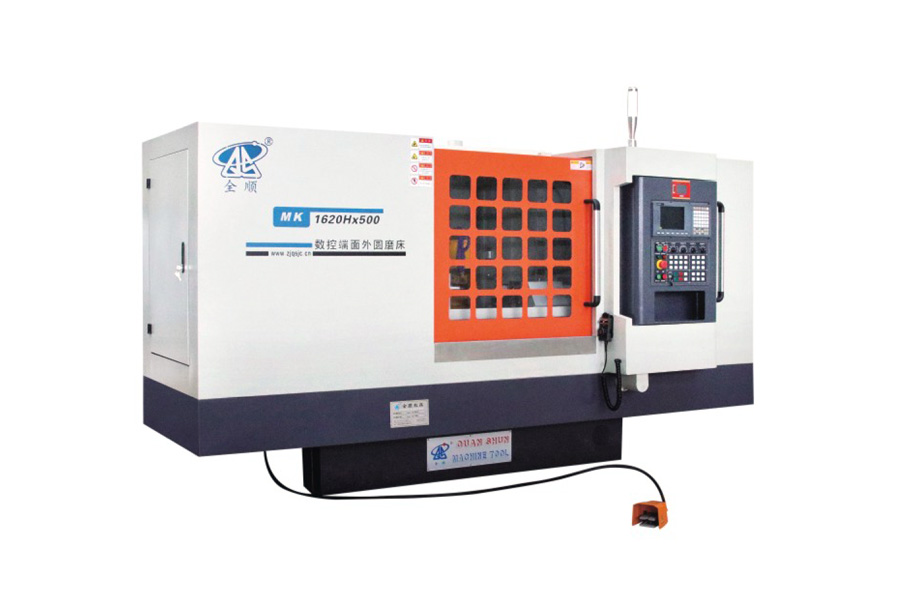
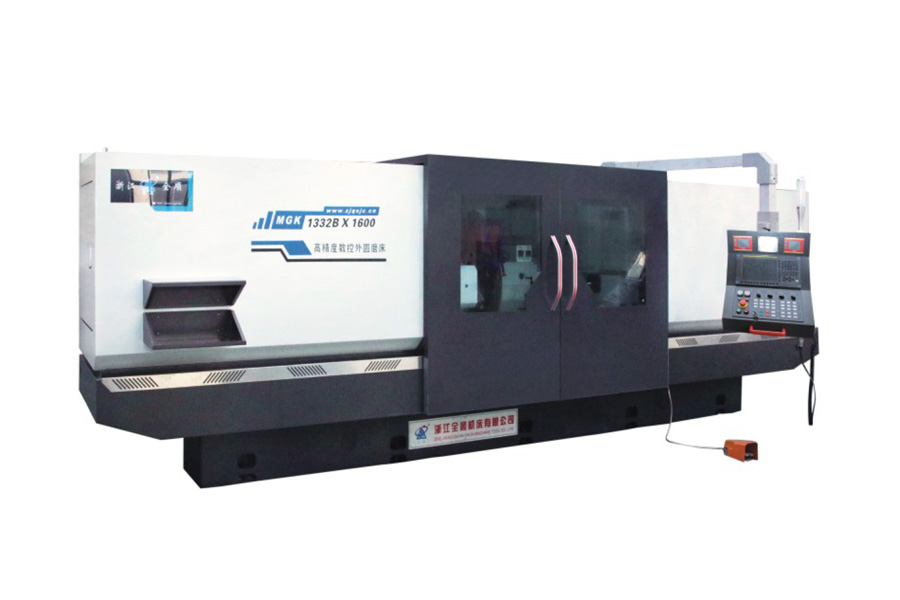
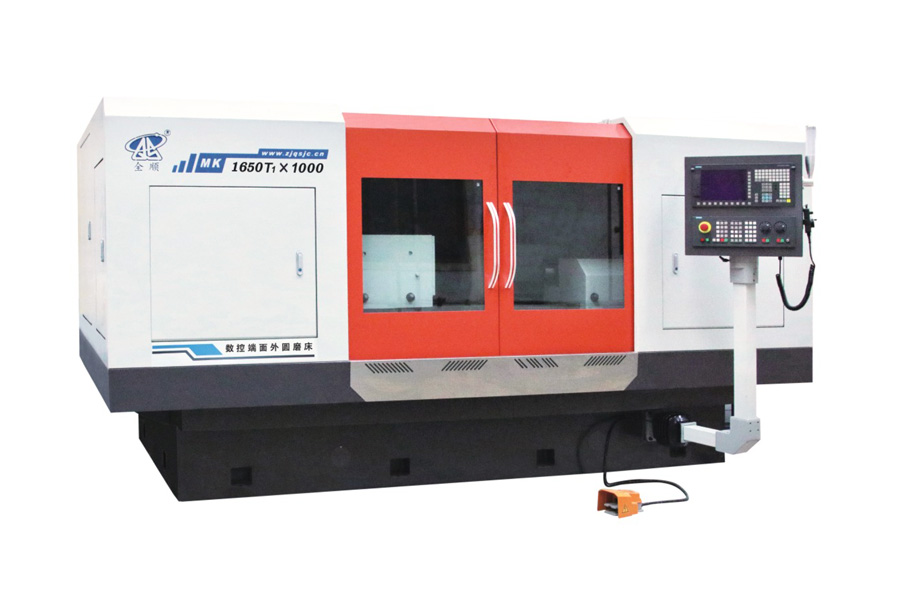
Machine builders such as Zhejiang Quanshun Machine Tool Co., Ltd. offer a range of CNC cylindrical grinders that can be configured for roll grinding applications. For example, the 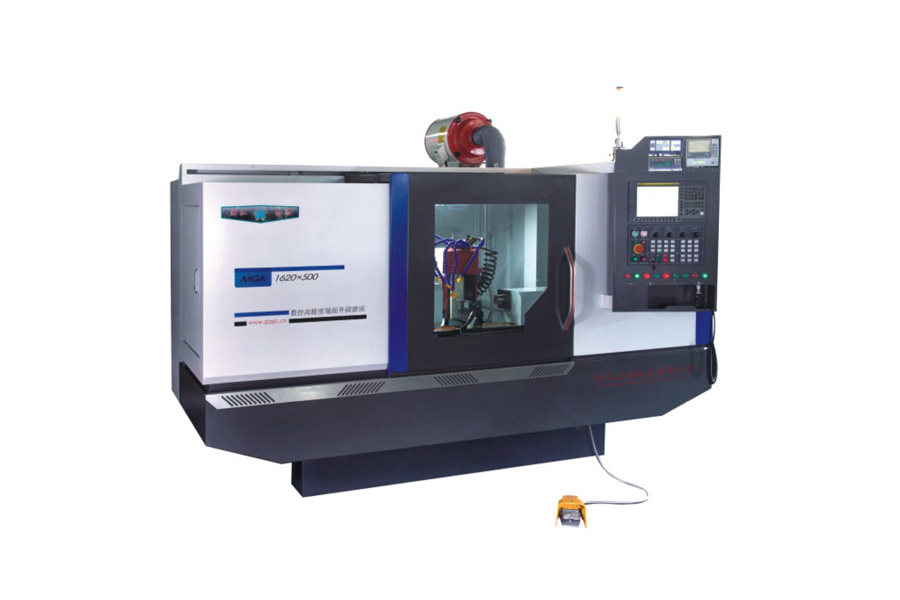 High Precision CNC Cylindrical Grinding Machine for Roll ApplicationsThis machine combines heavy-duty rigid casting and sub-micron precision feeding, making it ideal for multi-pass roll grinding with automated cycles that reduce operator intervention and cut grinding time by 30–50%.View Product → provides the stiffness and spindle accuracy required for finishing rolls in medium-duty mills. When evaluating suppliers, verify that the machine’s wheelhead motor power and bed damping characteristics match the specific materials you grind—hardened steel rolls demand higher torque and vibration dampening than rubber or composite rolls.
Automation Features That Reduce Cycle Time
Roll grinding is typically a multi-pass process: rough grinding to remove damage, semi-finishing to approach final dimensions, and finish grinding to achieve surface and geometry tolerances. A CNC roll grinding machine with automated cycles can execute all stages without operator intervention, cutting total grinding time by 30–50% compared to manual operation.
Key Automation Modules to Consider
- Automatic wheel dressing – Maintains wheel geometry and sharpness, compensates for wear, and stores dressing profiles for repeated roll contours.
- In-process gauging – Measures diameter and roundness during grinding and adjusts feed rates automatically, reducing the need for manual checks.
- Automatic loading and unloading – For high-volume mills, robotic or gantry systems can handle roll transfer, allowing the machine to run lights-out shifts.
- Crowning and taper compensation – CNC interpolation between X and Z axes generates precise convex/concave profiles or tapers without mechanical attachments.
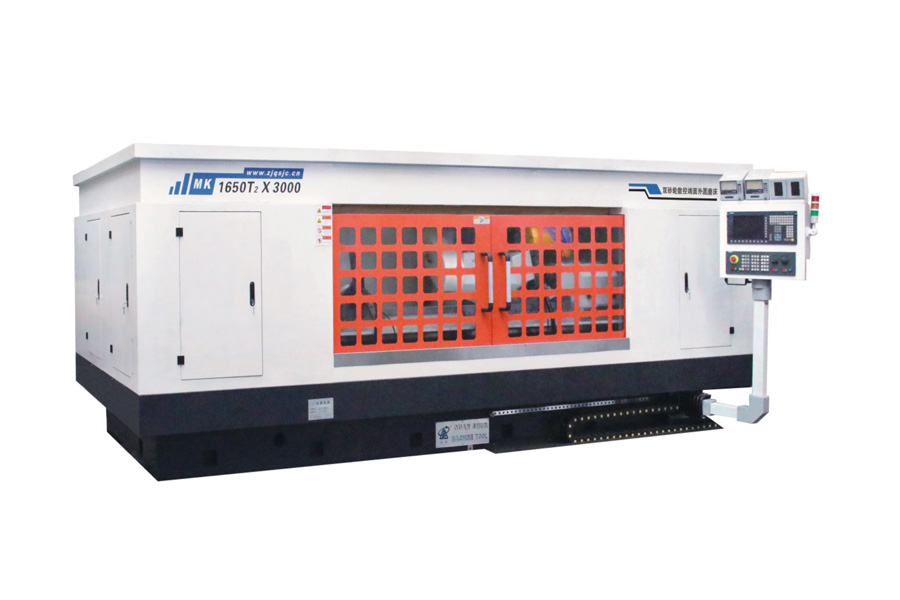
For operations that process large-calibre rolls (e.g., backup rolls over 600 mm diameter), a custom CNC cylindrical grinding machine for large calibres can be engineered with extended ways and a heavier wheelhead. Such custom solutions often include proprietary software for camber generation, ensuring that the final roll profile matches the mill's pass schedule exactly.
Custom Configurations for Specialized Roll Geometries
Standard CNC roll grinders handle common roll diameters and lengths, but many mills require non-standard features: extra-long beds (12 m+), CBN or diamond wheel capability, or complex multi-step profiles. This is where a builder’s ability to customize becomes critical. A dedicated custom grinding machine manufacturer can design a machine that integrates with existing roll handling systems, provides specialized coolant delivery for high-heat grinding, or includes an automatic balancing head for the grinding wheel.
When to Choose a Standard vs. Custom Machine
| Factor | Standard Machine | Custom Machine |
|---|---|---|
| Roll length | Up to 5 m | Beyond 5 m, up to 12 m+ |
| Workpiece weight | ≤ 15 tons | > 15 tons |
| Profile complexity | Simple crown or taper | Multi-step, S-curve, or non-linear contour |
| Automation integration | Optional robot interface | Full turnkey cell with conveyor |
For example, a mill that processes rolls up to 1.2 m diameter and 8 m length would benefit from a large-calibre CNC cylindrical grinder with a reinforced bed and a high-torque wheelhead motor. Such machines often include dual grinding wheels for roughing and finishing in a single setup.
Verifying Supplier Capability Beyond the Brochure
When investing in a CNC roll grinding machine, you are buying not only hardware but also after-sales support, spare parts availability, and process engineering expertise. Key due diligence steps include:
- Request a list of similar installations (roll grinding applications) and contact references.
- Evaluate the builder's custom grinding machine portfolio—dedicated engineering resources for non-standard requirements indicate depth of competence.
- Verify the machine's real-world accuracy using a test workpiece with defined diameter and roundness criteria; ask for a measurement protocol.
- Confirm spare parts lead times and whether the control system (Fanuc, Siemens, or domestic CNC) is supported locally.
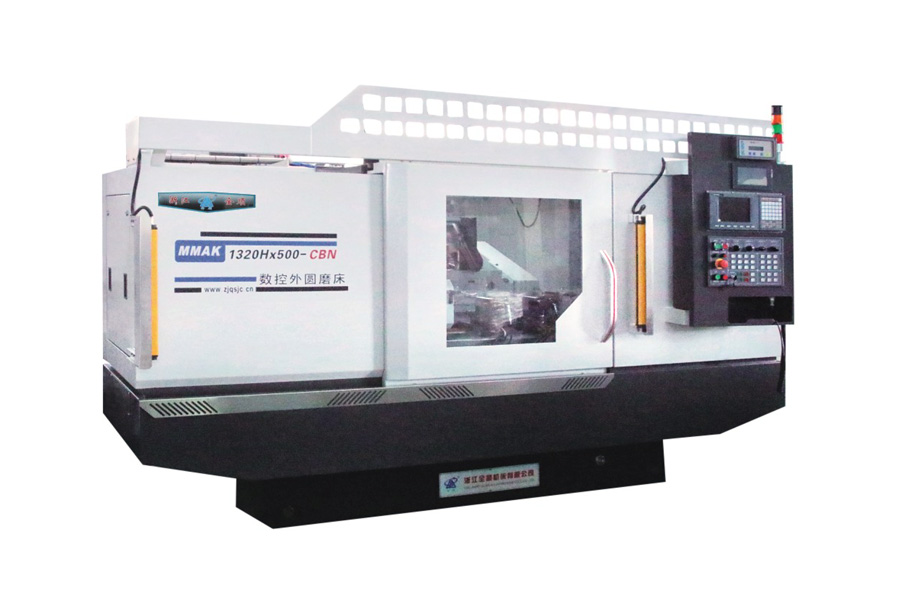
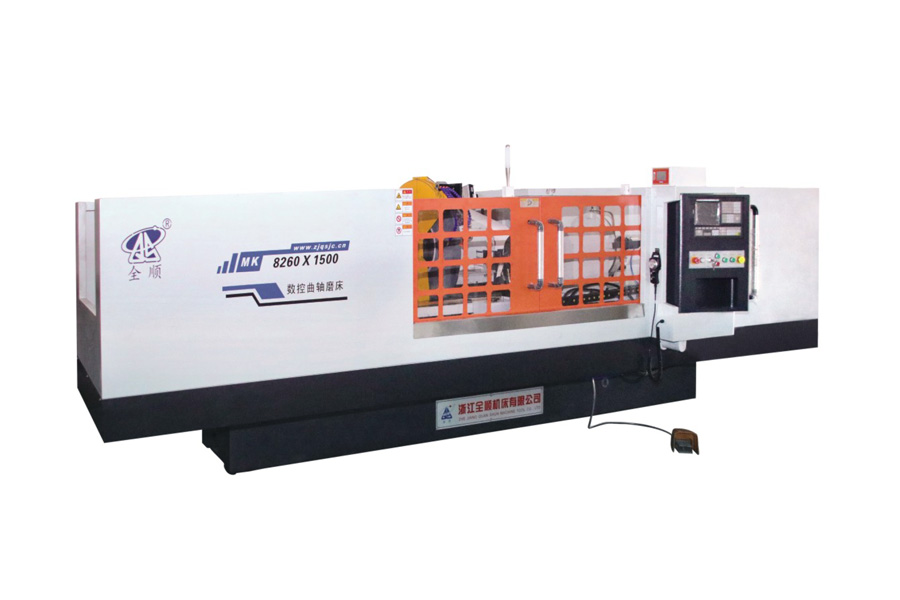
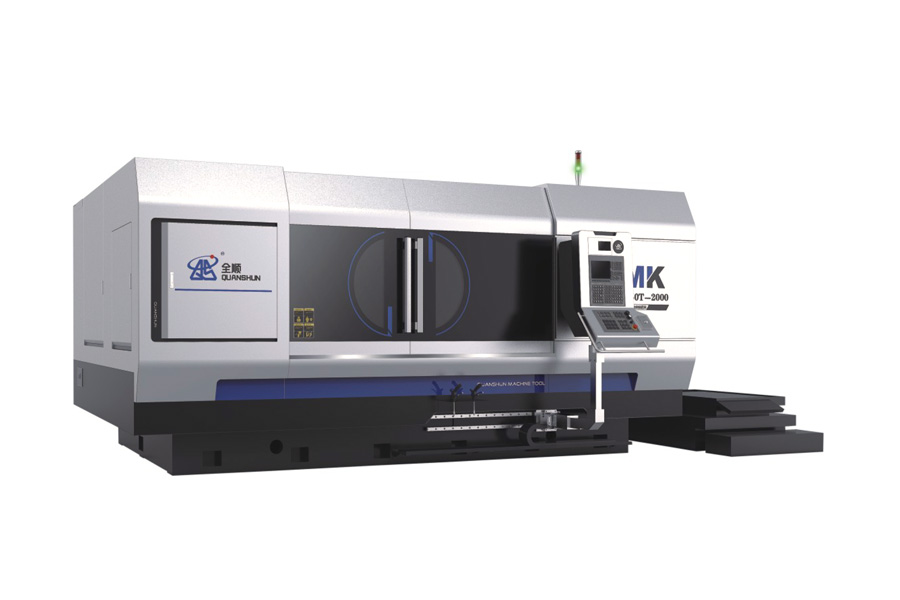
Zhejiang Quanshun Machine Tool Co., Ltd. has over 20 years of experience in CNC cylindrical grinding, with a factory exceeding 35,000 square meters and more than 210 pieces of precision equipment. Their product line includes the 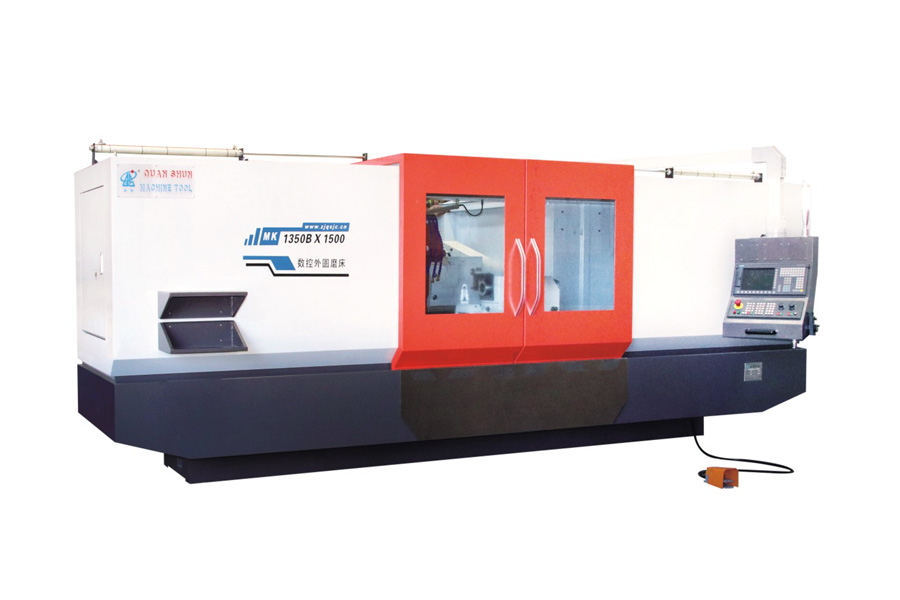 CNC Cylindrical Grinding Machine MK/MAK Series for Custom Roll GrindingThe MK/MAK series offers customizable configurations such as extended beds and steady rests, with sub-micron accuracy and intelligent control, supporting efficient roll grinding for medium to large mills.View Product → series, which can be tailored for roll grinding with optional steady rests, extended bed lengths, and automatic dressing. Such depth of manufacturing capacity often translates into shorter delivery times and better cost control.
Conclusion: Matching the Machine to the Mill
Selecting a CNC roll grinding machine is a strategic decision that affects roll inventory costs, grinding throughput, and final product quality. Start by defining your roll family envelope—maximum diameter, length, weight, and required surface finish. Then evaluate whether standard CNC cylindrical grinder models can meet those specs or if a custom configuration is necessary. Prioritize builders that offer robust automation options and a proven history of serving rolling mill customers. With the right machine, you can reduce grinding cycle times by up to 50%, maintain roll geometry within a few microns, and keep your mill running at peak efficiency.