0086-15068518279 (Chinese)/001-5416026691 (English)



 EN
 中文简体
Content
- 1 What Automation Changes Inside a Grinding Cycle
- 2 The Automation Stack, Level by Level
- 3 Where the Payback Arrives First
- 4 What to Put in the Specification and the Acceptance Test
- 5 Integration Details That Decide the Outcome
- 6 Where the Budget Quietly Leaks
- 7 When a Custom Platform Beats a Catalogue Machine
Watch a manual grinding station for a full shift and you will usually notice the same thing: the machine holds its accuracy longer than the operator holds the loading rhythm. A 6–8 kg shaft lifted onto a live centre, a tailstock quill pushed by hand, a clamp tightened by feel — every repetition shifts by a few microns, and the grinder faithfully grinds whatever position it is handed. That gap, not the control system, is what CNC machine automation is built to close.
The short version: automating a grinder buys repeatable locating, closed-loop compensation and a predictable cycle first. Labour reduction is a side effect that shows up later, and it is rarely the largest number on the payback sheet.
What Automation Changes Inside a Grinding Cycle
A CNC cylindrical grinder already executes a programmed path with servo-driven axes. Automation addresses the parts of the cycle the servo cannot see: how the workpiece arrived, how the wheel conditioned itself, and whether the size was measured or assumed. In finishing operations where bore and journal tolerances sit at 0.005 mm, a couple of microns of loading variation is not noise — it becomes scrap or an extra dressing pass.
- Loading repeatability. Once a part is presented by a loader, gripper or robot hand, the axial location and radial seating stop depending on human judgement.
- Closed-loop sizing. In-process or post-process gauging feeds back to offsets, so wheel wear is compensated by measurement rather than by interval guessing.
- Predictable cycle time. Unattended dressing, auto doors and part-present interlocks remove the micro-stops that make a manual cycle impossible to plan around.
One caution worth stating early: no loading device improves a process that is unstable to begin with. If the same machine produces a 0.012 mm spread on an unloaded trial batch, automation will reproduce that spread faster, and in greater volume.
The Automation Stack, Level by Level
Most factories that ask for a "fully automatic grinder" are actually buying one of four different things. Clarifying the level before quoting prevents the classic situation where a work handling cell is purchased to solve what was really a wheel dressing problem.
| Level | Typical hardware | What it fixes | Main risk |
|---|---|---|---|
| Standalone CNC | Servo axes, CNC controller, electronic handwheel | Program-driven feed and dressing cycles | Still entirely dependent on manual loading |
| In-machine automation | Auto wheel dressing, in-process gauge, auto door, hydraulic clamping | Size drift and wheel wear compensation | Gauge upkeep and calibration discipline |
| Work handling cell | Gantry loader or robot, magazine, turnover and blow-off stations | Loading repeatability and cycle consistency | Fixture cost and part-family limits |
| Line integration | PLC and MES links, SPC data, traceability records | Unattended shifts, planning and traceability | Data discipline and integration engineering |
In practice, most shops sit between levels two and three. An automated CNC grinder with automatic dressing and gauging already removes the largest source of variance; adding a work handling cell on top of that is what produces genuine unattended running.
Where the Payback Arrives First
Automation economics favour a specific kind of part: heavy enough to slow manual handling, produced in volumes above a few thousand pieces a year, and ground to a tolerance where one scrapped piece costs real money. Consider a shaft with a 95-second manual cycle — 70 seconds of grinding plus 25 seconds of loading and unloading. Moving to a loading cell at a 75-second total cycle takes output from roughly 38 to 48 pieces per hour. Across 4,000 production hours a year, that is a difference of about 40,000 workpieces, before counting a single scrapped part.
If the workpiece weighs more than about 5 kg, there is a second effect that rarely appears in quotations: operator fatigue over an eight-hour shift. The dimensional spread on the third hour and the seventh hour is not the same, and an automated cell flattens that curve by design.
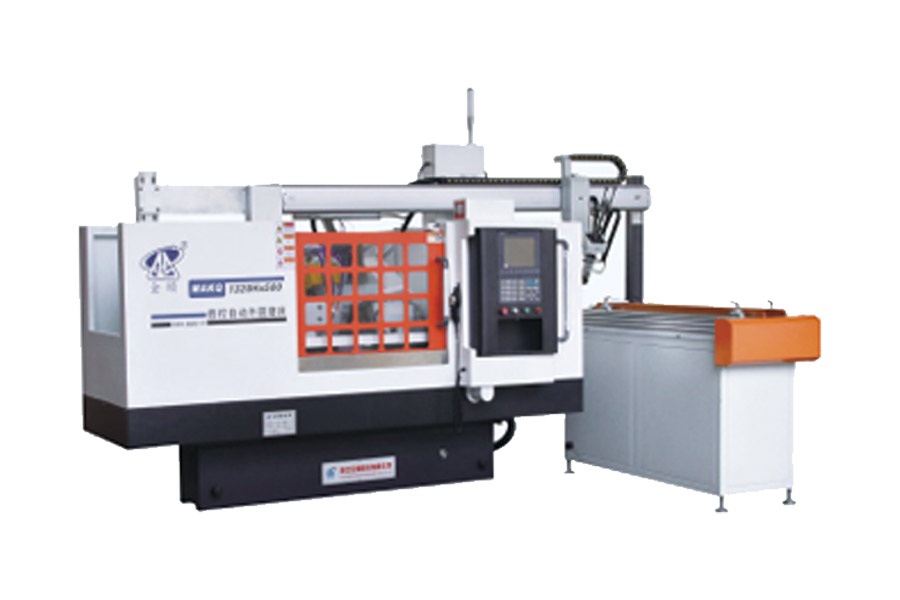
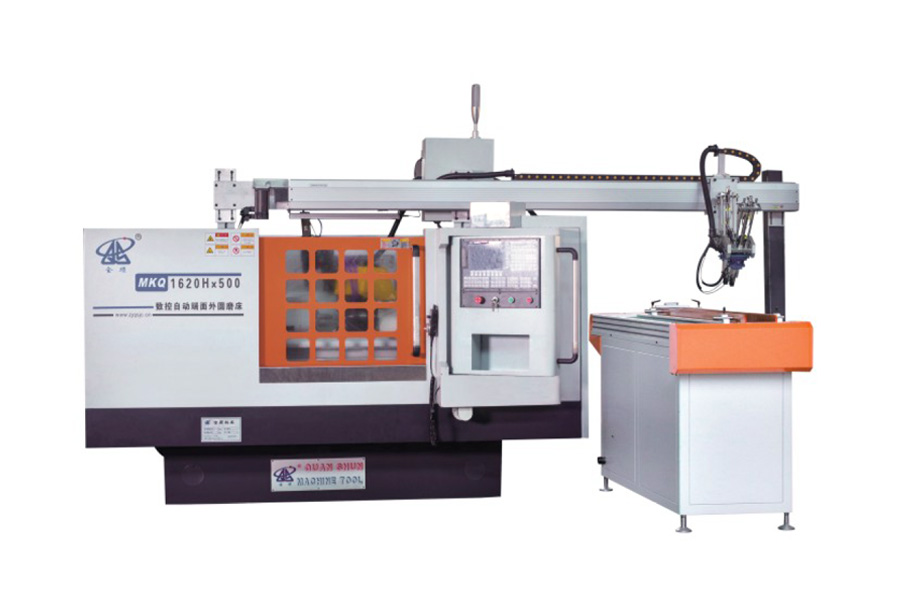
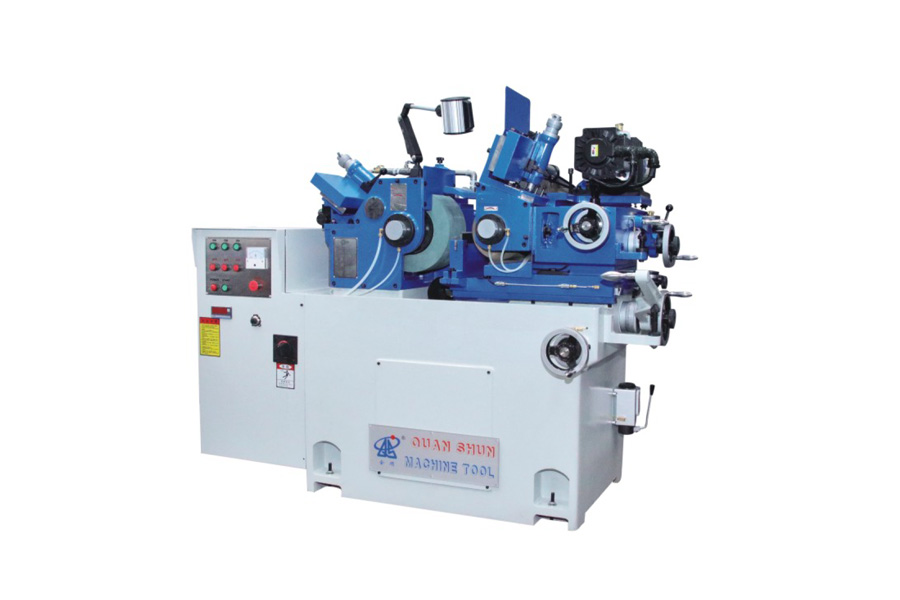
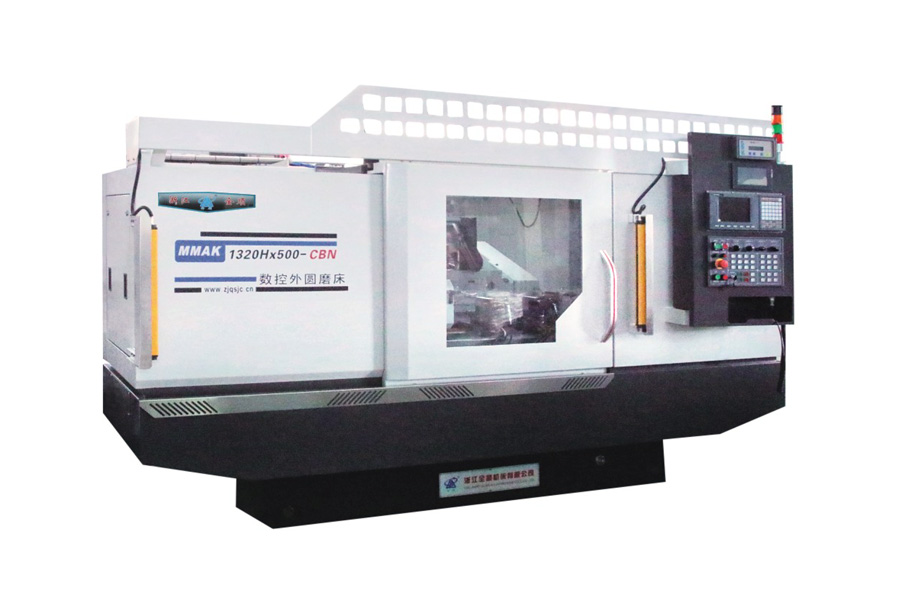
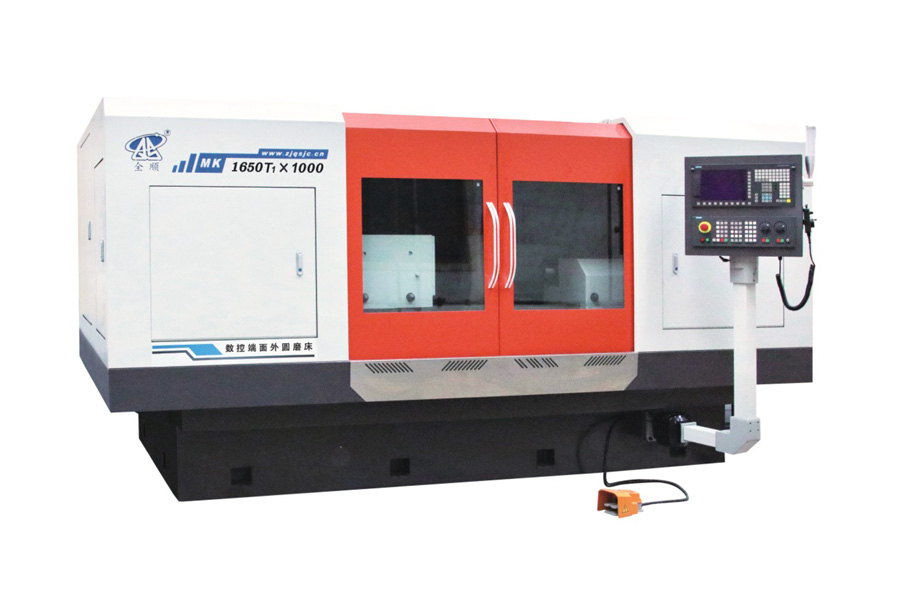
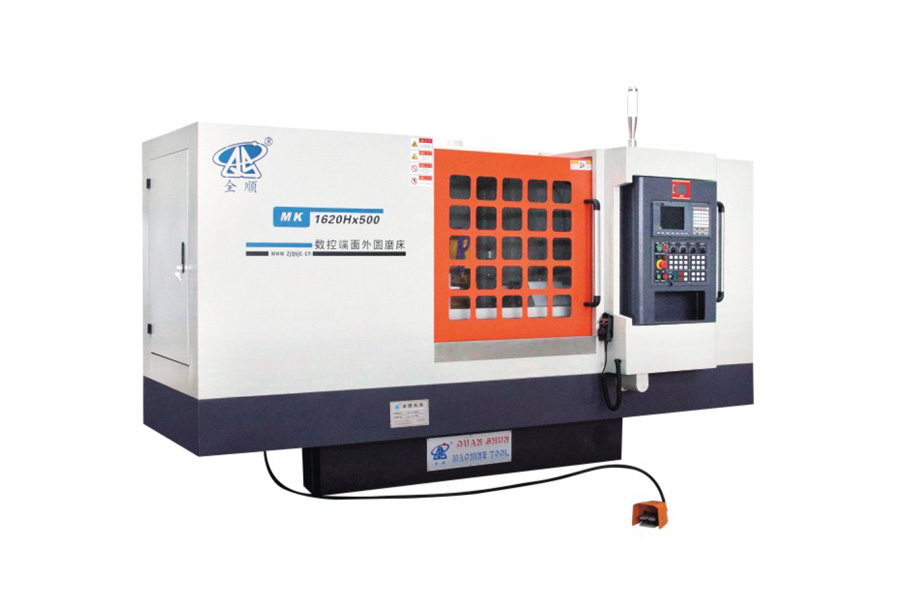
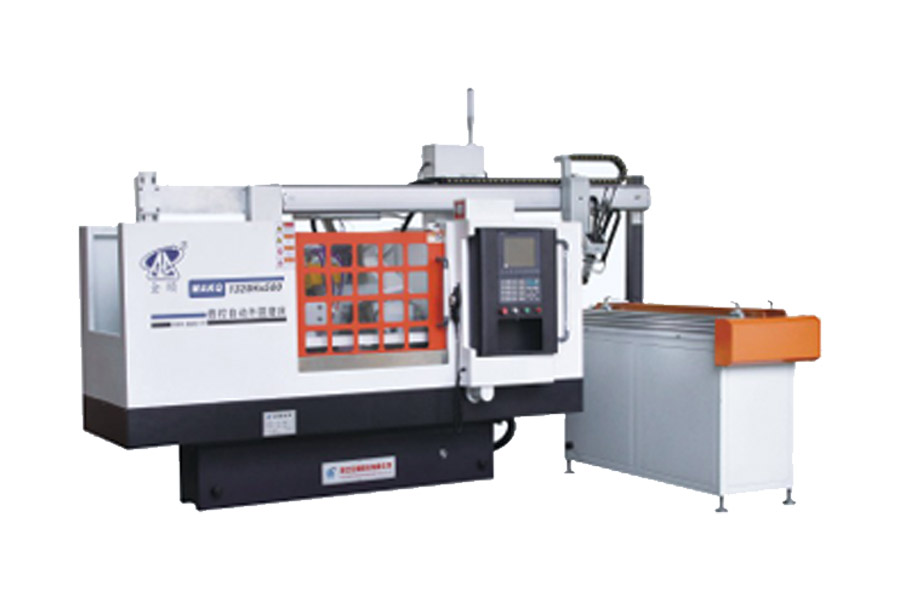 Automatic CNC Cylindrical Grinding Machine for Shaft WorkpiecesThree models cover Φ8–Φ320 mm shaft workpieces and 400 mm grinding length, with CNC automation aimed at consistent batch output.View Product →
Where the part is light, the batch is small and the tolerance is loose, the arithmetic usually fails. Manual grinding with a good CNC control and disciplined dressing is a perfectly defensible choice at that volume, and a supplier who tells you otherwise is selling a machine rather than a result.
What to Put in the Specification and the Acceptance Test
Order documents for automated grinders tend to be generous on axis counts and thin on measurable outcomes. The following items are worth writing down explicitly, because they are the ones that become arguments during commissioning.
- Locating repeatability, defined as the diameter spread across 30 consecutive parts from the same batch, measured on the same gauge, with the same wheel.
- Cycle time including handling and gauging, excluding wheel dressing, stated for a named workpiece rather than for a best case.
- Dressing interval and the compensation logic tied to it — incremental, gauge-triggered, or both.
- Changeover time between two defined part numbers, including fixture and gripper swap.
- Surface finish and roundness targets, with the wheel specification named, since neither figure means anything without it.
- Spare parts list, recommended stock, and the response commitment for the loading device as well as the machine.
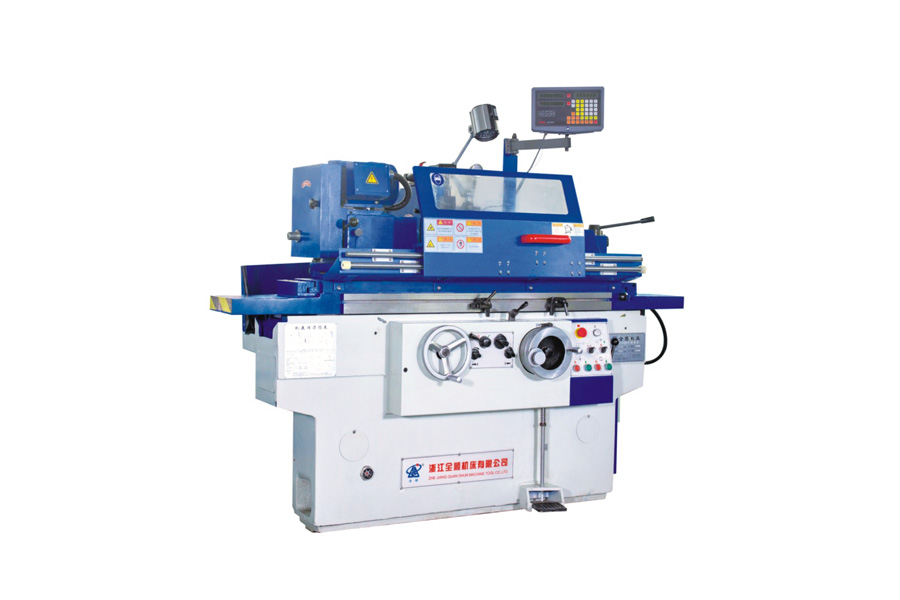
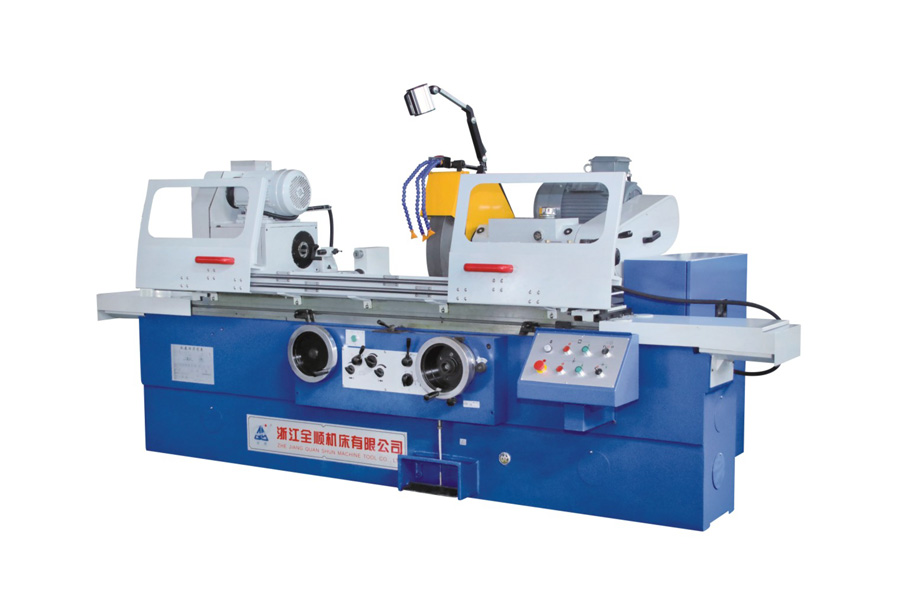
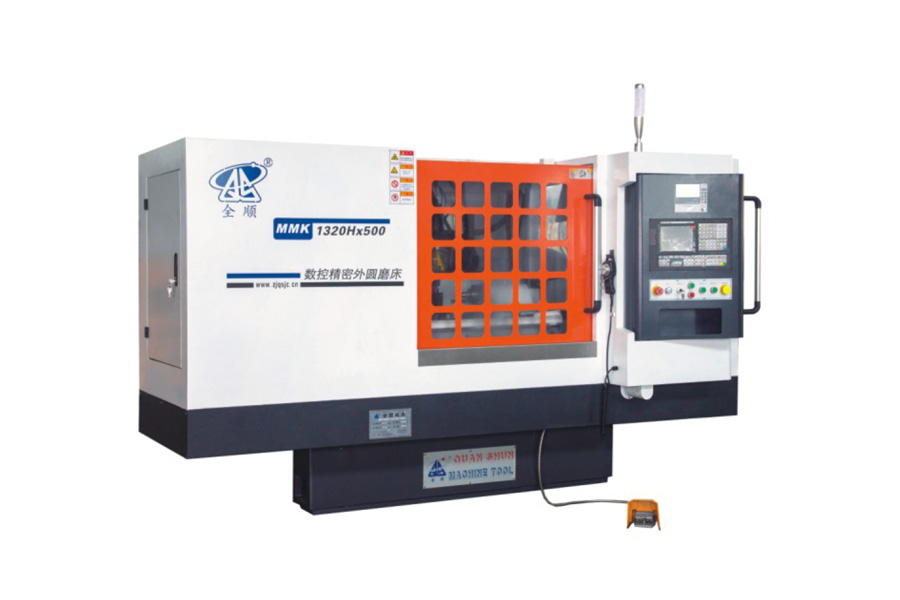
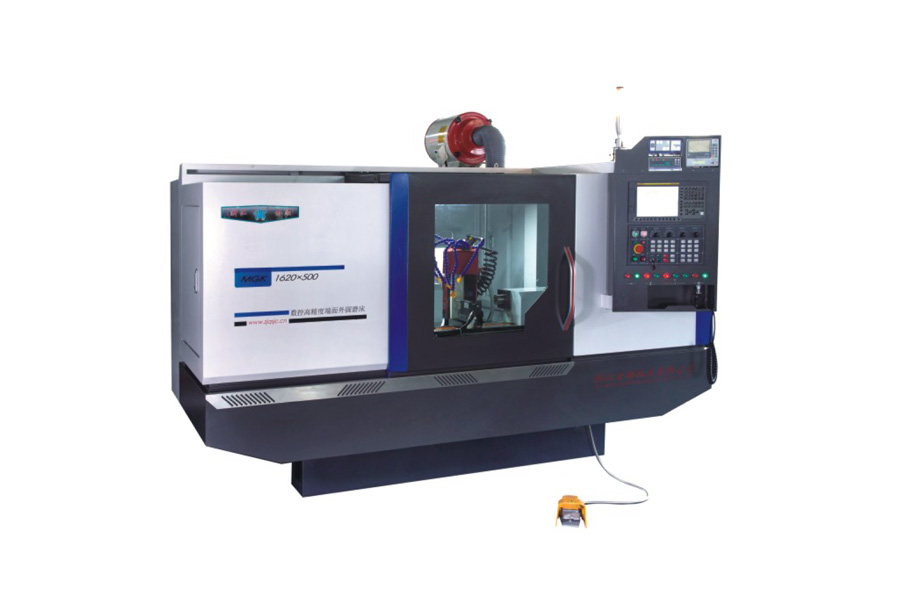
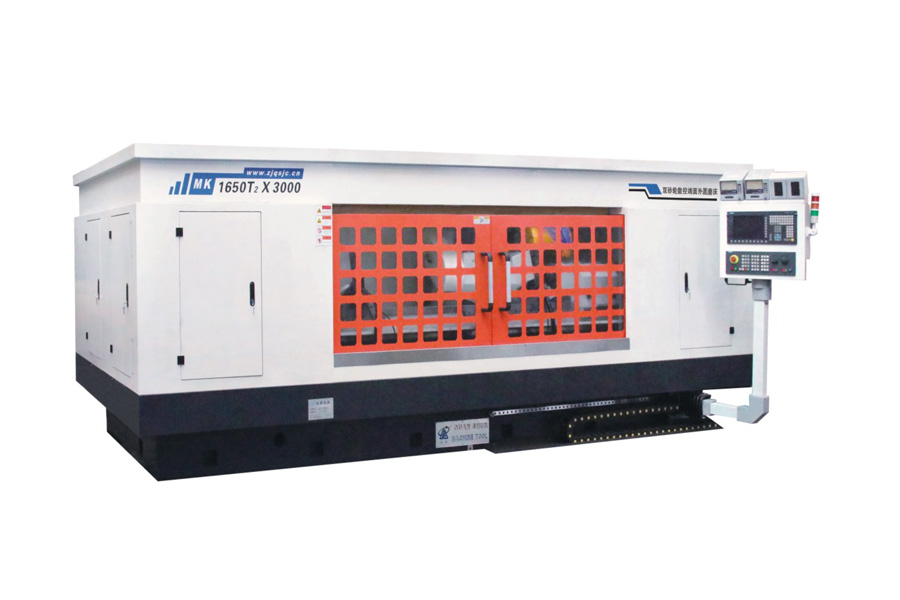
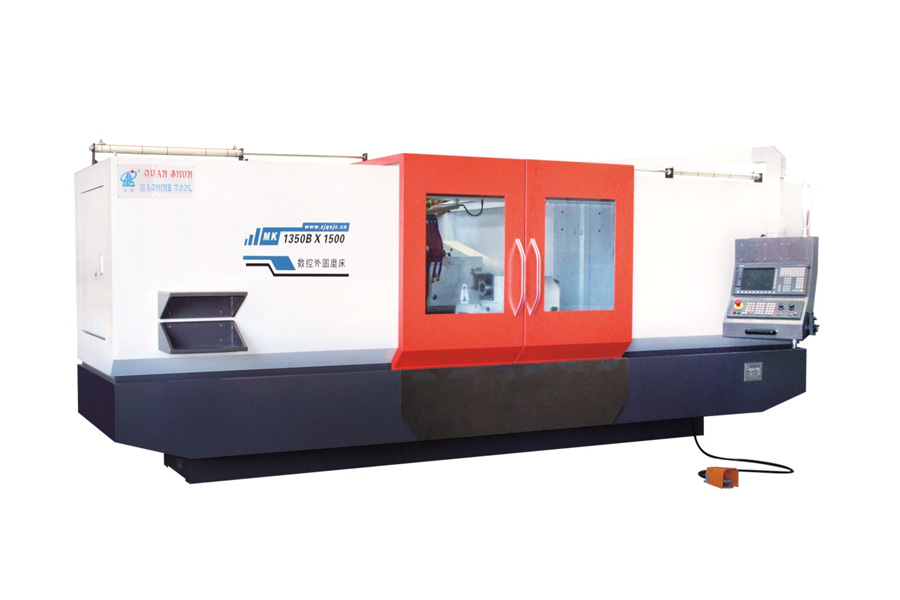
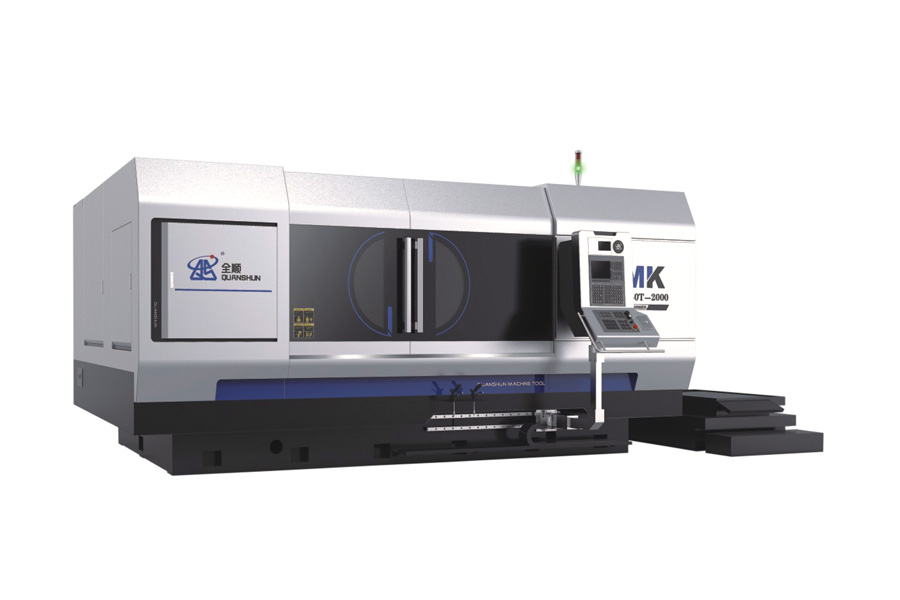
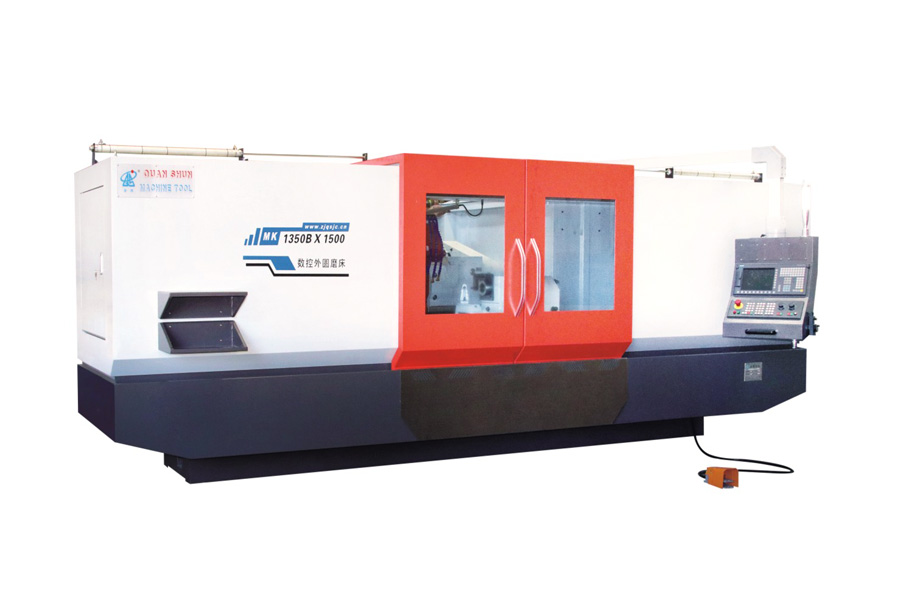 CNC Cylindrical Grinding Machine MK/MAK SeriesSeven model groups span Φ8–Φ500 mm diameters, 500–4000 mm lengths and up to 1000 kg, giving a broad starting point for shaft grinding requirements.View Product →
A useful habit here is to insist on a trial run with your own parts and your own operator. Supplier demonstration parts are usually chosen to flatter the machine; your parts carry your casting variation, your previous-operation tolerances and your coolant.
Integration Details That Decide the Outcome
Gantry loader or articulated robot?
A gantry loader sits over the machine, needs little floor space and delivers short, highly repeatable transfer times. It suits a stable part family and a compact cell. A robot offers more flexibility — one arm can serve two or three machines, handle orientation changes and be redeployed when the product mix changes — but it costs more in gripper design, safety guarding and programming discipline.
- Choose the gantry when the part family is fixed and the cycle must be short.
- Choose the robot when several machines share the load or the mix changes every few months.
- In both cases, confirm the transfer path does not force the part through the grinding zone while the wheel is still in position.
The handshake signals
Most integration failures are signal failures. A single "start" bit between loader and machine is not a handshake. Insist on separate confirmations for part present, clamp closed, door open, guard locked, gauge ready and cycle complete, plus a defined fault-recovery sequence that says what happens to the half-loaded part when the grinder alarms mid-cycle. A robotic loading grinding machine that cannot answer that question will stop production the first time a wheel needs dressing early.
Also plan the boring parts: chip and coolant carry-over between stations, air blow-off before gauging, and a place for the rejected part to go so the cell does not simply stop.
Where the Budget Quietly Leaks
Purchase price is the least interesting number in an automation project. The costs that surprise buyers are usually these:
- Dedicated grippers and fixtures that cannot be reused when the part changes.
- Commissioning time measured in weeks rather than days, with the machine half-productive while programs are proven.
- Maintenance skills — a loading cell adds servo, pneumatic and sensor systems that the existing maintenance team may not cover.
- Spare-part lead times for gripper fingers and gauging heads, which are often single-sourced.
- Underused capacity, when a cell sized for a peak product is only fed at 40 percent of that volume.
A realistic allowance for integration, fixtures and training is often 15–25 percent of the machine price. Budgeting it up front is far cheaper than discovering it after the purchase order is signed.
When a Custom Platform Beats a Catalogue Machine
Some parts simply do not fit a standard loading envelope: screw sleeves with thin walls, broaches with long slender bodies, large-diameter shafts that exceed a standard swing, or workpieces that need a centre hole re-lapped before grinding. In those cases automation and machine configuration have to be designed together rather than bolted on afterwards.
Compound grinding is the clearest example. Grinding a shoulder and its adjacent journal in one clamping removes the re-chucking error entirely, which is worth more than any improvement in axis speed. The same logic applies to double-wheelhead arrangements that rough and finish at the same station, or to wide-wheel configurations that cover a long face in a single pass instead of a series of overlapping traverses.
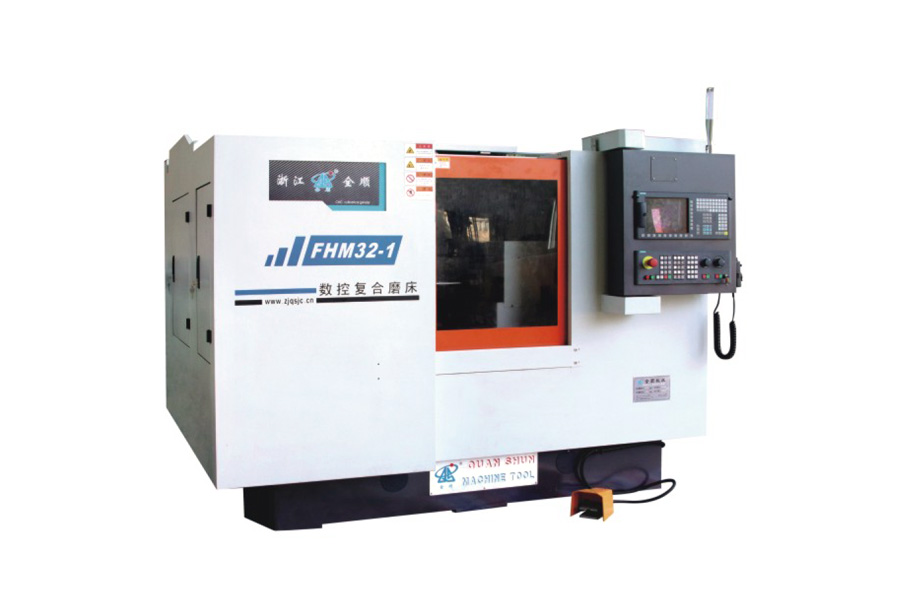
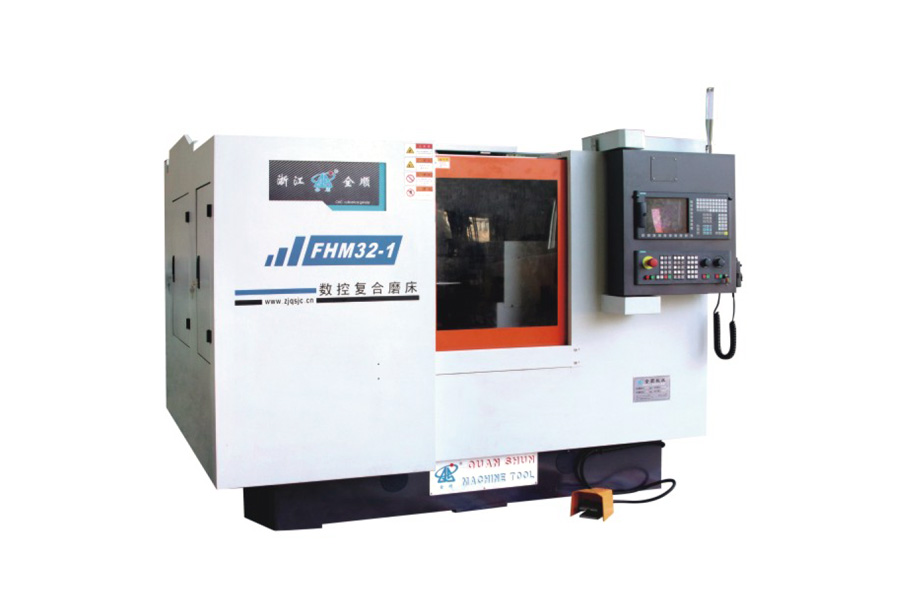 CNC Compound Grinding Machine for O.D. and I.D. WorkFHM32-1 and FHM50-2 handle workpieces up to 50 kg with combined outer and inner diameter grinding, relevant where one clamping can remove re-chucking error.View Product →
The practical test is simple: if two operations on the same part share a locating surface and the tolerance between them is tighter than the fixture can hold on re-clamping, combine the operations. If they do not share a datum, keep them separate and automate the transfer instead.
CNC machine automation is a locating problem before it is a robotics problem. Get the loading reference, the dressing compensation and the acceptance test right, and the loading device becomes a detail. Get those wrong, and no amount of servo hardware will hold a tolerance across a full shift. Start from the part, measure the spread you already have, and specify the automation to close that specific gap.