0086-15068518279 (Chinese)/001-5416026691 (English)



 EN
EN
 中文简体
中文简体Content
- 1 What Centerless Grinding Is and Why It Matters
- 2 How the Centerless Grinding Process Works
- 3 Main Types of Centerless Grinding
- 4 Key Components of a Centerless Grinder
- 5 Materials Commonly Ground on Centerless Machines
- 6 Advantages of Centerless Grinding
- 7 Industries and Parts That Rely on Centerless Grinding
- 8 Tolerances and Surface Finish You Can Expect
- 9 Common Problems and How Shops Fix Them
- 10 Choosing a Centerless Grinding Partner for Production Work
- 11 Frequently Asked Questions About Centerless Grinding
- 11.1 What diameter range can centerless grinding handle
- 11.2 Is centerless grinding only for round parts
- 11.3 How does centerless grinding compare to honing for finish quality
- 11.4 Can short parts be ground on a centerless machine
- 11.5 Why does the regulating wheel matter more than people expect
- 11.6 Does centerless grinding work on very hard materials
What Centerless Grinding Is and Why It Matters
Centerless grinding is a metal removal process that shapes cylindrical parts to a precise diameter without holding the workpiece between centers. Instead, the part rests on a work blade between two wheels, a grinding wheel that removes material and a regulating wheel that controls rotation speed and feed rate. This support method lets shops hold diameter tolerances as tight as 0.0002 inch on long production runs while grinding parts continuously, one after another, with almost no operator handling between pieces.
The method suits pins, shafts, rollers, dowels, bushings, and any round part that needs a consistent diameter across thousands of pieces. Compared with turning between centers or chucking on a lathe, centerless grinding removes the need for center holes, fixtures, and repeated clamping, which is exactly why automotive, bearing, hydraulic, and medical device manufacturers lean on it for high volume round stock.
How the Centerless Grinding Process Works
A centerless grinder uses three points of contact to keep a round part stable while it is machined. The grinding wheel spins fast and removes stock. The regulating wheel spins slower and is usually tilted a few degrees, which pushes the part forward or holds it in place depending on the setup. The work blade sits below the part and keeps it at the correct height between the two wheels.
- The part is placed on the work blade between the grinding wheel and the regulating wheel.
- The regulating wheel rotates the part at a controlled surface speed, usually far slower than the grinding wheel.
- The grinding wheel removes material from the outside diameter as the part rotates against it.
- The angle of the regulating wheel determines whether the part feeds through the machine or stays fixed for plunge grinding.
- Coolant is applied continuously to control heat, wash away swarf, and protect the finished surface.
Because the part is never clamped in a chuck or held between fixed centers, it cannot deflect the way it would on a lathe or an outside diameter grinder. This is the main reason centerless grinding produces such consistent roundness on slender parts that would otherwise bend or chatter under cutting pressure.
Main Types of Centerless Grinding
Shops choose between three basic setups depending on part geometry, batch size, and whether the part has a shoulder, taper, or profile that stops it from simply sliding through the machine.
Through-Feed Grinding
The regulating wheel tilts a few degrees so the part travels along its own axis, moving straight through the machine from the entry side to the exit side. This setup is used for plain cylindrical parts of consistent diameter, such as dowel pins, rollers, and shafting, and it allows continuous feeding of one part after another with almost no gap in cycle time.
In-Feed Grinding
The regulating wheel stays parallel to the grinding wheel and moves inward toward the part, which sits against a fixed stop. This method handles parts with a shoulder, head, taper, or irregular profile along their length, since the part does not need to travel axially through the machine.
End-Feed Grinding
Both wheels stay at a fixed angle and the part is fed in from one end until it reaches a stop, which is useful for tapered parts such as needle points or tapered pins where the diameter changes along the length of the piece.
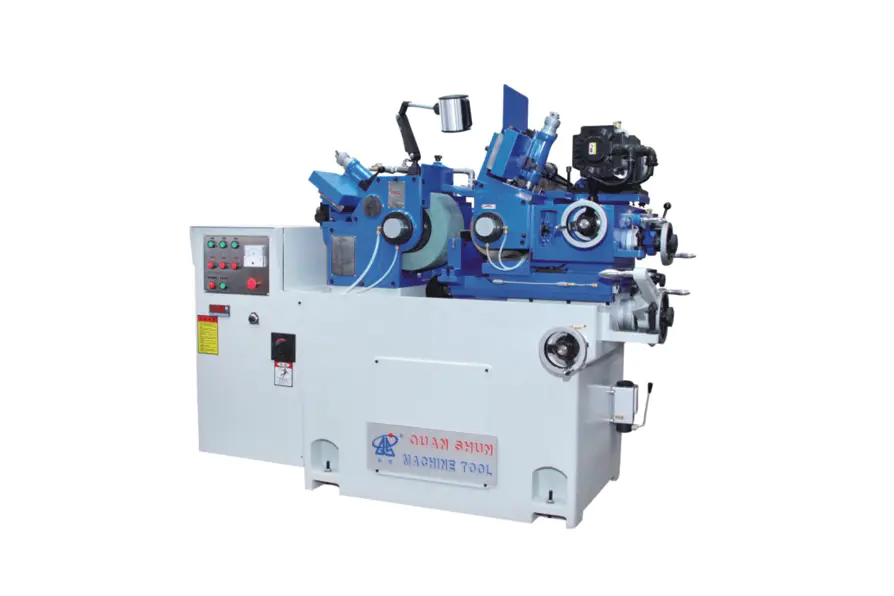
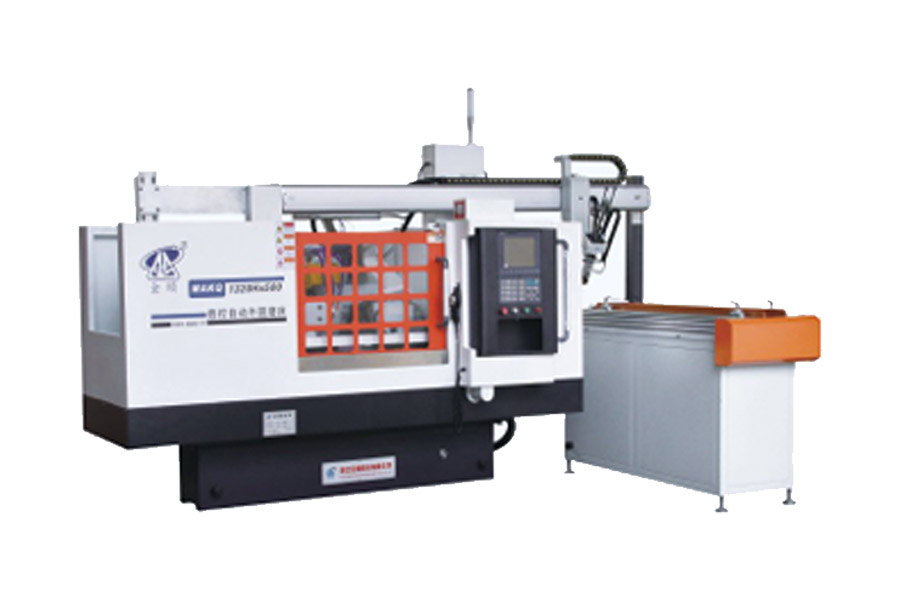
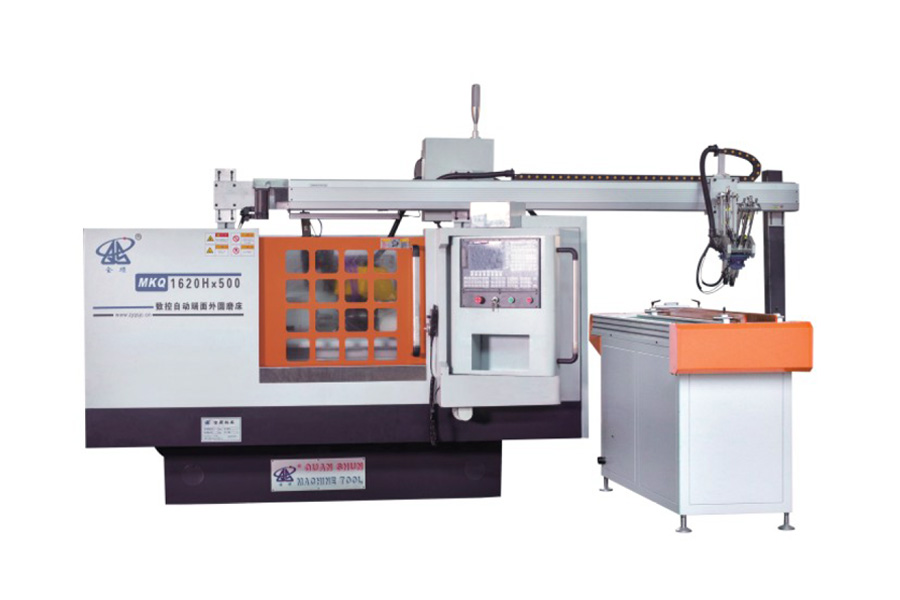
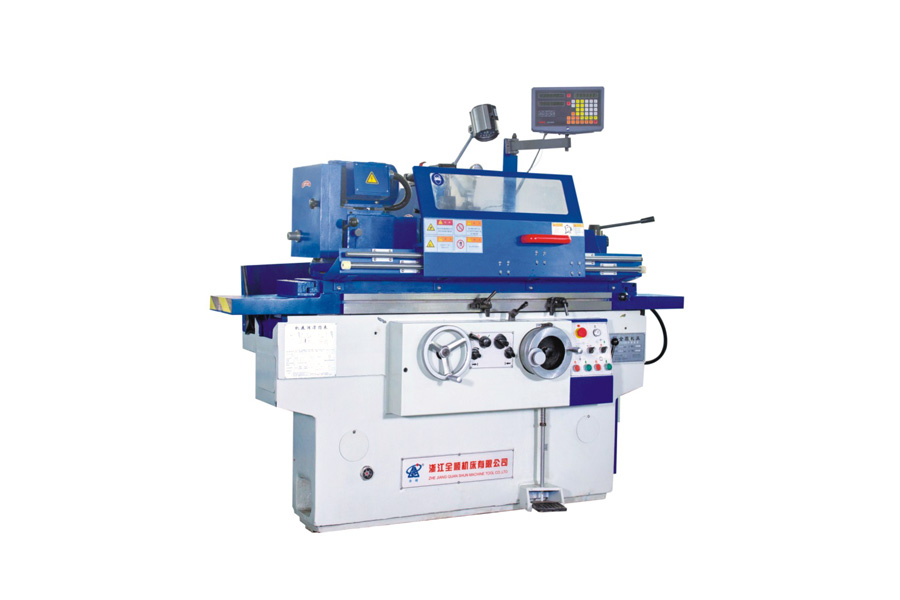
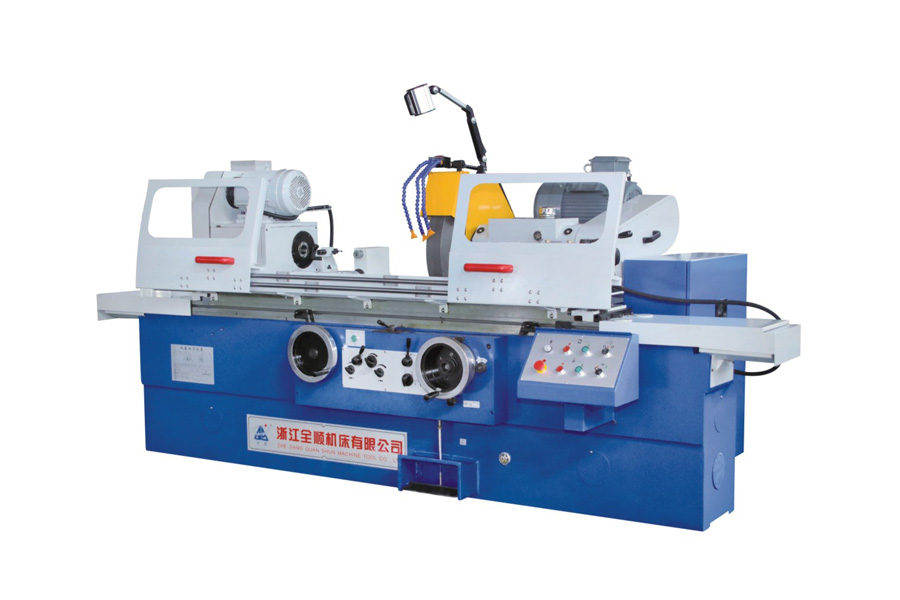
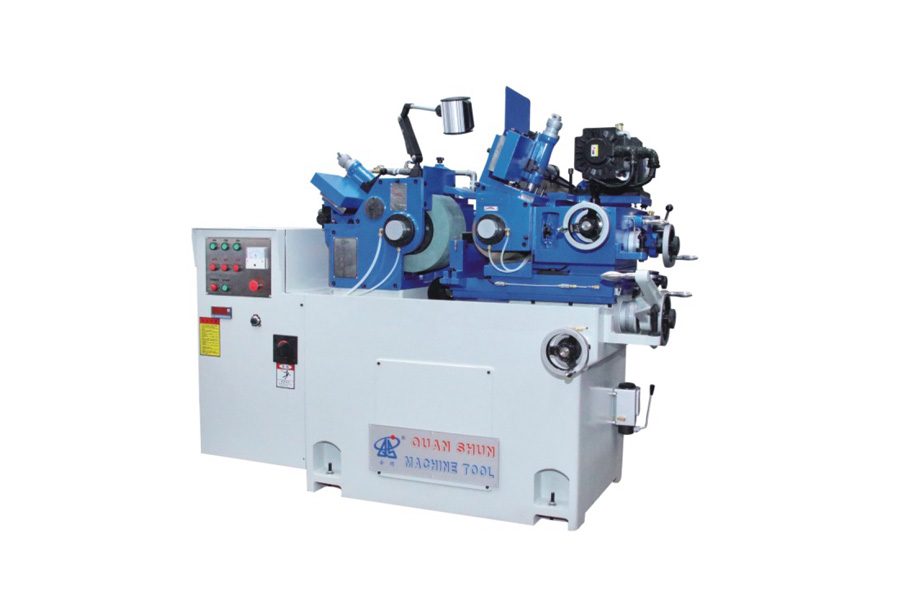
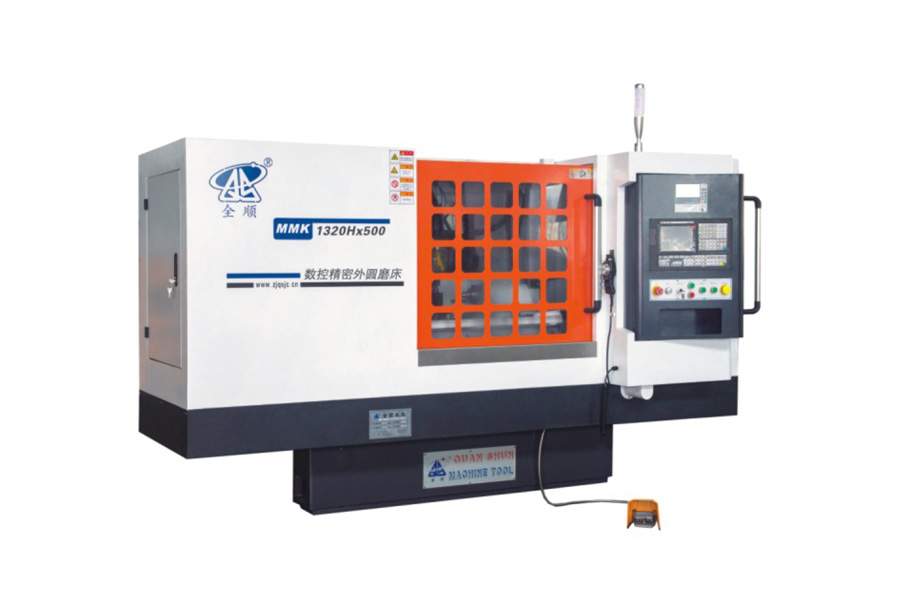
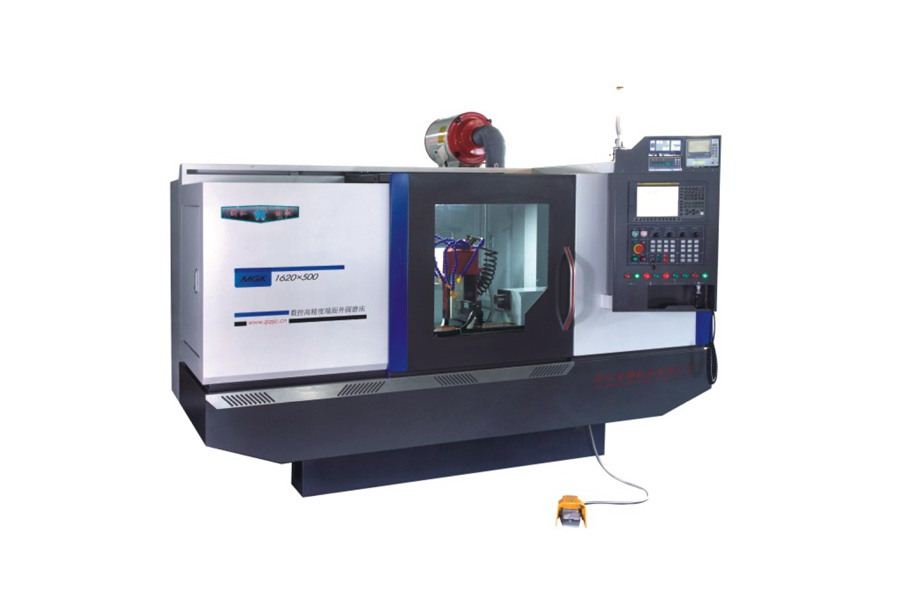
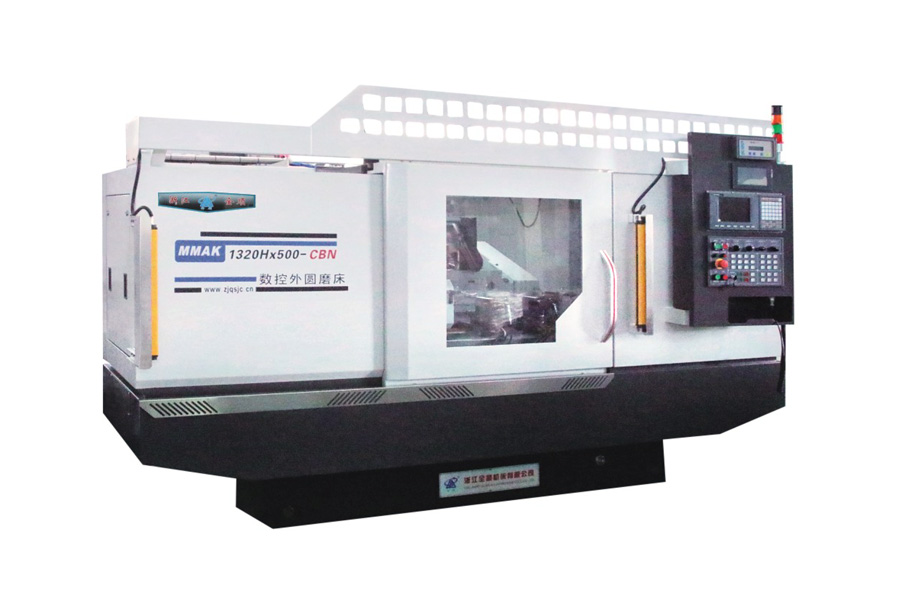
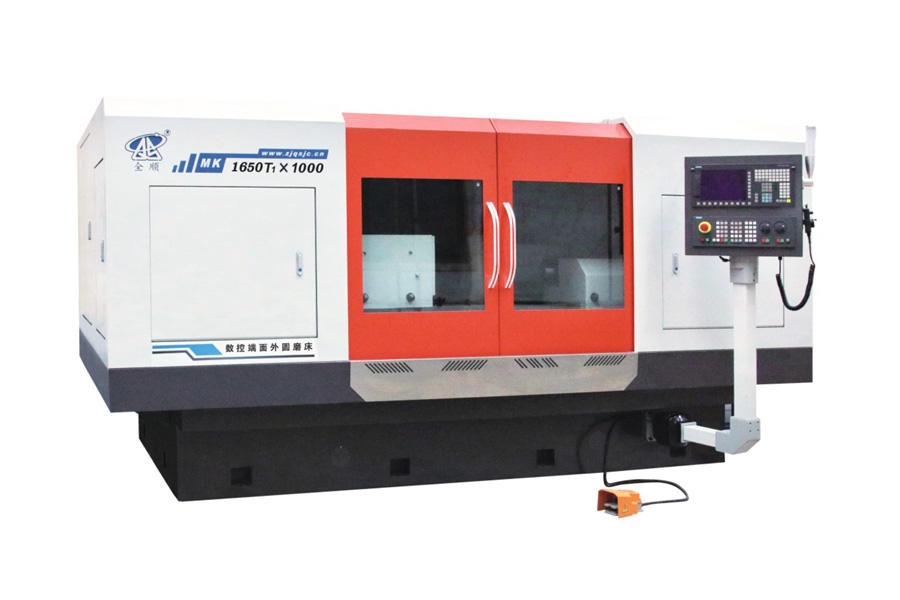
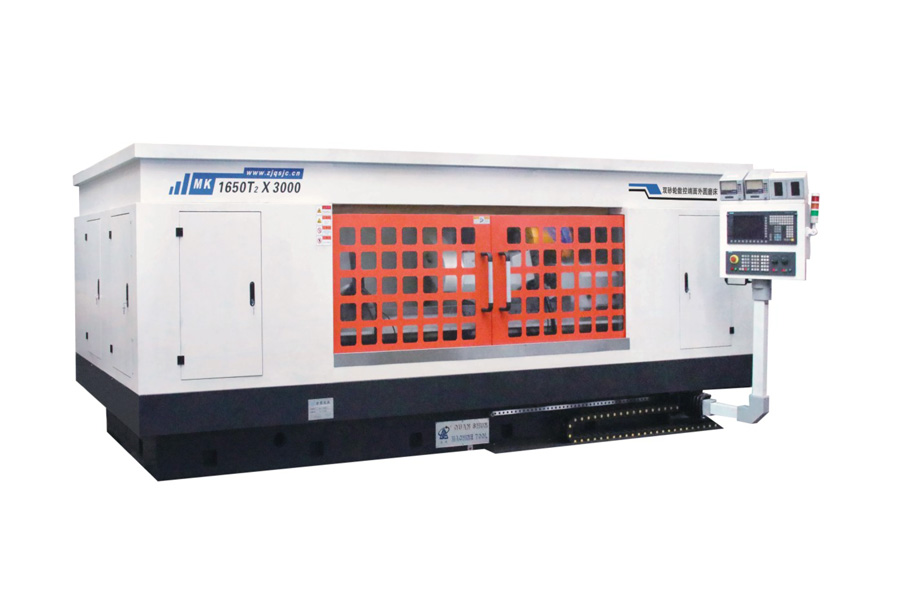
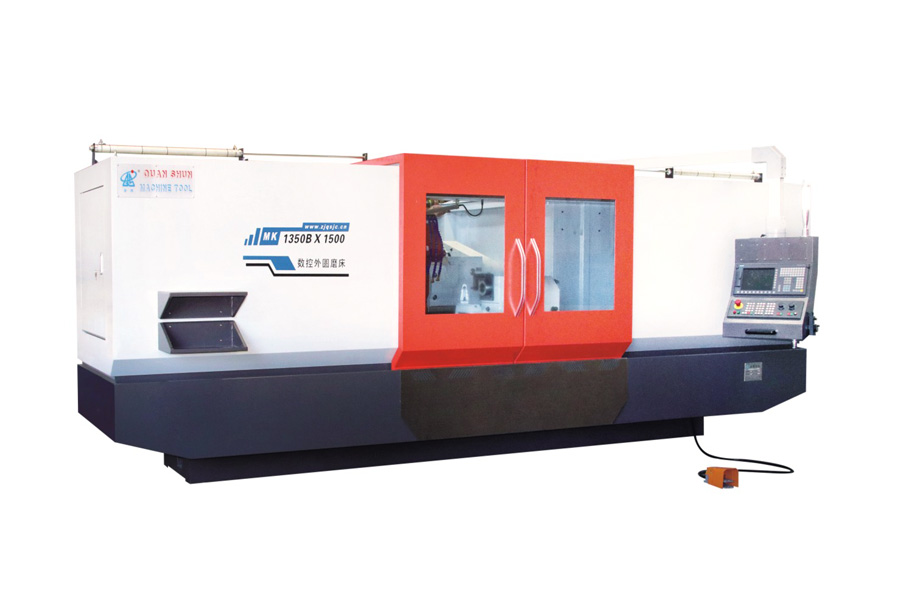
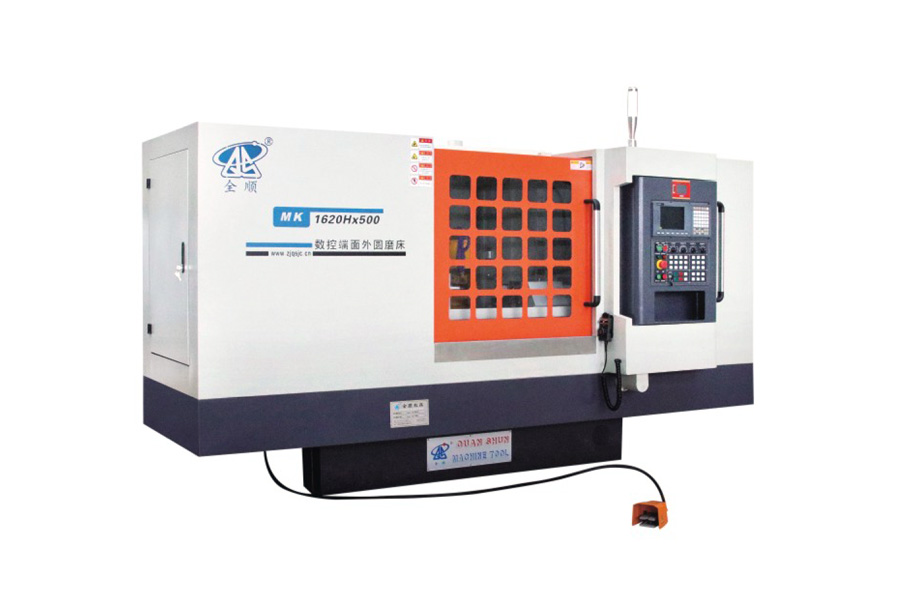
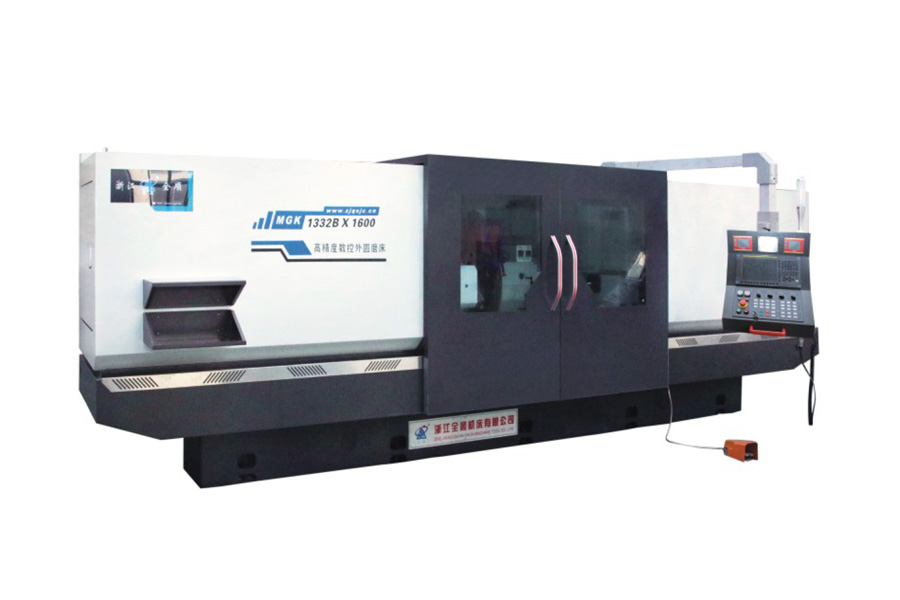
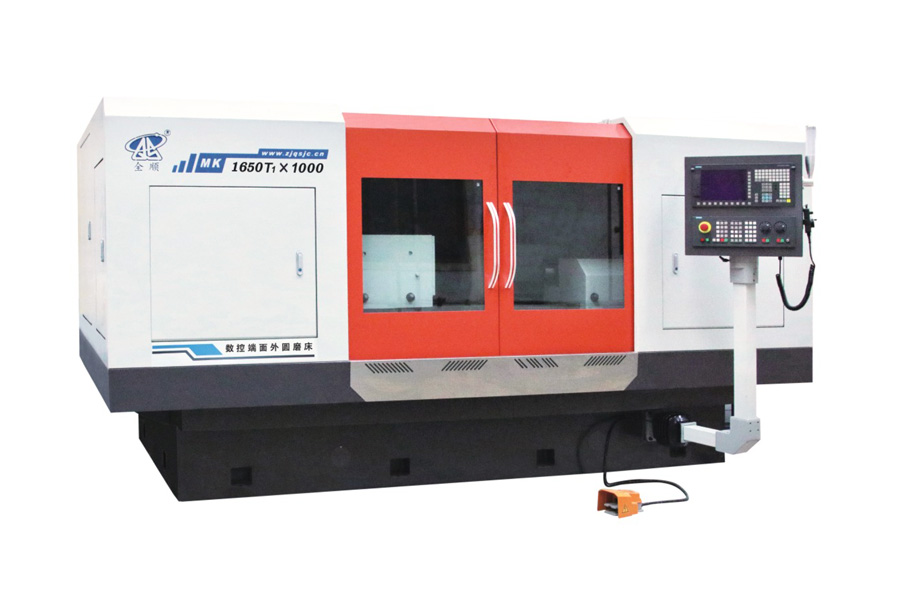
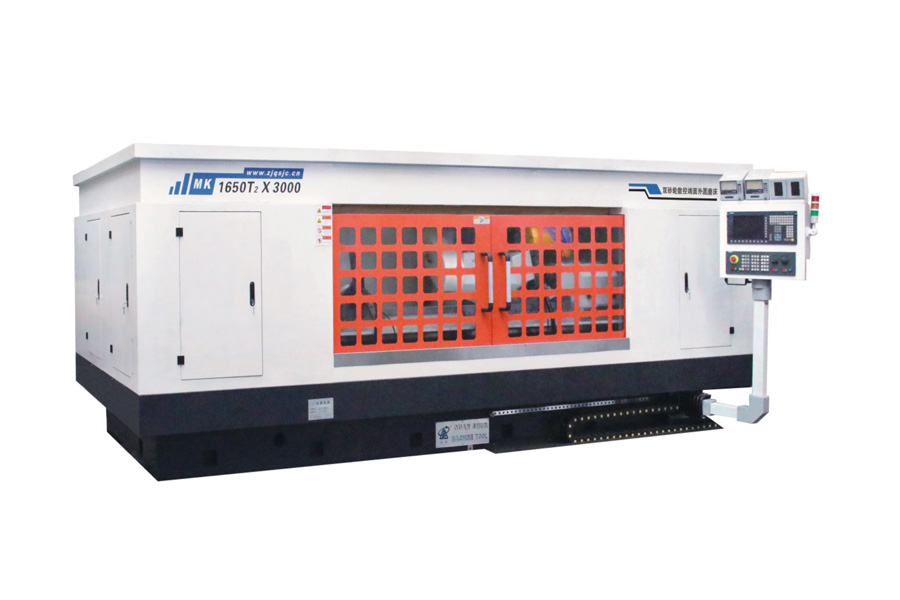
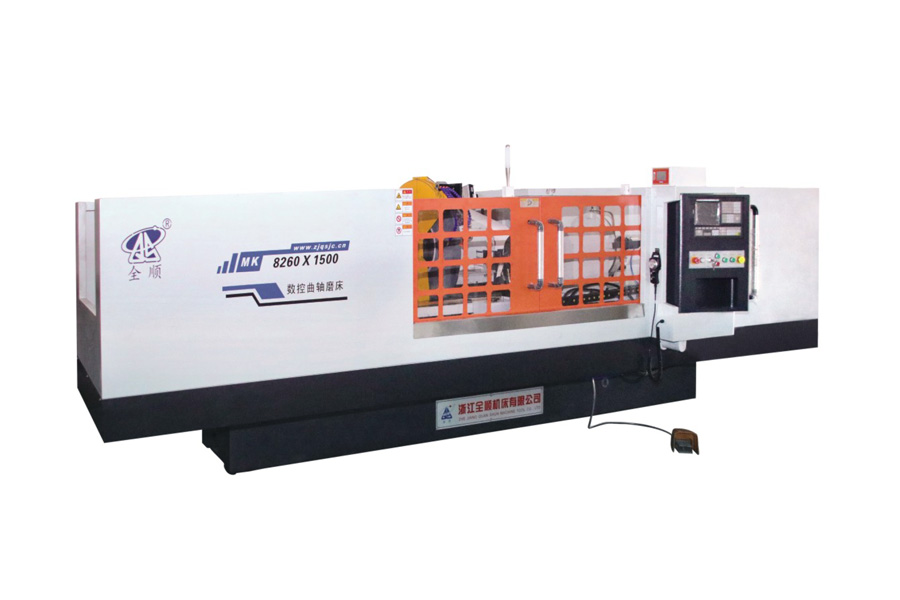
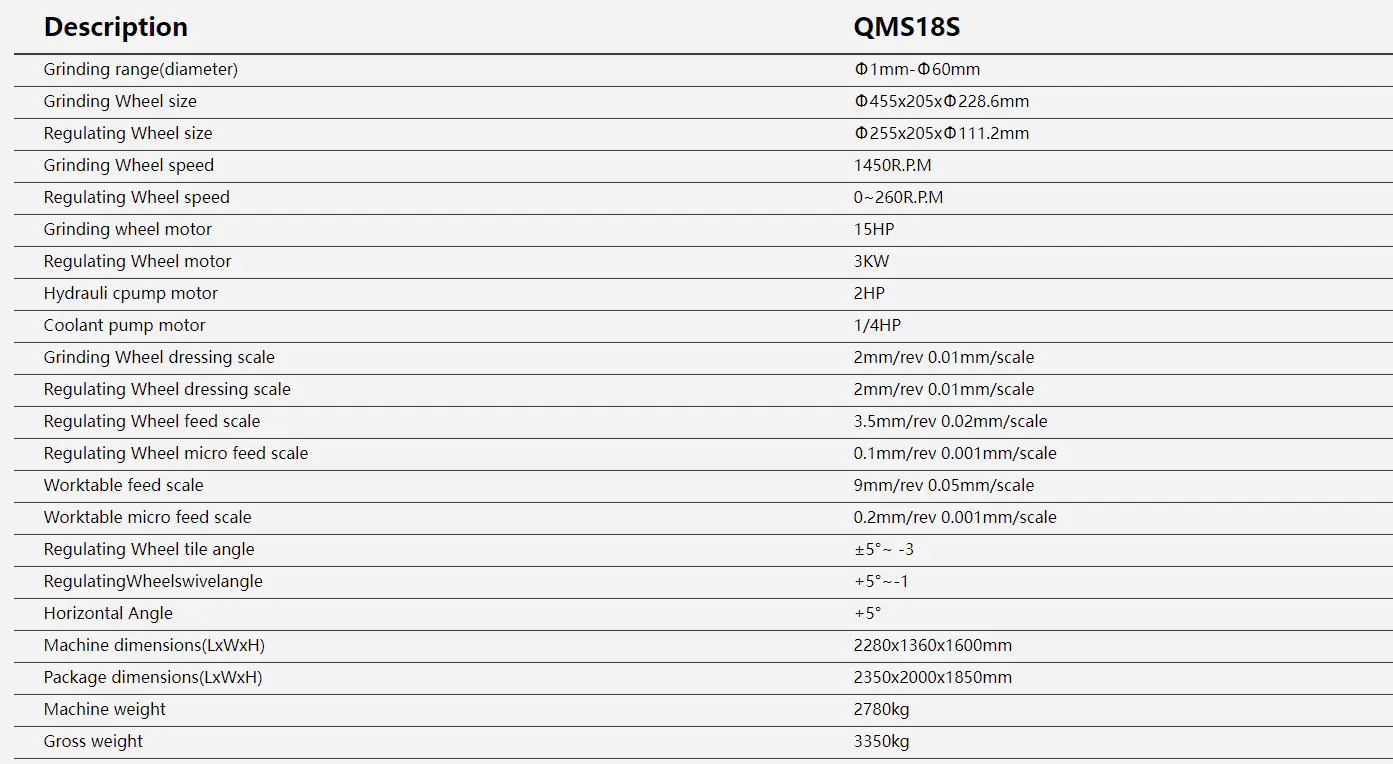
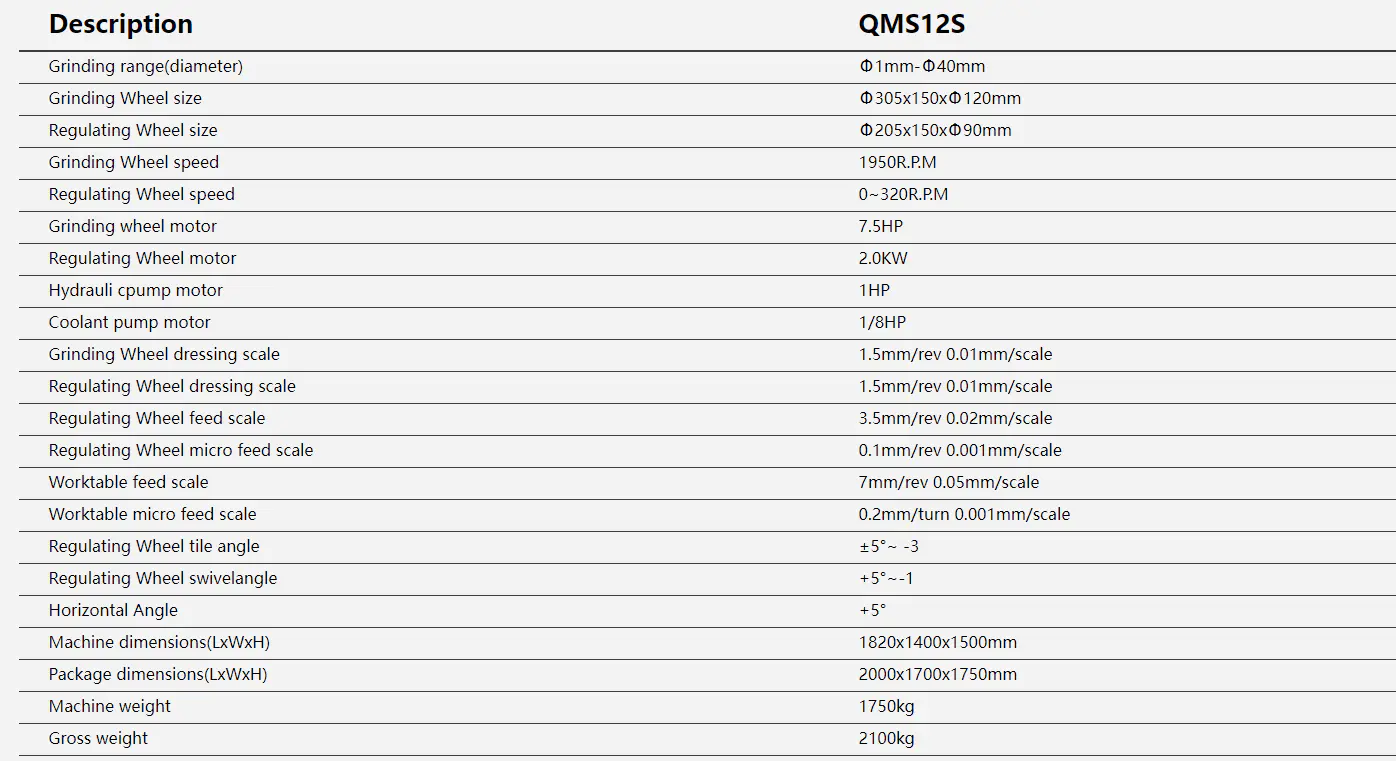
The centerless grinding machines manufactured by Zhejiang Quanshu include two models, QMS18S and QMS12S; the specific models are as follows:
Centerless Grinding Compared with Other Round Grinding Methods
Shops often weigh centerless grinding against center-type cylindrical grinding and precision turning. Each method has a place, and the choice usually comes down to part length, diameter consistency, and batch size.
| Factor | Centerless Grinding | Center-Type Grinding | Precision Turning |
|---|---|---|---|
| Workholding | Blade and regulating wheel | Centers or chuck | Chuck or collet |
| Best Batch Size | Medium to very high volume | Low to medium volume | Low to medium volume |
| Slender Part Rigidity | Strong support, low deflection | Can deflect on long thin parts | Can deflect on long thin parts |
| Cycle Time per Part | Very short once set up | Longer, includes load and center work | Moderate |
| Setup Complexity | Higher, needs wheel dressing and blade setup | Moderate | Lower for simple shapes |
Key Components of a Centerless Grinder
A centerless grinder looks simple from the outside, but each part plays a specific role in holding tolerance and finish.
- Grinding wheel: the abrasive wheel that removes stock from the part diameter, typically running at a much higher surface speed than the regulating wheel.
- Regulating wheel: a rubber-bonded wheel that controls part rotation speed and, when tilted, controls axial feed rate.
- Work blade: a hardened support that holds the part at the correct centerline height between the two wheels.
- Truing and dressing devices: tools that keep both wheels round and free of glazing so the process stays accurate over long runs.
- Coolant system: delivers fluid to the grinding zone to control heat, extend wheel life, and protect surface finish.
Work blade height and angle matter more than most people expect. A blade set too low or too high changes how the part rides between the wheels, which can introduce lobing, a shape defect where the part is round enough to pass a two-point micrometer check but is not truly circular under a three-point gauge.
Materials Commonly Ground on Centerless Machines
Centerless grinding works on most metals that can be ground on other machines, and the wheel specification is usually adjusted for the material rather than the process itself.
| Material | Typical Parts | Grinding Notes |
|---|---|---|
| Hardened alloy steel | Bearing races, pins, shafts | Needs coolant control to avoid heat cracks |
| Stainless steel | Medical pins, food grade rollers | Softer bond wheels reduce loading |
| Brass and bronze | Bushings, fittings | Prone to loading, needs open wheel structure |
| Ceramic and carbide | Rollers, valve components | Diamond wheels replace conventional abrasive |
Advantages of Centerless Grinding
The biggest advantage is throughput without sacrificing accuracy. Parts can be fed through a through-feed setup nearly back to back, which keeps cycle time low even when the tolerance requirement is tight.
- No center holes or fixtures needed, which removes a full step from part preparation.
- Strong support from the work blade limits deflection on long, thin parts.
- Consistent roundness across large batches once the setup is dialed in.
- Lower labor cost per part on high volume runs since loading is often automated with a hopper or feed track.
- Good surface finish, often in the range needed for sliding or rotating fits without a secondary polishing step.
Industries and Parts That Rely on Centerless Grinding
Any industry that consumes round metal parts in volume tends to use centerless grinding somewhere in its supply chain.
Automotive and Bearings
Bearing rollers, pins, valve stems, and fuel system components need tight round tolerances at high volume, which fits directly into a through-feed centerless setup.
Hydraulics and Fluid Power
Cylinder rods and piston pins need a consistent diameter and a fine surface finish so seals can ride against the surface without leaking, which is why hydraulic rod suppliers rely heavily on this process.
Medical Device Components
Needle stock, small pins, and surgical instrument shafts often require very tight diameter control on small parts, an area where centerless grinding handles delicate geometry well because the blade support prevents bending during grinding.
General Fasteners and Dowels
Dowel pins, roll pins, and shoulder screws are ground on centerless machines because their simple cylindrical shape and huge production volumes make through-feed grinding the fastest way to hit a tight diameter tolerance.
Tolerances and Surface Finish You Can Expect
Achievable tolerance depends on part rigidity, material hardness, machine condition, and how well the wheels are dressed, but the following ranges reflect what a well maintained centerless grinder can typically hold in general shop conditions.
| Process Setup | Typical Diameter Tolerance | Typical Surface Finish |
|---|---|---|
| Standard through-feed | Plus or minus 0.0005 inch | 16 to 32 microinch Ra |
| Precision through-feed | Plus or minus 0.0002 inch | 8 to 16 microinch Ra |
| In-feed with shoulder | Plus or minus 0.0004 inch | 16 to 24 microinch Ra |
Diameter tolerance is only part of the picture. Roundness, straightness, and taper along the length of the part also matter, especially for parts that will slide inside a bore or ride against a seal.
Common Problems and How Shops Fix Them
Most centerless grinding defects trace back to wheel condition, blade setup, or coolant flow rather than the machine itself.
- Lobing or out of round parts: usually caused by incorrect blade angle or blade height, corrected by resetting blade geometry relative to wheel centers.
- Chatter marks: often linked to a glazed or unbalanced grinding wheel, corrected with proper dressing and wheel balancing.
- Taper along the part length: points to uneven regulating wheel angle or an out of parallel setup, corrected by re-truing the regulating wheel.
- Burn marks on the surface: a sign of insufficient coolant or excessive stock removal per pass, corrected by slowing feed rate or increasing coolant flow.
- Size drift during a long run: tied to wheel wear, corrected with scheduled dressing intervals or in-process gauging.
Choosing a Centerless Grinding Partner for Production Work
When sourcing centerless grinding for a production part, look past price and check how the shop actually controls the process day to day.
- Ask how often grinding and regulating wheels are dressed during a run, since dressing frequency drives size consistency.
- Ask what in-process gauging is used, such as automatic diameter gauges that adjust the wheel position mid-run.
- Request a first article sample with a full dimensional report before committing to a full production run.
- Confirm the shop has experience with your specific material, since wheel specification changes significantly between soft and hardened metals.
A shop that can explain its setup sheet, dressing schedule, and gauging method in plain terms is usually the one that will hold tolerance consistently across a full production order.
Frequently Asked Questions About Centerless Grinding
What diameter range can centerless grinding handle
Most centerless grinders comfortably handle diameters from a fraction of a millimeter up to several inches, with machine size and wheel width setting the practical upper limit for any given shop.
Is centerless grinding only for round parts
The process is built around round or mostly round cross sections. Parts with flats, keyways, or off-center features can still be ground on the round sections, but the process itself works best on cylindrical geometry.
How does centerless grinding compare to honing for finish quality
Centerless grinding produces a very good finish on its own and is often sufficient for sliding fits, while honing is typically reserved for bores or applications that need an even finer crosshatch finish beyond what grinding alone provides.
Can short parts be ground on a centerless machine
Yes. Short parts such as small pins or spacers are commonly ground using in-feed setups where the part sits against a fixed stop rather than traveling through the machine.
Why does the regulating wheel matter more than people expect
The regulating wheel controls both rotation speed and feed rate, so any wear, imbalance, or angle error on that single wheel shows up directly as a size or roundness problem on every part that follows it.
Does centerless grinding work on very hard materials
Yes, hardened steel and even carbide can be ground on centerless machines when the correct wheel type is used, though hardened materials generally require slower feed rates and closer coolant control to prevent surface damage.