0086-15068518279 (Chinese)/001-5416026691 (English)



 EN
 中文简体
Content
- 1 What an Automation Workstation Really Includes
- 2 Start With the Part Family, Not the Robot
- 3 Cycle Time, Tolerance, and the Proof You Should Demand
- 4 Integration, Safety, and Uptime
- 5 Cost and Payback: Model the Whole Workstation
- 6 Supplier Capability and Delivery Questions
- 7 Where an Automation Workstation Pays Off
A production engineer comparing three quotes for an automation workstation often sees the same robot arm listed at three very different prices. The gap rarely comes from the arm. It comes from what surrounds it: the loader, gripper, part presentation, CNC interface, safety enclosure, gauging, and the supplier’s willingness to prove the whole cycle on the actual part.
The practical conclusion is simple: buy the workstation as a production system, not as a robot plus a machine. Evaluate cycle time, part-to-part repeatability, changeover, safety, and uptime together. A low-cost automation workstation that adds five minutes of troubleshooting per shift can lose more money than a higher-priced cell that runs unattended.
What an Automation Workstation Really Includes
In CNC grinding, an automation workstation is a self-contained work cell that loads, locates, machines, unloads, and often checks a defined family of parts. The machine tool is the center, but the workstation is the system around it.
- The grinder or machining center, including the control interface and workholding.
- The part-handling device: gantry loader, robot, or dedicated automatic loading and unloading unit.
- Grippers, part nests, conveyors, and reject bins that determine how reliably parts enter and leave the machine.
- Safety systems, interlocked doors, light curtains, and a risk assessment that covers the full cell.
- Control integration, recipe management, fault recovery, and the operator interface.
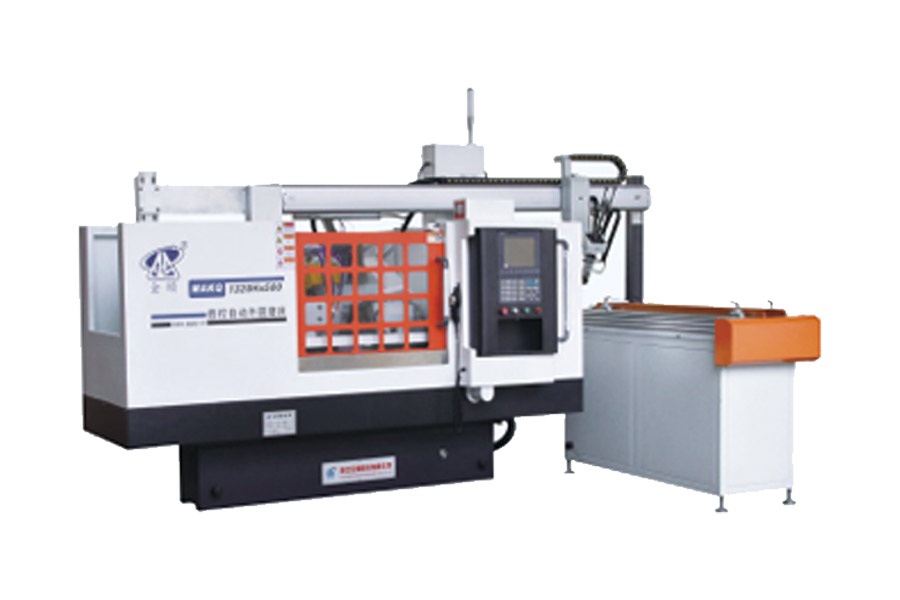
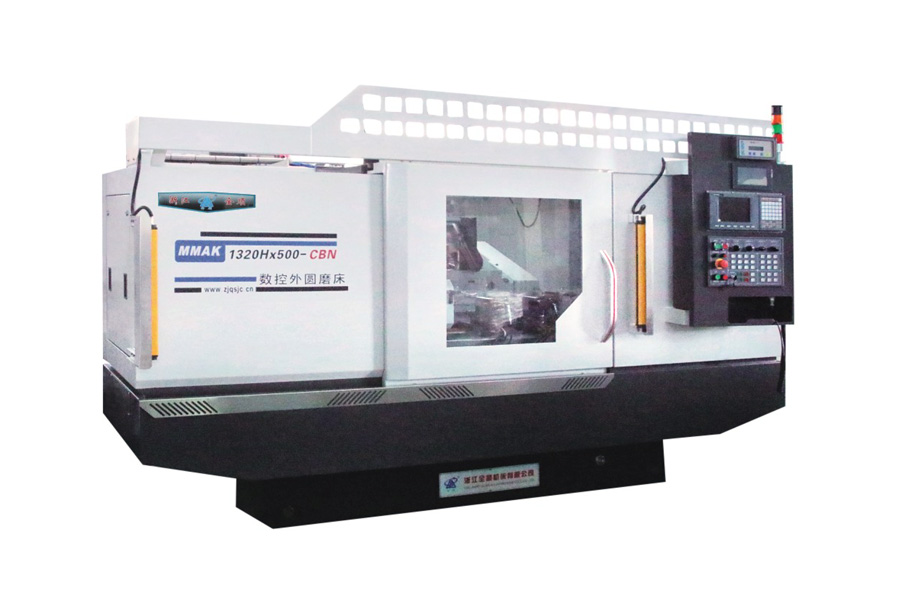
For cylindrical grinding, this usually means a CNC grinder paired with a gantry loader, robot, or dedicated automatic loading and unloading unit. The part must be presented in a repeatable position before the grinding cycle starts, because a small loading error can become a taper, runout, or surface-finish problem after grinding.
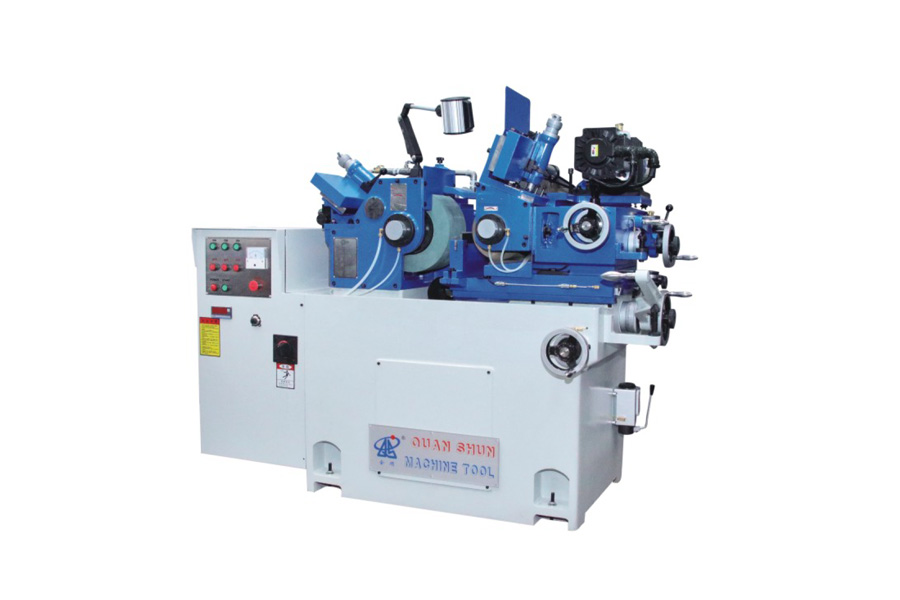
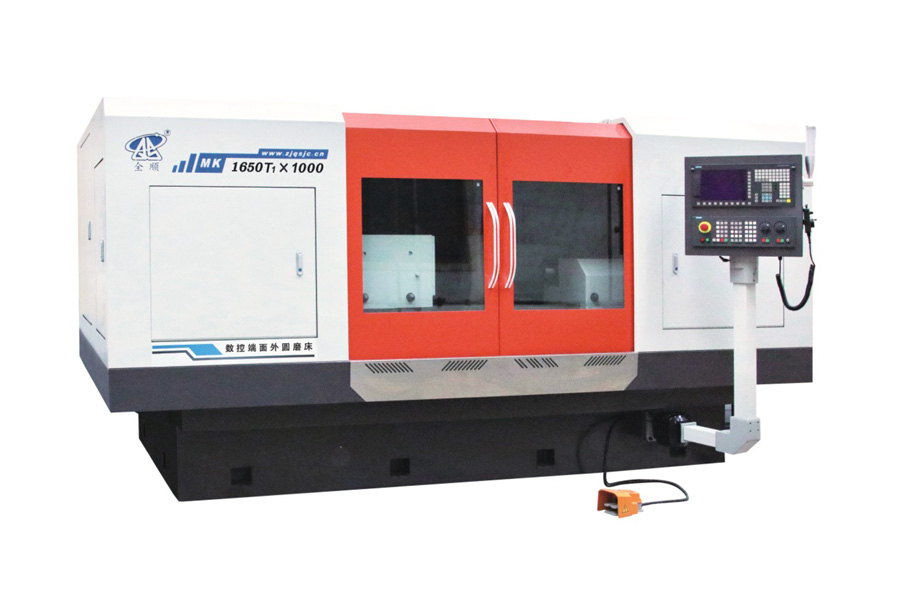
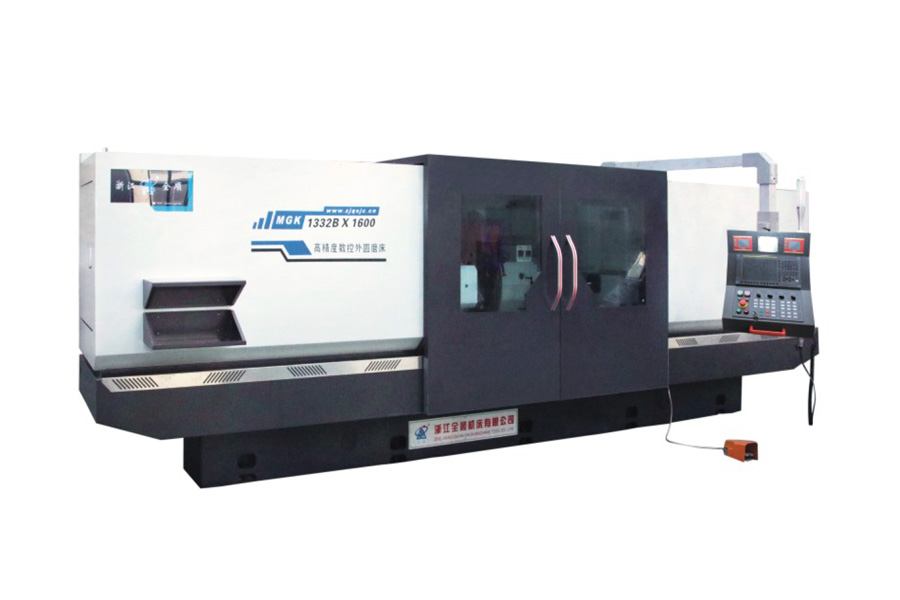
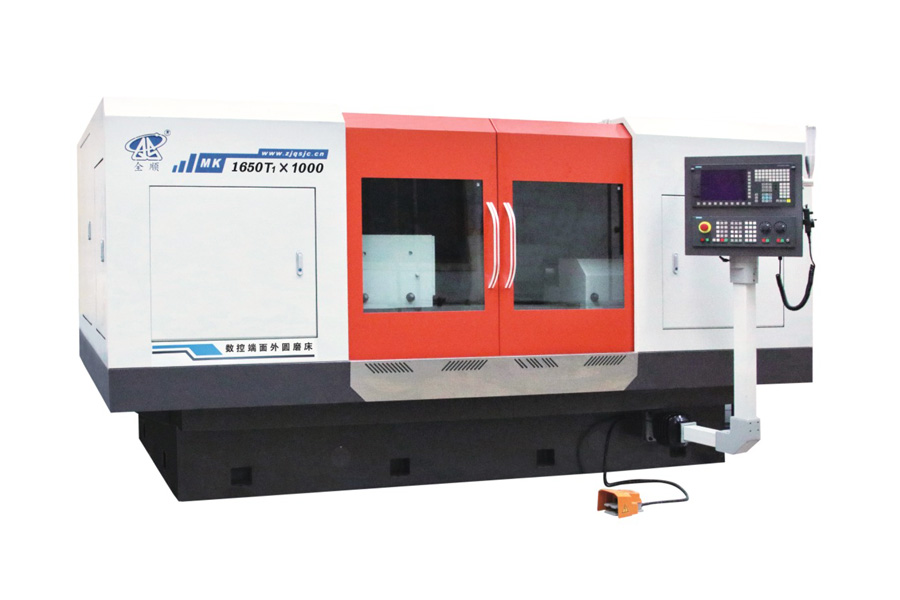
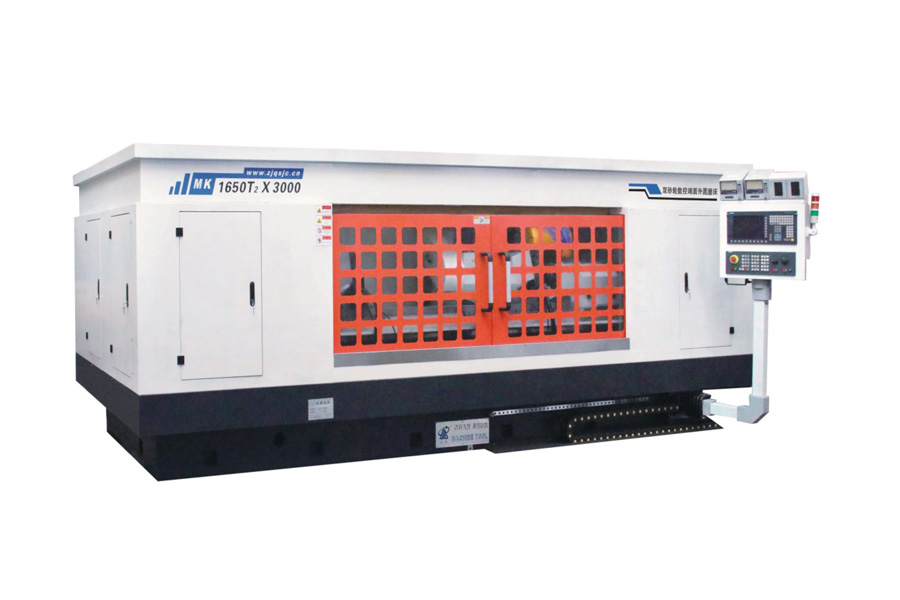
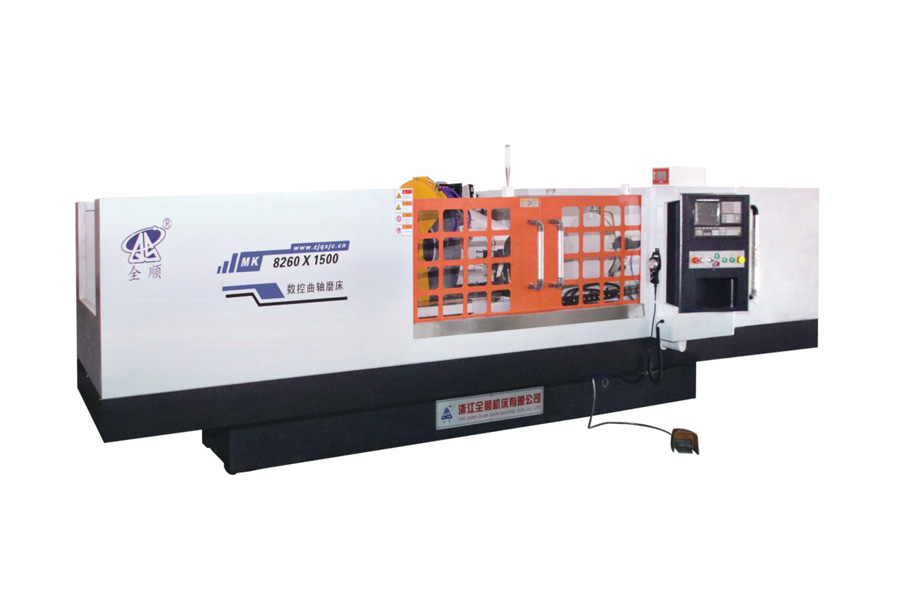
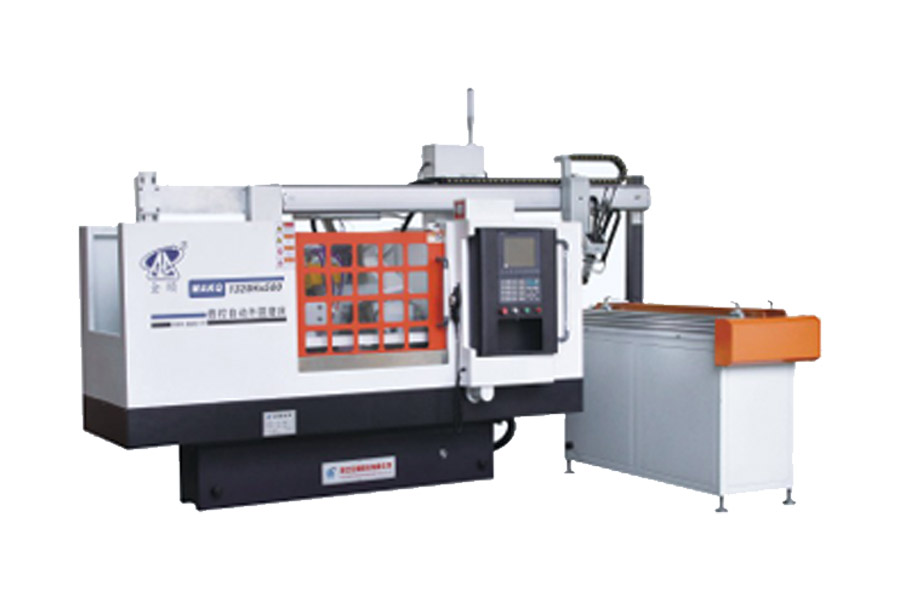 Automatic CNC Cylindrical Grinding Machine with LoaderPairs automated loading with dual-channel grinding and robotic handling, helping maintain repeatable part presentation for high-volume cylindrical grinding.View Product →
Start With the Part Family, Not the Robot
An automation workstation that handles one shaft family beautifully may struggle with a second family that differs by 20 mm in diameter and 150 mm in length. Before reviewing robot payload or teach-pendant features, define the part envelope: minimum and maximum diameter, length, weight, hardness, center-hole condition, and whether the part can be gripped without marking the finished surface.
| Configuration | Best Fit | Main Constraint | What to Verify |
|---|---|---|---|
| Manual loading | Low volume, high mix, or early process development | Labor variance and operator fatigue | Ergonomics, gauging, and handling damage |
| Dedicated automatic loader | Stable high-volume part family | Changeover and part-feeding discipline | Load time, jam recovery, and nest repeatability |
| Robotic cell | Mixed part families and future flexibility | Gripper complexity, safety reach, and programming | Safe reach, vision or gauging, and fault recovery |
| Compound or multi-process center | Multiple surfaces finished in one clamping | Higher integration and maintenance demands | Process sequence, tool life, and access for service |
If the annual volume is clear but the part mix is uncertain, specify quick-change grippers, interchangeable part nests, and a control recipe system. Changeover time is a workstation specification, not a service afterthought. A cell that takes half a shift to switch families will be bypassed for small batches, even if its cycle time is excellent.
Cycle Time, Tolerance, and the Proof You Should Demand
Ask for a part-specific capability study
A robot repeatability figure is not a grinding process capability. Ask the supplier to show a study on a representative part: diameter tolerance, roundness, runout, taper, surface finish, and size drift across a tool-wear cycle. The study should separate load and unload time from grinding time so the buyer can see where the seconds go.
On a typical cylindrical grinding workstation, the important numbers include:
- Load and unload time per part, including gripper travel and door movement.
- Grinding cycle time at the specified stock removal and wheel condition.
- Size repeatability over 30 to 50 consecutive parts, not three demonstration parts.
- Scrap rate during a deliberate wheel-wear run and a restart after a simulated fault.
Audit the load and unload path
Walk through the part path in slow motion. Check how the raw part enters, how chips and coolant are kept away from the gripper, and how a rejected part is removed. The load path is where most unscheduled stops begin. A workstation that cannot clear a jam without opening three guards and resetting the robot will not deliver unattended production, whatever its brochure cycle time says.
Integration, Safety, and Uptime
The cell must speak to the grinder control, the plant network, and the operator. Minimum integration questions include how part programs are selected, how the robot confirms that the correct part is loaded, how wheel-change status is handled, and how the cell reports a fault to the line supervisor.
- Does the workstation interface use a hard-wired handshake, fieldbus, or both?
- Can the operator recover from a jam without a controls engineer?
- Are recipe changes, gripper changes, and safety resets documented in the manual?
- What spare parts are recommended for the first year of production?
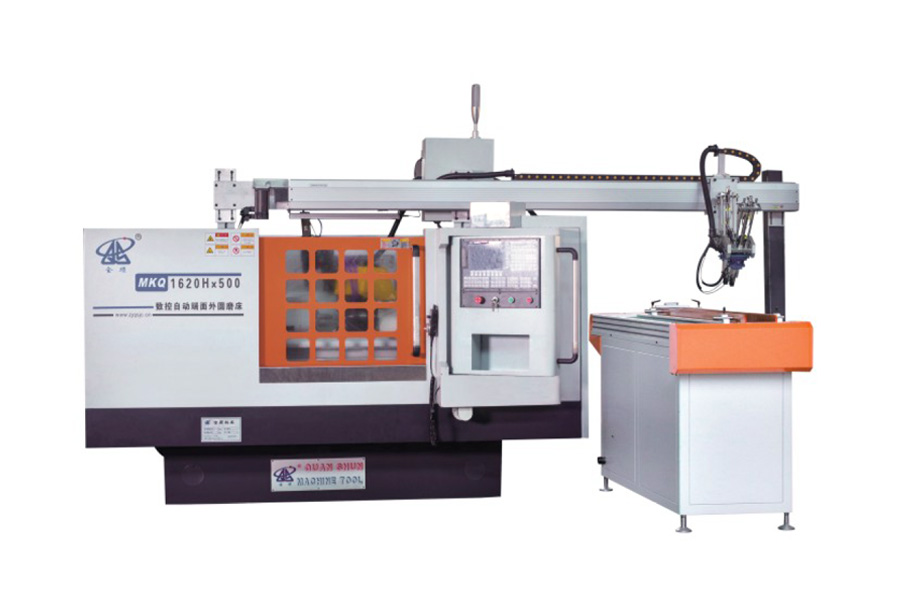
Safety is not a fence around a robot. It is a risk assessment that covers doors, light curtains, pressure-sensitive mats, gripper drop protection, and the safe state after power loss. For a grinding workstation, also plan coolant mist, wheel-burst protection, and chip accumulation. A workstation is only as good as its worst housekeeping detail.
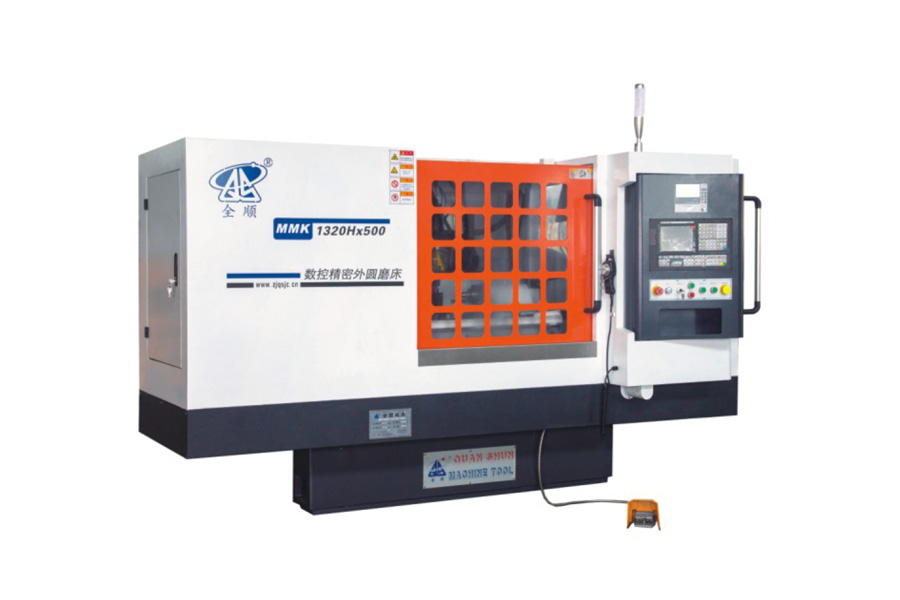
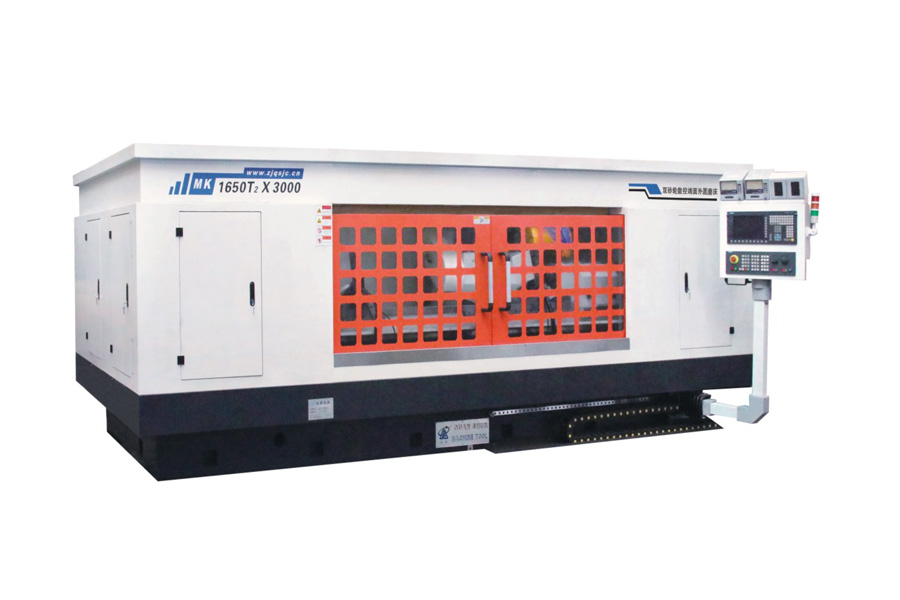
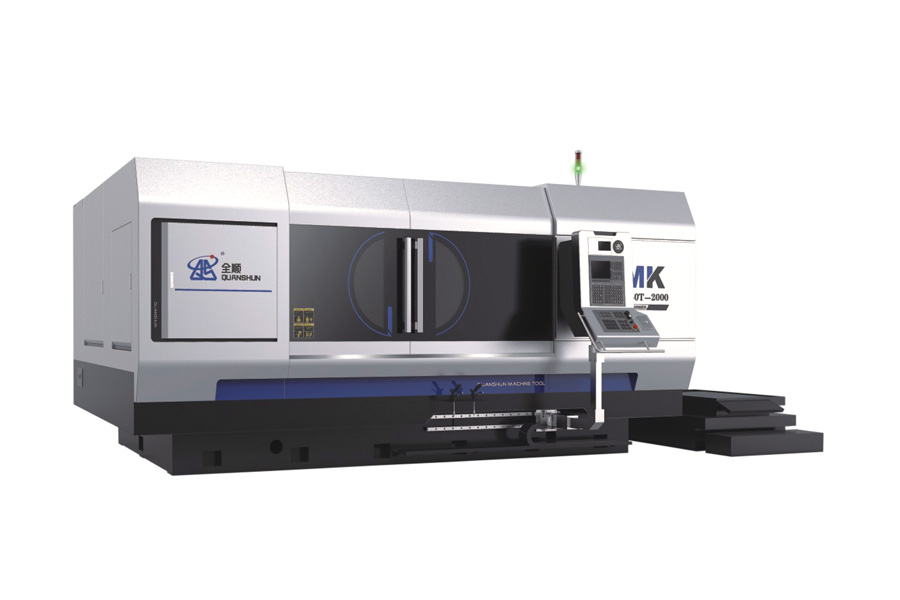
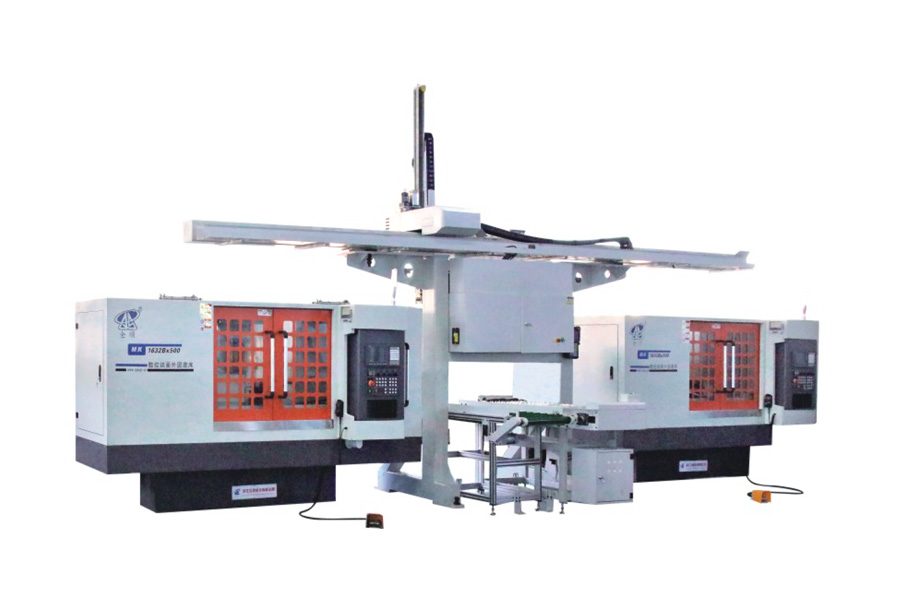 Automatic CNC Face and Cylindrical Grinding MachineCombines dual-channel synchronous control and flexible manipulator access for automated grinding lines, supporting planning around integration, safety, and lifecycle support.View Product →
Cost and Payback: Model the Whole Workstation
Price the automation workstation in four buckets: machine tool, automation hardware, integration and commissioning, and lifecycle support. The lowest quote can look attractive until the buyer adds missing items: special grippers, part conveyors, reject bins, safety validation, operator training, spare parts, and remote-support capability.
- Machine tool and workholding, including the grinding wheel package.
- Loader or robot, grippers, part nests, and infeed or outfeed equipment.
- Electrical integration, PLC programming, safety validation, and acceptance testing.
- Training, documentation, spares, service response, and future changeover support.
A useful payback model uses unattended hours per week rather than theoretical cycle time. If the cell can run through a lunch break or a second shift without an operator, the labor and machine-utilization gains are easier to defend. If it still needs constant attendance, the project is a machine upgrade, not an automation strategy.
Supplier Capability and Delivery Questions
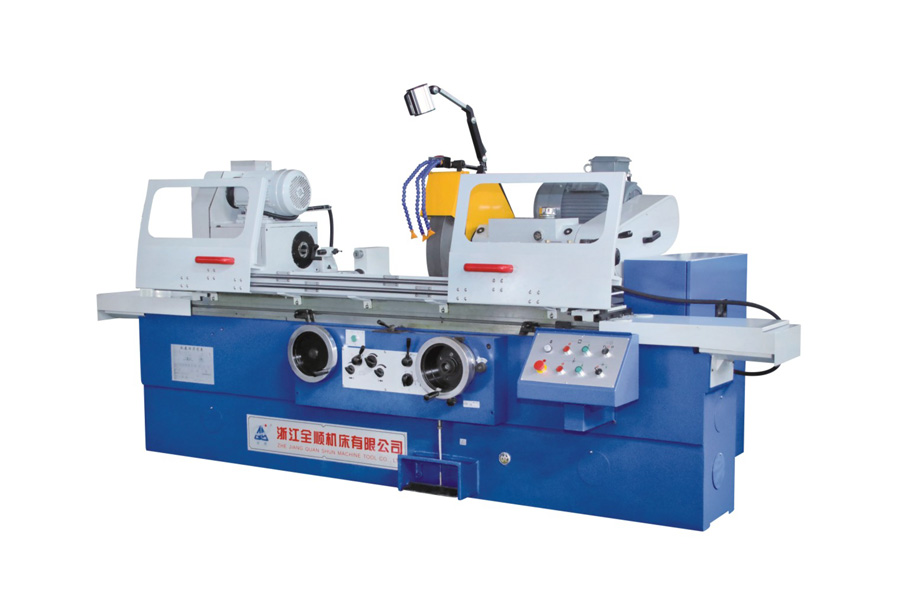
For a grinding-based workstation, the supplier should understand both the grinder and the part-handling side. Zhejiang Quanshun Machine Tool Co., Ltd. self-describes a history since 2003, a factory area above 35,000 m², more than 210 precision machines, and exports to 45-plus countries. Those figures are useful as a starting point, but the buyer should still verify the exact machine configuration, documentation, and acceptance test.
Ask for the names of the people who will handle mechanical design, electrical integration, and service. A custom or non-standard part often needs a custom grinding machine approach rather than a standard catalogue model. Confirm who owns the risk assessment, who writes the PLC sequence, and who signs the final capability report.
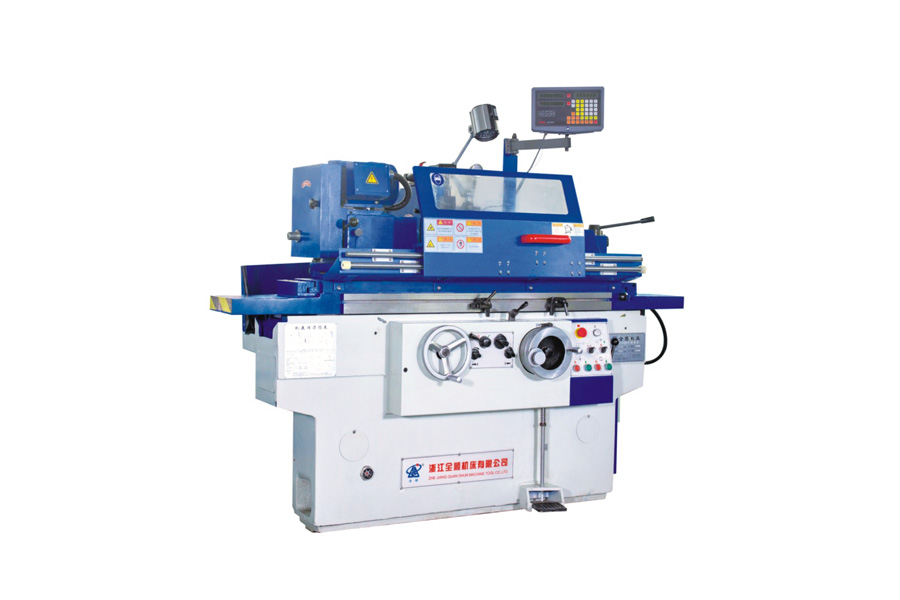
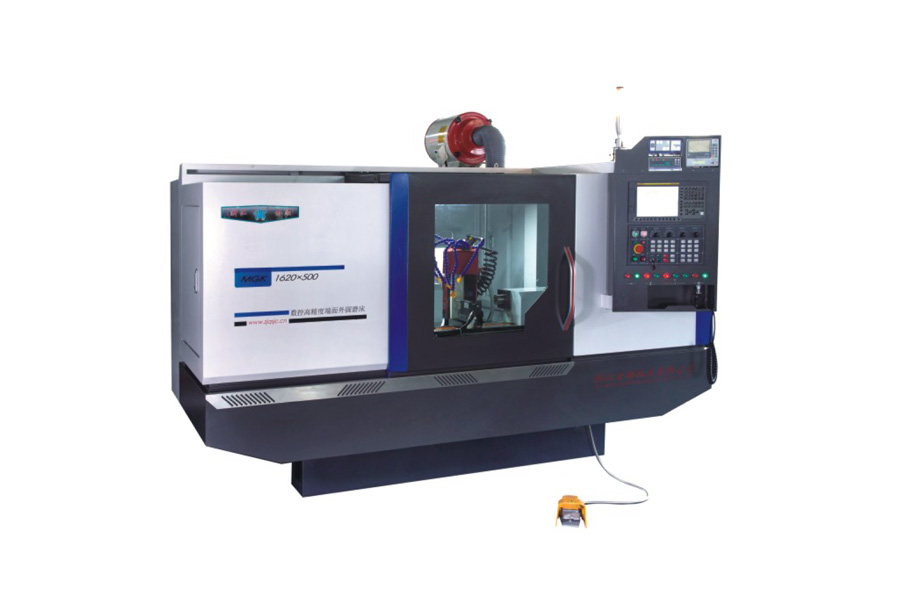
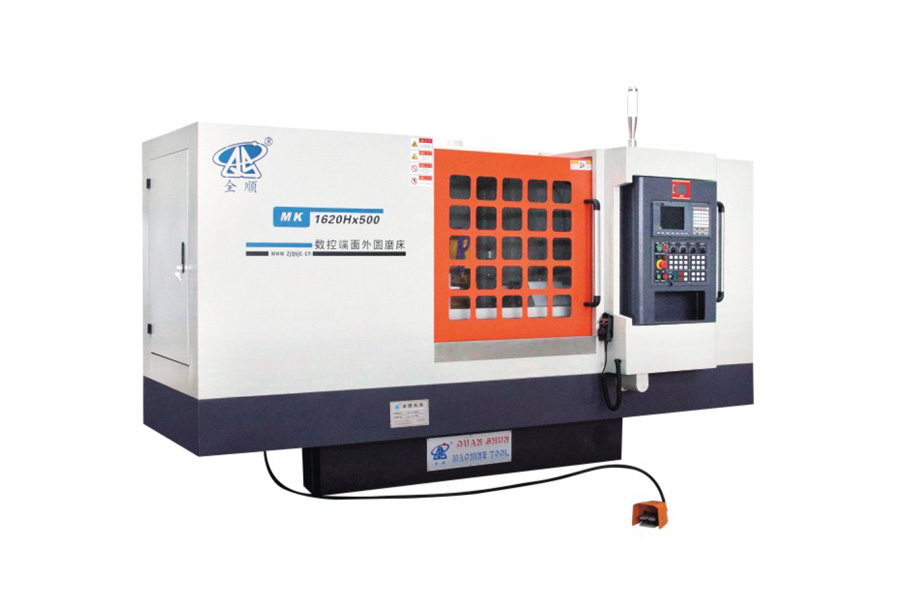
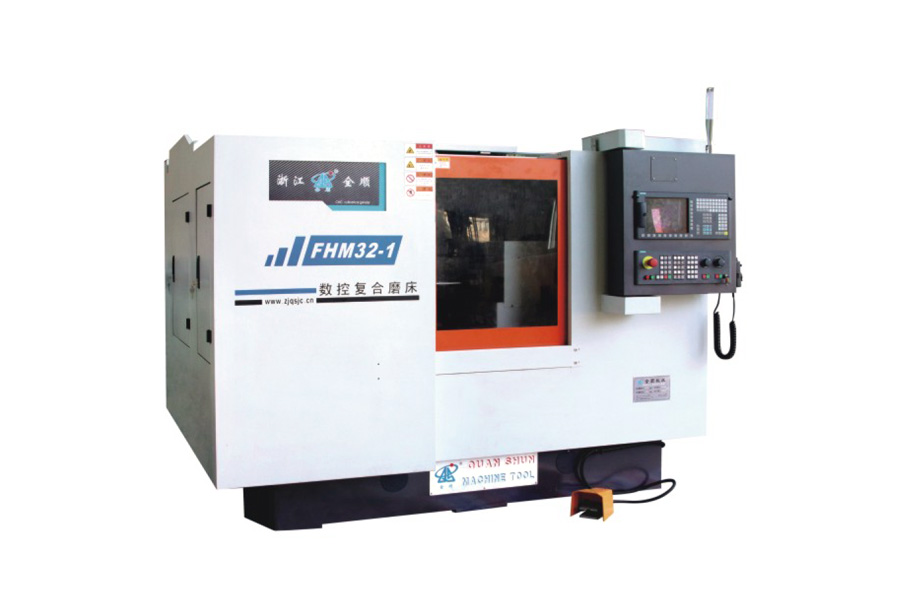
 High Precision Compound Grinding CenterMulti-spindle grinding cell for complex tight-tolerance parts, offering single-setup ID, OD, taper, and profile grinding for automated production.View Product →
Where an Automation Workstation Pays Off
The best candidates share three traits: stable part geometry, enough volume to justify engineering, and a process that already has a reliable grinding recipe. A CNC grinding machine with automatic loader can reduce manual handling and keep cycle times consistent. The operational benefits are easier to justify when the project is planned around the benefits of automated loading and unloading, not around labor reduction alone.
Before signing, run a factory acceptance test that includes a full shift, a deliberate jam recovery, a changeover, and a tool-wear cycle. The workstation should prove the boring parts of production—recovery, repeatability, and restart—not just the best-cycle demo. That is the difference between an automation purchase and an automation workstation that earns its floor space.